The Misconception of "Normal": Understanding the Spectrum of Human Behavior
🤔 "Normal" behavior is a myth. This article explores the vast spectrum of human behavior, challenging preconceived notions and illuminating the diversity…
Read article
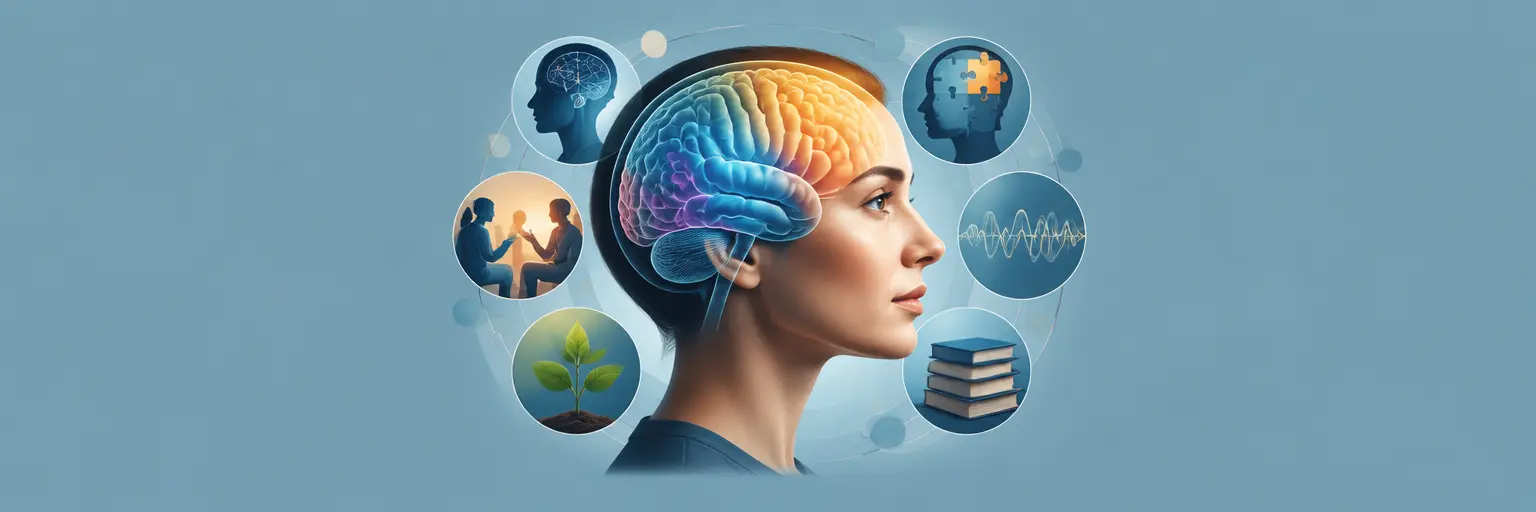
Psychology Basics opens the door to understanding human behavior and mental processes, offering an engaging introduction to psychology for students and curious readers alike. From the history of psychology and the major schools of thought—psychoanalysis, behaviorism, humanism, and cognitive science—to modern breakthroughs shaping the future of psychology, this category demystifies complex ideas with clarity. Discover what psychology truly is (and what it isn’t), explore diverse careers in psychology, and bust common misconceptions with evidence-based insights. Whether you’re a beginner or brushing up on fundamentals, start here about core principles and real-world applications.

🤔 "Normal" behavior is a myth. This article explores the vast spectrum of human behavior, challenging preconceived notions and illuminating the diversity…
Read article
🤔 Psychology's foundation rests on rigorous research. This article explores evidence-based practice in psychology, clarifying its crucial role and impact on the…
Read article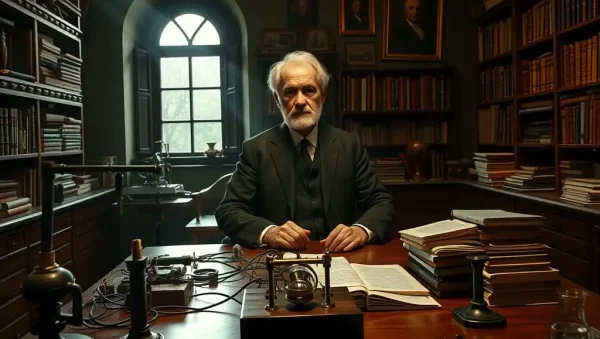
😊 Dive into the fascinating world of Wundt experimental psychology! This introduction explores Wilhelm Wundt's groundbreaking work, establishing the first psychology lab…
Read article
🤔 Explore pivotal moments shaping modern Psychology: from the birth of structuralism and psychoanalysis to the cognitive revolution and beyond. This article…
Read article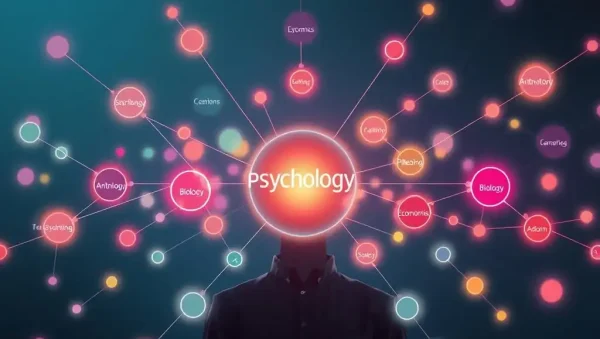
🤔 Psychology isn't an island; its rich tapestry weaves together threads from biology, sociology, anthropology, and more. Exploring these psychology connections to…
Read article
🤔 Delve into the fascinating world of neuropsychology! Explore diverse neuropsychology career paths, from clinical practice to research, uncovering how brain function…
Read article
🤔 Choosing between psychology and psychiatry? This article clarifies the distinct career paths, highlighting the differences in education, treatment approaches, and patient…
Read article
🤔 Discover how psychology is evolving! This article explores future psychology trends explained, including technological advancements, personalized mental healthcare, and a growing…
Read article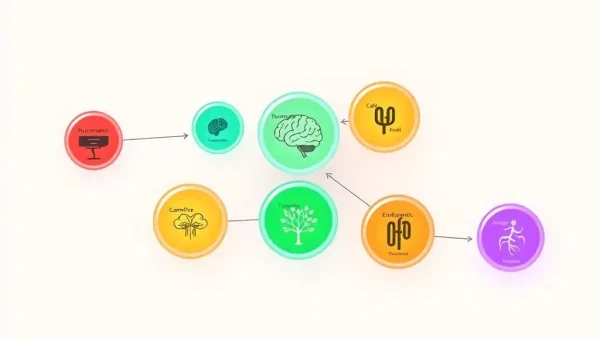
🤔 Uncover how prominent psychology schools—from Psychoanalytic to Cognitive—impact daily decisions. This article translates complex theories into practical, everyday applications, making psychology…
Read article
🤔 Explore fundamental questions about human behavior and the mind in this introduction to basic psychology key concepts. Uncover enduring mysteries and…
Read article
😊 Explore the exciting future of biological psychology and neuroscience! This article unveils groundbreaking advancements transforming our understanding of the brain-behavior relationship,…
Read article
🤔 Explore the foundational clash in Psychology's early methods: a comparison of introspection's subjective approach against observation's emphasis on objective, behavioral data.…
Read articleWelcome to our Introduction to Psychology hub, designed for students, curious minds, and lifelong learners. Here, you’ll explore the foundations of human behavior, mental processes, and the scientific methods that shape this dynamic field. Whether you’re preparing for a course or simply want to understand why people think and act the way they do, this category offers clear, accessible explanations. Dive into major theories, debunk common myths, and discover how psychology evolves in the modern world. Let’s begin your journey into the science of mind and behavior.
Psychology is the scientific study of the mind and behavior, encompassing everything from biological underpinnings to social influences. This subcategory clarifies the core definitions, research methods, and scope of the discipline—covering cognitive, emotional, and social processes. Expect to learn how psychologists use empirical evidence, experiments, and observations to answer questions about perception, learning, memory, and mental health. A perfect starting point for beginners who want a solid, accurate foundation before exploring deeper topics.
Trace psychology from its roots in philosophy and physiology to its emergence as an independent science in the 19th century. This section highlights pivotal figures like Wundt, James, Freud, and Watson, along with landmark experiments that shaped the field. You’ll see how psychology evolved from introspection and psychoanalysis to behaviorism, then to today’s cognitive and neuroscientific approaches. Understanding this timeline helps contextualize modern theories and shows how historical controversies led to more rigorous, evidence-based practices.
Explore the distinct perspectives that have defined psychology’s landscape: structuralism, functionalism, behaviorism, psychoanalysis, humanism, cognitive psychology, and biopsychology. Each school offers unique lenses for interpreting why we behave as we do. This subcategory contrasts their core assumptions, methods, and therapeutic applications. You’ll learn how these schools complement and sometimes clash with one another, building a rich, multi-perspective toolkit for analyzing human experience—from unconscious drives to conditioned responses to conscious choices.
Discover emerging trends that are reshaping the discipline, including digital mental health, artificial intelligence, neuroimaging, and cross-cultural research. This section addresses how psychologists are integrating genetics, big data, and real-world applications to solve pressing issues like climate anxiety and remote counseling. Expect insights into the increasing focus on prevention, positive psychology, and personalized interventions. The future also emphasizes decolonizing psychology, making it more inclusive and relevant globally. A forward-looking look at where the science is heading.
Considering a psychology degree? This subcategory outlines the diverse career paths—from clinical and counseling roles to industrial-organizational, forensic, educational, and research positions. You’ll learn about required education levels (bachelor’s, master’s, doctorate), licensure, and typical salaries. We also highlight non-traditional career options where psychology skills are invaluable, such as user experience, marketing, and coaching. Practical advice on gaining experience, networking, and choosing a specialty that matches your interests and values.
Psychology is surrounded by myths—like “it’s just common sense” or “only for crazy people.” This section systematically debunks common misconceptions using scientific evidence. You’ll learn why psychology is a rigorous STEM field, why psychological tests are more than quizzes, and why psychoanalysis isn’t the primary therapy today. We also clarify the difference between psychologists and psychiatrists, and why “opposites attract” is often false. Clearing up these misunderstandings helps you evaluate psychological information critically.
Yes, psychology is a science because it uses systematic observation, experimentation, and statistical analysis to test hypotheses about behavior and mental processes. It follows the scientific method, and findings are peer-reviewed and replicable. While some topics appear subjective, psychologists use controlled methods to ensure objectivity, making it as rigorous as other natural or social sciences.
A psychologist typically holds a doctorate in psychology and focuses on therapy, assessments, and research. They cannot prescribe medication in most regions. A psychiatrist is a medical doctor (MD/DO) who can prescribe medications and often handles more severe mental illnesses. Both treat mental health but via different training and tools—psychologists use talk therapy, while psychiatrists combine medical and therapeutic approaches.
Absolutely. Psychological principles improve communication, stress management, habit formation, and decision-making. Understanding concepts like cognitive biases, reinforcement, and emotional regulation helps you navigate relationships, work, and personal goals. Even without professional help, applying evidence-based strategies can boost resilience, productivity, and overall well-being in everyday situations.
No, you don’t. Many accessible resources—like this website, books, podcasts, and free courses—explain psychological concepts clearly. However, a formal degree provides deeper methodological training, critical thinking, and practical skills for a career. For personal understanding, you can learn core ideas informally; just ensure you rely on credible, science-backed sources rather than pop psychology.
The most common include clinical psychology, counseling, school psychology, industrial-organizational psychology, and research positions. But graduates also work in HR, marketing, user experience, social work, and education. Many roles require additional licensure or certifications. An undergraduate degree alone opens entry-level jobs in mental health support, case management, or human services, while advanced degrees lead to specialized clinical or academic careers.