
How to Apply the Principles of Each School of Thought in Everyday Life


Unravel the mysteries of the human mind! Welcome to Psychology Basics, your gateway to understanding the fascinating world of psychology. Ever wondered how different psychological schools of thought impact your daily life? Our insightful article, "How to Apply the Principles of Each School of Thought in Everyday Life," explores precisely that, revealing how these concepts shape our experiences and decisions. Prepare to see the world – and yourself – in a whole new light. Dive in and discover the practical applications of psychology!
- Understanding Psychology Schools and Their Everyday Applications
- Psychoanalytic Theory in Daily Life: Unconscious Influences
- Behaviorism in Everyday Life: Shaping Behaviors
- Cognitive Psychology in Everyday Life: Thoughts and Perceptions
- Humanistic Psychology in Everyday Life: Self-Actualization and Growth
- Biological Psychology in Everyday Life: The Mind-Body Connection
- Integrating Psychology Schools for a Holistic Approach to Life
-
Frequently Asked Questions
- How can I apply Psychoanalytic theory to my daily life?
- How does Behaviorism impact my daily routines?
- What is the role of Humanistic psychology in my personal growth?
- Can Cognitive psychology help me solve problems more effectively?
- How can I use the principles of Social psychology in my interactions with others?
- Final Reflection: Weaving Psychology into the Tapestry of Daily Life
- Embrace the Wisdom: Apply Psychological Principles Today!
Understanding Psychology Schools and Their Everyday Applications
Psychology, the scientific study of the mind and behavior, is far more than just a collection of theories confined to textbooks. Its principles, categorized into various schools of thought, offer powerful tools for navigating the complexities of everyday life. This article explores how the major schools of psychological thought—from the foundational perspectives to more contemporary approaches—can be practically applied to enhance our understanding of ourselves and the world around us.
We'll examine how these seemingly abstract concepts translate into tangible strategies for improved well-being, stronger relationships, and more effective problem-solving. Understanding these schools of thought isn't just about memorizing names and dates; it's about gaining a practical framework for navigating the human experience. By grasping the core tenets of each perspective, we can develop a deeper self-awareness and cultivate more fulfilling lives.
This exploration is particularly relevant for students and general readers interested in bridging the gap between academic psychology and its real-world application, helping to make the subject more accessible and relatable. Let's delve into the fascinating world of practical psychology.
Defining the Major Schools of Psychological Thought
Psychology's rich history has witnessed the emergence of several influential schools of thought, each offering a unique lens through which to understand human behavior. These schools, while sometimes overlapping or even contrasting, provide a comprehensive framework for analyzing various aspects of the human experience. Let's briefly define some of the most prominent:
- Psychoanalysis: Founded by Sigmund Freud, this school emphasizes the unconscious mind, early childhood experiences, and the role of internal conflicts in shaping personality and behavior. It highlights the importance of dreams, slips of the tongue, and defense mechanisms in understanding psychological processes.
- Behaviorism: This approach focuses solely on observable behaviors and their environmental determinants, largely ignoring internal mental states. Key figures like Ivan Pavlov and B.F. Skinner demonstrated how learning through conditioning (classical and operant) profoundly shapes actions.
- Humanistic Psychology: In contrast to the deterministic views of psychoanalysis and behaviorism, humanistic psychology emphasizes free will, self-actualization, and the inherent goodness of human nature. Abraham Maslow's hierarchy of needs and Carl Rogers' person-centered therapy are central to this perspective.
- Cognitive Psychology: This influential school examines mental processes such as memory, attention, perception, problem-solving, and language. It explores how information is processed, stored, and retrieved, impacting our thoughts, feelings, and actions.
- Biological Psychology (or Biopsychology): This perspective investigates the biological basis of behavior and mental processes, examining the influence of genes, neurotransmitters, hormones, and brain structures on psychological functioning.
The Relevance of Psychology Schools to Daily Life
The principles derived from these schools of thought are not merely theoretical constructs; they offer practical tools for improving our daily lives. For example:
- Applying Psychoanalytic principles: Recognizing defense mechanisms like denial or repression can help us understand our own emotional responses and those of others. Becoming aware of recurring patterns in our relationships, potentially rooted in childhood experiences, can facilitate more conscious and healthier interactions.
- Utilizing Behaviorism: Understanding operant conditioning allows us to modify our own behaviors and habits through reinforcement and punishment. For instance, setting up a reward system for reaching fitness goals or breaking bad habits through negative reinforcement.
- Embracing Humanistic principles: Focusing on self-acceptance, personal growth, and setting meaningful goals aligns with the humanistic emphasis on self-actualization. Practicing mindfulness and self-compassion can significantly contribute to overall well-being.
- Leveraging Cognitive Psychology: Improving our memory techniques, problem-solving skills, and critical thinking abilities directly benefits our daily lives, from academic pursuits to professional success.
- Understanding Biological factors: Recognizing the impact of stress on our bodies and minds, and the role of sleep and nutrition on mental health, empowers us to make informed lifestyle choices that promote well-being.
The practical application of these psychological schools is vast and varied. By integrating their insights into our daily lives, we can gain a more profound understanding of ourselves and others, leading to more fulfilling and meaningful experiences. The following sections will delve deeper into specific applications of each school of thought, providing concrete examples and practical strategies.
Psychoanalytic Theory in Daily Life: Unconscious Influences

Psychoanalytic theory, pioneered by Sigmund Freud, posits that unconscious drives and conflicts significantly shape our behavior, thoughts, and emotions. While the concept of the unconscious might seem abstract, its principles are surprisingly applicable to everyday life. Understanding these principles can provide valuable insights into our own actions and those of others, leading to greater self-awareness and improved interpersonal relationships. This section explores how to identify and apply psychoanalytic concepts in your daily interactions and self-reflection, furthering your understanding of "psychology schools everyday life".
Identifying Defense Mechanisms in Everyday Interactions
Defense mechanisms are unconscious strategies the ego employs to manage anxiety arising from conflicts between the id (primitive desires) and the superego (moral conscience). Recognizing these mechanisms in ourselves and others is crucial for navigating everyday interactions effectively.
For example, consider repression, where unacceptable thoughts or feelings are pushed into the unconscious. Have you ever found yourself suddenly forgetting an important appointment or conversation that caused you significant stress? This could be a manifestation of repression. Similarly, projection involves attributing one's own unacceptable feelings or impulses to another person. If you're feeling angry but accuse someone else of being angry, projection may be at play.
Other common defense mechanisms include:
- Displacement: Redirecting emotions from a threatening target to a less threatening one (e.g., yelling at your spouse after a frustrating day at work).
- Rationalization: Creating seemingly logical justifications for unacceptable behavior (e.g., "I deserved that extra piece of cake because I worked hard today").
- Sublimation: Channeling unacceptable impulses into socially acceptable activities (e.g., expressing aggression through competitive sports).
Understanding these defense mechanisms allows for a more nuanced understanding of human behavior, helping us to react with empathy and avoid misinterpretations in our daily interactions. Analyzing your own reactions and the reactions of others through the lens of defense mechanisms offers a powerful tool for self-improvement and stronger relationships, enhancing your grasp of "psychology schools everyday life".
Applying Psychoanalytic Principles to Relationships
Psychoanalytic theory offers a framework for understanding relationship dynamics. Unresolved childhood conflicts and unconscious patterns can significantly impact our choices in partners and the way we interact within relationships.
For instance, individuals with an attachment anxiety stemming from early childhood experiences might exhibit clinginess or possessiveness in their adult relationships, constantly seeking reassurance and validation. Conversely, those with attachment avoidance might struggle with intimacy and emotional closeness, exhibiting distance and emotional unavailability.
Analyzing relationship patterns through a psychoanalytic lens involves exploring recurring themes, identifying unconscious motivations, and understanding how past experiences shape present behaviors. This self-reflection can be challenging but ultimately rewarding, fostering greater self-awareness and healthier relationship dynamics. By recognizing and addressing these unconscious patterns, you can improve communication, manage conflict more effectively, and cultivate more fulfilling relationships, adding depth to your understanding of "psychology schools everyday life".
Understanding Dreams and Their Symbolic Meaning
According to Freud, dreams serve as a "royal road to the unconscious," providing valuable insights into our hidden desires, fears, and conflicts. While dream interpretation is complex and subjective, applying psychoanalytic principles can help us understand the symbolic meaning behind our dreams.
Consider the common dream symbol of water. In psychoanalytic terms, water can symbolize the unconscious itself, representing emotions and feelings that are submerged and hidden from conscious awareness. A dream about drowning, for example, might symbolize feeling overwhelmed by emotions or struggling to cope with a difficult situation.
Similarly, flying might represent feelings of freedom and liberation, while being chased might indicate avoidance of unresolved conflicts or anxieties. Analyzing dream symbols requires careful consideration of personal associations and context. Keeping a dream journal and reflecting on the recurring themes and emotions can offer valuable insights into your unconscious mind. The process, although requiring patience and introspection, enhances self-awareness and contributes to a deeper understanding of your own psychological landscape, enriching your comprehension of "psychology schools everyday life".
Behaviorism in Everyday Life: Shaping Behaviors
Behaviorism, a major school of thought in psychology, emphasizes the role of environmental factors in shaping behavior. Instead of focusing on internal mental states, behaviorists study observable actions and how they are learned through conditioning and reinforcement. Understanding the principles of behaviorism can significantly improve our ability to manage our own behaviors and those of others, leading to more fulfilling and productive lives.
This section explores how to apply classical and operant conditioning, core tenets of behaviorism, in everyday life, along with practical behavior modification techniques. The key is to recognize the power of environmental cues and consequences in shaping our actions, and to strategically utilize them for positive change. This allows us to better understand the “Psychology schools everyday life” connection.
Classical Conditioning in Daily Routines
Classical conditioning, pioneered by Ivan Pavlov, involves associating a neutral stimulus with a naturally occurring stimulus (unconditioned stimulus) that elicits an automatic response (unconditioned response). Through repeated pairings, the neutral stimulus becomes a conditioned stimulus, eliciting a conditioned response similar to the unconditioned response. Let's consider everyday examples.
Consider the scenario of a child developing a fear of dogs. Initially, the dog (neutral stimulus) elicits no specific response. However, if the child is bitten by a dog (unconditioned stimulus), resulting in pain and fear (unconditioned response), the child may subsequently develop a fear of dogs (conditioned response). The dog, once neutral, now triggers fear.
We can leverage classical conditioning to build positive associations. For instance, if you consistently listen to relaxing music while taking a bath (neutral stimulus paired with relaxing activity), eventually, the music alone might evoke feelings of relaxation (conditioned response). Similarly, pairing a particular scent with a pleasant memory can trigger positive emotions when encountering that scent later. Understanding this allows for targeted manipulation of environmental cues to achieve desired emotional or behavioral outcomes. This is a practical application of understanding "Psychology schools everyday life".
Operant Conditioning and Habit Formation
Operant conditioning, associated with B.F. Skinner, focuses on the consequences of behavior. Behaviors followed by positive reinforcement (rewards) are more likely to be repeated, while behaviors followed by punishment are less likely to be repeated. This powerful principle underpins habit formation and modification.
Let's say you want to establish a regular exercise routine. Initially, you might reward yourself with a healthy smoothie after each workout (positive reinforcement). This positive consequence increases the likelihood of you repeating the exercise behavior. Conversely, if you consistently skip your workouts and experience feelings of guilt or disappointment (punishment), you're less likely to continue skipping.
To break a bad habit, such as nail-biting, you could use punishment, like applying a bitter-tasting nail polish. Alternatively, you might use negative reinforcement by removing an unpleasant stimulus. For example, if you constantly check your phone during work and it disrupts your focus, removing the phone from your immediate vicinity (removing the tempting stimulus) would negatively reinforce the behavior of not checking your phone. Mastering these techniques provides a tangible link between "Psychology schools everyday life".
Applying Behavior Modification Techniques
Behavior modification techniques draw upon both classical and operant conditioning principles to systematically change behavior. These techniques are frequently used in therapy settings but are also readily applicable to everyday life.
One common technique is shaping, where successive approximations of a desired behavior are reinforced. For example, if you want to teach your dog to fetch, you would initially reward any movement towards the ball, then gradually reward closer approximations until the dog performs the complete fetch action.
Token economies involve rewarding desired behaviors with tokens that can be exchanged for privileges or rewards. Parents often use this unintentionally, rewarding children with screen time for completing chores.
Systematic desensitization is a technique used to overcome phobias by gradually exposing the individual to the feared stimulus while maintaining a relaxed state. This combines classical conditioning (pairing the feared stimulus with relaxation) with operant conditioning (rewarding relaxation). Successfully integrating these techniques into daily life shows the practical applications of "Psychology schools everyday life". The understanding of these principles empowers individuals to take control of their behaviors and achieve positive change.
Cognitive Psychology in Everyday Life: Thoughts and Perceptions
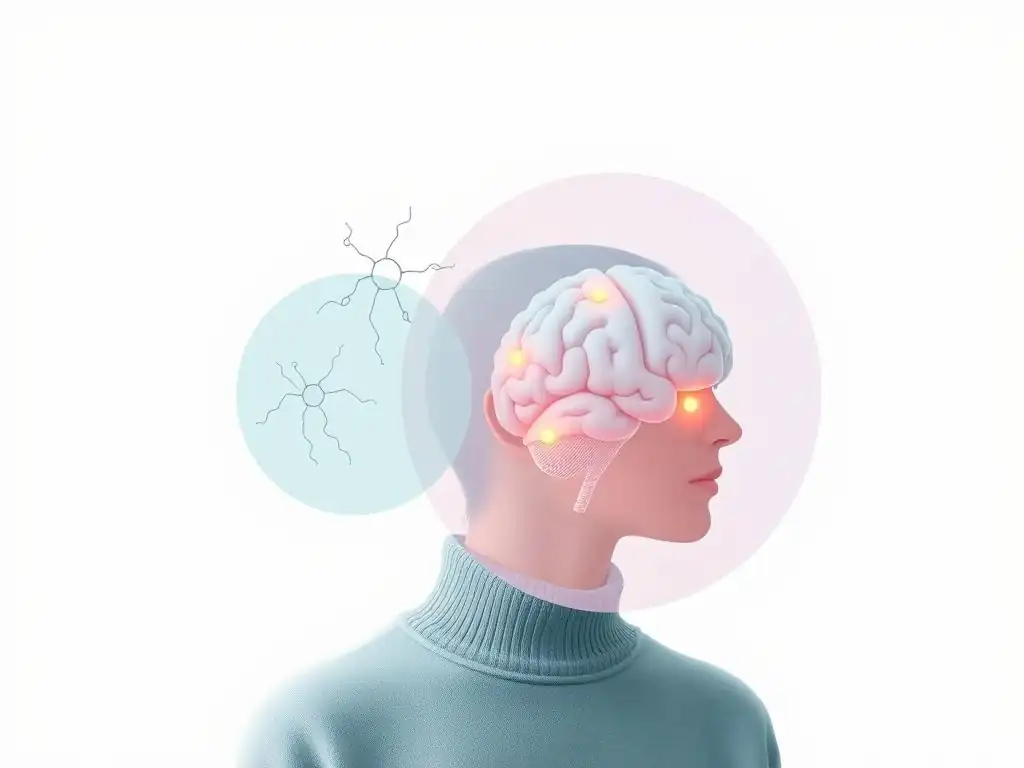
Cognitive psychology emphasizes the role of mental processes—like thinking, memory, attention, and perception—in shaping our behavior. Understanding these processes allows us to improve our daily lives in significant ways. Applying cognitive principles isn't about memorizing theories; it's about recognizing how our minds work and using that knowledge strategically.
This section explores practical applications of cognitive psychology in everyday situations, focusing on problem-solving, memory enhancement, and bias management. The core idea is to become more aware of your own cognitive processes and use that awareness to achieve your goals and improve your overall well-being. This is key to understanding the connection between psychology schools and everyday life.
Cognitive Restructuring for Problem-Solving
Cognitive restructuring is a powerful technique derived from cognitive behavioral therapy (CBT). It involves identifying and challenging negative or unhelpful thought patterns that hinder effective problem-solving. For instance, imagine you're facing a challenging project at work. A common negative thought might be: "I'll never finish this on time, I'm going to fail." Cognitive restructuring involves questioning this thought.
Is it truly accurate? Are there alternative explanations? Perhaps the deadline is ambitious, but not impossible with a revised plan. Instead of focusing on the potential for failure, you can reframe the thought into something more constructive: "This is a challenging project, but I can break it down into smaller, manageable tasks.
I will create a realistic schedule and seek support if needed." This shift in perspective significantly impacts your motivation and problem-solving abilities. This practical application of cognitive psychology highlights how understanding your thoughts can improve your problem-solving skills and reduce stress. Many find this a profound application of psychology schools to everyday life.
Improving Memory and Attention
Our memories are fallible, and our attention spans are easily distracted. Cognitive psychology offers strategies to improve both. Chunking information—grouping related items together—is a simple yet effective technique for improving memory. Instead of trying to memorize a long phone number as individual digits, group them into smaller chunks (e.g., 555-123-4567). Similarly, mnemonic devices, such as acronyms or visual imagery, can greatly enhance recall. For example, to remember the colors of the rainbow (ROY G. BIV), you can use the acronym or create a vivid mental image associating each color with an object.
Improving attention requires mindful practice. Techniques like meditation can help train your attentional focus. Minimizing distractions—turning off notifications, finding a quiet workspace—is also crucial. By consciously directing your attention and minimizing interruptions, you can enhance concentration and productivity. These methods demonstrate a practical application of cognitive psychology principles for improving everyday cognitive functions. This directly addresses the "psychology schools everyday life" search query.
Managing Cognitive Biases
Cognitive biases are systematic errors in thinking that can lead to flawed judgments and decisions. Understanding these biases is essential for making more rational choices. Confirmation bias, for example, is the tendency to seek out information that confirms pre-existing beliefs and ignore contradictory evidence.
Recognizing this bias can help you actively seek diverse perspectives and evaluate information objectively. Another common bias is the availability heuristic, where we overestimate the likelihood of events that are easily recalled, often due to their vividness or recent occurrence. Being aware of this bias helps you rely more on statistical data and less on anecdotal evidence when making decisions.
By understanding and actively combating these biases, you can make more informed and rational choices in various aspects of your daily life, further demonstrating the practical value of cognitive psychology in everyday life. This provides a concrete example of how psychology schools are relevant to daily experiences.
Humanistic Psychology in Everyday Life: Self-Actualization and Growth
Humanistic psychology, a significant school of thought in psychology, emphasizes human potential, personal growth, and self-actualization. Unlike other approaches that focus on pathology or conditioning, humanistic psychology highlights the individual's inherent capacity for goodness and their drive towards self-improvement. Understanding and applying its principles can significantly enhance our everyday lives, leading to greater fulfillment and well-being.
This section will explore practical applications of humanistic principles, focusing on self-acceptance, goal achievement, and the pursuit of meaning. The keyword "Psychology schools everyday life" is relevant because this section directly demonstrates the practical application of humanistic psychology in daily routines and decision making.
Fostering Self-Acceptance and Self-Esteem
Self-acceptance, a cornerstone of humanistic psychology, involves acknowledging and embracing all aspects of oneself – strengths and weaknesses alike. It's about recognizing your inherent worthiness without needing external validation. This is crucial for mental health and overall well-being. Many people struggle with self-criticism and negative self-talk, hindering their personal growth. To foster self-acceptance, consider practicing self-compassion. This involves treating yourself with the same kindness and understanding you would offer a friend facing similar challenges.
Another vital aspect is challenging negative self-beliefs. Identify recurring negative thoughts and actively challenge their validity. Are these thoughts based on facts or assumptions? Replacing negative self-talk with positive affirmations can be beneficial, but it's important to ensure these affirmations feel genuine and believable. Journaling can also be a powerful tool; writing down your thoughts and feelings can help you gain perspective and identify patterns of self-criticism.
Remember, self-acceptance is a journey, not a destination. Progress, not perfection, is the goal. Consistent effort in self-reflection and self-compassion will gradually lead to a greater sense of self-worth and improved self-esteem. The application of these techniques directly relates to the keyword phrase "Psychology schools everyday life" because they are actionable steps anyone can take to improve their mental well-being.
Identifying and Achieving Personal Goals
Humanistic psychology emphasizes the importance of personal growth and self-actualization, which are intrinsically linked to setting and achieving meaningful goals. Identifying your values and aspirations is a crucial first step. What truly matters to you? What kind of person do you aspire to be? Consider using techniques like brainstorming or mind-mapping to explore your values and goals. Once identified, break down large, overwhelming goals into smaller, more manageable steps. This makes the process less daunting and provides a sense of accomplishment along the way.
Goal setting should be SMART: Specific, Measurable, Attainable, Relevant, and Time-bound. For example, instead of aiming vaguely for "better health," a SMART goal might be "to exercise for 30 minutes, three times a week, for the next three months." Regularly reviewing and adjusting your goals is essential. Life circumstances change, and your goals should reflect those changes.
Celebrate your successes, no matter how small, and learn from any setbacks. This iterative process of goal setting, review, and adjustment is a practical application of humanistic principles in daily life. The focus on personal growth and self-directed action aligns perfectly with the meaning of "Psychology schools everyday life".
Cultivating Meaning and Purpose
A core tenet of humanistic psychology is the search for meaning and purpose in life. This involves exploring your values, beliefs, and what gives your life significance. For some, this might involve contributing to a cause larger than themselves, while for others, it may be found in personal relationships or creative pursuits. Engaging in activities that align with your values can lead to a greater sense of fulfillment and purpose. This might involve volunteering, pursuing hobbies, or spending time with loved ones.
Finding meaning is a deeply personal journey. There's no single "right" answer. Introspection, self-reflection, and exploring different avenues are key to discovering what brings you a sense of meaning and purpose. Consider journaling, meditation, or engaging in mindful activities to connect with your inner self and explore your values.
Regularly reassessing your sense of purpose is important, as your values and priorities may evolve over time. The pursuit of meaning and purpose is a continuous process of self-discovery, strongly emphasizing the practical application of "Psychology schools everyday life" principles. The focus on individual experience and personal growth makes this approach unique and relevant to everyday life.
Biological Psychology in Everyday Life: The Mind-Body Connection
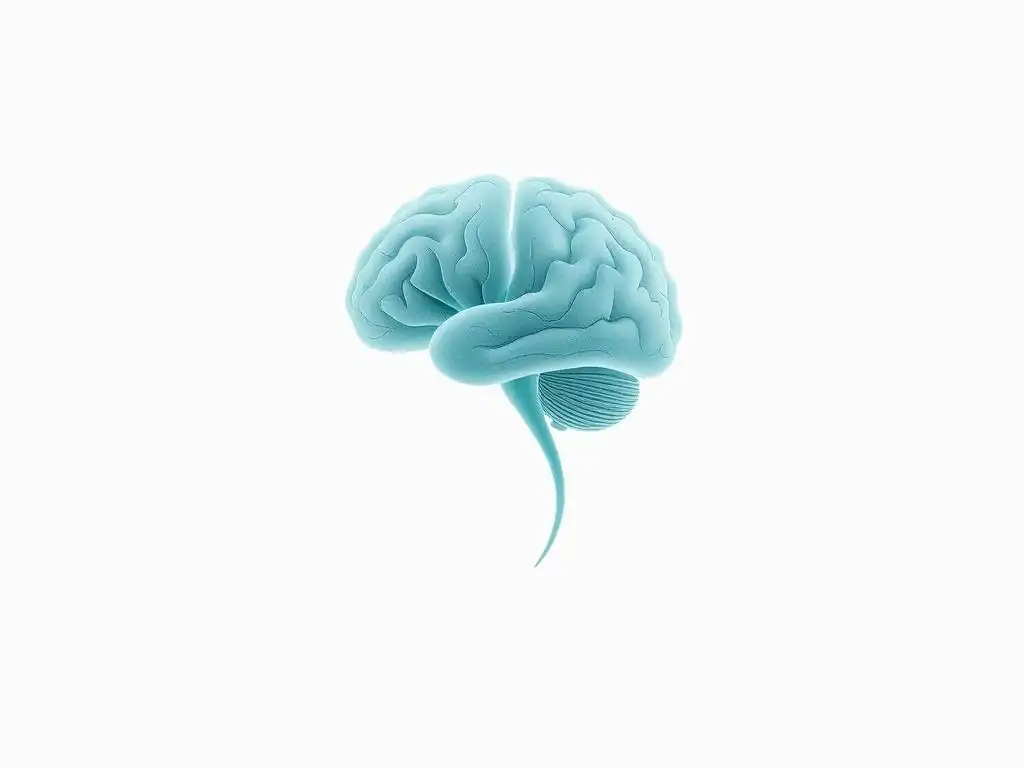
Biological psychology emphasizes the intricate relationship between our brains, bodies, and behaviors. Understanding this connection is crucial for navigating everyday life effectively. This section explores how biological principles manifest in our daily experiences, focusing on the impact of stress, nutrition, and exercise on our mental and physical well-being. Successfully applying these principles can significantly improve your quality of life, enhancing both your psychological and physiological health. This approach to understanding psychology schools offers a practical, hands-on perspective on the mind-body connection.
Understanding the Impact of Stress on the Body
Stress, a ubiquitous aspect of modern life, significantly impacts our biological systems. When we perceive a threat (real or imagined), our bodies initiate the "fight-or-flight" response. This involves the release of stress hormones like cortisol and adrenaline, preparing us for action. While helpful in short bursts, chronic stress leads to a cascade of negative effects.
Prolonged exposure to high cortisol levels weakens the immune system, making us more susceptible to illness. It can also contribute to cardiovascular problems, digestive issues, and even mental health disorders like anxiety and depression. Understanding the physiological consequences of stress is crucial for developing effective coping mechanisms. For instance, practicing mindfulness techniques, engaging in relaxation exercises, and prioritizing sleep can help mitigate the negative impact of stress on your body. Regular self-assessment of stress levels, perhaps using a simple stress scale, can be a useful tool for early intervention.
Nutrition and Mental Well-being
The connection between nutrition and mental health is increasingly recognized. Our brains rely heavily on a balanced diet for optimal functioning. Nutrient deficiencies can lead to a range of cognitive and emotional problems, impacting mood, concentration, and overall well-being.
For example, deficiencies in omega-3 fatty acids have been linked to depression and anxiety. Similarly, low levels of certain B vitamins can affect mood regulation and cognitive function. A diet rich in fruits, vegetables, whole grains, and lean protein provides the essential nutrients necessary for a healthy brain. Limiting processed foods, sugary drinks, and excessive caffeine can also significantly improve mental clarity and emotional stability. Consider keeping a food diary to track your intake and identify potential areas for improvement in your diet. A balanced, nutritious diet is a cornerstone of holistic well-being, supporting both physical and mental health.
The Role of Exercise in Mood Regulation
Regular physical activity is not just beneficial for physical health; it's also a powerful tool for improving mental well-being. Exercise triggers the release of endorphins, natural mood boosters that alleviate stress and promote feelings of happiness and well-being.
Studies consistently demonstrate a correlation between regular exercise and reduced symptoms of depression and anxiety. Even moderate exercise, like a brisk 30-minute walk, can make a significant difference. The type of exercise isn't as crucial as consistency. Finding an activity you enjoy—whether it's dancing, swimming, cycling, or weightlifting—increases the likelihood of sticking to a regular routine. Incorporating exercise into your daily routine can significantly enhance your mood and overall psychological health, offering a tangible way to apply biological psychology principles to everyday life. Remember, even small amounts of physical activity can accumulate positive effects over time.
Integrating Psychology Schools for a Holistic Approach to Life
This section explores how integrating various schools of thought in psychology can lead to a richer, more nuanced understanding of ourselves and the world around us. Instead of viewing these schools as mutually exclusive, we can appreciate their unique contributions and combine them for a more holistic approach to personal growth and well-being. The effective application of psychological principles in everyday life often involves drawing upon multiple perspectives to address complex issues.
This approach moves beyond simply labeling oneself as adhering to a specific school of thought and embraces a more integrative and flexible understanding of human behavior. Think of it as a toolbox filled with different tools, each designed for a specific task, but all working together to achieve a common goal – a more fulfilling and meaningful life.
Combining Different Perspectives for Personal Growth
Applying a blended approach to personal growth allows for a more comprehensive understanding of one's challenges and opportunities. For instance, understanding the influence of past experiences (psychoanalytic perspective) can provide valuable insights into current patterns of behavior. Simultaneously, employing cognitive behavioral techniques (CBT) can empower individuals to actively change negative thought patterns and behaviors. This combined approach acknowledges the impact of the past while focusing on present-day actions and their consequences.
Let's consider an example: someone struggling with low self-esteem. A psychoanalytic lens might explore childhood experiences that contributed to this feeling, uncovering potential root causes. Meanwhile, CBT would equip the individual with practical strategies to challenge negative self-talk and build self-compassion. The synergy between these approaches offers a powerful combination for lasting personal change.
This integrated approach allows for a deeper understanding of the problem and a more effective solution than using just one method in isolation. This approach is particularly beneficial in addressing complex issues such as overcoming trauma or managing chronic stress, where a multifaceted approach is often necessary. The key is to identify which aspects of each theory are most relevant to the specific situation and to carefully combine them for maximum effect.
Integrating Psychoanalytic and Cognitive Therapies to Address Anxiety
Anxiety, a prevalent issue in modern life, benefits significantly from an integrated approach combining psychoanalytic and cognitive therapies. Psychoanalytic therapy can help unearth unconscious conflicts or unresolved traumas that might be contributing to anxiety. By exploring the roots of anxiety, individuals can gain a deeper understanding of their emotional responses and triggers. This understanding, however, is only half the battle. Cognitive Behavioral Therapy (CBT) then provides the tools to manage present-day anxiety symptoms. CBT techniques such as cognitive restructuring and exposure therapy equip individuals with practical strategies for coping with anxious thoughts and situations.
Consider a patient experiencing generalized anxiety disorder (GAD). A psychoanalytic approach might reveal past experiences of instability or unpredictability, leading to a heightened sense of insecurity and anxiety in the present. CBT, simultaneously, would help the patient identify and challenge negative automatic thoughts that fuel their anxiety, replacing them with more balanced and realistic perspectives.
This integrated approach aims not just to manage symptoms but also to address the underlying causes, fostering lasting relief. The combination of understanding the "why" (psychoanalytic) and the "how" (CBT) creates a comprehensive and effective treatment strategy. The effectiveness of this integrated approach has been supported by various studies [specific information pending], highlighting its potential for long-term improvement in managing anxiety.
The Importance of Seeking Professional Guidance When Needed
While understanding the principles of different schools of thought can be empowering, it's crucial to recognize the limitations of self-help. Complex mental health issues often require professional intervention. A qualified therapist can provide personalized guidance, tailoring an approach that best suits individual needs. They possess the expertise to diagnose conditions accurately and develop a comprehensive treatment plan that may involve a combination of therapies and techniques. Furthermore, a therapist provides a safe and supportive environment for exploring sensitive issues, fostering self-discovery and healing.
Ignoring the need for professional help can prolong suffering and potentially worsen the condition. Seeking professional guidance is not a sign of weakness, but rather a proactive step towards improving mental well-being. A therapist can help individuals navigate the complexities of their experiences, providing support and guidance throughout the process of healing and growth. Remember that professional help is available, and seeking it is a sign of strength and self-care.
The path to mental well-being is often a journey, and having a skilled guide alongside can make all the difference. Early intervention is key to effective treatment and can significantly improve long-term outcomes. Prioritizing mental health is essential for overall well-being, and seeking professional help is a valuable investment in oneself.
Frequently Asked Questions
How can I apply Psychoanalytic theory to my daily life?
By understanding your unconscious motivations and how your past experiences influence your present behavior, you can gain valuable self-awareness. This can help you make better choices and improve your relationships. Identifying recurring patterns is a good starting point.
How does Behaviorism impact my daily routines?
Behaviorism emphasizes the role of learning and conditioning in shaping behavior. You can use this knowledge to modify unwanted habits through techniques like positive reinforcement and counter-conditioning. For example, rewarding yourself for good habits.
What is the role of Humanistic psychology in my personal growth?
Humanistic psychology focuses on self-actualization and personal growth. By prioritizing self-acceptance, personal responsibility, and meaning, you can cultivate a more fulfilling life. This involves setting goals aligned with your values.
Can Cognitive psychology help me solve problems more effectively?
Cognitive psychology explores how we process information. By understanding your cognitive biases and thought patterns, you can learn to think more critically and solve problems more efficiently. This involves actively challenging your assumptions.
Social psychology studies how people influence each other. Understanding concepts like conformity, persuasion, and group dynamics can help you navigate social situations effectively and build stronger relationships. This includes being mindful of your own influence on others.
Final Reflection: Weaving Psychology into the Tapestry of Daily Life
Understanding the diverse schools of psychological thought isn't just an academic exercise; it's a powerful tool for navigating the complexities of everyday life. The principles discussed—from the behavioral modifications of operant conditioning to the existential search for meaning—offer a rich framework for self-understanding and personal growth, impacting everything from our relationships to our career choices. This knowledge empowers us to become more conscious and intentional architects of our own experiences.
The ongoing influence of these psychological perspectives is undeniable, shaping our understanding of mental health, education, and even societal structures. We see echoes of these schools in the therapeutic techniques used today, the educational approaches adopted in classrooms, and the way we design our workplaces. As Carl Jung wisely observed, Until you make the unconscious conscious, it will direct your life, and you will call it fate.
By consciously applying these principles, we can move from being passively shaped by our unconscious biases to actively shaping our own destinies.
Now, consider how you might integrate these insights into your own life. Which school of thought resonates most deeply with your personal experiences? How can you utilize its principles to enhance your relationships, manage stress more effectively, or achieve your goals? Take the time to reflect on these questions, and begin experimenting with the tools you've learned. The journey of self-discovery is a lifelong process, and by embracing the wisdom of psychology, you can embark on this journey with greater awareness, intention, and ultimately, fulfillment.
Embrace the Wisdom: Apply Psychological Principles Today!
Thank you for exploring the fascinating world of psychology with us! This article has introduced you to several key concepts, and by understanding these principles, you're well on your way to improving your daily life. Now, let's put that knowledge into practice!
Take a moment to **consider these practical steps:**
- **Identify a Relevant Principle:** This week, choose one psychological principle that particularly interests you and apply it to a specific situation you're facing.
- **Share Your Experience:** Discuss your observations and insights with friends or family, and encourage them to explore how these principles might benefit them too.
- **Join Our Community:** Visit our community forum on Psychology Basics to share your experiences, ask questions, or discuss how to apply these ideas in everyday life.
Which psychological principle will you explore today, and how do you anticipate it might shift your perspective?