
Therapeutic Approaches
Therapeutic Approaches in psychology represent the diverse, evidence-based methods used to treat mental health challenges, foster personal growth, and improve emotional well-being. From the structured, goal-oriented techniques of Cognitive Behavioral Therapy (CBT) to the deep exploration of unconscious patterns in Psychodynamic Therapy, each approach offers a unique lens for understanding and healing the mind. Whether you’re a student, a curious reader, or someone seeking help, this section unpacks how therapists tailor humanistic therapy to nurture self-actualization, how group therapy harnesses collective support, and how modern online therapy and telepsychology make mental health care more accessible than ever. Discover the power of family therapy for relational dynamics, the imaginative world of play therapy for children, and the core principles of psychotherapy basics that underpin all practice. Dive in to find the right path for understanding, coping, and thriving—because effective therapy is not a one-size-fits-all solution, but a personalized journey toward resilience.
 Psychotherapy Basics
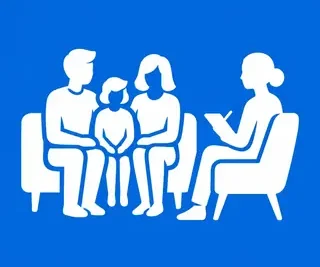 Family Therapy
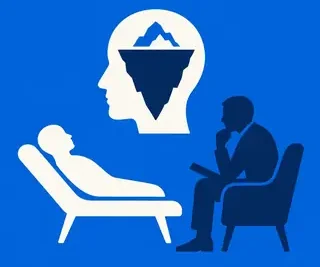 Psychodynamic Therapy
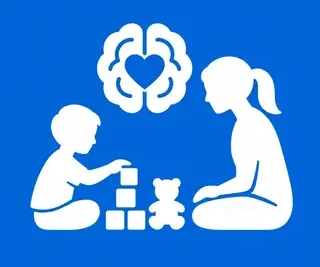 Play Therapy
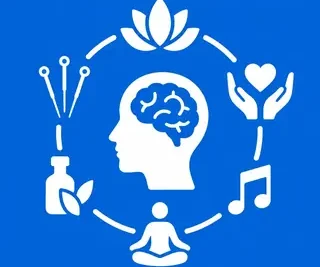 Other Therapeutic Modalities
 Online Therapy and Telepsychology
 Humanistic Therapy
 Cognitive Behavioral Therapy (CBT)
 Group Therapy
Therapeutic Approaches in Psychology
Explore the core methods psychologists use to help individuals, couples, and families overcome mental health challenges. This foundational category covers everything from classic talk therapy to modern digital interventions, offering a clear roadmap for students and curious readers alike. Whether you are studying for an exam or seeking personal understanding, these approaches highlight how evidence-based techniques translate into real-world healing and personal growth.
🧠 Psychotherapy Basics
Psychotherapy Basics is your starting point for understanding the therapeutic alliance, common goals, and ethical boundaries that define all talking therapies. Readers will learn about the therapist’s role, the importance of confidentiality, and how initial assessments shape treatment plans. This subcategory demystifies the process, from first session to termination, and explains how different schools of thought share core healing mechanisms like empathy, active listening, and structured feedback. Expect clear definitions of terms like “therapeutic rupture” and “working alliance,” plus practical tips for choosing a therapist.
👥 Group Therapy
Group Therapy harnesses the power of shared experience, offering a supportive microcosm of society where members give and receive feedback. Readers will discover how groups are structured—from open-ended to time-limited formats—and the stages of group development, including forming, storming, and norming. This section covers specific techniques like role-playing and interpersonal process recall, and explains why groups are effective for issues like addiction, social anxiety, and grief. Expect to learn about the facilitator’s balancing act between individual growth and collective cohesion.
🔍 Cognitive Behavioral Therapy (CBT)
Cognitive Behavioral Therapy (CBT) is the most researched and widely practiced approach, focusing on the link between thoughts, feelings, and behaviors. This subcategory breaks down core concepts like cognitive distortions, behavioral activation, and exposure therapy. Readers will see practical examples of thought records and behavioral experiments, and learn how CBT is structured, often in 12-20 sessions. It also covers newer adaptations like CBT-I for insomnia and CBT-E for eating disorders, making it an essential resource for understanding problem-solving and relapse prevention.
💖 Humanistic Therapy
Humanistic Therapy emphasizes the client’s innate capacity for self-actualization and personal growth. This subcategory explains person-centered therapy, pioneered by Carl Rogers, with its three core conditions: unconditional positive regard, empathy, and congruence. Readers will explore gestalt therapy’s focus on the present moment and “empty chair” techniques, as well as existential therapy’s engagement with meaning, freedom, and mortality. Expect to understand why this approach values the therapeutic relationship over techniques, and how it empowers clients to trust their internal experiences.
📱 Online Therapy and Telepsychology
Online Therapy and Telepsychology addresses the exploding field of digital mental health services. This subcategory covers the efficacy of video-based sessions, text-based chat, and self-guided apps, comparing them to in-person care. Readers will learn about legal and ethical considerations across state and national borders, including data security and emergency protocols. It also highlights populations that benefit most—such as those with mobility issues or rural residents—and reviews emerging tools like AI-assisted chatbots and virtual reality exposure therapy, ensuring you stay current with practice innovations.
🌿 Other Therapeutic Modalities
Other Therapeutic Modalities introduces cutting-edge and complementary approaches that extend beyond the mainstream. This subcategory explores mindfulness-based stress reduction, acceptance and commitment therapy (ACT), dialectical behavior therapy (DBT), and narrative therapy. Readers will also encounter art therapy, music therapy, and animal-assisted interventions, each with a brief evidence base. Expect to understand how these modalities work for specific populations, such as trauma survivors or individuals with chronic pain, and how they integrate with traditional talk therapy for holistic care.
🎨 Play Therapy
Play Therapy is designed for children who cannot verbalize complex emotions, using play as their natural language. This subcategory explains directive versus nondirective approaches, and how toys, sand trays, and role-play serve as symbolic communication. Readers will learn about the therapeutic setup, caregiver involvement, and how play therapy addresses issues like anxiety, ADHD, and post-traumatic stress in children. It also covers trauma-focused play therapy and the importance of neurodevelopmentally appropriate interventions, making it a vital resource for child psychology students.
🛋️ Psychodynamic Therapy
Psychodynamic Therapy explores how unconscious conflicts and early relationships shape current behavior. This subcategory covers Freudian concepts like transference, resistance, and defense mechanisms, along with modern object relations and attachment-based perspectives. Readers will understand the difference between short-term and long-term dynamic therapy, and how interpretation and free association work in practice. Expect to learn how this approach helps clients with chronic relationship patterns, unresolved grief, and personality issues, offering a deep-seated change rather than symptom reduction alone.
👨👩👧👦 Family Therapy
Family Therapy shifts focus from the individual to the relational system, treating the family as a whole unit. This subcategory introduces systemic theories like structural, strategic, and narrative family therapy, plus communication-oriented models such as the Milan approach. Readers will explore common techniques like genograms, circular questioning, and reframing, and learn how to manage power dynamics and alliances within sessions. It covers applications for parenting conflicts, divorce adjustment, and substance abuse, emphasizing how change in one member can transform the entire family equilibrium.
Frequently Asked Questions
What is the main difference between CBT and psychodynamic therapy?
CBT is present-focused and problem-solving oriented, identifying and changing current thoughts and behaviors in a structured, time-limited format. Psychodynamic therapy explores unconscious conflicts and past relationships to understand present patterns, often taking longer to deepen insight. CBT uses exercises like thought records, while psychodynamic uses free association and interpretation of transference.
Is online therapy as effective as in-person therapy?
Research shows online therapy is generally as effective as in-person care for common issues like anxiety and depression, especially when delivered via live video. Key factors include a stable connection, private setting, and a strong therapeutic alliance. However, severe crises or non-verbal populations may benefit more from in-person sessions, though telepsychology is continuously expanding its scope.
How long does group therapy typically last?
Group therapy can be time-limited, often 8-20 sessions, or open-ended, lasting months to years depending on goals. Time-limited groups focus on a specific issue like anger management or social skills, while open groups support ongoing personal growth or chronic conditions. Sessions usually run 60-90 minutes weekly, with 6-12 members for optimal interaction.
Can play therapy help older children or teenagers?
Yes, play therapy is adaptable for all ages. For older children and teens, therapists use more structured activities like board games, art projects, or digital storytelling to facilitate expression. Techniques are adjusted to the cognitive level, focusing on narrative development and problem-solving rather than symbolic play alone. It remains effective for trauma and behavioral issues.
What certifications are needed to practice family therapy?
Most practitioners are licensed as marriage and family therapists (LMFT), requiring a master’s degree and supervised clinical hours. Some psychologists or social workers also receive specialized training in systemic approaches. Certification varies by state; generally, extensive coursework and a licensure exam are mandatory to independently provide family therapy services.