
Developmental Psychology
Developmental Psychology explores the fascinating journey of human growth, from the first moments of infancy through the complexities of aging and the end of life. This core field of psychology examines how our thoughts, emotions, social relationships, and behaviors evolve at every stage—covering child development, adolescent transitions, adult maturity, and the challenges of aging. By investigating everything from motor skills and moral reasoning to identity formation and the impact of digital technology on modern youth, this area reveals the biological, cognitive, and social forces that shape who we become. Whether you are a student, parent, or curious reader, understanding developmental milestones and stages offers valuable insight into your own life and the lives of others, helping to foster empathy and practical support across all age groups. Dive in to discover how nature, nurture, and time collectively craft the human experience, and gain tools to navigate lifelong personal growth and societal change.
 Moral Development
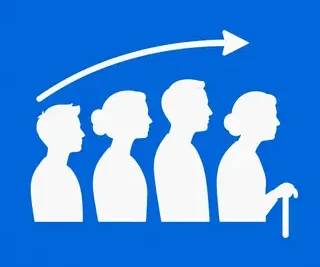 Adult Development and Aging
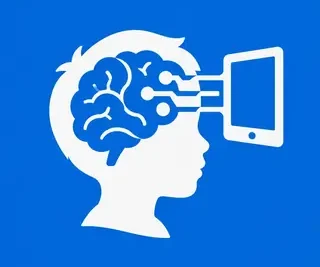 The Impact of Technology on Development
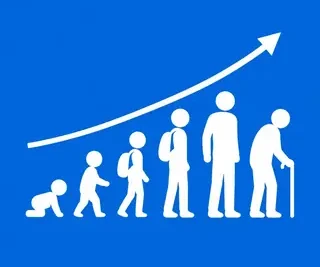 Lifespan Development
 Adolescent Development
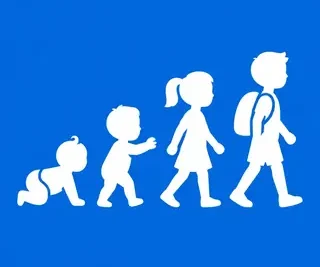 Child Development (Infancy to Childhood)
Developmental Psychology: A Journey Through Human Growth
Developmental psychology explores how people change and grow physically, cognitively, socially, and emotionally from birth through old age. On Psychology Basics, our Developmental Psychology category offers accessible, research-backed insights for students and curious readers. Whether you’re studying for an exam or simply want to understand yourself and others better, these subcategories break down complex theories into clear, practical knowledge. From first steps to late-life wisdom, discover how nature and nurture shape who we become.
👶 Child Development (Infancy to Childhood)
Here, you’ll learn about the dramatic transformations occurring from birth to around age 12. Expect explanations of Piaget’s stages of cognitive development, attachment theory by Bowlby and Ainsworth, language acquisition milestones, and emotional regulation. We cover motor skills, play’s role in learning, and how parenting styles influence behavior. This section helps parents, educators, and students recognize typical vs. atypical growth patterns, with practical tips to support healthy development during these formative years.
🧑🎓 Adolescent Development
This subcategory tackles the turbulent yet exciting years of puberty through emerging adulthood (roughly ages 10–25). You’ll find insights into identity formation, peer pressure, risk-taking behaviors, brain development (especially the prefrontal cortex), and hormonal changes. We also discuss common challenges like anxiety, body image, and academic stress, alongside protective factors like family connectedness and resilience. Perfect for teens, parents, and school counselors seeking evidence-based strategies to navigate this critical transition.
🌱 Lifespan Development
Explore the full arc of human life, from conception to end-of-life. This section integrates major theories—such as Erikson’s psychosocial stages and Baltes’ lifespan perspective—to show how earlier experiences influence later outcomes. You’ll find topics on cognitive changes, social roles, career shifts, and intergenerational relationships. We highlight both continuous and stage-like changes, plus factors like culture and socioeconomic status. Ideal for psychology majors and lifelong learners wanting a holistic view of human growth.
💻 The Impact of Technology on Development
In this modern-focused subcategory, we examine how screens, social media, and digital tools shape developmental processes across all ages. Learn about digital native vs. digital immigrant distinctions, effects of excessive screen time on attention and sleep, and how online interactions impact social skills and self-esteem. We also cover positive uses—like educational apps and telehealth—plus cyberbullying and digital literacy. Practical advice helps families and educators set healthy boundaries while embracing technology’s benefits.
👵 Adult Development and Aging
This section covers the decades from early adulthood through old age, focusing on physical, cognitive, and psychosocial changes. Expect topics like career development, marriage and parenting, midlife crisis myths, cognitive declines (and how to delay them), and successful aging. We also discuss retirement, grandparenting, and coping with loss. Research on neuroplasticity shows the adult brain remains adaptable—find actionable tips to maintain mental sharpness and emotional well-being at every age.
⚖️ Moral Development
Here, we investigate how people form their sense of right and wrong. You’ll explore Kohlberg’s stages of moral reasoning, Gilligan’s critique on care vs. justice perspectives, and contemporary research on empathy and prosocial behavior. We link moral growth to parenting, education, culture, and even brain regions like the amygdala and prefrontal cortex. Ethical dilemmas, altruism, and moral identity are discussed with real-life examples. Great for students of ethics, education, or anyone interested in human values.
Frequently Asked Questions
What is the main goal of developmental psychology?
The primary goal is to describe, explain, and optimize human development across the lifespan. Researchers aim to identify typical milestones and individual variations, uncover underlying mechanisms (biological, cognitive, social), and apply findings to improve education, parenting, therapy, and policy—ultimately helping people thrive at every stage of life.
At what age does moral development typically begin?
Moral development starts early—infants as young as 12 months show preferences for helpers over hinderers. Formal moral reasoning, however, usually emerges around age 4–6, when children grasp rules and fairness. Kohlberg’s stages begin in childhood but can continue into adulthood, shaped by experience, empathy, and cognitive maturation.
How does screen time affect child development?
Excessive screen time in early childhood can delay language, reduce physical activity, and disrupt sleep. However, moderate, high-quality interactive content (e.g., video calls with relatives) can support learning. The American Academy of Pediatrics recommends limiting screens for under-2s and prioritizing real-world play. Balance and parental co-viewing are key to minimizing risks.
What is the biggest cognitive change in adolescence?
The most significant change is the maturation of the prefrontal cortex, which governs impulse control, planning, and decision-making. Meanwhile, the limbic system (emotion center) develops faster, leading to heightened risk-taking and emotional intensity. This mismatch explains why teens often act impulsively despite knowing consequences—a normal part of brain remodeling.
Can adults continue to develop new skills and grow emotionally?
Absolutely. Neuroplasticity persists into old age, allowing the brain to form new connections when learning languages, instruments, or hobbies. Emotional growth continues through relationships, mindfulness, and adapting to life transitions. While some cognitive speed declines, crystallized intelligence (knowledge and wisdom) often rises, proving adulthood is a rich period of development.