
The Interdisciplinary Nature of Psychology: Connections to Other Fields

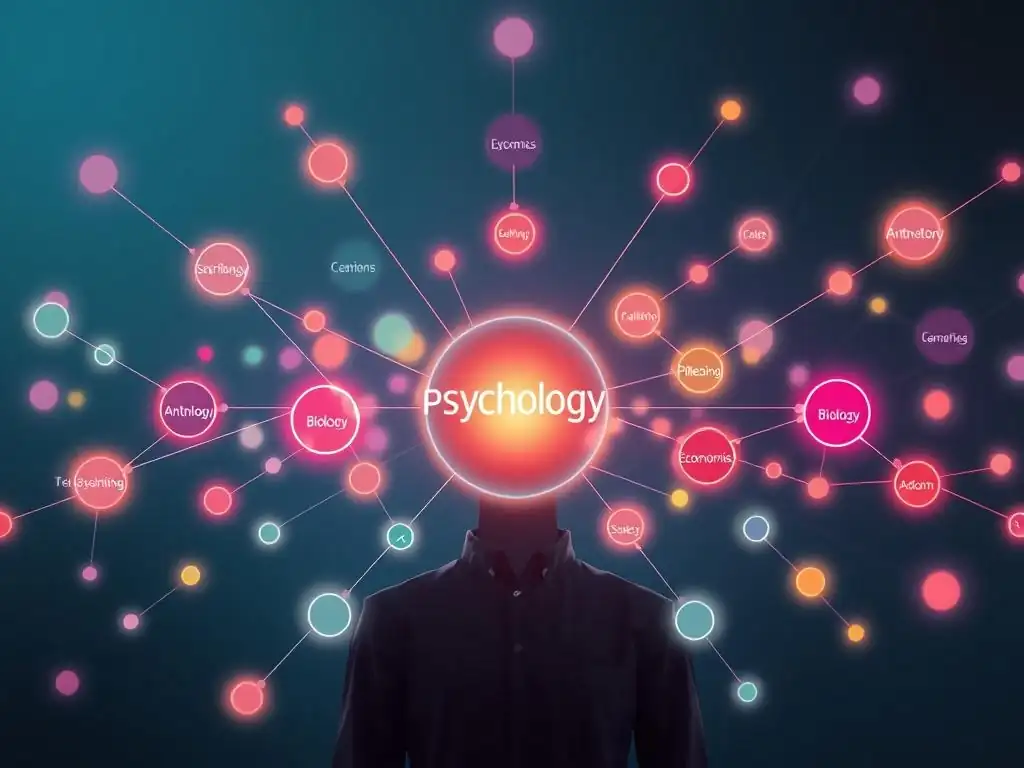
Welcome to Psychology Basics, your gateway to understanding the fascinating world of the human mind. Have you ever considered the surprising ways psychology connects to other fields? From economics to art, the influence of psychological principles is far-reaching and often unexpected. This introduction to psychology explores these intriguing interdisciplinary connections, revealing how understanding the mind enriches our comprehension of the world around us. Dive in and discover the surprising links waiting to be explored!
- Understanding Psychology's Interdisciplinary Reach
- Psychology and Neuroscience: Exploring the Biological Basis of Behavior
- Psychology and Sociology: Understanding Social Influences on Behavior
- Psychology and Biology: The Interplay of Genes and Environment
- Psychology and Anthropology: Cross-Cultural Perspectives on the Mind
- Psychology and Economics: Understanding Decision-Making and Behavior
- Psychology and Education: Applying Psychological Principles to Learning
- Psychology and Law: The Intersection of Psychology and the Legal System
- Conclusion: Psychology's Collaborative Nature and Future Directions
- Frequently Asked Questions
- Final Reflection: Weaving the Tapestry of Human Understanding
- **Unveil the Interconnections: Take Your Understanding Further! **
Understanding Psychology's Interdisciplinary Reach
Psychology, often perceived as a standalone field of study focused solely on the human mind and behavior, is in reality a vibrant tapestry woven from threads of numerous other disciplines. Understanding its interdisciplinary nature is crucial to grasping the depth and breadth of psychological inquiry.
This article explores the rich connections psychology shares with other fields, revealing how these collaborations enrich our understanding of the human experience and contribute to advancements in various areas, from healthcare and education to technology and law. The connections are not merely superficial; they represent fundamental overlaps in methodology, subject matter, and the very questions these fields seek to answer.
This exploration will delve into the core principles of psychology and demonstrate how they are applied and expanded upon in conjunction with other fields of study, ultimately showcasing the truly interdisciplinary nature of modern psychological research and practice. We will uncover the synergistic power of these cross-disciplinary collaborations and highlight their contributions to a more holistic understanding of the human condition.
Psychology's Core Principles and Their Broad Applications
Psychology's core principles, such as learning, memory, perception, cognition, emotion, and motivation, aren't confined to the psychology laboratory. These fundamental processes are relevant across a vast spectrum of human endeavors and are actively investigated within other fields. For example:
- Neuroscience: The biological underpinnings of psychological processes are intensely studied in neuroscience. Neuroimaging techniques, like fMRI and EEG, allow researchers to observe brain activity during cognitive tasks, providing crucial insights into the neural correlates of behavior. This collaboration helps us understand how the brain structures and functions support psychological phenomena like memory consolidation and emotional regulation. The findings are then used to develop treatments for neurological and psychiatric disorders.
- Sociology: Social psychology examines how social contexts influence individual behavior and thought. This intersects significantly with sociology, which studies social structures, institutions, and group dynamics. For example, research on conformity, obedience, and social influence draws heavily on sociological theories and methodologies to understand societal impacts on individual actions.
- Economics: Behavioral economics integrates psychological principles into economic models to explain decision-making processes that deviate from traditional rational choice theory. This interdisciplinary approach helps to understand irrational biases and heuristics in financial choices, consumer behavior, and risk assessment.
- Anthropology: Cultural psychology explores how culture shapes psychological processes. This area benefits greatly from collaborations with anthropology, which provides a deep understanding of diverse cultures and their impact on human behavior, beliefs, and values. Cross-cultural studies are essential for understanding the universality and variability of psychological phenomena.
The Intertwining of Psychology with Other Disciplines
The influence extends beyond these core areas. Psychology’s reach expands into a multitude of fields, each contributing unique perspectives and methodologies:
| Discipline | Contribution to Psychology | Example |
|---|---|---|
| Education | Informs teaching methods, curriculum design, and understanding student learning styles. | Applying cognitive psychology principles to improve educational strategies. |
| Medicine | Crucial in understanding and treating mental health disorders and psychosomatic illnesses. | Developing effective therapies for anxiety and depression. |
| Law | Informs legal decision-making, eyewitness testimony, and jury selection. | Understanding cognitive biases in legal contexts. |
| Computer Science | Used in the development of artificial intelligence, human-computer interaction, and virtual reality. | Designing user-friendly interfaces based on principles of human-computer interaction. |
The interdisciplinary nature of psychology is not simply a matter of borrowing concepts; it's a dynamic process of mutual exchange and enrichment. Each collaboration leads to a deeper and more nuanced understanding of the human mind and behavior, constantly expanding the field's capabilities and its potential to improve human lives. 🤝 The future of psychology undoubtedly lies in continued collaboration and integration with other disciplines.
Psychology and Neuroscience: Exploring the Biological Basis of Behavior
Psychology, at its core, seeks to understand the human mind and behavior. However, a complete understanding necessitates exploring the biological underpinnings of these phenomena. This is where neuroscience, the study of the nervous system, plays a crucial role, forging a powerful interdisciplinary connection vital for advancing our knowledge of "Psychology connections other fields."
The intricate relationship between brain structure and function and psychological processes is a cornerstone of modern psychological research. Understanding this connection allows us to move beyond solely behavioral observations and delve into the biological mechanisms that drive them. This section will explore key areas where neuroscience significantly contributes to our understanding of psychology.
The Neuroscience of Cognition and Emotion
Cognitive psychology, focused on mental processes like memory, attention, and language, benefits immensely from neuroscientific insights. Brain imaging techniques, such as fMRI (functional magnetic resonance imaging), reveal which brain regions are active during specific cognitive tasks. For example, studies have shown the hippocampus's crucial role in memory consolidation, and damage to this area often results in amnesia. Similarly, the amygdala's involvement in processing fear and emotional responses is well-established.
Neuroscience provides the biological substrate for understanding these cognitive and emotional processes, enriching our understanding far beyond behavioral observations alone. The precise neural pathways and neurotransmitter systems involved in complex cognitive functions are continuously being mapped, illustrating the depth of this interdisciplinary synergy. This detailed understanding helps psychologists develop more effective interventions for cognitive impairments and emotional disorders. For instance, understanding the neural mechanisms underlying anxiety allows for the development of targeted therapies addressing the specific biological pathways involved.
Neurological Conditions and Their Psychological Manifestations
Many neurological conditions directly impact psychological functioning, highlighting the inextricable link between brain health and mental well-being. Conditions like Alzheimer's disease, Parkinson's disease, and stroke not only affect motor skills and physical abilities but also profoundly impact cognition, emotion, and personality. The psychological manifestations of these conditions, such as memory loss, mood changes, and cognitive decline, are directly traceable to the neurological damage occurring in the brain.
Studying these conditions provides invaluable insights into the brain-behavior relationship. For example, observing the cognitive deficits in patients with frontal lobe damage helps us understand the role of this brain region in executive functions like planning and decision-making. This allows for a more nuanced understanding of "Psychology connections other fields" and informs the development of effective therapeutic strategies tailored to address the specific psychological consequences of neurological disorders.
Brain Imaging Techniques and Psychological Research
Advances in brain imaging technology have revolutionized psychological research, providing unprecedented opportunities to investigate the neural correlates of behavior. Techniques like fMRI, EEG (electroencephalography), and PET (positron emission tomography) allow researchers to visualize brain activity in real-time, providing a window into the brain's dynamic processes. These tools are essential for studying a wide range of psychological phenomena, including perception, attention, language processing, and social cognition.
For example, fMRI studies have illuminated the neural networks involved in empathy and social interaction, revealing the biological basis of social behavior. The data gathered through these techniques are crucial in refining psychological theories and developing more effective treatments for various mental health conditions.
The continued refinement and development of these imaging techniques promise even deeper insights into the complex interplay between the brain and the mind, furthering our understanding of "Psychology connections other fields" and its implications. The integration of these advanced neuroimaging methods within psychological research is a clear testament to the interdisciplinary nature of the field and its ongoing evolution.

Psychology and sociology, while distinct disciplines, share significant overlap, particularly in exploring human behavior. Psychology often focuses on the individual, examining internal mental processes and individual differences. Sociology, conversely, emphasizes group dynamics, social structures, and societal influences on behavior. Understanding the psychology connections other fields, especially sociology, is crucial for a comprehensive grasp of human action. The interconnectedness is most apparent in areas like social psychology and the study of cultural influences on mental health.
Social psychology bridges the gap between psychology and sociology by investigating how individuals' thoughts, feelings, and behaviors are influenced by the actual, imagined, or implied presence of others. This field delves into group dynamics, exploring phenomena such as conformity (think Asch's conformity experiments), obedience (Milgram's obedience studies), and group polarization. Social cognition, a key aspect of social psychology, examines how people process, store, and apply information about others and social situations. Understanding these processes is essential for comprehending prejudice, stereotyping, and interpersonal relationships.
For example, the development of schemas – mental frameworks used to organize social information – influences how we perceive and interact with different social groups. The effects of social categorization and in-group/out-group biases are also significant areas of study within social cognition. The intricate interplay between individual cognition and social context highlights the intertwined nature of psychology and sociology.
Cultural Influences on Psychological Processes
Culture significantly shapes psychological processes, demonstrating a clear connection between psychology and sociology. Cultural norms, values, and beliefs influence everything from self-perception and emotional expression to interpersonal relationships and mental health. For instance, collectivist cultures, which prioritize group harmony and interdependence, often exhibit different patterns of social behavior and emotional regulation compared to individualistic cultures that emphasize personal autonomy and independence.
These cultural variations highlight the limitations of applying psychological findings derived from one cultural context to another, emphasizing the need for cross-cultural research to broaden our understanding of human behavior. Studies on cultural variations in parenting styles, stress responses, and symptom presentation in mental illness underscore the importance of incorporating a sociological lens into psychological research. Ignoring these cultural nuances can lead to misinterpretations and ineffective interventions.
Sociological Perspectives on Mental Health
The sociological perspective offers valuable insights into mental health, furthering the understanding of the psychology connections other fields. Sociologists examine how social factors, such as socioeconomic status, social support networks, and social inequality, influence mental health outcomes. For instance, research consistently demonstrates a strong correlation between poverty and increased risk of mental illness.
Similarly, lack of social support is a significant risk factor for various mental health conditions. Furthermore, sociologists investigate the social construction of mental illness, exploring how societal attitudes and beliefs shape the definition, diagnosis, and treatment of mental disorders. Stigma associated with mental illness, for example, is a significant barrier to help-seeking behavior and recovery.
By integrating sociological perspectives, psychologists can develop more comprehensive and culturally sensitive approaches to prevention, intervention, and treatment of mental health issues. The study of social epidemiology, which examines the social determinants of health, including mental health, is a prime example of this interdisciplinary approach. Analyzing social patterns and inequalities provides crucial information for developing effective public health strategies to improve mental wellbeing within communities.
Psychology and Biology: The Interplay of Genes and Environment
Psychology, while often perceived as a solely behavioral science, is deeply intertwined with biology. Understanding the human mind requires acknowledging the significant influence of biological factors, from our genetic makeup to the intricate workings of our nervous system. This section explores the critical connections between psychology and biology, focusing on how our biological inheritance shapes our behavior and mental processes.
The field of psychology increasingly recognizes the crucial role of biological factors in understanding a wide range of psychological phenomena, from personality traits to mental illness. This understanding is paramount for developing effective treatments and interventions. The study of these connections is vital for a comprehensive understanding of "Psychology connections other fields," particularly those within the life sciences.
Behavioral Genetics: Heritability and Environmental Factors
Behavioral genetics investigates the interplay between genetic inheritance and environmental influences on behavior. It doesn't simply ask "nature vs. nurture," but rather, "how do nature and nurture interact?" Studies employing twin and adoption designs are crucial in disentangling these influences. For example, research on identical (monozygotic) twins, who share 100% of their genes, compared to fraternal (dizygotic) twins, who share only 50%, allows researchers to estimate the heritability of various traits.
Heritability is a statistical measure, representing the proportion of variance in a trait attributable to genetic differences within a population. It's crucial to remember that heritability is not a fixed value; it changes depending on the environment. A high heritability for a trait in one environment might be significantly lower in another.
Consider intelligence as an example. Studies consistently show a substantial heritability for IQ scores. However, this doesn't mean that environment plays no role. Factors such as nutrition, education, and access to stimulating environments profoundly impact cognitive development, even in individuals with high genetic predispositions for intelligence. Therefore, a holistic understanding requires considering both genetic predispositions and environmental factors in determining an individual's cognitive abilities. This nuanced perspective is essential when exploring "Psychology connections other fields," especially within genetics and epidemiology.
Evolutionary Psychology: Adaptive Behaviors and Psychological Traits
Evolutionary psychology applies principles of natural selection to understand the origins and functions of psychological traits. It posits that many of our behaviors and mental processes evolved because they enhanced our ancestors' survival and reproductive success. For example, our innate fear of snakes or spiders, even in the absence of prior negative experiences, is argued to be an adaptive mechanism that protected our ancestors from potential dangers. Similarly, our preferences for certain types of food, our social behaviors, and even aspects of our personality might have evolutionary roots.
This perspective offers valuable insights into areas like mate selection, aggression, altruism, and social cognition. For instance, evolutionary psychology suggests that men and women may differ in their mating preferences due to differing reproductive strategies shaped by evolutionary pressures. While controversial at times, evolutionary psychology provides a unique framework for understanding the adaptive functions of our psychological traits, contributing significantly to the understanding of "Psychology connections other fields," notably anthropology and biology. Further research is needed to fully understand the complex interplay between evolutionary pressures and cultural influences on human behavior.
The Impact of Biological Factors on Mental Health
The biological basis of mental illness is increasingly recognized. Conditions like depression, anxiety disorders, schizophrenia, and bipolar disorder are understood to have strong biological components, involving neurotransmitter imbalances, genetic vulnerabilities, and structural abnormalities in the brain. For example, studies have identified specific genes associated with an increased risk of developing schizophrenia. Furthermore, neuroimaging techniques, such as fMRI and PET scans, allow researchers to visualize brain activity and structure in individuals with mental illnesses, revealing potential neural correlates of these conditions.
This biological perspective has revolutionized the treatment of mental illness. The development of psychotropic medications, which target specific neurotransmitter systems in the brain, represents a significant advancement in mental health care. However, it's crucial to emphasize that mental illness is rarely caused by a single biological factor; rather, it's typically the result of a complex interaction between genetic predispositions, environmental stressors, and other biological factors.
A comprehensive understanding of "Psychology connections other fields," particularly those in neuroscience and medicine, is crucial for advancing both the understanding and treatment of mental health conditions. Further research focusing on the precise mechanisms underlying mental illness is ongoing and promises to significantly improve treatment outcomes.
Psychology and Anthropology: Cross-Cultural Perspectives on the Mind
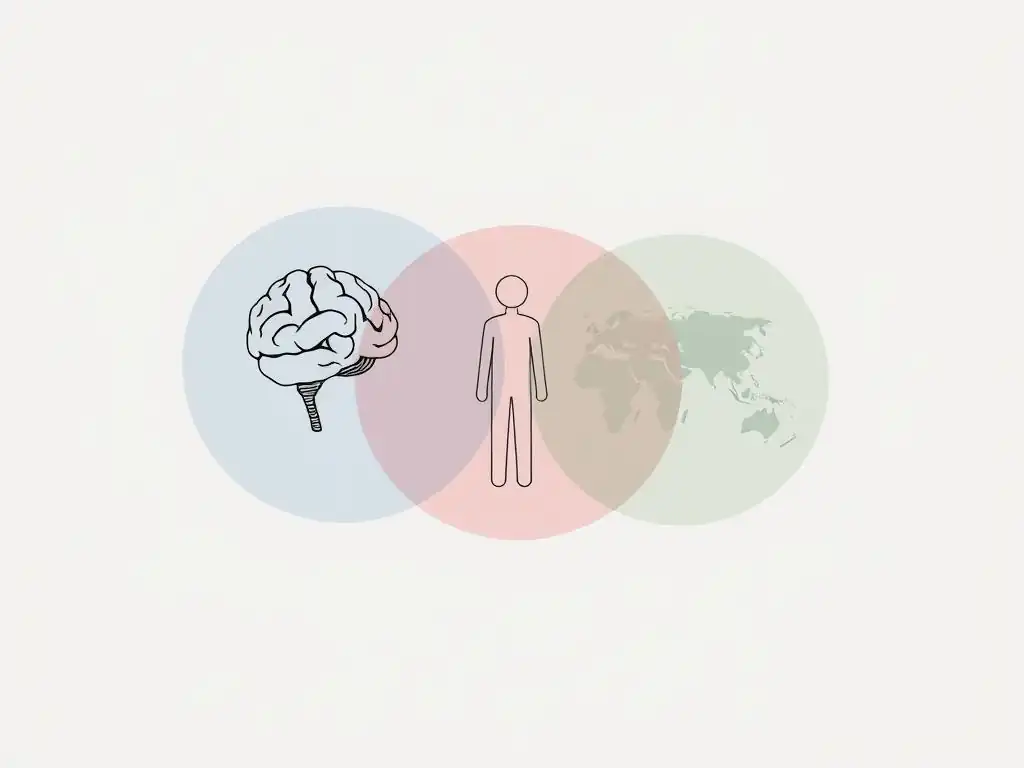
Psychology, traditionally focused on individual behavior and mental processes, benefits immensely from its connection with anthropology. This interdisciplinary approach, crucial for understanding the complexities of human experience, allows for a more nuanced and complete picture of the mind. Ignoring cultural context leads to incomplete, and potentially biased, psychological theories. The integration of anthropological insights enriches psychological research and practice, particularly in areas like mental health and human development. This section will explore key areas where psychology and anthropology intersect, highlighting the importance of cross-cultural perspectives.
Cultural Variations in Psychological Phenomena
Psychological phenomena, far from being universal, exhibit significant cultural variability. For example, the expression and experience of emotion differ dramatically across cultures. What might be considered appropriate emotional expression in one culture could be deemed unacceptable in another. Similarly, concepts of self, identity, and personality are shaped by cultural norms and values.
Individualistic cultures, such as those in many Western societies, often emphasize personal achievement and independence, while collectivist cultures, prevalent in many parts of Asia and Africa, prioritize group harmony and interdependence. These fundamental differences profoundly impact how individuals perceive themselves and interact with others. Research on cultural variations in attachment styles, for instance, demonstrates the influence of cultural context on the development of close relationships. Understanding these variations is crucial for developing culturally sensitive psychological interventions and avoiding misinterpretations of behavior.
Failure to account for cultural differences can lead to inaccurate diagnoses and ineffective treatments. Consider the diagnosis of depression: symptoms might manifest differently across cultures, potentially leading to underdiagnosis or misdiagnosis in certain populations. This highlights the need for culturally informed assessment tools and therapeutic approaches.
Ethnopsychology: Understanding Cultural Differences in Mental Health
Ethnopsychology, a subfield bridging psychology and anthropology, specifically examines the relationship between culture and mental health. It explores how cultural beliefs, practices, and values influence the understanding, diagnosis, and treatment of mental illness. Many cultures have unique explanatory models of mental distress, often rooted in spiritual or supernatural beliefs.
These models can significantly influence help-seeking behavior and the acceptance of Western-style mental health interventions. For instance, some cultures may attribute mental illness to spirit possession or imbalance in vital energies, leading individuals to seek help from traditional healers rather than mental health professionals. Understanding these diverse explanatory models is essential for developing culturally appropriate and effective mental health services.
This requires collaboration between psychologists and anthropologists to develop culturally sensitive interventions that respect and incorporate indigenous knowledge systems. Ignoring these cultural factors can lead to treatment failure and exacerbate existing health disparities. The development of culturally adapted therapies, informed by ethnopsychological research, is crucial to ensure equitable access to quality mental health care for all populations.
Anthropological Insights into Human Behavior
Anthropology offers valuable insights into the evolutionary and social factors shaping human behavior. Evolutionary psychology, for example, draws heavily on anthropological data to understand the origins and adaptive functions of various psychological traits. Studies of human kinship systems, social structures, and cultural practices provide crucial context for understanding human behavior in its natural setting.
Anthropological fieldwork, through participant observation and ethnographic studies, offers rich qualitative data that complements quantitative research methods used in psychology. This combined approach allows for a more comprehensive understanding of complex human behaviors, such as aggression, cooperation, and altruism. By examining human behavior across diverse cultures, anthropologists identify patterns and variations that illuminate the interplay between biological predispositions and environmental influences.
This integrated approach enhances our understanding of the complex interplay between nature and nurture in shaping human psychology. The holistic perspective provided by anthropology enriches psychological theory and enhances the development of more effective and culturally sensitive interventions. The study of human development, for instance, benefits greatly from anthropological perspectives on socialization, cultural transmission, and the impact of social institutions on the shaping of personality and identity.
Psychology and Economics: Understanding Decision-Making and Behavior

Psychology and economics, while seemingly disparate fields, share significant overlap in understanding human behavior, particularly concerning decision-making. This interdisciplinary area, often termed behavioral economics, explores how psychological factors influence economic choices and outcomes, challenging traditional economic models that assume perfect rationality. The insights gained are crucial for understanding a wide range of phenomena, from individual financial decisions to broader market trends. This section will delve into specific examples of this fascinating intersection.
Behavioral Economics: Psychological Factors in Economic Decisions
Traditional economic theory often relies on the homo economicus model – the assumption that individuals are perfectly rational, self-interested actors who make optimal choices based on complete information. However, psychological research consistently demonstrates that human decision-making is far from perfect. Cognitive biases, emotional influences, and social pressures significantly impact our choices.
For example, the framing effect demonstrates how the presentation of information can alter choices, even if the underlying options remain the same. A choice framed as avoiding a loss is often preferred over an equivalent choice framed as gaining a profit, despite the identical financial outcomes. This highlights the role of loss aversion, a powerful psychological principle, in economic decisions.
Similarly, anchoring bias shows how initial information, even if irrelevant, can heavily influence subsequent judgments and decisions. A high initial price for a product, for instance, can anchor our perception of its value, leading us to pay more than we might otherwise. These biases are not mere anomalies; they are systematic deviations from rational choice that have significant implications for economic modeling and policy.
Further complicating the picture is the impact of emotions on financial decision-making. Fear, greed, and regret can lead to impulsive choices and poor investment strategies. Understanding these emotional influences is critical for developing effective financial literacy programs and mitigating the risks associated with irrational behavior. The field of behavioral economics actively seeks to integrate these psychological insights into more realistic and predictive economic models.
The Psychology of Consumer Behavior
The psychology of consumer behavior is another vital area where psychology and economics converge. Understanding how consumers make purchasing decisions is crucial for businesses and marketers. Psychological principles such as cognitive dissonance (the discomfort of holding conflicting beliefs), social proof (the tendency to conform to the actions of others), and persuasion techniques (like the foot-in-the-door technique) are all actively used to influence consumer choices.
Consider the ubiquitous use of limited-time offers or scarcity tactics. These strategies capitalize on our psychological aversion to missing out (FOMO) and create a sense of urgency that drives purchases. Similarly, endorsements from celebrities or influencers leverage social proof, making products seem more desirable. The study of consumer psychology helps businesses create more effective marketing campaigns and understand the underlying motivations behind purchasing decisions. This goes beyond simple advertising; it involves a deep understanding of human motivations, perceptions, and emotional responses. Data analysis, consumer surveys, and experimental studies are frequently employed to gather insights into this complex area.
Economic Influences on Mental Well-being
The relationship between economics and mental well-being is bidirectional. Economic factors such as income inequality, unemployment, and financial insecurity significantly impact mental health. Studies consistently show a correlation between poverty and increased rates of depression, anxiety, and other mental health problems. This is not solely due to material hardship but also involves the social stigma and psychological stress associated with financial difficulties.
Conversely, positive economic conditions, such as job security and financial stability, can contribute to improved mental well-being. The ability to meet basic needs and feel secure provides a sense of control and reduces stress, promoting psychological resilience. Understanding these connections is crucial for developing effective social policies aimed at improving both economic conditions and mental health outcomes.
This underscores the need for interdisciplinary approaches to address complex societal challenges. Further research is needed to fully understand the causal mechanisms linking economic factors and mental health, as well as to identify effective interventions. The interplay between these two fields offers a rich and rewarding area of study for understanding the human condition.
Psychology and Education: Applying Psychological Principles to Learning
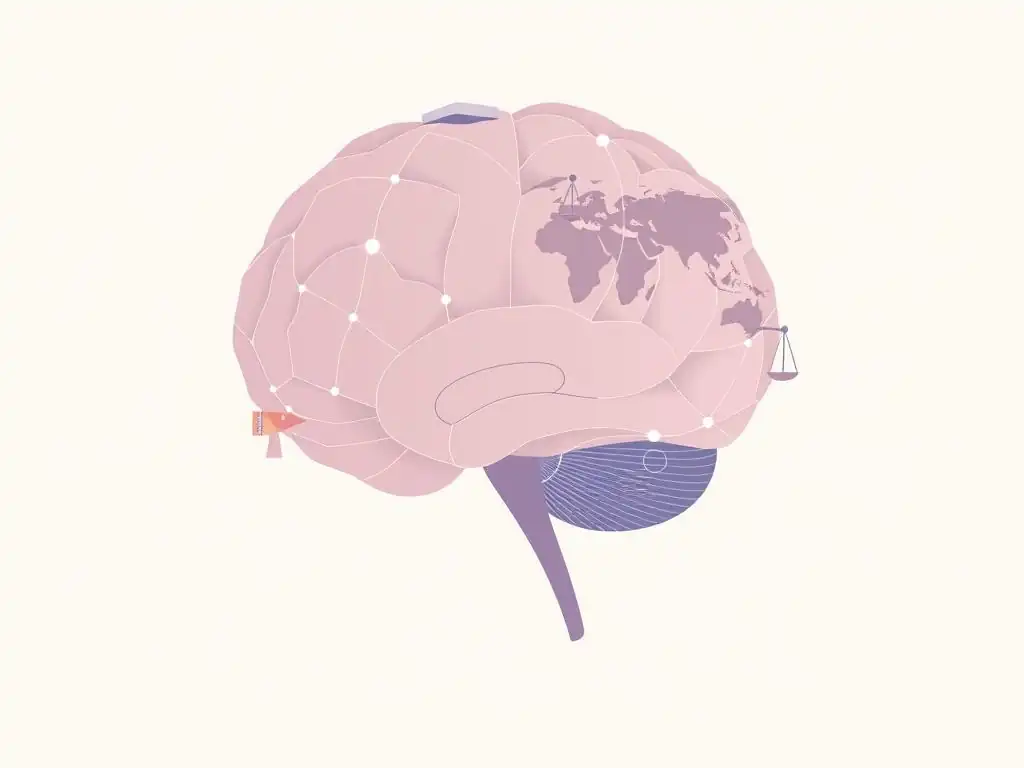
Psychology and education are inextricably linked, sharing a common goal of understanding and improving human behavior and development. Educational psychology, a crucial bridge between these two disciplines, leverages psychological principles to enhance teaching methods, curriculum design, and learning outcomes. This section explores the profound interplay between psychology and education, highlighting key areas where psychological insights inform effective educational practices. Understanding these connections is vital for creating truly effective learning environments. The keyword, "psychology connections other fields," is clearly demonstrated here, as we will see in the following subsections.
Educational Psychology: Learning Theories and Instructional Methods
Educational psychology draws heavily from various psychological perspectives, including behaviorism, cognitivism, and constructivism. Behaviorist principles, for example, inform the use of reinforcement and punishment in shaping student behavior and promoting desired learning outcomes. Operant conditioning techniques, such as rewarding positive behaviors and ignoring or redirecting negative ones, are commonly employed in classrooms. Conversely, cognitive psychology emphasizes the mental processes involved in learning, such as attention, memory, and problem-solving.
Understanding these cognitive processes allows educators to design instruction that aligns with how students learn most effectively. For instance, chunking information into smaller, manageable units and using various multimedia aids can improve memory and comprehension. Constructivist approaches, on the other hand, focus on the active role of the learner in constructing knowledge through experience and interaction. This perspective promotes collaborative learning, inquiry-based activities, and project-based learning methodologies.
Cognitive Development and Academic Achievement
A student's cognitive development significantly impacts their academic performance. Piaget's stages of cognitive development, for instance, provide a framework for understanding how children's thinking evolves across different age groups. Educators can tailor their teaching strategies to match the cognitive abilities of their students, ensuring that the material is appropriately challenging and engaging.
For example, teaching abstract concepts to young children who are still in the preoperational stage (typically ages 2-7) may prove ineffective. Instead, educators should use concrete examples and hands-on activities to facilitate understanding. Furthermore, Vygotsky's sociocultural theory highlights the role of social interaction and scaffolding in cognitive development.
This theory emphasizes the importance of collaborative learning and the guidance of more knowledgeable others in supporting students' learning. Understanding these developmental milestones allows educators to create supportive learning environments that cater to the unique needs of students at different developmental stages. This connection between cognitive development and academic success is a prime example of "psychology connections other fields."
Addressing Learning Disabilities and Psychological Barriers to Education
Many students face psychological barriers to learning, including learning disabilities like dyslexia, ADHD, and autism spectrum disorder. Psychology plays a crucial role in identifying, diagnosing, and addressing these challenges. For example, understanding the neurological basis of dyslexia helps educators develop specialized instructional methods that cater to the specific needs of students with this learning disability. Similarly, understanding the attentional deficits associated with ADHD allows educators to implement strategies that enhance focus and reduce distractions. Beyond specific learning disabilities, psychological factors such as anxiety, depression, and trauma can significantly impact a student's academic performance and overall well-being. School psychologists work with students and their families to provide support and interventions that address these emotional and psychological challenges. Early identification and intervention are key to helping students overcome these obstacles and achieve their full academic potential. This showcases the practical application of psychological principles, furthering the understanding of "psychology connections other fields."
Psychology and Law: The Intersection of Psychology and the Legal System
Psychology and law represent seemingly disparate fields, yet their intersection is profound and increasingly significant. The application of psychological principles to legal contexts—a field often referred to as forensic psychology—is vital for ensuring justice and understanding human behavior within the legal system. This intricate relationship explores the complex interplay between human cognition, emotion, and behavior, and how these factors influence legal proceedings and outcomes.
Understanding this connection is crucial for both legal professionals and those interested in the application of psychological knowledge in real-world scenarios. The synergy between these disciplines is constantly evolving, driven by advancements in psychological research and the need for more nuanced approaches to legal issues. This section will delve into specific areas where psychology significantly impacts the legal system.
Forensic Psychology: Applying Psychological Principles in Legal Settings
Forensic psychology applies psychological principles and research methods to legal questions. This involves a wide range of activities, from assessing the competency of defendants to providing expert testimony in court. Forensic psychologists may work with law enforcement agencies, conducting criminal profiling or analyzing crime scenes from a psychological perspective.
They also play a crucial role in evaluating individuals for risk assessment, determining the likelihood of recidivism, and developing rehabilitation programs. The work often involves detailed case analysis, psychological testing (including personality assessments and neuropsychological evaluations), and the preparation of comprehensive reports for the court. The demand for qualified forensic psychologists is steadily increasing, reflecting the growing recognition of the importance of psychological expertise in the legal arena.
The field requires a strong understanding of both psychology and the legal system, demanding specialized training and a meticulous approach to methodology. Ethical considerations are paramount, emphasizing the importance of objectivity and impartiality in the application of psychological knowledge within the legal context. For example, a forensic psychologist might assess a defendant's mental state to determine their fitness to stand trial, a critical aspect of due process.
Eyewitness Testimony and Memory Distortion
Eyewitness testimony, while seemingly reliable, is frequently susceptible to significant distortions. Psychological research has demonstrated the fallibility of human memory, highlighting the impact of factors such as stress, suggestion, and the passage of time on the accuracy of recollections. These distortions can have profound consequences in legal proceedings, potentially leading to wrongful convictions or acquittals.
Factors such as leading questions from investigators, exposure to misleading information after witnessing an event (post-event information), and the influence of personal biases can all significantly affect the accuracy of eyewitness accounts. Studies have shown that even confident eyewitnesses can be demonstrably inaccurate, emphasizing the need for careful scrutiny of eyewitness testimony. Techniques such as cognitive interviews, designed to enhance the retrieval of accurate memories, are increasingly used by law enforcement to mitigate the risk of memory distortion.
The understanding of memory processes and the potential for errors is crucial for legal professionals to properly assess the credibility and reliability of eyewitness accounts, a key element in many criminal trials. The analysis of eyewitness testimony requires a nuanced understanding of cognitive psychology, particularly memory formation, storage, and retrieval.
Criminal Profiling and Psychological Assessment
Criminal profiling, a technique used to infer characteristics of an offender based on analysis of crime scenes and other evidence, leverages psychological principles to aid in investigations. Profilers analyze behavioral patterns, crime scene characteristics, and other data to develop a profile of the likely offender, including their demographic characteristics, personality traits, and behavioral tendencies. This process involves a combination of deductive and inductive reasoning, relying on knowledge of psychological theory and criminal behavior patterns. While not always perfectly accurate, criminal profiling can be a valuable tool in narrowing down the pool of suspects and providing investigators with valuable leads.
It is important to note that criminal profiling is not a foolproof method and its effectiveness is subject to debate and ongoing research. It’s often used in conjunction with other investigative techniques. Beyond profiling, psychological assessments play a vital role in various aspects of the criminal justice system, including risk assessment, competency evaluations, and the determination of sentencing.
These assessments use a variety of psychological tests and interviews to evaluate an individual’s mental state, personality, and potential for future dangerous behavior. The careful and ethical application of psychological assessment is critical in ensuring fair and just outcomes within the legal system. The accuracy and reliability of these assessments are constantly being refined through research and improved methodologies.
Conclusion: Psychology's Collaborative Nature and Future Directions
Psychology, far from being an isolated discipline, thrives on its rich interconnections with other fields. Understanding these connections is crucial not only for a comprehensive grasp of psychological principles but also for advancing the field itself. The examples explored throughout this section – from the neuroscientific underpinnings of behavior to the sociological influences on social cognition – highlight the multifaceted nature of the human experience and the necessity of a multi-pronged approach to its study.
The future of psychology lies in its ability to continue forging strong interdisciplinary bonds, leveraging the expertise and methodologies of diverse fields to address complex challenges. This collaborative approach will be essential in tackling issues such as mental health disparities, developing effective interventions for neurological disorders, and understanding the impact of technology on human behavior. By embracing its inherently interdisciplinary nature, psychology can continue to expand its reach and impact on society.
The Importance of Interdisciplinary Collaboration in Psychology
The increasing complexity of psychological research necessitates a collaborative approach. Isolated study of psychological phenomena often yields incomplete or misleading results. For instance, understanding addiction requires insights from neuroscience (examining neurochemical pathways), sociology (exploring social influences and environmental factors), and economics (analyzing the behavioral economics of decision-making related to substance use).
Similarly, effective treatment of mental health disorders demands collaboration between psychologists, psychiatrists, social workers, and other healthcare professionals. This interdisciplinary teamwork leads to a more holistic understanding of the problem and more effective interventions. The synergy created by combining different perspectives and methodologies allows researchers to overcome limitations inherent in single-discipline approaches and generate more robust and impactful findings.
This collaborative spirit fosters innovation, leading to breakthroughs that would be impossible to achieve in isolation. Ignoring the interdisciplinary nature of psychology significantly limits our ability to fully understand and address complex human behaviors and experiences. The benefits of collaboration extend beyond research; it also enhances the quality of clinical care and improves the overall effectiveness of psychological interventions.
Emerging Interdisciplinary Fields and Research Areas
The boundaries between psychology and other disciplines are constantly blurring, giving rise to exciting new interdisciplinary fields. For example, neuropsychology, a rapidly growing area, combines neuroscience and psychology to study the relationship between brain function and behavior. This field is instrumental in understanding and treating neurological and psychiatric disorders. Similarly, behavioral economics, integrating psychology and economics, explores how psychological factors influence economic decision-making, providing valuable insights into consumer behavior, financial markets, and public policy.
Another burgeoning area is psychoneuroimmunology, which investigates the intricate interplay between the brain, the immune system, and behavior. This field is crucial for understanding the impact of stress and other psychological factors on physical health. The rise of big data and advanced computational techniques has also fueled the growth of computational psychology, which uses computational models to simulate and analyze psychological processes.
These emerging interdisciplinary fields are not only expanding our understanding of the human mind but also offering innovative solutions to real-world problems. The future promises even more exciting collaborations, leading to further advancements in our understanding of the human condition. The potential for discovery and positive impact is immense, underscoring the vital role of interdisciplinary research in shaping the future of psychology.
Frequently Asked Questions
How does psychology connect with biology?
Psychology and biology are deeply intertwined. Biological psychology, or biopsychology, examines how brain structures and functions influence behavior and mental processes. Understanding the nervous system is crucial to understanding psychological phenomena.
What is the relationship between psychology and sociology?
Psychology and sociology both study human behavior, but from different perspectives. Psychology focuses on the individual, while sociology examines groups and societal influences. Social psychology bridges the gap, exploring the interplay between the two.
How does psychology inform the field of education?
Educational psychology applies psychological principles to teaching and learning. It helps educators understand cognitive development, motivation, and learning styles, leading to more effective teaching strategies and improved student outcomes.
What are the connections between psychology and economics?
Behavioral economics uses psychological insights to understand economic decision-making. It explores how cognitive biases and emotions influence choices, challenging traditional economic models that assume perfect rationality.
In what ways does psychology relate to law and the legal system?
Forensic psychology applies psychological principles to legal contexts. This includes witness testimony evaluation, criminal profiling, and jury selection. It also helps in understanding criminal behavior and rehabilitation.
Final Reflection: Weaving the Tapestry of Human Understanding
The interdisciplinary nature of psychology is not merely an academic curiosity; it's the very key to unlocking a comprehensive understanding of the human experience. Our exploration of psychology's connections to fields like neuroscience, sociology, anthropology, and even economics has revealed a vibrant, interconnected web of knowledge, each strand contributing to a richer, more nuanced picture of the human mind and behavior. This understanding is more critical now than ever before, as we grapple with complex societal challenges demanding integrated solutions.
The impact of this interconnectedness is profound and far-reaching. Psychology's influence extends beyond the clinic and laboratory, shaping our understanding of everything from public policy and education to marketing and the arts. It informs how we design our cities, build our communities, and even interact with technology. As the renowned psychologist Abraham Maslow once stated, The only way to do great work is to love what you do.
This sentiment underscores the importance of interdisciplinary collaboration, bringing together diverse perspectives and passions to tackle the multifaceted challenges facing humanity. The more we understand the intricate connections between psychology and other fields, the more effectively we can address these challenges.
Consider the implications of this interconnectedness in your own life. How can you apply the insights gained from this exploration of psychology's interdisciplinary nature? Challenge yourself to seek out connections between seemingly disparate fields, to embrace the complexity of human experience, and to contribute to a more holistic and compassionate understanding of ourselves and the world around us. The journey of understanding the human mind is a continuous one, and your active participation is vital in shaping its future.
**Unveil the Interconnections: Take Your Understanding Further! **
Thank you for exploring the fascinating world of psychology and its connections to other fields! You've gained valuable insights that can broaden your understanding of not only psychology, but also many other areas of study and life. Let's delve even deeper!
Here are some ways to expand your knowledge and engagement:
- **Explore related disciplines:** Consider fields like sociology, neuroscience, or anthropology to see how they intersect with psychological principles. The insights gained can be surprisingly enriching.
- **Share your knowledge:** Discuss your learning with friends, family, or colleagues. You could even write a short blog post or article to share your insights with a wider audience.
- **Attend a psychology workshop or webinar:** Networking with professionals and fellow enthusiasts is a great way to deepen your understanding and expand your knowledge base.
What unexpected connections between psychology and your interests can you uncover? Share your thoughts below!