
Key Turning Points in Psychology's History: Major Developments


Welcome to Psychology Basics, your gateway to understanding the fascinating world of the human mind. Are you curious about the pivotal moments that shaped our understanding of psychology? Then delve into our exploration of Psychology history major developments, tracing the key turning points that transformed this field from its philosophical roots to the sophisticated science it is today. Discover how groundbreaking theories and innovative research have revolutionized our perspective on behavior and the human experience – a journey you won't want to miss!
- The Dawn of Psychology: Early Influences and the Birth of a Discipline
- The Rise of Psychoanalysis: Uncovering the Unconscious Mind
- Behaviorism: Focusing on Observable Behavior
- The Cognitive Revolution: The Return of Mental Processes
- Humanistic Psychology: Emphasizing Human Potential
- The Biological Revolution in Psychology: The Brain and Behavior
-
Modern Psychology: Integrating Perspectives and Emerging Trends
- Cognitive Neuroscience: Bridging the Gap Between Mind and Brain
- Positive Psychology: Focusing on Strengths and Well-being
- Cultural Psychology: Understanding the Influence of Culture on Behavior
- Future Directions in Psychology: Computational Psychiatry
- Social Neuroscience: Exploring the Biological Basis of Social Behavior
-
Frequently Asked Questions
- What are some of the major turning points in the history of psychology?
- How did the development of psychoanalysis impact the field of psychology?
- What is the significance of behaviorism in the history of psychology?
- How has cognitive psychology changed our understanding of the mind?
- What is the role of neuroscience in modern psychology?
- Final Reflection: Echoes of the Past, Shaping Our Present
- Unveil Your Path in Psychological Discovery!
The Dawn of Psychology: Early Influences and the Birth of a Discipline
Psychology, the scientific study of the mind and behavior, didn't emerge fully formed. Its development was a gradual process, built upon centuries of philosophical inquiry and burgeoning advancements in physiology. Understanding psychology's history is crucial for grasping its current complexities and appreciating the evolution of its major schools of thought.
This article explores key turning points in psychology's history, highlighting major developments that shaped the field into what it is today. We'll delve into the foundational influences, the establishment of psychology as a distinct discipline, and the emergence of competing schools of thought that profoundly impacted its trajectory. By understanding these historical milestones, we gain a deeper appreciation for the rich tapestry of psychological theory and practice.
This journey through psychology's history will illuminate the path leading to the sophisticated understanding of the human mind we possess today. The keyword "Psychology history major developments" will be explored through the lens of these crucial moments.
Precursors to Modern Psychology: Philosophy and Physiology's Contributions
Long before psychology became a formal scientific discipline, philosophers grappled with questions about the nature of consciousness, perception, and the relationship between mind and body. Thinkers like Plato and Aristotle laid the groundwork for future psychological explorations by examining topics such as sensation, perception, and memory. Their introspective methods, while lacking the rigor of modern scientific inquiry, provided crucial initial frameworks.
Simultaneously, advancements in physiology were paving the way for a more empirical approach. Researchers began investigating the workings of the nervous system, mapping brain structures, and studying the relationship between physiological processes and behavior. The meticulous observations of these early physiologists, focusing on measurable physical responses, provided an essential counterpoint to the largely philosophical approach of earlier thinkers.
This convergence of philosophical inquiry and physiological investigation proved critical in the eventual emergence of psychology as a distinct scientific field. The groundwork laid by these early thinkers was essential to the development of the first psychology laboratory.
Wilhelm Wundt and the Establishment of the First Psychology Laboratory
The year 1879 is widely considered the birth year of psychology as an independent discipline. This is due to Wilhelm Wundt establishing the first experimental psychology laboratory in Leipzig, Germany. Wundt's approach, known as structuralism, focused on breaking down conscious experience into its basic elements—sensations, feelings, and images—through a method called introspection. While introspection proved to have limitations in terms of objectivity and replicability, it marked a pivotal shift towards a more scientific and systematic approach to understanding the mind.
Wundt's laboratory provided a model for future research, training generations of psychologists and establishing psychology's legitimacy as a scientific endeavor. His impact on the field cannot be overstated; his work provided the foundation upon which many future schools of thought would build, despite the eventual limitations of structuralism itself. The establishment of this laboratory represents a major turning point in the history of psychology.
Structuralism vs. Functionalism: Early Schools of Thought and their Key Differences
The early years of psychology saw the emergence of competing schools of thought, each offering a unique perspective on the nature of the mind. Structuralism, as previously mentioned, focused on analyzing the structure of consciousness. In contrast, functionalism, championed by William James and others, emphasized the function of consciousness and behavior.
Functionalists were less interested in the basic elements of consciousness and more concerned with how mental processes helped individuals adapt to their environment. This focus on adaptation and practicality contrasted sharply with structuralism's introspective and element-based approach. The debate between these two schools significantly shaped the direction of psychological research, paving the way for the development of more diverse and applied approaches to the study of the mind and behavior.
This divergence highlighted the inherent complexities of the field, demonstrating that a single, unified approach would not suffice to fully understand the multifaceted nature of human experience. The contrasting approaches of structuralism and functionalism represent a crucial turning point in the development of diverse and influential schools of thought within psychology.
The Rise of Psychoanalysis: Uncovering the Unconscious Mind
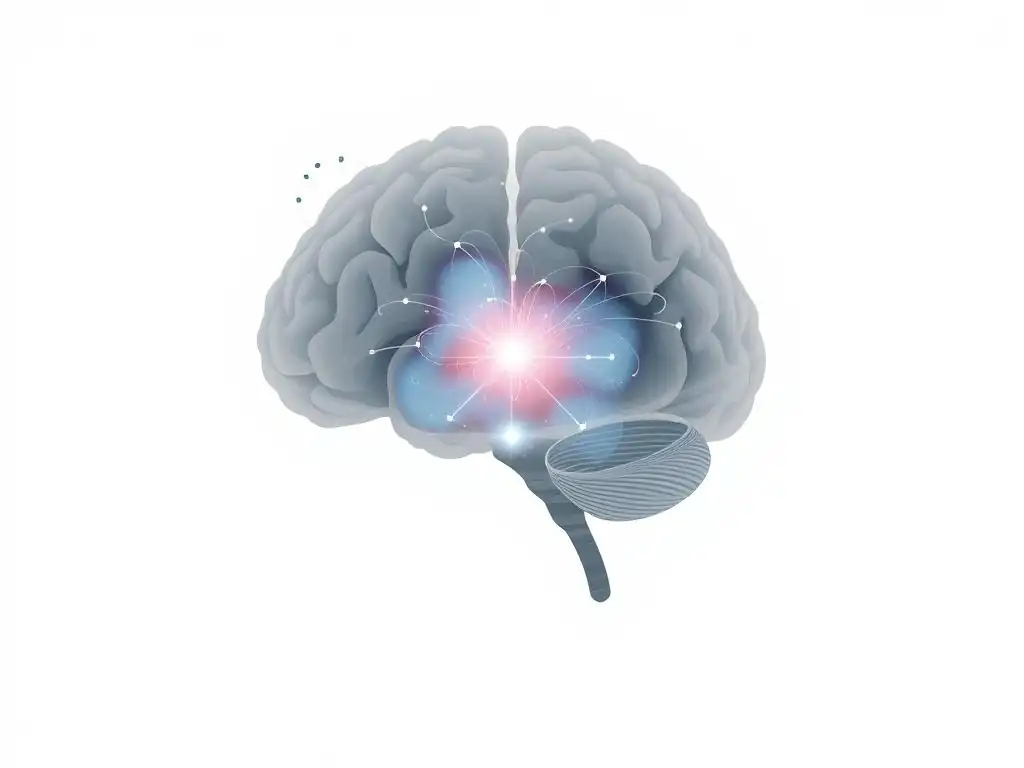
Psychoanalysis, a major development in psychology history, emerged at the turn of the 20th century, challenging prevailing perspectives on the human mind. Prior to its rise, psychology largely focused on observable behaviors and conscious thought. Psychoanalysis, however, revolutionized the field by emphasizing the significance of the unconscious mind—a reservoir of thoughts, feelings, memories, and desires operating outside of conscious awareness.
This shift in focus profoundly impacted how we understand personality, mental illness, and therapeutic interventions. The exploration of the unconscious became a central theme, influencing numerous subsequent schools of thought and therapeutic techniques. The development of this perspective is a crucial element when studying psychology history major developments.
Sigmund Freud and the Psychoanalytic Revolution
Sigmund Freud, a prominent Austrian neurologist, is widely considered the founder of psychoanalysis. His groundbreaking work, spanning several decades, laid the foundation for this influential school of thought. Freud's clinical observations of patients suffering from what was then termed "hysteria" led him to postulate the existence of the unconscious.
He developed innovative techniques, such as free association and dream analysis, to access and interpret the contents of the unconscious mind. These methods aimed to bring repressed memories and conflicts into conscious awareness, thereby facilitating therapeutic healing. Freud's theories, though controversial and subject to ongoing debate, significantly advanced our understanding of human behavior and psychological distress.
His influence on psychology history is undeniable, marking a major turning point in the field's trajectory. He offered a radically new perspective, moving beyond simple behavioral observations to explore the complexities of the inner world. Many consider his contributions to be among the most significant psychology history major developments.
Key Concepts of Psychoanalysis: The Id, Ego, and Superego
Central to Freudian psychoanalysis is the structural model of the psyche, comprising the id, ego, and superego. The id, operating on the pleasure principle, seeks immediate gratification of primal needs and desires. The ego, governed by the reality principle, mediates between the id's demands and the constraints of the external world. It employs defense mechanisms to manage conflicts and anxieties arising from these competing forces. Finally, the superego, representing internalized moral standards and ideals, acts as a conscience, judging actions and aspirations. The interplay between these three components shapes personality and behavior, according to Freud. Understanding the dynamic interactions between the id, ego, and superego is crucial for comprehending the complexities of human motivation and conflict. This concept remains a cornerstone of psychoanalytic theory and a significant contribution to the study of psychology history major developments. These elements provide a framework for understanding the internal conflicts that drive human behavior.
Further Exploration of Psychoanalytic Concepts
Beyond the id, ego, and superego, Freud also explored concepts such as:
- Psychosexual stages of development
- Defense mechanisms (e.g., repression, denial, projection)
- Transference and countertransference in the therapeutic relationship
These concepts, while debated, significantly shaped the landscape of psychological thought.
The Impact of Psychoanalysis on Psychology and Society
Psychoanalysis's impact extends far beyond the confines of academic psychology. It significantly influenced various fields, including literature, art, and social sciences. Its emphasis on the unconscious profoundly impacted our understanding of human motivation, creativity, and social interaction.
While some of Freud's specific theories have been challenged or refined over time, the core principles of psychoanalysis continue to inform contemporary therapeutic approaches, such as psychodynamic therapy. Moreover, the focus on the unconscious mind has permeated popular culture, shaping our understanding of ourselves and others. The legacy of psychoanalysis is a complex and multifaceted one, reflecting both its enduring influence and the ongoing critical evaluation of its core tenets.
Analyzing its impact is crucial when studying psychology history major developments. Its lasting influence on how we understand the human mind is undeniable, solidifying its place as a pivotal moment in the history of psychology. The exploration of the unconscious and the development of therapeutic techniques to address inner conflicts remain key contributions to the field.
Behaviorism: Focusing on Observable Behavior
Behaviorism, a major school of thought in psychology, emerged as a reaction against the limitations of earlier approaches, particularly introspection. Instead of focusing on unobservable mental processes, behaviorists emphasized the study of observable behaviors and their environmental determinants. This shift in focus significantly impacted how psychologists conducted research and interpreted human behavior, leading to several key developments in the field. Understanding behaviorism's historical progression is crucial for grasping the evolution of psychology as a discipline and appreciating its current multifaceted nature. The keyword "psychology history major developments" is directly addressed by examining this influential school of thought.
The Beginnings of Behaviorism: Pavlov's Classical Conditioning
Ivan Pavlov, a Russian physiologist, inadvertently laid the groundwork for behaviorism through his experiments on classical conditioning. While studying digestion in dogs, Pavlov observed that dogs began to salivate not only at the presence of food but also at the sight or sound of the person who usually fed them. This seemingly simple observation revealed a crucial learning mechanism: the association between a neutral stimulus (the person) and a naturally occurring stimulus (food).
Pavlov's work demonstrated that learning could be understood as the formation of associations between stimuli, a concept that would become central to behaviorist theory. Pavlov's experiments, meticulously documented and replicated, provided a rigorous, empirical basis for understanding learning, moving psychology away from subjective interpretations and towards objective observation and measurement.
This marked a significant turning point, demonstrating the power of scientific methodology in uncovering the mechanisms of behavior. The impact of Pavlov's classical conditioning on subsequent psychological research and therapy is undeniable, making it a cornerstone in the history of psychology's major developments.
John B. Watson and the Rejection of Introspection
John B. Watson, considered the founder of behaviorism, vehemently rejected introspection as a valid method for studying the mind. He argued that introspection was subjective and unreliable, leading to inconsistent and unfalsifiable results. Watson advocated for a purely objective approach, focusing solely on observable behaviors and their environmental triggers.
His famous quote, "Give me a dozen healthy infants, well-formed, and my own specified world to bring them up in and I'll guarantee to take any one at random and train him to become any type of specialist I might select—doctor, lawyer, artist, merchant-chief and, yes, even beggar-man and thief, regardless of his talents, penchants, tendencies, abilities, vocations, and race of his ancestors," encapsulates his radical belief in the power of environmental conditioning to shape behavior. Watson's emphasis on environmental factors and the rejection of internal mental states were pivotal in establishing behaviorism as a distinct school of thought.
This marked a significant departure from earlier psychological perspectives and represents a key development in the history of psychology. His work continues to influence contemporary approaches to understanding learning and behavior modification.
B.F. Skinner and Operant Conditioning: Shaping Behavior Through Reinforcement
B.F. Skinner, a prominent figure in behaviorism, built upon Pavlov's work by developing the concept of operant conditioning. Unlike classical conditioning, which focuses on associating stimuli, operant conditioning emphasizes the consequences of behavior. Skinner demonstrated that behaviors followed by desirable consequences (reinforcement) are more likely to be repeated, while behaviors followed by undesirable consequences (punishment) are less likely to be repeated.
His experiments using "Skinner boxes," which allowed for precise control over environmental stimuli and behavioral consequences, provided compelling evidence for the power of reinforcement in shaping behavior. Skinner's work had a profound impact on various fields, including education, therapy, and animal training, showcasing the practical applications of behaviorist principles.
His contributions significantly advanced our understanding of learning and behavior modification and remain relevant in contemporary psychology, solidifying operant conditioning as another crucial element in the major developments of psychology's history. The meticulous nature of Skinner's research further cemented the importance of empirical evidence in the field.
The Cognitive Revolution: The Return of Mental Processes
The mid-20th century witnessed a significant shift in psychological thought, marking a departure from the dominant behaviorist paradigm. This period, known as the Cognitive Revolution, saw a renewed focus on internal mental processes – the very things behaviorism had largely dismissed. The revolution wasn't a sudden upheaval, but rather a gradual accumulation of dissatisfaction with behaviorism's limitations and the emergence of new theoretical frameworks and methodologies better suited to understanding the complexities of human cognition.
This renewed interest in mental processes, such as memory, attention, and language, fundamentally reshaped the field of psychology, paving the way for numerous advancements and subfields we recognize today. The keywords "psychology history major developments" are directly relevant to this pivotal moment. Understanding this shift is crucial for grasping the trajectory of modern psychological thought.
The Limitations of Behaviorism and the Emergence of Cognitive Psychology
Behaviorism, with its emphasis on observable behaviors and environmental stimuli, proved inadequate in explaining several aspects of human behavior. For example, it struggled to account for language acquisition, problem-solving, and creativity – all processes that clearly involve internal mental representations and computations. The limitations became increasingly apparent as researchers encountered phenomena that couldn't be easily explained through stimulus-response mechanisms.
The inability to account for latent learning, where learning occurs without immediate reinforcement, was a particularly significant challenge. Furthermore, the behaviorist neglect of internal mental states hindered the development of comprehensive theories of human cognition. This dissatisfaction fueled the search for alternative approaches, ultimately leading to the rise of cognitive psychology.
The cognitive revolution, therefore, wasn't a rejection of all behaviorist principles, but rather a recognition of the need to incorporate internal mental processes into a more holistic understanding of behavior. This marked a crucial turning point in the history of psychology.
Information Processing: A New Metaphor for the Mind
A central metaphor driving the cognitive revolution was the analogy between the human mind and a computer. This information-processing approach viewed the mind as a system that receives, processes, stores, and retrieves information. This model provided a framework for studying cognitive processes in a more systematic and rigorous manner. Researchers began to investigate specific cognitive functions, such as memory encoding, storage, and retrieval, using experimental paradigms inspired by computer science.
The development of computer models of cognitive processes further facilitated this shift, allowing researchers to test hypotheses about the structure and function of the human mind. The information-processing approach, with its emphasis on stages of processing, allowed for the development of more precise models of cognitive functions and provided a foundation for future research into areas such as artificial intelligence and human-computer interaction. This new perspective significantly advanced our understanding of cognitive processes and continues to influence research today.
Key Figures in the Cognitive Revolution: Ulric Neisser, George Miller, Noam Chomsky
Several influential figures spearheaded the cognitive revolution. Ulric Neisser, often considered the "father" of cognitive psychology, played a pivotal role in consolidating and popularizing the field. His seminal work, Cognitive Psychology (1967), provided a comprehensive overview of the burgeoning field and established its legitimacy within the broader psychological community.
George Miller's work on the limitations of short-term memory (the "magical number seven, plus or minus two") highlighted the importance of studying the capacity and limitations of human information processing. Noam Chomsky's revolutionary ideas in linguistics challenged behaviorist accounts of language acquisition, arguing that humans possess an innate capacity for language. His work demonstrated the limitations of behaviorist explanations and provided strong support for the cognitive approach.
These individuals, along with many others, contributed significantly to the intellectual ferment that defined the cognitive revolution and shaped the course of psychology. Their contributions continue to influence research and practice in cognitive psychology and related fields. The impact of their work remains a cornerstone of understanding the major developments in psychology history.
Humanistic Psychology: Emphasizing Human Potential

Humanistic psychology, a major development in psychology's history, emerged in the 1950s as a significant departure from the dominant schools of thought at the time—psychoanalysis and behaviorism. While psychoanalysis delved into the unconscious and behaviorism focused on observable behaviors, humanistic psychology emphasized the uniqueness and inherent goodness of human beings, focusing on their potential for growth, self-actualization, and personal fulfillment. This perspective shifted the focus from pathology and deficits to human strengths and capabilities, offering a more optimistic and empowering view of human nature.
Understanding this shift is crucial for comprehending the evolution of psychological thought and its impact on modern therapeutic practices. The keyword "Psychology history major developments" is directly addressed here, as the rise of humanistic psychology represents a pivotal moment in the field's trajectory. This school of thought challenged existing paradigms, paving the way for new approaches to understanding and treating mental health.
The Humanistic Approach: A Reaction Against Psychoanalysis and Behaviorism
Humanistic psychology arose as a direct response to the perceived limitations of both psychoanalysis and behaviorism. Psychoanalysis, with its emphasis on uncovering repressed memories and unconscious conflicts, was often criticized for its pessimistic view of human nature and its lengthy, intensive treatment process. Behaviorism, with its focus on observable behaviors and environmental conditioning, was seen by some as overly simplistic and neglecting the subjective experiences and inner lives of individuals.
Humanistic psychologists argued that both approaches failed to adequately address the uniquely human qualities of creativity, free will, and self-awareness. They believed that understanding human behavior required a deeper appreciation for the individual's subjective experience, their personal values, and their striving for self-actualization. This reaction is a key aspect of understanding the "Psychology history major developments," highlighting the dynamic and evolving nature of the field.
Abraham Maslow and the Hierarchy of Needs
Abraham Maslow, a prominent figure in humanistic psychology, is best known for his theory of the hierarchy of needs. This model depicts human motivation as a pyramid, with basic physiological needs (food, water, shelter) forming the base, followed by safety needs, belonging and love needs, esteem needs, and finally, self-actualization at the apex. Maslow argued that individuals must satisfy lower-level needs before progressing to higher-level ones. Self-actualization, the highest level, represents the realization of one's full potential and the pursuit of personal growth. Maslow's research, based on observations of individuals he considered to be self-actualized, provided valuable insights into human motivation and the factors that contribute to personal fulfillment. His work significantly contributed to the understanding of positive psychology and continues to influence various fields, including education, management, and personal development. This is a cornerstone of understanding the major developments in psychology's history and the enduring legacy of humanistic thought.
Carl Rogers and Person-Centered Therapy
Carl Rogers, another influential figure in humanistic psychology, developed person-centered therapy, a non-directive approach that emphasizes the client's inherent capacity for self-healing and growth. Unlike traditional therapies that focus on diagnosis and interpretation, Rogers' approach centers on creating a supportive and empathetic therapeutic relationship. Key elements of person-centered therapy include unconditional positive regard (acceptance and valuing of the client without judgment), empathy (understanding the client's perspective), and genuineness (authenticity and congruence on the part of the therapist).
Rogers believed that by providing these core conditions, therapists could facilitate the client's self-exploration and personal growth, enabling them to resolve their own problems and achieve greater self-understanding. Rogers' contributions were monumental, fundamentally changing therapeutic practices and shaping the landscape of "Psychology history major developments." His emphasis on the therapeutic relationship remains influential in many contemporary approaches to psychotherapy.
The Biological Revolution in Psychology: The Brain and Behavior
The late 20th and early 21st centuries witnessed a dramatic shift in psychological understanding, marked by the ascendancy of biological perspectives. This "biological revolution" emphasized the crucial role of the brain, nervous system, and genetics in shaping behavior and mental processes. No longer was the mind viewed as a separate entity, but rather as an emergent property of complex biological systems.
This paradigm shift fundamentally altered how psychologists approached research, diagnosis, and treatment, leading to major advancements in understanding a wide range of psychological phenomena, from mood disorders to cognitive abilities. The integration of biological insights into psychology has enriched the field considerably, offering a more complete and nuanced picture of the human experience. This section will explore some key aspects of this revolution, focusing on neuroscience, brain imaging, and behavioral genetics.
The Rise of Neuroscience and its Impact on Psychology
Neuroscience, the study of the nervous system, became increasingly intertwined with psychology during this period. Researchers began to explore the intricate relationship between brain structures and functions and psychological processes. The development of sophisticated techniques for studying the brain, such as electroencephalography (EEG) and magnetoencephalography (MEG), allowed for unprecedented insights into brain activity during various cognitive tasks and emotional states.
This detailed examination of the brain's electrical and magnetic fields provided a window into the neural correlates of consciousness, memory, attention, and emotion. The impact on psychology was profound. For example, studies using EEG helped researchers understand the neural mechanisms underlying sleep disorders, while MEG studies contributed to our understanding of language processing in the brain.
The rise of neuroscience also led to the development of new diagnostic tools and treatment approaches for neurological and psychiatric disorders. The field moved beyond purely behavioral observations to incorporate a deeper understanding of the underlying biological mechanisms. 🧠
Brain Imaging Techniques and their Contributions to Understanding the Mind
The advent of neuroimaging techniques, such as positron emission tomography (PET) and functional magnetic resonance imaging (fMRI), revolutionized the study of the brain and its relationship to behavior. These techniques allowed researchers to visualize brain activity in real-time, providing a level of detail previously unimaginable. fMRI, in particular, became a cornerstone of cognitive neuroscience, enabling researchers to identify specific brain regions involved in various cognitive functions.
For instance, studies using fMRI have revealed the neural networks underlying language comprehension, memory consolidation, and decision-making. PET scans have proven invaluable in studying neurotransmitter systems and their roles in mental illness. The detailed images provided by these techniques have not only illuminated normal brain function but also shed light on the neural abnormalities associated with various neurological and psychiatric disorders, such as Alzheimer's disease, schizophrenia, and depression.
This improved understanding has significantly advanced the development of more effective diagnostic and therapeutic interventions. The data gathered from these technologies continue to refine our understanding of the complex interplay between brain structure, function, and behavior.
Behavioral Genetics and the Nature vs. Nurture Debate
Behavioral genetics, the study of how genes influence behavior, has significantly contributed to the biological revolution in psychology. This field explores the heritability of various traits and behaviors, helping to unravel the complex interplay between genetic predisposition and environmental influences. Twin studies and adoption studies have been instrumental in estimating the heritability of psychological traits, such as intelligence, personality, and susceptibility to mental illness.
These studies have consistently demonstrated that genes play a significant role in shaping these traits, though environmental factors also exert a considerable influence. The nature versus nurture debate has shifted from an either/or dichotomy to a more nuanced understanding of gene-environment interactions. Epigenetics, the study of how environmental factors can influence gene expression, has further complicated—and enriched—this understanding.
The field continues to develop rapidly, with ongoing research exploring the specific genes and gene pathways involved in various psychological traits and disorders. This research promises to lead to more personalized and effective treatments tailored to an individual's genetic makeup. The integration of genetic information into psychological practice is still in its early stages, but it holds immense potential for the future of mental health care.
Modern Psychology: Integrating Perspectives and Emerging Trends

Modern psychology is far from a monolithic entity. Instead, it's a vibrant tapestry woven from threads of various schools of thought, constantly evolving and integrating new perspectives. This section explores some of the key trends shaping contemporary psychological understanding, highlighting the exciting intersections and innovations driving the field forward. Understanding these developments is crucial for grasping the complexity of the human mind and behavior in the 21st century. The keyword "Psychology history major developments" is inherently linked to understanding this evolution, as the current state of psychology is a direct result of its past.
Cognitive Neuroscience: Bridging the Gap Between Mind and Brain
Cognitive neuroscience represents a significant leap forward in our understanding of the mind-brain connection. This interdisciplinary field combines the insights of cognitive psychology with the tools and techniques of neuroscience, allowing researchers to investigate the neural mechanisms underlying cognitive processes. Instead of merely observing behavior, cognitive neuroscientists can directly examine brain activity using techniques like fMRI (functional magnetic resonance imaging) and EEG (electroencephalography) to pinpoint the specific brain regions involved in tasks like memory, attention, and language processing.
For example, studies using fMRI have revealed the intricate network of brain regions activated during complex cognitive tasks like decision-making. These studies not only pinpoint specific brain areas but also illuminate the dynamic interplay between different brain regions, revealing the complex communication pathways that underpin our cognitive abilities. This level of detail was previously unimaginable, showcasing a major development in our ability to empirically investigate cognitive processes.
The integration of neuroimaging techniques represents a significant advancement in the field, moving beyond theoretical models to direct observation of brain function. This has led to a deeper understanding of disorders like Alzheimer's disease and schizophrenia, where cognitive impairments are prominent symptoms.
Further research is continually refining our understanding of the neural correlates of consciousness, emotion, and even creativity. The ongoing integration of computational modeling with neuroimaging data promises even more breakthroughs in our ability to understand the complex relationship between the mind and the brain. This ongoing research directly contributes to the evolution of the keyword "Psychology history major developments," showing a continued push towards more precise and nuanced understanding.
Positive Psychology: Focusing on Strengths and Well-being
In contrast to earlier approaches that primarily focused on pathology and dysfunction, positive psychology emerged as a significant force, emphasizing human strengths, virtues, and optimal functioning. Instead of solely addressing mental illness, positive psychology explores factors that contribute to happiness, resilience, and overall well-being. This shift represents a major departure from traditional perspectives and reflects a growing recognition of the importance of understanding not just what goes wrong, but also what goes right in human experience.
This field examines concepts like optimism, gratitude, resilience, and flow experiences, investigating their psychological mechanisms and their impact on individual and societal well-being. Research in positive psychology has yielded practical applications, such as interventions designed to enhance emotional intelligence, foster forgiveness, and cultivate gratitude. These interventions are increasingly being integrated into various settings, including schools, workplaces, and clinical practice.
The emphasis on strengths and well-being is a relatively recent development, showcasing a significant shift in the focus of psychology and contributing significantly to the evolution captured by the keyword "Psychology history major developments." The data supporting the efficacy of positive psychology interventions continues to grow, reinforcing its importance as a significant contemporary trend.
Cultural Psychology: Understanding the Influence of Culture on Behavior
Cultural psychology emphasizes the profound influence of culture on human behavior, thought, and emotion. This field acknowledges that psychological processes are not universal but are shaped by the specific cultural contexts in which individuals develop. Instead of assuming universality, cultural psychologists investigate how cultural values, beliefs, and practices influence various aspects of psychological functioning, including social interaction, self-concept, and cognitive processes.
For instance, research has highlighted significant cross-cultural differences in concepts like self-esteem, individualism versus collectivism, and the expression of emotions. Understanding these cultural variations is crucial for avoiding ethnocentrism and developing culturally sensitive interventions. The rise of cultural psychology demonstrates a significant evolution in psychological thought, moving beyond a predominantly Western-centric perspective to embrace the diversity of human experience.
This expansion of perspective significantly contributes to the keyword, "Psychology history major developments," reflecting a more inclusive and nuanced understanding of human behavior. The increasing globalization and interconnectedness of the world have further underscored the importance of this field, demonstrating a growing need for culturally sensitive research and practice.
Future Directions in Psychology: Computational Psychiatry
Computational psychiatry represents a fascinating and rapidly evolving area within the field. It leverages the power of computational modeling and data analysis to understand, diagnose, and treat mental illnesses. This approach moves beyond traditional diagnostic methods, offering the potential for more precise and personalized interventions.
Instead of relying solely on clinical interviews and symptom checklists, computational psychiatry incorporates large datasets of patient information, including neuroimaging data, genetic information, and electronic health records. By analyzing these complex datasets using sophisticated algorithms and machine learning techniques, researchers aim to identify subtle patterns and biomarkers that predict disease onset, track disease progression, and predict treatment response.
For example, researchers are developing computational models that simulate the dynamics of neural networks in the brain, allowing them to explore how disruptions in these networks contribute to conditions like schizophrenia or depression. This approach allows for the testing of different therapeutic interventions in silico before applying them to patients, potentially accelerating the development of more effective treatments.
Furthermore, computational psychiatry is leading to the development of personalized medicine approaches, tailoring treatments to individual patient characteristics and predicting which treatments are most likely to be effective for specific individuals. This personalized approach holds the potential to significantly improve treatment outcomes and reduce the burden of mental illness.
The integration of big data analysis and advanced computational techniques is transforming how we understand and address mental health challenges, paving the way for a more precise and effective future. Challenges remain, however, in terms of data privacy, algorithmic bias, and the need for robust validation of computational models.
Social neuroscience bridges the gap between social psychology and neuroscience, investigating the neural mechanisms underlying social cognition and behavior. Using techniques such as fMRI and EEG, researchers are mapping the brain regions and networks involved in social processes like empathy, cooperation, and social decision-making. This field sheds light on how our brains process social information, how we form social relationships, and how social experiences shape our neural circuitry.
One key area of research within social neuroscience focuses on the neural basis of empathy, the ability to understand and share the feelings of others. Studies have identified specific brain regions, such as the anterior cingulate cortex and the insula, that are activated when individuals observe or imagine the suffering of others. Understanding the neural underpinnings of empathy has significant implications for understanding and treating conditions characterized by deficits in social cognition, such as autism spectrum disorder.
Furthermore, social neuroscience explores the neural mechanisms of social influence and conformity, examining how our brains respond to social pressure and how we adjust our behavior to fit in with social groups. This research has implications for understanding phenomena such as groupthink and the spread of misinformation. The field is also increasingly exploring the role of hormones and neurotransmitters in social behavior, investigating the interplay between biology and social context in shaping our social interactions.
The integration of neuroscience methods with social psychological theories provides a powerful framework for understanding the complex interplay between our brains and our social world, offering valuable insights into human behavior and social dynamics. The continued development of sophisticated neuroimaging techniques and advanced computational modeling promises further advancements in our understanding of the biological foundations of social behavior.
Frequently Asked Questions
What are some of the major turning points in the history of psychology?
Psychology's history is marked by several key shifts. Structuralism and functionalism were early schools of thought, followed by the rise of psychoanalysis, behaviorism, and humanistic psychology. More recently, cognitive psychology and neuroscience have become dominant forces.
How did the development of psychoanalysis impact the field of psychology?
Sigmund Freud's psychoanalysis revolutionized psychology by emphasizing the unconscious mind and its influence on behavior. This led to new therapeutic techniques and a deeper understanding of mental processes, though it remains controversial.
What is the significance of behaviorism in the history of psychology?
Behaviorism, pioneered by John B. Watson and B.F. Skinner, focused on observable behavior rather than internal mental states. This approach emphasized learning through conditioning and had a profound impact on experimental psychology and therapy.
How has cognitive psychology changed our understanding of the mind?
Cognitive psychology shifted the focus back to mental processes like memory, attention, and problem-solving. This approach uses scientific methods to study internal mental functions, offering valuable insights into how the mind works.
What is the role of neuroscience in modern psychology?
Neuroscience has become increasingly important, integrating biological and psychological perspectives. By studying the brain and nervous system, researchers gain crucial insights into the biological basis of behavior and mental processes, furthering our understanding of psychological phenomena.
Final Reflection: Echoes of the Past, Shaping Our Present
The evolution of psychological thought, as charted throughout this article, isn't merely an academic exercise; it's a living narrative that profoundly shapes our understanding of the human condition today. The breakthroughs and paradigm shifts we've explored – from the birth of psychoanalysis to the rise of cognitive science – continue to resonate in our daily lives, influencing everything from therapeutic practices to educational methodologies and even our societal structures.
The enduring impact of these key turning points is undeniable. The very way we perceive mental health, understand human behavior, and approach societal challenges is a direct consequence of the intellectual battles and scientific advancements detailed here. The history of psychology is not just a chronicle of ideas, but a reflection of the ever-evolving human quest for self-understanding.
This quote encapsulates the profound and ongoing influence of these historical developments, reminding us that the journey of understanding ourselves is a continuous process built upon the foundations laid by pioneers of the past.
Consider the implications of these discoveries for your own life. How have the theories and therapeutic approaches discussed here impacted your personal experiences, your relationships, or your worldview? Take a moment to reflect on the power of understanding the human mind, not just as a theoretical construct, but as a living, breathing entity shaped by both internal and external forces.
Embrace the opportunity to learn from the past, to build upon the knowledge gained, and to contribute to the ongoing evolution of psychological understanding. The future of psychology, and indeed the future of humanity, depends on our continued exploration and application of these vital insights.
Unveil Your Path in Psychological Discovery!
Thank you for exploring psychology's rich history! You've gained valuable insights into how key discoveries shape our understanding of the human mind and behavior. Now, let's put this knowledge to work!
Here are some ways to further engage with the fascinating world of psychology:
- **Delve deeper:** Choose a historical figure or event from the article and learn more through books, documentaries, or online resources.
- **Share your discoveries:** Discuss your newfound knowledge with friends, family, or online communities. Spark a conversation about the evolution of psychological thought!
- **Join a community:** Connect with local or online psychology groups to exchange ideas and engage with like-minded individuals.
Which aspect of psychology's history most captivated you, and why?