
Self-Improvement & Personal Growth
Unlock your full potential with our psychology-driven guide to Self-Improvement & Personal Growth—designed for students and curious minds alike. Here, we translate scientific insights into actionable steps to help you thrive emotionally, mentally, and practically. Discover how to master emotional intelligence, set and achieve meaningful goals, and build unshakeable self-esteem using proven behavioral techniques. We also dive into productivity hacks rooted in cognitive psychology, curate the best online courses for accelerated learning, and recommend psychology-based books that transform habits and mindset. Whether you’re a beginner exploring human behavior or a lifelong learner seeking practical tools, this hub connects research to real life—empowering you to create lasting change, boost resilience, and live with greater purpose. Start your journey here and turn knowledge into power.
 Best Books for Personal Development (Psychology-Based)
 Top Online Courses for Self-Improvement
 Effective Time Management and Productivity Hacks
 Building Self-Esteem: Practical Techniques
 Goal Setting and Achievement Strategies
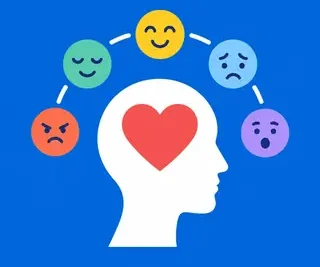 Developing Emotional Intelligence
Self-Improvement & Personal Growth – Psychology Basics
Welcome to our hub on self-improvement and personal growth, where psychology meets practical action. Here, you’ll discover evidence-based strategies to boost emotional intelligence, set meaningful goals, build lasting self-esteem, master time management, and explore top-rated courses and books – all rooted in psychological research. Whether you’re a student or a curious reader, this page is your roadmap to measurable, science-backed personal development.
🧠 Developing Emotional Intelligence
Emotional intelligence (EQ) is your ability to recognize, understand, and manage your own emotions while empathizing with others. In this section, you’ll learn core skills like self-awareness, self-regulation, and social empathy through practical exercises drawn from cognitive-behavioral therapy (CBT) and mindfulness. Expect techniques to reduce reactivity, improve relationships, and make better decisions under pressure – all grounded in psychology.
🎯 Goal Setting and Achievement Strategies
Setting goals is easy; achieving them requires psychological finesse. Here, we break down the SMART framework, implementation intentions, and the science of habit formation. You’ll explore how to break big ambitions into daily actions, overcome procrastination, and use feedback loops to stay motivated. Each strategy is designed to help you move from intention to consistent execution, backed by studies in motivation and behavioral psychology.
🌱 Building Self-Esteem: Practical Techniques
Low self-esteem often stems from negative self-talk and cognitive distortions. This subcategory offers CBT-based exercises, journaling prompts, and reframing techniques to challenge inner criticism. You’ll learn how to separate your worth from external validation, practice self-compassion, and build a growth mindset. Expect actionable daily routines that foster a stable, realistic sense of self-worth – not inflated positivity, but grounded confidence.
⏰ Effective Time Management and Productivity Hacks
Productivity isn’t about doing more – it’s about doing what matters. Here, you’ll find psychology-backed tools like the Pomodoro Technique, time-blocking, and the two-minute rule, plus insights into attention management and decision fatigue. Learn to prioritize using the Eisenhower Matrix and reduce digital distractions through behavioral design. These hacks are tailored for students and busy readers to reclaim hours while maintaining mental energy.
💻 Top Online Courses for Self-Improvement
Want structured learning? This section curates the best online courses in emotional intelligence, positive psychology, and leadership from platforms like Coursera, Udemy, and edX. We filter for courses with strong instructor credibility, peer reviews, and practical assignments. Whether you’re a beginner or advanced, you’ll find recommendations for free and paid options that align with your personal growth goals, complete with summaries of what each course covers.
📚 Best Books for Personal Development (Psychology-Based)
If you prefer deep reading, this list features classic and modern psychology-based books like *Mindset* by Carol Dweck, *Atomic Habits* by James Clear, and *Emotional Intelligence* by Daniel Goleman. For each book, we highlight core evidence, key takeaways, and how to apply them to your life. Expect honest reviews that separate science from self-help fluff, helping you invest your reading time wisely.
Frequently Asked Questions
What is the first step to improving emotional intelligence?
Start with self-awareness – track your emotional triggers in a daily journal for one week. Note situations that spike anger, anxiety, or joy without judging yourself. Then, label the emotion (e.g., “I feel frustrated”), which activates your prefrontal cortex to reduce amygdala reactivity. This simple practice is empirically shown to boost EQ over time.
How do I set goals I can actually achieve?
Use SMART criteria: Specific, Measurable, Achievable, Relevant, Time-bound. Then add implementation intentions – “When X happens, I will do Y” – which increase follow-through by 200% in studies. Break your goal into daily micro-actions and track them visually. Finally, plan for setbacks by pre-deciding how you’ll recover, protecting your motivation.
Can self-esteem be built without external validation?
Yes, by focusing on intrinsic self-worth. Practice self-validation: acknowledge your efforts and strengths in a gratitude log, separate your “mistakes” from your identity, and engage in actions aligned with your core values. Over months, this rewires neural pathways linked to self-criticism, fostering a stable internal base of confidence.
What is the best productivity hack for beginners?
Try the 25-minute Pomodoro Technique: work deeply for 25 minutes, then take a 5-minute break. This leverages the brain’s natural attention span and prevents burnout. Pair it with the two-minute rule – if a task takes less than two minutes, do it immediately. These two hacks alone can eliminate most procrastination patterns.
Are online courses or books more effective for self-improvement?
Both work, but differently. Courses offer structured accountability, feedback, and community (e.g., assignments, forums), which boost retention. Books provide flexibility and deeper conceptual frameworks. For best results, combine a course for skill-based learning (e.g., EQ training) with a book for mindset shifts (e.g., growth mindset). Choose based on your learning style.