Exploring the Future of Psychology: Trends, Innovations, and What Lies Ahead
Psychology is not a static field—it evolves with technology, culture, and new research methods. For anyone beginning their journey into the mind, understanding where psychology is headed helps you connect classic theories with modern applications. This subcategory dives into emerging areas like digital mental health, neuroplasticity, artificial intelligence, and global perspectives, offering a forward-looking lens on how psychologists will help humanity thrive in a rapidly changing world.
🧠 Digital Psychology and Teletherapy: The New Frontier
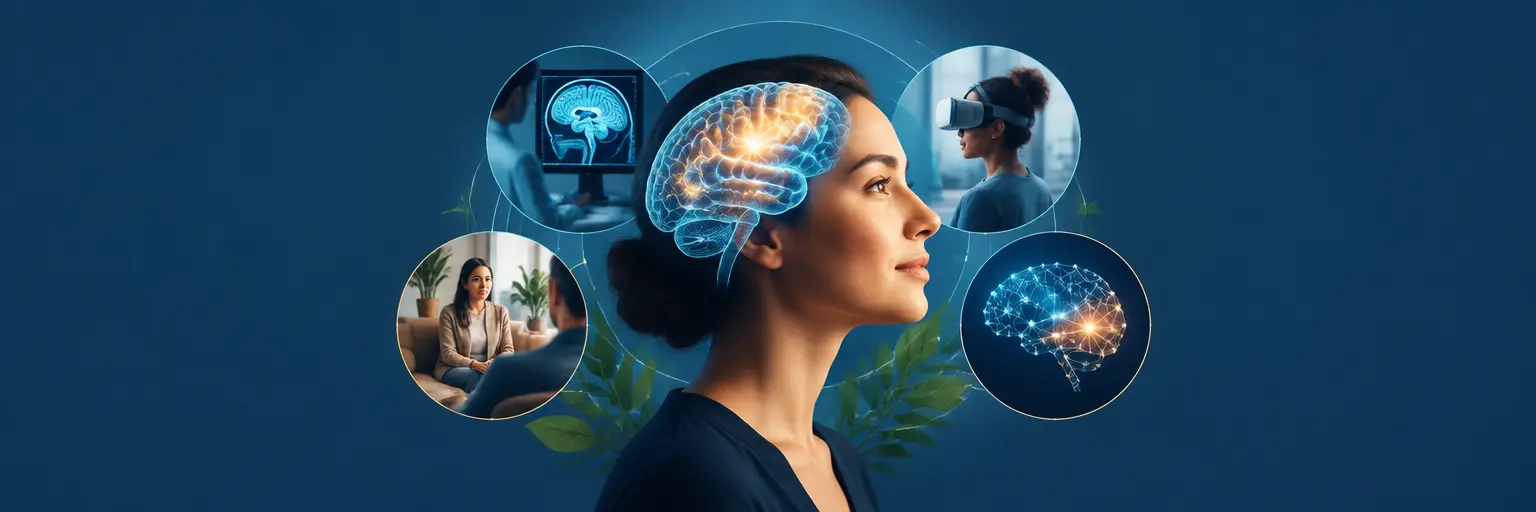
The future of psychology is increasingly digital. Teletherapy platforms, mental health apps, and AI-driven chatbots are making psychological support more accessible than ever. You can expect to learn how online cognitive behavioral therapy (CBT) works, why digital phenotyping—using smartphone data to track mood and behavior—is becoming a diagnostic tool, and how virtual reality (VR) is used for exposure therapy in phobias and PTSD. This shift reduces geographic and financial barriers, but also raises ethical questions about privacy and the lack of human touch in care.
As a beginner, you’ll explore how these tools complement, rather than replace, traditional therapy. Researchers are studying if digital interventions can be as effective as face-to-face sessions, with early evidence showing promise for mild to moderate conditions. The future also includes personalized mental health algorithms that adapt treatment plans based on your unique data, making psychology more tailored and proactive. Expect rich content here on real-world case studies and the challenges of regulating AI in mental health.
🔬 Neuroplasticity and Brain-Computer Interfaces
One of the most exciting future directions is the ability to change the brain throughout life. Neuroplasticity—the brain’s ability to rewire itself—is being harnessed through targeted training, mindfulness, and even brain stimulation techniques like transcranial magnetic stimulation (TMS). You’ll learn how these methods are used to treat depression, stroke recovery, and learning disorders. The future also includes brain-computer interfaces (BCIs) that allow people to control devices with thought, helping those with paralysis or ALS communicate and interact with the world.
For students, this subcategory demystifies complex neuroscience by linking it to everyday habits. Expect explanations on how language learning, exercise, and sleep influence neuroplasticity, and how researchers are using wearable EEG headsets to monitor real-time brain activity in classrooms and workplaces. Ethical concerns about cognitive enhancement—like using drugs or implants to boost memory—are also covered, giving you a balanced view of what’s possible versus what’s scientifically sound.
🤖 Artificial Intelligence in Psychological Assessment
Artificial intelligence is reshaping how psychologists analyze behavior and diagnose conditions. Natural language processing (NLP) can now detect signs of depression or anxiety from text messages or social media posts. Machine learning algorithms are being trained on millions of data points to predict suicide risk or early onset of psychotic disorders. In this section, you’ll discover how AI-powered psychometric tests are becoming more accurate than traditional questionnaires, and how chatbots like Woebot or Replika provide 24/7 emotional support.
However, the future isn’t about replacing the human therapist—rather, AI serves as an assistant for triage and monitoring. You’ll explore the limitations: AI lacks empathy, cultural nuance, and genuine understanding. The subcategory also discusses responsible AI design, ensuring algorithms don’t reinforce racial or gender biases. For a beginner, this is a fascinating look at how a career in psychology may involve supervising AI tools, while still relying on human judgment for complex cases.
🌍 Global and Cross-Cultural Psychology
The future of psychology is becoming more inclusive and globally aware. Historically, many studies focused on Western, educated, industrialized, rich, and democratic (WEIRD) populations—now researchers are expanding to diverse cultures. You’ll learn about indigenous psychologies that incorporate local healing practices, spirituality, and community-based approaches. This shift improves the validity of psychological theories and helps design interventions for refugees, migrants, and minority groups who face unique stressors.
Expect content on how climate change and global crises are affecting mental health worldwide, leading to new fields like ecopsychology. The future will also involve greater collaboration across countries via global databases and shared research protocols. As a reader, you’ll gain a broader understanding of how cultural values shape behaviors, from parenting styles to expression of emotions. This subcategory emphasizes that psychology must adapt to a connected, multicultural world to remain relevant and effective.
🧬 Personalized Medicine and Psychogenomics
Another frontier is the integration of genetics into mental health treatment. Psychogenomics studies how your genes influence your response to antidepressants, therapy, and lifestyle changes. In the future, you may receive a DNA test that predicts which medication will work best for your depression—reducing trial-and-error. This subcategory explains the basics of pharmacogenomics, how polygenic risk scores estimate your likelihood of developing conditions like schizophrenia or ADHD, and how epigenetics shows that trauma can alter gene expression without changing your DNA sequence.
For beginners, this is a gentle introduction to biology intertwined with psychology. You’ll learn about the ethical dilemmas: Who should have access to genetic data? Should employers or insurers use this info? The content also covers promising research on using gene editing (CRISPR) to treat rare neurological disorders, though this is still far from clinical use. The future promises precision psychiatry, where each person’s treatment plan is as unique as their fingerprint.
👥 Human-AI Collaboration in Therapy and Coaching
Rather than fear robots taking over psychologists’ jobs, the future is about collaboration. You’ll explore how therapy chatbots can conduct initial intakes, remind patients to practice skills, and provide crisis intervention—freeing human clinicians to focus on deep relational work. In coaching and career counseling, AI can analyze your strengths and values to suggest career paths aligned with your psychological profile. Expect a balanced view of where automation excels (e.g., data collection, pattern recognition) and where it falls short (e.g., building therapeutic alliance, creativity).
This subcategory also discusses new training programs for psychologists, which now include digital literacy, data ethics, and human-computer interaction. You’ll read about pilot studies where therapists and AI work as a team, improving outcomes in anxiety and depression. For students, this is an encouraging sign: the future doesn’t eliminate caring professions—it enhances them with powerful tools. The content will help you understand that psychology’s future is human-centered, using technology to extend empathy, not replace it.
Frequently Asked Questions
Will psychologists be replaced by AI in the future?
No. AI will handle data heavy tasks like diagnostics and monitoring, but it cannot replicate genuine empathy, creative insight, or the deep therapeutic relationship. Psychologists will increasingly use AI as a tool to improve efficiency and personalize care, not as a replacement. Human judgment remains essential for ethical and complex decisions.
What skills should I learn now to prepare for the future of psychology?
Focus on data literacy, basic programming, and cultural competence. Understanding how to interpret AI outputs, manage digital privacy, and work across diverse populations will be crucial. Also, develop strong communication and emotional intelligence—these are irreplaceable human skills. Staying adaptable and open to lifelong learning is key.
Are digital mental health apps effective for serious conditions?
For mild to moderate depression and anxiety, evidence shows good effectiveness, especially when combined with human support. However, for severe psychosis, suicide risk, or trauma, apps are not a substitute for professional care. They can serve as an adjunct—providing monitoring and skill practice—but always under a clinician’s supervision.
Will genetic testing soon be used for all psychological treatments?
Genetic testing is already used for some antidepressants, but it’s not universal. Researchers predict wider adoption over the next decade, especially for medication selection and predicting risk. However, cost, ethical concerns, and limited evidence for many genes mean it will likely be one factor among many, not a definitive answer for everyone.
How can I stay updated on future psychology trends as a beginner?
Follow reputable journals like “American Psychologist” and “Psychological Science,” subscribe to podcasts like “All in the Mind,” and join online communities such as APA’s student networks. Attending free webinars, reading books by thought leaders like Steven Pinker, and taking introductory MOOCs in neuroscience and AI also help you stay ahead of shifts.