


The Art of Mindful Observation: Noticing Without Judgment
😊 Discover the power of mindful observation! This beginner-friendly introduction to mindful observation psychology explores the art of noticing without judgment, a…
Read article

Discover the science-backed path to a calmer, sharper mind with our Mental Wellness & Self-Care hub—designed for students and curious readers exploring psychology basics. Here, we demystify how your brain responds to stress, offering practical stress management tools that go beyond generic advice, plus beginner-friendly mindfulness and meditation practices that rewire focus and emotional balance. Uncover anxiety relief strategies rooted in cognitive-behavioral principles, and learn why quality sleep is a psychological cornerstone—not just a luxury. We also curate honest reviews of the best meditation apps and affordable online therapy platforms, so you can build a personalized, low-cost support system. Whether you’re battling burnout, seeking better rest, or starting a mindful routine, this space translates complex research into actionable steps. Transform self-care from a trend into a sustainable, evidence-based habit—one chapter of your mental health journey at a time.

😊 Discover the power of mindful observation! This beginner-friendly introduction to mindful observation psychology explores the art of noticing without judgment, a…
Read article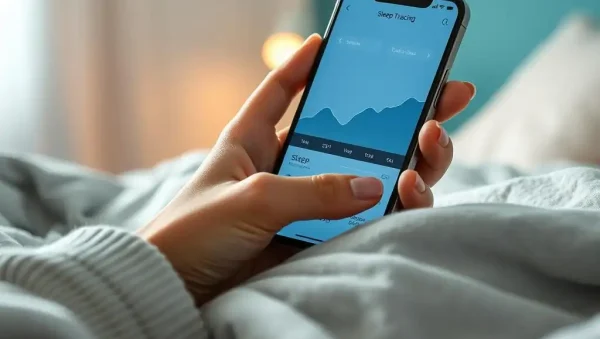
😊 Struggling with sleep? This CBT insomnia self-help guide provides practical techniques to overcome insomnia, empowering you to manage sleep problems independently.…
Read article
😊 Escape the daily grind and reduce anxiety; nature offers a powerful antidote. Spending time outdoors lowers stress hormones and boosts mood,…
Read article
😊 Chronic pain impacting your life? Explore the growing evidence supporting meditation for chronic pain relief. Discover how mindfulness practices, accessible through…
Read article
😊 Discover inner peace with our curated list of meditation apps for beginners. These user-friendly tools offer guided sessions, easing your journey…
Read article
😊 Struggling to sleep? Discover how mindfulness techniques for better sleep can transform your nights. This article explores simple yet powerful practices…
Read article
🤔 Dispelling affordable online therapy myths, this article explores the crucial balance between cost and quality mental healthcare. Discover if budget-friendly options…
Read article
😊 Discover inner peace effortlessly! This article unveils easy meditation techniques for beginners, providing simple, practical steps to reduce stress and improve…
Read article
😊 Overwhelmed by exams? Deep breathing anxiety relief for students is surprisingly effective. Simple techniques can quickly calm your nervous system, improving…
Read article
😊 Discover the transformative power of positive affirmations for calm. This article reveals how regularly repeating positive statements can rewire your brain,…
Read article
🤔 Navigating the world of online therapy can be daunting, especially for students. This article explores affordable options, examining their value and…
Read article
😊 Discover the transformative power of mindfulness intention! This beginner-friendly introduction to psychology explores how focused attention cultivates purposeful action, impacting your…
Read articleExplore practical, evidence-based approaches to improve your emotional resilience and daily functioning. This section bridges foundational psychology with actionable self-care routines, helping you manage stress, reduce anxiety, improve sleep, and integrate mindfulness—even on a tight budget. Whether you are a student, a busy professional, or a curious reader, you will find beginner-friendly guidance rooted in cognitive-behavioral and positive psychology principles.
Here you will discover scientifically supported methods to lower cortisol levels and regain control during high-pressure moments. Expect step-by-step guides for progressive muscle relaxation, diaphragmatic breathing, and the "5-4-3-2-1" grounding technique. We also review digital tools like biofeedback devices and journaling prompts that track your stress triggers. Key takeaway: stress is not the enemy—unmanaged stress is. Learn to use your body’s alarm system as a signal, not a sentence, with practical coping strategies you can apply in under five minutes.
This subcategory demystifies meditation, removing the need for special cushions or hours of silence. You will learn the core skill of non-judgmental awareness through simple exercises like the body scan, mindful eating, and walking meditation. We break down common misconceptions, such as “I can’t clear my mind,” and offer a 10-minute daily starter plan. Expect a gentle, science-backed curriculum that shows how consistent practice rewires the brain’s default mode network, reducing rumination and boosting emotional regulation.
Designed for those who experience racing thoughts or physical tension, this section offers a toolkit of immediate and long-term interventions. You will find cognitive restructuring techniques to challenge catastrophic thinking, plus exposure-based exercises for gradual desensitization. We also curate reliable resources, including printable worksheets, crisis hotlines, and workbooks aligned with cognitive-behavioral therapy (CBT). Important: no strategy replaces professional help for severe anxiety, but these methods empower you with daily skills to reduce frequency and intensity of anxious episodes.
We compare leading apps like Headspace, Calm, Insight Timer, and Ten Percent Happier using criteria of content quality, beginner accessibility, and free-tier value. You will learn which app excels for sleep stories, which offers the most diverse teacher roster, and which one best suits short lunch-break sessions. Our reviews are neutral and data-driven, including user satisfaction scores and clinical trial references where available. Use this section to avoid subscription fatigue and pick an app that actually fits your habit-building style.
This section addresses insomnia and poor sleep from a cognitive-behavioral angle, not just hygiene tips. Expect explanations of stimulus control, sleep restriction therapy, and cognitive restructuring for nighttime anxiety. We also discuss the psychology of pre-sleep rituals, including how to break the “phone before bed” loop using implementation intentions. You will leave with a 14-day sleep protocol that targets the mental barriers to rest, such as hyperarousal and catastrophic thinking about missed sleep, rather than relying solely on melatonin.
For those seeking professional support without high costs, we evaluate platforms like BetterHelp, Talkspace, and Open Path Collective. We break down pricing, insurance compatibility, therapist credentials, and communication modes (text, video, live chat). We highlight transparent trade-offs—for example, lower-cost options may have longer wait times or limited session lengths. Our goal is to help you match your budget and severity level to the right modality, including sliding-scale options and university-based clinics with free services.
Start with a one-minute breathing awareness exercise: sit comfortably, close your eyes, and count each exhale. When your mind wanders, gently return to the count. Do this daily for one week. This builds the core muscle of attention without pressure. Once consistent, increase to five minutes, then use guided beginner meditations from our recommended apps.
Yes, when practiced regularly. Techniques like progressive muscle relaxation and cognitive restructuring activate the parasympathetic nervous system, reducing physical arousal and interrupting anxious thought loops. Research shows 8 weeks of consistent practice can decrease trait anxiety by up to 30%. However, they are adjuncts, not replacements, for therapy if you have a clinical diagnosis.
Insight Timer offers the most beginner-friendly free content, including a dedicated "Basics" course and over 50,000 free guided meditations. Headspace excels in structured, short, and humorous introductory lessons, but its full library requires a subscription. Calm is better for sleep-focused users. Try free trials of two apps for one week each to see which voice and style resonate.
Use cognitive-behavioral therapy for insomnia (CBT-I). Set a fixed wake time, limit time in bed to your average sleep duration, and leave bed if awake for more than 20 minutes. Replace catastrophic thoughts (e.g., "I'll be exhausted") with neutral statements. Also, expose yourself to bright light in the morning to regulate circadian rhythm. This protocol improves sleep efficiency in 3-4 weeks.
Research indicates online CBT is equally effective as in-person for mild to moderate depression and anxiety. Platforms like BetterHelp provide convenience and access, but effectiveness depends on therapist fit and consistent engagement. Lower-cost options like Open Path or university clinics offer licensed therapists at sliding scales. Always verify credentials and check if your employer’s EAP provides free sessions.