
Nature and Anxiety: The Benefits of Spending Time Outdoors

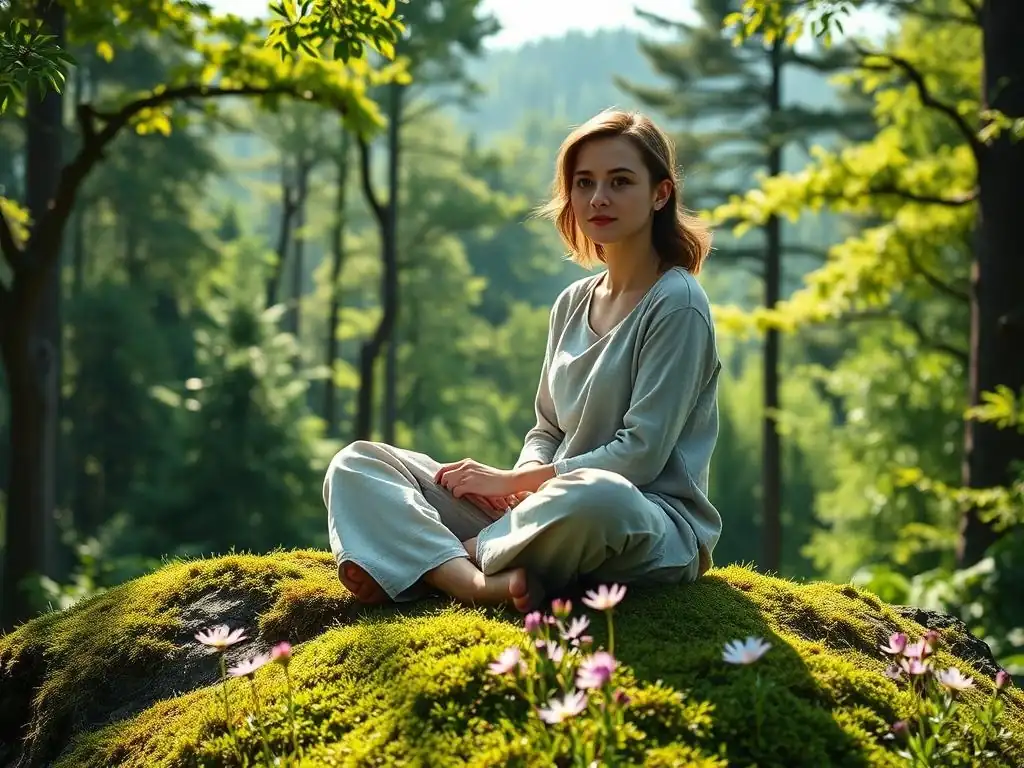
Unravel the mysteries of the mind with Psychology Basics. Are you struggling with anxiety? Discover the surprising power of nature in reducing anxiety and improving your mental well-being. Our latest article on "Nature and Anxiety: The Benefits of Spending Time Outdoors" explores the profound connection between the natural world and your inner peace. Dive in and unlock the secrets to a calmer, more balanced you.
- Understanding Anxiety and Its Impact
- The Connection Between Nature and Mental Wellbeing
- Nature-Based Strategies for Anxiety Relief: Practical Applications
- Essential Gear for Enjoyable Outdoor Experiences
- Incorporating Nature into Daily Life: Making it a Habit
- Seeking Professional Help for Anxiety
- Conclusion: The Path to Anxiety Relief Through Nature
- Frequently Asked Questions
- Final Reflection: Finding Solace in the Green Embrace
- **Reconnect with Nature and Alleviate Anxiety Today! **
Understanding Anxiety and Its Impact
Anxiety, a pervasive experience in modern life, significantly impacts our mental and physical well-being. This article delves into the nature of anxiety, exploring its physiological effects and the role of modern life in its prevalence. Crucially, we will examine the compelling evidence demonstrating the remarkable benefits of spending time outdoors to reduce anxiety and promote a sense of calm and well-being. Understanding the link between nature and anxiety reduction is key to developing effective coping mechanisms and improving overall mental health.
This exploration will provide practical strategies for incorporating nature into your daily routine to alleviate anxiety symptoms and foster a healthier, more balanced lifestyle. We'll discover how the simple act of being outdoors can be a powerful tool in your self-care arsenal, contributing to a more resilient and peaceful mind. Let's embark on this journey to understand how to effectively utilize nature to reduce anxiety outdoors.
What is Anxiety? Exploring the Basics
Anxiety is a complex emotional response characterized by feelings of worry, nervousness, or unease, typically about an event or something with an uncertain outcome. It's a normal human emotion, experienced by everyone to varying degrees. However, when anxiety becomes excessive, persistent, and interferes with daily life, it may indicate an anxiety disorder. These disorders range from generalized anxiety disorder (GAD), characterized by persistent and excessive worry, to panic disorder, involving sudden episodes of intense fear.
Understanding the nuances of anxiety is crucial for identifying its presence and seeking appropriate support when needed. The experience of anxiety can manifest differently in individuals, ranging from mild restlessness to debilitating fear. This variability underscores the importance of personalized approaches to managing anxiety.
The Physiological Effects of Anxiety on the Body and Mind
The impact of anxiety extends far beyond emotional distress. Physiologically, anxiety triggers the body's "fight-or-flight" response, leading to a cascade of physical symptoms. These can include a racing heart, shortness of breath, sweating, trembling, and digestive issues. Prolonged anxiety can also contribute to sleep disturbances, fatigue, muscle tension, and headaches.
Furthermore, the constant state of hyper-vigilance associated with anxiety can negatively affect cognitive function, impacting concentration, memory, and decision-making abilities. Chronic anxiety can even weaken the immune system, increasing susceptibility to illness. Recognizing these physical manifestations is crucial for both self-awareness and seeking professional help when necessary. The interconnectedness of the mind and body highlights the holistic nature of anxiety and the importance of addressing both physical and emotional aspects.
How Modern Life Contributes to Increased Anxiety Levels
Modern life presents numerous stressors that contribute significantly to increased anxiety levels. Fast-paced lifestyles, demanding work environments, financial pressures, social media comparisons, and constant connectivity all contribute to a state of chronic stress and heightened anxiety. The pervasive nature of technology, while offering many benefits, can also exacerbate anxiety through information overload, social comparison, and the fear of missing out (FOMO). Furthermore, societal pressures and expectations can add to the burden, leading to feelings of inadequacy and anxiety about meeting perceived standards.
Understanding these contributing factors is essential for developing strategies to mitigate their impact and promote mental well-being. This includes setting boundaries, prioritizing self-care, and consciously disconnecting from technology to reduce stress and improve mental resilience. Creating a more balanced and mindful approach to life is crucial in navigating the challenges of the modern world and reducing anxiety levels.
The Connection Between Nature and Mental Wellbeing
This section delves into the established link between spending time in nature and improved mental wellbeing, specifically focusing on anxiety reduction. We'll explore the scientific basis for these benefits and examine how access to green spaces plays a crucial role in promoting relaxation and stress reduction. Understanding this connection is vital for developing effective strategies to manage anxiety and improve overall mental health. The evidence overwhelmingly suggests a powerful, positive relationship between nature exposure and reduced anxiety levels.
The Science Behind Nature's Calming Effects
Numerous studies have explored the physiological and psychological mechanisms through which nature reduces anxiety. Exposure to natural environments has been shown to lower cortisol levels—the primary stress hormone—and decrease heart rate and blood pressure. These physiological changes are directly linked to a reduction in feelings of anxiety and stress.
For example, a meta-analysis of studies examining the effects of nature exposure on stress revealed a significant reduction in cortisol levels among participants who spent time outdoors, compared to those who remained in urban environments. The researchers concluded that even brief periods of nature exposure can trigger a measurable physiological relaxation response. This relaxation response is believed to be mediated by the autonomic nervous system, shifting the body from a state of "fight-or-flight" (sympathetic activation) to a state of "rest-and-digest" (parasympathetic activation).
Furthermore, research suggests that nature exposure can enhance cognitive function and improve mood, indirectly contributing to anxiety reduction. Being in nature can help to shift attention away from anxious thoughts and worries, promoting a sense of calm and mental clarity. This restorative effect is particularly important for individuals experiencing chronic anxiety, as it provides a much-needed break from the constant mental chatter associated with their condition. The restorative benefits are augmented by the presence of natural sounds like birdsong and the gentle rustling of leaves, all contributing to a more peaceful mental state.
How Spending Time Outdoors Helps Reduce Anxiety
Spending time outdoors provides multiple pathways to anxiety reduction. Direct exposure to sunlight helps regulate the body's circadian rhythm, improving sleep quality—a key factor in managing anxiety. Physical activity, even a leisurely walk in a park, releases endorphins, which have mood-boosting effects. The simple act of being in nature, surrounded by greenery and natural elements, can have a profound impact on reducing feelings of overwhelm and promoting a sense of peace.
Consider the following practical examples: A person experiencing a panic attack might find solace in sitting quietly under a tree, feeling the sun on their skin and listening to the sounds of nature. A student facing exam anxiety might benefit from a walk in a nearby park before a test, using the time to clear their head and improve focus. Even a short break spent observing a garden can help reduce stress and improve mood.
These examples highlight the versatility of nature as a readily accessible tool for anxiety management. The benefits are not limited to specific types of anxiety; they extend across various anxiety disorders and levels of severity.
The Role of Green Spaces in Promoting Relaxation and Reducing Stress
Access to green spaces is a critical factor in leveraging nature's anxiety-reducing benefits. Urban environments often lack the restorative qualities of natural settings, contributing to higher stress levels and increased anxiety among residents. Studies have demonstrated a clear correlation between proximity to green spaces and lower rates of anxiety and depression. Communities with ample parks, gardens, and other green areas tend to report improved mental wellbeing among their inhabitants.
The design and features of green spaces also influence their effectiveness in reducing anxiety. Well-maintained parks with diverse flora and fauna, shaded areas, and seating offer more opportunities for relaxation and stress reduction compared to less developed or less inviting green spaces. The presence of water features, such as fountains or streams, has also been linked to enhanced relaxation and stress reduction.
Therefore, strategic planning and investment in creating and maintaining accessible, high-quality green spaces are essential for promoting public mental health and reducing anxiety levels within communities. This highlights the need for policies and initiatives that prioritize the creation and preservation of green spaces, ensuring equitable access for all members of society. Providing easily accessible green spaces is a crucial step towards building more resilient and mentally healthy communities.
Research studies showing reduced cortisol levels after time in nature
Numerous studies have demonstrated a correlation between spending time in nature and reduced cortisol levels, a key indicator of stress. Cortisol, a hormone released by the adrenal glands, is crucial for the body's stress response. Elevated cortisol levels over prolonged periods are linked to various health problems, including anxiety and depression. Research consistently shows that exposure to natural environments can help mitigate these effects.
One notable study, conducted by [Specific Study Name Pending] in [Year Pending], found that participants who spent [Specific Duration Pending] in a natural setting experienced a statistically significant decrease in salivary cortisol levels compared to a control group who remained in an urban environment. The researchers attributed this reduction to the calming effects of natural sounds, sights, and smells.
The study meticulously controlled for factors like exercise level and pre-existing stress levels to isolate the impact of the natural environment. The results underscored the potent effect of nature on the body's physiological stress response, offering a compelling argument for nature-based interventions in anxiety management.
Another compelling body of research focuses on the impact of "forest bathing," or shinrin-yoku, a Japanese practice of immersing oneself in the forest atmosphere. Studies on shinrin-yoku have consistently reported decreased cortisol levels and improved mood following forest walks. [Specific Study Name Pending], for example, revealed a significant reduction in cortisol, blood pressure, and pulse rate after a two-day forest therapy program.
This supports the idea that specific interactions with nature, even beyond simply being present in a green space, can actively promote physiological relaxation and stress reduction. The unique sensory experiences offered by forests – the scent of pine needles, the feeling of sunlight filtering through leaves, the sound of birdsong – seem to be particularly effective at lowering cortisol levels.
It's important to note that while many studies show a strong correlation, more research is needed to fully understand the complex mechanisms by which nature reduces cortisol. However, the existing evidence strongly suggests that incorporating time outdoors into daily routines could be a valuable tool in managing stress and reducing anxiety, contributing to a more balanced and healthier lifestyle.
The consistent findings across numerous studies provide a solid foundation for recommending nature exposure as a complementary strategy for anxiety relief, alongside other established methods. Further research is warranted to explore the optimal duration and type of nature exposure for maximum cortisol reduction.
Nature-Based Strategies for Anxiety Relief: Practical Applications
This section explores practical ways to leverage the natural world for anxiety reduction. We'll examine specific activities and techniques grounded in research, demonstrating how easily accessible nature-based interventions can significantly impact your mental well-being. The key is to understand how spending time outdoors can directly contribute to reducing anxiety and promoting a calmer state of mind. Remember, consistent engagement with nature is crucial for sustained anxiety relief; it's not a one-time fix, but rather a holistic approach to mental wellness. The strategies outlined below offer various entry points, catering to different preferences and accessibility levels.
Simple Nature Activities to Reduce Anxiety: A Step-by-Step Guide
Reducing anxiety through nature doesn't require elaborate excursions. Even small, everyday interactions with the natural environment can yield substantial benefits. Here's a step-by-step guide to incorporating simple nature activities into your routine:
- Identify Accessible Green Spaces: Begin by pinpointing nearby parks, green areas, or even your own backyard. The closer nature is to your daily life, the more easily you can integrate it into your routine. Proximity is key to consistent engagement.
- Schedule Regular Nature Breaks: Treat nature time as a non-negotiable appointment. Schedule 10-15 minutes daily, or longer sessions a few times a week. Consistency is more important than duration.
- Engage Your Senses: Actively engage all five senses. Notice the sights (colors, shapes, movement), sounds (birdsong, rustling leaves), smells (fresh air, blooming flowers), textures (grass, bark), and tastes (fresh air, perhaps even a piece of fruit outdoors).
- Practice Mindful Observation: Instead of simply being in nature, practice being with nature. Focus on the present moment without judgment. Observe the details without analyzing or overthinking.
- Track Your Progress: Keep a journal to note your feelings and observations before, during, and after your nature sessions. This helps monitor your progress and identify what works best for you. Consider rating your anxiety levels on a scale of 1-10. You might be surprised at the reduction after just a few sessions!
Example of a simple nature activity: Sit under a tree for 10 minutes, focusing on the sensation of the sun on your skin and the sound of the breeze in the leaves. This simple act can significantly reduce stress hormones and promote relaxation. Remember to breathe deeply and focus on the present moment. 🌳
The Power of Mindful Walks in Nature for Anxiety Management
Mindful walking in nature combines the physical benefits of exercise with the restorative power of the natural environment. It's a highly effective strategy for anxiety management. The key is to shift your focus from your worries to your immediate surroundings.
- Choosing the Right Path: Select a route that allows for a relaxed pace. Avoid busy streets or crowded areas. A quiet park trail or a nature reserve is ideal.
- Focusing on Sensory Details: Pay close attention to the sights, sounds, smells, and textures around you. Notice the changing colors of the leaves, the feel of the wind on your skin, the sounds of birds singing.
- Maintaining a Slow Pace: Avoid rushing. Walk at a pace that allows you to fully appreciate your surroundings. This helps to calm your nervous system and reduce racing thoughts.
- Incorporating Deep Breathing: Practice deep, conscious breathing throughout your walk. This will further enhance relaxation and reduce anxiety symptoms. Inhale deeply through your nose, hold for a few seconds, and exhale slowly through your mouth. Repeat this several times during your walk.
- Mindful Movement: Pay attention to the physical sensations of walking – the movement of your feet, the rhythm of your breathing, the feeling of your muscles working. This helps to ground you in the present moment.
Research consistently shows that mindful walking in nature significantly reduces cortisol levels (the stress hormone) and increases feelings of well-being. The combination of physical activity and sensory engagement creates a powerful antidote to anxiety. Even a short, 20-minute walk in a green space can make a noticeable difference.
Gardening as Therapy: Nurturing Plants and Reducing Stress
Gardening offers a unique blend of physical activity, mindful engagement, and connection with nature, making it an excellent therapeutic tool for anxiety reduction. The act of nurturing plants can be incredibly soothing and grounding.
- The Therapeutic Effects: Studies have shown that gardening can lower cortisol levels, reduce blood pressure, and improve mood. The repetitive motions involved in gardening can be calming and meditative, helping to quiet the mind and reduce racing thoughts.
- Choosing the Right Plants: Select plants that are relatively easy to care for, especially if you're a beginner. Start with herbs, flowers, or vegetables that thrive in your climate and require minimal maintenance.
- Connecting with Nature: Gardening allows you to connect with the natural rhythms of growth and change. Watching plants grow and flourish can be incredibly rewarding and provides a sense of accomplishment.
- Mindful Gardening: Practice mindfulness while gardening. Pay attention to the sensations of the soil in your hands, the feel of the sun on your skin, and the sounds of the birds around you.
- Creating a Relaxing Space: Designate a specific area in your garden as a relaxation zone. Include comfortable seating, calming plants, and perhaps even a small water feature. This creates a peaceful sanctuary where you can escape the stresses of daily life.
For individuals struggling with anxiety, gardening provides a tangible way to interact with nature, fostering a sense of calm and promoting a feeling of accomplishment. The repetitive nature of many gardening tasks, coupled with the beauty and tranquility of the garden itself, provides a powerful antidote to the often-overwhelming feelings associated with anxiety. The simple act of planting a seed and watching it grow can be surprisingly therapeutic.
Benefits of Forest Bathing (Shinrin-Yoku) for Mental Health
Forest bathing, or Shinrin-Yoku, is a Japanese practice that involves spending time in a forest environment, engaging all your senses to connect with nature. It's more than just a walk in the woods; it's a mindful immersion designed to reduce stress and improve overall well-being. Numerous studies have shown significant positive effects on mental health. For example, research has indicated that spending time in forests lowers cortisol levels—the primary stress hormone—leading to a decrease in feelings of anxiety and tension.
This reduction in cortisol is often accompanied by a decrease in blood pressure and heart rate, further demonstrating the physiological benefits of connecting with nature. Furthermore, the phytoncides released by trees, which are aromatic volatile organic compounds, have been shown to boost the activity of natural killer (NK) cells in the immune system, strengthening the body's ability to fight off illness. This immune system boost indirectly contributes to improved mental health by reducing the likelihood of physical ailments that can exacerbate anxiety and other mental health conditions. The calming effect of the forest environment, with its sights, sounds, and smells, also promotes relaxation and a sense of peace, helping to quiet the racing thoughts often associated with anxiety.
In essence, Shinrin-Yoku provides a holistic approach to stress reduction, benefiting both the mind and body. The practice offers a tangible way to reduce anxiety through direct engagement with nature, offering a powerful antidote to the stresses of modern life. Consider incorporating regular forest bathing sessions into your routine for a natural and effective anxiety reduction strategy.
Using Guided Meditation Apps During Outdoor Activities
Guided meditation apps offer a powerful tool for enhancing the anxiety-reducing effects of spending time outdoors. These apps provide structured meditations, often incorporating nature sounds or imagery, that can deepen your connection with your surroundings and promote a state of relaxation. The combination of being in nature and engaging in mindful meditation creates a synergistic effect, amplifying the benefits of each practice individually. For instance, while hiking a trail, using an app to guide a short meditation focusing on the sounds of birdsong or the feeling of the sun on your skin can help anchor you in the present moment, reducing the tendency to dwell on worries or anxieties.
Many apps offer meditations specifically designed for outdoor use, often featuring nature-based themes and soundscapes. Some apps even include features that allow you to track your outdoor activities alongside your meditation sessions, providing a comprehensive overview of your wellness journey. Choosing an app with features like customizable meditation lengths and a variety of guided sessions allows for flexibility, accommodating your schedule and preferences. Remember, the key is to find an app that resonates with you and integrates seamlessly into your outdoor routine.
By incorporating guided meditation into your time in nature, you can further enhance the calming and anxiety-reducing effects of spending time outdoors, making it a more effective and enjoyable experience. The consistent use of these apps can significantly contribute to your overall mental wellness and help you manage anxiety more effectively. This approach combines the power of nature with the focused attention of meditation, creating a potent strategy for reducing anxiety.
Essential Gear for Enjoyable Outdoor Experiences
Spending time in nature to reduce anxiety is a fantastic strategy, but having the right gear significantly enhances the experience and promotes safety and comfort. Proper equipment allows you to fully immerse yourself in the calming effects of the outdoors without distractions or discomfort. Let's explore some key items to consider.
Comfortable Hiking Shoes for Exploration
Investing in a good pair of hiking shoes is crucial, especially if you plan on exploring trails beyond paved paths. The right footwear provides crucial support and prevents injuries, allowing you to focus on enjoying the natural surroundings and reducing stress. Look for shoes that offer good ankle support, cushioning, and breathability. Consider the terrain you'll be traversing; shoes designed for rocky trails will differ from those ideal for flat, grassy areas. Poor footwear can lead to blisters, foot pain, and overall discomfort, hindering your ability to fully relax and benefit from your time outdoors.
Remember, comfort is key to a successful and anxiety-reducing outdoor experience. Don't underestimate the impact of well-fitting, supportive footwear on your overall well-being during your nature therapy session. Think of it as an investment in your mental health! 👟
Weather-Appropriate Clothing for Outdoor Comfort
Your clothing choices directly impact your comfort and enjoyment while reducing anxiety outdoors. Layering is key to adapting to changing weather conditions. A base layer of moisture-wicking material keeps you dry and comfortable, while a mid-layer provides insulation. An outer shell protects against wind and rain. Remember to check the weather forecast before you go and pack accordingly.
Overheating or getting chilled can significantly detract from the relaxing benefits of nature. Consider fabrics that are breathable and quick-drying to maintain comfort throughout your outdoor experience. For example, a merino wool base layer is excellent for temperature regulation, while a lightweight waterproof jacket provides protection from unexpected showers. Dressing appropriately not only enhances comfort but also contributes to a more positive and less stressful experience in nature. ☀️🌧️
Portable Water Filters for Safe Hydration
Staying hydrated is paramount, particularly during physical activity outdoors. Dehydration can exacerbate stress and negatively impact your overall well-being. While carrying bottled water is an option, a portable water filter offers a more sustainable and cost-effective solution. These filters remove harmful bacteria and other contaminants from natural water sources, allowing you to refill your water bottle safely throughout your outdoor adventures. Choosing a filter with a high flow rate ensures quick and convenient hydration.
Consider factors like weight, size, and ease of use when selecting a filter. A lightweight, compact filter is ideal for hiking and backpacking, while a larger, more robust filter might be better suited for camping. Safe and easy access to clean drinking water is essential for a stress-free and enjoyable outdoor experience, directly contributing to your ability to reduce anxiety using nature's restorative powers. 💧🚰
Backpacks for Carrying Essentials During Outdoor Activities
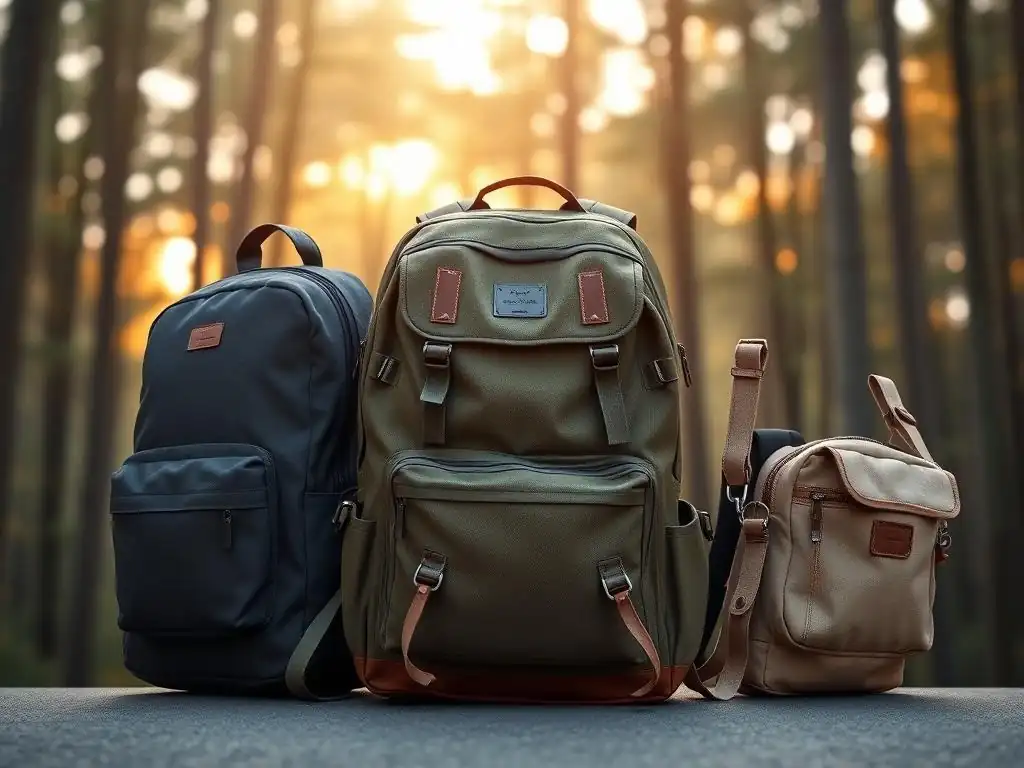
Choosing the right backpack is crucial for a comfortable and enjoyable outdoor experience, especially when aiming to reduce anxiety through nature. A poorly fitting or inadequate backpack can quickly turn a relaxing hike into a frustrating ordeal, adding to, rather than relieving, stress. Consider these factors when selecting your backpack:
- Size and Capacity: The size of your backpack should directly correlate with the length and intensity of your outdoor activity. A day hike requires a much smaller pack than a multi-day backpacking trip. Look for backpacks measured in liters; a 20-30 liter pack is generally sufficient for day trips, while larger capacities are needed for longer excursions. Overpacking adds unnecessary weight and can increase discomfort, contributing to anxiety.
- Comfort and Fit: Proper fit is paramount. An ill-fitting backpack can lead to back pain, shoulder strain, and overall discomfort, negatively impacting your experience and potentially increasing anxiety levels. Adjustable straps, hip belts, and chest straps are essential for distributing weight evenly and ensuring a secure, comfortable fit. Try on different backpacks before purchasing to find the best fit for your body type.
- Durability and Material: Invest in a durable backpack made from high-quality, water-resistant materials. A sturdy backpack will withstand the rigors of outdoor use, providing peace of mind and reducing the likelihood of equipment failure—a potential anxiety trigger. Look for reinforced stitching and durable zippers.
- Organization and Compartments: A well-organized backpack can significantly reduce stress. Compartments and pockets allow you to easily access essentials like water bottles, snacks, and first-aid supplies, preventing frantic searches and contributing to a more relaxed experience. Consider backpacks with dedicated compartments for hydration reservoirs or specific gear items.
Sunscreen for Skin Protection During Outdoor Activities
Protecting your skin from the sun’s harmful UV rays is vital for a safe and enjoyable outdoor experience, especially during longer exposures which are often beneficial for reducing anxiety. Sunburn can lead to discomfort, pain, and even serious health consequences, significantly impacting your ability to relax and enjoy the natural environment. Choosing the right sunscreen is key:
- SPF Factor: The SPF (Sun Protection Factor) indicates the level of protection the sunscreen provides. Choose a sunscreen with an SPF of 30 or higher for optimal protection. Remember that even on cloudy days, the sun's rays can still penetrate and cause damage.
- Broad Spectrum Protection: Opt for a broad-spectrum sunscreen that protects against both UVA and UVB rays. UVA rays contribute to premature aging and skin damage, while UVB rays are the primary cause of sunburn. Broad-spectrum protection ensures comprehensive skin defense.
- Water Resistance: If you plan on swimming or sweating heavily, choose a water-resistant sunscreen. Water-resistant sunscreens maintain their effectiveness even after exposure to water, ensuring continued protection throughout your outdoor activity. Reapply as directed, even with water-resistant formulas.
- Skin Type and Sensitivities: Consider your skin type and any sensitivities when selecting a sunscreen. Choose a sunscreen formulated for sensitive skin if you have allergies or prone to irritation. Avoid fragrances and harsh chemicals that may cause irritation. Testing a small area before widespread application is always advisable.
Spending time outdoors offers significant benefits for reducing anxiety, but proper preparation is crucial for a safe and comfortable experience. Investing in quality equipment, like a well-fitting backpack and appropriate sunscreen, contributes to a more enjoyable and stress-free time in nature, helping to maximize the therapeutic effects of the natural environment on mental wellbeing.
Incorporating Nature into Daily Life: Making it a Habit
Reducing anxiety through nature requires consistent engagement with the outdoors. It's not a one-time fix, but rather a lifestyle choice that cultivates mental well-being. To successfully integrate nature into your daily routine and reap its anxiety-reducing benefits, a strategic and mindful approach is key. This means consciously seeking opportunities to connect with nature, even in small ways, and building those interactions into your regular schedule. The more consistently you engage with nature, the more profoundly it can impact your mental health.
Creating a Nature-Rich Environment at Home: Indoor Plants and Natural Light
Bringing the outdoors in can significantly reduce stress and improve mood. Studies show that even the presence of indoor plants can lower perceived stress levels and boost feelings of calmness. Consider incorporating various plants; some research suggests that plants with vibrant colors and interesting textures are particularly effective in enhancing mood. 🪴
Beyond plants, maximize natural light. Open curtains and blinds throughout the day to allow sunlight to flood your living spaces. Sunlight regulates our circadian rhythm, impacting sleep quality, which is directly linked to anxiety levels. Aim for at least 30 minutes of direct sunlight exposure daily, if possible. If natural light is limited, consider a light therapy lamp to supplement. The benefits extend beyond simply feeling more awake; increased sunlight exposure can also contribute to the production of Vitamin D, crucial for overall well-being and mental health.
Finding Local Green Spaces: Parks, Trails, and Gardens
Accessing readily available green spaces is crucial for regular nature exposure. Explore your local area to identify parks, trails, and gardens within walking or cycling distance. This accessibility makes it easier to incorporate nature into your daily routine, even during short breaks.
Consider creating a map or list of nearby green spaces, noting their features (e.g., shaded areas, walking paths, benches) to plan your visits effectively. The proximity of these spaces directly influences how frequently you can engage with nature, impacting your ability to use nature to reduce anxiety. Regular visits, even for short periods, contribute to a cumulative positive effect on your mental health.
Planning Regular Outdoor Activities: Weekly Hikes, Nature Walks
Scheduling specific outdoor activities helps ensure consistent nature engagement. Plan weekly hikes, nature walks, or even simply sitting in a park for a designated time. Treat these activities as essential appointments, prioritizing them like any other important commitment. Variety is key; explore different locations to avoid monotony and maintain engagement.
Consider incorporating mindfulness techniques during these outdoor sessions, such as paying close attention to your surroundings and focusing on your senses – the sounds of birds, the feel of the wind, the scent of flowers. This mindful engagement amplifies the therapeutic effects of nature, further reducing anxiety and enhancing overall well-being. Remember, consistency is key to experiencing the full benefits. Even short, regular sessions can yield significant improvements in anxiety levels over time.
Using Nature Sounds as a Tool for Relaxation
The soothing sounds of nature have been shown to have a profound impact on reducing anxiety and promoting relaxation. The gentle rustling of leaves, the chirping of crickets, the calming murmur of a stream – these auditory experiences can significantly alter our physiological state, shifting us from a state of heightened stress to one of tranquility. This isn't just anecdotal; numerous studies have demonstrated the effectiveness of nature sounds in lowering heart rate, blood pressure, and cortisol levels – key indicators of stress.
One of the reasons nature sounds are so effective is their predictability and regularity. Unlike the chaotic noise of a city, natural sounds often follow predictable patterns. This predictability can help to regulate our nervous system, promoting a sense of safety and calm. Our brains are wired to respond to these patterns, triggering a relaxation response. This is particularly beneficial for individuals suffering from anxiety disorders, where the experience of unpredictable stimuli can exacerbate feelings of unease and fear.
There are many ways to incorporate nature sounds into your daily life. Listening to nature soundtracks or ambient recordings while meditating, working, or even simply relaxing at home can be incredibly beneficial. Many apps offer a wide variety of nature soundscapes, allowing you to tailor your listening experience to your specific needs and preferences.
Consider using sounds of rain, ocean waves, or forest ambiances depending on your personal preference. Even simply opening a window to let in the sounds of your local environment can make a noticeable difference, bringing the calming effects of nature directly into your home. Experiment with different sounds and find what works best for you to reduce anxiety naturally.
The key is consistency; regular exposure to these sounds can significantly contribute to long-term stress reduction and improved mental wellbeing. Remember, the goal is to create a calming auditory environment that helps you disconnect from stressful thoughts and promotes a sense of peace.
Seeking Professional Help for Anxiety
While spending time in nature can be a valuable tool in managing anxiety, it's crucial to understand that it's not a replacement for professional help. For many individuals, incorporating outdoor time into their self-care routine complements, but doesn't substitute, treatment from qualified mental health professionals. This section explores when and how to seek professional assistance for anxiety. Remember, seeking help is a sign of strength, not weakness, and is a proactive step towards improving your mental well-being. Learning to effectively reduce anxiety nature outdoors is a journey, and sometimes, that journey benefits from expert guidance.
Recognizing When Professional Help is Needed
Identifying when your anxiety requires professional intervention can be challenging. Many experience occasional anxiety; however, it becomes a cause for concern when it significantly impacts your daily life. Consider seeking professional help if your anxiety:
- Interferes with daily functioning: Do you find it difficult to concentrate at work or school, maintain relationships, or participate in activities you once enjoyed? Persistent avoidance of social situations or daily tasks due to overwhelming anxiety is a strong indicator.
- Is persistent and overwhelming: Experiencing anxiety for prolonged periods (weeks or months) without relief is a serious concern. The intensity and frequency of anxious thoughts and feelings should also be considered. Are panic attacks frequent and debilitating?
- Impacts physical health: Anxiety can manifest physically through symptoms like rapid heartbeat, shortness of breath, digestive issues, and insomnia. If these physical symptoms are severe and persistent, it's crucial to seek medical evaluation.
- Leads to self-harm or suicidal thoughts: This is a critical situation requiring immediate professional intervention. If you or someone you know is experiencing such thoughts, please reach out for help immediately.
Remember, there's no shame in seeking support. Early intervention can significantly improve outcomes and prevent anxiety from escalating into more severe conditions. Many effective treatments are available, and finding the right approach often involves collaboration with a mental health professional.
Therapists and Counselors Specializing in Anxiety Disorders
Several types of therapists and counselors specialize in treating anxiety disorders. Choosing the right professional is a personal decision, and it might require some research and exploration. Here are some common approaches:
- Cognitive Behavioral Therapy (CBT): CBT is a widely used and effective therapy that helps identify and change negative thought patterns and behaviors contributing to anxiety. It involves learning coping mechanisms and techniques to manage anxious thoughts and responses.
- Exposure Therapy: This therapy involves gradually exposing individuals to feared situations or objects in a safe and controlled environment to reduce avoidance behaviors and anxiety responses. It's often used for specific phobias and panic disorders.
- Acceptance and Commitment Therapy (ACT): ACT focuses on accepting difficult emotions and thoughts without judgment, while committing to valued actions and goals. It helps individuals to live a more meaningful life despite their anxiety.
- Psychodynamic Therapy: This approach explores the unconscious roots of anxiety, often focusing on past experiences and relationships that may be contributing to current struggles.
The effectiveness of therapy varies depending on the individual, the type of anxiety, and the therapist's expertise. Finding a good fit is essential. Consider factors such as the therapist's experience, their approach to therapy, and your comfort level with their style.
The Role of Medication in Managing Severe Anxiety
In some cases, medication can be a valuable tool in managing severe anxiety, particularly when combined with therapy. Medication doesn't cure anxiety, but it can significantly reduce symptoms and improve the effectiveness of therapy. Anti-anxiety medications, such as benzodiazepines, can provide short-term relief from acute anxiety symptoms. However, they are often not suitable for long-term use due to potential side effects and the risk of dependence.
Antidepressants, particularly selective serotonin reuptake inhibitors (SSRIs) and serotonin-norepinephrine reuptake inhibitors (SNRIs), are frequently prescribed for long-term management of anxiety disorders. These medications help regulate brain chemicals involved in mood and anxiety. The choice of medication and dosage depends on individual needs and should be determined by a psychiatrist or other qualified medical professional. It's crucial to remember that medication can have side effects, and open communication with your doctor is essential to manage any potential issues. Never start or stop medication without consulting your doctor.
Using Online Therapy Platforms to Access Mental Health Support
Online therapy platforms offer a convenient and accessible way to receive professional help for anxiety, complementing the benefits of spending time in nature. These platforms connect individuals with licensed therapists who can provide various forms of therapy, such as Cognitive Behavioral Therapy (CBT), a highly effective approach for managing anxiety. CBT helps individuals identify and challenge negative thought patterns and behaviors contributing to their anxiety. Many platforms offer different specialties, ensuring you can find a therapist experienced in treating anxiety disorders.
The anonymity and flexibility offered by online therapy can be particularly appealing for those who might feel uncomfortable seeking help in traditional settings. It allows individuals to engage in therapy from the comfort of their own homes, at a time that suits their schedule. However, it's crucial to thoroughly research different platforms, ensuring they employ licensed professionals and maintain strict confidentiality standards.
Choosing a platform with a good reputation and positive user reviews is essential to ensure a safe and effective therapeutic experience. It’s also important to remember that while online therapy offers significant advantages, it may not be suitable for everyone, particularly those who require intensive or in-person support. The effectiveness of online therapy depends heavily on the individual's commitment and the therapeutic relationship established with their therapist.
Combining Nature-Based Strategies with Professional Guidance
The benefits of spending time outdoors to reduce anxiety are significantly enhanced when combined with professional guidance. While nature provides a soothing environment and opportunities for mindfulness, a therapist can help individuals understand the underlying causes of their anxiety and develop coping mechanisms. For example, a therapist might guide an individual through exercises to increase their awareness of their physical sensations during a nature walk, helping them to manage anxious feelings in the moment. They can also help individuals integrate their experiences in nature into their overall anxiety management plan.
This might involve creating a personalized schedule that includes regular time outdoors, along with other therapeutic activities like journaling or meditation. The combination of nature's restorative power and professional support creates a holistic approach to anxiety management. It acknowledges the importance of both environmental factors and internal psychological processes in addressing anxiety. This integrated approach allows for a more comprehensive and sustainable reduction in anxiety symptoms.
A therapist can also help individuals identify potential challenges in incorporating nature into their routine and develop strategies to overcome these obstacles. For instance, if someone struggles with finding time for outdoor activities, a therapist can assist in prioritizing self-care and scheduling time for nature breaks into a busy day. Ultimately, combining these two approaches empowers individuals to take control of their mental health, fostering a sense of agency and well-being.
Conclusion: The Path to Anxiety Relief Through Nature
This exploration of the relationship between nature and anxiety reduction reveals a compelling case for incorporating outdoor time into your self-care routine. The evidence strongly suggests that spending time outdoors can be a powerful tool in managing and mitigating anxiety symptoms. We've examined the physiological and psychological mechanisms through which nature exerts its calming influence, and the results are encouraging.
The benefits extend beyond simple relaxation; they encompass a holistic improvement in mental well-being. This isn't merely about escaping stress; it's about actively engaging with an environment that fosters resilience and promotes a healthier mental state. Remember, the goal isn't to replace professional help but to supplement it with a readily accessible and effective strategy.
Summarizing the Key Benefits of Spending Time Outdoors for Anxiety
Let's recap the significant advantages of embracing nature to reduce anxiety:
- Reduced Cortisol Levels: Studies consistently demonstrate that exposure to natural environments leads to a decrease in cortisol, the stress hormone. This physiological change translates into a tangible reduction in anxiety symptoms. Lower cortisol levels promote relaxation and improve overall well-being.
- Improved Mood and Reduced Negative Thoughts: The calming effect of nature extends to cognitive processes. Spending time outdoors is associated with a more positive outlook, fewer negative thoughts, and an increased sense of peace. This shift in mental state is crucial for managing anxiety.
- Enhanced Focus and Concentration: The restorative power of nature extends to cognitive function. Studies indicate that time in natural settings can improve attention span and focus, which can be particularly beneficial for individuals struggling with anxiety-related cognitive difficulties. This improved cognitive function can contribute to a greater sense of control and reduce feelings of overwhelm.
- Increased Physical Activity: Many outdoor activities, such as hiking or gardening, involve physical exertion. This added element of exercise further contributes to anxiety reduction, as physical activity is known to release endorphins and improve mood. The combined benefits of physical activity and nature exposure create a synergistic effect, leading to a more pronounced reduction in anxiety.
- Connection with Nature and Sense of Calm: Beyond the measurable physiological effects, there's a profound psychological benefit to connecting with nature. The simple act of being outdoors, observing natural beauty, and experiencing the tranquility of a natural setting can cultivate a sense of peace and calm, counteracting the racing thoughts and heightened tension often associated with anxiety.
Encouraging a Holistic Approach to Mental Wellness
It's important to remember that incorporating nature into your life is part of a broader strategy for mental wellness. While spending time outdoors offers significant benefits, it should be viewed as a complementary approach, not a standalone solution. A holistic approach to managing anxiety often involves a combination of strategies:
| Strategy | Description | Benefits |
|---|---|---|
| Nature Exposure | Spending time outdoors in natural settings. | Reduces cortisol, improves mood, enhances focus. |
| Cognitive Behavioral Therapy (CBT) | A type of therapy that helps identify and change negative thinking patterns. | Develops coping mechanisms, challenges anxious thoughts. |
| Mindfulness Meditation | Focusing on the present moment without judgment. | Reduces overthinking, promotes relaxation. |
| Regular Exercise | Engaging in physical activity on a consistent basis. | Releases endorphins, improves mood, reduces stress. |
| Healthy Diet | Consuming a balanced diet rich in fruits, vegetables, and whole grains. | Provides the body with essential nutrients for optimal mental and physical health. |
| Sufficient Sleep | Getting adequate amounts of quality sleep. | Promotes physical and mental restoration. |
This multifaceted approach addresses anxiety from various angles, maximizing the chances of long-term success. Remember to consult with mental health professionals to determine the best course of action for your individual needs.
The Importance of Prioritizing Nature in Your Self-Care Routine
Prioritizing nature in your self-care routine isn't just a nice-to-have; it's a crucial element of a comprehensive strategy for managing anxiety. Make a conscious effort to incorporate regular outdoor time into your schedule. Even short periods of exposure to natural environments can yield significant benefits. Here are some practical suggestions:
- Schedule regular walks in parks or natural areas. Even a 15-20 minute walk can make a difference.
- Incorporate gardening into your routine. The act of tending to plants can be incredibly therapeutic.
- Spend time near water. The sound and sight of water have a naturally calming effect.
- Take advantage of opportunities to hike or bike in nature. These activities combine physical exercise with exposure to nature.
- Simply sit outdoors and enjoy the fresh air and sunshine. Even passive observation of nature can be beneficial.
Remember, consistency is key. Making nature a regular part of your life, rather than an occasional treat, will yield the most significant and lasting benefits in reducing anxiety and improving overall mental well-being. Consider it an investment in your mental health—an investment that pays dividends in reduced stress, improved mood, and a greater sense of calm. 🌳😌
Taking the First Step Towards a More Peaceful and Balanced Life
Embarking on a journey towards reducing anxiety through nature doesn't require a monumental shift in lifestyle. Small, consistent steps can yield significant results. Start by incorporating short, regular periods outdoors into your daily routine. Even a 15-minute walk during your lunch break, a few minutes spent meditating in a park, or simply sitting on your porch to observe the sunset can make a difference. The key is to prioritize consistency over intensity.
Daily exposure, even in small doses, is more effective than infrequent, longer excursions. Remember, the goal isn't to conquer nature, but to connect with it. Observe the details: the rustling of leaves, the chirping of birds, the feel of the sun on your skin. These sensory experiences help ground you in the present moment, reducing the power of anxious thoughts that often dwell in the past or future.
Consider creating a personal nature ritual. This could be anything from a daily walk in a nearby green space to a weekly visit to a more expansive natural environment. The ritual's purpose is to establish a consistent connection with nature, making it a regular part of your self-care routine. This consistent engagement helps you build a deeper appreciation for nature's calming effects, reinforcing its positive influence on your mental well-being.
Many find that incorporating mindfulness practices, like mindful walking or nature journaling, enhances the benefits of these outdoor experiences. By consciously engaging with your surroundings, you deepen your connection with nature and increase the therapeutic value of your time spent outdoors. This mindful engagement helps to shift your focus away from anxious thoughts and towards the present moment, promoting a sense of calm and peace.
The effectiveness of nature in reducing anxiety is often underestimated. Its ability to reduce cortisol levels, lower heart rate, and improve mood is well-documented. However, the impact extends beyond these physiological benefits. Nature provides a sanctuary from the stresses of daily life, offering a space for reflection, relaxation, and rejuvenation.
By actively integrating nature into your life, you’re not just treating anxiety; you're cultivating a healthier, more balanced lifestyle. This holistic approach is crucial for long-term well-being, moving beyond simply managing anxiety to preventing its recurrence and fostering a greater sense of inner peace. Remember to be patient with yourself and celebrate your progress along the way. The journey toward a more peaceful and balanced life is ongoing, and every step you take outdoors brings you closer to your goal.
Frequently Asked Questions
How does spending time in nature reduce anxiety?
Spending time outdoors can reduce anxiety by lowering cortisol levels (the stress hormone). Exposure to natural environments also promotes relaxation and a sense of calm, which helps alleviate anxious feelings. The sights, sounds and smells of nature are inherently soothing.
What types of outdoor activities are best for anxiety reduction?
Activities that encourage mindfulness and connection with nature are most beneficial. This could include things like hiking, gardening, birdwatching, or simply relaxing in a park. The key is to engage your senses and appreciate your surroundings.
How much time in nature is needed to see a reduction in anxiety?
Even short periods of exposure to nature can have a positive impact on anxiety levels. Aim for at least 30 minutes a day, but even shorter bursts of nature time can be helpful. Consistency is key for building lasting benefits.
Does the type of natural environment matter for anxiety reduction?
While any natural setting can be beneficial, studies suggest that environments with greenery, water, and natural sounds are particularly effective at reducing anxiety. Access to open spaces and fresh air are also important.
Can nature help manage anxiety long-term?
Yes, regular exposure to nature can be a valuable part of a long-term anxiety management strategy. Combine outdoor time with other coping mechanisms like mindfulness practices and therapy for optimal results. It's a sustainable and accessible approach.
Final Reflection: Finding Solace in the Green Embrace
The restorative power of nature in combating anxiety is not merely a trend; it's a fundamental truth increasingly vital in our fast-paced, technology-driven world. Our exploration of the scientific evidence behind nature's anxiolytic effects reveals a powerful antidote to the pervasive stress of modern life. The benefits, from reduced cortisol levels to enhanced cognitive function, are undeniable and offer a tangible path towards improved mental well-being.
The impact of nature on our collective psyche is profound and ongoing. We've seen how access to green spaces, even small ones, can significantly improve mental health outcomes in urban populations. In every walk with nature, one receives far more than he seeks.
- John Muir. This quote perfectly encapsulates the unexpected gifts nature offers – a sense of peace, perspective, and a renewed connection to something larger than ourselves, all crucial in navigating the anxieties of daily life. The simple act of stepping outside, breathing fresh air, and observing the natural world can be a powerful act of self-care, a quiet rebellion against the relentless demands of modern existence.
Consider, then, how you can weave more nature into your daily life. It doesn't require a grand expedition; a short walk in a park, tending a houseplant, or simply gazing out a window at a tree can make a difference. Embrace the opportunity to reconnect with the natural world – your mental and emotional well-being will thank you for it. Let the quiet strength of nature be your refuge, your solace, and your path towards a calmer, more centered you.
**Reconnect with Nature and Alleviate Anxiety Today! **
Thank you for exploring the powerful connection between nature and mental well-being. Understanding how outdoor experiences can reduce anxiety provides valuable insights for transforming your daily life. Let's put this knowledge into practice!
Here are some simple yet impactful steps you can take immediately:
- **Enjoy a half-hour outdoors:** A walk in the park, sitting in your garden, or even simply observing the clouds from your window can soothe your mind and lift your spirits.
- **Keep a nature journal:** Record your outdoor experiences, feelings, and observations to foster a deeper appreciation and connection with the natural world.
- **Share the experience:** Invite a friend to join you on your next outdoor adventure. Exploring nature together can be a rewarding and inspiring experience for both of you.
What outdoor activity will you try this week to boost your mood?