Nature and Anxiety: The Benefits of Spending Time Outdoors
😊 Escape the daily grind and reduce anxiety; nature offers a powerful antidote. Spending time outdoors lowers stress hormones and boosts mood,…
Read article

Struggling with anxious thoughts? Discover practical, science-backed anxiety relief strategies and essential resources designed to help you regain calm, focus, and emotional balance. From grounding techniques and breathing exercises to cognitive-behavioral tools and mindfulness practices, this guide offers actionable steps you can apply immediately—whether you’re a student facing exam stress or someone navigating daily life pressures. Explore how to identify triggers, build resilience, and create a personalized self-care toolkit that supports lasting mental wellness. You don’t have to manage anxiety alone—start with clear, evidence-informed methods and links to trusted support networks today.

😊 Escape the daily grind and reduce anxiety; nature offers a powerful antidote. Spending time outdoors lowers stress hormones and boosts mood,…
Read article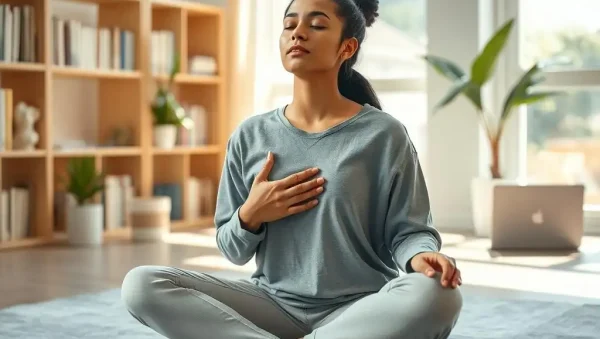
😊 Overwhelmed by exams? Deep breathing anxiety relief for students is surprisingly effective. Simple techniques can quickly calm your nervous system, improving…
Read articleWelcome to the Anxiety Relief Strategies and Resources subcategory, nestled within Mental Wellness & Self-Care at Psychology Basics. Here, you’ll discover practical, evidence-based tools to understand, manage, and reduce anxiety—from quick grounding techniques to long-term habit shifts. Whether you’re a student learning the psychology behind stress or a general reader seeking daily relief, this hub offers accessible explanations, actionable exercises, and curated resources. Explore how cognitive, behavioral, and physiological approaches work together to restore your sense of calm, resilience, and inner balance.
Before diving into strategies, it’s vital to grasp what anxiety really is—not just a feeling, but a complex interplay of thoughts, emotions, and bodily responses. Here, you’ll learn about the fight-or-flight response, the role of the amygdala, and how cognitive distortions amplify worry. We break down the difference between normal stress and clinical anxiety, helping you recognize your own patterns. This foundational knowledge empowers you to choose targeted methods instead of one-size-fits-all fixes.
With a psychology-first lens, we explain how avoidance often fuels anxiety and why exposure gradually reduces it. You’ll explore concepts like the “anxiety curve” and how catastrophic thinking keeps you stuck. By understanding the mechanism, you’ll stop blaming yourself for “overreacting” and start seeing anxiety as a signal—not a flaw. This section emphasizes psychoeducation, a proven first step in any therapeutic journey.
When anxiety spikes, your prefrontal cortex goes offline—so you need quick physical resets. Learn timed breathing methods like 4-7-8 or box breathing, which activate the parasympathetic nervous system to lower heart rate and cortisol. We also cover the 5-4-3-2-1 grounding exercise using your senses to reorient away from intrusive thoughts. These are perfect for panic attacks, public speaking, or mid-workday spirals, with step-by-step instructions and science-backed rationale.
Beyond basics, we introduce progressive muscle relaxation (PMR) and rhythmic breathing paired with mindfulness cues. You’ll find audio-guided scripts and timing charts so you can practice without a phone. For students, we highlight how these micro-resets improve focus before exams; for general readers, they become portable tools for commutes or stressful meetings. Consistency is key—so we share a 5-minute daily mini-routine that builds automatic recovery.
This section dives into cognitive-behavioral therapy (CBT) techniques, specifically cognitive restructuring—the art of catching, challenging, and changing irrational beliefs. You’ll learn to identify common cognitive distortions like all-or-nothing thinking, mind-reading, and fortune-telling. Through worked examples, we show how to replace “I’ll fail” with “I’m prepared, and even if it’s imperfect, I can cope.” This isn’t toxic positivity; it’s realistic reappraisal backed by decades of research.
We provide printable thought records and Socratic questioning prompts to guide your self-reflection. You’ll also explore the ABC model (Activating event, Belief, Consequence) to see how your interpretations—not events—drive anxiety. For deeper practice, we link to free CBT worksheets from reputable psychology sites. This skill not only reduces anxiety but also improves decision-making and self-esteem, making it a cornerstone of long-term emotional health.
Your body and brain are inseparable—so managing anxiety requires supporting your physical fuel. Here, we reveal how poor sleep amplifies amygdala reactivity, while regular aerobic exercise boosts GABA, a calming neurotransmitter. You’ll get a practical exercise prescriptive (e.g., 30 minutes of brisk walking five times per week) and sleep hygiene checklists that combat insomnia and racing thoughts. Nutrition tips include magnesium-rich foods, omega-3s, and reducing caffeine and sugar spikes that mimic anxiety symptoms.
We also address the less obvious: gut-brain axis, hydration, and circadian rhythm alignment. Simple swaps—like morning sunlight vs. evening screens—can dramatically lower baseline anxiety. For students, we tie these habits to academic performance; for general readers, to work-life balance. We debunk myths like “herbal teas cure anxiety” while acknowledging safe adjuncts like chamomile or lemon balm. This holistic view ensures you’re not relying solely on mental tricks but building a resilient biology.
When self-help isn’t enough, knowing where to turn is crucial. This section curates top-ranked apps for anxiety, such as Headspace, Calm, and specialized CBT tools like Woebot and Sanvello—with honest reviews on cost, effectiveness, and privacy. We also list trusted websites (e.g., NAMI, Anxiety and Depression Association of America) offering free webinars, support groups, and hotlines. For students, we explain campus counseling services and how to advocate for accommodations if anxiety affects learning.
Beyond apps, we guide you in finding a therapist—what questions to ask, types of therapy (CBT, ACT, EMDR), and insurance coverage tips. We also cover digital detox methods and how to avoid doomscrolling triggers. Importantly, we clarify red flags that indicate professional help is essential: persistent panic, self-harm thoughts, or inability to function. This resource roundup aims to bridge self-management with clinical care, ensuring you never feel alone or unsupported.
Last but not least, mindfulness-based stress reduction (MBSR) and acceptance and commitment therapy (ACT) offer a radical shift—not fighting anxiety, but making peace with it. Learn how to observe thoughts as passing clouds rather than truths, using “defusion” techniques like labeling thoughts (“I’m having the thought that…”) or saying them in a silly voice. You’ll practice body scans, loving-kindness meditations, and “urge surfing” to ride out waves of discomfort without judgment.
We tackle the paradox: trying to eliminate anxiety often amplifies it. Instead, you’ll adopt an open, curious stance toward discomfort, clarifying your values (e.g., courage, connection) to guide actions despite fear. We provide weekly mindfulness schedules for beginners, plus advanced retreat-style exercises for deeper practice. This approach builds psychological flexibility—the ability to act effectively even when anxious—which research shows reduces long-term relapse. Perfect for perfectionists who feel “bad at meditating,” as we emphasize that the practice is returning, not flawless focus.
The fastest method is slow diaphragmatic breathing: inhale for 4 seconds, hold for 4, exhale for 6–8 seconds. This activates your vagus nerve, lowering heart rate. Pair this with cold water on your face or splashing wrists—it triggers the diving reflex, calming the body. Avoid hyperventilating; focus on longer exhales. If attacks recur repeatedly, consult a professional.
Many people manage mild-to-moderate anxiety effectively with lifestyle changes, CBT techniques, mindfulness, and regular exercise. However, “cure” is misleading—anxiety is often a chronic condition managed like diabetes. Natural methods reduce intensity and frequency, but if symptoms impair daily life, therapy or medication may be necessary. Always consult a doctor before stopping any prescribed treatment.
Normal anxiety is temporary, proportional to a real stressor, and doesn’t interfere with work, relationships, or sleep. A disorder lasts at least 6 months (per DSM-5), triggers excessive worry even without stress, and causes avoidance or physical symptoms like nausea, trembling, or heart palpitations. If anxiety leads to missed days or feels uncontrollable, seek professional evaluation.
Yes, evidence-based apps like Calm, Headspace, and Woebot show moderate effects for stress reduction, especially when used consistently (10–20 minutes daily). They’re most effective for mild anxiety, providing structure and reminders. However, they lack personalized feedback and human connection—use them as adjuncts, not replacements for therapy if symptoms are severe. Check app reviews for privacy safeguards.
Nighttime anxiety often stems from reduced distractions, lower cortisol drop, and “racing thoughts” as your brain processes the day. Fix it by establishing a wind-down routine: dim lights 1 hour before bed, avoid screens, write worry lists, and practice progressive muscle relaxation. If your mind spirals, get up and do a quiet activity (like reading) until drowsy—don’t force sleep, as pressure increases anxiety.