Meditation Made Easy: Find Inner Peace with These Simple Techniques
😊 Discover inner peace effortlessly! This article unveils easy meditation techniques for beginners, providing simple, practical steps to reduce stress and improve…
Read article
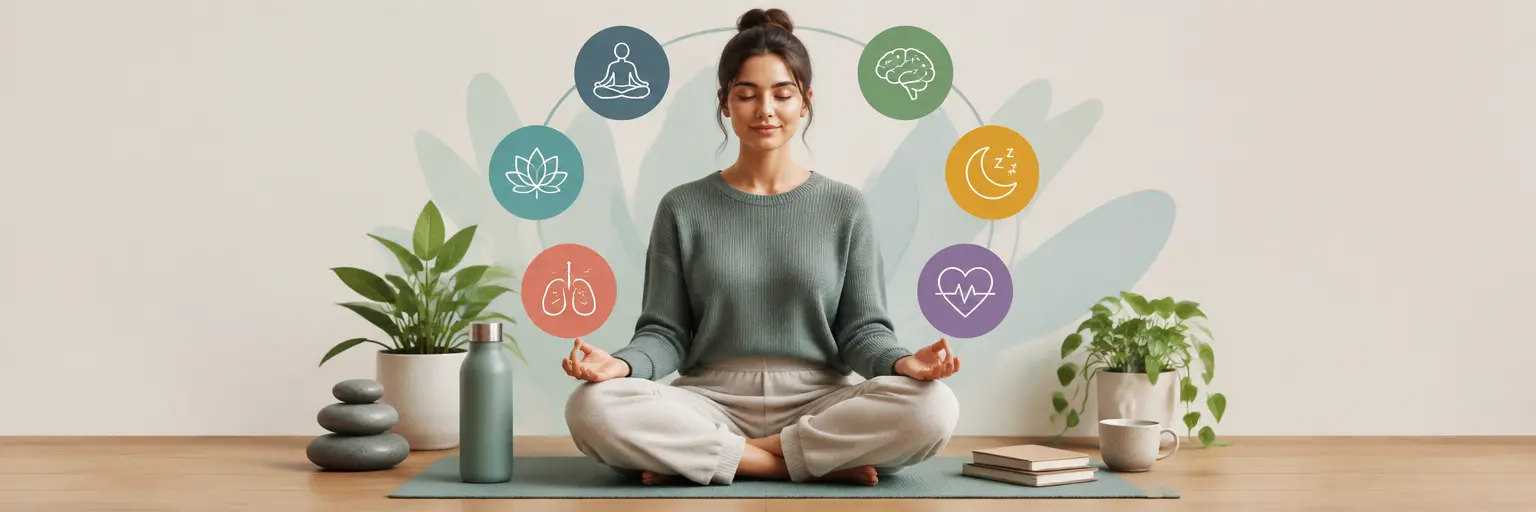
Discover practical, evidence-based stress management techniques and tools designed to help you regain calm and resilience in daily life. From quick breathing exercises and mindfulness practices to cognitive reframing and digital wellness apps, this section breaks down the science behind stress—how it affects your brain and body—and offers actionable strategies you can start using today. Whether you’re a student facing exam pressure or a busy professional juggling deadlines, you’ll learn how to identify your stress triggers, build healthier coping habits, and enhance your overall mental wellness. Explore simple, research-backed tools like progressive muscle relaxation, journaling prompts, and time-management hacks, all explained in clear, beginner-friendly language. Empower yourself with the knowledge to transform stress from a overwhelming force into a manageable part of your self-care routine.
😊 Discover inner peace effortlessly! This article unveils easy meditation techniques for beginners, providing simple, practical steps to reduce stress and improve…
Read article
😊 Discover the transformative power of positive affirmations for calm. This article reveals how regularly repeating positive statements can rewire your brain,…
Read articleWelcome to the Stress Management Techniques and Tools subcategory within Mental Wellness & Self-Care. Here, you’ll discover evidence-based strategies, practical exercises, and digital tools designed to help students, professionals, and general readers understand how stress affects the mind and body—and, more importantly, how to manage it effectively. From breathing exercises to cognitive reframing, this guide is your first step toward building a personalized toolkit for calmer, more focused living.
Breathing exercises and mindfulness are foundational, scientifically supported methods for reducing acute stress. Techniques like diaphragmatic breathing, the 4-7-8 method, and body scan meditation activate the parasympathetic nervous system, lowering cortisol and heart rate within minutes. These tools are ideal for beginners because they require no equipment and can be practiced anywhere—before an exam, during a work break, or at bedtime.
Beyond immediate relief, regular mindfulness practice rewires neural pathways associated with emotional regulation. Expect to learn guided audio scripts, progressive muscle relaxation steps, and how to integrate micro-meditations into your daily routine. This section bridges psychological theory with tangible, repeatable actions that build long-term stress resilience, making it a cornerstone of your self-care journey.
Technology offers powerful allies in stress management. Apps like Headspace, Calm, and Insight Timer provide structured meditation programs, while wearables such as Fitbit or Garmin measure heart rate variability (HRV) to signal stress spikes. This subcategory reviews the best free and premium options, comparing features like sleep tracking, breathing prompts, and biofeedback loops.
You’ll also explore digital journaling tools (e.g., Day One) and mood trackers that help identify stress triggers through data patterns. The goal is to help you choose tools that fit your lifestyle, not overwhelm you. Expect honest pros and cons, privacy considerations, and practical tips for using these tools without creating screen-time stress themselves—a common pitfall we’ll help you avoid.
Cognitive Behavioral Therapy (CBT) techniques are among the most effective for chronic stress. This section introduces cognitive restructuring, thought records, and decatastrophizing exercises. You’ll learn to identify automatic negative thoughts that amplify stress and replace them with balanced, realistic alternatives. These are not abstract ideas—you’ll get step-by-step worksheets and examples relevant to academic deadlines, workplace pressure, and relationship conflicts.
Expect to practice the STOP technique (Stop, Take a breath, Observe, Proceed) and the ABC model (Activating event, Belief, Consequence). By challenging irrational beliefs, you reduce emotional reactivity. This cognitive toolkit is especially valuable for students facing high-stakes exams and professionals in deadline-driven environments, as it turns stressful interpretations into manageable challenges rather than threats.
Your body and brain are deeply connected—physical health directly influences stress resilience. This subcategory covers how aerobic exercise (e.g., 30 minutes of brisk walking), progressive muscle relaxation, and yoga lower stress hormones. Also featured are sleep hygiene protocols like consistent wake times and caffeine cutoffs, plus anti-inflammatory foods rich in omega-3s and magnesium that stabilize mood.
You’ll find simple, actionable routines that fit into a busy schedule—like “exercise snacks” or 5-minute stretching breaks. We emphasize the science behind why these work, from endorphin release to cortisol regulation. This section is not about extreme regimens but sustainable habits that prevent burnout and improve focus, making it a vital pillar for anyone seeking holistic mental wellness.
Many stress triggers stem from perceived lack of control. This segment offers practical time-management frameworks like Pomodoro, Eisenhower Matrix, and time blocking, alongside assertive communication scripts for setting boundaries at work or school. You’ll also learn about “energy management” vs. time management—prioritizing tasks based on mental state, not just urgency.
Expect templates for weekly planning, email management rules, and guidelines for saying “no” without guilt. These tools reduce overwhelm by creating structure and predictability, which directly lowers anxiety. For students juggling coursework and social life, or professionals facing constant interruptions, these strategies are indispensable. They complement psychological techniques by addressing external stressors head-on, giving you a sense of agency.
Expressive writing and creative outlets are proven stress relievers. This section introduces stream-of-consciousness journaling, gratitude logs, and art-based coping like coloring or doodling. Research shows that writing about emotions for 15 minutes a day reduces symptoms of anxiety and depression. We’ll provide prompts and methods to structure your practice, including the emotional disclosure paradigm.
You’ll also explore how narrative therapy—reframing your life story—can shift your perspective on past stressors. Whether you prefer bullet journals, digital notes, or physical sketchbooks, this section helps you find your expressive mode. Creative activities activate different brain regions than logical problem-solving, offering a cognitive “reset” that enhances mood and problem-solving capacity afterward.
The fastest evidence-based method is slow, elongated breathing—inhale for 4 seconds, hold for 4, exhale for 6–8. This directly activates the vagus nerve, lowering heart rate within 1–2 minutes. For immediate relief, combine with grounding by noticing five things you see, four you hear, three you touch, two you smell, and one you taste.
No, tools are complementary, not replacements. They help with daily stressors and build coping skills, but chronic, severe, or trauma-based stress often requires professional help. If stress interferes with daily functioning or lasts over two weeks, consult a psychologist or counselor. Tools work best as part of a broader self-care and possibly clinical plan.
Start by defining your goal: sleep, anxiety reduction, or habit tracking. Look for apps with evidence-based content, free trials, and offline access. Check privacy policies regarding data sharing. Try one or two for a week; if they add more screen time stress, switch to simpler methods like breathing exercises or journaling.
For most, none. However, individuals with trauma or panic disorders may experience heightened anxiety during body scans or breath focus. If that happens, anchor to external sensations (e.g., sounds) or use shorter sessions. Always stop if you feel dizzy—normal breathing is fine. Consult a mental health professional if you have concerns.
Immediate effects (e.g., lowered heart rate) appear after a single session. For lasting change in baseline stress, research shows consistent practice for 4–8 weeks—10 minutes daily—reduces perceived stress by 20–30%. Sleep improvements often emerge within two weeks, while cognitive reframing skills hone faster with regular journaling or therapy-assisted practice.