Neuroplasticity and Emotional Change: How Your Brain Adapts to Experiences
😊 Discover how brain plasticity fuels emotional change! This article explores the remarkable ability of your brain to restructure itself in response…
Read article

Dive into the fascinating neuroscience of emotion—where biology meets feeling. Discover how your brain’s intricate circuits—from the amygdala’s rapid threat detection to the prefrontal cortex’s regulation—shape every joy, fear, and tear you experience. This neuropsychology primer unpacks the chemistry of mood, the role of neurotransmitters like dopamine and serotonin, and how neural plasticity rewires emotional responses. Perfect for psychology students and curious minds, this content bridges brain function and subjective experience, revealing why emotions are both universal and uniquely personal. Learn how stress hormones, memory formation, and social bonding are intertwined with your neural wiring—and gain practical insights into emotional health, empathy, and resilience. Unlock the science behind your feelings and see why our brains are hardwired to care, react, and connect. Whether you’re exploring cortical pathways or the vagus nerve’s calming role, this page offers a clear, SEO-friendly roadmap to the biological roots of what makes us human.
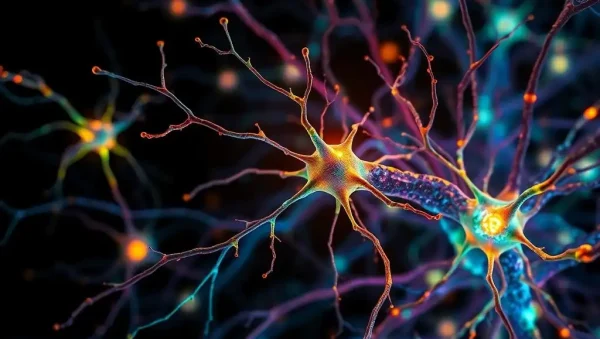
😊 Discover how brain plasticity fuels emotional change! This article explores the remarkable ability of your brain to restructure itself in response…
Read article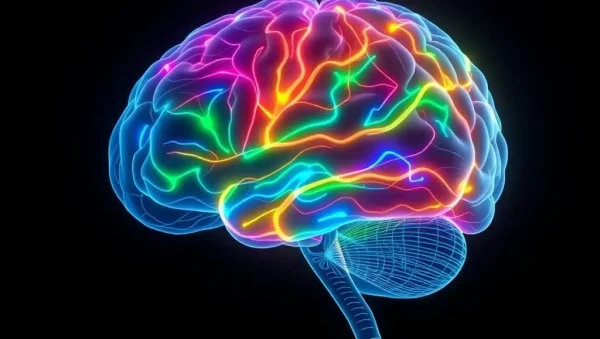
😊 Delve into the complexities of the human brain emotion spectrum! This article explores feelings beyond simple happiness, revealing the brain's intricate…
Read articleWelcome to the fascinating intersection of brain science and feeling. In this Neuropsychology subcategory, we decode how neurons, circuits, and neurochemicals produce everything from joy to dread. You’ll discover how the amygdala, prefrontal cortex, and limbic system orchestrate emotional responses, and why understanding this biology is essential for mental health, decision-making, and daily relationships. Perfect for beginners, this section translates complex research into clear, actionable insights so you can see your own emotional life through a scientific lens.
Here, you’ll learn the “hardware” of feeling. The amygdala acts as your rapid-fire alarm system, while the hippocampus adds context and memory. The prefrontal cortex helps you regulate impulses, and the insula maps bodily states like a racing heart. Expect clear explanations of how these regions communicate, including the role of the hypothalamus in triggering stress responses. By visualizing these networks, you’ll grasp why a single emotional event can ripple across your entire body.
Beyond anatomy, this section explores lateralization—how the right hemisphere often processes negative emotions and the left handles positive ones. You’ll also meet the cingulate cortex, which links emotion to attention and motivation. Through simple diagrams and analogies, we’ll make these intricate pathways memorable. This foundational knowledge prepares you to understand more complex topics like emotional memory and regulation.
Feelings are chemical stories. This section dives into dopamine (reward and motivation), serotonin (mood stability), norepinephrine (alertness), and oxytocin (bonding). You’ll learn how imbalances correlate with depression, anxiety, and euphoria. We also cover cortisol’s role in chronic stress and how adrenaline fuels fight-or-flight. These molecules don’t act alone—they interact in complex cascades, and we’ll break down those interactions in everyday language.
Expect practical insights: why a jog boosts mood (endorphins), how sleep affects serotonin availability, and why social connection triggers oxytocin release. You’ll also see how neuropeptides modulate pain and pleasure. By understanding these chemical messengers, you can better interpret your own emotional highs and lows, and appreciate why psychiatric medications target specific receptors. This knowledge empowers healthier lifestyle choices.
How do you calm a racing mind? This section explains the brain’s brake system. The ventromedial prefrontal cortex helps you reappraise a situation, while the dorsolateral prefrontal cortex supports conscious control. We’ll explore techniques like cognitive reappraisal, mindfulness, and expressive writing—and show their neural bases. You’ll learn why willpower alone often fails, and why habits and environment shape regulation more than pure intention.
We also cover the developmental angle: why teenagers struggle with impulse control due to late prefrontal maturation, and how aging alters regulation. Real-world examples include anxiety management, anger control, and grief processing. By mapping regulation to brain circuits, you’ll see why some strategies work better than others. Expect takeaway tips like “name it to tame it,” which activates prefrontal regions and downregulates the amygdala.
Why do you remember your first kiss but not your 20th commute? This section reveals how emotion tags memories for storage. The amygdala enhances consolidation, while the hippocampus weaves sensory details into a coherent narrative. We’ll discuss flashbulb memories—vivid recollections of shocking events—and why they’re not always accurate. You’ll also learn about fear conditioning, the basis for phobias and PTSD.
Expect to understand how stress hormones like cortisol modulate memory retrieval—too little hinders, too much disrupts. We’ll explore why emotional memories are harder to extinguish, and how therapy like EMDR targets these loops. Practical applications include studying smarter (pairing emotion with material) and managing intrusive memories. This knowledge bridges neuroscience with everyday learning and trauma recovery.
This section translates neuroscience into mental health clarity. You’ll see how an overactive amygdala and underactive prefrontal cortex characterize anxiety disorders. For depression, we examine reduced hippocampal volume, altered serotonin signaling, and chronic inflammation. Expect clear explanations of how antidepressants and therapy work at the neural level, including neuroplasticity—the brain’s ability to rewire. You’ll learn why lifestyle factors like exercise and sleep are not “just willpower” but direct neurochemical interventions.
We also address the gut-brain axis, showing how digestion influences mood via the vagus nerve. Real-life vignettes illustrate how panic attacks, anhedonia, and rumination arise from specific circuit dysfunctions. This section empowers you to seek informed help, reduce stigma, and view mental illness as a brain condition—not a personality flaw. You’ll gain a vocabulary to discuss symptoms with clinicians and advocate for science-backed treatments.
In neuroscience, emotion refers to the automatic brain-body response (e.g., amygdala activation, increased heart rate), while feeling is the conscious perception of that response. Emotions can occur without feelings, as in subliminal threats. Feelings involve the prefrontal cortex interpreting bodily signals, creating a subjective experience like “fear” or “joy.”
Yes. Neuroplasticity allows your brain to rewire through repeated experiences. Practicing mindfulness strengthens prefrontal regulation and weakens amygdala reactivity. Over weeks, you can form new habits that shift your emotional baseline, making you less reactive and more resilient. This underlies the effectiveness of cognitive-behavioral therapy.
Acute stress releases cortisol, which can enhance memory for the stressful event but impair retrieval of other information. Chronic stress damages hippocampal neurons, reducing memory capacity. The amygdala prioritizes threatening cues, diverting resources from memory consolidation. Managing stress through exercise and sleep protects your memory circuits.
No. While genes influence neurotransmitter receptor sensitivity, environment triggers expression. Childhood adversity, chronic stress, and lifestyle shape brain circuits. Epigenetics shows how experiences turn genes on/off. Thus, anxiety or depression result from gene-environment interactions, not destiny—interventions can alter outcomes.
Positive emotions often involve increased activity in the left prefrontal cortex and dopamine pathways, while negative emotions activate the right prefrontal cortex and amygdala. However, this is a simplification—both sides interact. Positive emotions broaden attention via the ventrolateral prefrontal cortex, whereas negative emotions narrow focus to threats.