Huntington's Disease: Genetic Roots and Psychological Manifestations
🤔 Huntington's disease psychology symptoms are devastating, revealing the profound impact of genetic mutation on the brain. This article explores the complex…
Read article
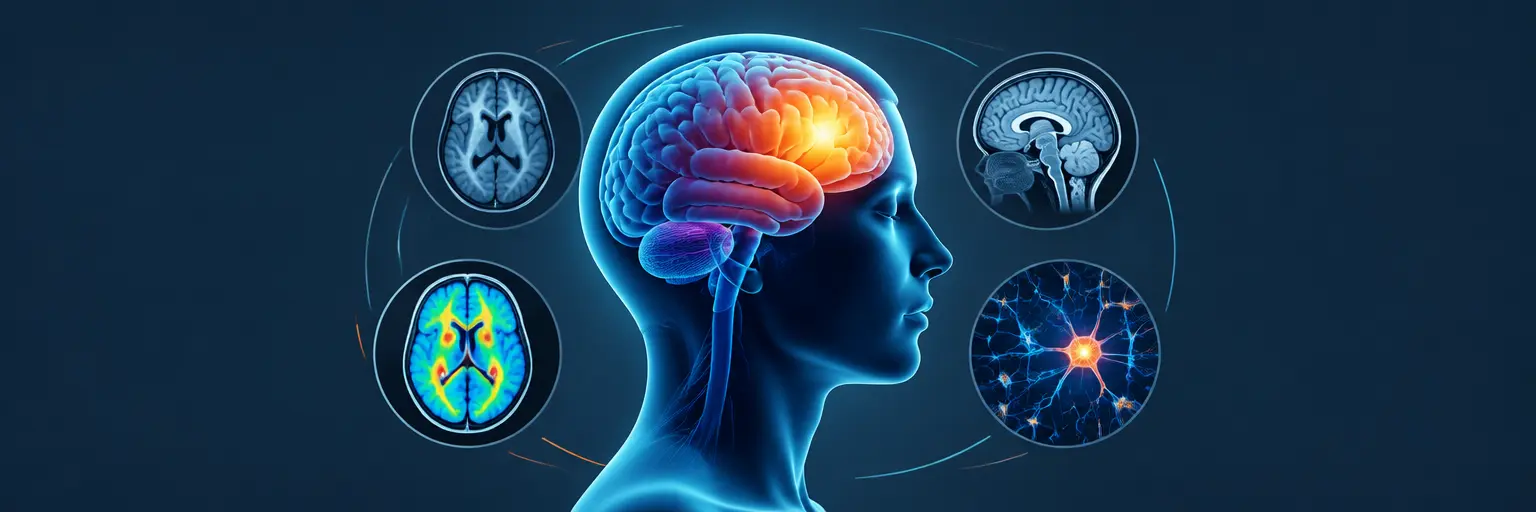
Explore the fascinating intersection of mind and brain with our comprehensive guide to neurological disorders and psychology. This subcategory delves into how brain function shapes behavior, emotion, and cognition, offering clear explanations of conditions like Alzheimer’s, Parkinson’s, epilepsy, and stroke alongside psychological impacts such as depression, anxiety, and personality changes. Perfect for beginners and students, our content bridges neuroscience and clinical practice, highlighting key diagnostic approaches, treatment options, and everyday coping strategies. Discover how neuroplasticity influences recovery, why psychological evaluation matters in neurological care, and what neuropsychologists actually do. Whether you’re studying for a class, supporting a loved one, or simply curious about how the brain works, this resource makes complex topics accessible—no prior knowledge required. Unlock insights into brain-behavior relationships and enhance your understanding of conditions that affect millions worldwide. Start exploring today to connect the dots between neural pathways and mental well-being.
🤔 Huntington's disease psychology symptoms are devastating, revealing the profound impact of genetic mutation on the brain. This article explores the complex…
Read article
🤔 Delve into the fascinating world of anxiety disorders brain science! This article explores the neurological underpinnings of anxiety, examining brain regions…
Read articleWelcome to the intersection of brain science and behavior. In this subcategory, we explore how neurological disorders—from epilepsy and Parkinson’s disease to traumatic brain injury—shape psychological processes like memory, emotion, and personality. Here, you’ll discover how neuropsychologists assess, diagnose, and support individuals whose lives are affected by brain dysfunction, and how this knowledge deepens our understanding of the mind-body connection. This is your gateway to bridging biology and lived experience.
Dive into the most common disorders, including stroke, multiple sclerosis, and dementia, and see how each uniquely alters cognition and mood. You’ll learn that these are not just “brain diseases” but full psychological syndromes—for example, how a frontal lobe tumor can lead to impulsivity, or how Parkinson’s often brings anxiety and depression. Expect clear, non-technical explanations of symptoms and their behavioral manifestations.
Emphasizing early signs is crucial here: recognizing subtle changes in memory, language, or social judgment can lead to earlier intervention. We also cover how psychoeducation helps patients and families normalize their experiences, reducing stigma. By the end, you’ll see why a neurological diagnosis always comes with a psychological story, and how neuropsychologists use standardized tests to map these changes to specific brain regions.
What does a neuropsychological evaluation actually involve? This section breaks down the battery of tests used to measure attention, executive function, visuospatial skills, and emotional regulation. You’ll understand how the MMSE (Mini-Mental State Exam) and more modern computerized assessments like the CANTAB work, and why they are not interchangeable. We also demystify brain imaging (fMRI, PET) and how it complements cognitive testing.
Beyond the tools, we explain the clinical interview as the foundation—gathering history, medication use, and lifestyle factors that might masquerade as neurological issues. You’ll learn about the difference between norm-referenced and criterion-referenced scoring, and how a neuropsychologist distinguishes a temporary concussion from a progressive disorder. This is essential reading for students planning to work in clinical settings.
Treatment goes far beyond medication. Here, we focus on evidence-based therapies adapted for brain-injured or chronically ill individuals, such as cognitive rehabilitation for memory loss, behavioral activation for post-stroke depression, and mindfulness-based stress reduction for chronic pain. You’ll see how therapists modify standard CBT (cognitive behavioral therapy) to account for executive dysfunction, using visual aids and repetition.
We also explore family therapy and caregiver support, because neurological disorders ripple outward. Practical strategies—like structuring daily routines, using external memory aids, and managing emotional lability—are presented with real-life case examples. Learn how neuroplasticity underscores hope: even after significant damage, targeted practice can forge new neural pathways, improving quality of life.
From ADHD and autism to childhood epilepsy and cerebral palsy, this section covers how neurological conditions manifest across the lifespan. You’ll discover that early intervention is transformative: identifying a nonverbal learning disorder or tic disorder at age 6 can reshape a child’s academic and social trajectory. We discuss key assessment instruments for children, like the WISC-V, and how they differ from adult batteries.
Parents and educators will find practical advice on creating individualized education plans (IEPs) and managing meltdowns caused by sensory overload. We also address the psychological toll on siblings and the importance of resilience training. Expect to learn about the overlap between ADHD and anxiety, and why misdiagnosis is common—especially in girls, who often present differently than boys.
Here, we connect psychological trauma to measurable brain changes. Chronic stress—from PTSD to combat exposure—can shrink the hippocampus and hyperactivate the amygdala, leading to memory problems and heightened fear responses. This section explains the neurobiology of stress, including the role of cortisol, and why trauma is not “all in your head” but a physical injury to neural circuits.
We then highlight trauma-informed care approaches, such as EMDR and somatic experiencing, which help rewire these circuits. You’ll also learn about the concept of allostatic load—how cumulative stress wears down the brain over years. For psychologists, this bridges the gap between childhood adversities and adult depression or substance use, offering a neurological perspective on recovery.
Stay updated on breakthroughs in neuroimaging, genetic markers for Alzheimer’s, and deep brain stimulation for treatment-resistant depression. We translate recent studies into plain language, explaining how optogenetics in animal models or AI-based diagnostics might soon change clinical practice. But we also delve into the ethics: who decides when cognitive enhancement is justified? How do we protect informed consent in patients with memory loss?
Consider the right to know about a genetic predisposition versus the burden of that knowledge. We also discuss the dangers ofneuro-reductionism—reducing complex human emotions to mere neurotransmitter levels. This section encourages critical thinking about the hype vs. reality of brain-based explanations, preparing you to consume future research with a discerning eye.
A neurologist is a medical doctor who diagnoses and treats physical brain diseases (e.g., tumors, strokes) using imaging, medication, or surgery. A neuropsychologist is a psychologist who focuses on cognitive, emotional, and behavioral symptoms—they test brain function but do not prescribe most medications. They work together: the neurologist manages the biology, while the neuropsychologist addresses the “software” of the brain.
Yes, absolutely. Disorders like Parkinson’s, multiple sclerosis, and epilepsy often affect brain regions that regulate mood—for instance, the basal ganglia and frontal lobes. Depression can be a direct symptom of the disorder, not just a psychological reaction. Treating the underlying condition often improves mental health, and antidepressants or therapy are frequently used alongside neurological care.
No, they are completely non-invasive. They typically involve answering questions, solving puzzles, remembering lists, and drawing shapes—all done on paper or a computer. Tests can take 2 to 6 hours, often in one or two sittings. They may feel tiring but are not painful. There are no needles or scans involved, although brain imaging might be ordered separately by a neurologist.
ADHD is a developmental disorder, and symptoms often change with age—hyperactivity may lessen, but inattention and impulsivity often persist into adulthood. Some children “outgrow” the full diagnostic criteria, but many still face subtle challenges. Early behavioral therapy and school accommodations improve outcomes significantly. The brain matures over time, so some symptoms do fade, but executive function support remains valuable.
Start by educating yourself about their specific condition and its behavioral effects—this reduces misunderstanding. Use clear, short sentences, and avoid arguing with memory deficits or confusion. Maintain routines, encourage physical activity, and celebrate small victories. Most importantly, seek caregiver support groups; your own mental health is essential for their care. Always ask their doctor about safe cognitive activities and when to involve a neuropsychologist.