Understanding Neuroplasticity: The Brain's Remarkable Ability to Adapt
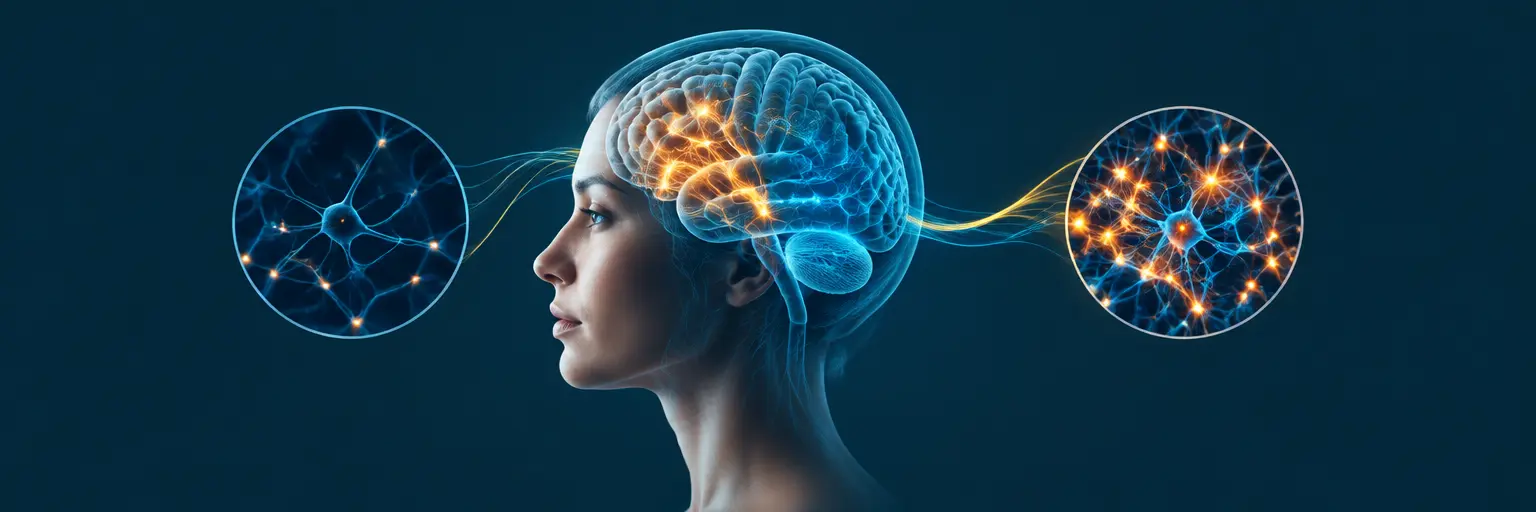
Neuroplasticity is one of the most transformative concepts in modern neuropsychology, fundamentally changing how we perceive the brain’s capacity for change. Unlike the old belief that the brain is hardwired and static after childhood, neuroplasticity reveals that our neural pathways continuously reorganize, strengthen, or weaken in response to experience, learning, and even injury. For beginners exploring psychology basics, this subcategory unpacks how your brain reshapes itself daily—from forming new memories to recovering after stroke. By understanding neuroplasticity, you gain insight into why habits form, how therapies work, and how lifelong learning is not just possible but natural. This page serves as a practical guide to the mechanisms, limits, and real-world applications of brain adaptability, making complex neuroscience accessible to all.
🧠 Core Mechanisms: How Synaptic Strengthening and Pruning Work
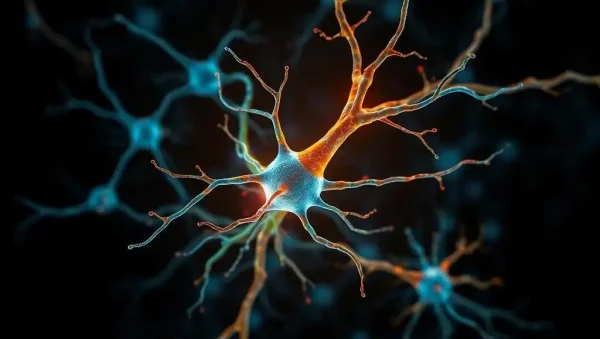
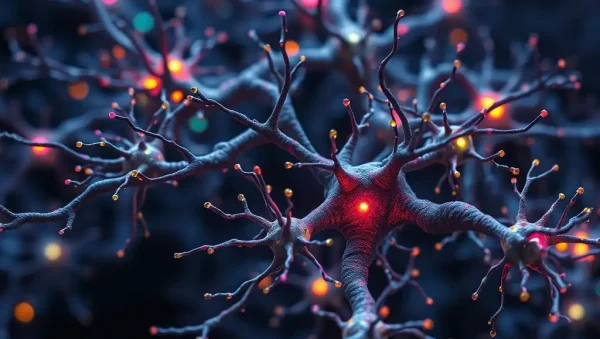
At its heart, neuroplasticity operates through two primary processes: synaptic strengthening (long-term potentiation) and synaptic pruning. When you repeatedly practice a skill—playing piano or studying a language—the connections between neurons become more efficient through increased neurotransmitter release and receptor density. This is why “practice makes perfect.” Concurrently, unused or weak connections are pruned away, streamlining brain resources for what matters most. This dynamic balance ensures your brain remains both flexible and efficient, adapting to your environment and priorities.
For general readers, understanding these mechanisms demystifies why repetitive learning feels easier over time and why forgetting occurs when we stop using certain pathways. In therapy, this knowledge underpins cognitive rehabilitation strategies, where patients rebuild lost functions by repeatedly engaging targeted neural circuits. The key takeaway: your daily habits are physically sculpting your brain’s wiring, either strengthening productive patterns or allowing unhelpful ones to fade.
🔄 Critical Periods vs. Lifelong Plasticity: What Can Change at Any Age
While early childhood is a golden era for neuroplasticity—when language, vision, and social skills develop rapidly—research confirms that adult brains retain significant plasticity. Structural changes, such as increased gray matter in the hippocampus, have been observed in adults learning new skills, meditating, or even navigating new cities. However, plasticity in adults is more selective and slower than in children, often requiring deliberate attention and repetition. This distinction is crucial for realistic expectations: you can learn a new language at 60, but it will take more effort than at age 6.
This facet of neuroplasticity empowers older learners and patients recovering from brain injury, but also cautions against “neuroplasticity myths” that promise radical fixes overnight. For students, it clarifies why studying consistently beats cramming—because spaced repetition leverages the brain’s natural timing for durable synaptic changes. Ultimately, lifelong plasticity means your brain is never “done,” but it rewards consistent, focused practice more than sporadic bursts.
💪 Neuroplasticity in Rehabilitation: Recovery from Stroke and Trauma
One of the most inspiring applications of neuroplasticity is in neurorehabilitation. After a stroke or traumatic brain injury, the brain can reroute functions from damaged areas to healthy regions through a process called cortical remapping. Intensive physical therapy, constraint-induced movement therapy, and cognitive exercises exploit this ability by forcing the brain to form new pathways. For example, a person losing arm movement can regain function by repeatedly attempting tasks that recruit neighboring neural networks, gradually bypassing the damaged zone.
For general audiences, this means that recovery is not purely fate; it involves active engagement and often long-term commitment. Therapies now incorporate virtual reality, robotics, and tailored exercise regimens to maximize plasticity. However, success depends on timing (early intervention helps), intensity, and motivation. Understanding rehab-based plasticity can also inspire preventive brain health—for instance, building cognitive reserve through lifelong learning may buffer against future decline, highlighting why staying mentally active matters at every age.
🧘 Everyday Plasticity: How Mindfulness and Habits Reshape Your Brain
Neuroplasticity isn’t confined to clinics—it operates in your daily routines. Mindfulness meditation, for instance, has been shown to increase cortical thickness in areas linked to attention and emotional regulation after just eight weeks of practice. Similarly, forming a new habit—like daily running or healthy eating—requires the brain to strengthen specific reward circuits, a process that typically takes 30 to 60 days of consistent repetition. Conversely, breaking a habit involves weakening old pathways while building new ones, which is why relapse is common before change sticks.
This knowledge empowers you to curate your brain’s environment deliberately. By understanding that every action, thought, or emotion can subtly alter neural wiring, you can design better routines—like using cue-routine-reward loops. For psychology students, this bridges abstract neuroscience with practical self-improvement, showing that self-discipline is not sheer willpower but a biological restructuring process. The practical message: your brain is what you repeatedly do, so choose your repetitions wisely.
🔬 Measuring Plasticity: Tools, Biomarkers, and Current Research Frontiers
Scientists have developed several ways to observe neuroplasticity in action, from electroencephalography (EEG) and functional magnetic resonance imaging (fMRI) to advanced diffusion tensor imaging that traces white matter changes. These tools detect shifts in brain activity patterns, gray matter volume, and connectivity strength before and after learning or therapy. Biomarkers, such as brain-derived neurotrophic factor (BDNF), often increase with exercise and learning, indicating enhanced plasticity. Current research explores how sleep, nutrition, and even gut health modulate plasticity, opening new therapeutic avenues.
For readers curious about the scientific side, this subcategory demystifies what researchers mean when they claim “brain rewiring.” It also highlights emerging frontiers like neurofeedback, where individuals learn to alter their own brain waves, and non-invasive brain stimulation (e.g., tDCS) that may enhance learning. Understanding measurement helps you critically evaluate headlines about “brain training” apps, distinguishing evidence-based approaches from pseudoscience. Ultimately, knowing how plasticity is measured deepens your appreciation of how robust and yet delicate the brain’s adaptability truly is.
Frequently Asked Questions
Can adults really rewire their brains, or is neuroplasticity only for children?
Absolutely, adults can rewire their brains. While plasticity peaks in childhood, research confirms significant lifelong adaptability, especially in learning new skills, memory formation, and recovery after injury. However, adult plasticity requires more deliberate effort, repetition, and cognitive engagement than in youth. Functional and structural brain changes have been observed in adults learning languages, practicing meditation, or undergoing therapy, proving that neuroplasticity remains active throughout life.
How long does it take to see actual brain changes from neuroplasticity?
Visible brain changes can occur surprisingly fast. Studies show that just 8–12 weeks of regular practice—like meditation or skill training—can yield measurable changes in gray matter density or cortical thickness. However, durable habit formation typically takes 30 to 60 days of consistent repetition. For more complex skills, months of practice may be needed. The speed varies by individual, age, intensity, and the specific brain region involved.
Does neuroplasticity mean I can recover fully from a traumatic brain injury?
Neuroplasticity makes significant recovery possible but does not guarantee complete restoration. The brain can reroute functions to healthy areas, but the degree of recovery depends on injury severity, location, timing of rehabilitation, and ongoing practice. Early, intensive, and tailored therapy maximizes outcomes. Some functions may improve dramatically, while others might remain impaired. Realistic goals set with medical professionals are essential.
Are there limits to neuroplasticity, such as with chronic conditions like dementia?
Yes, plasticity has limits. In neurodegenerative diseases like Alzheimer’s, progressive cell death eventually outstrips compensatory plasticity. However, cognitive reserve built through lifelong learning and physical exercise can delay symptom onset and slow decline. Even in early dementia, targeted cognitive stimulation may temporarily improve function, but the underlying degeneration continues. Thus, plasticity can buffer but not permanently halt neurodegeneration.
Can neuroplasticity be harmful, for example, in chronic pain or addiction?
Yes, plasticity is a double-edged sword. Maladaptive plasticity can reinforce chronic pain by strengthening pain pathways, as seen in phantom limb pain or fibromyalgia. Similarly, addiction involves the brain rewiring reward circuits, making cravings increasingly automatic. Understanding this harmful plasticity is key to treatments like cognitive behavioral therapy, pain re-training, and exposure therapy, which aim to reverse maladaptive patterns through new learning.