
Beyond Happiness: Exploring the Full Spectrum of Human Emotions in the Brain

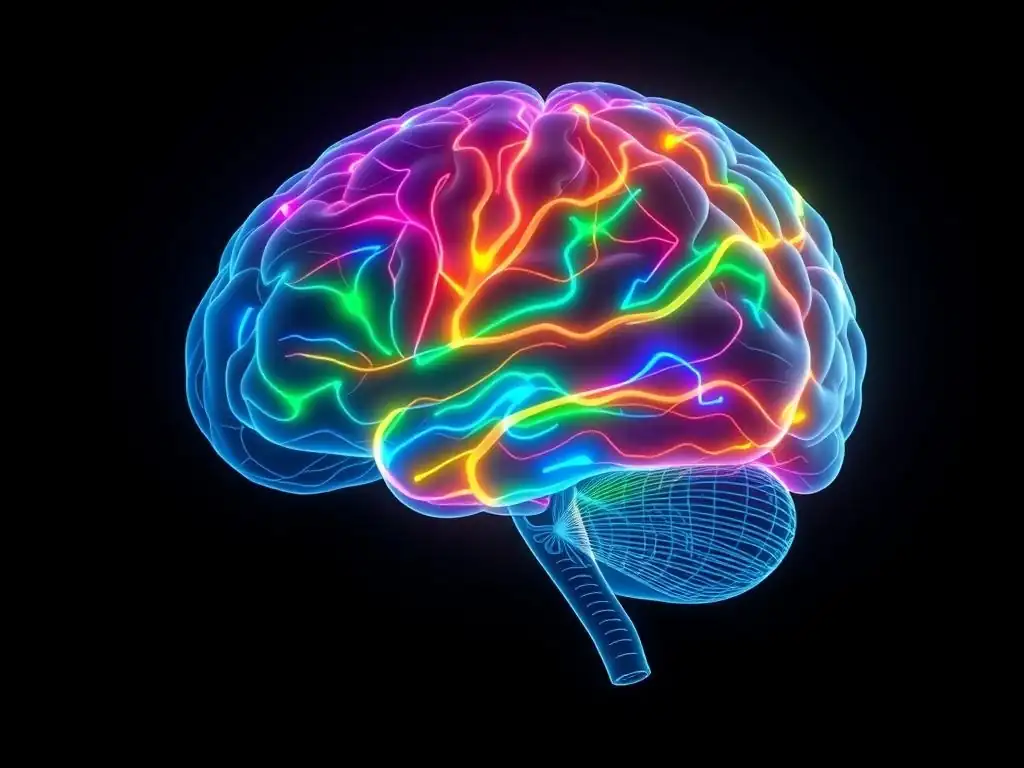
Welcome to Psychology Basics, your gateway to understanding the fascinating world of the human mind. Are you ready to delve beyond the simplistic notions of happiness and sadness? Our exploration of the Human Brain Emotion Spectrum reveals a far richer, more nuanced landscape of emotional experience within the brain. Prepare to uncover the intricate mechanisms and surprising complexities that shape our feelings – discover how much more there is to the story than you might imagine. Let's begin!
- Understanding the Human Brain Emotion Spectrum: Beyond Simple Happiness and Sadness
- Mapping the Emotional Landscape: Key Brain Regions and Their Roles
- Individual Differences in Emotional Processing: Genetics and Environment
- Beyond the Basics: Exploring the Nuances of Human Emotion
-
Practical Applications: Utilizing Knowledge of the Human Brain Emotion Spectrum
- Improving Emotional Regulation Techniques: Mindfulness and Cognitive Behavioral Therapy
- The Role of Emotional Intelligence in Relationships and Well-being
- Future Directions in Emotion Neuroscience Research: The Neural Correlates of Empathy and Social Cognition, The Development of Novel Treatments for Anxiety Disorders
- Frequently Asked Questions
- Final Reflection: Embracing the Symphony of Emotions
- Embrace Your Emotional Journey Today!
Understanding the Human Brain Emotion Spectrum: Beyond Simple Happiness and Sadness
The human experience is a tapestry woven with threads of diverse emotions, far exceeding the simplistic dichotomy of happiness and sadness. While popular culture often focuses on the pursuit of happiness, a truly comprehensive understanding of human psychology necessitates exploring the full spectrum of emotional experiences within the brain.
This article delves into the neuroscience of emotion, examining the intricate neural pathways and chemical processes underlying both positive and negative feelings, and even the complex interplay of mixed emotions. Understanding this "human brain emotion spectrum" is crucial for comprehending not only our emotional well-being but also our cognitive processes, behaviors, and interpersonal relationships.
We will move beyond simplistic labels and explore the nuanced biological mechanisms that give rise to the rich and multifaceted world of human feelings. This journey into the neurobiology of emotion will illuminate how our brains create and process the vast array of feelings that define our human experience, providing a foundational understanding of this critical aspect of human nature.
The Neuroscience of Positive Emotions: More Than Just Happiness
Happiness, while undeniably important, represents only a fraction of the positive emotions humans experience. Feelings like contentment, joy, love, gratitude, and pride all share overlapping yet distinct neural substrates. Research using techniques such as fMRI (functional magnetic resonance imaging) has identified key brain regions involved in processing these positive emotions.
For instance, the reward pathway, involving areas like the nucleus accumbens and ventral tegmental area, plays a crucial role in experiencing pleasure and reward, contributing significantly to feelings of joy and contentment. Furthermore, the amygdala, often associated with fear, also participates in processing positive emotions like love and affection, highlighting the complexity of emotional processing. The release of neurotransmitters like dopamine and endorphins is also integral to the experience of positive emotions, creating feelings of well-being and euphoria.
The intensity and duration of these positive emotions are influenced by various factors, including individual genetics, life experiences, and social interactions. Understanding these nuanced neural mechanisms allows us to appreciate the multifaceted nature of positive emotions and their vital role in overall mental health. Further research continues to refine our understanding of the precise neural circuits involved in each unique positive emotion, paving the way for more effective interventions to promote emotional well-being.
The Neurobiology of Negative Emotions: Exploring Sadness, Fear, and Anger
Negative emotions, such as sadness, fear, and anger, are equally essential aspects of the human emotional experience. These emotions, while often perceived as undesirable, serve critical adaptive functions. Fear, for instance, triggers the "fight-or-flight" response, preparing the body to respond to perceived threats. The amygdala plays a central role in processing fear, rapidly evaluating incoming sensory information and initiating physiological changes.
Sadness, on the other hand, can be a response to loss or disappointment, prompting reflection and adjustment. Neurochemically, the experience of negative emotions involves neurotransmitters like cortisol (associated with stress) and norepinephrine (involved in the stress response). Anger, often a response to perceived injustice or frustration, involves a complex interplay of brain regions including the prefrontal cortex (involved in executive functions) and the amygdala.
While excessive or prolonged negative emotions can be detrimental to mental health, their presence within the emotional spectrum is crucial for navigating the complexities of life and adapting to challenging circumstances. Understanding the neural pathways involved in these emotions is essential for developing effective coping strategies and treatments for emotional disorders. Moreover, it helps us to appreciate the adaptive significance of negative emotions in a broader context.
The Complexity of Mixed Emotions: Simultaneous Experiences in the Brain
The human brain is not limited to experiencing one emotion at a time. Instead, we often experience mixed emotions – a simultaneous blend of positive and negative feelings. For example, we may feel both joy and sadness at a graduation ceremony, celebrating an accomplishment while also mourning the end of a chapter.
These complex emotional states reflect the intricate interplay between different brain regions and neurochemical systems. The prefrontal cortex, responsible for higher-level cognitive functions, plays a crucial role in integrating and regulating these conflicting emotions. It helps us to understand the context of our emotions and to manage our responses accordingly.
The experience of mixed emotions underscores the fluidity and complexity of human emotion, highlighting the limitations of simplistic categorization. Further research is needed to fully understand the neural mechanisms underlying the processing and integration of mixed emotions, but it's clear that this capacity is fundamental to the human experience. The ability to navigate and understand these complex emotional landscapes is a crucial aspect of emotional intelligence and overall well-being.
Mapping the Emotional Landscape: Key Brain Regions and Their Roles
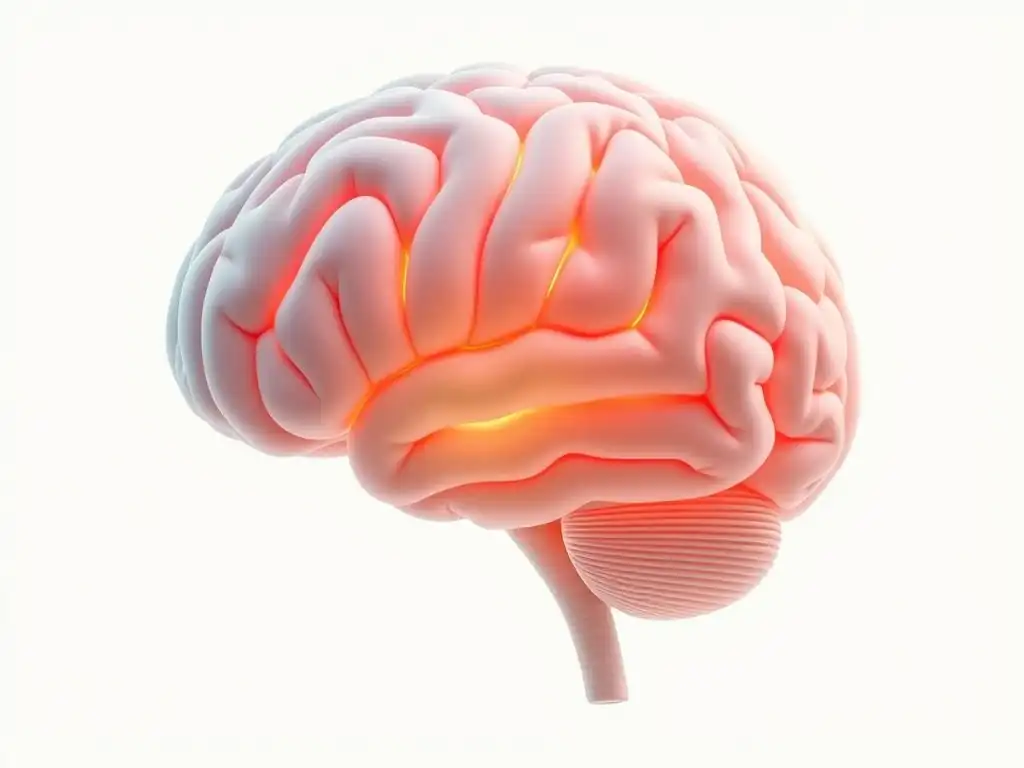
This section delves into the intricate neural circuitry underlying the human brain emotion spectrum, exploring the specific roles of key brain regions in processing, regulating, and experiencing a wide range of emotions. Understanding these neural pathways provides a crucial foundation for comprehending the complexity of human emotional experience. We'll examine how different brain areas contribute to the rich tapestry of feelings that define our inner lives. This detailed exploration will move beyond simple categorization and delve into the nuanced interactions between these regions.
The Amygdala's Role in Processing Fear and Other Intense Emotions
The amygdala, a small almond-shaped structure deep within the brain's temporal lobes, is often referred to as the brain's "fear center." However, its role extends far beyond simply processing fear. The amygdala is a crucial component in the brain's rapid response system to emotionally significant stimuli. It receives sensory input from various sources, including the thalamus (which relays sensory information) and the cortex (which processes higher-level information). This allows the amygdala to quickly assess the emotional significance of a situation, even before conscious awareness.
For instance, if you encounter a snarling dog, the thalamus sends a signal to the amygdala almost instantaneously. The amygdala then triggers a cascade of physiological responses, preparing the body for "fight or flight" – increased heart rate, heightened alertness, and the release of stress hormones. This rapid, unconscious response is crucial for survival.
However, the amygdala also plays a role in processing other intense emotions, such as anger, joy, and even pleasure. While fear is its most well-known association, research increasingly highlights its involvement in the broader spectrum of human emotional responses. The amygdala's role is not simply to generate these emotions but also to assign emotional significance to memories and experiences. This process is vital for emotional learning and conditioning. Damage to the amygdala can lead to impairments in recognizing and responding to fearful or threatening situations, illustrating its critical role in emotional processing within the human brain emotion spectrum.
The Prefrontal Cortex: Regulation, Decision-Making, and Emotional Control
The prefrontal cortex (PFC), located at the front of the brain, is the executive control center, playing a crucial role in higher-level cognitive functions, including emotional regulation. Unlike the amygdala's rapid, reactive responses, the PFC operates more slowly and deliberately. It acts as a "brake" on the amygdala's more impulsive responses, allowing for more considered and nuanced reactions to emotionally charged situations.
The PFC's influence on emotional processing is multifaceted. It helps us to:
- Inhibit impulsive behaviors: The PFC helps us to control our emotional reactions, preventing us from acting out in anger or fear.
- Plan and strategize: The PFC allows us to consider the long-term consequences of our actions, helping us to make decisions that are aligned with our goals and values, even when faced with strong emotions.
- Re-appraise situations: The PFC allows us to reinterpret situations in a more positive or less threatening light, reducing the intensity of our emotional response. This cognitive reappraisal is a key component of emotional regulation strategies.
- Maintain emotional stability: The PFC contributes significantly to emotional stability and resilience, enabling us to cope with stress and adversity.
Dysfunction in the PFC, often seen in conditions like anxiety disorders and depression, can lead to difficulties in regulating emotions, resulting in impulsive behavior, emotional instability, and impaired decision-making. This highlights the PFC's indispensable role in the intricate dance of emotional processing within the human brain emotion spectrum.
The Hippocampus and Emotional Memory: Context and Significance
The hippocampus, a seahorse-shaped structure also located within the temporal lobes, is primarily known for its role in forming new memories. However, its function extends to the emotional dimension of memory, providing context and significance to our experiences. The hippocampus doesn't directly process emotions like the amygdala, but it's essential for integrating emotional experiences into our long-term memory.
The interaction between the amygdala and hippocampus is crucial for creating emotionally charged memories. The amygdala enhances the encoding of emotionally significant events, ensuring that these memories are more vivid and easily recalled. The hippocampus provides the contextual details of these events, embedding them within a larger narrative of our lives. This collaboration ensures that memories are not just factual recordings but also emotionally rich experiences.
For example, the memory of a traumatic event isn't just a series of facts; it's imbued with the intense fear and anxiety experienced during the event. This emotional coloring is largely due to the amygdala’s influence, while the hippocampus provides the details of where, when, and how the event unfolded.
Understanding the interplay between these two structures is crucial for comprehending how our emotional experiences shape our memories and influence our future behavior, further enriching our understanding of the human brain emotion spectrum. Damage to the hippocampus can lead to an inability to recall details of emotionally significant events, underlining its vital role in the complete experience of emotion.
The Role of Neurotransmitters in Emotional Experience: Serotonin, Dopamine, and More
Neurotransmitters are chemical messengers that transmit signals across synapses, the tiny gaps between nerve cells in the brain. Their role in emotional experience is profound, influencing everything from our mood to our motivation and our ability to experience pleasure and reward. Understanding how these neurochemicals function is crucial to understanding the "human brain emotion spectrum". An imbalance or dysfunction in these systems can significantly impact emotional well-being, contributing to conditions like depression, anxiety, and other mood disorders.
Serotonin, often dubbed the "feel-good" neurotransmitter, plays a critical role in regulating mood, sleep, appetite, and cognitive functions. Lower levels of serotonin are strongly linked to depression and anxiety. Antidepressant medications, such as Selective Serotonin Reuptake Inhibitors (SSRIs), work by increasing the availability of serotonin in the synaptic cleft, thereby improving mood regulation.
However, it's important to note that serotonin's function is complex and multifaceted; it doesn't simply act as a single happiness switch. Its influence extends to various brain regions and interacts with other neurotransmitters to modulate a wide range of emotional responses. For example, imbalances in serotonin can also contribute to obsessive-compulsive disorder (OCD) and other related conditions.
Dopamine, another key player, is primarily associated with reward, motivation, and pleasure. The release of dopamine reinforces behaviors that lead to positive outcomes, driving our pursuit of goals and reinforcing learning. The brain's reward system, heavily reliant on dopamine, is crucial for experiencing feelings of satisfaction and enjoyment.
This system is implicated in addiction, where the artificial stimulation of dopamine release overrides natural reward pathways, leading to compulsive behaviors. Furthermore, dopamine's role extends beyond simple reward; it also plays a significant part in motor control and cognitive functions, highlighting its interconnectedness with other aspects of brain function and emotional experience. Disruptions in dopamine pathways can contribute to Parkinson's disease, but also influence emotional states like anhedonia (the inability to experience pleasure).
Beyond serotonin and dopamine, other neurotransmitters, such as norepinephrine (involved in the "fight-or-flight" response and alertness), GABA (an inhibitory neurotransmitter that reduces neuronal excitability), and glutamate (an excitatory neurotransmitter involved in learning and memory), also significantly contribute to the complex tapestry of emotional experience. The intricate interplay between these neurochemicals and their interactions within different brain regions create the rich and nuanced spectrum of human emotions.
Research continues to unravel the precise mechanisms by which these neurotransmitters work together to shape our emotional responses, offering a deeper understanding of the neural underpinnings of the "human brain emotion spectrum." Further investigation into these complex interactions promises to provide more effective treatments for emotional disorders and a more complete picture of emotional processing in the human brain.
Individual Differences in Emotional Processing: Genetics and Environment
The human brain emotion spectrum isn't uniformly experienced; individual differences in emotional processing are significant and stem from a complex interplay of genetic predispositions and environmental influences. Understanding these variations is crucial for a complete picture of how emotions are generated, experienced, and regulated. While the fundamental neural pathways involved in emotion are largely shared, the strength and efficiency of these pathways, along with the individual's overall emotional reactivity, are shaped by both nature and nurture. This section will delve into the specific contributions of genetics and environment to these individual differences.
Temperament and Personality: Inherited Predispositions to Emotional Responses
Temperament, the biologically based foundation of personality, significantly influences emotional responses. Research suggests a heritable component to temperament traits like reactivity, self-regulation, and sociability. For example, studies utilizing twin studies have shown higher concordance rates for temperament traits in identical twins compared to fraternal twins, indicating a substantial genetic influence.
These inherited predispositions can manifest as a tendency towards higher levels of anxiety, irritability, or emotional stability. Children born with a temperament characterized by high reactivity might be more prone to experiencing intense emotional responses, while those with a less reactive temperament may exhibit greater emotional stability.
This doesn't imply a deterministic relationship; the environment plays a crucial role in shaping how these inherent tendencies are expressed. The interaction between genes and environment is complex and often non-linear; a child with a genetically predisposed tendency towards anxiety might develop coping mechanisms and resilience if raised in a supportive environment, while the same predisposition in a stressful environment could lead to the development of anxiety disorders.
The Impact of Life Experiences on Emotional Regulation: Shaping the Brain
Life experiences, from early childhood to adulthood, profoundly shape our emotional regulation capabilities. Experiences of trauma, abuse, neglect, or significant loss can alter brain structure and function, impacting emotional processing. For instance, prolonged exposure to stress can lead to alterations in the amygdala, a brain region crucial for processing fear and other emotions.
This can result in heightened anxiety, increased reactivity to stressful stimuli, and difficulties in regulating emotional responses. Conversely, positive experiences, such as supportive relationships and opportunities for emotional expression, can foster the development of healthy emotional regulation strategies and strengthen neural pathways associated with resilience.
The brain's remarkable plasticity allows it to adapt and change in response to experiences throughout life, highlighting the significant impact of the environment in shaping the human brain emotion spectrum. This adaptive capacity underscores the importance of providing supportive environments and access to mental health resources to help individuals develop effective coping mechanisms and emotional regulation skills.
Cultural Influences on Emotional Expression and Interpretation
Culture significantly influences both the expression and interpretation of emotions. What might be considered an appropriate emotional response in one culture could be viewed differently in another. For example, open displays of emotion may be encouraged in some cultures, while in others, emotional restraint is valued. These cultural norms shape how individuals learn to express and regulate their emotions, influencing their overall emotional experience.
Further, the way emotions are interpreted and understood can also vary across cultures. Certain emotions might be emphasized or de-emphasized depending on cultural values and beliefs. This cultural influence extends to the very vocabulary used to describe emotions, with some cultures having richer vocabularies for specific emotional nuances than others.
Understanding these cultural variations is essential for accurately interpreting emotional expressions and avoiding misinterpretations based on cultural differences. The human brain emotion spectrum, therefore, is not only individually unique but also shaped by the broader sociocultural context in which it is embedded. This emphasizes the importance of considering cultural factors when studying and interpreting emotional experiences.
Beyond the Basics: Exploring the Nuances of Human Emotion
This section delves deeper into the complexities of human emotion, moving beyond simple categorization of "happy," "sad," "angry," etc. We'll examine the subtle ways emotions manifest and their profound influence on our behavior and decision-making processes. Understanding the intricacies of emotional experience is crucial for navigating the human condition effectively, and for comprehending the Human brain emotion spectrum in its entirety.
The Subtleties of Emotional Expression: Microexpressions and Body Language
The human face is a remarkably expressive canvas. While overt displays of emotion are easily recognizable, a wealth of information is conveyed through subtle, fleeting expressions known as microexpressions. These brief, involuntary facial movements, lasting only fractions of a second, can betray a person's true feelings even when they're attempting to mask them. Research by Paul Ekman has been pivotal in understanding microexpressions and their implications in deception detection and emotional assessment. For instance, a quickly suppressed frown might indicate underlying sadness or disappointment, even if the individual is outwardly presenting a cheerful demeanor.
Beyond microexpressions, body language plays a significant role in conveying emotional states. Posture, gestures, and even subtle shifts in weight can communicate a range of emotions. Consider the difference between slumped shoulders indicating sadness or defeat versus an upright, expansive posture suggesting confidence and power. The interpretation of body language, however, requires careful consideration of context and cultural nuances.
What might be considered a positive gesture in one culture could be interpreted negatively in another. Therefore, a holistic understanding of both verbal and nonverbal cues is essential for accurate emotional interpretation. Understanding this nuanced communication within the Human brain emotion spectrum is vital for effective interpersonal interactions.
The Connection Between Emotion and Motivation: Driving Behavior and Goals
Emotions are not simply passive experiences; they are powerful motivators that shape our behavior and guide our actions. The limbic system, a crucial part of the brain responsible for processing emotions, is intimately connected to areas involved in motivation and reward. This connection explains why experiencing positive emotions, such as joy or excitement, can energize us to pursue goals, while negative emotions, such as fear or anxiety, can lead to avoidance behaviors.
For example, the anticipation of reward (a positive emotion) triggers the release of dopamine, a neurotransmitter associated with pleasure and motivation, driving us to work towards achieving that reward. Conversely, the experience of fear (a negative emotion) activates the amygdala, leading to heightened vigilance and potentially avoidance behaviors designed to protect us from perceived threats. This interplay between emotion and motivation is fundamental to understanding decision-making, goal-setting, and the overall trajectory of our lives. The Human brain emotion spectrum is thus not just a catalogue of feelings but a dynamic system influencing our actions and shaping our future.
Emotional Intelligence: Understanding and Managing Emotions Effectively
Emotional intelligence (EQ) refers to the ability to understand and manage one's own emotions, as well as the emotions of others. It's a critical skill in various aspects of life, from personal relationships to professional success. High EQ individuals possess several key characteristics:
- Self-awareness: They have a strong understanding of their own emotions and how they influence their behavior.
- Self-regulation: They can manage their emotions effectively, even in challenging situations.
- Social awareness: They are adept at understanding the emotions of others and empathizing with their experiences.
- Relationship management: They can build and maintain positive relationships by effectively navigating social dynamics.
Developing emotional intelligence requires conscious effort and practice. Techniques such as mindfulness, self-reflection, and empathy training can significantly enhance one's EQ. The benefits of high EQ are numerous, including improved mental health, stronger relationships, and increased success in various domains of life. By understanding the intricacies of the Human brain emotion spectrum and developing emotional intelligence, individuals can cultivate a more fulfilling and successful life. The ability to effectively navigate the complexities of emotion is a cornerstone of psychological well-being.
Practical Applications: Utilizing Knowledge of the Human Brain Emotion Spectrum
Understanding the intricacies of the human brain emotion spectrum offers significant practical applications across various aspects of life. This knowledge transcends mere theoretical understanding; it provides tools for self-improvement, enhanced interpersonal relationships, and even the development of innovative therapeutic approaches. By grasping the neural mechanisms underlying our emotional experiences, we can develop more effective strategies for managing our emotional lives and fostering well-being. The complexity of this spectrum, encompassing a wide array of emotions from joy to sorrow, anger to fear, highlights the need for a nuanced approach to emotional regulation and understanding. This section explores some key applications.
Improving Emotional Regulation Techniques: Mindfulness and Cognitive Behavioral Therapy
Emotional regulation, the ability to manage and respond to our emotions in a healthy way, is a crucial life skill. Two prominent techniques, Mindfulness and Cognitive Behavioral Therapy (CBT), leverage our understanding of the brain's emotional pathways to achieve this. Mindfulness practices, such as meditation and deep breathing exercises, directly impact brain regions associated with emotional processing, such as the amygdala.
Studies have shown that regular mindfulness practice can reduce amygdala reactivity, leading to decreased anxiety and improved emotional stability. This is achieved by cultivating a non-judgmental awareness of thoughts and feelings, thus reducing the tendency to overreact to emotional stimuli.
CBT, on the other hand, focuses on identifying and modifying maladaptive thought patterns that contribute to negative emotions. By challenging and restructuring these cognitive distortions, CBT aims to alter the emotional responses triggered by specific situations. For example, a person experiencing chronic anxiety might learn to identify and challenge catastrophic thinking ("This presentation will be a disaster!")
through CBT techniques. This cognitive restructuring, in turn, can reduce the intensity of the associated anxiety response, demonstrating the practical application of understanding the interplay between thoughts, feelings, and the human brain emotion spectrum. The effectiveness of both mindfulness and CBT has been extensively documented in treating a range of emotional disorders, solidifying their place as valuable tools in emotional regulation.
The Role of Emotional Intelligence in Relationships and Well-being
Emotional intelligence (EQ) is not merely a buzzword; it's a measurable skill set with profound implications for personal well-being and interpersonal relationships. EQ encompasses the ability to perceive, understand, manage, and utilize emotions effectively. A strong understanding of the human brain emotion spectrum is fundamental to developing high EQ. Individuals with high EQ are better equipped to understand their own emotions and those of others, fostering empathy and compassion. They can navigate complex social situations with grace and effectively manage conflicts.
Research indicates a strong positive correlation between EQ and relationship satisfaction. Individuals with high EQ tend to have stronger, more fulfilling relationships, characterized by better communication, conflict resolution, and emotional support. Furthermore, high EQ is associated with improved mental health outcomes.
By understanding the nuances of the emotional landscape within oneself and others, individuals can build healthier coping mechanisms and navigate life's challenges with greater resilience. This highlights the critical role of understanding the human brain emotion spectrum in fostering both personal and interpersonal well-being. The development of EQ can be a proactive measure for improving mental health and building stronger, more meaningful relationships.
The field of emotion neuroscience is constantly evolving, pushing the boundaries of our understanding of the human brain emotion spectrum. Two particularly exciting areas of ongoing research are the neural correlates of empathy and social cognition, and the development of novel treatments for anxiety disorders.
Investigating the neural mechanisms underlying empathy promises to provide valuable insights into prosocial behavior and social bonding. Identifying the specific brain regions and networks involved in empathy could lead to the development of interventions aimed at enhancing empathy and reducing aggression. Similarly, a deeper understanding of social cognition – the way we perceive, interpret, and respond to social information – can help us address social deficits associated with conditions like autism spectrum disorder.
The development of novel treatments for anxiety disorders is another crucial area of focus. Current treatments often rely on pharmacological interventions or therapies that indirectly address the underlying neural mechanisms of anxiety. However, advancements in neuroscience are paving the way for more targeted therapies, such as neuromodulation techniques, that directly influence brain regions involved in anxiety processing.
This research promises to revolutionize the treatment of anxiety disorders, leading to more effective and personalized approaches. The ongoing investigation into these areas will undoubtedly refine our understanding of the human brain emotion spectrum and its implications for mental health and well-being. Further research is needed to fully unravel the complexities of these areas, leading to more effective interventions and treatments.
Frequently Asked Questions
What is the "human brain emotion spectrum"?
The "human brain emotion spectrum" refers to the wide range of emotions experienced by humans, from positive feelings like joy and contentment to negative ones such as sadness, anger, and fear. It highlights the complexity and interconnectedness of these emotional states within the brain.
How does the brain process emotions?
The brain processes emotions through a complex interplay of various brain regions, including the amygdala (fear and aggression), hippocampus (memory), and prefrontal cortex (regulation). Different emotions activate different neural pathways and neurochemicals.
Are all emotions equally important?
While some emotions might seem more "positive" than others, all emotions serve a purpose and provide valuable information about our internal state and external environment. Understanding and managing the full spectrum is crucial for well-being.
How can I expand my understanding of the human emotion spectrum?
Learning about different emotional theories, like the circumplex model of emotion, and practicing emotional awareness and mindfulness can greatly enhance your understanding. Resources like books and workshops can be helpful.
What is the relationship between emotions and the body?
Emotions are not solely mental experiences; they have significant physical manifestations. Changes in heart rate, breathing, muscle tension, and hormone levels are all connected to our emotional state, demonstrating the mind-body connection.
Final Reflection: Embracing the Symphony of Emotions
Understanding the full spectrum of human emotions is not merely an academic pursuit; it's a crucial step towards a more compassionate and fulfilling life. Our exploration of the brain's intricate emotional landscape reveals a far richer reality than the simplistic pursuit of happiness alone. Ignoring the complexities of sadness, anger, fear, and even disgust, limits our capacity for genuine connection and self-understanding.
The impact of this understanding extends far beyond the individual. Our cultural narratives often prioritize positivity, sometimes to the detriment of acknowledging and processing the full range of human experience. This pressure to constantly be "happy" can be isolating and even damaging. The avoidance of negative emotions is as damaging as the avoidance of physical pain.
This quote highlights the importance of accepting the entire spectrum of emotions as integral parts of a healthy and well-rounded life. By understanding the neurological basis of these emotions, we can begin to approach them with greater empathy, both for ourselves and for others.
Now, consider your own emotional landscape. What emotions do you tend to embrace, and which do you avoid? How might a deeper understanding of the brain's emotional mechanisms help you navigate challenging feelings with greater self-compassion and resilience? I invite you to explore this further, to engage with your emotions not as enemies to be conquered, but as valuable messengers guiding you towards a more authentic and meaningful existence. Let the symphony of your emotions play on, in all its beautiful and sometimes challenging complexity.
Embrace Your Emotional Journey Today!
Thank you for exploring the complexities of human emotion with us! Understanding your feelings enhances self-awareness and strengthens your relationships. Now, let's put this knowledge into practice.
- Journaling can help you track your emotional experiences. Reflect on what triggers your feelings and how they impact your mood.
- Connecting with others through a support group or online community offers a valuable opportunity to share experiences and learn from others.
- Mindfulness practices, such as meditation or deep breathing, can cultivate a deeper understanding of your emotions and their fluctuations throughout the day.
What steps will you take today to better understand and accept your emotions? Your journey is important, and we'd love to hear about your progress!