
Neuroplasticity and Neurodegenerative Diseases: Investigating Potential Therapies

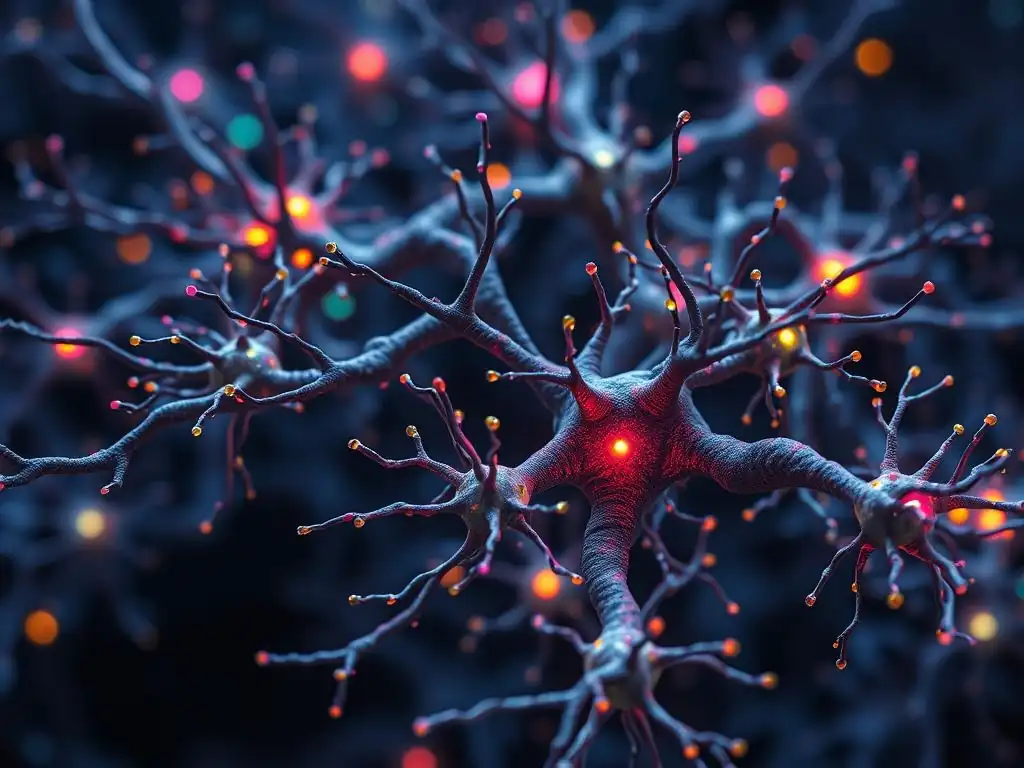
Welcome to Psychology Basics, your gateway to understanding the fascinating world of the human mind. We're dedicated to making complex psychological concepts accessible to everyone. But did you know that the brain's incredible ability to reorganize itself, known as neuroplasticity, holds potential for revolutionary therapies in treating neurodegenerative diseases? Dive into our insightful article on "Neuroplasticity and Neurodegenerative Diseases: Investigating Potential Therapies" to uncover the groundbreaking research and explore the future of neuropsychology. Prepare to be amazed by the brain's capacity for change and healing.
- Understanding Neuroplasticity and its Implications
- Neurodegenerative Diseases and Neuroplasticity
- Potential Therapies Targeting Neuroplasticity
- Challenges and Future Directions in Neuroplasticity Research
- Conclusion: Harnessing Neuroplasticity for Neurodegenerative Disease Treatment
- Frequently Asked Questions
- Final Reflection: Harnessing Neuroplasticity: A Hope for Neurodegenerative Diseases
- Unlock Your Brain's Potential Today!
Understanding Neuroplasticity and its Implications
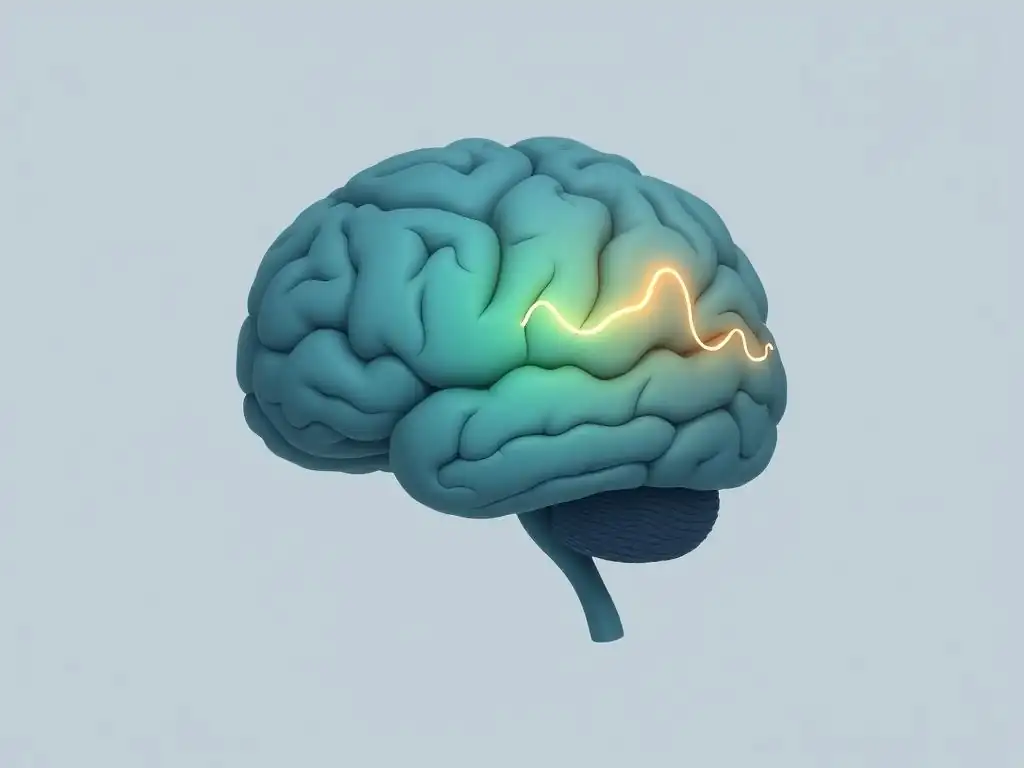
Neuroplasticity, the brain's remarkable ability to reorganize itself by forming new neural connections throughout life, offers a beacon of hope in the face of neurodegenerative diseases. This article delves into the intricate relationship between neuroplasticity and neurodegenerative conditions such as Alzheimer's disease and Parkinson's disease, exploring the potential for harnessing the brain's inherent adaptability to develop effective therapies. We will examine the fundamental mechanisms of neuroplasticity, how these mechanisms change with age, and the exciting avenues of research currently being explored to leverage neuroplasticity for therapeutic interventions.
Understanding this dynamic process is crucial not only for researchers but also for individuals seeking to maintain cognitive health and potentially mitigate the effects of neurodegenerative diseases. The potential for neuroplasticity therapies in neurodegenerative diseases represents a significant frontier in neuroscience, promising innovative approaches to treatment and prevention.
Defining Neuroplasticity: The Brain's Capacity for Change
Neuroplasticity, also known as brain plasticity, is the brain's extraordinary ability to adapt and reorganize itself by forming new neural connections throughout life. 1 This isn't just a childhood phenomenon; the brain continues to change and adapt in response to experiences, learning, and even injury, well into adulthood. This adaptive capacity is driven by various factors, including the strengthening or weakening of existing synapses (synaptic plasticity), the growth of new synapses (synaptogenesis), and even the generation of new neurons (neurogenesis), particularly in specific brain regions like the hippocampus. The brain's plasticity allows it to compensate for damage, learn new skills, and adapt to changing environments. This inherent flexibility is fundamental to our cognitive abilities and overall brain health. Understanding the intricacies of neuroplasticity is key to unlocking its therapeutic potential in combating neurodegenerative diseases.
1 This definition is a simplified overview and more detailed explanations exist within the field.
Neuroplasticity Mechanisms: How the Brain Rewires Itself
Several key mechanisms underpin neuroplasticity. One crucial process is synaptic plasticity, where the strength of connections between neurons (synapses) changes based on their activity. This involves processes like long-term potentiation (LTP), where repeated stimulation strengthens synaptic connections, and long-term depression (LTD), where infrequent stimulation weakens them. 2 These mechanisms allow the brain to refine its neural circuits, strengthening pathways used frequently and weakening those less frequently used. Furthermore, neurogenesis, the birth of new neurons, primarily occurs in the hippocampus and contributes to learning and memory. Finally, axonal sprouting, the growth of new axon branches from surviving neurons, allows them to form new connections with other neurons, compensating for damaged or lost connections. These intricate processes work in concert to enable the brain's remarkable capacity for adaptation and reorganization.
2 Further research is needed to fully elucidate the complexities of these processes.
While neuroplasticity persists throughout life, its efficiency and capacity undergo significant changes with age. As we age, the rate of neurogenesis and synaptogenesis generally decreases, and the brain's ability to form new connections slows down. This age-related decline in neuroplasticity plays a significant role in the vulnerability to neurodegenerative diseases.
Neurodegenerative diseases, such as Alzheimer's and Parkinson's, are characterized by progressive neuronal loss and dysfunction. The reduced capacity for neuroplasticity in aging brains may hinder the brain's ability to compensate for this damage, accelerating disease progression. However, research suggests that even in the context of neurodegenerative diseases, residual neuroplasticity can be harnessed to improve cognitive function and potentially slow disease progression.
Understanding these age-related changes is crucial for developing effective therapies that target and enhance remaining neuroplasticity. This is where the potential for neuroplasticity therapies in neurodegenerative diseases becomes particularly relevant and promising. Further research into age-related changes in neuroplasticity is essential to develop effective interventions.
Neurodegenerative Diseases and Neuroplasticity
Neurodegenerative diseases represent a significant challenge to modern medicine, characterized by the progressive loss of neuronal structure and function. Understanding the intricate relationship between these diseases and neuroplasticity—the brain's remarkable ability to reorganize itself by forming new neural connections throughout life—is crucial for developing effective therapies. While neurodegenerative diseases are often associated with a decline in neuroplasticity, harnessing the remaining plasticity offers a promising avenue for therapeutic interventions.
This section will explore the impact of several key neurodegenerative diseases on neuroplasticity and highlight potential therapeutic strategies targeting this dynamic process. The search for effective neuroplasticity therapies for neurodegenerative diseases is a rapidly evolving field, offering hope for improved patient outcomes.
Alzheimer's Disease and the Loss of Neuroplasticity
Alzheimer's disease (AD), the most common form of dementia, is characterized by the progressive accumulation of amyloid plaques and neurofibrillary tangles in the brain. This pathological process disrupts synaptic transmission and neuronal communication, leading to a significant decline in cognitive function. Crucially, AD is associated with a marked reduction in neuroplasticity.
Studies have shown decreased dendritic spine density and synaptic plasticity in various brain regions affected by AD, including the hippocampus, crucial for memory formation. This diminished capacity for neuronal reorganization contributes to the irreversible cognitive decline observed in AD patients. The extent of neuroplasticity loss correlates with the severity of cognitive impairment, underscoring its importance in disease progression.
Research is actively exploring ways to stimulate residual neuroplasticity through various interventions, aiming to slow disease progression and potentially even reverse some cognitive deficits. For example, cognitive stimulation therapies, such as memory training and cognitive rehabilitation, aim to enhance synaptic plasticity and improve cognitive performance. Furthermore, pharmacological approaches targeting specific pathways involved in synaptic plasticity are under investigation.
Parkinson's Disease: Impact on Brain Connectivity and Plasticity
Parkinson's disease (PD) is a neurodegenerative disorder primarily affecting dopamine-producing neurons in the substantia nigra. While motor impairments are the most prominent symptoms, PD also impacts cognitive function and other non-motor aspects of life. Neuroplasticity plays a complex role in PD. While some forms of plasticity may be preserved, others are significantly impaired.
For instance, studies suggest that compensatory neuroplasticity can occur in certain brain regions, allowing for some adaptation to neuronal loss. However, this compensatory plasticity is often insufficient to completely offset the functional deficits. The disruption of brain connectivity, particularly within the basal ganglia circuits involved in motor control, significantly affects neuroplasticity. This disruption leads to impaired motor learning and difficulties in adapting to new motor tasks.
Therapeutic strategies focusing on enhancing neuroplasticity in PD include deep brain stimulation (DBS), which can modulate neuronal activity and potentially promote adaptive plasticity. Furthermore, rehabilitation therapies, such as physical therapy and occupational therapy, aim to stimulate neuroplasticity through repetitive motor training and functional adaptation. Ongoing research is investigating the use of non-invasive brain stimulation techniques, such as transcranial magnetic stimulation (TMS), to further enhance neuroplasticity and improve motor function in PD patients.
Other Neurodegenerative Diseases: A Broad Overview of Neuroplasticity's Role
Beyond Alzheimer's and Parkinson's diseases, numerous other neurodegenerative disorders affect neuroplasticity. Huntington's disease, for example, involves the degeneration of neurons in the striatum, leading to motor dysfunction and cognitive impairments. Similar to AD and PD, Huntington's disease is associated with a reduction in synaptic plasticity and impaired neuronal connectivity. Amyotrophic lateral sclerosis (ALS), a progressive motor neuron disease, also shows evidence of impaired neuroplasticity, contributing to the progressive loss of motor function.
Frontotemporal dementia (FTD), a group of disorders affecting the frontal and temporal lobes, also impacts neuroplasticity, leading to behavioral changes, cognitive decline, and language difficulties. The specific mechanisms through which neuroplasticity is affected vary across these diseases, reflecting the diverse pathological processes involved. However, the common thread is the disruption of neuronal function and connectivity, leading to a decline in the brain's capacity for self-repair and adaptation.
Research into neuroplasticity therapies for these diseases is ongoing, with various approaches being explored, including pharmacological interventions, non-invasive brain stimulation techniques, and rehabilitation strategies. Further research is needed to fully understand the complex interplay between neuroplasticity and these diverse neurodegenerative disorders to develop more effective therapies. The development of personalized therapies, tailored to the specific neuroplasticity deficits observed in each individual, represents a promising future direction in the field.
Potential Therapies Targeting Neuroplasticity
Neuroplasticity, the brain's remarkable ability to reorganize itself by forming new neural connections throughout life, offers a beacon of hope in the fight against neurodegenerative diseases. While a cure remains elusive, burgeoning research focuses on harnessing neuroplasticity to mitigate disease progression and improve patient outcomes. This section explores potential therapeutic avenues targeting this crucial mechanism, examining both pharmacological and non-pharmacological approaches.
Understanding these strategies is critical for developing effective treatments for conditions like Alzheimer's disease and Parkinson's disease, where neuronal loss and dysfunction are central features. The ultimate goal is to enhance the brain's inherent capacity for repair and adaptation, thereby improving cognitive function and quality of life for those affected by neurodegenerative diseases. The search for effective neuroplasticity therapies for neurodegenerative diseases is a dynamic field, constantly evolving as our understanding of the brain deepens.
Pharmacological Approaches to Enhance Neuroplasticity
Pharmacological interventions aim to directly influence brain plasticity mechanisms. Several drug classes show promise, though research is ongoing to refine their efficacy and minimize side effects. For instance, certain antidepressants, particularly those targeting serotonin and norepinephrine reuptake, have demonstrated a positive impact on neuroplasticity. These medications can promote neurogenesis (the birth of new neurons) and synaptogenesis (the formation of new synapses), processes crucial for brain repair. However, it's important to note that the effects vary depending on the specific drug, dosage, and individual patient characteristics.
Another area of active investigation involves the use of neurotrophic factors, proteins that support the survival and growth of neurons. Brain-derived neurotrophic factor (BDNF) is a key player in neuroplasticity, and research explores strategies to enhance its levels in the brain. This could involve developing drugs that directly stimulate BDNF production or indirectly boost its activity. Preclinical studies have shown encouraging results, but translating these findings into effective human therapies remains a significant challenge. The development of safe and effective BDNF-enhancing drugs represents a major focus in neuroplasticity therapies for neurodegenerative diseases.
Furthermore, research is exploring the potential of other pharmacological agents, such as those targeting glutamate receptors or inflammation pathways. Precise modulation of these pathways could positively influence synaptic plasticity and neuroprotection. However, this is a complex area, and the potential benefits need to be carefully weighed against the risk of adverse effects. The field of pharmacological interventions for neuroplasticity is constantly evolving, with new targets and approaches continually emerging.
Non-Pharmacological Interventions: Lifestyle and Behavioral Therapies
Beyond pharmacological approaches, lifestyle modifications and behavioral therapies play a significant role in stimulating neuroplasticity. These interventions, often less invasive than medication, can profoundly impact brain health and cognitive function. Regular physical exercise, for example, has been consistently shown to promote neurogenesis and enhance cognitive performance.
Studies indicate that aerobic exercise, in particular, triggers the release of BDNF and other neurotrophic factors, fostering neuronal survival and connectivity. This effect is particularly relevant in neurodegenerative diseases, where neuronal loss is a significant contributor to cognitive decline. Moreover, exercise can improve vascular health, ensuring adequate blood flow to the brain, a critical factor for optimal brain function.
Cognitive stimulation, through activities like learning new skills, engaging in mentally challenging tasks, and practicing mindfulness, also significantly contributes to neuroplasticity. Learning a new language, playing a musical instrument, or solving puzzles can all stimulate the formation of new neural connections. This form of cognitive training can enhance cognitive reserve, the brain's capacity to withstand damage and maintain function despite neuronal loss. This enhancement is crucial in mitigating the effects of neurodegenerative diseases. Furthermore, mindfulness practices, such as meditation, have been shown to reduce stress and improve attention, factors that can positively influence brain plasticity.
Dietary interventions also play a crucial role. A diet rich in antioxidants, omega-3 fatty acids, and other brain-healthy nutrients can support neuronal health and enhance neuroplasticity. Conversely, a diet high in saturated fats and processed foods can negatively impact brain function and accelerate neurodegeneration. Maintaining a healthy weight is also essential, as obesity is linked to an increased risk of cognitive decline and neurodegenerative diseases. The synergistic effects of these lifestyle modifications underscore their importance in promoting brain health and combating neurodegenerative diseases.
Neuroplasticity Therapies for Cognitive Enhancement in Neurodegenerative Diseases
Harnessing neuroplasticity for cognitive enhancement in neurodegenerative diseases represents a significant area of research. The goal is not to reverse the disease process but to slow down its progression and improve the quality of life for patients. Several therapeutic strategies are being explored, combining pharmacological and non-pharmacological approaches. For instance, combining medication that enhances BDNF levels with cognitive training programs could lead to synergistic effects, maximizing cognitive benefits.
Furthermore, studies are exploring the use of transcranial magnetic stimulation (TMS) and transcranial direct current stimulation (tDCS), non-invasive brain stimulation techniques, to modulate neuronal activity and enhance neuroplasticity. These techniques offer a targeted approach to stimulating specific brain regions involved in cognitive functions affected by neurodegenerative diseases. The potential of these techniques, however, remains to be fully explored, and further research is needed to optimize their efficacy and safety.
Another promising avenue is the development of personalized therapies, tailored to individual patient needs and disease characteristics. This approach recognizes the heterogeneity of neurodegenerative diseases and the variability in individual responses to treatment. By incorporating genetic information, imaging data, and cognitive assessments, personalized therapies aim to maximize treatment effectiveness and minimize adverse effects. This personalized approach is crucial for optimizing neuroplasticity therapies for neurodegenerative diseases, given the highly individual nature of these conditions. The development of effective and personalized neuroplasticity therapies for neurodegenerative diseases is a complex and challenging endeavor, requiring continued research and interdisciplinary collaboration.
Emerging Therapies: Stem Cell Therapy and Gene Therapy
Stem cell therapy represents a promising avenue for treating neurodegenerative diseases by leveraging the body's inherent regenerative capacity. The fundamental principle lies in introducing new, healthy cells into the affected brain regions to replace or repair damaged neurons. Different types of stem cells are being investigated, including embryonic stem cells and induced pluripotent stem cells (iPSCs).
Embryonic stem cells, derived from embryos, possess the remarkable ability to differentiate into any cell type, making them highly versatile. However, ethical concerns and the risk of immune rejection remain significant hurdles. iPSCs, on the other hand, are generated from adult cells that have been reprogrammed to an embryonic-like state, circumventing many of the ethical issues.
While research is showing encouraging results in animal models, translating these findings into safe and effective human therapies requires further investigation and rigorous clinical trials. One major challenge is controlling the differentiation and migration of transplanted stem cells to ensure they integrate properly into the existing brain tissue and effectively replace lost function. The long-term safety and efficacy of stem cell therapies also need to be carefully evaluated.
Gene therapy offers another exciting approach to counteract the progression of neurodegenerative diseases by modifying the genetic makeup of affected cells. This involves delivering therapeutic genes into neurons to either replace faulty genes responsible for the disease or introduce genes that promote neuronal survival and regeneration. Viral vectors, such as adeno-associated viruses (AAVs), are frequently used as delivery vehicles due to their ability to efficiently transfer genes into specific cell types. However, challenges remain in achieving targeted gene delivery to minimize off-target effects and ensuring sustained gene expression.
The immune response to viral vectors and the potential for insertional mutagenesis (the unintended insertion of the therapeutic gene into the genome) are also critical safety concerns. Researchers are actively exploring various gene editing technologies, such as CRISPR-Cas9, to precisely correct genetic defects underlying neurodegenerative diseases. While these technologies hold immense potential, careful consideration of ethical implications and potential risks is crucial before widespread clinical application.
For example, the potential for unintended off-target effects of gene editing necessitates stringent safety protocols and rigorous testing. Furthermore, the long-term effects of gene therapy on the brain and the body as a whole need further study. The development of effective and safe gene therapies for neurodegenerative diseases is a complex undertaking, requiring significant advancements in gene delivery, gene editing, and safety monitoring.
Challenges and Future Directions in Neuroplasticity Research
The field of neuroplasticity, while offering immense hope for treating neurodegenerative diseases, faces significant hurdles. Understanding and overcoming these challenges is crucial for translating promising research into effective clinical therapies. The inherent complexity of the brain, coupled with the diverse nature of neurodegenerative conditions, presents a formidable obstacle. Successfully harnessing neuroplasticity to treat diseases like Alzheimer's, Parkinson's, and Huntington's requires a multi-pronged approach addressing both fundamental scientific gaps and practical limitations. The pursuit of effective neuroplasticity therapies for neurodegenerative diseases necessitates a comprehensive understanding of these challenges and a commitment to innovative research strategies.
Limitations of Current Neuroplasticity Therapies
Current neuroplasticity therapies, while showing some promise, are not without limitations. Many interventions, such as cognitive training and physical therapy, are often time-consuming and require significant patient commitment. Furthermore, the effectiveness of these therapies can vary significantly between individuals, depending on factors like age, disease severity, and genetic predisposition. For example, while studies have shown that cognitive stimulation can improve cognitive function in some individuals with mild cognitive impairment, the effect size is often modest and not all patients respond equally.
Another limitation lies in the difficulty of objectively measuring the extent of neuroplastic changes induced by these therapies. Current neuroimaging techniques, while improving, still struggle to precisely quantify the structural and functional alterations in the brain that underlie therapeutic benefits. This lack of precise measurement makes it challenging to optimize treatment protocols and compare the efficacy of different interventions.
The development of more sensitive and specific biomarkers to track neuroplastic changes is therefore crucial. Finally, the long-term efficacy and sustainability of many neuroplasticity therapies remain uncertain. More longitudinal studies are needed to assess the long-term effects and to determine whether treatment gains are maintained over time or require continuous intervention.
Ethical Considerations in Neuroplasticity Interventions
The development and application of neuroplasticity therapies raise several important ethical considerations. One key concern is the potential for coercion or undue influence on vulnerable populations, such as older adults with cognitive impairment. Ensuring informed consent and patient autonomy is paramount. Furthermore, the potential for unequal access to these therapies based on socioeconomic status or geographic location needs careful consideration.
Equity in access to potentially life-changing treatments is a crucial ethical imperative. Another ethical challenge involves the potential for unintended consequences. While aiming to enhance specific cognitive functions, interventions could inadvertently impact other cognitive domains or emotional states. Rigorous preclinical and clinical testing is essential to minimize the risk of unforeseen adverse effects.
Moreover, the use of advanced technologies, such as brain stimulation techniques, raises ethical questions about safety, efficacy, and potential misuse. The development of clear ethical guidelines and regulatory frameworks is crucial to ensure responsible and ethical development and application of neuroplasticity therapies. Transparency in research methodology and data reporting is also essential to maintain public trust and ensure the responsible advancement of this field.
Future Research Directions: Personalized Therapies and Predictive Models
Future research in neuroplasticity therapies for neurodegenerative diseases should focus on developing personalized interventions and predictive models. Personalized medicine, tailored to an individual's unique genetic profile, disease stage, and lifestyle factors, holds the key to maximizing the efficacy of neuroplasticity therapies. This requires a deeper understanding of the complex interplay between genetic predisposition, environmental factors, and disease progression.
Furthermore, the development of predictive models to identify individuals who are most likely to benefit from specific interventions is crucial for optimizing resource allocation and improving treatment outcomes. This could involve integrating data from various sources, such as genetic testing, neuroimaging, and cognitive assessments, to create personalized risk profiles and predict treatment response. Advances in artificial intelligence and machine learning could play a significant role in developing sophisticated predictive models.
Ultimately, the goal is to move beyond one-size-fits-all approaches and develop targeted, effective therapies that address the unique needs of each individual. This will require interdisciplinary collaborations between neuroscientists, clinicians, data scientists, and ethicists to address the scientific, ethical, and practical challenges involved. The development of such personalized and predictive approaches represents a significant step toward realizing the full therapeutic potential of neuroplasticity for neurodegenerative diseases.
Conclusion: Harnessing Neuroplasticity for Neurodegenerative Disease Treatment
This section summarizes the potential of neuroplasticity therapies in combating neurodegenerative diseases, highlighting key findings and outlining avenues for future research. Understanding the brain's remarkable ability to reorganize itself offers a beacon of hope in the face of debilitating conditions like Alzheimer's and Parkinson's disease. While challenges remain, the progress made in understanding and harnessing neuroplasticity presents exciting possibilities for therapeutic intervention. The journey towards effective treatments is ongoing, but the potential rewards are immense – improved quality of life for millions affected by these devastating illnesses.
Summary of Key Findings and Potential for Future Advancements
Research consistently demonstrates the brain's capacity for change throughout life. This inherent plasticity, while naturally occurring, can be strategically enhanced through various interventions. Studies have shown promising results with non-invasive brain stimulation techniques, such as transcranial magnetic stimulation (TMS) and transcranial direct current stimulation (tDCS), in improving cognitive function in patients with neurodegenerative diseases. 1 Furthermore, targeted therapies focused on promoting neurogenesis (the birth of new neurons) and synaptogenesis (the formation of new synapses) are showing encouraging preclinical results. 2 These advancements, while still in their early stages, suggest a future where neuroplasticity-based therapies become integral components of neurodegenerative disease management. Specific areas of future advancement include:
- Personalized medicine: Tailoring therapies based on individual genetic profiles and disease progression.
- Combination therapies: Exploring the synergistic effects of combining neuroplasticity interventions with existing pharmacological treatments.
- Advanced imaging techniques: Utilizing sophisticated brain imaging to monitor treatment efficacy and guide personalized interventions.
- Development of novel neuroprotective agents: Identifying and developing drugs that specifically target mechanisms underlying neuronal damage and promote neuronal survival and plasticity.
The potential for future advancements in understanding and harnessing neuroplasticity for neurodegenerative diseases is vast. Continued investment in research and development is crucial to translating these promising findings into effective and accessible therapies.
The Importance of Continued Research in Neuroplasticity and Neurodegenerative Diseases
Despite the significant progress in understanding neuroplasticity and its potential therapeutic applications, much remains unknown. Further research is critical to address several key limitations and fully unlock the potential of neuroplasticity-based therapies for neurodegenerative diseases. Specifically, we need:
- Larger-scale clinical trials: To confirm the efficacy and safety of current interventions in diverse patient populations.
- Longitudinal studies: To assess the long-term effects of these therapies and identify potential side effects.
- Mechanistic studies: To elucidate the precise mechanisms through which neuroplasticity interventions exert their therapeutic effects. This will allow for the development of more targeted and effective treatments.
- Development of reliable biomarkers: To accurately monitor disease progression and treatment response. This will improve clinical trial design and personalize treatment strategies.
- Improved understanding of individual variability: To identify factors that predict response to treatment and tailor therapies accordingly.
The journey towards effective neuroplasticity therapies for neurodegenerative diseases is a marathon, not a sprint. Sustained commitment to research, technological innovation, and collaborative efforts are essential to ultimately improving the lives of those affected by these devastating conditions. The potential benefits are substantial, justifying continued investment in this promising area of neuroscience research. The future of neurodegenerative disease treatment may well lie in harnessing the brain's inherent capacity for self-repair and reorganization.
1 [Specific data pending on successful clinical trials of TMS/tDCS in neurodegenerative diseases] 2 [Specific data pending on preclinical studies on neurogenesis/synaptogenesis promotion]
Frequently Asked Questions
What is neuroplasticity?
Neuroplasticity refers to the brain's ability to reorganize itself by forming new neural connections throughout life. This allows the brain to adapt to new experiences and recover from injuries. It's a fundamental process underlying learning and memory.
How does neuroplasticity relate to neurodegenerative diseases?
Neurodegenerative diseases, like Alzheimer's and Parkinson's, are characterized by the progressive loss of neurons. Neuroplasticity therapies aim to counteract this degeneration by stimulating the formation of new neural pathways.
What are some examples of neuroplasticity therapies?
Several therapies leverage neuroplasticity, including cognitive rehabilitation, physical therapy, and transcranial magnetic stimulation (TMS). These methods aim to reactivate or strengthen existing neural circuits and potentially create new ones.
Can neuroplasticity therapies cure neurodegenerative diseases?
While neuroplasticity therapies cannot currently cure neurodegenerative diseases, they can offer significant improvements in symptoms and quality of life. Further research is needed to determine their full potential.
What is the future of neuroplasticity research in neurodegenerative diseases?
The future holds promising advancements in understanding the mechanisms of neuroplasticity and developing more effective therapies. Research focuses on identifying new therapeutic targets and refining existing techniques to maximize their impact.
Final Reflection: Harnessing Neuroplasticity: A Hope for Neurodegenerative Diseases
The fight against neurodegenerative diseases is far from over, but the burgeoning field of neuroplasticity offers a beacon of hope, potentially revolutionizing treatment strategies. Understanding the brain's remarkable ability to reorganize itself presents a powerful new avenue for therapeutic intervention, moving beyond simply managing symptoms to actively combating the underlying disease processes. This potential is not merely theoretical; ongoing research is already yielding promising results.
The implications of neuroplasticity research extend far beyond the scientific community; it profoundly impacts our understanding of the human condition and our capacity for resilience. The brain's inherent adaptability challenges the once-held belief that neurodegenerative decline is an inevitable, irreversible process. This shift in perspective offers a powerful message of hope to patients and their families. The brain is not a machine to be fixed, but a garden to be cultivated.
This quote encapsulates the essence of neuroplasticity – a dynamic process that can be nurtured and strengthened, even in the face of significant neurological challenges.
Consider the possibilities. What if, through targeted therapies leveraging neuroplasticity, we could significantly slow or even halt the progression of Alzheimer's or Parkinson's disease? What if we could improve the quality of life for millions suffering from these debilitating conditions?
This is not a utopian dream; it is a tangible goal within reach. Take a moment to reflect on the power of the human brain, its incredible capacity for change, and the potential for neuroplasticity to reshape the future of neurodegenerative disease treatment. Let this knowledge inspire you to support research, advocate for increased funding, and remain hopeful for a brighter future for those affected by these devastating illnesses.
Unlock Your Brain's Potential Today!
Thank you for exploring the fascinating world of neuroplasticity and its impact on brain health. Your interest in this vital topic empowers you to discover new ways to enhance your cognitive well-being. Now, let's put that knowledge into action!
Here are a few steps you can take:
- Start a daily brain-training routine: Engage in activities like puzzles, memory games, or mindfulness exercises to stimulate your brain's natural ability to adapt and change.
- Connect with others: Join or form a local support group focused on brain health and share your insights with others. This collaborative approach can deepen your understanding and provide valuable support.
- Expand your knowledge: Explore online courses or webinars that delve into neuroscience and practical strategies for improving cognitive health.
What's one small step you can take today to improve your brain health?