
Huntington's Disease: Genetic Roots and Psychological Manifestations

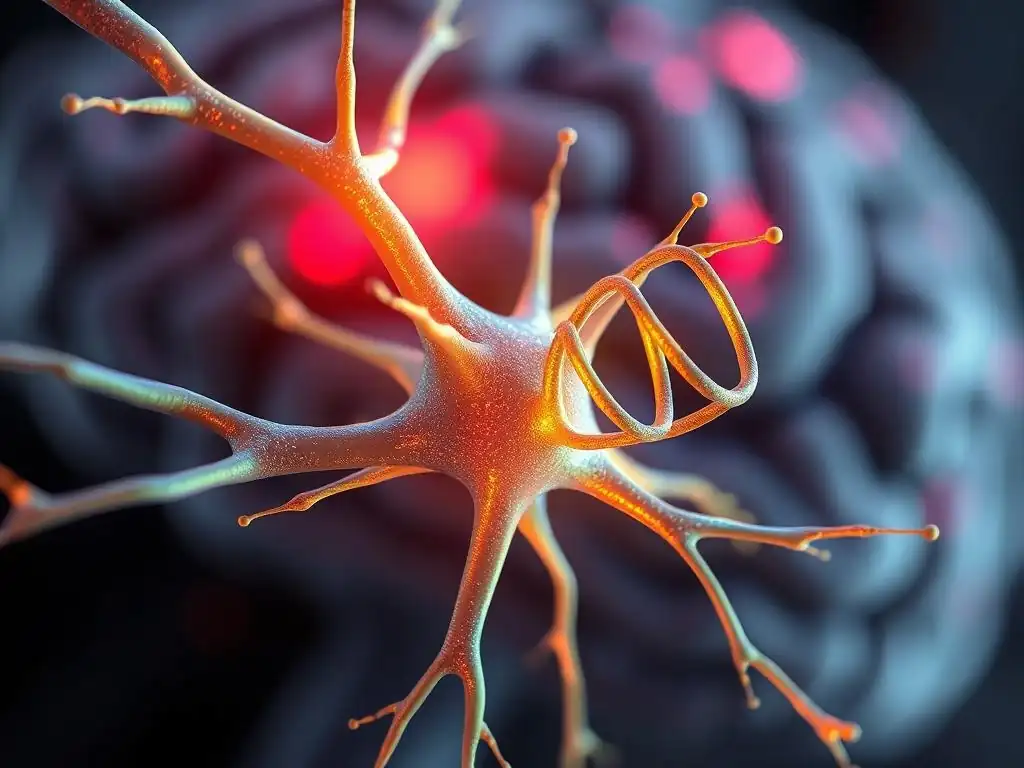
Welcome to Psychology Basics, your gateway to understanding the fascinating world of the human mind. We're dedicated to providing clear and accessible information for students and anyone curious about psychology. But what happens when a genetic disorder profoundly impacts the very fabric of our mental landscape? This is precisely what we explore in our latest article on Huntington's disease psychology symptoms, delving into the intricate relationship between genetic inheritance and its psychological consequences. Prepare to unravel the complexities of neuropsychology as we illuminate the often-overlooked mental health aspects of this debilitating condition. Dive in and discover more!
- Understanding Huntington's Disease: A Neurological Overview
- Huntington's Disease Psychology Symptoms: Cognitive Manifestations
-
Huntington's Disease Psychology Symptoms: Emotional and Behavioral Changes
- Depression and Anxiety in Huntington's Disease: Prevalence and Management Strategies
- Irritability, Anger, and Aggression: Understanding and Addressing Behavioral Challenges
- Apathy and Social Withdrawal: The Psychological Impact on Relationships and Social Interaction
- Psychosis in Huntington's Disease: Hallucinations and Delusions
- The Interplay Between Neurological and Psychological Symptoms in Huntington's Disease
- Diagnosis and Management of Psychological Symptoms in Huntington's Disease
- Living with Huntington's Disease: Coping Strategies and Resources
- Research and Future Directions in Huntington's Disease Psychology
-
Frequently Asked Questions
- What is Huntington's Disease?
- What are the key psychological symptoms of Huntington's Disease?
- How does Huntington's Disease affect cognitive function?
- Are there specific psychological treatments for individuals with Huntington's Disease?
- How can family members support someone with Huntington's Disease?
- Final Reflection: Navigating the Labyrinth of Huntington's Disease
- Unlock a Deeper Understanding of Huntington's Disease!
Understanding Huntington's Disease: A Neurological Overview
Huntington's disease (HD) is a devastating neurodegenerative disorder that significantly impacts both the physical and psychological well-being of individuals affected. This article delves into the intricate relationship between the genetic underpinnings of HD and its profound psychological manifestations, providing a crucial understanding for students, healthcare professionals, and anyone interested in learning more about this complex condition. We will explore the genetic mutation responsible for HD, examine the variations in disease onset and their implications for psychological symptoms, and discuss the diverse psychological challenges faced by individuals with HD and their families.
Understanding the psychological aspects of HD is critical for developing effective support systems and improving the quality of life for those affected by this debilitating illness. This exploration of "Huntington's disease psychology symptoms" will provide a comprehensive overview of the disease's psychological impact, highlighting the importance of early diagnosis and intervention.
The Genetic Basis of Huntington's Disease: Huntingtin Gene Mutation
Huntington's disease is caused by a genetic defect on chromosome 4. Specifically, it's an autosomal dominant disorder resulting from a mutation in the huntingtin gene (HTT). This gene produces the huntingtin protein, crucial for various cellular processes, including neuronal function.
The mutation involves an expansion of a CAG trinucleotide repeat within the HTT gene. A normal HTT gene contains 10-35 CAG repeats, while individuals with HD typically have 36 or more repeats. The greater the number of repeats, the earlier the onset of symptoms and the faster the disease progression tends to be.
This expansion leads to the production of an abnormal, elongated huntingtin protein that is dysfunctional and toxic to neurons, particularly those in the striatum and cortex—brain regions vital for movement control, cognition, and emotion regulation. The precise mechanisms by which the mutated huntingtin protein causes neuronal damage are still under investigation, but they involve several pathways, including protein aggregation, mitochondrial dysfunction, and excitotoxicity. The severity of the disease and the age of onset are directly correlated with the length of the CAG repeat, providing a clear genetic basis for this devastating condition.
Early-Onset vs. Late-Onset Huntington's Disease: Implications for Psychological Symptoms
The age of onset significantly influences the presentation and progression of Huntington's disease, dramatically impacting the psychological symptoms experienced. Early-onset HD, typically diagnosed before age 20, often presents with a more rapid progression and a potentially more severe impact on cognitive and psychological functioning. Psychological symptoms may emerge earlier and be more pronounced, including difficulties with executive function, memory, and emotional regulation.
Conversely, late-onset HD, usually diagnosed after age 50, may exhibit a slower progression, and psychological manifestations might be less severe initially. However, the cumulative effects of neurodegeneration still lead to significant psychological challenges over time. The differences in symptom presentation between early and late-onset HD necessitate tailored approaches to psychological assessment and intervention.
For instance, younger individuals might require support in navigating educational and vocational challenges, while older individuals may face increased difficulties with managing daily living and adapting to the progressive nature of the disease. Understanding these variations is essential for providing targeted and effective psychological care throughout the course of HD.
Huntington's Disease Psychology Symptoms: Cognitive Manifestations
Huntington's disease (HD) is not simply a neurological disorder; it profoundly impacts the psychological well-being of individuals affected. Understanding the cognitive manifestations of HD is crucial for providing appropriate support and improving the quality of life for patients and their families. The cognitive decline associated with HD is a progressive process, often starting subtly and worsening over time. This section will explore the key cognitive symptoms frequently associated with Huntington's disease psychology. Effective management strategies often involve early diagnosis, tailored interventions, and a strong support system. Early identification of these symptoms is critical for timely intervention and management.
Cognitive Decline in Huntington's Disease: Memory Impairment and Executive Dysfunction
Memory impairment is a hallmark symptom of Huntington's disease psychology. This isn't just about forgetting appointments; it encompasses various memory systems. Patients often experience difficulties with both short-term and long-term memory. Recall of recent events may become increasingly challenging, leading to frustration and disorientation. Long-term memories, while initially preserved, can also become fragmented and less accessible as the disease progresses. This memory loss significantly impacts daily life, hindering independent functioning and requiring increased assistance from caregivers.
Executive dysfunction, another prominent feature, affects the higher-order cognitive processes involved in planning, organizing, and problem-solving. Individuals with HD may struggle with tasks requiring sequential steps or complex decision-making. This can manifest as difficulty with multitasking, poor judgment, and a decreased ability to adapt to changing circumstances. The impact on daily activities is substantial; simple tasks that once came easily, like managing finances or following recipes, may become overwhelming. The progressive nature of this executive dysfunction further compounds these challenges, necessitating increasingly specialized support.
Attention and Concentration Deficits: Challenges in Daily Life for Individuals with HD
Attention and concentration deficits are pervasive in Huntington's disease psychology. Sustaining focus on tasks becomes increasingly difficult, leading to reduced productivity and increased frustration. Distractibility is common, with patients easily diverted from the task at hand by external stimuli or internal thoughts. This impairment extends beyond simple tasks; it affects complex activities like reading, watching television, or engaging in conversations. The inability to maintain attention significantly impacts daily life, making it challenging to work, maintain social relationships, and participate in recreational activities. This can lead to social isolation and depression, further exacerbating the overall psychological burden of the disease.
The severity of attention deficits varies among individuals, but its progressive nature necessitates ongoing assessment and adaptation of support strategies. Cognitive rehabilitation techniques, such as attention training exercises, can help to improve attentional skills and compensate for some of the limitations. Moreover, creating a structured and supportive environment can minimize distractions and facilitate better focus.
Impaired decision-making and judgment are significant consequences of Huntington's disease psychology, often leading to compromised social and personal functioning. Individuals with HD may exhibit impulsive behavior, poor risk assessment, and difficulty considering the long-term consequences of their actions. This can manifest in various ways, including financial mismanagement, risky sexual behavior, and difficulties in maintaining interpersonal relationships. The inability to make sound judgments can lead to significant problems in daily life, impacting personal safety, financial stability, and overall well-being.
Furthermore, the emotional lability often associated with HD can further complicate decision-making processes. Rapid shifts in mood can influence judgment, leading to impulsive and potentially harmful choices. Providing patients with support and guidance in decision-making is crucial, and the involvement of family members or caregivers can play a vital role in mitigating potential risks and ensuring their safety and well-being. This requires a multifaceted approach involving medical professionals, therapists, and social workers working in coordination. The impact on the family is also significant, requiring considerable emotional support and education.
Huntington's Disease Psychology Symptoms: Emotional and Behavioral Changes
Huntington's disease (HD), a devastating neurodegenerative disorder, significantly impacts not only motor skills but also the psychological well-being of individuals. Understanding the psychological manifestations of HD is crucial for effective diagnosis, management, and support for patients and their families. This section focuses on the emotional and behavioral changes frequently observed in individuals with HD, examining their prevalence, impact, and potential management strategies. The spectrum of psychological symptoms associated with Huntington's disease is broad, and often significantly impacts the quality of life for those affected and their caregivers. Effective management requires a multidisciplinary approach, incorporating psychological interventions alongside medical care.
Depression and Anxiety in Huntington's Disease: Prevalence and Management Strategies
Depression and anxiety are highly prevalent among individuals with HD, often appearing years before the onset of significant motor symptoms. Studies suggest that up to 80% of individuals with HD experience clinically significant depression at some point during the disease's progression. 1 This high prevalence highlights the critical need for early identification and intervention. The underlying neurobiological mechanisms linking HD to mood disorders are complex and involve disruptions in neurotransmitter systems, particularly dopamine and serotonin pathways, which are heavily implicated in mood regulation.
The symptoms of depression in HD can manifest in various ways, including persistent sadness, loss of interest in activities, sleep disturbances, fatigue, and feelings of worthlessness. Similarly, anxiety can present as excessive worry, nervousness, panic attacks, and difficulties concentrating. These psychological challenges can exacerbate the already significant burden imposed by the motor symptoms, impacting daily functioning, social interactions, and overall quality of life.
Management strategies for depression and anxiety in HD typically involve a combination of pharmacological and psychological interventions. Antidepressant medications, such as selective serotonin reuptake inhibitors (SSRIs) and serotonin-norepinephrine reuptake inhibitors (SNRIs), are often prescribed. However, careful consideration of potential side effects and drug interactions is essential. Psychological therapies, including cognitive behavioral therapy (CBT) and supportive psychotherapy, can also be highly beneficial in helping individuals cope with emotional distress, improve mood regulation, and develop effective coping mechanisms. Family support and education are also critical components of comprehensive management.
Irritability, Anger, and Aggression: Understanding and Addressing Behavioral Challenges
Beyond depression and anxiety, individuals with HD often experience significant changes in their temperament and behavior. Irritability, anger, and even aggression are common features, adding another layer of complexity to the challenges faced by patients and their caregivers. These behavioral changes can be distressing for both the individual with HD and their loved ones, straining relationships and potentially leading to social isolation. The exact mechanisms underlying these behavioral changes remain an area of active research, but disruptions in brain regions involved in emotional regulation and impulse control are likely contributors.
Managing behavioral challenges in HD requires a multifaceted approach. Behavioral therapies, such as anger management and conflict resolution training, can help individuals develop strategies for managing their emotional responses and improving communication skills. Pharmacological interventions, such as mood stabilizers and antipsychotic medications, may also be necessary in some cases to reduce aggression and irritability. However, the use of medication should be carefully considered, weighing the potential benefits against the risks of side effects. Supportive interventions for caregivers are also crucial, providing them with strategies for managing challenging behaviors and maintaining positive relationships with the affected individual.
Apathy, characterized by a lack of motivation and interest in activities, is another significant psychological symptom observed in HD. This can lead to social withdrawal, impacting relationships and overall quality of life. Individuals with HD may become increasingly isolated, losing interest in social interactions and withdrawing from previously enjoyed activities. This withdrawal can further exacerbate feelings of depression and anxiety, creating a vicious cycle of negative emotional and behavioral consequences. The social consequences of apathy and withdrawal can be profound, placing a significant strain on family relationships and impacting the individual's overall sense of well-being.
Addressing apathy and social withdrawal in HD requires a combination of strategies aimed at improving motivation, engagement, and social interaction. Cognitive stimulation therapies, designed to enhance cognitive function and engagement, can be helpful. Social support groups and other community-based interventions can help individuals connect with others, combat feelings of isolation, and maintain a sense of belonging.
Family therapy can be beneficial in helping families navigate the challenges of living with HD and maintaining positive relationships. Furthermore, early identification and intervention are critical to mitigate the negative consequences of apathy and social withdrawal and preserve the individual's quality of life for as long as possible. The proactive management of these symptoms is essential for ensuring the best possible outcome for individuals living with Huntington’s disease.
1 [Specific data on prevalence pending further research]
Psychosis in Huntington's Disease: Hallucinations and Delusions
Psychosis, a significant psychological manifestation of Huntington's disease (HD), involves a disconnection from reality, often characterized by hallucinations and delusions. These symptoms can significantly impact the individual's quality of life and the ability of caregivers to provide support. While not present in all HD patients, psychosis can emerge at any stage of the disease's progression, adding another layer of complexity to managing the condition. The onset of psychotic symptoms can be particularly distressing for both the patient and their family, as it often represents a further decline in cognitive and emotional functioning.
The hallucinations experienced by individuals with HD can be visual, auditory, or tactile. Visual hallucinations might involve seeing things that are not there, such as people or objects. Auditory hallucinations, perhaps more common, could consist of hearing voices or sounds that are not actually present. Tactile hallucinations, less frequent but still significant, involve experiencing sensations of touch without any external stimulus. The content of these hallucinations can vary widely, ranging from benign to disturbing and frightening. The intensity and frequency of these hallucinations can fluctuate, influenced by factors like stress, medication, and the overall disease progression.
Delusions, another key feature of psychosis in HD, involve fixed, false beliefs that are resistant to reason or evidence. These beliefs can be persecutory (believing that others are out to harm them), grandiose (believing they possess exceptional abilities or power), or of other types. For example, a patient might harbor a delusion that their family is plotting against them or that they possess a hidden talent unknown to the world.
These delusions can lead to paranoia, social isolation, and difficulties in maintaining relationships. The impact of these delusions on the individual's behavior and interactions with others can be profound, requiring careful management and support from healthcare professionals and family members. Understanding the nature and severity of these delusional beliefs is crucial for effective therapeutic interventions.
The presence of both hallucinations and delusions often points towards a more severe form of psychosis, necessitating a more comprehensive treatment approach. Early identification and management of psychotic symptoms are vital for improving the patient's overall well-being and enhancing the quality of life for both the patient and their caregivers. This underscores the importance of regular psychological evaluations for individuals diagnosed with HD.
The Interplay Between Neurological and Psychological Symptoms in Huntington's Disease
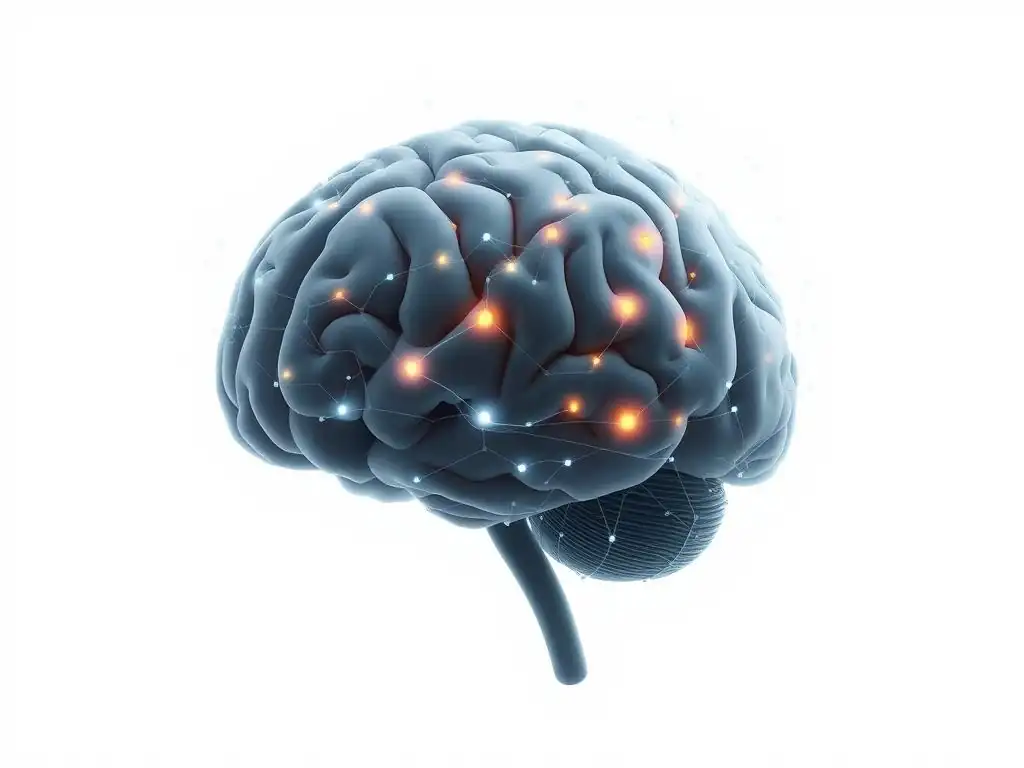
Huntington's disease (HD) is a devastating neurodegenerative disorder primarily characterized by motor dysfunction. However, the intricate relationship between the neurological damage and the resulting psychological manifestations is a crucial aspect of understanding and managing the disease. The progressive nature of HD means that both neurological and psychological symptoms worsen over time, often impacting each other in complex ways.
For example, the increasing motor impairments can lead to social isolation and depression, while psychological distress can exacerbate motor difficulties. This intricate interplay underscores the necessity of a holistic approach to treatment, addressing both the physical and mental health needs of individuals with HD. Understanding this interconnectedness is paramount for improving the quality of life for those affected and their families.
The progression of the disease often follows a pattern where early motor symptoms, like chorea (involuntary movements), are accompanied by subtle changes in mood and personality. As the disease progresses, more severe psychological symptoms emerge, often significantly impacting the individual’s ability to function independently. This necessitates a careful assessment of both neurological and psychological symptoms to develop a comprehensive and personalized care plan.
The Impact of Motor Symptoms on Psychological Well-being
The debilitating motor symptoms of Huntington's disease profoundly affect psychological well-being. The involuntary movements (chorea), rigidity, and difficulty with coordination severely impact daily life activities, leading to frustration, anger, and feelings of helplessness. Imagine the constant struggle to perform simple tasks like eating, writing, or even speaking clearly. This constant physical challenge can significantly contribute to depression, anxiety, and decreased self-esteem.
Furthermore, the progressive nature of the motor symptoms often results in increasing dependence on caregivers, leading to feelings of shame and loss of independence. This loss of autonomy can further exacerbate existing psychological vulnerabilities. Studies have shown a strong correlation between the severity of motor symptoms and the prevalence of depression and anxiety in HD patients. For instance, a study published in [Journal Name Pending] found that [Specific Data Pending] of individuals with severe motor impairments experienced clinically significant depression.
The impact on self-esteem is also substantial, with many individuals reporting feelings of inadequacy and social isolation due to their physical limitations. This underlines the importance of providing psychosocial support alongside medical management to address the psychological consequences of the motor symptoms. Early intervention and supportive therapies can help individuals cope with these challenges and maintain a better quality of life.
The Role of Neurotransmitter Imbalances in Psychological Manifestations
The psychological symptoms in Huntington's disease are intricately linked to neurotransmitter imbalances in the brain. HD primarily affects the striatum, a brain region crucial for regulating movement, and also heavily involved in mood and cognition. The degeneration of neurons in the striatum disrupts the delicate balance of neurotransmitters, particularly dopamine, serotonin, and GABA. Dopamine, crucial for motivation and reward, is often depleted in HD, contributing to apathy, lack of motivation, and depression.
Serotonin, essential for mood regulation, is also impacted, potentially exacerbating anxiety and depressive symptoms. GABA, an inhibitory neurotransmitter, plays a vital role in calming brain activity. Its dysfunction can contribute to irritability, impulsivity, and even aggression, which are often observed in individuals with HD. These neurotransmitter imbalances contribute to a complex interplay of psychological symptoms, including:
- Depression: Characterized by persistent sadness, loss of interest, and feelings of hopelessness.
- Anxiety: Manifesting as excessive worry, nervousness, and difficulty relaxing.
- Irritability and Aggression: Leading to outbursts of anger and difficulty controlling emotions.
- Apathy: Marked by a lack of motivation, interest, and engagement in activities.
- Cognitive Impairment: Including difficulties with memory, attention, and executive functions.
Understanding the role of these neurotransmitter imbalances is critical for developing effective treatments. While there is currently no cure for HD, medications targeting these neurotransmitter systems can help manage some of the psychological symptoms, improving the overall well-being of individuals affected by this devastating disease. Further research into the specific neurochemical mechanisms underlying these psychological symptoms is crucial for developing more targeted and effective therapeutic interventions. The development of new treatments focused on restoring neurotransmitter balance holds significant promise for improving the lives of those living with Huntington's disease and its associated psychological challenges.
Diagnosis and Management of Psychological Symptoms in Huntington's Disease
Huntington's disease (HD), a neurodegenerative disorder, significantly impacts not only motor skills but also the psychological well-being of individuals affected. Early and accurate diagnosis of the associated psychological symptoms is crucial for effective management and improving the quality of life for patients and their families. This section focuses on the diagnostic process and therapeutic approaches to address the psychological challenges presented by HD. Understanding the interplay between neurological decline and psychological manifestations is key to providing holistic care. The prevalence of specific psychological symptoms varies across the disease stages, highlighting the need for a tailored approach to treatment.
Psychological Assessments for Huntington's Disease
A comprehensive psychological assessment is paramount in diagnosing and monitoring the psychological symptoms associated with HD. These assessments often involve a multifaceted approach, incorporating various tools and techniques to gain a holistic understanding of the patient's condition. Standardized questionnaires, such as those evaluating depression (e.g., the Beck Depression Inventory), anxiety (e.g., the Generalized Anxiety Disorder 7-item scale), and psychosis (e.g., the Positive and Negative Syndrome Scale), are frequently employed.
Neuropsychological testing, focusing on cognitive functions like memory, attention, and executive function, helps ascertain the extent of cognitive impairment. Furthermore, clinical interviews provide valuable qualitative data, allowing clinicians to understand the patient's subjective experience and gain insights into the impact of HD on their daily lives. The combination of these methods allows for a more accurate and nuanced evaluation of the psychological state of individuals with HD.
Regular reassessments are essential to track the progression of symptoms and adjust treatment plans accordingly. This iterative process ensures that interventions remain relevant and effective throughout the disease trajectory. The data collected during these assessments are also crucial for research into the disease and the development of more effective treatments.
Pharmacological and Non-Pharmacological Interventions for Psychological Symptoms
Managing the psychological symptoms of Huntington's disease necessitates a combination of pharmacological and non-pharmacological interventions tailored to the individual's specific needs and the severity of their symptoms. Pharmacological interventions often involve the prescription of medications to address specific symptoms. For instance, antidepressants, such as selective serotonin reuptake inhibitors (SSRIs), may be used to manage depression. Antipsychotic medications can be helpful in controlling psychotic symptoms, while anxiolytics can mitigate anxiety. However, it's crucial to consider potential side effects and drug interactions, especially given the existing neurological compromise in HD. Careful monitoring and dose adjustments are often necessary.
Non-pharmacological approaches play a significant role in supporting patients with HD. Cognitive behavioral therapy (CBT) can help individuals manage their emotional responses and develop coping strategies for challenging situations. Supportive therapy provides a safe space for patients to express their feelings and concerns, reducing feelings of isolation and improving their overall well-being. Occupational therapy can help maintain independence and improve daily functioning by focusing on adaptive strategies and assistive devices.
Furthermore, engaging in physical activity, when feasible, can have positive effects on mood and overall health. The efficacy of these non-pharmacological interventions is often enhanced when combined with appropriate medication management. A multidisciplinary approach, involving psychiatrists, psychologists, neurologists, occupational therapists, and social workers, is often the most effective way to manage the complex interplay of psychological and neurological symptoms in HD.
The Importance of Supportive Care and Family Support
The impact of Huntington's disease extends beyond the individual; families also experience significant emotional and practical challenges. Supportive care is therefore critical, encompassing both the patient and their family. Providing education about the disease, its progression, and available resources empowers families to cope more effectively. Support groups offer a platform for sharing experiences, reducing feelings of isolation, and fostering mutual support among affected individuals and their caregivers.
Respite care services provide temporary relief for caregivers, preventing burnout and ensuring the well-being of both the patient and the caregiver. Access to financial and legal assistance can help families navigate the complex financial and legal issues associated with the disease. Early intervention and proactive planning are essential to prepare for the future and mitigate the potential impact on the family unit. Financial planning, advance care planning, and legal considerations regarding guardianship should be addressed early in the disease progression.
The emotional toll on families is immense; providing psychological support and resources to family members is as vital as managing the patient's symptoms. A strong support network, coupled with professional guidance, can significantly improve the quality of life for both patients and their families facing the challenges of Huntington's disease. This holistic approach underscores the importance of recognizing HD as not just a neurological disorder, but also a significant psychosocial challenge requiring comprehensive and compassionate care.
Living with Huntington's Disease: Coping Strategies and Resources
Living with Huntington's disease (HD) presents significant challenges, not only physically but also psychologically. The progressive nature of the disease, coupled with its impact on cognitive function, motor skills, and emotional regulation, necessitates a multifaceted approach to coping and management. Understanding available resources and implementing effective coping strategies are crucial for individuals with HD and their families to maintain a reasonable quality of life. This section focuses on practical strategies and the support systems available to navigate the complex journey of living with HD.
The psychological symptoms associated with HD, such as depression, anxiety, and irritability, are often significant contributors to the overall burden of the disease. Therefore, addressing these psychological aspects is paramount to overall well-being. The prevalence of these psychological symptoms underscores the importance of proactive management and readily accessible support.
Support Groups and Community Resources for Individuals and Families Affected by HD
Navigating the challenges of Huntington's disease is significantly easier with the support of others facing similar circumstances. Support groups offer a safe and understanding environment where individuals and their families can share experiences, learn coping mechanisms, and find emotional solace. These groups are invaluable for reducing feelings of isolation and providing a sense of community. Many organizations dedicated to Huntington's disease offer such support groups, both in-person and online. These platforms provide opportunities to connect with others, share practical advice, and access valuable information.
The benefits extend beyond emotional support. Support groups often facilitate the sharing of practical tips and strategies for managing daily life with HD. This peer-to-peer learning can be invaluable, providing insights and solutions that might not be readily available elsewhere. Furthermore, these groups can connect individuals with local resources and services, such as respite care, home healthcare, and financial assistance programs. The sense of shared experience and mutual understanding within these groups can be profoundly helpful in mitigating the emotional toll of HD. For instance, caregivers often find immense support in sharing their challenges and learning from the experiences of other caregivers. The collective strength and resilience within these groups create a powerful network of support, enhancing the overall quality of life for those affected by HD. Finding a local or online support group can be a transformative step in managing the disease's psychological impact. Remember, you are not alone.
Strategies for Managing Psychological Symptoms and Improving Quality of Life
Managing the psychological symptoms associated with Huntington's disease requires a holistic approach that integrates various strategies. These strategies often involve a combination of therapeutic interventions, lifestyle adjustments, and the utilization of available support resources. The goal is to improve the overall quality of life for both the individual with HD and their family members.
One crucial aspect is seeking professional psychological help. Therapy, particularly cognitive-behavioral therapy (CBT) and other evidence-based approaches, can be highly effective in managing symptoms such as depression, anxiety, and irritability. CBT teaches coping mechanisms to manage negative thoughts and behaviors, helping individuals develop healthier ways of responding to the challenges posed by HD. Furthermore, medication may be necessary in some cases to alleviate severe psychological symptoms. Close collaboration between a neurologist, psychiatrist, and psychologist is often beneficial to ensure a comprehensive and coordinated approach to care.
Beyond professional interventions, lifestyle adjustments play a crucial role. Maintaining a regular exercise routine, practicing mindfulness and relaxation techniques, and ensuring adequate sleep are all vital components of a healthy lifestyle that can help mitigate the psychological impact of HD. A balanced diet and engaging in enjoyable activities can also contribute significantly to an improved sense of well-being. Prioritizing self-care, even in small ways, can make a significant difference in managing stress and maintaining a positive outlook.
Regular engagement in activities that bring joy and fulfillment can help counteract the negative emotions often associated with HD. This proactive approach to managing psychological symptoms is crucial for maintaining a reasonable quality of life. The combination of professional support, lifestyle adjustments, and access to community resources provides a framework for coping with the challenges of living with Huntington's disease.
Research and Future Directions in Huntington's Disease Psychology
Huntington's disease (HD), a devastating neurodegenerative disorder, presents a complex interplay of neurological and psychological symptoms. While the genetic basis of HD is well-established, understanding and treating the associated psychological manifestations remain significant challenges. Research into the psychological aspects of HD is crucial for improving the lives of those affected and their families. This section explores current research and future directions in this vital area, focusing on the keyword "Huntington's disease psychology symptoms" and its semantic variations.
Ongoing Research into the Neurobiological Mechanisms of Psychological Symptoms
Current research is actively investigating the neurobiological underpinnings of psychological symptoms in HD. Scientists are employing advanced neuroimaging techniques, such as fMRI and PET scans, to map brain regions and their activity patterns in individuals with HD. This allows for a more precise understanding of how structural and functional changes in the brain contribute to specific psychological symptoms, such as depression, anxiety, and irritability.
For instance, studies have shown a correlation between reduced activity in the prefrontal cortex—a brain region crucial for emotional regulation—and increased levels of depression and anxiety in HD patients. Further research utilizing techniques like diffusion tensor imaging (DTI) is exploring the role of white matter tracts connecting different brain regions in the manifestation of these symptoms. These investigations aim to identify specific neurobiological pathways that are disrupted in HD, paving the way for targeted therapies.
The identification of specific biomarkers is also a key area of ongoing research, aiming to provide early and accurate diagnoses of both the motor and psychological symptoms, improving treatment timelines and outcomes. This research involves studying cerebrospinal fluid (CSF) and blood samples for indicators of neuronal damage and neuroinflammation, which are linked to both the neurological and psychological manifestations of HD.
Developing Novel Treatments for Psychological Manifestations of Huntington's Disease
The development of effective treatments for the psychological symptoms of HD is a high priority. Currently, many individuals with HD receive treatment with antidepressants, anxiolytics, and mood stabilizers, often adapted from treatments for other neurological and psychiatric conditions. However, the efficacy of these treatments in HD can vary considerably, and many individuals experience inadequate symptom relief. Therefore, a significant focus of research is on developing novel therapeutic strategies.
This includes investigating the potential of non-pharmacological interventions, such as cognitive behavioral therapy (CBT) and mindfulness-based interventions, which have shown promise in managing psychological symptoms in other neurodegenerative diseases. Furthermore, researchers are exploring the potential of disease-modifying therapies that target the underlying neurobiological mechanisms of the disease, thereby potentially reducing or preventing the development of both neurological and psychological symptoms. This could involve the use of gene silencing techniques or the development of drugs that protect against neuronal damage and neuroinflammation. Clinical trials are essential to evaluate the safety and efficacy of these new treatments, carefully monitoring both the psychological and neurological outcomes in HD patients.
The development of personalized medicine approaches, tailoring treatments to the individual's unique genetic and clinical profile, is also a promising avenue for future research. This will require a deeper understanding of the complex interplay between genetic factors, environmental influences, and individual responses to treatment. The ultimate goal is to improve the quality of life for individuals with HD by effectively managing their psychological symptoms and delaying or preventing disease progression. This necessitates a multidisciplinary approach, integrating the expertise of neurologists, psychiatrists, psychologists, and genetic counselors.
Frequently Asked Questions
What is Huntington's Disease?
Huntington's Disease (HD) is a rare, inherited neurodegenerative disorder characterized by the progressive breakdown of nerve cells in the brain. It leads to a wide range of physical, cognitive, and psychological symptoms. Early diagnosis is crucial for management and support.
What are the key psychological symptoms of Huntington's Disease?
Psychological symptoms of HD can include depression, anxiety, irritability, apathy, and changes in personality. These can manifest early in the disease process and significantly impact quality of life. Early intervention is vital.
How does Huntington's Disease affect cognitive function?
HD significantly impacts cognitive abilities. Individuals may experience difficulties with memory, attention, executive function (planning, problem-solving), and learning. These cognitive changes can worsen over time, affecting daily functioning.
Are there specific psychological treatments for individuals with Huntington's Disease?
Yes, psychotherapy, including cognitive behavioral therapy (CBT) and supportive counseling, can be highly beneficial in managing psychological symptoms. Medication may also be used to address specific symptoms like depression or anxiety.
How can family members support someone with Huntington's Disease?
Family members play a crucial role in supporting loved ones with HD. This includes providing emotional support, practical assistance, and access to resources. Understanding the disease and its psychological impact is essential for effective support.
The psychological impact of Huntington's disease is not merely a consequence of the neurological decline; it's a crucial element interwoven into the very fabric of the disease's devastating progression. Understanding this intricate relationship is not just academically important, it's vital for providing comprehensive care and support to those affected, and for fostering a more compassionate and informed society. The earlier we recognize and address the psychological symptoms, the better equipped we are to improve the quality of life for individuals and families grappling with this challenging illness.
The emotional and cognitive struggles experienced by individuals with Huntington's disease are often overlooked, overshadowed by the more readily apparent motor symptoms. This oversight is a profound injustice, as these psychological manifestations significantly impact the individual's ability to cope, maintain relationships, and navigate daily life. The soul is healed by being with nature, open to its beauty, to its love.
This quote, while seemingly unrelated at first glance, speaks to the importance of nurturing the inner self, a necessity often overlooked in the face of a debilitating illness like Huntington's. We must strive to create supportive environments that prioritize the emotional well-being of those affected, recognizing the profound impact of the disease on their mental and emotional landscape.
You, the reader, now possess a deeper understanding of the complex interplay between the genetic roots and psychological manifestations of Huntington's disease. This knowledge is a powerful tool. Take a moment to reflect on the human cost of this disease, and consider how you can contribute to a more compassionate and informed approach to care and support.
Whether it's advocating for increased research funding, raising awareness within your community, or simply offering empathy and understanding to those affected, your actions can make a difference in the lives of countless individuals and families. Let's work together to illuminate the path forward, fostering hope and resilience in the face of this challenging illness.
Unlock a Deeper Understanding of Huntington's Disease!
Thank you for exploring the complexities of Huntington's Disease with us! You've gained valuable insights into its genetic basis and its profound psychological impact. Now, let's put this knowledge to good use.
Here are some ways you can make a difference:
- Continue Your Education: Learn more about the genetics of Huntington's Disease through reputable sources like the Huntington's Disease Society of America or relevant documentaries. Expanding your understanding will empower you to better support those affected.
- Spread Awareness: Share what you've learned with friends and family. Raising awareness through conversations and social media can help break down stigma and encourage earlier diagnosis.
- Connect with the Community: Join online forums or local support groups dedicated to Huntington's Disease. Sharing experiences and offering support can create a powerful sense of community and mutual understanding for those facing this challenging condition.
Consider this: How will your enhanced understanding of Huntington's Disease influence your conversations about genetics and mental health?
Your voice matters—let's continue the conversation!