
Neuropsychology
Neuropsychology bridges the gap between the physical brain and the mind, revealing how our neural networks drive behavior, thought, and emotion. This fascinating field explores brain structure and function, from the microscopic firing of neurons to the complex systems behind memory and decision-making. For students and curious minds alike, it offers a scientific window into conditions like neurological disorders and psychological states, while showcasing the brain’s remarkable ability to adapt through neuroplasticity. Whether you’re tracing the impact of brain injury and recovery or diving into the neuroscience of emotion, neuropsychology illuminates the biological roots of who we are. With insights from cognitive neuroscience, this discipline not only explains everyday cognition but also fuels breakthroughs in mental health treatment and rehabilitation.
 Neuroplasticity
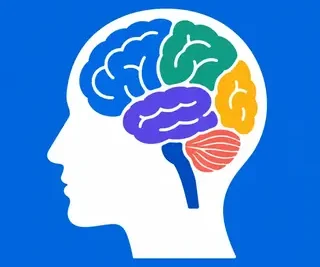 Brain Structure and Function
 Brain Injury and Recovery
 The Neuroscience of Emotion
 Neurological Disorders and Psychology
 Cognitive Neuroscience
Neuropsychology: The Intersection of Mind and Brain
Explore the fascinating field of neuropsychology on Psychology Basics, where we bridge brain science with human behavior. This category introduces how neural circuits, brain regions, and chemical signals shape thoughts, emotions, and actions. Perfect for students and curious readers, these resources demystify complex concepts like brain mapping, neural pathways, and cognitive processes without requiring a medical degree. Discover how the brain learns, feels, recovers, and adapts, and why neuropsychology is essential for understanding mental health, learning, and everyday decision-making.
🧠 Cognitive Neuroscience
Cognitive neuroscience merges experimental psychology with brain imaging to reveal how mental functions like attention, memory, and language emerge from neural activity. Readers will explore techniques such as fMRI and EEG, understand how the prefrontal cortex drives executive control, and see how breakdowns in specific pathways lead to cognitive deficits. This subcategory is ideal for grasping the biological basis of thought and the evidence behind modern cognitive theories—from working memory models to perceptual processing streams.
🩺 Neurological Disorders and Psychology
Here, we connect brain pathology to psychological symptoms, covering conditions like Alzheimer’s, Parkinson’s, epilepsy, and multiple sclerosis. You’ll learn how damage to different brain areas alters mood, personality, memory, and perception, and how psychological interventions complement medical treatment. This section explains key concepts like aphasia, apraxia, and agnosia, offering case studies that illustrate how neurological illness reshapes a person’s inner world. Ideal for those seeking a clinically informed but accessible overview.
❤️ The Neuroscience of Emotion
Discover how the brain generates feelings—from fear and joy to sadness and disgust—through the limbic system, amygdala, and prefrontal circuits. This subcategory unpacks the role of neurotransmitters like dopamine and serotonin, the influence of hormones on emotional states, and how emotional regulation breaks down in anxiety or depression. Readers will understand why emotions are not just “feelings” but adaptive neural responses that guide decision-making, social bonding, and survival behaviors, with real-world examples from everyday life.
🔄 Brain Injury and Recovery
Traumatic brain injuries, strokes, and concussions can disrupt every aspect of life, yet the brain has remarkable recovery potential. This subcategory explains the acute effects of injury, rehabilitation strategies, and the psychological toll on patients and families. Learn about neural rerouting, cognitive rehab, and the role of support systems in functional gains. Case examples highlight how early intervention and tailored therapy improve outcomes, while addressing post-injury depression, memory loss, and executive dysfunction with practical insights.
🧩 Brain Structure and Function
Gain a solid anatomical foundation by exploring the brain’s major divisions—cerebrum, cerebellum, brainstem—and their specific roles. This section details the functions of the frontal, parietal, temporal, and occipital lobes, plus subcortical structures like the hippocampus and basal ganglia. With clear diagrams and plain-language explanations, you’ll understand how the corpus callosum facilitates interhemispheric communication, how the blood-brain barrier protects neurons, and why white matter matters for speed of thought. Perfect for visual learners building mental maps of the brain.
🔁 Neuroplasticity
Neuroplasticity is the brain’s lifelong ability to reorganize itself in response to experience, learning, and injury. This subcategory covers mechanisms like synaptic pruning, axonal sprouting, and cortical remapping, with evidence from meditation, stroke rehabilitation, and skill acquisition. Readers will learn how to harness plasticity through practice, environment enrichment, and lifestyle choices—plus the limitations of plasticity in aging or neurological disease. Explore how “neurons that fire together wire together” and how this shapes treatment approaches in modern neuropsychology.
Frequently Asked Questions
What is the main difference between neuropsychology and cognitive neuroscience?
Neuropsychology focuses on linking brain damage or dysfunction to behavioral and cognitive deficits, often using clinical assessments. Cognitive neuroscience uses brain imaging and experimental tasks to map normal cognitive functions to neural circuits. While both study the brain-behavior relationship, neuropsychology is patient-centered and rehabilitation-oriented, whereas cognitive neuroscience is more research-driven and theoretical.
Can neuroplasticity occur in older adults?
Yes, but the rate and extent are lower than in childhood. Older adults can still form new synapses, strengthen existing networks, and recruit alternative brain regions after injury. Intensive practice, aerobic exercise, social engagement, and cognitive training stimulate plasticity. However, recovery from large lesions may be slower, and chronic stress or disease can impede adaptive changes. Hence, early, consistent rehabilitation is critical.
How does emotional processing differ after amygdala damage?
Amid extensive damage to the amygdala, individuals often lose the ability to recognize fear in faces and have muted fear responses in threats. They may still experience sadness or anger, but fear conditioning is impaired. This can lead to risky decisions and inappropriate social behavior because the amygdala’s role in signaling danger is disrupted. Emotion regulation may rely more on cortical reasoning, but spontaneous emotional reactions become blunted.
What are common psychological effects of a stroke?
Beyond motor and speech problems, stroke survivors often face depression, anxiety, and emotional lability. Cognitive effects include attention lapses, memory retrieval issues, and executive dysfunction, making planning difficult. Aphasia can cause frustration and social withdrawal. Personality changes, irritability, and fatigue are also common. Psychological support and cognitive rehabilitation help patients adapt, but the timeline varies from months to years.
Is neuroimaging necessary for diagnosing neuropsychological disorders?
No, neuropsychological testing is primarily behavioral—using standardized tasks for memory, attention, and language. Neuroimaging like MRI or CT aids diagnosis by revealing structural damage, tumors, or shrinkage, but alone it cannot predict functional deficits. Combining imaging with cognitive assessment provides a clearer picture. However, for many conditions like ADHD or dyslexia, behavioral testing remains the gold standard, with imaging used to rule out organic causes.