
Moral Development and the Law: How They Intersect

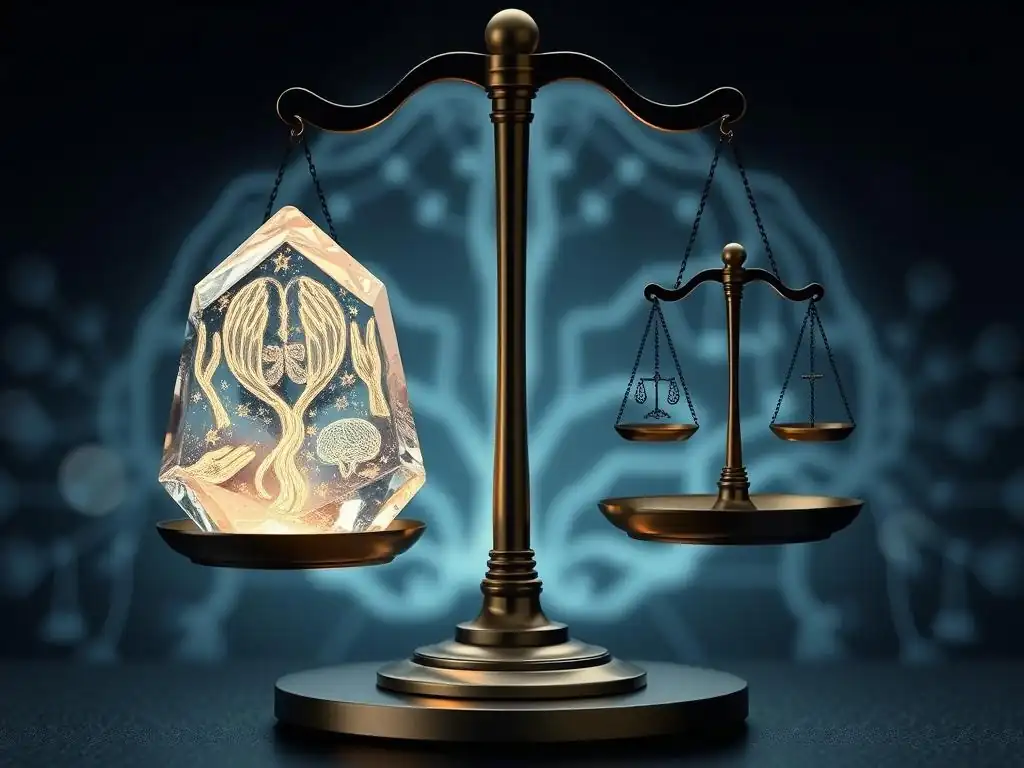
Unravel the fascinating interplay between our moral compass and the legal system. Psychology Basics welcomes you to a world where ethical dilemmas meet legal frameworks. This exploration into Moral development legal psychology, specifically focusing on how our sense of right and wrong develops and shapes our actions within a legal context, is just the beginning. Prepare to discover the surprising connections between developmental psychology and the intricacies of the law—a journey that will challenge your assumptions and broaden your understanding. Dive in and explore the compelling intersection of morality and justice!
- Understanding Moral Development: Key Theories and Stages
- The Intersection of Moral Development and Legal Psychology
- Moral Development in Legal Settings: Case Studies and Applications
- The Future of Moral Development and Legal Psychology Research
-
Frequently Asked Questions
- What is moral development, and why is it important in legal psychology?
- How does Kohlberg's theory of moral development relate to legal issues?
- What are some examples of how moral development impacts legal decisions?
- How does legal psychology address the challenges of assessing moral development?
- Can moral development be influenced or changed?
- Final Reflection: The Ever-Evolving Dance of Morality and Law
- Embrace Your Role in Moral Growth!
Understanding Moral Development: Key Theories and Stages
Moral development, a cornerstone of developmental psychology, explores how individuals' understanding of right and wrong evolves throughout their lifespan. This intricate process profoundly influences behavior, shaping our interactions within society and significantly impacting our legal systems.
Understanding the stages and theories of moral development is crucial for comprehending criminal behavior, legal decision-making, and the effectiveness of various legal interventions. This article delves into the intersection of moral development and the law, examining prominent theories and their implications for legal psychology.
We will explore how individuals' moral reasoning shapes their actions and reactions within legal contexts, highlighting the crucial role of empathy and perspective-taking in navigating complex ethical dilemmas presented by the justice system. The field of "moral development legal psychology" is a fascinating exploration of how our internal moral compass interacts with the external framework of the law, and this article aims to provide a foundational understanding of this complex interplay.
Piaget's Theory of Moral Development and its Legal Implications
Jean Piaget, a pioneering figure in developmental psychology, proposed a theory of moral development focusing on two distinct stages: moral realism and moral relativism. In the moral realism stage (typically seen in younger children), rules are perceived as absolute and unchangeable, dictated by authority figures. Violation of these rules results in immediate and inevitable punishment, regardless of intent.
This perspective can be observed in children's unwavering belief in the literal consequences of actions, leading to a focus on the act itself rather than the underlying intentions. For example, a child might believe that accidentally breaking a vase is more deserving of punishment than intentionally taking a small candy.
Conversely, in the moral relativism stage (emerging in later childhood and adolescence), children begin to understand that rules are created by people and can be changed through social agreement. They start considering the intentions behind actions, recognizing that the context and motivations surrounding an act are important factors in determining its moral value.
This shift in perspective is crucial for legal psychology, as it highlights the growing ability to differentiate between accidental and intentional wrongdoing, a key element in legal judgments. This understanding is essential in differentiating between manslaughter and murder, for example, where intent plays a critical role.
The implications for the legal system are significant, as it necessitates a more nuanced approach to assessing culpability, moving beyond a simplistic focus on the outcome of actions to a consideration of the actor's mental state and motivations. Further research is needed to fully understand the transition between these stages and its correlation with legal judgments across different cultures.
Kohlberg's Stages of Moral Reasoning and Legal Decision-Making
Lawrence Kohlberg expanded on Piaget's work, proposing a six-stage theory of moral reasoning. Unlike Piaget's focus on the development of moral understanding, Kohlberg emphasized the process of moral reasoning itself. His stages progress from a pre-conventional level, focused on self-interest and avoiding punishment, to a post-conventional level, characterized by abstract principles of justice and universal ethical standards.
The lower stages (pre-conventional) often align with a simplistic understanding of justice, focusing on immediate consequences. For example, a person operating at this level might confess to a crime solely to avoid harsher punishment. In contrast, individuals at the higher stages (post-conventional) demonstrate a more nuanced understanding of ethical principles, prioritizing justice and fairness even when it conflicts with personal interests.
They may consider the broader societal implications of their actions and advocate for legal reforms based on their moral principles. Kohlberg's theory offers a valuable framework for understanding how individuals' moral reasoning can influence their legal decisions, from jury deliberations to the judgments of judges. However, critics argue that Kohlberg's model may overemphasize rational thought processes and underestimate the influence of emotions and social context on moral judgments.
The Role of Empathy and Perspective-Taking in Legal Contexts
Empathy, the ability to understand and share the feelings of others, and perspective-taking, the ability to see a situation from another person's viewpoint, are crucial components of moral development and have significant implications for legal psychology. Individuals with well-developed empathy and perspective-taking skills are better equipped to understand the consequences of their actions on others, making them less likely to engage in harmful behavior. In legal settings, these skills are essential for effective communication, negotiation, and conflict resolution.
Jurors who can empathize with both the victim and the defendant are more likely to reach fair and informed verdicts. Similarly, lawyers who can effectively understand their clients' perspectives and communicate with them empathetically are better able to provide effective legal representation. The development of empathy and perspective-taking is a complex process influenced by various factors, including parenting styles, social interactions, and cultural norms.
Further research should investigate the effectiveness of interventions designed to improve these skills in both legal professionals and the general population. The lack of empathy and perspective-taking can lead to biased judgments and unfair legal outcomes, highlighting their critical role in achieving justice.
The Intersection of Moral Development and Legal Psychology

This section explores the fascinating interplay between moral development, a cornerstone of developmental psychology, and the legal system. Understanding how individuals develop their moral compass is crucial for interpreting behavior within a legal context, impacting everything from criminal investigations to jury deliberations. The field of legal psychology bridges this gap, applying psychological principles to understand and improve the legal process.
We'll examine how different stages of moral development influence actions and judgments within the legal arena, highlighting the importance of considering psychological factors in legal proceedings. This intersection of moral development and legal psychology offers valuable insights into the complexities of human behavior and the administration of justice. The keyword phrase "Moral development legal psychology" accurately reflects this critical connection.
Moral Development and Criminal Behavior: A Psychological Perspective
Understanding the psychological underpinnings of criminal behavior is paramount in legal psychology. Kohlberg's stages of moral development, for example, provide a framework for analyzing the moral reasoning of offenders. Individuals at lower stages, characterized by pre-conventional morality (focus on self-interest and avoiding punishment), may commit crimes out of immediate gratification or fear of consequences.
Conversely, those at higher stages, demonstrating post-conventional morality (emphasis on universal ethical principles), are less likely to engage in criminal activity. However, it's crucial to note that Kohlberg's theory isn't without its criticisms; some argue it overlooks the influence of emotional factors and cultural variations in moral reasoning. Further research is needed to fully understand the complex relationship between specific stages of moral development and the likelihood of criminal behavior.
Studies examining the correlation between moral reasoning and recidivism rates would enhance our understanding of this critical area within moral development legal psychology. For instance, interventions focusing on enhancing moral reasoning skills could potentially reduce re-offending. This area of research provides a valuable avenue for exploring the application of psychological principles to crime prevention and rehabilitation.
Moral Development and Witness Testimony: Reliability and Accuracy
The reliability of witness testimony is a cornerstone of the justice system. However, psychological research reveals that memory and perception can be significantly influenced by factors including age, stress, and the witness's own moral development. Younger children, often operating at lower stages of moral development, may be more susceptible to suggestion and less able to accurately recall events.
Their testimony might be influenced by a desire to please authority figures or avoid punishment, rather than a genuine recollection of facts. Similarly, adults at lower stages of moral reasoning might be more prone to biases and distortions in their recollections, potentially leading to inaccurate testimony. This highlights the importance of careful questioning techniques and the need for legal professionals to be aware of the potential impact of moral development on the accuracy and reliability of witness accounts.
Understanding these psychological influences is vital for ensuring fair and just legal proceedings. Furthermore, training programs for law enforcement and legal professionals on the psychological aspects of witness testimony could improve the accuracy and reliability of evidence gathered. The field of moral development legal psychology emphasizes the need for a nuanced understanding of these influences.
Moral Development and Jury Decision-Making: Influences on Verdicts
Jury decision-making is a complex process influenced by a multitude of factors, including the jurors' own moral development. Studies suggest that jurors at higher stages of moral development may be more likely to consider mitigating circumstances and demonstrate empathy towards the defendant. Conversely, jurors at lower stages might focus more on the letter of the law and less on the nuances of the case.
This could lead to harsher sentences or judgments based solely on adherence to rules, rather than a comprehensive consideration of the context and circumstances. The diversity of moral reasoning within a jury pool can significantly impact the final verdict, illustrating the importance of understanding the psychological influences on jury deliberations. Further research exploring the relationship between jury composition (in terms of moral development stages) and the outcomes of trials would be invaluable.
This would help to improve the fairness and impartiality of the justice system. Furthermore, the exploration of this intersection is crucial for the advancement of moral development legal psychology. Understanding the psychological dynamics within jury deliberation is a critical area for improving the administration of justice.
Moral Development in Legal Settings: Case Studies and Applications
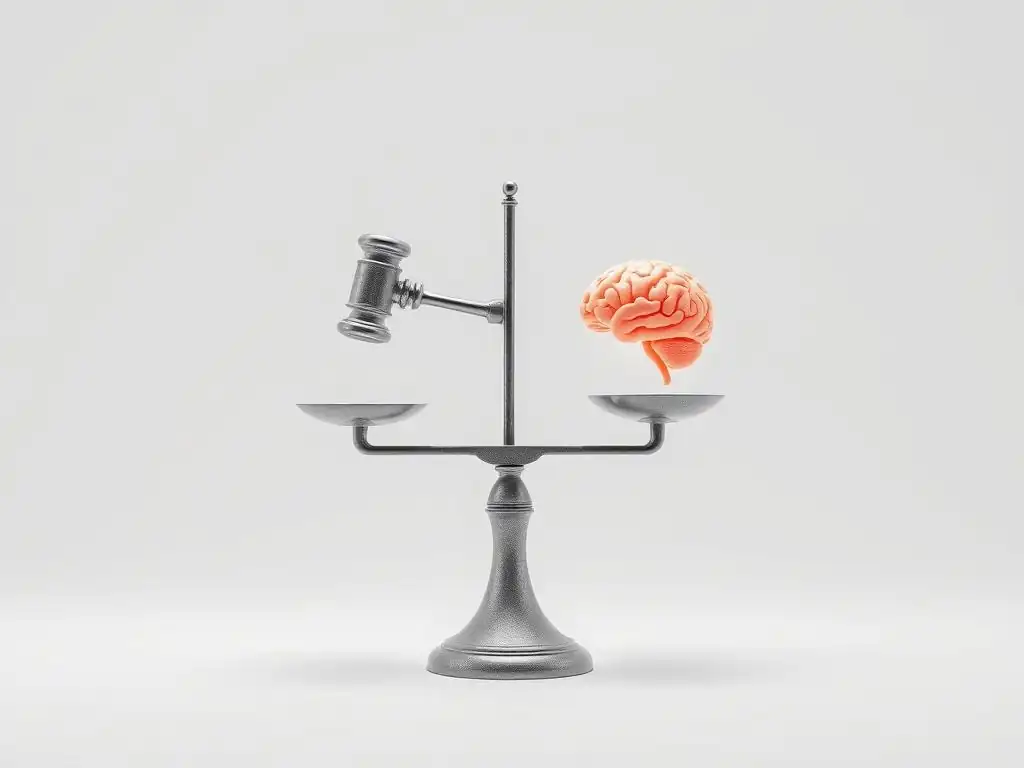
This section delves into the practical applications of moral development theories within the legal system, exploring how an individual's stage of moral reasoning can significantly influence legal proceedings and outcomes. We will examine specific case studies to illustrate the complex interplay between moral development and legal psychology, highlighting the importance of understanding these dynamics for legal professionals. The keyword "Moral development legal psychology" is central to this analysis, emphasizing the intersection of these two crucial fields.
Case Study 1: The Impact of Moral Reasoning on Sentencing in the Casey Anthony Trial
The Casey Anthony trial, a highly publicized case involving the death of a young child, provides a compelling illustration of how differing levels of moral reasoning can influence perceptions of guilt and appropriate sentencing. While the specifics of the case remain controversial, analyzing the public's reaction through the lens of Kohlberg's stages of moral development reveals fascinating insights. Many argued that Anthony's actions, if proven true, demonstrated a pre-conventional level of moral reasoning; prioritizing self-interest and avoiding punishment above all else.
Conversely, those who believed in her innocence, or at least deserved leniency, might have attributed her actions to a lack of understanding or a different developmental stage, potentially suggesting a need for rehabilitation rather than strict punishment. This discrepancy in interpreting her actions highlights the crucial role of moral development in shaping public opinion and potentially influencing jury decisions and subsequent sentencing. The intense public debate surrounding the case underscores the importance of understanding diverse perspectives rooted in varying levels of moral maturity.
Further research could explore the correlation between the jurors' own moral development stages and their final verdict. The lack of a unanimous decision in this high-profile case further emphasizes the complexities of applying moral development theory to real-world legal scenarios.
Case Study 2: The Role of Empathy in Jury Deliberations During the Stanford Prison Experiment
While not a trial in the traditional sense, the Stanford Prison Experiment offers a powerful lens through which to examine the role of empathy and moral development in decision-making within a simulated legal context. The experiment, albeit ethically questionable by today's standards, demonstrated the potent influence of situational factors on behavior. The guards, placed in positions of authority, often exhibited behaviors indicative of a pre-conventional or conventional level of moral reasoning, focusing on maintaining order and power rather than considering the ethical implications of their actions on the prisoners.
The prisoners, subjected to degrading conditions, often displayed moral distress, highlighting the conflict between their own moral compass and the oppressive environment. Analyzing the potential jury deliberations in a hypothetical trial stemming from the experiment would reveal how different stages of moral reasoning – particularly regarding empathy and justice – would influence verdicts and sentencing. A jury composed of individuals with highly developed post-conventional moral reasoning might focus on the systemic issues that led to the abuse, while a jury with predominantly conventional moral reasoning might prioritize upholding the law and punishing individual perpetrators, potentially overlooking systemic failures.
This highlights the critical need for diverse juries reflecting a range of moral development stages to ensure fair and equitable outcomes. The experiment's legacy underscores the importance of understanding the impact of situational pressures on moral behavior and the critical role of empathy in legal judgment.
Implications for Legal Professionals: Understanding Moral Development in Practice
Understanding moral development is not merely an academic exercise for legal professionals; it's a crucial skill for effective practice. Attorneys, judges, and jurors who are aware of the different stages of moral reasoning are better equipped to understand the motivations and perspectives of their clients, witnesses, and fellow jurors. This awareness can significantly improve the effectiveness of legal strategies, from cross-examination techniques to sentencing recommendations.
For example, understanding a defendant's moral development stage can inform the choice of defense strategy, highlighting potential mitigating factors or highlighting the need for rehabilitation rather than punishment. Similarly, understanding the moral reasoning of jurors can help lawyers tailor their arguments to resonate with their values and beliefs. Furthermore, incorporating principles of moral development into legal education can cultivate a more ethically conscious and empathetic legal system.
This could lead to more just and equitable outcomes, reducing the likelihood of miscarriages of justice stemming from a lack of understanding of the complex interplay between moral development and legal decision-making. The ongoing evolution of legal psychology and moral development research promises to further refine our understanding of these critical intersections, ultimately leading to a more just and humane legal system.
The Future of Moral Development and Legal Psychology Research
The intersection of moral development and legal psychology is a burgeoning field ripe for future exploration. Current research offers valuable insights, but much remains to be understood about the complex interplay between moral reasoning, legal decision-making, and societal impact. Future studies will likely focus on refining existing theories, exploring new methodologies, and addressing pressing ethical concerns. A deeper understanding of this intersection is crucial for improving legal systems, promoting justice, and fostering a more ethical society. This section will explore emerging trends and highlight crucial areas requiring further investigation within the context of "Moral development legal psychology."
Emerging Trends in Moral Development Research and their Legal Significance
Several exciting trends are shaping the future of moral development research, with significant implications for legal psychology. One key area is the increasing use of neuroscientific methods to investigate the neural correlates of moral judgment and decision-making.
fMRI and EEG studies are providing valuable insights into the brain regions and processes involved in moral reasoning, potentially shedding light on why individuals make different moral judgments and how these judgments translate into behavior in legal contexts. For example, research might examine the neural activity associated with empathy in individuals who commit violent crimes, potentially revealing deficits that could inform rehabilitation strategies.
Another important trend is the growing focus on cross-cultural research. Moral development is not a monolithic process; it's shaped by cultural norms and values. Comparative studies across different cultures can reveal how diverse moral frameworks influence legal systems and legal decision-making. This research could illuminate biases in legal systems and highlight the need for culturally sensitive legal practices. We need more data on how cultural factors influence perceptions of fairness, justice, and responsibility, leading to more nuanced and equitable legal outcomes.
Furthermore, the rise of computational modeling offers new possibilities for understanding the complex dynamics of moral decision-making. Researchers are developing computational models that simulate moral reasoning processes, allowing for the testing of different theoretical predictions and the exploration of "what if" scenarios within the legal realm. This approach can help predict how individuals might react in specific legal contexts, potentially leading to more effective interventions and policies.
Ethical Considerations in Legal Psychology and Moral Development Studies
Ethical considerations are paramount in research exploring the intersection of moral development and legal psychology. Studies involving vulnerable populations, such as juveniles or individuals with mental health issues, require meticulous attention to ethical guidelines. Informed consent, confidentiality, and the minimization of potential harm are crucial. Researchers must navigate the delicate balance between advancing scientific knowledge and protecting the rights and well-being of participants. The potential for bias in research designs and interpretations must also be carefully addressed.
Furthermore, the use of neuroscientific methods raises additional ethical concerns. The interpretation of brain scans can be complex and prone to misinterpretation. Researchers must avoid making causal claims based solely on correlational data and must be mindful of the potential for stigmatization based on brain imaging findings. For instance, showing a correlation between brain activity and criminal behavior doesn't imply causation and should not be used to label individuals. Transparency and rigorous methodological standards are essential to ensure the ethical conduct of research in this field. Stringent guidelines are necessary to protect against misuse of this sensitive information.
Further Research Directions: Bridging the Gap Between Theory and Practice
Bridging the gap between theoretical understanding and practical application is a crucial challenge for future research in moral development and legal psychology. More research is needed to translate theoretical insights into effective interventions and policies. This includes developing programs to promote moral reasoning and empathy in young people, designing rehabilitation programs for offenders, and improving legal decision-making processes. This requires interdisciplinary collaboration between psychologists, legal professionals, and policymakers.
Specifically, research should focus on developing effective interventions aimed at improving moral reasoning and empathy, particularly in individuals prone to criminal behavior. Longitudinal studies tracking the development of moral reasoning across the lifespan are also needed to understand the factors that contribute to moral development and the stability of moral judgments. Such studies could also focus on how moral development interacts with factors like socioeconomic status and access to education, providing a more complete picture of the influences on moral decision-making.
Ultimately, the goal is to develop evidence-based strategies that can enhance justice, promote ethical behavior, and contribute to a more just and equitable society. The field of "Moral development legal psychology" stands to greatly benefit from this concerted effort.
Frequently Asked Questions
What is moral development, and why is it important in legal psychology?
Moral development refers to the gradual process by which individuals learn to distinguish right from wrong and develop a sense of moral responsibility. In legal psychology, understanding moral development is crucial for assessing culpability, witness reliability, and the effectiveness of rehabilitation programs.
How does Kohlberg's theory of moral development relate to legal issues?
Kohlberg's stages describe the progression of moral reasoning. Legal psychology utilizes this framework to understand offenders' motivations, predict future behavior, and tailor interventions based on their level of moral reasoning. Different stages imply different levels of understanding of legal consequences.
What are some examples of how moral development impacts legal decisions?
Moral development significantly influences jury decisions, particularly in cases involving intent and mitigating circumstances. A person's level of moral reasoning can impact their understanding and acceptance of legal rules and their willingness to cooperate with the legal system.
How does legal psychology address the challenges of assessing moral development?
Assessing moral development involves various techniques, including interviews, moral dilemmas, and behavioral observations. Legal psychologists must carefully consider cultural and individual differences in interpreting these assessments to avoid bias and ensure accuracy.
Can moral development be influenced or changed?
Yes, moral development is not fixed. Therapeutic interventions, educational programs, and life experiences can all influence moral reasoning. Legal psychology utilizes this understanding to develop rehabilitation strategies aimed at fostering moral growth and reducing recidivism.
Final Reflection: The Ever-Evolving Dance of Morality and Law
The intersection of moral development and the legal system isn't merely an academic exercise; it's the very foundation upon which a just society is built. Our understanding of how morality shapes behavior, and how the law attempts to both reflect and shape that morality, is constantly evolving, demanding continuous critical examination. This evolution is crucial for creating a legal framework that truly serves the needs and reflects the values of its citizens.
The influence of moral development on legal psychology is profound and far-reaching. From the courtroom to the legislature, the principles discussed throughout this article – the stages of moral reasoning, the impact of empathy, and the role of social context – are constantly at play. Justice is not merely the absence of punishment, but the presence of justice.
This quote highlights the crucial need for a legal system that not only punishes wrongdoing but also fosters a moral compass within society. Understanding the complexities of moral development allows us to build a system that is both effective and ethically sound, one that strives for restorative justice rather than simply retributive justice.
Consider the implications of this exploration for your own life. How do your own moral frameworks influence your understanding of justice and fairness? How can you contribute to a more just and equitable society by actively engaging with these concepts? Challenge yourself to examine your own biases, to cultivate empathy, and to advocate for legal reforms that reflect a deeper understanding of human moral development. The pursuit of justice is a continuous journey, and your participation is vital.
Embrace Your Role in Moral Growth!
Thank you for exploring the fascinating intersection of moral development and the law. We hope you gained valuable insights into how our values shape legal systems and ethics. Now, let's consider practical steps to deepen your understanding and positively influence your community.
- Engage with Your Community: Participate in local discussions or workshops focused on ethical dilemmas and their legal ramifications.
- Share Your Knowledge: Discuss these important concepts with friends and family, or share this article on social media.
- Reflect Critically: Journaling about your personal moral compass and how it aligns with contemporary laws can be incredibly insightful.
What moral dilemmas do you see facing society today, and how should the law respond? We'd love to hear your thoughts in the comments!