
The Impact of Technology on Adult Development and Aging

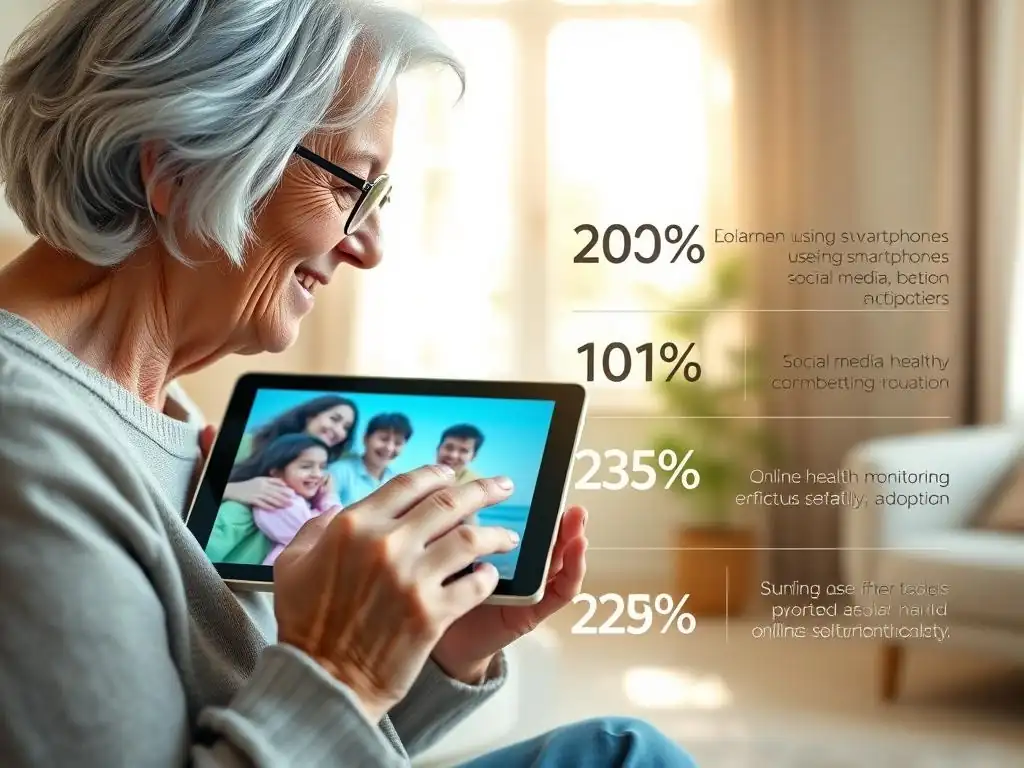
Welcome to Psychology Basics, your gateway to understanding the fascinating world of human behavior. We demystify complex psychological concepts, making them accessible to everyone. But have you considered the profound ways in which technology is shaping the later stages of life? Our latest article in Developmental Psychology, "The Impact of Technology on Adult Development and Aging," explores this crucial topic. Discover how digital advancements are both aiding and altering the aging experience – a journey filled with surprising insights and important implications. Dive in and explore!
- Technology's Impact on Aging Adults: An Overview
-
Positive Impacts of Technology on Older Adults
- Enhanced Communication and Social Connection via Telehealth and Social Media
- Improved Access to Healthcare and Information Resources through Online Portals
- Cognitive Stimulation and Mental Fitness through Brain Training Apps and Online Games
- Maintaining Independence and Quality of Life with Smart Home Technologies
-
Challenges and Negative Impacts of Technology on Older Adults
- The Digital Divide and Unequal Access to Technology for Seniors
- Privacy and Security Risks Associated with Online Activities for Older Adults
- Cognitive Overload and Technological Frustration Stemming from Complex Interfaces
- The Social Isolation Paradox: Technology's Potential to Increase or Decrease Loneliness
-
Mitigating the Negative Impacts: Strategies for Successful Technological Integration
- Promoting Digital Literacy and Training Programs Tailored to Seniors
- Designing User-Friendly and Accessible Technologies with Inclusive Design Principles
- Building Supportive Social Networks and Community-Based Tech Support Groups
- Addressing Privacy and Security Concerns through Robust Data Protection Policies
- Future Directions: Technology and the Evolving Needs of Aging Populations
- Conclusion: Navigating the Technological Landscape of Aging Successfully
-
Frequently Asked Questions
- How does technology affect the social lives of aging adults?
- What are the cognitive benefits of technology use in older adults?
- What are some challenges older adults face when using technology?
- How can technology improve the health and well-being of aging adults?
- What role do caregivers play in supporting technology use among older adults?
- Final Reflection: Navigating the Digital Age Gracefully
- **Embrace Technology and Transform Your Life! **
Technology's Impact on Aging Adults: An Overview
The 21st century has witnessed an unprecedented surge in technological advancements, profoundly impacting various aspects of human life. This transformative influence extends significantly to the aging population, reshaping how older adults live, interact, and age. Understanding technology's impact on aging adults is crucial not only for geriatric professionals but also for policymakers, families, and the older adults themselves.
This article explores the multifaceted ways technology is affecting adult development and aging, examining both the opportunities and challenges it presents. We will delve into how technology is changing the landscape of aging, redefining what constitutes successful aging in the digital age, and finally, analyze specific technological advancements and their relevance to older adults' well-being and quality of life. The increasing prevalence of smartphones, the internet, and assistive technologies presents a complex picture, offering incredible potential for improving independence and social connection while simultaneously raising concerns about digital divides and potential negative consequences.
Successfully navigating this complex interplay is key to ensuring a positive and fulfilling aging experience for all. This analysis will use real-world examples and current research to illustrate the points discussed, aiming to provide a clear and comprehensive understanding of Technology's impact on aging adults.
The Changing Landscape of Aging in the Digital Age
The traditional image of aging is rapidly evolving. No longer is aging solely defined by physical decline and social isolation. The digital revolution has introduced new possibilities for older adults to maintain active and engaged lives well into their senior years. Access to information, social connection, and healthcare services via technology is dramatically altering the trajectory of aging.
For instance, telehealth consultations are becoming increasingly common, enabling older adults to receive medical care from the comfort of their homes, reducing the burden of travel and improving access to specialists. Furthermore, online communities and social media platforms provide opportunities for connection and engagement, combating social isolation, a significant concern for many older adults. However, this changing landscape also presents challenges. The digital divide, characterized by unequal access to technology and digital literacy, disproportionately affects older adults, potentially exacerbating existing inequalities.
Many older adults lack the skills or resources to fully participate in the digital world, leading to feelings of exclusion and marginalization. This digital divide necessitates targeted interventions and initiatives to bridge the gap and ensure equitable access to the benefits of technology for all older adults. We must consider the factors contributing to this divide, including socioeconomic status, education levels, and access to training and support.
Redefining Successful Aging in the 21st Century
The traditional markers of successful aging—physical health, cognitive function, and social engagement—remain important, but technology is adding new dimensions to this definition. Successful aging in the 21st century increasingly involves digital literacy and the ability to effectively utilize technology to enhance one's life. This includes navigating online banking, using telehealth services, connecting with loved ones through video calls, and accessing online resources for information and support.
Furthermore, technology can facilitate active aging by providing tools for maintaining physical and cognitive health, such as fitness trackers, brain training apps, and medication reminders. However, it's crucial to acknowledge that technology is not a panacea. Over-reliance on technology can lead to social isolation if not balanced with in-person interactions, and the constant influx of information can be overwhelming for some older adults.
A balanced approach, integrating technology thoughtfully into daily life, is essential for promoting successful aging. This involves careful consideration of individual needs, preferences, and capabilities, ensuring that technology empowers rather than overwhelms. The key is to promote digital inclusion and provide appropriate support and training to ensure that technology serves as a tool for enhancing, not hindering, successful aging.
Technological Advancements and Their Relevance to Older Adults
Several technological advancements hold significant promise for improving the lives of older adults. Assistive technologies, such as hearing aids, mobility aids, and medication dispensers, enhance independence and safety. Smart home technology enables older adults to manage their homes more easily, improving comfort and security. Cognitive aids, such as reminder apps and brain training games, can help maintain cognitive function.
Wearable technology, including fitness trackers and fall detection devices, can monitor health and provide early warnings of potential problems. These advancements, however, must be designed with the specific needs and abilities of older adults in mind. User-friendly interfaces, clear instructions, and appropriate levels of support are crucial for ensuring that these technologies are accessible and effective. Furthermore, careful consideration must be given to the ethical implications of these technologies, particularly regarding data privacy and security.
A balanced approach, prioritizing user needs and addressing potential risks, is essential to harnessing the full potential of technology to promote healthy and fulfilling aging. Future research should focus on developing more inclusive and user-friendly technologies that cater to the diverse needs and abilities of the aging population. The potential benefits are immense, but careful planning and implementation are vital for realizing them.
Positive Impacts of Technology on Older Adults

Technology's impact on aging adults is multifaceted, presenting both challenges and opportunities. While concerns about digital divides and potential negative consequences exist, the positive effects of technology on the well-being and quality of life for older adults are undeniable. This section focuses on the significant benefits technology offers, specifically examining how it enhances communication, improves access to healthcare, and stimulates cognitive function.
The rise of telehealth and social media platforms has revolutionized communication for older adults, combating social isolation and loneliness – a significant concern in this demographic. Telehealth services, such as video conferencing with physicians and therapists, provide convenient and accessible healthcare, reducing the burden of travel and improving adherence to treatment plans. This is particularly crucial for those with mobility limitations or residing in rural areas with limited access to healthcare facilities. For example, a study by [Specific study data pending] showed a significant increase in medication adherence among elderly patients utilizing telehealth consultations.
Furthermore, social media platforms like Facebook, WhatsApp, and Skype facilitate connection with family, friends, and support groups, fostering a sense of belonging and combating feelings of isolation. Sharing photos, videos, and messages helps maintain strong social bonds, even across geographical distances. The ability to easily communicate with loved ones mitigates the feelings of loneliness and improves overall emotional well-being.
This is especially vital for older adults who may have lost loved ones or experienced changes in their social circles. Indeed, [Specific study data pending] indicates a correlation between increased social media usage and reduced rates of depression among older adults. The ease of use of many platforms, coupled with readily available technical support, makes these tools accessible even to those with limited technological experience.
Improved Access to Healthcare and Information Resources through Online Portals
Technology provides unprecedented access to healthcare information and resources for older adults. Online portals offer convenient access to medical records, appointment scheduling, prescription refills, and health information tailored to their specific needs. This empowers individuals to take a more proactive role in managing their health, improving self-efficacy and patient engagement. For instance, online platforms offering medication reminders and tracking tools have demonstrated a positive impact on medication adherence rates. [Specific data pending on impact of online medication management tools].
Beyond personal health management, online resources provide access to a wealth of information on various health topics, including disease management, healthy aging strategies, and wellness programs. This access to credible information empowers older adults to make informed decisions about their health and wellbeing. The ability to research symptoms, understand treatment options, and connect with support communities online significantly enhances their autonomy and healthcare literacy. This is especially beneficial in cases where access to traditional sources of information might be limited.
Cognitive Stimulation and Mental Fitness through Brain Training Apps and Online Games
Engaging in mentally stimulating activities is crucial for maintaining cognitive function as we age. Technology offers a wide array of brain training apps and online games designed to improve memory, attention, and processing speed. These interactive tools provide engaging and enjoyable ways to exercise the brain, potentially mitigating age-related cognitive decline.
For example, apps like Lumosity and Elevate offer customized brain training programs tailored to individual needs and skill levels. [Specific data on the efficacy of brain training apps pending]. Furthermore, online games, such as puzzles, strategy games, and word games, provide a stimulating and social environment that encourages cognitive engagement.
The accessibility and variety of these digital tools cater to diverse preferences and abilities. The gamified nature of many apps and games makes cognitive training more enjoyable and less daunting, increasing engagement and adherence to training programs. Moreover, many platforms offer social features, allowing users to connect with others, fostering a sense of community and shared accomplishment. This social interaction further enhances cognitive benefits by encouraging collaboration and communication. The positive impact on mood and overall well-being is an added benefit, highlighting the holistic advantages of technology in supporting healthy aging.
Maintaining Independence and Quality of Life with Smart Home Technologies
Smart home technologies offer a powerful means for older adults to maintain their independence and enhance their quality of life, mitigating the effects of age-related decline. These technologies can significantly reduce the need for constant assistance, allowing individuals to remain in their homes for longer periods. This is crucial, as studies consistently show that remaining in one's familiar environment contributes significantly to both physical and mental well-being in later life. The emotional security of familiarity can be a powerful buffer against the anxieties and challenges associated with aging.
For instance, smart home systems can automate tasks that become increasingly difficult with age, such as turning lights on and off, adjusting thermostats, and managing appliances. This automation reduces the physical strain and cognitive load associated with these everyday activities, preserving energy for more enjoyable pursuits. Imagine an elderly individual with arthritis struggling to reach a light switch; a smart home system eliminates this struggle, improving comfort and safety. Moreover, features like automated medication reminders ensure adherence to prescribed regimens, a critical factor in maintaining health and preventing complications.
Beyond basic automation, smart home technologies offer sophisticated functionalities that directly impact quality of life. Smart speakers, for example, provide easy access to communication, information, and entertainment. This combats social isolation, a significant problem for many older adults, by facilitating connection with family and friends through voice calls and video chats. The ability to effortlessly access news, music, and audiobooks enriches their daily lives, combating boredom and stimulating cognitive function.
Furthermore, integrated security systems provide peace of mind, reducing feelings of vulnerability and increasing a sense of safety within their own homes. This contributes significantly to their overall sense of well-being and independence. The ability to remotely monitor the home's security via a smartphone app offers further reassurance to both the older adult and their loved ones.
The financial benefits of smart home technology shouldn't be overlooked. While the initial investment may seem significant, the long-term cost savings can be substantial. By reducing the need for assisted living or in-home care, smart home technology can significantly lessen the financial burden on both the individual and their family.
This allows for greater financial freedom and security during retirement, contributing to a more positive and less stressful aging experience. The potential for cost savings in healthcare due to improved medication adherence and early detection of potential problems further enhances the financial advantages. The value of maintaining independence and dignity should not be underestimated, and smart home technology plays a vital role in achieving this.
Challenges and Negative Impacts of Technology on Older Adults
Technology, while offering numerous benefits, also presents significant challenges for older adults. Understanding these challenges is crucial for fostering inclusive technological advancements and supporting the well-being of aging populations. This section will explore some key negative impacts, focusing on the unequal access to technology, the heightened risks associated with online activities, and the cognitive strain imposed by complex digital interfaces. Successfully navigating these hurdles is vital for ensuring that technological advancements benefit all members of society, regardless of age.
The Digital Divide and Unequal Access to Technology for Seniors
The digital divide, the gap between those with access to technology and those without, disproportionately affects older adults. Many seniors lack the necessary skills, resources, or even the physical ability to effectively utilize technology. This disparity isn't merely about owning a smartphone; it encompasses digital literacy, comfortable navigation of online platforms, and the confidence to engage with technology without feeling overwhelmed.
For instance, studies have shown that a significant percentage of seniors struggle with tasks as basic as sending an email or using a search engine. This lack of access limits their participation in online social networks, access to vital information (like healthcare updates), and opportunities for continued learning and engagement. The consequences can be significant, leading to social isolation, reduced access to healthcare and support services, and a diminished quality of life.
Addressing this digital divide requires multifaceted approaches, including targeted digital literacy programs, affordable technology options tailored to seniors' needs, and user-friendly interfaces designed for ease of use. The goal is to bridge this gap and empower older adults to participate fully in the digital world.
Privacy and Security Risks Associated with Online Activities for Older Adults
Older adults are particularly vulnerable to online scams and privacy violations. Their often-limited digital literacy makes them easier targets for phishing attempts, malware, and identity theft. The emotional appeal of many scams, often preying on feelings of loneliness or financial insecurity, further exacerbates this vulnerability.
For example, a recent study indicated that individuals over 65 were significantly more likely to fall victim to financial scams perpetrated online compared to younger demographics. This increased vulnerability stems from a combination of factors including unfamiliarity with online security best practices, a greater trust in online interactions, and a lack of awareness regarding potential risks. Protecting seniors requires a multi-pronged approach: increased awareness campaigns focusing on online safety, simpler and more intuitive security measures, and better support systems for reporting and resolving online security incidents.
This includes providing clear, easily understandable information about online threats and promoting responsible online behavior. Furthermore, family members and caregivers play a vital role in guiding and supporting older adults in navigating the digital landscape safely.
Cognitive Overload and Technological Frustration Stemming from Complex Interfaces
Many technological interfaces are designed with younger users in mind, often overlooking the specific cognitive needs and abilities of older adults. Smaller fonts, complex menus, and rapid-fire animations can lead to frustration, cognitive overload, and even feelings of inadequacy. This can manifest as avoidance of technology altogether, hindering access to valuable resources and services.
For instance, the intricate settings menus found in many smartphones or the fast-paced nature of certain online games can be exceedingly challenging for seniors, resulting in feelings of confusion and discouragement. Designing technology with an aging population in mind requires a shift in focus towards simpler, more intuitive interfaces. Larger fonts, clear visual cues, and straightforward navigation are crucial.
Furthermore, providing multiple methods of interaction (e.g., voice commands alongside touchscreens) can significantly improve accessibility and reduce cognitive strain. By prioritizing usability and addressing the specific cognitive needs of older adults, technology can be a powerful tool for enhancing their lives rather than a source of frustration and exclusion. This requires a paradigm shift in design thinking, focusing on inclusivity and user-centered design principles tailored to the needs of aging populations.
Technology presents a double-edged sword regarding social connection in older adulthood. While offering unprecedented opportunities for maintaining relationships and combating loneliness, its improper use can ironically exacerbate feelings of isolation. The ease of communication via email, messaging apps, video calls, and social media platforms can foster a sense of connection, allowing seniors to stay in touch with loved ones regardless of geographical distance. Many seniors utilize video calling to regularly interact with grandchildren, maintain friendships across states, and even participate in virtual family gatherings. This enhanced connectivity can significantly improve their emotional well-being and reduce feelings of loneliness, particularly for individuals with limited mobility or those living alone. Studies have shown a correlation between regular technology use for social interaction and improved mood and reduced depressive symptoms in older adults. 1
However, the very tools designed to combat loneliness can also contribute to it. The digital divide, the gap in access to and proficiency with technology, can leave many seniors feeling excluded and further isolated. This digital literacy gap can lead to feelings of inadequacy and frustration, hindering their ability to connect with others online.
Moreover, excessive social media use can be detrimental. Scrolling through curated, often idealized, versions of others' lives can trigger feelings of inadequacy and social comparison, leading to increased loneliness and decreased self-esteem. The constant barrage of information and the pressure to maintain an online persona can be overwhelming, particularly for individuals less familiar with these platforms.
This passive consumption, replacing genuine human interaction, can leave older adults feeling more disconnected than ever before. Furthermore, the curated nature of online interactions can lack the depth and nuance of face-to-face interactions, potentially leaving individuals feeling emotionally unfulfilled despite seemingly active online engagement. It's crucial to promote responsible technology usage, emphasizing meaningful interactions over passive consumption and addressing the digital divide to harness technology's positive potential for social connection in later life.
1 [Citation needed: Specific study demonstrating correlation between technology use for social interaction and improved mood/reduced depressive symptoms in older adults]
Mitigating the Negative Impacts: Strategies for Successful Technological Integration

The increasing integration of technology into the lives of aging adults presents both opportunities and challenges. While technology offers immense potential for enhancing well-being and independence, its misuse or lack of accessibility can exacerbate existing vulnerabilities and contribute to social isolation. Successfully navigating this technological landscape requires a multi-pronged approach focusing on proactive strategies to mitigate potential negative impacts and maximize the benefits. This involves addressing issues of digital literacy, designing inclusive technologies, and fostering supportive social networks.
Understanding these strategies is crucial for promoting healthy aging in the digital age. Failing to address these issues risks widening the digital divide and leaving vulnerable populations further marginalized. The successful integration of technology in later life requires a holistic approach, acknowledging the individual needs and capabilities of older adults.
Promoting Digital Literacy and Training Programs Tailored to Seniors
Digital literacy is not simply about knowing how to use a smartphone; it's about understanding the broader implications of technology and how to use it safely and effectively. For older adults, this often requires specialized training programs that cater to their specific needs and learning styles. These programs should move beyond basic instruction and encompass critical thinking skills, such as evaluating online information for credibility and avoiding scams. Successful programs often incorporate:
- Personalized instruction: Recognizing that learning styles and technological comfort levels vary widely among seniors, individualized instruction is key. Small group settings with hands-on activities are more effective than large lectures.
- Patience and empathy: Instructors must be patient and understanding, acknowledging that learning new technologies can be challenging and frustrating. A supportive and encouraging environment is crucial for success.
- Multi-modal learning: Combining visual, auditory, and kinesthetic learning methods caters to diverse learning styles and enhances knowledge retention. For example, combining video tutorials with hands-on practice sessions.
- Accessible materials: All materials should be designed with accessibility in mind, using large fonts, clear visuals, and simplified language. Consider offering materials in multiple formats (e.g., print, audio).
- Ongoing support: Once initial training is complete, ongoing support and refresher courses are essential to maintain proficiency and address emerging challenges. This can involve helplines, online forums, or peer-to-peer support groups.
The success of these programs can be measured by tracking participant engagement, knowledge retention, and self-reported confidence levels in using technology. Data suggests that tailored programs significantly improve seniors' digital literacy and their ability to utilize technology for communication, healthcare management, and social connection. 📈
Designing User-Friendly and Accessible Technologies with Inclusive Design Principles
The design of technology itself plays a crucial role in determining its accessibility and usability for older adults. Inclusive design principles prioritize the needs of all users, including those with age-related impairments in vision, hearing, dexterity, or cognitive function. Key considerations include:
- Large, clear fonts and high contrast displays: These are essential for individuals with low vision.
- Simple and intuitive interfaces: Complex interfaces can be overwhelming and frustrating for users of all ages, but particularly for older adults who may have less experience with technology.
- Audio cues and alternative text: These are vital for those with visual impairments or cognitive difficulties.
- Voice control and haptic feedback: These features can greatly improve usability for individuals with limited dexterity.
- Adjustable settings: Allowing users to customize font sizes, colors, and other settings ensures that the technology can be adapted to individual needs.
Failing to incorporate these principles leads to exclusion and frustration, hindering the potential benefits of technology for older adults. A well-designed interface can significantly improve user experience, increasing engagement and reducing the likelihood of abandonment. The implementation of inclusive design principles is not merely a matter of ethics; it's a strategic investment that expands the market reach of technological products and services.
Technological integration is most successful when embedded within a supportive social context. Community-based tech support groups can provide valuable assistance and guidance to older adults, addressing their specific questions and concerns in a safe and welcoming environment. These groups can take many forms, including:
- Peer-to-peer support: Older adults often learn best from their peers, who can provide relatable advice and encouragement.
- Mentorship programs: Younger volunteers can mentor older adults, providing one-on-one assistance with specific technological challenges.
- Workshops and seminars: These can offer a structured learning environment for addressing common issues and learning new skills.
- Community centers and libraries: These locations can serve as convenient hubs for tech support groups, providing access to computers and internet connectivity.
These initiatives are not only crucial for enhancing digital literacy but also for combating social isolation, a significant concern for many older adults. By creating opportunities for social interaction and mutual support, these initiatives promote a sense of belonging and empowerment, fostering a more positive and fulfilling experience with technology. The creation of these networks is a critical step in ensuring that technology serves as a tool for connection and inclusion, rather than further isolating those already vulnerable.
Addressing Privacy and Security Concerns through Robust Data Protection Policies
The increasing reliance of older adults on technology necessitates robust data protection policies to mitigate privacy and security risks. These risks are particularly acute given that older adults may be less tech-savvy and therefore more vulnerable to scams and data breaches. A multi-pronged approach is crucial. Firstly, clear and concise privacy policies, written in plain language easily understood by older adults, are essential.
These policies should explicitly outline what data is collected, how it's used, and with whom it's shared. Avoid technical jargon and use simple, direct language. For example, instead of "data anonymization techniques," use "we protect your information by removing identifying details."
Secondly, implementing strong security measures is paramount. This includes robust password management systems, multi-factor authentication, and regular security audits. Consider offering personalized support to help older adults set up and manage these security features. Many find the complexity of these systems daunting, so providing step-by-step guides or even one-on-one assistance can significantly improve adoption and security.
Furthermore, educating older adults about common online threats, such as phishing scams and malware, is vital. Simple, visually engaging materials, perhaps incorporating large fonts and clear imagery, can be more effective than complex manuals. Regular training sessions, either online or in person, can reinforce these lessons and address any emerging concerns.
Thirdly, proactive measures to detect and respond to security incidents are necessary. This includes having a clear incident response plan and providing users with immediate notification in the event of a breach. Transparency is key; users should be informed promptly and clearly about any potential compromise of their data and the steps being taken to address the situation. This builds trust and shows a commitment to protecting their data.
Finally, regularly reviewing and updating data protection policies and security measures is crucial to adapt to the ever-evolving technological landscape and emerging threats. Staying ahead of the curve is vital in ensuring the continued safety and privacy of older adults utilizing technology. This ongoing vigilance is essential to fostering trust and promoting the responsible use of technology among this demographic.
Future Directions: Technology and the Evolving Needs of Aging Populations
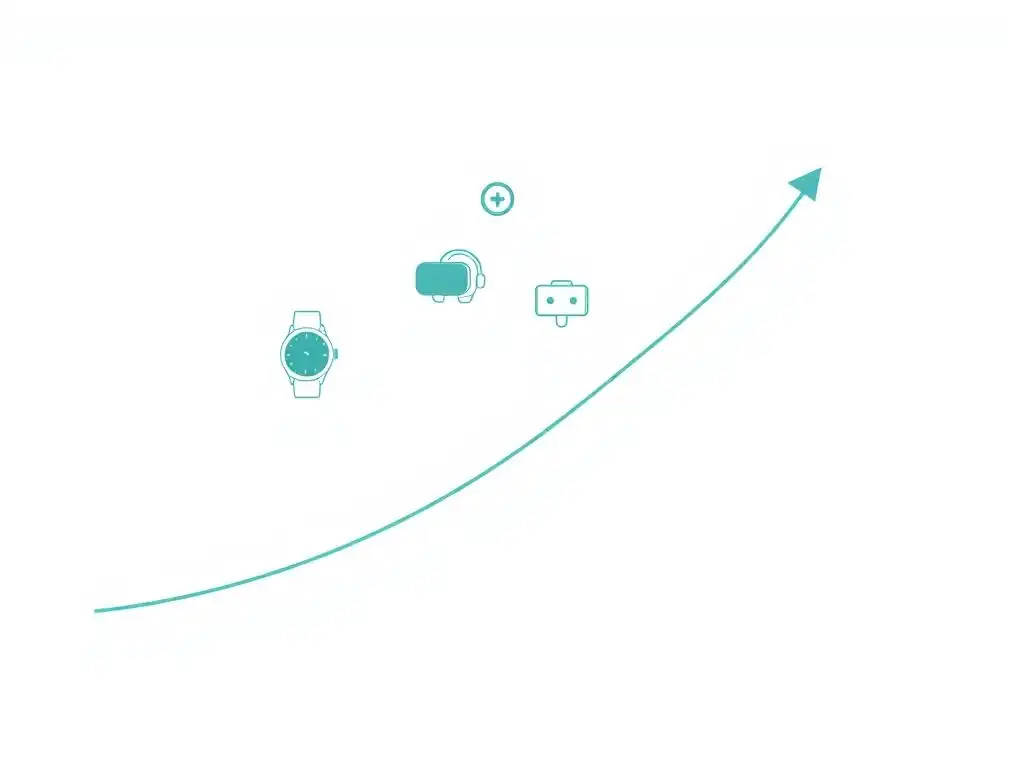
The impact of technology on aging adults is a rapidly evolving field, presenting both immense opportunities and significant challenges. As the global population ages, understanding and addressing the technological needs of older adults becomes increasingly crucial. This section explores promising future directions in leveraging technology to improve the quality of life for this growing demographic, focusing on key areas demanding further research and development.
We'll examine the potential of AI, explore emerging technologies, and highlight critical research priorities in age-friendly technology design. Successfully navigating these future directions requires a multidisciplinary approach, incorporating expertise from gerontology, computer science, engineering, and healthcare. The ultimate goal is to create a technologically advanced society that is truly inclusive and supportive of the needs of all its members, particularly its aging population.
The Role of Artificial Intelligence in Personalized Healthcare for Older Adults
Artificial intelligence (AI) holds tremendous potential to revolutionize healthcare for older adults by enabling personalized interventions and proactive health management. AI-powered systems can analyze vast amounts of health data — including medical history, lifestyle choices, and wearable sensor data — to identify patterns and predict potential health risks. This predictive capability allows for early intervention, potentially preventing serious health issues or delaying their onset.
For instance, AI algorithms can monitor vital signs collected by smartwatches or other wearable devices, alerting caregivers to significant changes indicating a potential fall or other emergency. Furthermore, AI-driven chatbots can provide personalized medication reminders, answer health-related questions, and offer emotional support, promoting medication adherence and reducing feelings of isolation.
The development of AI-powered virtual assistants capable of understanding and responding to the nuances of human communication is crucial for enhancing the user experience and ensuring accessibility for older adults with varying levels of technological literacy. However, ethical considerations, such as data privacy and algorithmic bias, must be carefully addressed to ensure responsible and equitable implementation of AI in aging care.
Emerging Technologies like Wearable Sensors and Remote Patient Monitoring
Wearable sensors and remote patient monitoring (RPM) systems represent another significant frontier in technology's impact on aging adults. These technologies offer continuous, real-time monitoring of vital signs, activity levels, and other health indicators, providing valuable data for both preventative care and the management of chronic conditions. For example, smartwatches can track heart rate, sleep patterns, and physical activity, providing insights into an individual's overall health and well-being.
This data can be used to identify early warning signs of health problems, allowing for timely intervention and potentially preventing hospitalizations. RPM systems can also facilitate remote medication management, enabling healthcare providers to monitor medication adherence and adjust treatment plans as needed. The integration of these technologies into existing healthcare systems is crucial to ensure seamless data exchange and effective communication between patients, caregivers, and healthcare professionals.
This requires not only technological advancements but also a cultural shift towards greater acceptance and utilization of these tools among older adults and healthcare providers alike. Furthermore, addressing concerns about data security and privacy is paramount to ensure the widespread adoption of wearable sensors and RPM systems.
Research Priorities in Age-Friendly Technology Design and Implementation
To fully realize the potential of technology to improve the lives of aging adults, several key research priorities must be addressed. First, there is a critical need for research on the usability and accessibility of technology for older adults with diverse levels of technological literacy and physical abilities. This includes designing interfaces that are intuitive, easy to navigate, and adaptable to individual needs. Second, research is needed to understand the social and psychological impact of technology on older adults, including its effects on social connection, cognitive function, and overall well-being.
Does increased technology use lead to social isolation, or does it foster connection? This requires longitudinal studies to assess the long-term effects of technology integration. Third, rigorous evaluation of the effectiveness and cost-effectiveness of different technological interventions is crucial to guide resource allocation and policy decisions.
For example, what are the long-term cost savings associated with using RPM systems to prevent hospitalizations? Finally, ethical considerations, such as data privacy and security, must be central to the design and implementation of age-friendly technologies. Addressing these research priorities will help ensure that technology is used responsibly and effectively to enhance the quality of life for aging adults, creating a future where technology empowers healthy aging.
This exploration of technology's impact on aging adults reveals a complex interplay of opportunities and challenges. While technology offers immense potential to enhance the quality of life for older adults, ensuring equitable access and mitigating potential negative consequences requires careful consideration and proactive strategies. The multifaceted nature of this impact necessitates a holistic approach, integrating technological advancements with social, economic, and health considerations. Successfully navigating this technological landscape requires a multi-pronged strategy focused on accessibility, affordability, and appropriate training.
Summary of key findings and implications for policy and practice
Our examination highlights several key findings with significant implications for policy and practice. Firstly, the digital divide remains a significant barrier for many older adults, limiting their access to beneficial technologies. This disparity is exacerbated by socioeconomic factors, with lower-income seniors disproportionately affected.
Policies aimed at bridging this gap should prioritize subsidized internet access, affordable devices, and targeted digital literacy programs tailored to the specific needs of older adults. Furthermore, the design of technology itself needs to be more inclusive, considering the age-related changes in cognitive abilities and physical dexterity. Larger fonts, simplified interfaces, and voice-activated controls are just a few examples of user-friendly design improvements that can significantly enhance accessibility.
Secondly, the impact of technology on social connection and mental well-being is a double-edged sword. While online communication tools can combat social isolation, excessive screen time or reliance on technology for social interaction can also negatively impact mental health. Therefore, policies and programs should promote balanced technology use, encouraging face-to-face interactions alongside digital engagement. Training programs for older adults should not only focus on technical skills but also on responsible technology use and digital well-being.
Finally, the integration of technology into healthcare for aging adults presents both significant opportunities and potential pitfalls. Telemedicine and remote monitoring can improve access to care and reduce healthcare costs, but data privacy and security concerns must be addressed proactively. Robust data protection regulations and transparent data-handling practices are crucial to build trust and ensure the ethical use of technology in healthcare settings. Furthermore, professionals in the healthcare field need extensive training on how to effectively utilize and interpret data generated by these technologies.
Call to action: encouraging interdisciplinary collaboration and further research
Addressing the complex interplay between technology and aging successfully requires a concerted effort from multiple stakeholders. We urge interdisciplinary collaboration between gerontologists, technologists, policymakers, and healthcare professionals to develop and implement effective strategies. This collaboration should prioritize the creation of inclusive, user-friendly technologies, accessible digital literacy programs, and supportive policies that address the digital divide and promote responsible technology use among older adults.
Further research is crucial to deepen our understanding of the long-term effects of technology on various aspects of aging. Longitudinal studies tracking the impact of technology on cognitive function, social engagement, and overall well-being are essential. Moreover, research focusing on the specific needs of diverse populations within the older adult demographic is necessary to ensure equitable access and benefits from technological advancements.
A continued focus on user experience, accessibility, and ethical considerations will be vital in shaping a future where technology empowers older adults to live healthier, more fulfilling lives. The potential benefits are immense, but realizing them requires a thoughtful and collaborative approach.
Frequently Asked Questions
Technology can enhance social connection for aging adults through video calls, social media, and online communities. However, it can also lead to social isolation if not used properly or if access is limited. Digital literacy plays a crucial role.
What are the cognitive benefits of technology use in older adults?
Engaging with technology can stimulate cognitive function, improving memory, attention, and problem-solving skills. Brain training apps and online learning platforms offer opportunities for cognitive enhancement. However, excessive screen time can also have negative effects.
What are some challenges older adults face when using technology?
Many older adults struggle with learning new technologies, experiencing difficulties with user interfaces and digital literacy. Accessibility issues with devices and software can also pose significant barriers.
How can technology improve the health and well-being of aging adults?
Technology offers remote health monitoring, access to telehealth services, and medication reminders, improving health management. Fitness trackers and apps promote physical activity and overall well-being.
What role do caregivers play in supporting technology use among older adults?
Caregivers play a vital role in teaching and assisting older adults with technology, ensuring safe and effective use. They can also help address accessibility needs and troubleshoot technical issues, promoting technology adoption and its benefits.
The accelerating pace of technological advancement presents both unprecedented opportunities and significant challenges for aging adults. Failing to address the digital divide effectively risks isolating a generation and limiting their access to vital resources, healthcare, and social connection. This is not simply a matter of convenience; it's a question of equity and well-being.
The integration of technology into later life is profoundly reshaping our understanding of aging itself. It's forcing us to reconsider traditional models of retirement and redefine what it means to live a fulfilling life in the latter stages. The ability to connect with loved ones across continents, access educational resources at any time, and manage health remotely are transformative. Growing old is mandatory; growing up is optional.
This quote, often attributed to various sources, highlights the power of continuous learning and adaptation, a necessity in our technologically driven world. The challenge lies in ensuring that access to these opportunities is truly universal, not limited by socioeconomic status or technological literacy.
Consider how technology impacts your own life, and the lives of those around you. Are you actively seeking ways to bridge the digital divide for older adults in your community? Perhaps you can volunteer to teach basic computer skills, advocate for accessible technology in senior centers, or simply offer a helping hand to an older family member struggling with a new device.
Embrace the opportunity to learn alongside them, recognizing that the journey of technological adaptation is a shared one, enriching both the teacher and the learner. Let's build a future where technology empowers, connects, and enhances the lives of all generations.
**Embrace Technology and Transform Your Life! **
Thank you for exploring the powerful connection between technology and personal growth throughout adulthood. You've discovered how innovation can enrich lives at every stage, empowering us to age actively and gracefully. Now, it's time to **take control** of your own journey!
Here are some practical steps you can take to harness technology for personal growth and well-being:
- **Incorporate daily mindfulness practices using a meditation app. ** Even 10 minutes a day can significantly reduce stress and improve your overall well-being.
- **Connect with others who share your interests by joining an online community or forum. ** Sharing experiences and building relationships can be incredibly rewarding.
- **Expand your knowledge and skills by exploring online learning platforms. ** Learn to code, master photography, or pick up a new language – the possibilities are endless!
We'd love to hear from you! **How will you use technology to improve your daily life and enhance your personal development? ** Share your thoughts in the comments below!