
The Role of Technology in Promoting Healthy Habits and Lifestyle Choices


Welcome to Psychology Basics, your gateway to understanding the fascinating world of human behavior. Are you curious about how technology is shaping our lives, influencing everything from sleep patterns to exercise routines? Our latest article in Developmental Psychology explores Technology's role in healthy habits, revealing surprising insights into how digital tools can both hinder and help us cultivate positive lifestyle choices. Discover the unexpected connections and unlock the potential for a healthier you – read on to learn more!
- Technology's Role in Healthy Habits: An Introduction
- Leveraging Technology for Physical Health Improvement
- Technology's Impact on Mental Wellness
- Addressing the Challenges of Technology Use
- The Future of Technology and Healthy Lifestyle Choices
-
Frequently Asked Questions
- How can technology help me establish healthy eating habits?
- Can technology help me improve my sleep hygiene?
- What role does technology play in increasing physical activity?
- Does technology always promote healthy habits? Are there any downsides?
- How can I use technology effectively to build healthy habits without becoming overly reliant on it?
- Final Reflection: Tech's Transformative Power: Shaping Healthier Futures
- Embrace Technology for a Healthier You!
Technology's Role in Healthy Habits: An Introduction
The rapid advancement of technology has profoundly impacted nearly every facet of human life, including our approach to health and wellbeing. This article explores the complex and multifaceted role technology plays in promoting – and sometimes hindering – the adoption and maintenance of healthy habits. We will delve into how digital tools and platforms are being utilized to encourage healthier lifestyles, examining both the benefits and potential drawbacks.
Understanding this relationship is crucial, especially in today's increasingly digital world, where technology permeates almost every aspect of our daily routines. We'll investigate how technology can be leveraged effectively to support positive behavioral changes, while also acknowledging the potential pitfalls and exploring strategies for mitigating negative impacts. This exploration will be particularly relevant for understanding how technology influences developmental trajectories, a key area of focus within developmental psychology.
Defining "Healthy Habits" in the Digital Age
Defining "healthy habits" in the context of the digital age requires a nuanced approach. Traditionally, healthy habits encompassed aspects like balanced nutrition, regular exercise, and sufficient sleep. However, the digital landscape introduces new dimensions. Now, we must consider our digital wellbeing alongside physical health. This includes factors like:
- Mindful technology use: Limiting screen time, avoiding excessive social media consumption, and practicing digital detox periods.
- Online safety and privacy: Protecting personal data and managing online interactions to avoid stress and negativity.
- Cybersecurity hygiene: Protecting oneself from online threats and scams.
- Maintaining healthy relationships online: Nurturing positive connections and avoiding cyberbullying.
The integration of technology into our lives necessitates a broader definition of health, encompassing both our physical and digital wellbeing. Failure to address the digital aspects can negatively impact overall health and contribute to various psychological issues. For example, excessive social media use has been linked to increased anxiety and depression in some studies. 1 Conversely, mindful technology use can contribute significantly to improved mental health and stress management. The key lies in a balanced and conscious approach to technology integration.
The Evolving Relationship Between Technology and Wellbeing
The relationship between technology and wellbeing is constantly evolving. Initially, technology was viewed primarily as a tool for efficiency and communication. However, as technology became more pervasive, its impact on mental and physical health became increasingly apparent. Early research focused largely on the negative consequences of excessive technology use, highlighting issues such as addiction, sleep disruption, and social isolation. More recent studies, however, are revealing a more nuanced picture.
Technology offers a wealth of tools to support healthy habits:
- Fitness trackers and apps: These provide data-driven insights into physical activity levels, motivating users to increase their exercise.
- Health and nutrition apps: These offer personalized dietary advice, recipe suggestions, and progress tracking.
- Mental health apps: These provide resources for stress management, mindfulness exercises, and cognitive behavioral therapy (CBT) techniques.
- Telemedicine platforms: These facilitate remote consultations with healthcare professionals, improving access to care, especially for individuals in remote areas or with mobility limitations.
While these technologies offer immense potential, it's crucial to acknowledge potential downsides. The constant influx of information and notifications can lead to information overload and contribute to stress. Furthermore, the curated nature of social media can foster unrealistic comparisons and contribute to body image issues. Therefore, a critical and mindful approach to technology use is essential to harness its benefits while mitigating its potential harms. The future of this relationship hinges on developing technologies and strategies that prioritize user wellbeing and promote a healthy balance between the digital and physical worlds.
1 [Specific information pending: Citation needed for study linking excessive social media use to increased anxiety and depression]
Leveraging Technology for Physical Health Improvement
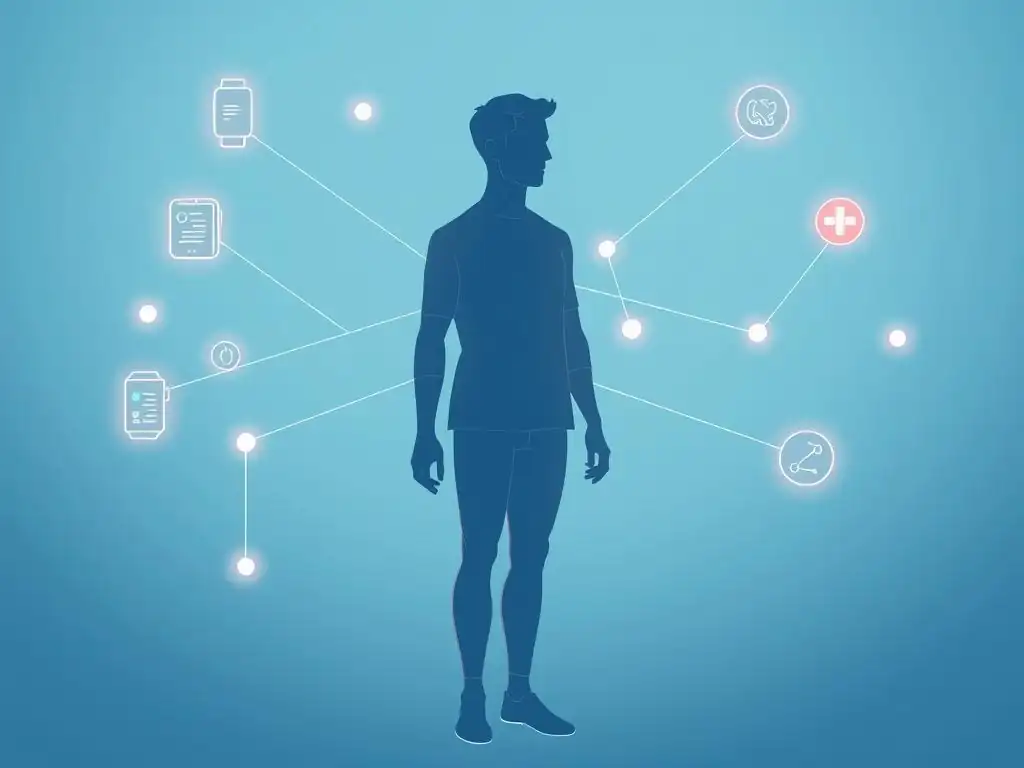
Technology's role in healthy habits is rapidly expanding, offering innovative tools and resources to support individuals in adopting and maintaining healthier lifestyles. This section explores how technology is transforming approaches to physical health, impacting everything from exercise routines to access to healthcare. The integration of technology isn't just about convenience; it's about creating sustainable behavioral changes through data-driven insights, personalized feedback, and increased accessibility. This shift towards a more technologically-mediated approach to wellness is profoundly impacting how we understand and manage our physical well-being.
Fitness Trackers and Wearable Technology: Monitoring and Motivation
Fitness trackers and smartwatches have become ubiquitous, transforming how individuals monitor their physical activity. These devices offer real-time feedback on steps taken, calories burned, heart rate, and sleep patterns. This constant monitoring provides valuable data, fostering a sense of accountability and encouraging users to increase their activity levels. The gamification aspect, with features like daily goals and achievement badges, further boosts motivation.
Studies show a correlation between using fitness trackers and increased physical activity, particularly among individuals who are initially less active. For example, a study published in the Journal of Medical Internet Research found that participants using fitness trackers significantly increased their daily step count compared to a control group. The success of these devices lies not only in the data they provide but also in their ability to transform abstract health goals into tangible, measurable achievements.
This personalized approach to fitness tracking makes it easier for individuals to understand their progress and stay motivated on their health journey. The constant feedback loop allows for adjustments and refinements, making the process of building healthier habits more manageable and rewarding. Furthermore, the social features incorporated into many fitness trackers allow users to connect with friends and family, creating a supportive community that reinforces healthy behaviors.
Mobile Apps for Exercise and Nutrition Tracking: Gamification and Habit Formation
Beyond fitness trackers, numerous mobile applications cater to various aspects of physical health. These apps utilize gamification techniques to make healthy habits more engaging and less daunting. Exercise apps offer personalized workout plans, guided sessions, and progress tracking, while nutrition apps help users monitor their calorie intake, macronutrient ratios, and hydration levels. The use of points, rewards, and leaderboards taps into our intrinsic motivation, making healthy choices feel less like a chore and more like a game.
For instance, apps like MyFitnessPal and Lose It! provide detailed nutritional information, allowing users to make informed food choices. Similarly, exercise apps like Peloton and Nike Training Club offer a diverse range of workout styles and intensity levels, catering to various preferences and fitness levels.
The effectiveness of these apps lies in their ability to adapt to individual needs and preferences, providing personalized feedback and support. The integration of social features, allowing users to connect with friends and share their progress, further enhances motivation and adherence to healthy habits. This personalized and interactive approach to health management is proving incredibly effective in promoting long-term lifestyle changes.
Telemedicine and Remote Healthcare Access: Expanding Accessibility to Care
Technology's impact extends beyond personal fitness tracking and into healthcare access. Telemedicine platforms provide virtual consultations with healthcare professionals, eliminating geographical barriers and increasing accessibility to care, particularly for individuals in remote areas or those with mobility limitations. This remote access to healthcare services is crucial for preventative care, chronic disease management, and mental health support.
Telemedicine offers convenience and flexibility, allowing individuals to schedule appointments at their convenience and receive care from the comfort of their homes. Furthermore, the use of wearable technology and remote patient monitoring devices allows healthcare professionals to track vital signs and other health metrics remotely, enabling proactive intervention and improved patient outcomes. The integration of these technologies is transforming healthcare delivery, improving efficiency, and expanding access to care for a wider population.
The ability to receive timely and convenient healthcare consultations can significantly influence an individual's ability to maintain a healthy lifestyle and address health concerns promptly. This improved accessibility is a crucial step towards achieving equitable healthcare and promoting overall population health.
Technology's Impact on Mental Wellness
Technology's pervasive influence extends far beyond entertainment and communication; it significantly impacts our mental wellbeing, both positively and negatively. Understanding this dual nature is crucial for harnessing technology's potential to promote healthy habits and mitigate its potential downsides. This section explores specific applications of technology impacting mental health, focusing on how these tools can be leveraged for improved mental wellbeing. The effective use of technology for mental health requires mindful engagement and a critical understanding of its limitations.
Mindfulness and Meditation Apps: Cultivating Mental Wellbeing
Mindfulness and meditation practices, once considered esoteric, are now readily accessible through numerous smartphone apps. These apps offer guided meditations, breathing exercises, and mindfulness techniques designed to reduce stress, anxiety, and improve overall mental clarity. Apps like Calm and Headspace provide structured programs catering to various experience levels, from beginners to seasoned practitioners. The convenience of these apps allows users to incorporate mindfulness into their daily routines, even with busy schedules.
The effectiveness of these apps is supported by research indicating a reduction in stress hormones like cortisol 1 in users who regularly engage with guided meditation programs. Furthermore, studies show improvements in mood, sleep quality, and focus in individuals using such apps. However, it's crucial to note that app usage should be seen as a supplement to, rather than a replacement for, professional mental health support when needed. The gamification features incorporated into some apps, such as progress trackers and rewards, can enhance user engagement and motivation, promoting consistent practice. These apps also offer personalized recommendations and tailored programs based on user needs and preferences, further increasing their efficacy. However, caution should be exercised in relying solely on app-based interventions, especially for individuals facing severe mental health challenges.
Social media presents a complex relationship with mental wellbeing. While it offers unparalleled opportunities for social connection and community building, it simultaneously fosters environments ripe for social comparison and negative self-perception. The curated nature of online profiles often leads individuals to compare their lives unfavorably to the seemingly perfect lives portrayed by others, triggering feelings of inadequacy and low self-esteem. This phenomenon is amplified by algorithms designed to maximize engagement, often prioritizing sensationalized or negative content.
The constant exposure to idealized versions of reality can contribute to anxiety, depression, and body image issues, particularly among young adults. 2 However, social media can also be a powerful tool for building support networks, fostering a sense of belonging, and accessing mental health resources. The key lies in mindful usage, setting boundaries, and prioritizing genuine connections over superficial interactions. Actively curating one's social media feed, unfollowing accounts that trigger negative emotions, and engaging with positive and supportive communities can significantly mitigate the potential harms of social media. Promoting media literacy and critical thinking skills is essential to navigate the complexities of online interactions and build resilience against negative influences.
Cognitive Behavioral Therapy (CBT) Apps: Accessible Mental Health Support
Cognitive Behavioral Therapy (CBT) is a widely-recognized and effective approach to managing various mental health conditions. The advent of technology has made CBT accessible to a broader population through numerous apps offering self-guided CBT programs. These apps typically involve modules focusing on identifying and challenging negative thought patterns, developing coping mechanisms, and tracking progress. They often include features such as journaling prompts, relaxation exercises, and personalized feedback.
While these apps cannot replace professional therapy for severe mental health issues, they can be valuable tools for individuals seeking support for mild to moderate conditions, or as a supplement to professional care. The anonymity and convenience offered by these apps can be particularly appealing to individuals who might otherwise hesitate to seek professional help. However, it is crucial to carefully select reputable apps developed by qualified mental health professionals. The effectiveness of CBT apps varies depending on individual factors and the severity of the condition.
It's important to be aware that these apps may not be suitable for everyone and professional guidance should be sought when necessary. Furthermore, data privacy and security should be a key consideration when choosing a mental health app. It's vital to review the app's privacy policy to ensure your personal information is handled responsibly and securely.
1 [Specific study data pending] 2 [Specific study data pending]
Addressing the Challenges of Technology Use

Technology, while offering incredible opportunities for promoting healthy habits, also presents significant challenges. Understanding and mitigating these challenges is crucial for harnessing technology's full potential for wellbeing. Overuse, addiction, and a lack of digital literacy can undermine even the most well-intentioned efforts to leverage technology for health improvements. This section delves into strategies for navigating these complexities and fostering a healthy relationship with technology. The effective integration of technology into a healthy lifestyle requires mindful engagement and proactive strategies to prevent potential downsides. We will explore practical solutions, focusing on the importance of balance and conscious choices.
Screen Time Management and Digital Wellbeing Strategies
Effective screen time management is paramount for maintaining both physical and mental health. Excessive screen time is linked to sleep disturbances, eye strain, and even increased anxiety and depression. Implementing strategies to control screen time is, therefore, a crucial component of leveraging technology for health. This necessitates a multi-faceted approach, incorporating both technological tools and behavioral modifications.
Several apps and features built into smartphones and other devices offer tools to monitor and limit screen time. These features often allow users to set daily limits for specific apps or categories of apps, receiving alerts when approaching or exceeding those limits. For example, Apple's Screen Time and Google's Digital Wellbeing provide detailed usage reports and allow for setting app usage limits and downtime periods. These features can be highly effective for individuals who struggle with self-regulation.
Beyond technological tools, behavioral strategies are vital. This includes establishing clear boundaries around technology use, such as designating specific times for checking emails or social media, and creating tech-free zones, like the bedroom, to foster better sleep hygiene. Mindfully scheduling breaks throughout the day to disconnect from screens and engage in other activities, such as exercise or spending time in nature, is also crucial. The key is to consciously integrate technology into a balanced lifestyle, rather than allowing it to dictate our routines. Remember, a balanced approach is key to realizing technology's benefits without succumbing to its potential drawbacks.
Combating Technology Addiction and Promoting Healthy Digital Habits
Technology addiction, characterized by excessive and compulsive use despite negative consequences, is a growing concern. Symptoms can include withdrawal symptoms when separated from devices, neglecting responsibilities, and experiencing significant distress when technology access is limited. Addressing technology addiction requires a holistic approach that may involve professional help in some cases.
One effective strategy is to cultivate alternative, healthier habits. Replacing excessive screen time with engaging activities such as exercise, hobbies, or social interactions can help break the cycle of addiction and promote a more balanced lifestyle. Mindfulness practices, such as meditation or yoga, can also be beneficial in reducing stress and improving self-awareness, which are crucial elements in managing technology use. These practices help individuals become more conscious of their technology consumption patterns and make more informed choices.
Moreover, seeking professional help is crucial for individuals struggling with severe technology addiction. Therapists specializing in behavioral addictions can provide guidance and support in developing coping mechanisms and strategies for managing technology use effectively. Cognitive Behavioral Therapy (CBT) is often used to identify and modify negative thought patterns and behaviors associated with technology addiction. Support groups can also provide a sense of community and shared experience, fostering a supportive environment for recovery. The journey to overcoming technology addiction is unique to each individual, necessitating personalized strategies and ongoing support.
The Importance of Digital Literacy for Health and Wellbeing
Digital literacy plays a vital role in promoting healthy habits through technology. This involves the ability to critically evaluate online information, identify misinformation, and navigate the digital landscape safely and effectively. Without digital literacy, individuals are more vulnerable to misleading health information, scams, and cyberbullying, all of which can negatively impact their wellbeing.
Developing digital literacy involves learning to discern credible sources from unreliable ones, understanding how algorithms shape online experiences, and being aware of the potential biases embedded in digital content. This empowers individuals to make informed decisions about the information they consume and the technologies they use. For example, understanding how social media algorithms work can help individuals manage their exposure to potentially harmful content, such as unrealistic body images or negative news cycles. Learning to critically evaluate online health information is equally important, ensuring that individuals rely on evidence-based sources rather than unsubstantiated claims.
Furthermore, digital literacy extends to understanding privacy settings, online safety measures, and responsible social media use. This includes protecting personal information, avoiding online harassment, and promoting positive online interactions. By fostering a culture of responsible technology use, we can harness technology's potential to promote healthy habits while minimizing its risks. Investing in digital literacy education is crucial for equipping individuals with the skills and knowledge necessary to navigate the digital world safely and effectively, contributing to both their physical and mental wellbeing.
The Future of Technology and Healthy Lifestyle Choices
The intersection of technology and healthy habits is rapidly evolving, promising a future where personalized interventions and proactive health management are commonplace. This section explores the exciting possibilities and challenges that lie ahead in leveraging technology to foster healthier lifestyles. We'll examine emerging technologies, the growing role of artificial intelligence, and the crucial ethical considerations that must guide this field's development. The potential benefits are immense, but careful navigation of ethical concerns is paramount to ensure equitable and responsible implementation. This exploration focuses specifically on Technology's role in healthy habits, examining how advancements are shaping the future of well-being.
Emerging Technologies and Personalized Health Interventions
Wearable technology, like smartwatches and fitness trackers, already plays a significant role in monitoring physical activity and sleep patterns. However, the future holds even more personalized interventions. Imagine a future where biosensors seamlessly integrated into clothing provide real-time data on vital signs, stress levels, and even blood glucose, allowing for immediate adjustments to diet or activity levels.
This proactive approach, enabled by advancements in nanotechnology and bio-integrated sensors, allows for truly personalized health management. For example, a system could detect early signs of dehydration and prompt the user to drink water, or identify a spike in stress and suggest relaxation techniques. These personalized interventions, driven by data analysis and tailored recommendations, represent a significant shift from reactive healthcare to preventative wellness.
This increased personalization moves beyond simple calorie counting and step tracking, and into the realm of predictive analytics for improved health outcomes. The potential for preventing chronic diseases through early detection and intervention is particularly exciting.
The Role of Artificial Intelligence in Promoting Healthy Habits
Artificial intelligence (AI) is rapidly transforming the landscape of health and wellness. AI-powered apps can personalize fitness plans, provide nutrition guidance based on individual needs and preferences, and even offer mental health support through chatbots. The ability of AI to process vast amounts of data and identify patterns allows for the development of highly targeted interventions.
For instance, an AI-powered app could analyze a user's dietary habits, activity levels, and sleep patterns to identify potential risks for developing type 2 diabetes and provide personalized recommendations to mitigate those risks. Furthermore, AI can be used to create engaging and interactive health programs, increasing user engagement and adherence. This could involve gamification techniques, personalized feedback, and adaptive learning algorithms that adjust the difficulty of the program based on the user's progress.
The ongoing development of more sophisticated AI algorithms promises even more effective and personalized health interventions in the future. The key to success will be ensuring that these AI systems are developed with transparency and accountability, avoiding biases that could disproportionately affect certain populations.
Ethical Considerations in Technology-Driven Health Promotion
While the potential benefits of technology in promoting healthy habits are considerable, several ethical considerations must be addressed. Data privacy is a major concern; the collection and use of sensitive health data must be carefully regulated to prevent misuse or unauthorized access. Algorithmic bias is another crucial issue; AI systems trained on biased data can perpetuate inequalities in healthcare access and outcomes.
For example, an algorithm trained primarily on data from one demographic group might not accurately predict the health risks for individuals from other groups. Furthermore, the potential for technology to create unrealistic body image expectations or promote unhealthy comparisons must be carefully considered. The responsible development and implementation of technology-driven health promotion requires careful consideration of these ethical implications, ensuring that these technologies are used to empower individuals rather than to create further disparities or harm.
Transparency in data collection and algorithm design, coupled with robust regulatory frameworks, are essential to mitigating these risks and fostering trust. The ethical development of such technologies is not just a matter of compliance, but also a matter of ensuring that technological advancements contribute to a more equitable and healthier society for all.
Frequently Asked Questions
How can technology help me establish healthy eating habits?
Many apps track calorie intake and nutritional values of food, offering personalized guidance. Fitness trackers can also integrate with nutrition apps to provide a holistic view of your health. This allows for better informed choices.
Can technology help me improve my sleep hygiene?
Yes, sleep tracking apps monitor your sleep patterns and provide insights to help you identify and address issues. Smartwatches and smart home devices can also optimize your sleep environment by controlling light and noise levels. Consistency is key to improving sleep.
What role does technology play in increasing physical activity?
Fitness apps and wearable devices offer personalized workout plans, track your progress, and provide motivation. Video games incorporating movement (e.g., "exergames") make exercise more engaging. Gamification can significantly boost adherence to exercise routines.
Does technology always promote healthy habits? Are there any downsides?
While technology offers many benefits, it can also be detrimental. Excessive screen time can lead to sedentary behavior, sleep disruption, and mental health issues. Mindful usage is crucial to prevent negative impacts.
How can I use technology effectively to build healthy habits without becoming overly reliant on it?
Start with one or two apps that align with your goals. Focus on consistent use and gradually integrate new technologies. Remember that technology is a tool; it's important to maintain balance and self-awareness to prevent dependence.
Final Reflection: Tech's Transformative Power: Shaping Healthier Futures
The seamless integration of technology into our daily lives presents a powerful opportunity to cultivate healthier habits, but only if we harness its potential responsibly. The convenience and accessibility offered by health apps, wearable trackers, and online resources are undeniably reshaping how we approach wellness, offering a personalized and proactive approach to health management previously unimaginable.
The impact of this technological shift on our cultural landscape is profound. We're moving away from passive health management towards a more active, data-driven approach. The future of healthcare is not just about treating illness, but about preventing it.
This quote encapsulates the paradigm shift technology facilitates, empowering individuals to take ownership of their well-being and make informed choices. The rise of telehealth, virtual fitness classes, and personalized nutrition plans demonstrates a societal embrace of technology as a tool for positive change, though ethical considerations regarding data privacy and accessibility remain crucial areas for ongoing discussion and improvement.
Consider the potential within your grasp. You have the power to leverage technology to build healthier habits, whether it's using a fitness app to track your activity, employing a meditation app to manage stress, or utilizing online resources to learn about nutritious eating. Don't just passively consume information; actively engage with the tools available to you. Embrace technology as a partner in your journey towards a healthier, happier you. The future of your well-being is in your hands, and technology is there to support you every step of the way.
Embrace Technology for a Healthier You!
Thank you for exploring how technology can help you build healthy habits and live a healthier lifestyle. You've learned valuable strategies that can significantly improve your well-being. Now, let's put that knowledge into action!
Here are some simple yet effective steps you can take immediately:
- Track your progress with a health app: Many free apps track nutrition, exercise, or mindfulness. Set daily reminders to log your activities and maintain your momentum.
- Connect with a supportive online community: Join social media groups or forums dedicated to health and wellness. Sharing your goals and celebrating successes with others provides encouragement and accountability.
- Utilize innovative health technology: Explore helpful gadgets, such as smart water bottles that remind you to hydrate or fitness trackers that monitor your activity levels. These tools can provide valuable data and motivation.
What new technology-driven habit are you most eager to adopt to transform your approach to health? Your journey to a healthier you begins now!