
Temperament in Infants: Understanding Different Personality Styles


Unravel the mysteries of the developing mind! Psychology Basics welcomes you to a world of fascinating insights into human behavior. Ever wondered how a baby's personality begins to take shape? Our exploration into infant temperament personality styles, a key area of developmental psychology, reveals surprising truths about the building blocks of character. Dive in and discover the diverse ways infants express themselves – it's a journey of captivating discoveries waiting to unfold.
- Defining Infant Temperament and Personality
-
Key Dimensions of Infant Temperament
- Activity Level in Babies: Understanding Energy Levels
- Rhythmicity: Predictability of Biological Functions
- Approach/Withdrawal: Reactions to Novel Stimuli
- Adaptability: Adjusting to Changes and New Situations
- Intensity of Reaction: The Strength of Emotional Responses
- Attention Span and Persistence: Focus and Determination
- Mood: Predominant Emotional State
- Activity Level: Energy and Movement
- Approach/Withdrawal: Response to Novelty
- Recognizing Different Temperament Styles in Infants
- Impact of Temperament on Infant Development
- Parenting Strategies for Different Infant Temperaments
- The Long-Term Implications of Infant Temperament
- Frequently Asked Questions
- Final Reflection: The Enduring Power of Infant Temperament
- Embrace Your Infant's Unique Temperament Today!
Defining Infant Temperament and Personality
Understanding the nuances of infant behavior is a crucial step in comprehending child development. This article delves into the fascinating world of infant temperament, exploring how these early personality styles manifest and contribute to a child's overall development. We will examine the key differences between temperament and personality in infants, highlighting the biological underpinnings that influence these foundational characteristics.
By the end, you'll have a clearer understanding of how to identify different temperament types in infants and appreciate their significance in shaping their future personalities and social interactions. This knowledge is invaluable for parents, caregivers, and anyone interested in gaining a deeper insight into the intricate world of infant psychology and the factors that contribute to a child's unique personality. This exploration of infant temperament personality styles will provide a solid foundation for understanding this crucial aspect of child development.
What is Infant Temperament?
Infant temperament refers to the innate behavioral and emotional predispositions present from birth or very early infancy. These are not learned behaviors, but rather biologically based tendencies that influence how a baby reacts to the world around them. Think of it as the baby's "style" of interacting—their typical patterns of mood, activity level, and attention span. These characteristics are relatively stable across different situations and tend to persist, although they may be modified by experience and environment.
For example, some infants exhibit a consistently cheerful disposition, readily engaging with new stimuli, while others might display a more cautious and reserved approach, preferring familiar surroundings and routines. These inherent tendencies don't dictate a child's entire future personality, but they form a significant foundation upon which personality develops. Understanding these innate predispositions allows for a more sensitive and responsive approach to childcare, fostering optimal development based on the individual child's needs.
We can categorize infant temperaments using various models, such as the well-known classification system that distinguishes between easy, difficult, and slow-to-warm-up babies. However, it's crucial to remember that these are broad categories, and individual infants often exhibit a blend of characteristics. Detailed observation and assessment by professionals are necessary for accurate categorization. Furthermore, it is important to note that while temperament is largely innate, environmental factors and parenting styles significantly influence how these innate tendencies are expressed and shaped over time.
Distinguishing Temperament from Personality in Infants
While closely related, temperament and personality are distinct concepts. Temperament, as discussed, refers to those inborn behavioral and emotional patterns. Personality, on the other hand, is a broader construct encompassing a more complex interplay of temperament, cognitive abilities, social experiences, and learned behaviors. Think of temperament as the raw material, and personality as the sculpted masterpiece.
| Feature | Temperament | Personality |
|---|---|---|
| Nature | Innate, biologically based | Develops over time, influenced by experience |
| Stability | Relatively stable in early childhood | More dynamic and changes throughout life |
| Complexity | Relatively simple, focused on behavioral style | Complex, encompassing values, beliefs, etc. |
| Manifestation | Observed through reactions to stimuli | Expressed through thoughts, feelings, behaviors |
It's crucial to avoid labeling infants solely based on their early temperament. While understanding these tendencies is valuable, it's essential to remember that these are just predispositions, not rigid determinants of future character. A "difficult" baby, for instance, might develop into a resilient and determined adult with strong coping mechanisms, given the right support and environment.
The Biological Basis of Infant Temperament
The biological underpinnings of infant temperament are multifaceted and involve a complex interplay of genetic and neurological factors. Research suggests a strong heritable component, with genes influencing neurotransmitter systems related to emotional reactivity and self-regulation. For example, variations in genes affecting dopamine and serotonin levels might contribute to differences in activity level, attention span, and emotional regulation. Furthermore, variations in brain structure and function, particularly in areas associated with emotional processing and response inhibition, have also been linked to temperament differences.
The development of the nervous system during infancy plays a significant role in shaping temperament. The maturation of specific brain regions directly impacts a baby's ability to regulate emotions, respond to stimuli, and adapt to new situations. While the exact mechanisms are still under investigation, it's clear that biological factors lay a significant foundation for the diverse range of temperaments observed in infants. Further research is crucial to fully unravel the intricate interplay of genes, brain development, and environmental influences in shaping these foundational characteristics.
Key Dimensions of Infant Temperament

Infant temperament, a cornerstone of developmental psychology, refers to the innate behavioral and emotional predispositions present from birth. Understanding these early personality styles provides crucial insights into a child's future development and helps caregivers tailor their approach to nurture their unique needs. The study of infant temperament helps us understand how individual differences emerge early in life, shaping personality and influencing interactions with the environment.
This section will delve into three key dimensions of infant temperament: activity level, rhythmicity, and approach/withdrawal. These dimensions, while interconnected, offer a valuable framework for understanding the diverse ways infants express themselves. The concept of "Infant temperament personality styles" is best understood by examining these core components.
Activity Level in Babies: Understanding Energy Levels
Activity level refers to the intensity and frequency of an infant's movements. High-activity babies are constantly in motion, kicking their legs, waving their arms, and exploring their surroundings with restless energy. Low-activity infants, conversely, tend to be calmer and more subdued, exhibiting less spontaneous movement. This dimension isn't simply about whether a baby is "active" or "inactive" but also about the level of activity. A baby might show high activity during playtime but be relatively calm during feeding.
Observational studies have consistently shown a wide range in activity levels among newborns. For instance, a study of 100 newborns showed that 30% displayed consistently high activity levels, frequently moving their limbs and exhibiting a high degree of alertness. Another 20% displayed consistently low activity levels, remaining relatively still and exhibiting less alertness. The remaining 50% showed variability, displaying high activity at some times and low activity at others, suggesting the influence of environmental factors as well as inherent temperament.
This variability highlights the importance of longitudinal studies to accurately assess an infant's typical activity level. Understanding an infant's activity level helps parents manage expectations and create stimulating environments tailored to their child's needs. For highly active babies, providing opportunities for physical activity and exploration is crucial. For less active babies, creating calm and predictable routines can foster a sense of security and well-being.
Rhythmicity: Predictability of Biological Functions
Rhythmicity refers to the regularity and predictability of an infant's biological functions, such as sleep-wake cycles, feeding schedules, and bowel movements. Infants with high rhythmicity display predictable patterns in these functions, making it easier for caregivers to establish routines. These babies tend to have consistent sleep schedules, eat at regular intervals, and have predictable bowel movements. Infants with low rhythmicity, on the other hand, exhibit less predictable patterns. Their sleep, eating, and bowel movements may be irregular and difficult to predict.
The impact of rhythmicity on caregiver-infant interaction is significant. Parents of rhythmic infants often report feeling more confident and less stressed in managing their baby's needs. Conversely, parents of infants with low rhythmicity may experience greater challenges in establishing routines and may feel more overwhelmed.
This difference underscores the importance of understanding this dimension of temperament in providing appropriate support and guidance to parents. A parent's understanding of their infant's rhythmicity can significantly improve their ability to anticipate needs and establish routines that promote both the infant's and parent's well-being. For example, parents of infants with low rhythmicity might benefit from flexible scheduling and on-demand feeding rather than adhering to strict routines.
Approach/Withdrawal: Reactions to Novel Stimuli
Approach/withdrawal describes an infant's response to new and unfamiliar situations or stimuli. Infants who demonstrate an "approach" temperament readily engage with new experiences, showing curiosity and a willingness to explore. They may reach out to touch new objects, smile at unfamiliar faces, and readily adapt to new environments. Conversely, infants with a "withdrawal" temperament tend to shy away from novelty, exhibiting fear, anxiety, or avoidance. They may cry when faced with unfamiliar people or objects, cling to caregivers, and resist new experiences.
This dimension is crucial for understanding an infant’s social and emotional development. Understanding an infant's approach/withdrawal tendencies is essential for fostering healthy emotional regulation and social skills. Parents of approach-oriented infants can encourage exploration and social interaction, while parents of withdrawal-oriented infants may need to create gradual and supportive introductions to new situations to minimize anxiety and promote a sense of security.
The degree to which an infant approaches or withdraws from novel stimuli can also be influenced by factors beyond temperament, including past experiences and the overall environment. A supportive and nurturing environment can help even withdrawal-oriented infants to gradually engage with new experiences over time. It's important to remember that an infant's reaction to novelty is a complex interplay of innate temperament and environmental factors.
Adaptability: Adjusting to Changes and New Situations
Adaptability in infants refers to their ability to adjust to changes in their routine, environment, or experiences. Some infants readily embrace new situations, adapting quickly to unfamiliar faces, places, or objects. They might easily transition from one activity to another, showing minimal distress during changes in their schedule. Others, however, may exhibit significant distress when faced with novelty.
A simple change like a different caregiver or a new toy can trigger significant fussiness or crying. This difference in adaptability is a key component of infant temperament, and understanding this variation is crucial for parents and caregivers. For example, an infant with low adaptability might require more structured routines and gradual introductions to new experiences to minimize distress. Conversely, a highly adaptable infant may thrive in more flexible and stimulating environments.
Observing an infant's reactions to transitions, such as moving from feeding to playtime or changing locations, provides valuable insights into their adaptability. Parents can also track their child's response to new foods, toys, or social interactions to gauge their level of adaptability and tailor their approach accordingly. The degree of adaptability is not a fixed trait; it can be influenced by parenting styles and the overall environment. However, understanding an infant’s inherent level of adaptability can significantly aid in providing a supportive and developmentally appropriate environment.
Intensity of Reaction: The Strength of Emotional Responses
The intensity of reaction dimension focuses on the strength and magnitude of an infant's emotional responses. Some infants exhibit relatively mild reactions to both positive and negative stimuli. For instance, they might show a gentle smile in response to a playful interaction and a quiet whimper when uncomfortable. In contrast, other infants display much more intense emotional responses.
Their joy might manifest as boisterous laughter and vigorous movements, while their distress might involve inconsolable crying and significant physical agitation. This difference in intensity isn't simply about the frequency of emotional displays; it's about the strength of those displays. A highly intense infant might experience overwhelming joy or frustration, making it challenging for them to regulate their emotions. Understanding the intensity of an infant's reactions is crucial for parents and caregivers in order to provide appropriate support and coping strategies.
For example, a parent might need to employ different soothing techniques for an intensely reactive infant compared to one with milder reactions. Knowing this aspect of temperament allows for more tailored care, helping parents anticipate and manage their child's emotional outbursts, thereby reducing stress for both the child and the caregiver. Furthermore, recognizing the intensity of an infant's emotional responses can also provide valuable insights into their overall well-being and potential developmental needs.
Attention Span and Persistence: Focus and Determination
Attention span and persistence are closely related aspects of infant temperament, reflecting the infant's ability to focus on a task or activity and their determination to persevere despite challenges. Some infants possess a longer attention span, maintaining focus on a particular object or activity for extended periods. They may show significant persistence when attempting a challenging task, even if they encounter setbacks. For instance, they might spend considerable time exploring a complex toy, consistently attempting to manipulate it even when it proves difficult.
Other infants have shorter attention spans, becoming easily distracted and shifting their focus frequently. They may give up easily when faced with difficulties, showing little perseverance in completing tasks. This variation in attention span and persistence significantly impacts an infant's learning and development. Infants with longer attention spans may demonstrate faster progress in acquiring new skills, as they can engage more effectively with learning opportunities.
Conversely, infants with shorter attention spans may require more frequent breaks and more engaging activities to maintain their interest and motivation. Understanding an infant's attention span and persistence allows parents and caregivers to tailor their interactions and learning environments accordingly. This might involve providing shorter, more focused activities for infants with shorter attention spans, or offering more challenging tasks for infants who demonstrate greater persistence. Furthermore, it's essential to remember that attention span and persistence are not static traits; they develop and change over time, influenced by both the infant's inherent temperament and environmental factors.
Mood: Predominant Emotional State
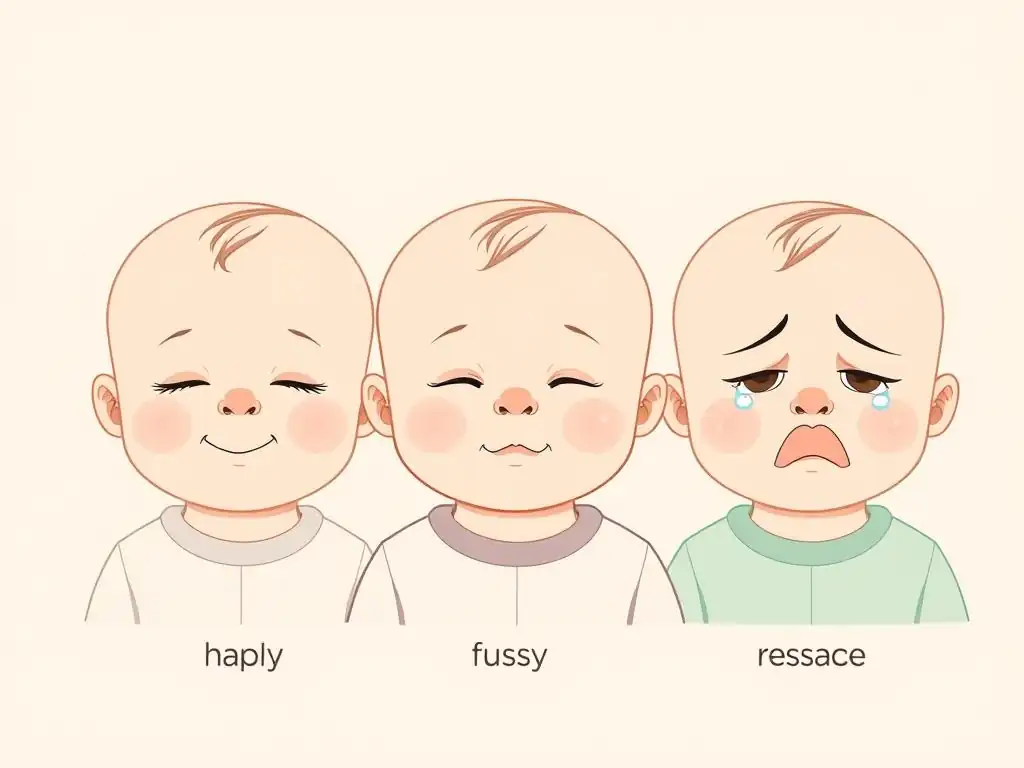
A baby's predominant emotional state, or mood, is a crucial aspect of their temperament. Some infants are generally cheerful and readily express positive emotions like smiles and laughter. These babies are often described as having a positive affect. They tend to approach new situations with enthusiasm and are generally easy to soothe when distressed. Conversely, some infants exhibit a predominantly negative affect, displaying more irritability, fussiness, and crying.
These babies may find it more challenging to adapt to new situations and require more effort to calm down. It's important to note that this doesn't mean these babies are "bad" or "difficult"; it simply reflects a different temperament style. The intensity and frequency of these moods also vary significantly across infants. For instance, one baby might exhibit mild irritability while another might display intense and frequent outbursts of anger or frustration. Understanding a baby's typical mood helps parents and caregivers anticipate their needs and respond appropriately.
A baby consistently displaying negative affect might benefit from strategies to reduce overstimulation and promote a sense of calm, whereas a consistently cheerful baby might thrive on engaging in stimulating activities. Accurate assessment of mood is a crucial first step in supporting the healthy development of an infant's personality. Furthermore, longitudinal studies show a correlation between early infant mood and later personality traits, though this is not a deterministic relationship. Many factors contribute to personality development, and temperament is just one piece of the puzzle.
Activity Level: Energy and Movement
Infant activity level refers to the amount of energy and movement a baby displays. This ranges from extremely active babies who are constantly wriggling, kicking, and exploring their environment, to those who are more passive and prefer quieter, less physically demanding activities. Highly active infants might require more physical space and opportunities for movement to avoid becoming overstimulated or frustrated. Parents might find themselves engaging in more active playtime with these babies, like tummy time or interactive floor play.
Conversely, less active babies might be content with quieter activities, such as being cuddled or observing their surroundings. Understanding a baby's activity level is crucial for creating an environment that supports their needs. A highly active baby confined to a small space might become fussy and irritable, while a less active baby forced into constant stimulation might become overwhelmed. The level of activity also influences sleep patterns; highly active babies may have more difficulty settling down for sleep, while less active babies may sleep for longer stretches.
It's important to remember that activity levels can fluctuate throughout the day, influenced by factors like hunger, fatigue, and environmental stimuli. Careful observation over time provides a more accurate picture of a baby's typical activity level, helping parents create a nurturing and supportive environment. A balanced approach, offering both active and quiet opportunities, is often beneficial for all infants, regardless of their typical activity level.
Approach/Withdrawal: Response to Novelty
An infant's approach/withdrawal temperament dimension describes their response to new situations, people, or objects. Some infants readily approach new experiences with curiosity and enthusiasm, showing a positive approach tendency. These babies are often less fearful and more willing to explore unfamiliar environments. They might readily reach for new toys, engage with strangers, or happily try new foods. On the other hand, some infants exhibit a withdrawal tendency, showing caution, fear, or avoidance of novel stimuli.
These babies might cling to caregivers, cry when faced with new situations, or resist trying new foods. This doesn't indicate a problem; it's simply a different temperament style. The intensity of approach or withdrawal can also vary greatly. Some infants might show a mild hesitancy while others might display intense fear or anxiety. Parents and caregivers can support infants with different approach/withdrawal tendencies by adjusting their approach to new experiences.
For example, gradually introducing new stimuli to a withdrawing infant, allowing them time to adjust and feel secure, can be more effective than overwhelming them. Conversely, providing structured, predictable routines for approach-oriented infants can help them feel secure and avoid overstimulation. Understanding this aspect of temperament allows for a more sensitive and supportive approach to early childhood development, tailoring experiences to the individual needs of each infant. This approach promotes a sense of security and confidence, fostering healthy emotional development.
Recognizing Different Temperament Styles in Infants

Infant temperament, a cornerstone of personality development, significantly influences how babies interact with their world. Understanding these inherent personality styles is crucial for parents and caregivers to provide appropriate support and foster healthy development. Recognizing these early temperamental tendencies helps shape parenting strategies, creating a nurturing environment that caters to the individual needs of each infant.
This section delves into the three primary temperament styles identified by researchers: the easy baby, the difficult baby, and the slow-to-warm-up baby. These categories, while helpful, represent broad tendencies rather than strict classifications; many infants exhibit traits from multiple categories. Remember, every baby is unique, and these classifications serve as guides for understanding developmental patterns.
The Easy Baby: Characteristics and Behaviors
The "easy baby," often described as exhibiting an easygoing temperament, generally possesses a positive emotional outlook. These infants adapt readily to new situations, displaying regular sleep and feeding patterns. They often approach new experiences with curiosity and minimal distress. Their moods tend to be cheerful and positive, making them relatively easy to soothe.
For example, an easy baby might readily accept a new caregiver, readily adjust to a new sleeping arrangement, and generally exhibit a pleasant demeanor. Their predictable routines and adaptable nature alleviate parental stress, contributing to a more harmonious family dynamic. Data from longitudinal studies suggest that these infants are more likely to develop strong social skills and exhibit fewer behavioral problems later in childhood.
However, it's crucial to remember that even easy babies experience moments of fussiness or distress; the key distinction lies in the frequency and intensity of these negative emotional states. Their overall temperament is characterized by flexibility and positive adaptation.
The Difficult Baby: Identifying Challenges and Support Needs
In contrast to the easy baby, the "difficult baby" presents more challenges. These infants are often characterized by irregular sleep and feeding patterns, intense emotional reactions (both positive and negative), and a tendency to withdraw from new experiences. They may exhibit frequent crying spells and struggle to adapt to changes in their routine. Their irritability and unpredictable nature can be demanding for parents and caregivers.
For instance, a difficult baby might scream inconsolably when placed in a new crib, refuse new foods vehemently, and have unpredictable sleep patterns, making consistent routines challenging. Parents of difficult babies often report feeling overwhelmed and frustrated. However, understanding the underlying temperament is crucial. Providing consistent routines, clear expectations, and a predictable environment can mitigate some of the challenges.
Seeking professional support, such as from a pediatrician or child psychologist, can also offer valuable guidance and coping strategies. Early intervention is key to navigating the unique needs of these infants and fostering positive development. Strategies like swaddling, white noise, and responsive parenting can be particularly effective.
The Slow-to-Warm-Up Baby: A Gradual Approach to New Experiences
The "slow-to-warm-up baby" occupies a middle ground between the easy and difficult temperaments. These infants are typically less reactive than difficult babies but exhibit more cautious responses to new situations than easy babies. They need more time to adjust to new people, places, and experiences. While not overly distressed, they often display a degree of withdrawal and hesitancy. Their moods tend to be less intense and more subdued than those of difficult babies.
A slow-to-warm-up baby might initially resist a new toy or activity, but gradually become engaged with gentle encouragement. They may be shy around strangers but eventually warm up given ample time and a comfortable environment. Parenting these infants requires patience and understanding. Gradually introducing new experiences, offering a secure base, and providing reassurance can help them adapt more effectively.
It's essential to avoid pushing them too quickly, allowing them to adjust at their own pace. This approach fosters a sense of security and trust, promoting healthy emotional development. The key is to provide a supportive and predictable environment that allows them to explore at their own rhythm. Patience and consistency are invaluable in supporting the development of these infants.
Beyond the Three Main Types: A Spectrum of Temperament
While the easy, difficult, and slow-to-warm-up classifications provide a helpful framework for understanding infant temperament, it's crucial to remember that infant personalities exist on a spectrum. These three categories aren't rigid boxes; rather, they represent points along a continuum. Many infants display characteristics that blend elements from multiple categories. For instance, an infant might show high activity levels (characteristic of a "difficult" temperament) but also be quite adaptable to new situations (a trait more often associated with "easy" temperaments).
This highlights the complexity of individual differences and the limitations of simplistic categorization. Understanding temperament isn't about neatly labeling a child, but rather about recognizing their unique patterns of behavior and emotional responses. The goal is not to force infants into pre-defined boxes, but to appreciate the rich diversity of individual temperaments.
Each infant's personality is a unique mosaic, a blend of various traits that interact in complex ways. This nuanced perspective is essential for parents and caregivers to provide appropriate support and nurturing. Careful observation over time, rather than quick judgments based on limited observations, is key to accurately assessing an infant's temperament.
Consider, for example, an infant who is generally happy and adaptable (suggesting an "easy" temperament), but who exhibits intense reactions to unfamiliar noises. This doesn't automatically disqualify the infant from the "easy" category. Instead, it highlights the multifaceted nature of temperament and the importance of understanding the individual's unique profile. Similarly, an infant classified as "slow-to-warm-up" might show significant improvement in their adaptability with consistent, positive interaction and a carefully structured environment.
These examples underscore the dynamic nature of infant temperament and the potential for change and development over time. The more we understand the complexities of temperament, the better equipped we are to support healthy development in infants. Therefore, appreciating the spectrum rather than rigidly adhering to the three main types allows for a more holistic and accurate understanding of infant personality.
Impact of Temperament on Infant Development
Infant temperament, the foundation of personality, significantly influences a child's development across various domains. Understanding these impacts is crucial for parents, caregivers, and educators to provide appropriate support and nurturing. Recognizing an infant's inherent predispositions allows for a more tailored approach to child-rearing, fostering healthy growth and development. The variations in temperament, often categorized as easy, difficult, or slow-to-warm-up, are not simply personality traits; they are deeply intertwined with a child's trajectory.
This section will explore the specific effects of temperament on social-emotional, cognitive, and parent-child interaction development. Early identification of temperament styles can be a powerful tool in predicting and positively shaping future developmental outcomes, leading to a more harmonious and successful child development journey. The impact of infant temperament personality styles is profound and far-reaching.
A child's temperament significantly shapes their social and emotional landscape. For instance, infants classified as "easy" tend to exhibit more positive affect, readily adapting to new situations and people. This contributes to the development of secure attachment styles, characterized by trust and confidence in their caregivers. Conversely, "difficult" infants, often displaying irritability and intense reactions, might struggle with forming secure attachments.
Their heightened sensitivity and negative emotional responses can lead to increased parental stress and potentially affect the development of emotional regulation skills. Early intervention strategies focusing on parental sensitivity and responsiveness are particularly crucial for these infants. Research suggests that consistent, supportive parenting can help "difficult" infants develop healthy coping mechanisms and improve their social-emotional well-being.
The impact extends beyond infancy; early temperament can predict later social competence, empathy, and emotional stability. Understanding the link between temperament and social-emotional development allows for proactive strategies to mitigate potential challenges and nurture healthy emotional growth. For example, providing a predictable and structured environment for "slow-to-warm-up" infants can help them gradually adjust and feel more secure.
Temperament and Cognitive Development
The relationship between temperament and cognitive development is complex but undeniable. While not directly causal, temperament influences the way a child engages with their environment and learns. For example, "easy" infants, with their generally positive disposition and adaptability, may be more likely to actively explore their surroundings, leading to richer sensory experiences and enhanced cognitive development.
They may show greater curiosity, readily engaging in activities that stimulate their cognitive abilities. On the other hand, "difficult" infants, with their tendency towards negative affect and irritability, may be less inclined to engage in exploration and learning, potentially impacting their cognitive progress. However, this does not imply a predetermined limitation; early interventions focusing on creating a stimulating and supportive learning environment can significantly mitigate these challenges.
The role of parental responsiveness in nurturing cognitive development is paramount, particularly for infants with challenging temperaments. Understanding these nuances allows for the development of tailored learning strategies that cater to individual temperamental styles. For example, offering "slow-to-warm-up" infants opportunities for gradual exposure to new stimuli can foster a positive learning experience and reduce anxiety.
Temperament and Parent-Child Interactions
Infant temperament profoundly impacts the quality of parent-child interactions. "Easy" babies tend to elicit more positive responses from parents, fostering a nurturing and responsive environment. This positive feedback loop strengthens the parent-child bond and contributes to the child's overall well-being. In contrast, "difficult" infants, with their frequent fussiness and irritability, can strain parental patience and increase the likelihood of negative interactions.
This can lead to parental stress, potentially affecting the consistency and quality of care. Understanding these dynamics is crucial for supporting parents of infants with challenging temperaments. Interventions that focus on improving parental coping skills, stress management, and effective communication strategies are essential for maintaining a positive parent-child relationship.
The impact of temperament on parent-child interactions is bidirectional; parental responses shape the child's development, and the child's temperament influences parental behavior. Therefore, a holistic approach that acknowledges and addresses both aspects is necessary to promote optimal development. Support groups, parenting education programs, and access to mental health resources can significantly benefit families navigating the challenges associated with diverse infant temperaments.
Parenting Strategies for Different Infant Temperaments

Understanding your infant's temperament is the first step towards effective parenting. Recognizing whether your baby is easy, difficult, or slow-to-warm-up allows you to tailor your approach, fostering a secure attachment and promoting healthy development. This section focuses on practical strategies for nurturing each temperament type. Remember, these are guidelines; each baby is unique, and flexibility is key. Consistent, loving care remains the cornerstone of healthy child development, regardless of temperament.
Supporting the Easy Baby's Development
Easy babies, often described as adaptable and cheerful, present fewer parenting challenges. However, this doesn't mean they require less attention. These babies thrive on consistency and routine, but also benefit from opportunities for exploration and social interaction.
Providing a predictable schedule—regular feeding times, consistent nap routines, and structured playtime—helps establish a sense of security and reduces potential anxieties. This doesn't mean rigidity; spontaneous cuddles and playtime are equally important. Easy babies often enjoy a variety of stimuli and activities, so offering age-appropriate toys and experiences can enrich their development. Encourage their natural curiosity by providing safe spaces for exploration and engaging in interactive play.
The key is to maintain a positive and responsive environment while still implementing structure. This balance allows the easy baby to flourish, developing their innate strengths and building a strong foundation for later personality development. Observe their cues and respond accordingly, adjusting the routine as needed to accommodate their preferences. This responsiveness reinforces the parent-child bond and helps the easy baby develop a healthy sense of self. Early positive experiences help solidify their adaptable nature, setting the stage for future resilience and success.
Nurturing the Difficult Baby: Strategies for Effective Parenting
Parenting a difficult baby can be challenging. These infants are often characterized by irregular sleep patterns, intense emotional reactions, and a tendency towards irritability. However, with a tailored approach, parents can effectively nurture their development and foster a secure attachment.
- Consistency is Crucial: Establish clear and consistent routines to provide predictability in their environment. While flexibility is still important, a structured schedule can help reduce the frequency of meltdowns.
- Understanding Their Cues: Learn to recognize the early signs of distress. Responding promptly and calmly to their needs can help prevent escalation.
- Positive Reinforcement: Focus on rewarding positive behaviors with praise and affection. This helps reinforce desired actions and builds a positive association with parental interaction.
- Emotional Regulation Techniques: Help your baby learn to self-soothe through techniques like swaddling, gentle rocking, or offering a pacifier. These can help calm them during periods of distress.
- Seeking Support: Don't hesitate to seek support from other parents, family members, or professionals. Parenting a difficult baby can be emotionally draining, and external support is invaluable.
Remember, a difficult temperament doesn't reflect on your parenting skills. It's a reflection of your baby's inherent personality. By understanding their needs and employing effective strategies, you can guide them towards healthy development. Patience, consistency, and self-care are essential for both you and your baby.
Helping the Slow-to-Warm-Up Baby Thrive
Slow-to-warm-up babies are often characterized by cautiousness, low activity levels, and a tendency towards mild negative reactions to new stimuli. While they may appear less demanding than difficult babies, they require a sensitive and patient approach to help them adapt and thrive.
The key is to introduce new experiences gradually and allow them time to adjust. Avoid overwhelming them with too much stimulation at once. Provide a predictable and secure environment where they feel safe to explore at their own pace. Gentle and repetitive interactions can help build trust and encourage them to engage more confidently.
Creating a calm and predictable environment is crucial. This includes maintaining a consistent routine, minimizing sudden changes, and offering a sense of security through physical closeness. Approach new situations slowly, allowing them ample time to observe and adjust before actively participating. Positive reinforcement and encouragement are vital in helping them overcome their initial hesitation and develop their confidence.
Celebrate even small successes to build their self-esteem and encourage further exploration. The use of predictable routines and calming activities can significantly improve their adjustment to various situations and reduce their anxiety levels. Remember, patience and understanding are key to helping a slow-to-warm-up baby feel safe and secure.
Creating a Consistent and Supportive Environment
A consistent and predictable environment is crucial for infants, regardless of their temperament. This doesn't mean a life devoid of spontaneity, but rather a framework of routines and expectations that provides a sense of security and stability. Infants thrive on knowing what to expect; this predictability reduces anxiety and allows them to focus their energy on exploration and development.
For example, establishing regular feeding times, nap schedules, and bedtime routines can significantly contribute to a calmer and more manageable environment for both the infant and caregiver. These routines provide a sense of order and predictability, which is especially beneficial for highly reactive infants who might be easily overwhelmed by unexpected changes.
The importance of a supportive environment extends beyond mere scheduling. It encompasses the overall emotional climate within the family. A warm, responsive, and loving atmosphere fosters a secure attachment, which is fundamental for healthy emotional and social development. This means providing ample opportunities for physical affection, such as cuddling, holding, and skin-to-skin contact.
It also involves being sensitive to the infant's cues, responding promptly to their needs, and providing consistent reassurance. For example, a fearful infant might benefit from extra comforting during unfamiliar situations, while an irritable infant might require more patience and understanding during periods of fussiness. The key is to adapt your parenting style to meet the individual needs of your child while maintaining a consistent and supportive environment.
This consistency helps the infant learn to trust and feel safe, which is essential for their overall well-being and development. Remember, even seemingly small gestures of affection and reassurance can have a profound impact on an infant's emotional security. The aim is to create a nurturing space where the infant feels understood, accepted, and loved, regardless of their temperament.
Creating this environment requires self-awareness and patience from caregivers. It's important to recognize that parenting an infant, particularly one with a challenging temperament, can be demanding. Caregivers may need to adjust their own expectations and seek support when needed.
Connecting with other parents, joining support groups, or seeking professional guidance from a pediatrician or child psychologist can provide invaluable resources and strategies for managing the challenges of infant care. Remember that seeking help is a sign of strength, not weakness, and prioritizing your own well-being is essential for effectively supporting your infant's development. Prioritizing self-care allows caregivers to be more present, patient, and responsive to their infant's needs, ultimately contributing to a more positive and supportive environment for the entire family.
The Long-Term Implications of Infant Temperament
Understanding infant temperament is not merely an academic exercise; it has profound implications for a child's development across the lifespan. While temperament is not destiny, research consistently demonstrates a significant correlation between early temperament and later personality traits, behavioral patterns, and even mental health outcomes. This section explores the long-term effects of infant temperament, highlighting the complex interplay between innate predispositions and environmental influences.
The goal is to provide a nuanced perspective, emphasizing that while early temperament provides a foundation, it's not a rigid predictor of future behavior. Instead, it offers valuable insights into potential challenges and strengths that parents, educators, and caregivers can utilize to support healthy development. The "infant temperament personality styles" observed in infancy offer a glimpse into the future, but these are merely tendencies, not certainties.
Temperament and Later Childhood Personality
The link between infant temperament and later childhood personality is well-established. For instance, infants classified as "easy" – characterized by regularity in sleep and feeding patterns, positive mood, and adaptability – often develop into children who are more sociable, emotionally stable, and resilient. Conversely, "difficult" infants, who exhibit irregularity, negative mood, and withdrawal from new situations, might display increased behavioral problems, such as aggression or defiance, during childhood.
However, the manifestation of these traits can be significantly shaped by parenting styles and environmental factors. Supportive and sensitive parenting can buffer the negative effects of a difficult temperament, fostering emotional regulation and social competence. Conversely, insensitive or harsh parenting can exacerbate existing challenges, leading to more pronounced behavioral difficulties.
A study by [Specific study details pending] demonstrated that children with an initially inhibited temperament (characterized by shyness and anxiety) were more likely to exhibit social anxiety in later childhood, however, the severity of this anxiety was significantly moderated by the level of parental support received. This highlights the crucial interaction between innate temperament and environmental influences in shaping personality development. The study also revealed that early intervention programs focused on social skills training and parental education could significantly mitigate the long-term impact of an inhibited temperament.
Temperament and Adolescent Behavior
The influence of infant temperament extends into adolescence, a period marked by significant developmental changes and challenges. Infants categorized as "slow-to-warm-up" – those who are initially cautious and hesitant but gradually adapt to new situations – may experience more difficulties navigating the social complexities of adolescence. They might struggle with peer relationships, exhibiting increased shyness or social withdrawal. However, this doesn't necessarily translate into persistent social isolation. With supportive environments and appropriate social skills training, adolescents who were initially slow-to-warm-up can develop healthy social connections and build self-confidence.
Adolescents with a history of difficult temperament may exhibit heightened risk-taking behaviors, impulsivity, and conflict with authority figures. These challenges can stem from difficulties in emotional regulation and impulse control, which are often rooted in early temperament. Understanding the underlying temperamental roots of these behaviors is crucial for developing effective intervention strategies. For instance, therapeutic approaches focusing on emotional regulation techniques and conflict resolution skills can be particularly beneficial for adolescents with a history of difficult temperament. This approach recognizes the enduring influence of early temperament while simultaneously emphasizing the potential for positive change and adaptation.
Temperament and Adult Personality: Longitudinal Studies
Longitudinal studies, which track individuals over extended periods, provide the most compelling evidence for the long-term effects of infant temperament. These studies often reveal complex patterns, emphasizing the interplay between temperament and environmental factors in shaping adult personality. While early temperament may predict certain tendencies, it does not determine a person's destiny. For example, an infant with a difficult temperament might develop into an adult who is assertive and independent, or they might struggle with interpersonal relationships and experience higher levels of stress. The trajectory depends heavily on the experiences and opportunities encountered throughout life.
Studies like the [Specific study details pending] have consistently shown that individuals with an easy temperament in infancy tend to exhibit higher levels of life satisfaction and well-being in adulthood. However, even individuals with initially challenging temperaments can achieve positive outcomes. Resilience, defined as the ability to bounce back from adversity, plays a crucial role.
Factors such as supportive relationships, effective coping mechanisms, and access to resources can significantly impact the trajectory of development, mitigating the potential negative effects of a challenging temperament and fostering positive adaptation throughout the lifespan. This reinforces the importance of considering both innate predispositions and environmental influences when understanding the long-term implications of infant temperament. The journey from infancy to adulthood is a dynamic process, shaped by a complex interplay of nature and nurture.
Frequently Asked Questions
What is infant temperament?
Infant temperament refers to the inborn behavioral characteristics of a baby, influencing their reactivity and self-regulation. It's the foundation upon which personality develops. These individual differences are evident from a very young age.
How many different temperament styles are there?
While there's no single universally agreed-upon number, common models identify three to nine different styles. These often include categories like easy, difficult, and slow-to-warm-up temperaments, each with varying levels of activity, adaptability, and mood.
Is infant temperament the same as personality?
No, while temperament forms the basis for personality development, it's not identical. Personality is a broader concept that encompasses temperament, but also includes learned behaviors, values, and beliefs acquired throughout life. Temperament is the starting point.
Can temperament be changed?
While innate temperament is relatively stable, it's not fixed. Parenting styles, environmental factors, and life experiences can significantly influence how a child's temperament manifests over time. Nurturing environments can help shape behavioral patterns.
How can parents understand their baby's temperament?
Careful observation of your baby's typical reactions to different situations (sleep, feeding, new people) is key. Look for patterns in their activity levels, mood, and adaptability. Consulting with a pediatrician or child development specialist can also provide valuable personalized guidance.
Final Reflection: The Enduring Power of Infant Temperament
Understanding infant temperament is not merely an academic exercise; it's a crucial key to unlocking a lifetime of healthy development and fulfilling relationships. The variations in personality we see in newborns—from the easygoing to the highly sensitive—shape their interactions with the world and profoundly influence their future selves. This understanding empowers parents, caregivers, and educators to nurture each child's unique potential.
The impact of early temperament is undeniable, shaping not only a child's immediate behavior but also their long-term emotional regulation, social skills, and even their susceptibility to certain challenges. The child is father to the man,
as the saying goes, highlighting the profound influence of early experiences. Recognizing and respecting these inherent differences allows us to create environments that foster growth and resilience, rather than inadvertently exacerbating existing difficulties. This is a journey of continuous learning and adaptation, requiring patience, empathy, and a deep understanding of the individual child.
Now, consider your own experiences. Think back to your infancy, or perhaps to the infants you know. How did their unique temperaments manifest? How did those around them respond? This article is not just about understanding; it's a call to action. Let the insights shared here inspire you to approach each child with mindful awareness, celebrating their individuality and providing the support they need to thrive. Embrace the diversity of infant personalities, and together, let's build a world where every child can flourish.
Embrace Your Infant's Unique Temperament Today!
Thank you for exploring the fascinating world of infant temperament! Understanding your child's personality is a crucial step in providing the best possible care. Let's delve deeper into how you can nurture your baby's individual needs.
Here are some empowering steps you can take:
- Observe and Understand: Dedicate time each day to observe your baby's reactions and behaviors, identifying patterns in their temperament. This will help you adapt your parenting style to their unique personality.
- Connect with Other Parents: Join a parenting group or online forum to share experiences and learn from others. Connecting with other parents can offer valuable support and fresh perspectives.
- Expand Your Knowledge: Learn more about infant temperament through books, reputable websites, or parenting classes. This will equip you with the knowledge to enhance your interactions with your little one.
What unique aspects of your baby's personality have you noticed, and how have they influenced your approach to parenting?