
The Importance of Mental Health Throughout the Lifespan


Welcome to Psychology Basics, your gateway to understanding the fascinating world of the human mind. We're dedicated to making complex psychological concepts accessible to everyone. But what truly shapes our mental well-being across a lifetime? Dive into our latest article on "Mental Health Lifespan Importance" within the Developmental Psychology section, and uncover the crucial insights that will change how you view mental health from cradle to grave. Prepare to be surprised by what you discover about this vital aspect of human development.
-
Understanding Mental Health Across the Lifespan: A Developmental Perspective
- Mental Health in Infancy and Early Childhood: Building a Strong Foundation
- Mental Health in Childhood and Adolescence: Navigating Developmental Challenges
- Mental Health in Young Adulthood: Transitioning to Independence and Adulthood
- Mental Health in Middle Adulthood: Balancing Work, Family, and Personal Well-being
- Mental Health in Late Adulthood: Aging Gracefully and Maintaining Mental Well-being
- Factors Influencing Mental Health Across the Lifespan
- Promoting Positive Mental Health Across the Lifespan
- The Importance of Mental Health Literacy Across the Lifespan
-
Frequently Asked Questions
- What is the importance of mental health across the lifespan?
- How does mental health change throughout different life stages?
- Why is early intervention for mental health so important?
- What are some common mental health challenges faced by adults?
- How can I support my own mental health, or the mental health of someone I know?
- Final Reflection: A Lifetime of Wellbeing: Cultivating Mental Health Across the Years
- Nurture Your Mind: Take the Next Step Toward Mental Wellness!
Understanding Mental Health Across the Lifespan: A Developmental Perspective
Mental health is not a static entity; it's a dynamic process that evolves and changes throughout our lives. Understanding the importance of mental health across the lifespan is crucial, not only for promoting well-being but also for identifying and addressing potential challenges at each stage of development.
This article explores the significance of mental health from infancy through young adulthood, highlighting key developmental milestones and potential vulnerabilities. By understanding the unique mental health needs at each stage, we can better equip individuals and communities to foster resilience, promote positive mental health, and provide timely intervention when needed.
This holistic approach to mental health recognizes that our experiences and environments significantly shape our mental well-being throughout our entire lives, emphasizing the interconnectedness between developmental stages and mental health outcomes. This is especially relevant to the keyword "mental health lifespan importance," as we will demonstrate the profound and lasting impact of mental health at each stage.
Mental Health in Infancy and Early Childhood: Building a Strong Foundation
The foundation for lifelong mental well-being is laid during infancy and early childhood. Secure attachment with caregivers is paramount; it provides a sense of safety and security, fostering emotional regulation and social-emotional development. Responsive parenting, characterized by consistent and sensitive caregiving, plays a crucial role in shaping a child's ability to cope with stress and build healthy relationships.
Early childhood experiences, including exposure to trauma or adversity, can significantly impact brain development and increase the risk of mental health challenges later in life. Positive early experiences, such as nurturing relationships and stimulating environments, conversely, promote resilience and healthy emotional development. Specific examples include the impact of secure attachment on later social competence and the correlation between early exposure to violence and increased risk of anxiety disorders.
The importance of early intervention programs, designed to identify and address potential mental health issues in young children, cannot be overstated. These programs provide support for both children and their families, aiming to prevent more serious issues from developing later. Early detection and intervention are key to improving outcomes and promoting long-term mental well-being.
Childhood and adolescence are periods of significant physical, cognitive, and social-emotional change. These developmental transitions can present unique challenges to mental health. Academic pressure, peer relationships, and identity formation are key stressors during this time. Children and adolescents may experience anxiety, depression, or other mental health issues, often manifesting differently than in adults.
For instance, anxiety might present as clinginess or school refusal, while depression might appear as irritability or changes in sleep patterns. Early identification of these issues is crucial, often requiring specialized assessment tools and interventions tailored to the developmental stage. The role of schools and families in supporting mental health during this period is vital.
Creating supportive school environments, promoting social-emotional learning, and providing access to mental health services are essential steps. Furthermore, open communication and education about mental health within families can help reduce stigma and encourage help-seeking behaviors. Data indicates a rise in anxiety and depression rates among adolescents, highlighting the need for proactive mental health initiatives targeted at this age group.
Mental Health in Young Adulthood: Transitioning to Independence and Adulthood
The transition to young adulthood involves significant life changes, including leaving home, starting college or a career, and forming intimate relationships. These transitions can be both exciting and stressful, potentially impacting mental well-being. Young adults may face challenges related to academic or career pressures, financial instability, and relationship difficulties. Furthermore, this period may see the emergence of new mental health challenges, or the continuation of those that began earlier in life.
The development of coping mechanisms and resilience is crucial during this phase. Access to mental health services tailored to the specific needs of young adults is essential. These services might include counseling, support groups, or psychoeducational programs.
The importance of fostering self-care practices, such as healthy eating, regular exercise, and sufficient sleep, cannot be overemphasized. Creating supportive social networks and strong relationships can also provide a buffer against stress and promote mental well-being. Studies show a correlation between strong social support systems and lower rates of depression and anxiety in young adults, underscoring the importance of fostering positive relationships during this critical stage of development.
Mental Health in Middle Adulthood: Balancing Work, Family, and Personal Well-being
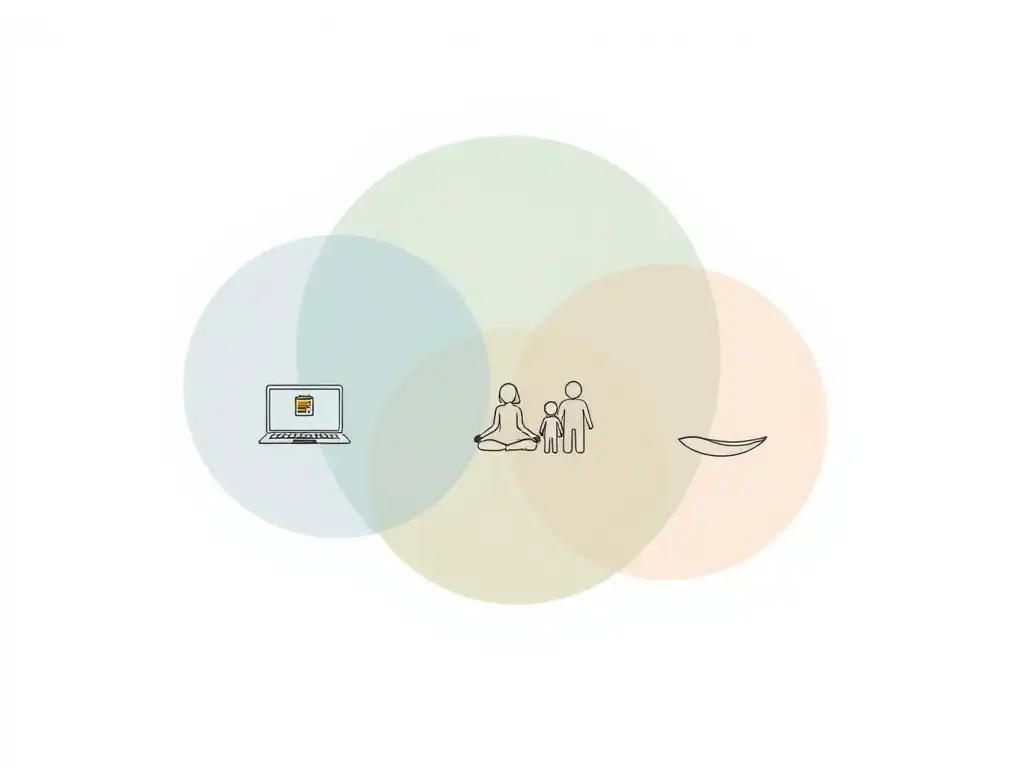
Middle adulthood, generally spanning from ages 40 to 65, presents a unique set of challenges and opportunities impacting mental well-being. Individuals in this life stage often juggle multiple significant roles—as parents, partners, employees, and sometimes caregivers for aging parents. This complex interplay can significantly influence mental health. The demands of career advancement, financial responsibilities, and raising children or supporting adolescents can lead to chronic stress, potentially manifesting as anxiety or depression. Moreover, the physical changes associated with aging, such as hormonal shifts and declining energy levels, can further exacerbate these stressors.
Successfully navigating this period requires a proactive approach to mental health. Prioritizing self-care becomes crucial. This might involve engaging in regular physical activity, maintaining a healthy diet, ensuring sufficient sleep, and practicing stress-management techniques like mindfulness or meditation.
Strong social support networks are also vital, providing a buffer against the pressures of daily life. Open communication with family members and partners is essential to address concerns and share responsibilities effectively. Seeking professional help when needed is not a sign of weakness but a sign of strength and self-awareness, allowing individuals to address mental health concerns before they escalate.
Many adults in this phase find therapy beneficial in navigating the complexities of work-life balance and addressing potential mental health issues proactively. Furthermore, exploring hobbies and engaging in activities that foster a sense of purpose and personal fulfillment can significantly contribute to overall well-being during this demanding life stage. The importance of maintaining a healthy work-life integration cannot be overstated; finding that balance is key to thriving in middle adulthood.
Mental Health in Late Adulthood: Aging Gracefully and Maintaining Mental Well-being
Late adulthood, typically considered age 65 and beyond, presents a unique set of mental health considerations. While some individuals experience a decline in cognitive function, many others maintain excellent mental acuity and a high quality of life well into their 80s and 90s. However, several factors can significantly impact mental well-being during this stage.
Physical health plays a crucial role; chronic illnesses, mobility limitations, and sensory impairments can contribute to feelings of isolation, depression, and anxiety. The loss of loved ones, social isolation due to reduced mobility or decreased social circles, and the potential for financial insecurity are also significant stressors. Furthermore, the adjustment to retirement and a change in social roles can be challenging for some.
Maintaining mental well-being in late adulthood requires a multifaceted approach. Regular physical activity, tailored to individual abilities, is vital for both physical and mental health. Social engagement is equally crucial, combatting isolation and fostering a sense of belonging. Participating in social groups, volunteering, or engaging in hobbies can significantly improve mental health.
Cognitive stimulation, such as puzzles, reading, or learning new skills, helps maintain cognitive function and reduces the risk of cognitive decline. Access to appropriate healthcare, including regular check-ups and prompt treatment for any physical or mental health concerns, is essential. Moreover, acceptance of the aging process and a focus on maintaining a positive outlook are crucial for mental well-being.
Many find comfort and support in spiritual practices or faith-based communities. The importance of adapting to changing circumstances and embracing new life stages contributes significantly to navigating the challenges of late adulthood successfully and aging gracefully. Family and community support are invaluable in this phase, assisting with practical needs and providing emotional support.
Factors Influencing Mental Health Across the Lifespan
Mental health, encompassing emotional, psychological, and social well-being, is not static; it evolves and is shaped throughout our lives. Understanding the multifaceted factors influencing mental health across the lifespan is crucial for promoting wellbeing and effective intervention. The concept of "Mental health lifespan importance" highlights the continuous need for attention and support at every stage of life. This section delves into key influences, exploring how genetics, environment, and life experiences interact to impact mental wellness.
Genetic Predisposition and Mental Health: The Role of Heredity
Genetic inheritance plays a significant role in determining vulnerability to certain mental health conditions. While genes don't directly cause mental illness, they can influence an individual's predisposition or susceptibility. For example, research indicates a strong heritable component in conditions like schizophrenia, bipolar disorder, and major depressive disorder. This doesn't mean that having a family history guarantees developing these conditions; rather, it suggests an increased risk.
The complexity of gene-environment interactions is crucial to understanding this predisposition. While a person might inherit a genetic vulnerability, environmental factors determine whether that vulnerability translates into a diagnosable condition. This is often explained using the diathesis-stress model, where the diathesis represents the genetic vulnerability and stress represents the environmental trigger.
A person with a high genetic predisposition might develop a mental health condition with relatively low levels of stress, while someone with a lower predisposition might only develop the condition under significant stress. Further research continues to identify specific genes and gene variations associated with various mental health conditions, paving the way for more personalized preventative strategies and targeted treatments.
The environment profoundly shapes mental health across the lifespan. Social, cultural, and economic factors interact in complex ways to influence an individual's well-being. Socioeconomic status (SES) is a particularly strong predictor of mental health outcomes. Individuals from lower SES backgrounds often face increased stress related to poverty, unemployment, and limited access to resources, increasing their risk for various mental health challenges. This includes increased prevalence of anxiety, depression, and substance abuse.
Cultural factors also play a significant role. Cultural norms and values can influence how mental health conditions are perceived, diagnosed, and treated. Stigma surrounding mental illness varies across cultures, impacting help-seeking behaviors. Moreover, cultural differences in coping mechanisms and support systems can significantly impact mental health outcomes. For example, strong family and community support networks can buffer against the negative impacts of stressful life events, promoting resilience. Understanding these cultural nuances is essential for tailoring mental health services to specific populations and reducing disparities in access to care.
Life Events and Mental Health: Stress, Trauma, and Resilience
Life events, both positive and negative, significantly impact mental health. Stressful life events, such as job loss, bereavement, relationship difficulties, or trauma (e.g., abuse, accidents), can trigger or exacerbate mental health conditions. The severity and duration of the stressor, as well as individual coping mechanisms and support systems, determine the impact on mental well-being.
Trauma, in particular, can have long-lasting effects on mental health, potentially leading to conditions like post-traumatic stress disorder (PTSD), anxiety disorders, and depression. However, resilience – the ability to bounce back from adversity – is a crucial factor in determining outcomes. Resilience is not simply the absence of negative experiences; it involves a complex interplay of individual characteristics (e.g., optimism, self-efficacy), social support, and coping strategies.
Promoting resilience through interventions that build coping skills and foster supportive relationships is crucial in mitigating the negative impacts of stressful life events and trauma. Understanding the interplay between life events, stress, trauma, and resilience is key to developing effective preventative and therapeutic strategies across the lifespan.
Promoting Positive Mental Health Across the Lifespan

This section delves into the crucial role of proactive strategies in fostering robust mental well-being throughout life. Understanding the mental health lifespan importance necessitates a multifaceted approach, encompassing preventative measures, resilience-building techniques, and readily accessible support systems. Ignoring this holistic perspective risks overlooking critical opportunities for intervention and support, potentially leading to more significant challenges later in life. The impact of early intervention cannot be overstated; it lays the foundation for a lifetime of positive mental health.
Early Intervention and Prevention Strategies for Mental Health Issues
Early intervention in mental health is paramount. Identifying and addressing potential issues in childhood and adolescence can significantly improve long-term outcomes. This preventative approach is far more effective and cost-efficient than managing severe mental health disorders later in life. Several strategies prove highly effective:
- Parental education and support: Equipping parents with the knowledge and skills to recognize early warning signs of mental health issues in children is crucial. Workshops, online resources, and support groups can provide valuable tools and guidance. This empowers parents to foster healthy emotional development and intervene early if needed.
- School-based programs: Implementing comprehensive mental health programs in schools can create a supportive environment for students. These programs can include mental health awareness education, early identification screenings, and access to counseling services. Early detection and intervention within a familiar and supportive setting are key to positive outcomes.
- Community-based initiatives: Community initiatives play a vital role in promoting mental well-being for children and families. These initiatives can range from parenting support groups and family therapy to youth-focused recreational activities and community events that promote social connection and positive mental health. Such initiatives emphasize the societal aspect of mental health lifespan importance.
- Access to affordable and timely mental healthcare: Early access to mental health professionals is crucial. Removing barriers to access, such as cost and lengthy wait times, is critical to ensuring that children and adolescents receive the support they need when they need it. This includes increasing the availability of child and adolescent psychiatrists and therapists, and promoting telehealth options for better accessibility.
Building Resilience and Coping Mechanisms: Strategies for All Ages
Building resilience—the ability to bounce back from adversity—is a cornerstone of positive mental health throughout the lifespan. Resilience isn't inherent; it's a skill developed over time through various strategies. These strategies are equally vital for children, adolescents, adults, and older adults:
- Mindfulness and meditation: Practicing mindfulness helps individuals become more aware of their thoughts and feelings, allowing them to manage stress and negative emotions more effectively. Regular meditation can significantly reduce anxiety and improve overall mental well-being.
- Social support networks: Strong social connections are protective factors against mental health problems. Nurturing relationships with family, friends, and community members provides a crucial support system during challenging times. Maintaining these connections is vital at every stage of life.
- Physical activity and healthy lifestyle: Regular exercise, a balanced diet, and sufficient sleep are fundamental to physical and mental well-being. These habits contribute to improved mood, reduced stress, and increased energy levels, reinforcing mental health lifespan importance.
- Cognitive behavioral therapy (CBT) techniques: CBT equips individuals with practical skills to identify and challenge negative thought patterns and behaviors. This evidence-based therapy is effective across age groups and can be particularly helpful in managing anxiety, depression, and other mental health challenges.
Seeking Professional Help: Recognizing the Signs and Accessing Resources
Recognizing the signs of mental health issues is crucial, regardless of age. Early identification and intervention are key to improving outcomes. However, seeking help can be challenging, often stigmatized, and sometimes difficult to navigate. Here are some key aspects:
- Recognizing warning signs: Warning signs vary depending on the specific mental health condition and the individual's age. However, common indicators include persistent sadness, anxiety, changes in sleep or appetite, withdrawal from social activities, difficulty concentrating, and significant changes in behavior or personality. It's important to pay close attention to these potential warning signs across the lifespan.
- Reducing stigma: The stigma surrounding mental health significantly impacts help-seeking behaviors. Open conversations, education, and advocacy are essential to reduce this stigma and encourage individuals to seek professional help without fear of judgment. This is crucial for improving mental health lifespan importance.
- Accessing resources: Numerous resources are available to individuals seeking mental health support. These include mental health professionals (psychiatrists, psychologists, therapists), support groups, helplines, and online resources. Knowing where to find these resources is critical for timely intervention. Understanding the availability of these resources within your community is a critical aspect of achieving positive mental health.
The mental health lifespan importance cannot be overstated. A proactive and comprehensive approach, encompassing prevention, resilience-building, and readily available support, is essential for fostering well-being throughout life. Early intervention, coupled with ongoing support and access to resources, significantly enhances the quality of life and overall mental health trajectory.
The Importance of Mental Health Literacy Across the Lifespan
Mental health, encompassing our emotional, psychological, and social well-being, significantly impacts our lives at every stage. Understanding its importance across the lifespan—from childhood to old age—is crucial for promoting individual well-being and building resilient communities. This section delves into the multifaceted nature of mental health literacy and its role in fostering a supportive environment for individuals of all ages. The concept of "Mental health lifespan importance" is central to this discussion, highlighting the need for proactive, age-appropriate interventions and ongoing support.
Educating Individuals and Communities about Mental Health: A Public Health Imperative
Promoting mental health literacy is paramount to improving outcomes across the lifespan. This involves equipping individuals with the knowledge and skills to understand, identify, and manage mental health concerns effectively. A public health approach is essential, focusing on prevention and early intervention.
For example, comprehensive sex education programs in schools can help adolescents understand and manage emotional changes during puberty, reducing the risk of anxiety and depression. Similarly, community-based initiatives that provide mental health awareness workshops for older adults can help them identify and address age-related mental health challenges like loneliness and cognitive decline. Early identification and intervention are key; statistics show that early intervention for conditions like depression in young adults significantly improves long-term prognosis.
The lack of mental health literacy contributes to delayed help-seeking, exacerbating the impact of mental health challenges. Therefore, robust and accessible educational resources are needed, tailored to different age groups and cultural contexts. This includes utilizing diverse media channels, such as social media campaigns and interactive online resources, to reach wider audiences and overcome barriers to access.
Reducing Stigma Surrounding Mental Health Issues: Fostering Open Dialogue
The stigma associated with mental health issues remains a significant barrier to seeking help and support. This stigma is pervasive, affecting individuals across all ages and backgrounds. For instance, children and adolescents may hesitate to disclose mental health struggles for fear of ridicule or social exclusion. Similarly, older adults may be reluctant to seek professional help due to societal misconceptions about aging and mental health.
Open dialogue and destigmatization campaigns are crucial to counter these negative perceptions. Sharing personal stories and highlighting successful recovery journeys can normalize experiences and encourage help-seeking. Educational initiatives should focus on dispelling myths and misconceptions surrounding mental illness, promoting empathy and understanding. Furthermore, media representation plays a vital role in shaping public perception.
Accurate and sensitive portrayals of mental health challenges can help to reduce stigma and promote positive attitudes towards mental well-being. The goal is to create a supportive environment where individuals feel comfortable seeking help without fear of judgment or discrimination. This requires a multi-pronged approach involving educational programs, community engagement, and media advocacy.
The Role of Mental Health Professionals in Supporting Lifelong Well-being
Mental health professionals play a vital role in supporting individuals throughout their lifespan. Their expertise is needed at every stage, from early childhood interventions to geriatric care. For children and adolescents, professionals provide crucial support for developmental challenges, such as anxiety, ADHD, and depression. In adulthood, they offer therapies and interventions for a wide range of conditions, including stress management, relationship issues, and trauma.
For older adults, they address age-related concerns such as dementia, cognitive decline, and depression. The importance of accessible and affordable mental healthcare cannot be overstated. This includes ensuring equitable access to services for all populations, regardless of socioeconomic status, geographic location, or cultural background.
Furthermore, ongoing professional development and training are essential to keep pace with advancements in mental health research and best practices. Collaboration between mental health professionals, educators, and community organizations is key to providing holistic and comprehensive support across the lifespan. This collaborative approach ensures that individuals receive the appropriate level of care at each stage of their lives, promoting lifelong well-being and resilience.
Frequently Asked Questions
What is the importance of mental health across the lifespan?
Mental health is crucial at every stage of life, impacting our ability to function, build relationships, and experience well-being. Ignoring mental health needs at any age can lead to significant challenges later on.
How does mental health change throughout different life stages?
Mental health concerns manifest differently across the lifespan. Childhood issues might involve anxiety or behavioral problems, while adulthood could see depression or stress-related disorders, and old age may bring about cognitive decline or isolation.
Why is early intervention for mental health so important?
Early intervention is key because addressing mental health issues in childhood and adolescence can prevent more severe problems later in life. Early identification and treatment can improve long-term outcomes and quality of life.
What are some common mental health challenges faced by adults?
Adults frequently experience stress, anxiety, and depression, often related to work, relationships, or financial pressures. Other common challenges include substance abuse and adjustment disorders.
How can I support my own mental health, or the mental health of someone I know?
Prioritizing self-care, building strong social connections, and seeking professional help when needed are crucial. For others, listen empathetically, offer support, and encourage them to seek professional guidance if necessary.
Final Reflection: A Lifetime of Wellbeing: Cultivating Mental Health Across the Years
The pervasive impact of mental health on every stage of life is undeniable; neglecting its importance is akin to neglecting the very foundation of human flourishing. From the formative years of childhood to the wisdom of old age, our mental wellbeing shapes our experiences, relationships, and overall quality of life. Ignoring this fundamental truth has far-reaching consequences, impacting not only individuals but also society as a whole.
The journey of mental health is a lifelong process, a continuous evolution shaped by experiences, relationships, and societal influences. It's a journey I've personally witnessed in my own life and the lives of those around me, highlighting the need for consistent support and understanding at every stage. The mind is everything. What you think you become.
– Buddha. This ancient wisdom rings truer than ever in our modern world, emphasizing the profound connection between our thoughts, feelings, and actions, and their impact on our overall wellbeing throughout life.
Now, consider your own journey. What steps can you take today to prioritize your mental health, not just for yourself, but for the ripple effect it has on your loved ones and community? Commit to learning more, seeking support when needed, and fostering a culture of understanding and compassion around mental health. Let us build a future where mental wellbeing is not just a priority, but a fundamental right, accessible to all, regardless of age or circumstance. The time for action is now.
Nurture Your Mind: Take the Next Step Toward Mental Wellness!
Thank you for exploring this crucial discussion on mental health across the lifespan. You've gained valuable insights into its impact at every life stage. Now, let's put that knowledge into practice!
Here are some actionable steps to prioritize your mental well-being and inspire others:
- Cultivate a daily mindfulness practice: Even five minutes of deep breathing and present moment focus can significantly improve mental clarity and emotional resilience.
- Share this information with loved ones: Discussing the concepts presented here can spark meaningful conversations about mental health within your community, raising awareness and fostering understanding.
- Connect with a support network: Joining a local support group or online forum provides a safe and supportive environment to share experiences and challenges, fostering valuable connections.
What steps will you take today to improve your mental well-being or support someone else's journey?