
The Developing Senses: How Babies Perceive the World

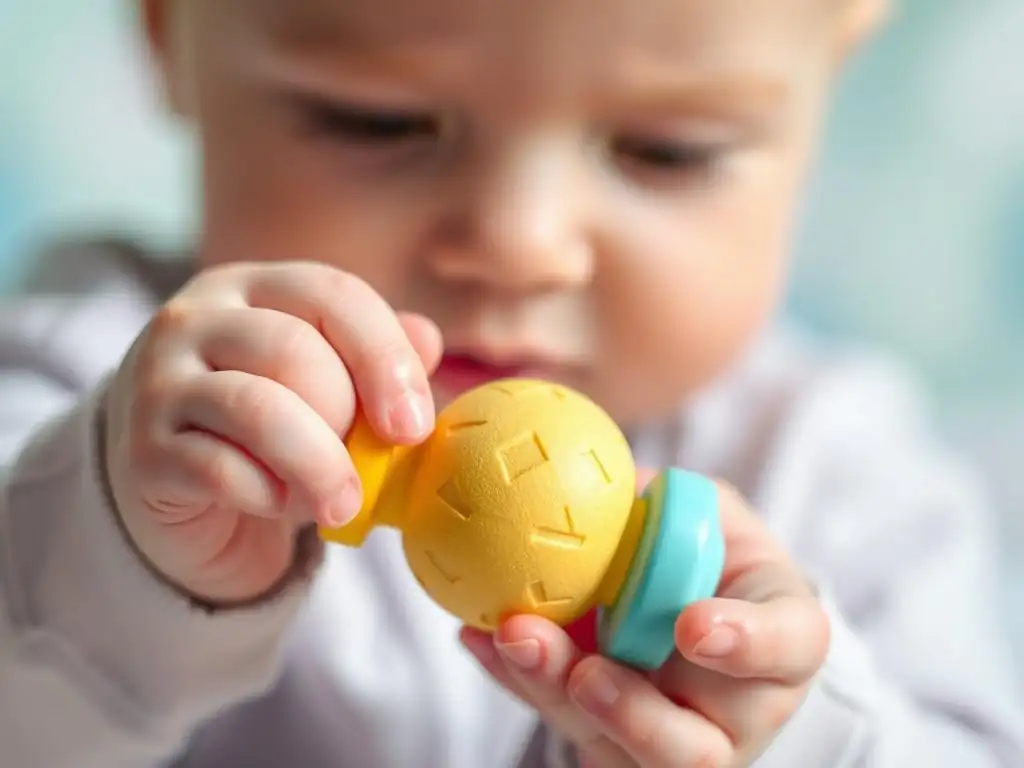
Welcome to Psychology Basics, your gateway to understanding the fascinating world of the human mind. Are you curious about the intricate processes shaping our thoughts and behaviors? Then you've come to the right place! We'll explore key psychological concepts in an accessible and engaging way. Dive in and discover the remarkable journey of baby sensory development stages, uncovering the secrets of how these tiny humans perceive and interact with their environment in our article, "The Developing Senses: How Babies Perceive the World." Prepare to be amazed by the complexities of early brain development!
- Baby Sensory Development Stages: A Timeline of Perception
- Understanding Sensory Integration in Babies
- Factors Affecting Baby Sensory Development
- Supporting Healthy Sensory Development in Infants
- The Importance of Early Sensory Experiences for Cognitive Development
- Baby Sensory Development Stages and Milestones: A Practical Guide for Parents
- Frequently Asked Questions
- Final Reflection: A World Unveiled: The Enduring Wonder of Sensory Development
- **Embrace the Journey of Discovery! **
Baby Sensory Development Stages: A Timeline of Perception
Understanding how babies perceive the world is a fascinating journey into the development of the human mind. This article explores the key stages of baby sensory development, focusing on the remarkable transformations that occur from birth to the early years.
We will delve into the intricate processes by which infants develop their senses of sight, hearing, touch, taste, and smell, highlighting the crucial role these sensory experiences play in shaping their cognitive, emotional, and social development. Learning about these stages is not only scientifically enriching but also incredibly valuable for parents and caregivers who want to support their child's healthy growth and development.
This comprehensive overview will equip you with a solid understanding of the typical progression of sensory development in babies, allowing you to appreciate the amazing capabilities of these young minds and better understand their unique needs. We will examine the "Baby sensory development stages" in detail, offering insights into the typical timeline and variations that can occur.
Early Sensory Development: The Newborn Experience
The newborn experience is a sensory explosion! While their senses are not fully developed at birth, they are already remarkably functional. Newborns exhibit reflexive responses to stimuli, demonstrating an innate capacity to process sensory information. For example, they will turn their heads towards a sound (auditory reflex), grasp objects placed in their hands (tactile reflex), and root for a nipple when their cheek is stroked (rooting reflex).
These early reflexes highlight the crucial role of sensory input in the newborn's immediate survival and adaptation to the external world. Taste and smell are also surprisingly well-developed at birth. Newborns display preferences for sweet tastes and can distinguish between different scents, including their mother's milk. This early sensory sensitivity plays a role in their bonding with caregivers and their overall well-being.
The development of these senses sets the stage for more complex sensory integration and learning in the months to come. Understanding this initial sensory landscape is vital for parents and caregivers to appropriately interact and stimulate their newborns. The subtle cues and responses of a newborn provide a window into their sensory world and should be carefully observed and responded to.
Visual Development in Infants: From Blur to Clarity
Visual acuity in newborns is surprisingly limited. Initially, they can only see clearly at a very short distance (around 8-12 inches). The world appears blurry and lacks sharp detail. However, this doesn't mean they aren't actively processing visual information.
Newborns show a preference for looking at high-contrast patterns, like black and white stripes or faces. Over the first few months, visual acuity rapidly improves. By around 6 months, most infants have achieved near-adult levels of visual acuity, allowing them to see fine details and colors more clearly. Depth perception also develops progressively, enabling infants to judge distances and avoid falling.
This improvement in vision is closely linked to brain development and the maturation of the visual cortex. The ability to focus, track moving objects, and perceive depth are critical milestones that support their exploration of the environment and their interactions with caregivers. During this period, providing infants with visually stimulating experiences, such as colorful toys and mobiles, can further enhance their visual development.
Auditory Development in Babies: Recognizing Sounds and Voices
Auditory development begins even before birth. Babies in the womb can hear muffled sounds from their mother's body and the external environment. This prenatal auditory experience lays the foundation for postnatal auditory development. Newborns demonstrate a preference for human voices, particularly their mother's voice, which they can distinguish from other voices.
They are also sensitive to different sounds and tones. Over the first year, their ability to discriminate between sounds, locate sound sources, and understand language improves dramatically. This development is crucial for language acquisition and communication. By around 6 months, infants begin to understand simple words and phrases.
By 12 months, they typically say their first words. Exposure to a rich auditory environment, including conversations, songs, and stories, is essential for optimal auditory development. Encouraging vocalization and responding to their babbling helps them develop their language skills and strengthens their bond with caregivers. Regular interaction with sounds and voices is key to nurturing the development of a healthy auditory system and language comprehension.
Taste and Smell Development: Preferences and Aversions
Newborns are surprisingly sophisticated tasters and smellers. While their preferences aren't fully developed at birth, they demonstrate innate biases. For instance, they show a clear preference for sweet tastes, likely an evolutionary adaptation designed to encourage the consumption of nutritious foods. This preference is readily observable in their facial expressions and sucking patterns when presented with sweet solutions versus bitter or sour ones.
Interestingly, this innate preference for sweetness can be overridden by learned experiences. Repeated exposure to certain tastes, even aversive ones initially, can lead to acceptance and even preference over time. This is crucial for introducing a variety of flavors during complementary feeding.
Smell, closely linked to taste, plays a significant role in early bonding. Babies can identify their mothers through scent alone, a remarkable feat considering their limited visual acuity at birth. This olfactory recognition contributes to feelings of security and comfort. They also display preferences and aversions based on smell, reacting differently to pleasant aromas like vanilla versus unpleasant ones.
Research indicates that exposure to diverse smells during infancy can contribute to a broader range of olfactory experiences later in life, potentially influencing food preferences and even emotional responses. Further research is needed to fully understand the long-term impact of early olfactory experiences on brain development and later behaviors. The interplay between smell and taste in early sensory development deserves more investigation into its influence on food choices and overall development.
Tactile Development in Infants: Exploring Textures and Sensations
Touch is the first sense to develop in utero, and tactile exploration is paramount to an infant's understanding of the world. From the moment of birth, infants utilize touch to learn about their environment and interact with caregivers. Their hands and mouths become primary tools for exploration, engaging with different textures, temperatures, and shapes. The sensitivity of their skin allows them to differentiate between soft fabrics, rough surfaces, and even subtle variations in temperature. This tactile exploration is not merely sensory input but a crucial component of cognitive development.
The act of touching and manipulating objects contributes significantly to motor skill development. Grasping, reaching, and manipulating toys helps refine hand-eye coordination and strengthens fine motor skills. The feedback received through touch informs the baby about the properties of objects, providing important information about shape, size, and texture. For example, a baby might learn to distinguish between a soft, cuddly toy and a hard, smooth block through tactile exploration. Furthermore, tactile stimulation plays a vital role in emotional development.
The comforting touch of a caregiver provides security and reduces stress, contributing to a sense of well-being and attachment. Studies show that regular tactile interaction, such as massage, can positively impact infant development, improving sleep patterns and reducing fussiness. Lack of sufficient tactile stimulation, conversely, can negatively impact a child's development and well-being. Therefore, providing infants with varied tactile experiences is crucial for their healthy development across multiple domains.
Understanding Sensory Integration in Babies
This section delves into the fascinating world of sensory integration in infants, a crucial aspect of baby sensory development stages. We'll explore how babies process sensory information, the interplay between different senses, and the powerful influence of both nature and nurture on their sensory development. Understanding these processes is key to appreciating the remarkable journey a baby undertakes in constructing their perception of the world.
How Sensory Information is Processed: Neural Pathways
Sensory information doesn't simply arrive at a baby's brain; it undergoes a complex process of filtering, organization, and interpretation. This process begins with specialized receptor cells in the sensory organs – eyes, ears, skin, nose, and tongue. These receptors translate physical stimuli (light, sound waves, pressure, chemicals) into electrical signals. These signals then travel along specific neural pathways to various brain regions.
For example, visual information from the eyes travels primarily along the optic nerve to the visual cortex in the occipital lobe. Auditory information from the ears follows the auditory nerve to the auditory cortex in the temporal lobe. The somatosensory system, responsible for touch, temperature, and pain, transmits signals to the somatosensory cortex in the parietal lobe. The complexity of these pathways is astonishing, even at a young age.
A newborn's brain, while immature, already possesses the basic neural architecture to process sensory information, although these pathways continue to refine and develop significantly over the first few years of life. The efficiency of these pathways directly influences the speed and accuracy of sensory processing, impacting a baby’s ability to respond to their environment. This neural plasticity allows for significant adaptation and learning based on experiences.
Interconnected Senses: The Multisensory Experience
While we often discuss senses individually (sight, hearing, touch, etc. ), a baby's experience is fundamentally multisensory. Sensory information from different modalities is constantly integrated and interpreted together. For instance, a baby reaches for a rattle (tactile input) while simultaneously seeing it (visual input) and hearing the sound it makes (auditory input). This integrated sensory experience is crucial for developing a coherent understanding of the world. The brain doesn't process these inputs separately; instead, it combines them to create a unified perception.
Consider the example of a mother's voice. A baby not only hears the sound of their mother's voice but also associates it with the visual sight of her face, the smell of her skin, and the tactile sensation of her touch. This multisensory integration is vital for forming strong emotional bonds and building a sense of security.
The ability to integrate sensory information efficiently predicts later cognitive and social-emotional development. Difficulties in multisensory integration can contribute to challenges in learning and social interaction, highlighting the importance of this early developmental process in the overall trajectory of baby sensory development stages.
The Role of Experience in Sensory Development: Nurture and Nature
Sensory development isn't solely determined by genetics ("nature"); it's profoundly shaped by experiences ("nurture"). While babies are born with the innate capacity to perceive sensory information, the quality and quantity of their sensory experiences significantly influence the refinement and specialization of their sensory systems. A baby raised in a stimulating environment, rich with diverse sensory input, will typically develop more sophisticated sensory processing abilities than a baby raised in a less stimulating environment.
For example, a baby exposed to a wide range of sounds, textures, and visual patterns will develop more refined auditory, tactile, and visual discrimination skills. Conversely, a lack of exposure to certain sensory stimuli can lead to delays or deficits in sensory processing. This highlights the crucial role of parents and caregivers in providing enriching sensory experiences for infants.
The interplay between genetics and experience is complex, and the exact contribution of each factor is still an area of active research. However, it's clear that both nature and nurture are essential for optimal baby sensory development stages. Providing a nurturing environment that encourages sensory exploration is therefore paramount for healthy development.
Further Considerations on Sensory Integration
Research suggests that early sensory experiences may have long-term effects on brain structure and function. More research is needed to fully understand the long-term implications of sensory deprivation or overstimulation during infancy.
Factors Affecting Baby Sensory Development
Understanding how babies perceive the world requires examining the multifaceted influences shaping their sensory development. This process isn't solely a matter of biological maturation; rather, it's a complex interplay of genetic inheritance, environmental exposure, and the timely intervention of caregivers. Delving into these factors provides a more nuanced understanding of "baby sensory development stages."
Genetic Predisposition and Sensory Development
A baby's genetic makeup plays a significant role in their sensory development trajectory. Certain genes influence the development and function of sensory organs, such as the eyes, ears, nose, tongue, and skin. For instance, variations in genes related to the development of the visual cortex can impact visual acuity and the ability to perceive depth. Similarly, genetic factors can influence auditory processing, leading to variations in sensitivity to different frequencies and speech perception.
While genetic predispositions provide a blueprint for sensory development, they don't determine the final outcome. The expression of these genes is profoundly influenced by environmental factors. Consider the example of hearing: a child might inherit genes predisposing them to excellent auditory processing, but exposure to loud noises or prolonged periods of auditory deprivation can negatively impact their hearing development. This highlights the crucial interplay between nature and nurture in sensory development.
Research on twins, particularly identical twins, helps illuminate the impact of genetics. Studies comparing sensory development in identical and fraternal twins often reveal higher concordance rates (similarity) in identical twins, suggesting a strong genetic component. However, even identical twins raised in different environments may show variations in their sensory abilities, showcasing the influence of environmental factors. Further research is needed to pinpoint specific genes responsible for particular aspects of sensory development and to understand their interaction with environmental factors, but the role of genetics is undeniably crucial in establishing the foundation for sensory perception.
Environmental Influences on Sensory Perception
The environment surrounding a baby profoundly impacts their sensory experiences and subsequent development. This includes both the physical and social environment.
- Physical Environment: The quality of stimulation received through the different senses is critical. A visually rich environment, filled with various colors, patterns, and textures, promotes better visual development. Similarly, exposure to diverse sounds and music fosters auditory development. Tactile exploration, through varied textures and materials, is vital for developing touch sensitivity. The absence or limitation of these stimuli can lead to delays in sensory development.
- Social Environment: The interaction between a baby and their caregivers plays a crucial role. Responsive caregivers who engage in sensory play, such as singing songs, reading stories, and providing tactile stimulation, foster better sensory development. A nurturing and supportive environment reduces stress, which can negatively impact sensory processing. Furthermore, consistent and predictable routines help establish a sense of security and predictability, allowing the baby to focus on sensory exploration. Conversely, a chaotic or neglectful environment can hinder development.
Consider the example of a child growing up in a visually impoverished environment, like a room with minimal visual stimulation. Their visual development might lag behind that of a child exposed to a rich variety of visual experiences. This highlights the importance of providing a stimulating and enriching environment to support optimal sensory development. Understanding these environmental factors is vital in designing interventions aimed at optimizing "baby sensory development stages."
The Impact of Early Intervention: Addressing Sensory Delays
Early detection and intervention are crucial in addressing sensory delays in babies. Early intervention programs provide specialized support to help babies catch up on their sensory development. These programs often involve a multidisciplinary team of professionals, including therapists, educators, and medical professionals.
The effectiveness of early intervention is largely dependent on the prompt identification of sensory delays. Certain signs, such as delayed milestones in motor skills, speech, or social interaction, may indicate sensory processing challenges. Regular developmental screenings by healthcare providers are essential in early identification.
Intervention strategies vary depending on the specific sensory challenges faced by the baby. They might involve sensory integration therapy, which focuses on improving the brain's ability to process sensory information. Other strategies include creating a structured and predictable environment, providing sensory enrichment activities tailored to the baby's needs, and working with parents and caregivers to implement strategies at home.
The success of early intervention is measured by improvements in the baby's sensory processing abilities and overall development. The earlier the intervention, the better the chance of achieving significant improvements. Early intervention not only addresses immediate challenges but also lays a foundation for future learning and development, promoting healthier developmental trajectories and better outcomes across various developmental domains. The positive impact of early intervention underscores the importance of awareness and proactive measures in supporting optimal "baby sensory development stages."
Supporting Healthy Sensory Development in Infants
Supporting healthy sensory development in your baby is crucial for their overall growth and well-being. A baby's sensory experiences shape their understanding of the world and lay the foundation for cognitive, emotional, and social development. This process, often referred to as baby sensory development stages, unfolds gradually, with each sense developing at its own pace. Understanding these stages and actively participating in your baby's sensory journey can significantly impact their future development.
We'll explore practical strategies to nurture this crucial aspect of infancy. Remember, consistency and patience are key! Early intervention is also important if you notice any significant delays or difficulties.
Creating a Stimulating Environment for Sensory Exploration
Creating a stimulating environment is paramount for fostering your baby's sensory development. This doesn't require extravagant purchases; simple adjustments to their surroundings can make a significant difference. Think about incorporating a variety of textures, sounds, sights, smells, and tastes into their daily experiences.
Consider these practical tips:
- Visual Stimulation: Hang mobiles with contrasting colors and patterns above the crib. Use soft, colorful toys that catch their attention. Expose them to natural light and varying levels of brightness (always ensuring safety). Reading books with vibrant illustrations is another great way to stimulate visual development.
- Auditory Stimulation: Play soft music, sing lullabies, and talk to your baby frequently. Use different types of sounds – gentle chimes, nature sounds, or even household noises (carefully introduced). This helps them discriminate between sounds and develop auditory processing skills.
- Tactile Stimulation: Provide a variety of textures for your baby to explore – soft blankets, rough textured toys, smooth surfaces. Give them opportunities for skin-to-skin contact, which is incredibly soothing and beneficial.
- Gustatory Stimulation: Introduce different flavors (always appropriate for their age) in a safe and controlled manner. This doesn't mean sugary treats; rather, think about offering variations in the taste of pureed fruits and vegetables.
- Olfactory Stimulation: Expose your baby to pleasant smells, such as lavender or chamomile (always ensuring safety and avoiding strong scents). This helps them develop their sense of smell and associate certain scents with positive experiences.
Remember to always supervise your baby during sensory play and ensure their safety.
Engaging in Sensory Play Activities with Your Baby
Engaging in sensory play activities is a fun and effective way to stimulate your baby's senses and promote their development. These activities should be age-appropriate and tailored to your baby's individual needs and preferences. Here are some examples:
- Tummy Time: This classic activity strengthens muscles, improves coordination, and stimulates visual and tactile senses.
- Water Play: Bath time is an excellent opportunity for sensory exploration. Use different bath toys, cups, and sponges to create a stimulating experience.
- Finger Painting: Introduce non-toxic finger paints for tactile exploration and creative expression.
- Sensory Bins: Fill a container with various textured materials like rice, beans, or pasta for your baby to explore. Always supervise to prevent accidental ingestion.
- Music and Movement: Sing songs, play musical instruments, and dance with your baby to stimulate their auditory and motor senses.
The key is to make these activities enjoyable and interactive. Respond to your baby's cues, and adapt the activities to their interests and abilities. Regular sensory play can significantly contribute to their overall development. Observe their reactions; their engagement indicates success! A lack of interest might suggest modifying the activity or exploring alternative sensory stimulation.
Recognizing Signs of Sensory Processing Difficulties
While most babies develop their senses naturally, some may experience difficulties processing sensory information. Recognizing these signs early on is crucial for early intervention. These difficulties can manifest in various ways, impacting their daily life and development. It's important to consult a pediatrician or developmental specialist if you notice any persistent concerns.
Some potential signs of sensory processing difficulties include:
| Sensory System | Potential Signs of Difficulty |
|---|---|
| Visual | Over-sensitivity to light, avoidance of eye contact, difficulty tracking objects |
| Auditory | Over-sensitivity to noise, difficulty focusing on sounds, delayed language development |
| Tactile | Over-sensitivity to touch, avoidance of certain textures, difficulty with clothing |
| Gustatory | Picky eating, strong aversion to certain tastes |
| Olfactory | Over-sensitivity to smells, strong reactions to certain scents |
| Vestibular | Difficulty with balance, motion sickness, avoidance of movement |
| Proprioceptive | Clumsiness, poor body awareness, difficulty with fine motor skills |
Early detection and intervention are key to supporting babies with sensory processing difficulties. These difficulties do not define a child, and with appropriate support, children can thrive and reach their full potential. Remember, patience and understanding are crucial in this process. Early intervention can make a significant positive difference in their lives. 👶
When to Seek Professional Help for Sensory Issues
Early identification of sensory processing difficulties is crucial for optimal development. While some variations in sensory responses are normal, certain signs warrant professional assessment. Parents and caregivers should be vigilant for persistent and significant challenges impacting a child's daily life.
These challenges may manifest in various ways, significantly affecting a child's ability to interact with their environment and engage in typical developmental milestones. For instance, a child who consistently demonstrates extreme reactions to everyday stimuli – such as overwhelming distress at the sound of a vacuum cleaner or an intense aversion to specific textures – might require professional attention. Similarly, a child who exhibits profound difficulty in self-regulation, struggling to manage their emotional responses to sensory input, could benefit from early intervention.
The timing of intervention is critical, as early intervention often yields better outcomes. Delaying intervention can lead to compounding difficulties, impacting not only sensory processing but also social-emotional development and academic progress. A delayed diagnosis can also lead to increased frustration for both the child and their caregivers. Therefore, it's important to remember that seeking professional help is not a sign of failure but rather a proactive step towards supporting the child's healthy development. Early intervention provides opportunities for tailored support and strategies to manage sensory sensitivities, ultimately enhancing the child's quality of life.
Recognizing the subtle signs is vital. These might include difficulties with feeding, sleep disturbances, or challenges with motor skills. For example, a child who persistently refuses certain food textures or exhibits unusual reactions to being touched might require a sensory evaluation. Similarly, a child who struggles with gross motor skills, like running or jumping, or fine motor skills, like writing or drawing, may have underlying sensory processing issues that need addressing.
These difficulties are not isolated incidents; they are often interconnected, forming a pattern that warrants further investigation by a qualified professional. A comprehensive assessment can help determine the underlying cause of these challenges and guide the development of an appropriate intervention plan. Remember, early intervention is key in maximizing positive outcomes for children with sensory processing challenges.
There is no single "magic bullet" or one-size-fits-all approach for sensory processing issues. The best course of action will depend heavily on the individual child's unique needs and challenges, as well as their family's resources and support systems. It's crucial to build a strong collaborative relationship with the healthcare professionals involved, actively participating in the assessment and treatment process.
This may involve regular communication with therapists, educators, and other relevant professionals to ensure a cohesive and effective approach. This collaborative effort is essential for creating a supportive environment for the child's optimal development. Early and consistent intervention, coupled with a collaborative approach, can significantly improve the quality of life for children struggling with sensory processing difficulties.
The Importance of Early Sensory Experiences for Cognitive Development
Early sensory experiences are absolutely crucial for a baby's cognitive development. The brain, particularly during infancy, is incredibly plastic – meaning it's highly adaptable and responsive to environmental input. This period, often referred to as a sensitive period, is characterized by rapid neural growth and synapse formation. The richness and variety of sensory stimulation a baby receives directly impacts the strength and complexity of these neural connections, laying the foundation for future cognitive abilities.
Think of it like building a strong house: the more robust the foundation (sensory experiences), the taller and more stable the house (cognitive abilities) can become. A lack of sufficient sensory input during this critical time can have significant, long-term consequences on cognitive function. This underscores the importance of providing babies with diverse and engaging sensory experiences from birth.
The Link Between Sensory Input and Brain Development
Sensory input fuels brain development in several ways. When a baby experiences a new sight, sound, smell, taste, or touch, neurons in the brain fire, strengthening the connections between them. This process, known as synaptic pruning, eliminates weak connections and strengthens the ones frequently used. Repeated sensory experiences solidify these neural pathways, making them more efficient and leading to faster processing speed and improved cognitive functions.
For instance, a baby repeatedly hearing its mother's voice strengthens the neural pathways associated with language processing, facilitating future language acquisition. Studies have shown a direct correlation between the amount and variety of sensory stimulation received during infancy and later cognitive performance, including measures of intelligence and academic achievement. The more diverse and engaging the sensory environment, the richer the neural network becomes, ultimately leading to better cognitive outcomes. Conversely, sensory deprivation can lead to reduced brain activity and impaired cognitive development.
Sensory Development and Language Acquisition
The development of language is intricately linked to sensory experiences, especially auditory ones. A baby's ability to discriminate between different speech sounds, a crucial step in language acquisition, relies heavily on auditory processing. Exposure to a rich linguistic environment, filled with diverse sounds and conversations, helps babies learn to differentiate phonemes (the basic units of sound in a language).
This auditory processing is not only about hearing words; it's also about understanding the rhythm, intonation, and prosody of speech. For example, a baby who frequently hears stories read aloud, or engages in interactive conversations, develops a better understanding of language structure and meaning. This early sensory exposure doesn't just improve language comprehension; it also enhances their ability to produce language themselves.
Research consistently demonstrates that babies exposed to more language during infancy have larger vocabularies and better language skills later in life. This highlights the critical role of auditory sensory input in the development of linguistic abilities.
Sensory Experiences and Motor Skill Development
Sensory experiences are not only vital for cognitive and language development; they also play a crucial role in the development of motor skills. A baby's ability to reach, grasp, and manipulate objects relies on a complex interplay between sensory input and motor output. For example, the sense of touch provides crucial information about the properties of objects – their texture, shape, and temperature.
Visual input helps babies locate and track objects, while proprioception (the sense of body position) allows them to coordinate their movements accurately. These sensory inputs work together to refine motor skills gradually. Babies who are provided with opportunities to explore a variety of textures, shapes, and sizes of objects develop finer motor skills more quickly.
Playing with textured toys, stacking blocks, and engaging in activities that require hand-eye coordination all contribute to enhanced motor skill development. Think about how a baby learns to reach for a rattle: it's a continuous process of sensory feedback and motor adjustment, leading to improved dexterity and coordination. Lack of sufficient opportunities for sensory exploration can lead to delays in motor skill development.
Baby Sensory Development Stages and Milestones: A Practical Guide for Parents
Understanding the stages of baby sensory development is crucial for parents and caregivers. This guide provides a practical overview of how your baby's senses develop, highlighting key milestones and offering insights into age-appropriate activities to support their growth. Remember, every baby develops at their own pace, so these milestones are guidelines, not rigid rules. Variations are perfectly normal. The key is to provide a stimulating and nurturing environment that allows your little one to explore the world through their senses. This process of baby sensory development is a cornerstone of healthy child development.
Age-Appropriate Sensory Activities: A Monthly Guide
This section outlines age-appropriate sensory activities, categorized by month, to encourage healthy sensory development in your baby. Remember to always supervise your child during these activities and adjust them based on your baby's individual interests and abilities. Safety should always be the top priority.
| Month | Sensory Focus | Activity Examples | Important Considerations |
|---|---|---|---|
| 1-3 | Touch, Sight, Hearing | Skin-to-skin contact, high-contrast mobiles, soft music, rattles, singing. | Ensure safe materials; avoid small parts that could be choking hazards. |
| 4-6 | Taste, Smell, Sound | Offering different textured foods (purees), playing with scented toys (lavender, chamomile), talking and singing frequently, playing simple songs. | Introduce new tastes and smells gradually; monitor for allergic reactions to new foods. |
| 7-9 | Vision, Movement | Tummy time, reaching for toys, brightly colored books, peek-a-boo. | Supervise tummy time; ensure a safe and comfortable environment. |
| 10-12 | All Senses Integrated | Sensory bins (with safe objects), playing simple games (rolling a ball), exploring different textures (water play, sand play). | Prioritize safety; ensure the environment is child-proofed and supervised. |
Remember that these are just examples, and you can adapt them to your baby's unique preferences. The goal is to provide varied and engaging experiences that stimulate all five senses. The more you interact and play, the more you foster healthy baby sensory development stages.
Monitoring Your Baby's Sensory Progress: What to Look For
Regularly observing your baby's responses to sensory stimulation is vital. While developmental variations exist, certain red flags may indicate potential issues. Early intervention is key for optimal development.
- Vision: Does your baby follow moving objects with their eyes? Do they seem to prefer looking at faces? Are they showing any signs of squinting excessively or avoiding bright lights?
- Hearing: Does your baby startle at loud noises? Do they turn their head towards sounds? Do they respond to your voice?
- Touch: Does your baby show comfort with being touched and held? Do they react to different textures appropriately (e.g., not overly sensitive or unresponsive)?
- Taste and Smell: Does your baby show preferences for certain tastes and smells? Do they react negatively to certain tastes or smells?
- Movement: Does your baby achieve developmental milestones (e.g., rolling over, sitting, crawling) within a reasonable timeframe?
If you notice any significant delays or concerns in any of these areas, it's important to consult your pediatrician or a child development specialist. Early intervention can make a significant difference. Remember, early detection is crucial in addressing potential developmental delays related to baby sensory development stages.
Promoting Healthy Sensory Development Through Play
Play is not just fun; it's fundamental for your baby's sensory development. Engaging in playful interactions helps stimulate their senses and promotes healthy brain development.
Play is the highest form of research.
— Albert Einstein
Here are some practical tips for promoting healthy sensory development through play:
- Create a stimulating environment: Ensure your baby's surroundings are rich in textures, colors, sounds, and smells.
- Engage in regular sensory play: Incorporate age-appropriate sensory activities into your daily routine.
- Talk, sing, and read to your baby: Verbal interaction is crucial for language development and overall sensory stimulation.
- Provide opportunities for exploration: Allow your baby to explore their environment safely and independently.
- Follow your baby's lead: Pay attention to your baby's interests and adapt your play accordingly.
- Be patient and encouraging: Your baby's progress will be gradual, so be patient and celebrate their achievements.
Remember, consistent, loving interaction is key. By providing a supportive and stimulating environment, you can significantly contribute to your baby's healthy sensory development and overall well-being. This focus on baby sensory development will pay dividends throughout their childhood and beyond. Enjoy this precious time of exploration and discovery!
Frequently Asked Questions
What are the key stages of baby sensory development?
Baby sensory development unfolds rapidly. Early stages focus on basic senses like touch and smell, progressing to more complex integration of senses like sight and hearing by around 6 months. Full development continues throughout childhood.
How can I stimulate my baby's sensory development?
Provide varied sensory experiences: soft textures, different sounds, bright colors, and opportunities for movement. Interactive playtime is crucial. Remember to always prioritize safety.
When should I be concerned about my baby's sensory development?
If you notice significant delays or abnormalities in your baby's responses to stimuli (e.g., lack of response to sound or light), consult a pediatrician or developmental specialist. Early intervention is key.
What are the common milestones in baby sensory development?
Milestones include tracking objects with their eyes (around 2 months), reaching for objects (around 3-4 months), and responding to different sounds (throughout the first year). This is a general guideline, and individual variation is normal.
How does sensory development impact a baby's overall development?
Sensory experiences lay the foundation for cognitive, social, and emotional development. Strong sensory processing contributes to learning, communication, and social interaction. Early sensory challenges can impact later development, so early detection is important.
Final Reflection: A World Unveiled: The Enduring Wonder of Sensory Development
The journey of a baby's sensory development is not merely a biological process; it's the very foundation of their understanding of the world, a breathtaking unfolding of experience that shapes their future. Understanding these crucial stages allows us to better support and nurture the incredible growth happening in those first precious months, impacting their cognitive, emotional, and social development in profound ways.
Witnessing a baby's sensory exploration is a privilege, a constant reminder of the power of simple experiences. The way a tiny hand grasps a rattle, the wide-eyed wonder at a mobile's gentle sway, the focused attention on a parent's face – these moments are not just fleeting; they are the building blocks of a lifetime of learning and connection. The greatest gift we can give our children is the ability to love and be loved.
This quote, while seemingly unrelated to sensory development at first glance, speaks to the core of the experience. The sensory world is the bridge to connection, to love, and to understanding.
Consider the implications of this knowledge. How can you, as a parent, caregiver, or educator, actively foster a rich sensory environment for the young children in your life? What simple changes can you make to stimulate their development and nurture their burgeoning senses? Embrace the opportunity to witness this miracle firsthand, to participate in the unfolding of a tiny human's perception of the world. Let the wonder of sensory development inspire you to create a world of rich experiences for the babies around you.
**Embrace the Journey of Discovery! **
Thank you for exploring the fascinating world of infant perception! Your interest marks the beginning of a journey into understanding the remarkable developmental processes that shape future generations. Now, let's put that knowledge into practice.
Here are some ways to deepen your understanding and share this incredible journey:
- **Learn more** about infant development by **reading our articles** on sensory integration and cognitive growth.
- **Join our community** and share your observations of sensory development in infants on our forum or social media.
- **Conduct a simple experiment:** Observe a baby's reactions to different sounds or textures, and record your observations. Your notes could offer valuable insights!
What unique experiences have you had that illustrate the amazing ways babies interact with the world?