
Neuroplasticity and Emotional Change: How Your Brain Adapts to Experiences

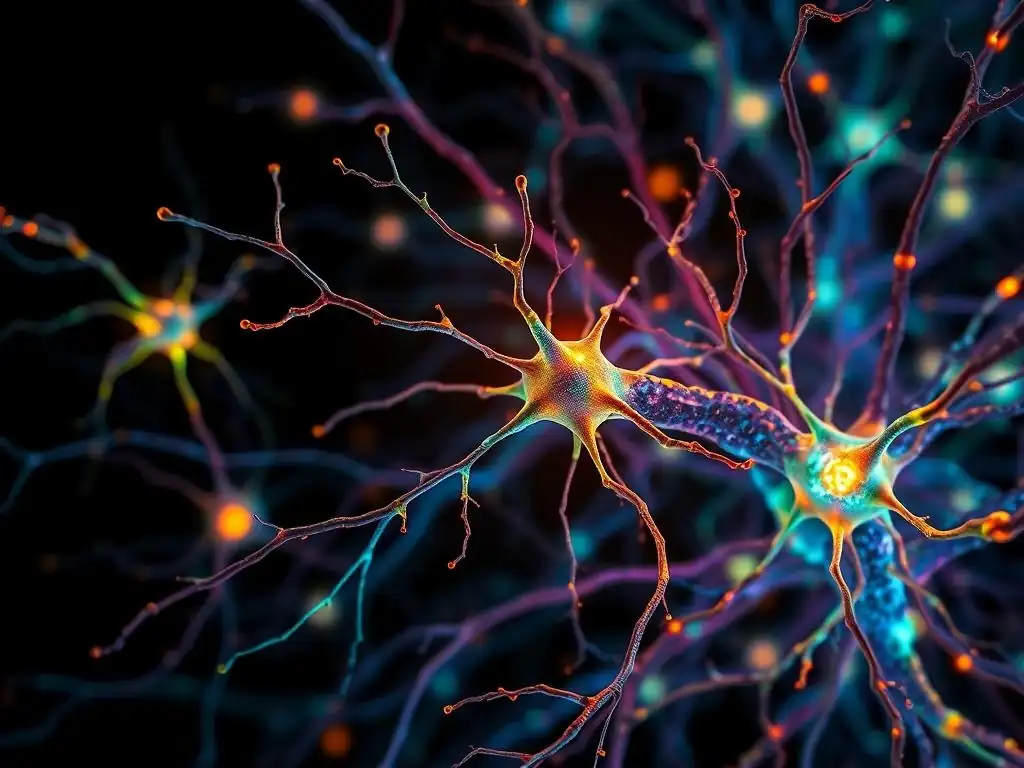
Welcome to Psychology Basics, your gateway to understanding the fascinating world of the human mind. Are you curious about the power of your brain to reshape itself and, in turn, influence your emotions? Our exploration of brain plasticity and emotional change reveals how experiences – both positive and negative – literally alter your brain's structure and function. Discover the remarkable capacity for emotional growth and healing within this introductory look at neuropsychology, and unlock the secrets to a more resilient and fulfilling life. Dive in and explore!
- Understanding Brain Plasticity and Emotional Regulation
- The Neuroscience of Emotional Learning and Neuroplasticity
- Brain Plasticity and the Modification of Emotional Responses
- Case Studies: Real-World Examples of Brain Plasticity and Emotional Change
- Future Directions in Research on Brain Plasticity and Emotional Change
- Frequently Asked Questions
- Final Reflection: Rewiring Your Emotional Landscape
- Unlock Your Brain's Potential for Change!
Understanding Brain Plasticity and Emotional Regulation
The human brain, far from being a static organ, possesses a remarkable capacity for change and adaptation throughout life. This inherent flexibility, known as neuroplasticity, is the cornerstone of learning, memory, and emotional regulation. This article delves into the fascinating interplay between neuroplasticity and emotional change, exploring how our experiences physically reshape our brains and, consequently, influence our emotional responses.
We will examine the mechanisms underlying this dynamic process, providing a foundational understanding of how brain plasticity facilitates emotional growth, resilience, and even recovery from trauma. Understanding this connection is crucial for anyone seeking to improve their emotional well-being and navigate the complexities of human experience. The concept of "Brain plasticity emotional change" is at the heart of this exploration, highlighting the powerful link between our neurological structures and the emotional landscape we inhabit.
What is Neuroplasticity? Defining the Brain's Adaptability
Neuroplasticity, also known as brain plasticity, refers to the brain's ability to reorganize itself by forming new neural connections throughout life. This isn't just a childhood phenomenon; the brain continues to adapt and change in response to learning, experiences, and even injury, well into adulthood. This adaptability occurs at various levels, from the microscopic changes in individual synapses (the connections between neurons) to larger-scale alterations in brain structure and function.
Think of it like this: every time you learn something new, or have a significant emotional experience, your brain physically changes, strengthening some neural pathways and weakening others. This process isn't random; it's driven by the demands placed upon the brain, reinforcing connections that are frequently used and pruning those that are less relevant.
The implications of this are profound, particularly in understanding how our emotional landscape is shaped over time. The constant remodeling of our neural networks underpins our capacity for emotional growth and adaptation.
The Role of Neural Pathways in Emotional Responses
Our emotional responses are not simply abstract feelings; they are the result of complex neural pathways firing in specific regions of the brain. The amygdala, for instance, plays a crucial role in processing fear and other intense emotions. The hippocampus is involved in memory consolidation, connecting emotional experiences to specific contexts. The prefrontal cortex, responsible for higher-level cognitive functions, exerts executive control over emotional responses, helping us regulate our feelings and behaviors. 1 These brain regions communicate with each other through intricate networks of neural connections. Strengthening certain pathways can amplify specific emotional responses, while weakening others can lead to increased emotional regulation. For example, repeated exposure to stressful situations can strengthen fear pathways in the amygdala, making individuals more prone to anxiety. Conversely, practicing mindfulness or engaging in cognitive behavioral therapy (CBT) can help rewire these pathways, promoting emotional resilience.
How Experiences Shape Neural Connections: A Foundation for Emotional Change
Our experiences, both positive and negative, profoundly impact the structure and function of our brains. Positive experiences, such as learning a new skill or forming strong social bonds, can lead to the growth of new neural connections and the strengthening of existing ones. This strengthens the neural pathways associated with positive emotions, promoting feelings of well-being and resilience. Conversely, negative experiences, such as trauma or chronic stress, can disrupt neural pathways and lead to maladaptive emotional responses.
However, the good news is that even negative experiences don't permanently alter our brain structure. Through therapeutic interventions, such as psychotherapy and mindfulness practices, individuals can actively reshape their neural networks, promoting emotional healing and growth. This highlights the incredible power of neuroplasticity in facilitating emotional change and recovery. The brain’s remarkable ability to adapt underscores the potential for positive transformation even after significant adversity.
1 Further research is needed to fully elucidate the intricate interplay of these brain regions in emotional processing.
The Neuroscience of Emotional Learning and Neuroplasticity
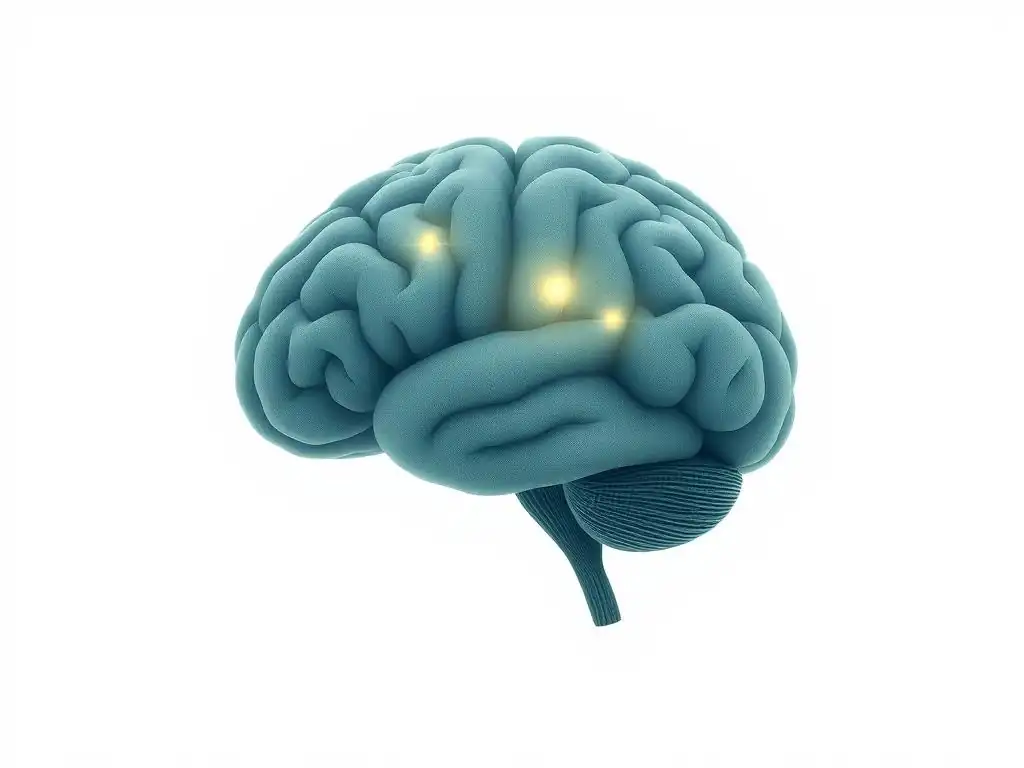
This section delves into the intricate relationship between emotional learning and the brain's remarkable capacity for change, a phenomenon known as neuroplasticity. We'll explore how our experiences, particularly emotional ones, sculpt the very structure and function of our brains, influencing our emotional responses and overall well-being. Understanding this dynamic interplay is crucial for comprehending how we adapt to challenging situations and develop resilience. The concept of brain plasticity emotional change is central to this understanding.
Emotional Learning and Synaptic Changes: Strengthening and Weakening Connections
Emotional learning fundamentally alters the strength of synaptic connections within the brain. When we experience an emotion, specific neural pathways are activated. Repeated activation of these pathways strengthens the connections between neurons, a process known as long-term potentiation (LTP). This strengthening makes it easier for these pathways to be activated in the future, leading to more readily accessible and potentially stronger emotional responses. Conversely, consistent lack of activation can lead to long-term depression (LTD), weakening the connections and potentially diminishing the emotional response.
Think of it like a well-worn path in a forest. The more you walk a particular path, the clearer and more easily traversed it becomes. Similarly, repeated emotional experiences strengthen neural pathways, making those emotions more readily accessible. Conversely, neglecting a path allows it to become overgrown and harder to navigate, mirroring the weakening of neural connections through LTD. This explains why some emotional responses, positive or negative, can become ingrained habits. The process of brain plasticity emotional change is directly observable at this synaptic level.
The Amygdala's Role in Emotional Processing and Plasticity
The amygdala, a small almond-shaped structure deep within the brain, plays a pivotal role in processing emotions, particularly fear and anxiety. Its significant neuroplasticity allows it to adapt to new situations and learn associations between stimuli and emotional responses. For example, if a dog bites you (a negative emotional experience), the amygdala will strengthen its connections with the sensory areas of the brain that processed the sight and sound of the dog. This creates a conditioned fear response; simply seeing or hearing a similar dog in the future can trigger a fear reaction.
However, the amygdala's plasticity is not solely about negative emotions. Positive experiences can also shape its function. Repeated exposure to safe and rewarding environments can lead to changes in amygdala activity, reducing fear responses and promoting feelings of calmness and security. This demonstrates that brain plasticity emotional change is a bidirectional process, influenced by both positive and negative emotional learning. Further research is needed to fully quantify the relative impact of positive versus negative experiences on amygdala plasticity [specific information pending].
The Prefrontal Cortex and its Influence on Emotional Regulation and Neuroplasticity
The prefrontal cortex (PFC), located at the front of the brain, is crucial for higher-level cognitive functions, including emotional regulation. It exerts a top-down influence on the amygdala and other emotional centers, helping us to control our emotional responses and make rational decisions even in emotionally charged situations. The PFC also exhibits significant neuroplasticity, meaning its structure and function can be modified through experience.
Through cognitive behavioral therapy (CBT) and mindfulness practices, for instance, individuals can learn to reframe their thoughts and behaviors, thereby changing the neural pathways associated with emotional responses. This process strengthens connections within the PFC, enhancing its ability to regulate the amygdala's activity. This highlights the power of intentional intervention in shaping brain plasticity emotional change and improving emotional well-being.
The interplay between the PFC and the amygdala, both highly plastic structures, is key to understanding the dynamic nature of emotional regulation and its malleability over time. Studies comparing the PFC activity in individuals with and without anxiety disorders demonstrate significant differences in both structure and function, further supporting the role of brain plasticity emotional change in mental health.
Brain Plasticity and the Modification of Emotional Responses
Brain plasticity, also known as neuroplasticity, is the brain's remarkable ability to reorganize itself by forming new neural connections throughout life. This adaptability isn't limited to learning new skills; it significantly impacts our emotional landscape. Our emotional responses, both positive and negative, aren't fixed; they're shaped and reshaped by our experiences and the resulting changes in our brain's neural pathways.
The strength of connections between neurons involved in processing emotions can be altered, leading to changes in the intensity and frequency of those emotional responses. For example, repeated exposure to stressful situations can strengthen the neural pathways associated with fear and anxiety, making individuals more susceptible to experiencing those emotions. Conversely, positive experiences and therapeutic interventions can foster the growth of new neural connections that support emotional resilience and well-being.
Understanding this dynamic interplay between brain plasticity and emotional change is crucial for developing effective strategies to manage and improve emotional health. The very structure of our brain, particularly areas like the amygdala (involved in fear processing) and the prefrontal cortex (involved in emotional regulation), can be physically altered through consistent experiences and targeted interventions, highlighting the power of neuroplasticity in emotional change.
Techniques to Foster Neuroplasticity for Emotional Well-being: Mindfulness and Meditation
Mindfulness and meditation practices are increasingly recognized for their ability to promote brain plasticity and enhance emotional well-being. These techniques involve focusing on the present moment without judgment, cultivating a sense of awareness and acceptance of thoughts and feelings. Studies using neuroimaging techniques like fMRI have shown that regular mindfulness practice leads to structural and functional changes in brain regions associated with emotional regulation, such as the amygdala and prefrontal cortex.
For instance, research indicates increased grey matter density in the hippocampus—a brain region vital for learning and memory—and improved connectivity between the amygdala and prefrontal cortex, potentially explaining the reduced reactivity to stress and improved emotional control observed in practitioners. The mechanisms by which these changes occur are complex, but likely involve alterations in gene expression and neurotransmitter systems.
Furthermore, the consistent engagement in mindful awareness strengthens neural pathways associated with self-awareness and emotional regulation, leading to a more balanced and adaptive emotional response to life's challenges. Regular meditation, even for short durations, can significantly contribute to these beneficial changes in brain structure and function, fostering emotional resilience and reducing susceptibility to stress and anxiety.
The Impact of Psychotherapy on Brain Structure and Emotional Regulation
Psychotherapy, particularly cognitive behavioral therapy (CBT) and other evidence-based approaches, has a demonstrable impact on brain structure and emotional regulation. Therapeutic interventions help individuals identify and modify maladaptive thought patterns and behaviors that contribute to emotional distress. This process of learning and unlearning, in essence, reshapes the neural pathways involved in emotional processing.
For example, individuals with anxiety disorders often exhibit heightened activity in the amygdala. Through CBT, individuals learn to challenge and reframe anxious thoughts, leading to a reduction in amygdala activity and a corresponding decrease in anxiety symptoms. This behavioral change is reflected in measurable alterations in brain activity and even structural changes over time, showcasing the powerful influence of therapy on brain plasticity.
Longitudinal studies are needed to fully elucidate the extent and duration of these changes, but existing research strongly suggests that successful psychotherapy results in lasting modifications to brain function and structure, supporting long-term emotional well-being. The specific changes observed vary depending on the therapeutic approach and the individual's condition, but the fundamental principle remains: effective psychotherapy leverages the brain's plasticity to promote emotional healing and resilience.
Lifestyle Changes that Promote Brain Plasticity and Emotional Health: Exercise and Diet
Lifestyle factors significantly influence brain plasticity and emotional health. Among the most impactful are regular exercise and a balanced diet. Physical activity stimulates the release of neurotrophic factors like brain-derived neurotrophic factor (BDNF), which promotes the growth and survival of neurons, enhancing brain plasticity. Studies have shown that aerobic exercise, in particular, can increase hippocampal volume and improve cognitive function, contributing to better emotional regulation.
Furthermore, exercise reduces stress hormones like cortisol, which can negatively impact brain health. A healthy diet rich in fruits, vegetables, and omega-3 fatty acids provides the brain with essential nutrients necessary for optimal function and plasticity. Conversely, a diet high in processed foods, saturated fats, and sugar can impair brain function and increase the risk of mental health problems.
The interplay between nutrition and brain health is complex, but maintaining a balanced diet is crucial for supporting neuroplasticity and promoting emotional well-being. Integrating regular exercise and a nutritious diet into one's lifestyle represents a powerful, readily accessible strategy for leveraging brain plasticity to improve emotional health and resilience. The combined effects of these lifestyle choices create a synergistic impact, far exceeding the benefits of either intervention alone.
Case Studies: Real-World Examples of Brain Plasticity and Emotional Change
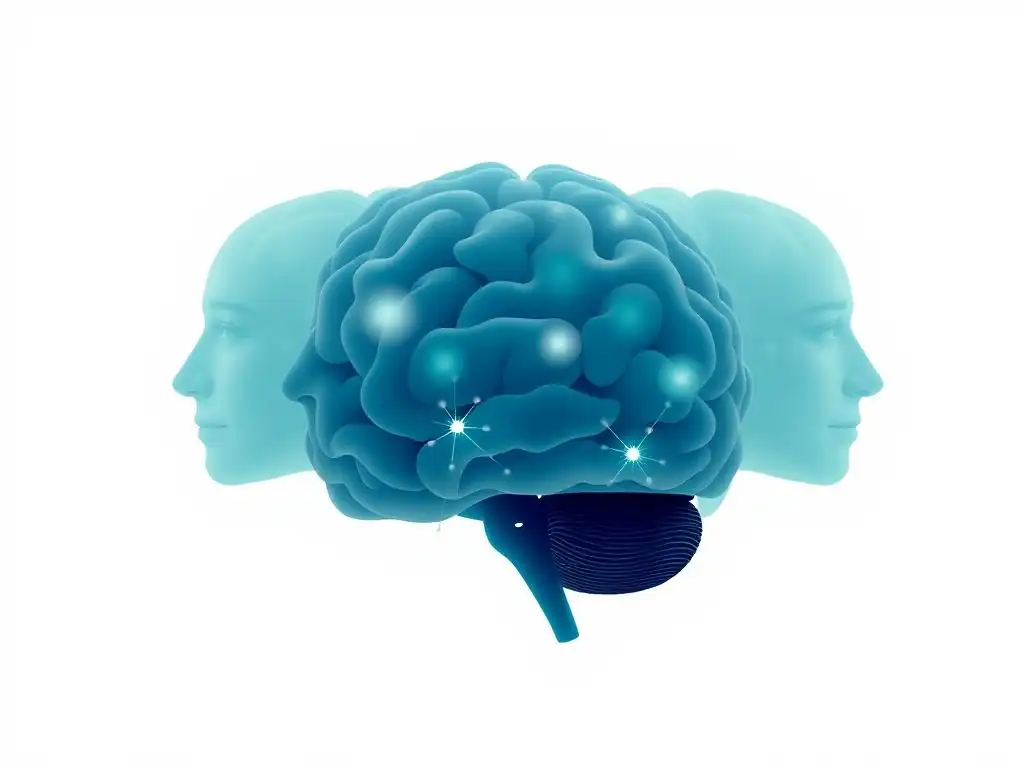
This section delves into specific instances showcasing how brain plasticity facilitates emotional change. We'll examine how therapeutic interventions leverage neuroplasticity to alter brain structure and function, resulting in significant shifts in emotional experience. Understanding these real-world examples underscores the dynamic interplay between our brains and our emotional lives, highlighting the potential for positive transformation through targeted interventions. The term "brain plasticity emotional change" directly reflects the core concept explored here.
Case Study 1: Overcoming Anxiety Through Cognitive Behavioral Therapy (CBT)
Cognitive Behavioral Therapy (CBT) is a prime example of a therapeutic approach that harnesses brain plasticity to alleviate anxiety. Anxiety disorders, characterized by excessive fear and worry, are often associated with heightened activity in the amygdala, the brain region processing fear and threat. CBT works by targeting maladaptive thought patterns and behaviors that contribute to anxiety. Through repeated practice of CBT techniques, such as cognitive restructuring and exposure therapy, individuals gradually reshape their neural pathways.
This process leads to observable changes in brain activity. Neuroimaging studies have demonstrated that successful CBT reduces amygdala hyperactivity and strengthens prefrontal cortex (PFC) activity. The PFC is crucial for executive functions like regulating emotions and controlling impulses. Essentially, CBT helps rebalance the brain's emotional circuitry, shifting the dominance from the fear-processing amygdala to the more rational PFC. This shift is a direct manifestation of brain plasticity, a tangible result of consistent therapeutic effort and the brain's inherent capacity for reorganization.
For example, a study might show a significant reduction in amygdala volume in individuals with generalized anxiety disorder following a course of CBT, accompanied by a corresponding increase in grey matter density in the PFC. This demonstrates a physical alteration in brain structure directly linked to improved emotional regulation and a reduction in anxiety symptoms. The successful application of CBT directly supports the concept of "brain plasticity emotional change," showing how targeted interventions can physically alter the brain to improve emotional well-being.
Case Study 2: Managing Trauma Through Mindfulness-Based Stress Reduction (MBSR)
Mindfulness-Based Stress Reduction (MBSR) offers another compelling illustration of brain plasticity in emotional healing, particularly in the context of trauma. Trauma can profoundly impact brain function, often leading to hypervigilance, emotional dysregulation, and difficulties with memory consolidation. MBSR, which involves cultivating present-moment awareness through meditation and other mindful practices, has been shown to positively influence brain structure and function in individuals who have experienced trauma.
The mechanisms through which MBSR achieves this are multifaceted. Mindfulness practices have been associated with increased grey matter density in brain regions associated with emotional regulation, self-awareness, and empathy, such as the hippocampus and the anterior cingulate cortex (ACC). Simultaneously, MBSR may reduce activity in the amygdala, mitigating the brain's heightened response to perceived threats. This is particularly significant in trauma recovery, as it helps to lessen the intensity of emotional flashbacks and intrusive thoughts.
Consider the impact on the hippocampus, crucial for memory consolidation. Trauma can disrupt hippocampal function, leading to fragmented or distorted memories. MBSR's emphasis on mindful attention and emotional regulation can promote healthier memory processing, facilitating the integration of traumatic experiences and reducing their negative impact.
Studies using fMRI have shown that long-term MBSR practice can lead to observable changes in brain activity patterns, demonstrating the brain’s ability to adapt and heal through mindful engagement. This again underscores the powerful link between “brain plasticity emotional change,” showcasing how a mindful approach can foster positive neuroplastic changes and enhance emotional well-being in the face of trauma. The specific changes observed, such as increased hippocampal volume or decreased amygdala reactivity, depend on the study design and participant characteristics; further research is needed to clarify these details.
Future Directions in Research on Brain Plasticity and Emotional Change
Understanding how brain plasticity contributes to emotional change is a burgeoning field, ripe with exciting avenues for future research. Current studies offer promising glimpses, but much remains unknown. To truly harness the power of neuroplasticity for emotional well-being, several key areas demand further investigation.
Exploring the Limits of Neuroplasticity in Emotional Healing
While neuroplasticity offers hope for emotional healing, it's crucial to acknowledge its limitations. Not all emotional wounds are equally amenable to change through brain plasticity mechanisms. Trauma, for instance, can lead to deeply ingrained neural pathways that are resistant to modification. Future research needs to focus on identifying:
- Predictive biomarkers: Can we identify specific neural markers or genetic predispositions that predict an individual's capacity for emotional healing through neuroplasticity? This could help tailor interventions and manage expectations.
- Thresholds of change: What is the minimum level of neural plasticity required for clinically significant improvements in emotional regulation? Establishing these thresholds is crucial for evaluating the effectiveness of various therapeutic approaches.
- Factors hindering plasticity: Understanding the factors that impede neuroplasticity in emotional healing is critical. This could include age, the severity of trauma, the presence of co-morbid conditions, and individual differences in resilience. Research should investigate these factors in detail to develop more effective interventions.
For example, studies comparing the effectiveness of different therapeutic approaches in individuals with varying levels of pre-existing neural plasticity could shed light on these critical thresholds. Furthermore, longitudinal studies tracking neural changes alongside emotional improvements over extended periods are necessary to fully understand the long-term effects of interventions aimed at enhancing brain plasticity for emotional well-being.
The Potential of Emerging Technologies in Enhancing Emotional Regulation through Brain Plasticity
Emerging technologies hold immense potential for enhancing emotional regulation by leveraging brain plasticity. Techniques such as:
- Non-invasive brain stimulation (NIBS): Methods like transcranial magnetic stimulation (TMS) and transcranial direct current stimulation (tDCS) are showing promise in modulating brain activity and potentially promoting neuroplasticity in relevant brain regions associated with emotional processing.
- Neurofeedback: This technique allows individuals to learn to self-regulate their brain activity, potentially strengthening neural pathways associated with emotional resilience.
- Virtual reality (VR) therapy: VR can create immersive environments that simulate real-life emotional challenges, providing opportunities for safe and controlled practice of coping mechanisms, thereby strengthening adaptive neural pathways.
These technologies, however, require rigorous testing to ensure safety and efficacy. Further research should focus on:
- Optimizing stimulation parameters: Finding the optimal parameters for NIBS protocols to maximize therapeutic effects while minimizing side effects is crucial.
- Developing personalized protocols: Individual variations in brain structure and function necessitate personalized approaches to NIBS and neurofeedback. Further investigation into tailoring these treatments to individual needs is required.
- Integrating technologies: Combining these technologies with traditional therapeutic approaches like Cognitive Behavioral Therapy (CBT) could yield synergistic effects, leading to more effective emotional regulation strategies.
Personalized Approaches to Emotional Well-being Based on Individual Brain Plasticity
The concept of personalized medicine is increasingly relevant to understanding and treating emotional disorders. Individual differences in brain structure, function, and genetic predispositions significantly influence an individual's capacity for neuroplasticity and emotional resilience. Future research should prioritize:
- Developing personalized assessments: Tools that accurately measure individual levels of brain plasticity and predict responsiveness to different interventions are needed. This could involve advanced neuroimaging techniques and genetic analysis.
- Tailoring interventions: Therapeutic approaches should be customized based on individual assessments, ensuring that interventions are matched to specific needs and capacities for change. This could involve combining different therapeutic modalities and technologies in a tailored manner.
- Longitudinal monitoring: Tracking individual responses to interventions over time is crucial for evaluating the long-term effectiveness of personalized approaches and refining treatment strategies. This could involve repeated neuroimaging assessments and ongoing clinical evaluations.
This personalized approach promises to significantly improve the effectiveness of emotional well-being interventions, moving beyond a "one-size-fits-all" model to a more precise and effective treatment strategy. The integration of advanced neuroimaging techniques, genetic analysis, and personalized therapeutic approaches represents a promising frontier in harnessing brain plasticity for emotional well-being. The ultimate goal is to foster resilience and emotional stability by leveraging the brain's remarkable capacity for change.
Frequently Asked Questions
What is neuroplasticity?
Neuroplasticity is the brain's amazing ability to reorganize itself by forming new neural connections throughout life. This allows the brain to adapt to new experiences and learn new things. It's the foundation for emotional change.
How does neuroplasticity relate to emotional change?
Our brains physically change in response to our experiences, both positive and negative. Repeated emotional patterns strengthen certain neural pathways, while new experiences can form new ones, leading to shifts in emotional responses. This is key to overcoming trauma and building resilience.
Can negative experiences permanently alter brain structure?
While negative experiences can create lasting changes, they don't necessarily have to be permanent. Through targeted interventions like therapy and mindfulness, neuroplasticity allows the brain to rewire itself and reduce the impact of negative emotional patterns.
How can I use neuroplasticity to improve my emotional well-being?
Engage in activities that promote positive emotional experiences, such as mindfulness, exercise, social connection, and learning new skills. These activities stimulate the growth of new neural connections, fostering emotional resilience and well-being.
What role does therapy play in harnessing neuroplasticity for emotional change?
Therapy provides a structured approach to rewiring negative thought patterns and emotional responses. By identifying and challenging maladaptive behaviors, therapy helps to create new, more healthier neural pathways, promoting lasting emotional change.
Final Reflection: Rewiring Your Emotional Landscape
The capacity for emotional change, once considered fixed, is now understood as a dynamic process driven by the remarkable power of neuroplasticity. This means that our emotional responses, far from being immutable, are constantly being shaped and reshaped by our experiences, thoughts, and actions. This understanding offers a profound message of hope and agency in navigating the complexities of human emotion.
The exploration of neuroplasticity's influence on emotional well-being has fundamentally altered our understanding of mental health and personal growth. It underscores the fact that we are not prisoners of our past traumas or ingrained emotional patterns. We possess the inherent ability to rewire our brains, to cultivate healthier emotional responses, and to build resilience in the face of adversity. The brain is like a muscle. When we use it, it gets stronger. When we don't, it gets weaker.
This simple analogy encapsulates the essence of neuroplasticity and its potential for positive transformation.
Consider the implications of this for your own life. What negative emotional patterns do you wish to change? What new, healthier habits can you cultivate to foster positive neuroplasticity? This isn't about erasing the past, but about learning to respond differently to it. Embrace the power of your brain's adaptability. Commit to conscious effort, mindful practice, and seek support when needed. The journey of emotional growth is a lifelong process, but with the understanding of neuroplasticity as your guide, you hold the key to unlocking a more fulfilling and emotionally resilient future.
Unlock Your Brain's Potential for Change!
Thank you for exploring the fascinating world of neuroplasticity with us! Understanding how your brain adapts to experiences is a crucial first step towards harnessing its power for emotional growth. Now, let's put that knowledge into action!
Here are some inspiring ways to begin your journey of emotional transformation:
- Start a Daily Journaling Practice: Regular reflection on your thoughts and feelings can reveal patterns and foster emotional growth.
- Embrace New Experiences: Stepping outside your comfort zone, whether through a new hobby or social interaction, stimulates the formation of new neural connections.
- Share Your Discoveries: Connecting with others—perhaps joining a support group or online forum—provides a powerful way to learn from shared experiences and offer mutual encouragement.
What steps will you take today to harness the power of neuroplasticity in your life?