
Mirror Neurons and Empathy: A Cognitive Neuroscience Perspective

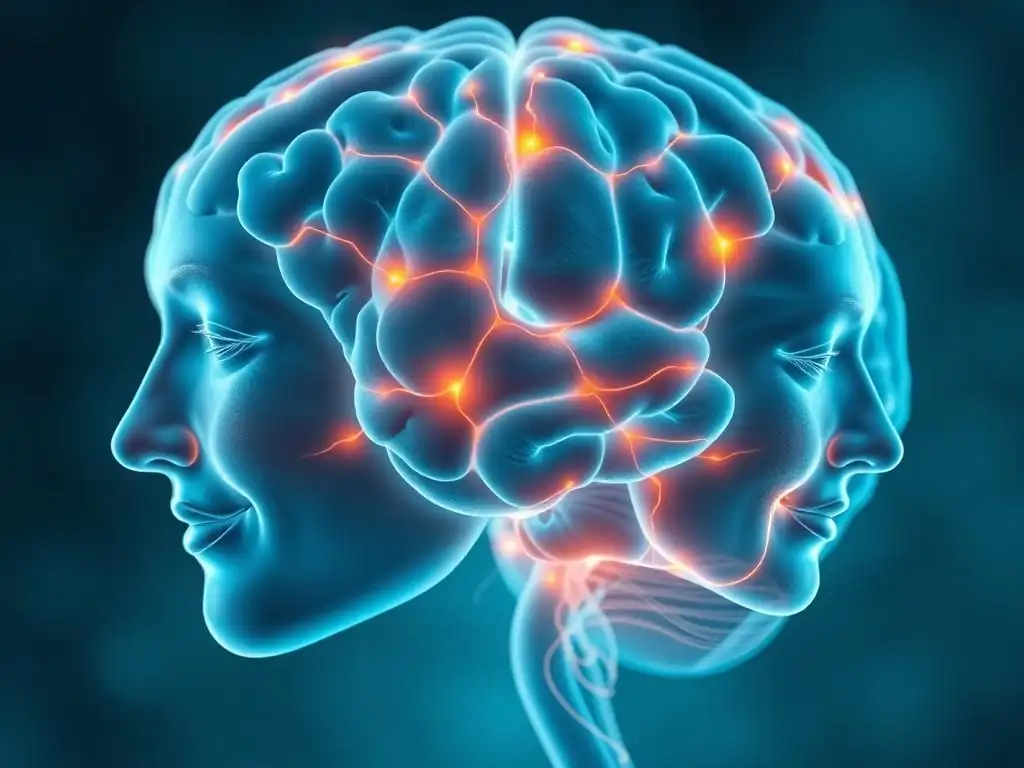
Welcome to Psychology Basics, your gateway to understanding the fascinating world of the mind. Are you curious about the neural mechanisms behind human connection? Then prepare to be captivated by our exploration of mirror neurons and empathy, a topic that sheds light on how we understand and share the feelings of others. Discover the simple explanation of this complex cognitive process and unlock the secrets of empathy in our insightful article, "Mirror Neurons and Empathy: A Cognitive Neuroscience Perspective," found within our Neuropsychology section. Dive in and explore the intriguing science behind human interaction!
- Understanding Mirror Neurons: The Basics of Mirroring
- The Link Between Mirror Neurons and Empathy: Empathy Explained Simply
- Mirror Neurons, Empathy, and Social Cognition
- Limitations and Future Directions in Mirror Neuron Research
- Frequently Asked Questions
- Final Reflection: Unlocking Empathy: The Power of Mirroring
- Harness the Power of Empathy Today!
Understanding Mirror Neurons: The Basics of Mirroring
Empathy, the ability to understand and share the feelings of another, is a fundamental aspect of human social interaction. But how does our brain actually achieve this complex feat? This article explores the fascinating role of mirror neurons in empathy, offering a simplified explanation of this intriguing area of cognitive neuroscience.
We'll delve into what mirror neurons are, their discovery, their location within the brain, and their crucial function in understanding and responding to the emotions and actions of others. Understanding the link between mirror neurons and empathy helps us unravel the neural mechanisms underlying social cognition and provides a foundation for further exploration into related fields like social psychology and developmental neuroscience.
This explanation will focus on providing a clear and accessible understanding of this complex topic, perfect for students and anyone interested in learning more about the brain and behavior. We will aim to demystify the science behind empathy, making it easier to grasp the core concepts and their implications.
What are Mirror Neurons? A Simple Explanation
Mirror neurons are a special class of neurons that fire both when an individual performs an action and when they observe the same action performed by another. Imagine watching someone reach for a cup of coffee. Your own brain's mirror neurons, located in specific areas, would fire as if you were reaching for the coffee, even though your arm isn't actually moving.
This mirroring activity is believed to be crucial for understanding the intentions and actions of others. They don't just respond to the visual aspect of an action; they also seem to respond to the intention behind it. This is a key element in understanding why mirror neurons are so vital in explaining empathy.
Think of it like this: by internally simulating the observed action, the brain gains a deeper understanding of what the other person is experiencing. This internal simulation is a crucial step in feeling empathy. The simple act of observing allows for a preemptive understanding of the other person's emotional and physical state.
The Discovery and Initial Research on Mirror Neurons
The discovery of mirror neurons is a relatively recent event in neuroscience. They were first identified in the premotor cortex of macaque monkeys in the mid-1990s by a team of researchers at the University of Parma, Italy. These initial studies involved recording the activity of individual neurons while the monkeys performed actions (like grasping objects) and while they observed researchers performing the same actions.
The surprising finding was that the same neurons fired in both situations, leading to the term "mirror neurons." Subsequent research has expanded upon these initial findings, investigating the role of mirror neurons in various cognitive functions, including imitation, language acquisition, and social understanding.
Early research provided a foundational understanding, but ongoing research continues to refine our comprehension of these fascinating cells and their function. The initial discovery sparked a wave of research, leading to a much deeper understanding of their role in various aspects of brain function.
Location and Function of Mirror Neurons in the Brain
While the precise location and extent of the mirror neuron system in humans remains a topic of ongoing research, studies using various neuroimaging techniques suggest that they are located in several brain regions. These include the premotor cortex (as in monkeys), the inferior parietal lobule, and possibly other areas involved in motor planning and action understanding. The function of mirror neurons extends beyond simple action mirroring.
They are believed to play a critical role in understanding the intentions and emotions of others. For example, observing someone's facial expression of pain might activate mirror neurons in the observer's brain, leading to a vicarious experience of that pain and facilitating empathetic responses. This neural mirroring is thought to be a key component of our ability to connect with others on an emotional level, fostering social cohesion and cooperation.
The complexity of their function highlights the intricate workings of our brain in social interaction and emotional understanding. Further research is needed to fully elucidate their precise function and interaction with other brain regions.
Mirror Neuron Activity and Action Observation
Mirror neurons, discovered in the premotor cortex of macaque monkeys, fire not only when the monkey performs an action, but also when it observes another monkey (or even a human) performing the same action. This remarkable characteristic is what gives them their name – they seem to "mirror" the observed behavior. The neural activity patterns are strikingly similar, suggesting a direct neural correspondence between acting and observing.
Early research focused on grasping actions, with neurons responding to the observation of reaching, grasping, and manipulating objects. However, subsequent studies have expanded this understanding considerably. We now know that mirror neuron activity extends beyond simple motor acts.
Further research has demonstrated mirror neuron involvement in a far broader range of actions, including facial expressions. Observing a smile, a frown, or other facial gestures can activate mirror neurons in the observer's brain, mirroring the observed emotional expression. This mirroring isn't a passive process; it's an active engagement of the neural circuitry involved in producing those same expressions. This active mirroring provides a direct neural pathway for understanding the actions and intentions of others, laying a crucial foundation for social cognition and empathy.
The precise mechanisms underlying mirror neuron activity are still under investigation, but current theories suggest a complex interplay of sensory and motor information processing. Visual input of the observed action is processed in the visual cortex, and this information is then relayed to the premotor cortex, where mirror neurons are located. This process allows for a direct mapping between the visual perception of an action and the motor representation of that action within the observer's own motor system.
This internal simulation, or "embodied simulation," is considered a key component of understanding the actions and intentions of others. The complexity of this interplay highlights the intricate neural processes involved in our ability to understand others' actions. The more we learn, the more nuanced our understanding of mirror neuron activity becomes.
The Link Between Mirror Neurons and Empathy: Empathy Explained Simply
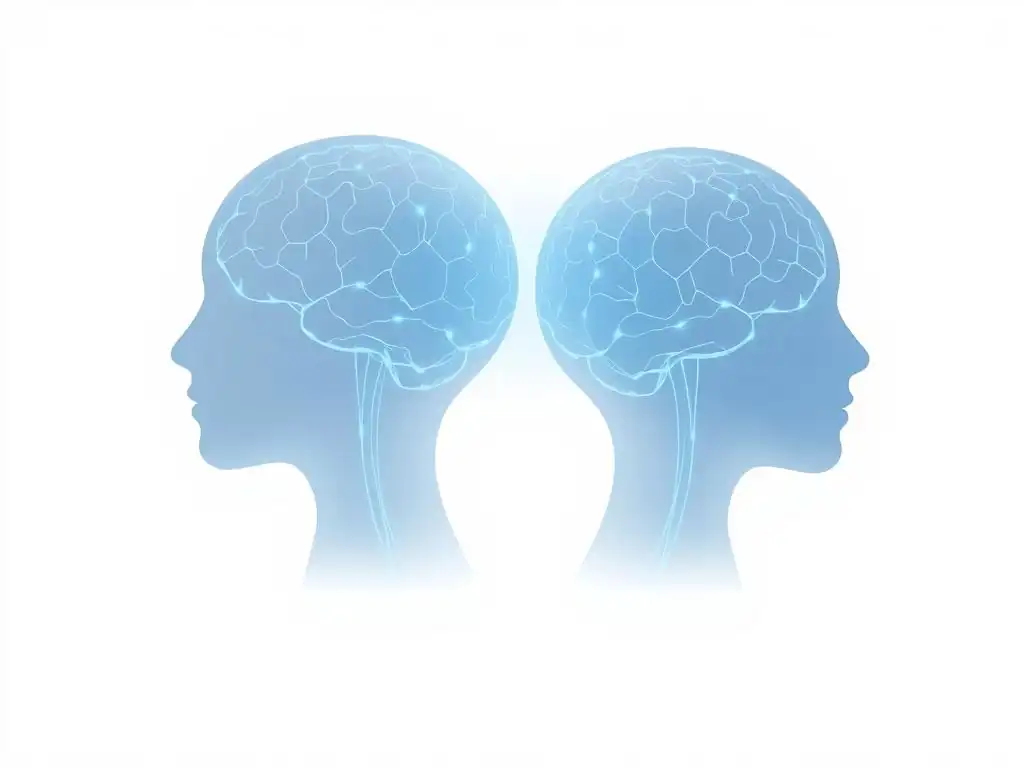
Understanding empathy can be challenging, but the discovery of mirror neurons offers a compelling neurological explanation. Empathy, simply put, is the ability to understand and share the feelings of another. This isn't just about intellectually recognizing someone's emotional state; it's about experiencing a similar emotional state yourself.
Mirror neurons, which fire both when we perform an action and when we observe someone else performing that same action, provide a potential mechanism for this shared experience. The idea is that when we see someone experiencing an emotion, our mirror neuron system activates as if we were experiencing that emotion ourselves, thus facilitating our understanding and even mirroring of their emotional state. This mirroring isn't necessarily a perfect replication; the intensity and nuances might differ, but the fundamental emotional resonance is key.
This mechanism provides a foundational explanation for how we can connect with others on an emotional level. The more active and efficient our mirror neuron systems, the more likely we are to exhibit high levels of empathy.
Mirror Neurons and Emotional Contagion: Feeling What Others Feel
Emotional contagion, the automatic spreading of emotions from one person to another, is a clear example of mirror neuron activity in action. Imagine watching a friend cry. Even if you don't fully understand the reason for their tears, you might find yourself feeling a sense of sadness or even a lump in your throat.
This isn't necessarily conscious empathy; it's a more automatic, reflexive response mediated by the mirror neuron system. The observation of the friend's facial expressions, body language, and vocalizations activates corresponding neural circuits in your own brain, leading to a mirroring of their emotional state. Studies using fMRI (functional magnetic resonance imaging) have shown increased activity in brain regions associated with mirror neurons during observation of emotional expressions, providing strong support for this link.
This emotional contagion is a fundamental building block upon which more complex forms of empathy are built. For instance, observing someone’s joy might trigger a feeling of happiness in you, demonstrating the powerful role of mirror neurons in basic emotional understanding.
The Role of Mirror Neurons in Understanding Intentions and Actions
Empathy isn't solely about emotional contagion; it also involves understanding the mental states and intentions of others. Mirror neurons play a crucial role in this process of "theory of mind," allowing us to infer the intentions behind other people's actions. For example, if we see someone reaching for a cup, our mirror neuron system simulates that action, allowing us to understand the likely intention – to drink from the cup.
This understanding goes beyond merely observing the physical movement; it involves simulating the underlying goal and purpose. Furthermore, observing someone struggling to complete a task might activate our own motor planning areas, enabling us to understand their difficulties and potentially offer help.
This capacity for understanding intention is crucial for developing and expressing empathy, allowing us to not only share feelings but also respond appropriately to the needs of others. Research suggests that impairments in mirror neuron function may be correlated with difficulties in social interaction and understanding others’ perspectives.
Empathy, Perspective-Taking, and Mirror Neuron Systems
Perspective-taking, the ability to see a situation from another person's point of view, is a higher-level cognitive process closely related to empathy. While mirror neurons might facilitate the initial emotional understanding, perspective-taking requires additional cognitive resources to fully grasp the other person's thoughts, feelings, and experiences. This process involves integrating information from multiple sources, including emotional contagion, observation of behavior, and prior knowledge of the person.
For instance, if we see a colleague looking stressed, our mirror neuron system might trigger a feeling of stress, but true perspective-taking requires us to consider the context – a looming deadline, a family emergency – to better understand the source and intensity of their stress. This integrated understanding allows us to respond more effectively and empathically.
The development of perspective-taking relies heavily on the maturation of the prefrontal cortex, which interacts closely with the mirror neuron system to shape our empathic responses. Therefore, while mirror neurons provide a neurological foundation for empathy, the full expression of empathy involves a complex interplay of emotional and cognitive processes.
Mirror neurons, discovered in the premotor cortex of macaque monkeys, fire both when an individual performs an action and when they observe someone else performing that same action. This seemingly simple observation has profound implications for understanding social cognition, particularly empathy. The mirroring mechanism isn't simply about mimicking; it's about creating a shared neural representation of the observed action. Imagine watching someone reach for a cup of coffee.
Your mirror neurons, corresponding to the motor actions involved in reaching and grasping, fire in a similar pattern as if you were reaching for the coffee. This neural mirroring isn't a perfect replica, but it allows for a pre-cognitive understanding of the other person's intentions and actions. This shared neural representation is the cornerstone of understanding another's experience, a fundamental building block of empathy.
This shared experience extends beyond simple motor actions. Research suggests that mirror neuron systems are involved in processing a wide range of actions and emotions. Observing someone expressing sadness, for instance, may activate mirror neuron systems related to the emotional experience of sadness within the observer. This doesn't necessarily mean the observer feels the same intensity of sadness, but the neural mirroring allows for a deeper, more intuitive grasp of the other person's emotional state.
This process facilitates understanding and, consequently, the development of empathic responses. The more effectively the mirror neuron system maps the observed action or emotion onto the observer's own internal representations, the stronger the potential for empathic understanding. This intricate neural mirroring process allows us to connect with others on a deeper, more intuitive level, forming the basis of social interaction and cooperation.
The richness of human social life is, in part, a testament to the power of this shared neural experience facilitated by mirror neurons. Further research continues to illuminate the complexities of this fascinating system and its role in shaping our social world. The more we understand about this system, the better we can understand the neurological underpinnings of empathy itself.
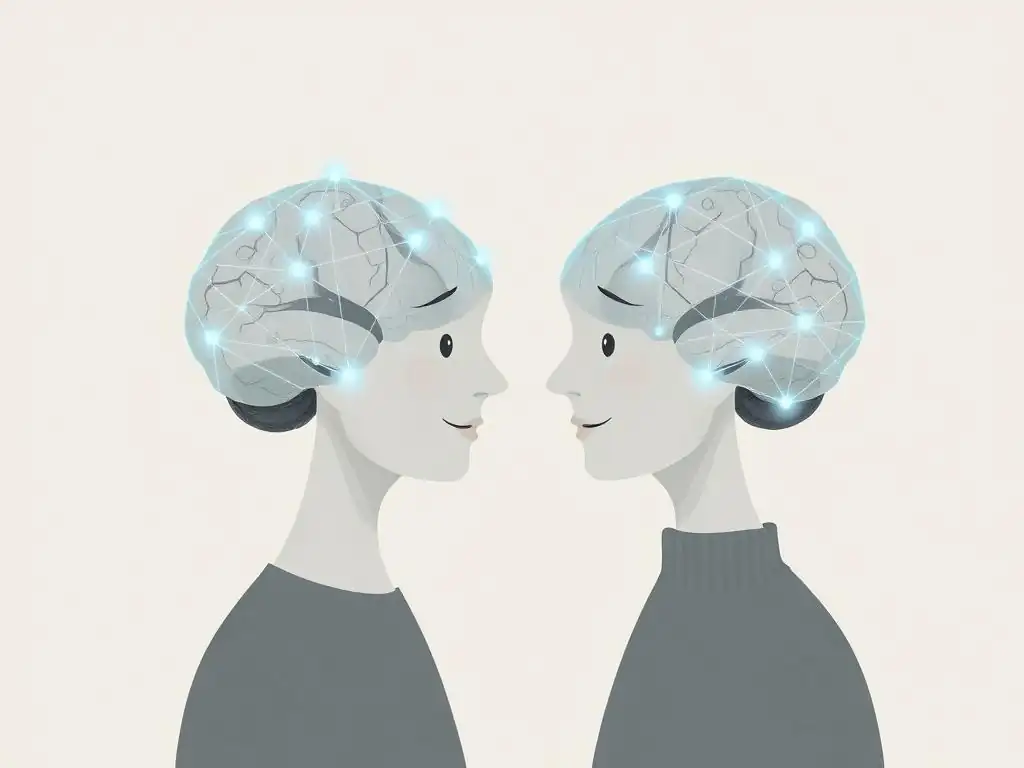
This section delves into the intricate relationship between mirror neurons, empathy, and social cognition. Understanding this connection is crucial for grasping how we understand and interact with others. Mirror neurons, discovered in the premotor cortex of macaque monkeys, fire both when an individual performs an action and when they observe someone else performing the same action. This "mirroring" activity suggests a neural mechanism for understanding others' actions and intentions.
This mirroring extends beyond simple motor acts; research indicates that mirror neuron systems are involved in processing emotions and intentions, forming the neurological bedrock for empathy. Empathy, the ability to share and understand the feelings of others, is a cornerstone of social interaction. Without a robust capacity for empathy, navigating social situations becomes significantly more challenging. The degree to which mirror neuron activity correlates with empathic capacity is a subject of ongoing research, but the evidence strongly suggests a significant link.
Further research is needed to fully elucidate the complex interplay between these neural mechanisms and the multifaceted nature of human social behavior. The precise role of mirror neurons in empathy remains an area of active debate, with some researchers proposing alternative or complementary explanations. However, their involvement in understanding actions and intentions remains a widely accepted component of social cognition.
Social cognitive deficits, characterized by impairments in understanding social cues, interpreting nonverbal communication, and experiencing empathy, are hallmarks of several neurodevelopmental disorders. Intriguingly, research suggests a potential link between these deficits and dysfunction within the mirror neuron system. Studies using various neuroimaging techniques, such as fMRI and EEG, have shown reduced mirror neuron activity in individuals with conditions like autism spectrum disorder (ASD) and schizophrenia, compared to neurotypical controls.
For instance, studies have observed decreased activation in brain regions associated with mirror neuron activity when individuals with ASD observe facial expressions of emotion. This reduced activation may contribute to difficulties in recognizing and responding appropriately to emotional cues in social interactions, leading to social isolation and communication challenges. It's important to note that the relationship is complex and not fully understood.
While reduced mirror neuron activity might contribute to social cognitive deficits, it is likely one factor among many, interacting with other neurological and environmental influences. Further research is crucial to determine the precise causal pathways and the extent to which mirror neuron dysfunction contributes to the overall clinical picture. This understanding could lead to the development of targeted interventions to improve social cognition in individuals with these conditions.
Autism Spectrum Disorder and Mirror Neuron Research
Autism spectrum disorder (ASD) presents a compelling case study for investigating the role of mirror neurons in social cognition. Individuals with ASD frequently exhibit difficulties with social interaction, communication, and understanding the emotions of others – all areas where mirror neurons are thought to play a significant role. Numerous studies have explored the mirror neuron system in individuals with ASD, employing various methodologies including EEG, fMRI, and behavioral tasks.
While findings have been inconsistent across studies, a recurring theme is the suggestion of atypical mirror neuron activity in individuals with ASD. Some studies have reported reduced activation in brain regions associated with mirror neuron activity during action observation and imitation tasks, while others have found no significant differences compared to neurotypical controls. These inconsistencies may be due to variations in study design, participant characteristics, and the specific tasks used to assess mirror neuron function.
The heterogeneity of ASD itself presents a challenge, making it difficult to draw definitive conclusions about the role of mirror neurons in the disorder. However, the accumulating evidence suggests that alterations in the mirror neuron system might contribute to the social cognitive impairments characteristic of ASD, highlighting the importance of further research to clarify the complex relationship between these neural mechanisms and the multifaceted clinical presentation of ASD. Future research should focus on identifying specific subtypes of ASD where mirror neuron dysfunction might be more prominent and exploring potential therapeutic interventions that target this system.
The study of mirror neurons has profoundly impacted our understanding of social cognition and empathy. The discovery of these neurons suggests a biological basis for our capacity to understand the actions, intentions, and emotions of others, providing a potential neurological explanation for the development of social skills. This research has implications for various fields, including education, therapy, and social policy.
For example, understanding the role of mirror neurons in empathy could inform the design of educational programs that foster social-emotional learning, especially for children with social cognitive deficits. Similarly, therapeutic interventions could be developed to target the mirror neuron system, aiming to improve social interaction skills and empathy in individuals with conditions such as ASD or schizophrenia. Further research is needed to translate these findings into practical applications, but the potential impact of mirror neuron research is significant.
The implications extend beyond clinical applications; understanding the neural mechanisms underlying social behavior can also contribute to our broader understanding of human social interactions, cooperation, and conflict resolution. Ultimately, the study of mirror neurons offers a unique window into the biological underpinnings of our social lives, providing invaluable insights into what makes us social beings.
Research into mirror neurons continues to evolve, pushing the boundaries of our understanding of their role in social cognition. While the initial excitement surrounding their direct link to empathy has been tempered by more nuanced findings, the investigation into their broader contribution to social behavior remains a vibrant area of study. Several avenues of current research are particularly noteworthy.
One key area involves exploring the role of mirror neurons in understanding intentions. Scientists are investigating whether mirror neuron activity reflects not only the observed action itself, but also the underlying intention behind it. This would significantly expand their role beyond simple imitation to encompass a deeper level of social understanding.
Studies using fMRI and EEG are attempting to pinpoint the specific neural pathways involved in this process, hoping to differentiate between the neural correlates of action observation and intention understanding. This work promises to shed light on the neural mechanisms underlying complex social interactions.
Another exciting area of investigation focuses on the potential link between mirror neuron dysfunction and social disorders. Researchers are exploring whether atypical mirror neuron activity might contribute to conditions like autism spectrum disorder (ASD), where social interaction and understanding are often impaired. Studies comparing mirror neuron activity in individuals with and without ASD are underway, aiming to determine if differences exist and, if so, what those differences might signify.
The results could offer valuable insights into the neurobiological underpinnings of ASD and potentially inform new therapeutic approaches. This research requires careful consideration of methodological limitations, however, as measuring mirror neuron activity directly is challenging and requires sophisticated neuroimaging techniques.
Furthermore, the role of mirror neurons in learning and imitation is subject to ongoing research. It's not simply a matter of observing and replicating; the intricacies of how these neurons contribute to skill acquisition are being explored. Studies are investigating how mirror neurons might interact with other brain regions involved in memory and motor control to facilitate learning through observation.
For example, researchers are examining the interplay between mirror neurons and the cerebellum, a brain area crucial for motor coordination and learning. Understanding this interaction could reveal crucial insights into how we learn complex motor skills by observing others, a fundamental aspect of human social learning. This is particularly relevant in fields like sports training and rehabilitation, where observational learning plays a critical role.
Finally, the concept of a "mirror neuron system" rather than isolated neurons is gaining traction. Research is increasingly moving away from focusing on individual neurons and toward understanding the complex network of interconnected brain regions that work together to process social information. This network approach considers the interactions between mirror neurons and other brain regions involved in emotion, cognition, and social behavior, providing a more holistic perspective on the neural basis of social cognition.
This shift in focus is crucial for a more comprehensive understanding of the complex interplay between brain regions and their contribution to empathy and social interaction. This evolving understanding highlights the dynamic and integrated nature of the brain's social processing capabilities.
Limitations and Future Directions in Mirror Neuron Research
Mirror neuron research, while groundbreaking, faces significant limitations that necessitate further investigation. The enthusiastic initial reception of the mirror neuron system's role in empathy has been tempered by ongoing debates and methodological challenges. A nuanced understanding of the system's complexities is crucial for accurately interpreting its function and contribution to human behavior, particularly regarding the intricate process of empathy. The "mirror neuron empathy explained simply" narrative, while helpful for introductory purposes, requires a more sophisticated analysis to fully grasp the current state of the field.
Current Debates and Challenges in Mirror Neuron Studies
One major challenge lies in the difficulty of directly observing mirror neuron activity in humans. Most of our understanding comes from studies on macaque monkeys, raising questions about the direct applicability of these findings to the human brain. While similar brain regions show activation in humans during action observation and execution, the exact correspondence and functional equivalence remain debated. Some researchers argue that human brain activity is far more complex and involves a wider network of brain regions beyond those identified in macaques.
The simplistic interpretation of mirror neuron activity as the sole mechanism for empathy is therefore overly reductive. Furthermore, correlational studies showing brain activation don't necessarily prove a causal link between mirror neuron activity and empathy. Other cognitive processes could contribute to the observed correlations, confounding the interpretation of results. This ambiguity necessitates a more cautious approach to interpreting the role of mirror neurons in empathy.
Another significant challenge is the heterogeneity of methodologies employed in mirror neuron research. Different studies use varying stimuli, experimental designs, and analysis techniques, making it difficult to compare and synthesize results consistently. This lack of standardization hampers the establishment of robust and replicable findings, a critical requirement for any scientific field.
The diversity of tasks used to elicit mirror neuron activity – ranging from observing simple actions to witnessing complex social interactions – further complicates the picture, making it challenging to isolate the specific contribution of mirror neurons to empathy in various contexts. This complexity underscores the need for a more unified and standardized approach to future research in this domain.
Methodological Considerations in Mirror Neuron Research
Improving the methodology is paramount to advancing our understanding of mirror neurons and their role in empathy. More sophisticated neuroimaging techniques, such as fMRI with higher spatial and temporal resolution, are needed to provide more precise localization and characterization of mirror neuron activity in humans.
Furthermore, integrating multiple neuroimaging modalities – combining fMRI with EEG or MEG, for instance – could provide a more comprehensive understanding of the neural processes involved in action observation and empathy. Employing more rigorous experimental designs that control for confounding variables and using larger, more diverse sample sizes are also crucial for increasing the reliability and generalizability of findings.
The development of more refined computational models that can account for the complexity of the human brain and the interplay between different brain regions is also a critical area of future research. These methodological improvements would help refine our understanding of the mirror neuron system and its relationship to empathy, moving beyond the overly simplified narratives that currently prevail.
Future Research on Empathy and Cognitive Neuroscience
Future research should focus on investigating the interaction between mirror neurons and other brain regions involved in empathy, such as the amygdala, insula, and prefrontal cortex. A holistic approach that considers the complex interplay between these regions is needed to build a more complete model of empathy. Furthermore, research should explore the developmental trajectory of mirror neuron function and its relationship to the development of empathy across the lifespan.
Studies focusing on individuals with different developmental trajectories, such as those with autism spectrum disorder, could provide valuable insights into the role of mirror neurons in empathy deficits. Moreover, investigating the impact of social and cultural factors on mirror neuron activity and empathy is crucial. Cross-cultural studies could reveal the influence of societal norms and learning on the neural mechanisms underlying empathy.
By adopting a multidisciplinary approach that integrates findings from cognitive neuroscience, developmental psychology, and social sciences, we can build a more comprehensive and nuanced understanding of the complex relationship between mirror neurons and empathy, moving beyond simplistic explanations and towards a more sophisticated, evidence-based framework. This integrated approach will ultimately improve our ability to address the "mirror neurons empathy explained simply" query with greater scientific accuracy and depth.
Frequently Asked Questions
What are mirror neurons?
Mirror neurons are specialized brain cells that fire both when we perform an action and when we observe someone else performing that same action. This "mirroring" activity is believed to play a crucial role in understanding others' behavior and intentions.
How do mirror neurons relate to empathy?
The mirroring system is thought to be fundamental to our capacity for empathy. By simulating others' actions and emotions in our own brains, we can better understand and share their feelings. This is a simplified explanation, of course.
Is empathy solely dependent on mirror neurons?
No, empathy is a complex process involving multiple brain regions and cognitive processes. While mirror neurons are thought to be important, they are likely just one piece of a larger puzzle. Other factors like personal experience and social cognition also contribute.
What evidence supports the link between mirror neurons and empathy?
Studies using neuroimaging techniques (like fMRI) have shown increased activity in mirror neuron areas during tasks involving empathy and social understanding. However, more research is needed to fully elucidate this relationship.
Can problems with mirror neurons cause empathy deficits?
Some research suggests a correlation between dysfunction in the mirror neuron system and conditions like autism spectrum disorder, which often involves difficulties with empathy. However, the exact causal relationship remains a topic of ongoing investigation.
Final Reflection: Unlocking Empathy: The Power of Mirroring
The discovery of mirror neurons has revolutionized our understanding of empathy, offering a compelling neurological explanation for our capacity to connect with others. This isn't just a fascinating scientific detail; it's a crucial piece of the puzzle in understanding human interaction, social cohesion, and even the potential for global harmony. The implications are profound and far-reaching, impacting fields from education and therapy to conflict resolution and social justice.
The ongoing exploration of mirror neurons continues to reshape our understanding of social cognition. Their role in imitation, learning, and emotional understanding is undeniable, highlighting the interconnectedness of our brains and the profound impact of shared experience. Empathy is seeing with the eyes of another, listening with the ears of another and feeling with the heart of another.
– Alfred Adler. This quote beautifully encapsulates the essence of mirror neuron function and its significance in fostering genuine human connection. The more we understand this biological basis of empathy, the better equipped we are to cultivate it within ourselves and promote it in our societies.
Consider the impact of this knowledge on your own life. How can you consciously utilize the principles of mirroring to strengthen your relationships, improve your communication, and foster a deeper understanding of those around you? Take a moment to reflect on your interactions today – did you actively try to understand another's perspective, or did you primarily focus on your own? The power to empathize lies within each of us, waiting to be awakened and nurtured. Let the understanding of mirror neurons be your guide on this journey towards a more compassionate and connected world.
Harness the Power of Empathy Today!
Thank you for exploring the fascinating world of mirror neurons and their connection to empathy! Understanding this complex relationship not only expands your knowledge of human behavior but also fosters deeper and more meaningful connections with others. Now it's time to put this knowledge into practice, developing your empathetic skills and engaging more fully with your community.
- Practice Empathetic Listening: In your next conversation, consciously focus on truly listening and responding to the speaker's emotions. Pay close attention to their body language and tone of voice, reflecting back what you hear to ensure understanding.
- Join a Discussion Group: Find or create a local or online group focused on empathy and emotional intelligence. Sharing your insights and learning from others' experiences is a powerful way to grow.
- Volunteer: Put your empathy into action by volunteering with an organization that supports those in need. This experience will broaden your understanding of others and strengthen your ability to connect empathetically.
How will you use your understanding of mirror neurons to improve your relationships?