
The Intricate World of the Brainstem: Essential Functions Demystified

Welcome to Psychology Basics, your gateway to understanding the fascinating world of the human mind. We're dedicated to making complex psychological concepts accessible to everyone. Ready to unravel the mysteries of the brain? Dive into our Neuropsychology section and discover how the seemingly simple brainstem functions explained simply are actually the cornerstone of our existence – a journey that will leave you questioning what you thought you knew. Let's explore together!
- Understanding the Brainstem: A Central Control Hub
- Brainstem Functions Explained Simply: Maintaining Life
- Beyond the Basics: More Complex Brainstem Functions
- Brainstem Damage and Associated Disorders
- The Brainstem and its Interconnections: A Complex Network
- Frequently Asked Questions
- Final Reflection: The Unsung Hero Within: Understanding Our Brainstem
- Unveil the Secrets of Your Brainstem Today!
Understanding the Brainstem: A Central Control Hub
The brainstem, often overlooked in discussions of the brain's more glamorous regions like the cerebral cortex, is actually a vital, life-sustaining structure. It's the unsung hero, quietly orchestrating many of the body's essential functions without our conscious awareness. This article will demystify the brainstem, exploring its location, anatomy, and crucial roles in maintaining life.
Understanding the brainstem's functions is key to appreciating the intricate workings of the entire nervous system, and this exploration will provide a simplified yet comprehensive overview, perfectly suited for students and anyone interested in learning more about this critical brain region. We will examine how this often-underestimated part of the brain plays a critical role in everything from breathing and heart rate to sleep-wake cycles and even basic reflexes.
Get ready to delve into the fascinating world of the brainstem and discover its significance in maintaining our very existence! This article aims to explain Brainstem functions simply, making this complex topic accessible to all.
Location and Anatomy of the Brainstem: A Visual Guide
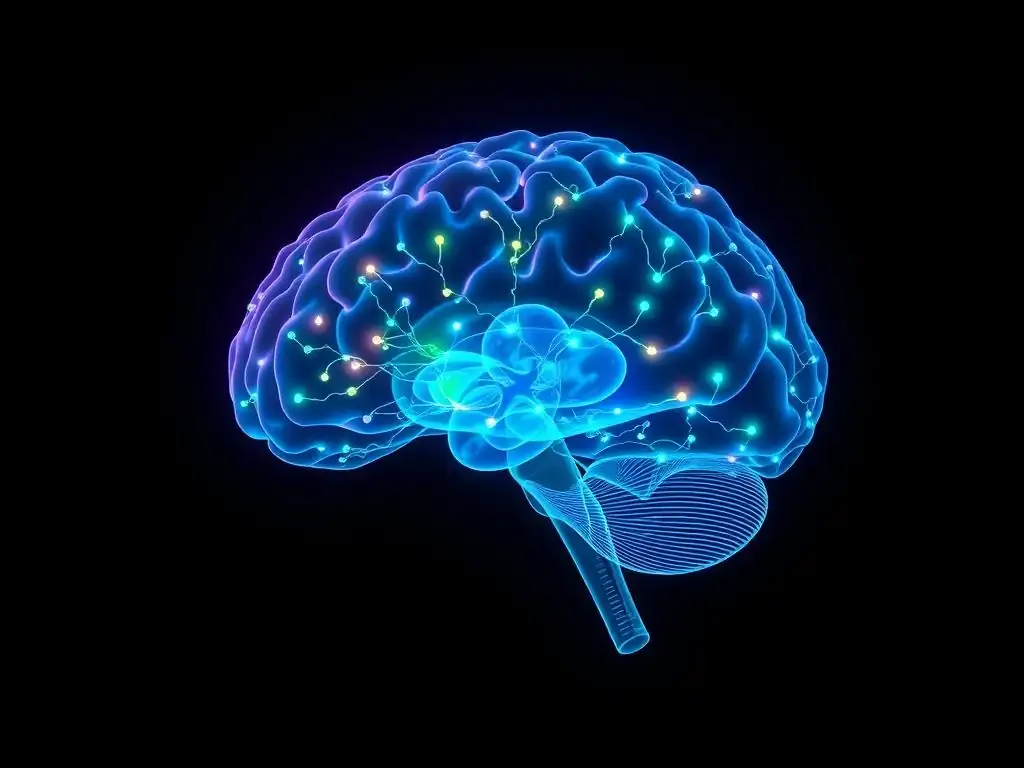
The brainstem sits at the base of the brain, connecting the cerebrum and cerebellum to the spinal cord. Think of it as the crucial bridge between the higher-level brain functions and the body's peripheral nervous system. It's comprised of three main parts:
- Midbrain: The midbrain acts as a relay station for auditory and visual information. It also plays a significant role in eye movement and motor control. Imagine it as a busy intersection, directing traffic between different parts of the brain and the body.
- Pons: Located below the midbrain, the pons is involved in regulating breathing, sleep, and arousal. It also helps to coordinate movements. Think of the pons as a conductor, coordinating various bodily functions in a harmonious rhythm.
- Medulla Oblongata: This is the most caudal part of the brainstem, connecting directly to the spinal cord. The medulla is responsible for vital autonomic functions such as heart rate, blood pressure, and breathing. This is truly the command center for basic life support. Damage to this area can be life-threatening.
The brainstem's intricate network of nerve fibers and nuclei allows for seamless communication between different parts of the nervous system. Its compact structure belies the immense complexity of its functions. While a detailed anatomical description would require extensive neuroanatomical knowledge, this simplified overview provides a foundational understanding of its key components and their relative positions.
The Brainstem's Crucial Role in Basic Life Functions
The brainstem is fundamental to our survival. Its functions are largely involuntary, meaning they happen automatically without conscious effort. These functions are essential for maintaining homeostasis – the body's internal balance. Let's explore some key roles:
- Respiratory Control: The pons and medulla oblongata work together to regulate breathing rhythm and depth. They respond to changes in blood oxygen and carbon dioxide levels, ensuring adequate oxygen supply to the body. This is a crucial function that keeps us alive.
- Cardiovascular Control: The medulla oblongata plays a critical role in regulating heart rate and blood pressure. It constantly monitors and adjusts these parameters to maintain optimal blood flow throughout the body. Think of it as the body's internal pressure regulator.
- Sleep-Wake Cycle Regulation: The brainstem, particularly the reticular formation (a network of neurons running through the brainstem), plays a crucial role in regulating sleep-wake cycles. It helps to maintain alertness during the day and promote sleep at night. Disruptions in this system can lead to sleep disorders.
- Reflexes: The brainstem is also involved in mediating various reflexes, including coughing, sneezing, vomiting, and swallowing. These reflexes are crucial for protecting the body from harm and maintaining its integrity. They are largely automatic and occur without conscious thought.
The brainstem's role in these fundamental processes highlights its importance in maintaining life. Its continuous and tireless work underscores the complexity and marvel of the human nervous system. Any damage to the brainstem can have severe consequences, emphasizing its critical role in our overall well-being.
Brainstem Functions Explained Simply: Maintaining Life
The brainstem, often overlooked in discussions of higher-level cognitive functions, is actually the silent guardian of our basic life processes. Its role is fundamental, ensuring the continuous operation of vital systems that keep us alive. Understanding its functions is key to appreciating the intricate workings of the human nervous system.
This section will delve into three crucial areas where the brainstem plays a pivotal role: respiration, cardiovascular regulation, and sleep-wake cycles. We'll explore how these seemingly disparate functions are intricately interwoven and orchestrated by this critical brain region. The brainstem's influence extends far beyond simple reflexes; it's the maestro conducting the symphony of our survival.
Respiration and the Brainstem: Breathing Control Mechanisms
The brainstem is the primary control center for respiration, the process of breathing. This isn't a passive process; it's a finely tuned system involving numerous neural pathways and feedback loops. Specifically, the medulla oblongata within the brainstem houses groups of neurons known as respiratory centers. These centers generate the rhythmic patterns of breathing by sending signals to the diaphragm and intercostal muscles, causing them to contract and relax. The process isn't simply "on" or "off"; it's dynamically adjusted based on the body's needs.
Several factors influence breathing rate and depth, and the brainstem expertly integrates this information. Chemoreceptors in the brainstem and arteries detect changes in blood oxygen and carbon dioxide levels. If oxygen levels drop or carbon dioxide rises, the respiratory centers respond by increasing breathing rate and depth to restore balance. This homeostatic mechanism is crucial for maintaining adequate oxygen supply to the body's tissues.
Furthermore, the pons, another brainstem structure, helps smooth out the breathing rhythm, preventing jerky or irregular breathing patterns. Think of it as the fine-tuning mechanism, ensuring a smooth and efficient respiratory process. The brainstem's role in breathing is truly remarkable, a testament to its vital functions.
Cardiovascular Regulation: The Brainstem's Influence on Heart Rate and Blood Pressure
Beyond respiration, the brainstem exerts significant control over the cardiovascular system, regulating heart rate and blood pressure. The medulla oblongata again takes center stage, containing the cardiovascular centers responsible for these vital functions. These centers receive input from various sources, including baroreceptors (pressure sensors in blood vessels) and chemoreceptors (detecting blood chemistry changes).
This intricate feedback system allows the brainstem to maintain blood pressure within a narrow, optimal range. For instance, if blood pressure drops, the brainstem triggers the sympathetic nervous system, leading to increased heart rate and vasoconstriction (narrowing of blood vessels), thus raising blood pressure. Conversely, if blood pressure rises too high, the parasympathetic nervous system is activated, slowing heart rate and causing vasodilation (widening of blood vessels) to lower blood pressure.
This continuous monitoring and adjustment are critical for maintaining adequate blood flow to all organs and tissues. Disruptions in brainstem function can have severe consequences, potentially leading to life-threatening cardiovascular instability. The brainstem's role in maintaining cardiovascular homeostasis is a clear demonstration of its importance in preserving life.
Sleep-Wake Cycles and the Brainstem: Regulating Consciousness
The brainstem isn't just about maintaining basic physiological functions; it also plays a crucial role in regulating our states of consciousness, particularly sleep and wakefulness. Several brainstem nuclei are involved in this complex process, interacting with other brain regions to control our sleep-wake cycle. The reticular formation, a network of neurons extending throughout the brainstem, is particularly important. This network projects to the thalamus and cortex, influencing arousal and alertness. Damage to the reticular formation can lead to coma, highlighting its critical role in maintaining consciousness.
The brainstem's influence on sleep-wake cycles is multifaceted. It interacts with the hypothalamus, a key brain region involved in regulating circadian rhythms (our internal biological clock). Neurotransmitters such as serotonin and norepinephrine, produced within the brainstem, play a significant role in promoting wakefulness.
During sleep, the activity of these neurotransmitters decreases, facilitating the transition into different sleep stages. The precise mechanisms underlying brainstem control of sleep-wake cycles are still being actively researched, but it's clear that this region is essential for regulating our conscious experience and maintaining a healthy sleep-wake cycle. Understanding the brainstem's role in this area provides valuable insights into sleep disorders and other neurological conditions affecting consciousness.
Brainstem's Role in Swallowing and Digestion
The brainstem plays a crucial, often overlooked, role in the seemingly simple act of swallowing and the complex process of digestion. This isn't just about the conscious decision to eat; it's about the intricate coordination of muscles and glands that allow us to safely ingest food and process it for energy. The medulla oblongata, a vital part of the brainstem, houses the swallowing center, a network of neurons responsible for initiating and coordinating the muscular contractions involved in swallowing (deglutition).
This isn't a single action, but a carefully orchestrated sequence involving the tongue, soft palate, pharynx, and esophagus. Damage to this area can lead to dysphagia, difficulty swallowing, a serious condition that can impact nutrition and even lead to aspiration pneumonia if food enters the lungs.
Furthermore, the brainstem's influence extends beyond the initial act of swallowing to the broader realm of digestion. Through its connections with the autonomic nervous system, the brainstem regulates the secretion of digestive juices from glands like the salivary glands, stomach, and pancreas. These secretions are vital for breaking down food into absorbable nutrients.
The brainstem also controls the motility of the gastrointestinal tract, the rhythmic contractions that propel food through the digestive system. This complex interplay of neural signals ensures the efficient and timely movement of food through the esophagus, stomach, small intestine, and large intestine. Disruptions to these brainstem-controlled processes can result in various digestive disorders, ranging from nausea and vomiting to gastroparesis (delayed gastric emptying).
The intricate control the brainstem exerts over this system underscores its vital role in maintaining homeostasis and overall bodily health. Understanding the brainstem's involvement in this process highlights the interconnectedness of seemingly separate bodily functions and emphasizes the brainstem's importance in maintaining life. The seamless integration of swallowing and digestion, controlled by the brainstem, is a testament to the body's remarkable efficiency and the brainstem's central role in orchestrating this critical aspect of survival.
Beyond the Basics: More Complex Brainstem Functions
This section delves deeper into the intricate roles the brainstem plays beyond the fundamental life-sustaining functions. We'll explore its involvement in more complex processes, revealing its crucial contribution to our everyday experiences and abilities. Understanding these higher-order functions further illuminates the brainstem's importance in maintaining our overall well-being and cognitive capabilities. This exploration will enhance your comprehension of the brainstem functions explained simply.
The Brainstem and Sensory Processing: Relaying Information to the Brain
The brainstem isn't just a passive conduit for sensory information; it actively processes and filters this data before relaying it to higher brain centers. Think of it as a sophisticated switchboard, prioritizing and organizing the constant influx of sensory input from our environment. This filtering process is crucial, preventing sensory overload and ensuring that important information reaches the cortex efficiently. The brainstem achieves this through complex neural pathways and nuclei within its various structures.
For example, the midbrain's superior colliculus plays a vital role in processing visual information. It receives input directly from the retina and helps orient our gaze towards stimuli. This isn't simply a passive relay; the superior colliculus is actively involved in directing eye movements and coordinating visual attention.
Similarly, the inferior colliculus, also located in the midbrain, is critical for auditory processing, helping us localize sounds and react to them appropriately. Damage to these areas can lead to significant impairments in visual and auditory processing, highlighting their active role in sensory perception. The pons, another key brainstem structure, plays a crucial role in relaying sensory information from the face and head.
This intricate network of pathways within the brainstem ensures that relevant sensory information reaches the appropriate cortical regions for conscious perception and response. The brainstem's role in sensory processing is far more active and complex than a simple relay station – it's a dynamic system that shapes our perception of the world.
Motor Control and the Brainstem: Movement Coordination and Fine Motor Skills
While the brainstem is essential for basic motor functions like breathing and heart rate, its role extends to more sophisticated motor control. It contributes significantly to the coordination of voluntary movements and the execution of fine motor skills. Specific brainstem nuclei, such as those within the reticular formation, are involved in regulating muscle tone and posture. This intricate control allows for smooth, coordinated movements, preventing jerky or uncontrolled actions. Damage to these areas can result in problems with balance, coordination, and the precision of fine motor movements.
The brainstem's influence on motor control is particularly evident in activities requiring delicate movements. Think of writing, playing a musical instrument, or even the subtle adjustments needed for precise hand-eye coordination. These actions are not solely controlled by the motor cortex; the brainstem provides essential background support, ensuring the smooth execution of these complex motor sequences. The precise interplay between the brainstem and higher brain centers is what allows for the fluidity and accuracy of our movements. This detailed understanding of brainstem functions explained simply highlights the brainstem's vital role in complex motor control.
Brainstem's Involvement in Reflexes: Automatic Responses
The brainstem is the central hub for many crucial reflexes, automatic responses that protect us from harm or maintain homeostasis. These reflexes are often unconscious and occur rapidly, bypassing the conscious processing of the cortex. This rapid response is essential for survival, allowing us to react instantly to potentially dangerous stimuli. Examples include the gag reflex, the pupillary light reflex (pupil constriction in response to light), and the cough reflex. These reflexes are mediated by specific neural pathways within the brainstem, involving sensory input, processing within brainstem nuclei, and motor output to effect the response.
The precise coordination of these reflexes is crucial. Consider the cough reflex: it involves sensory detection of an irritant in the airway, rapid processing within the brainstem, and coordinated muscle contractions to expel the irritant. A disruption in any part of this pathway can impair the reflex, potentially leading to serious consequences.
The brainstem's role in maintaining these vital reflexes underscores its critical importance in protecting our body from harm and ensuring our survival. Understanding the brainstem functions explained simply requires understanding its role in these rapid and essential responses. The efficiency and speed of these reflexive actions are a testament to the brainstem's finely tuned mechanisms.
The Brainstem and Posture: Maintaining Balance and Equilibrium
The brainstem plays a crucial, often overlooked, role in maintaining our posture and balance. This isn't simply about standing upright; it's a complex interplay of sensory input and motor output that allows us to navigate the world smoothly and avoid falls. The vestibular nuclei, located within the pons and medulla, are key players in this process. These nuclei receive information from the inner ear's vestibular system, which detects head position and movement. This information is then relayed to various areas of the brainstem and cerebellum, ultimately influencing muscle activity throughout the body to maintain equilibrium.
Think about the subtle adjustments your body makes constantly to stay upright. You shift your weight slightly as you walk, you compensate for uneven surfaces, and you react instantly to unexpected movements. These seemingly effortless actions are the result of the brainstem's continuous monitoring and adjustment of muscle tone and activity.
Damage to the brainstem, particularly to the vestibular nuclei or the pathways connecting them to other brain regions, can severely impair balance and coordination, leading to dizziness, vertigo, and an increased risk of falls. This highlights the brainstem's vital role in our everyday motor control, extending far beyond the basic life-sustaining functions often associated with it. The intricate network of connections within the brainstem allows for rapid and precise responses to changes in our body's position and the environment, ensuring we remain stable and upright.
Understanding this complex interaction between sensory input and motor output is crucial for appreciating the brainstem's multifaceted contributions to our overall well-being. It's a testament to the brain's remarkable ability to seamlessly integrate information from various sources to produce coordinated and adaptive behavior. Furthermore, research into the brainstem's role in posture and balance is ongoing, with scientists exploring the detailed mechanisms involved and developing new treatments for balance disorders.
Brainstem Damage and Associated Disorders
The brainstem, while small, plays a crucial role in our survival. Damage to this vital area can have devastating consequences, leading to a range of severe neurological disorders. Understanding the types of damage, their causes, and the resulting impairments is crucial for effective diagnosis and treatment.
This section delves into the intricate relationship between brainstem injury and the resulting neurological dysfunction. We'll explore various disorders stemming from brainstem damage, emphasizing the importance of early diagnosis and appropriate interventions for improved patient outcomes. Effective management hinges on a thorough understanding of the brainstem's complex network of functions and the cascading effects of its disruption.
Understanding Brainstem Injuries: Causes and Consequences
Brainstem injuries can arise from various causes, each leaving a unique imprint on the individual's neurological functioning. Traumatic brain injuries (TBIs), such as those resulting from car accidents, falls, or sports injuries, are a significant contributor. The force of impact can cause contusions, hemorrhages, or shearing forces within the brainstem, disrupting its delicate neural pathways. The severity of the injury depends on the location and extent of the damage. For example, damage to the pons might lead to respiratory complications, while damage to the medulla could affect cardiovascular function. Beyond trauma, brainstem damage can also result from:
- Stroke: A disruption in blood supply to the brainstem can cause ischemic or hemorrhagic stroke, leading to cell death and neurological deficits. The location of the stroke within the brainstem dictates the specific symptoms.
- Tumors: Brainstem tumors, both benign and malignant, can compress the brainstem tissue, disrupting its normal function. The slow-growing nature of some tumors can allow for gradual adaptation, while others cause rapid and severe neurological decline.
- Infections: Infections like encephalitis or meningitis can inflame the brainstem, causing swelling and dysfunction. This can lead to a broad spectrum of symptoms, depending on the specific pathogen and the extent of inflammation.
- Degenerative Diseases: Neurodegenerative diseases like multiple sclerosis (MS) can gradually damage the myelin sheath surrounding brainstem neurons, disrupting signal transmission and ultimately leading to progressive neurological impairment.
Consequences of brainstem injury vary widely depending on the specific area affected and the severity of the damage. These can range from subtle impairments in coordination and balance to life-threatening conditions affecting breathing, heart rate, and consciousness. The disruption of vital autonomic functions can be particularly dangerous, leading to potential respiratory failure, cardiovascular instability, and even death. Understanding the precise location and extent of the damage is critical for predicting the prognosis and planning appropriate interventions.
Diagnosing Brainstem Dysfunction: Methods and Techniques
Diagnosing brainstem dysfunction requires a multi-faceted approach, combining various diagnostic methods to pinpoint the location and extent of the damage. Neurological examinations play a crucial role, assessing reflexes, cranial nerve function, and motor coordination. Detailed observation of the patient's symptoms, including level of consciousness, respiratory patterns, and any sensory or motor deficits, provides valuable clues. Advanced imaging techniques are essential for visualizing the brainstem and identifying the underlying pathology. These include:
- Computed Tomography (CT) scans: CT scans provide detailed cross-sectional images of the brain, enabling the detection of hemorrhages, contusions, tumors, or other structural abnormalities.
- Magnetic Resonance Imaging (MRI) scans: MRI scans offer superior soft-tissue contrast compared to CT scans, allowing for more precise visualization of brainstem structures and the detection of subtle lesions. Functional MRI (fMRI) can even assess brainstem activity.
- Electroencephalography (EEG): EEG measures electrical activity in the brain, providing insights into the overall brain function and identifying any abnormalities in brainstem activity.
- Evoked Potentials: Evoked potentials measure the brain's electrical response to specific stimuli, helping to assess the integrity of sensory pathways and identifying areas of dysfunction.
The combination of clinical assessment and advanced neuroimaging allows for a comprehensive diagnosis, guiding the development of an effective treatment plan. The diagnostic process is crucial for determining the prognosis and guiding treatment decisions, ensuring the best possible outcome for the patient. Accurate and timely diagnosis is critical for effective management of brainstem disorders.
Treatment Options for Brainstem Disorders: Therapeutic Interventions
Treatment for brainstem disorders varies greatly depending on the underlying cause and the severity of the damage. For traumatic injuries, immediate stabilization of vital functions, such as airway management and cardiovascular support, is paramount. Surgical intervention may be necessary to remove hematomas, repair damaged vessels, or decompress compressed brainstem tissue. Medical management focuses on reducing inflammation, preventing secondary injury, and addressing any resulting complications.
For non-traumatic conditions like strokes, tumors, or infections, treatment strategies aim to address the underlying cause. Stroke treatment may involve clot-busting medications (thrombolytics), while tumors may require surgical resection or radiation therapy. Infections are typically treated with appropriate antibiotics or antiviral medications. Rehabilitation plays a crucial role in improving functional outcomes after brainstem injury. This may include physical therapy, occupational therapy, and speech therapy, tailored to the specific deficits experienced by the individual.
The rehabilitation process aims to restore lost function, improve motor skills, enhance cognitive abilities, and maximize the patient's independence. The intensity and duration of rehabilitation vary depending on the severity of the injury and the individual's response to therapy. Supportive care, including pain management and nutritional support, is also essential throughout the recovery process.
The ultimate goal is to improve the patient's quality of life and help them regain as much functional independence as possible. Ongoing monitoring and follow-up care are crucial to detect and address any potential complications. The recovery process can be lengthy and challenging, but with appropriate treatment and rehabilitation, many individuals can experience significant improvement and regain a meaningful level of independence.
The Impact of Brainstem Damage on Quality of Life
Brainstem damage significantly impacts quality of life, often leading to profound and long-lasting disabilities. The severity of the impact depends on the location and extent of the injury, as well as the individual's pre-existing health and resilience. Even seemingly minor damage can have catastrophic consequences due to the brainstem's crucial role in regulating essential bodily functions. Individuals may experience a dramatic decrease in their independence, requiring extensive assistance with daily activities like eating, dressing, and personal hygiene.
The consequences can be both physical and cognitive. Physical impairments might include paralysis, difficulty swallowing (dysphagia), breathing problems (dyspnea), and impaired motor control. These challenges can lead to difficulties with mobility, communication, and self-care, significantly impacting a person's ability to participate in social activities and maintain meaningful relationships. The emotional toll of these limitations can be immense, leading to feelings of frustration, isolation, and depression. Family members and caregivers also experience significant burdens, facing emotional strain and practical challenges in providing ongoing support.
Cognitive impairments associated with brainstem damage can be equally debilitating. These may include difficulties with memory, attention, and executive functions (planning, problem-solving, decision-making). These cognitive deficits can further compromise independence and make rehabilitation more challenging.
Furthermore, damage to areas controlling consciousness can lead to coma or persistent vegetative states, profoundly altering the lives of both the affected individual and their loved ones. The long-term prognosis and rehabilitation potential vary considerably depending on the nature and severity of the injury, but even with intensive therapy, many individuals face permanent limitations. Support groups and specialized rehabilitation programs are crucial in helping individuals and their families cope with the challenges and maximize their quality of life following brainstem injury.
The emotional and social support system plays a vital role in the long-term adjustment and overall well-being. Early intervention and comprehensive rehabilitation strategies are key to improving outcomes and fostering a better quality of life.
The Brainstem and its Interconnections: A Complex Network
The brainstem, often described as the "trunk" of the brain, is a critical structure connecting the cerebrum and cerebellum to the spinal cord. Its seemingly simple structure belies a surprisingly complex role in coordinating a vast array of vital bodily functions. Understanding its intricate interconnections is key to appreciating its importance. This section will delve into the brainstem's relationships with other brain regions and the spinal cord, clarifying its multifaceted contributions to our overall well-being. We will explore how the brainstem functions explained simply, focusing on its crucial role as a central relay station and regulator.
The Brainstem's Relationship with the Cerebellum: Coordination and Balance
The cerebellum, responsible for motor control, coordination, and balance, maintains a close relationship with the brainstem. Specifically, the pons, a part of the brainstem, acts as a crucial bridge, relaying information between the cerebellum and other brain regions. This communication is bidirectional; the cerebellum receives sensory input from the brainstem regarding body position and movement, allowing for precise motor adjustments. Conversely, the brainstem receives instructions from the cerebellum to fine-tune movements and maintain posture.
Damage to this pathway can result in ataxia, a neurological disorder characterized by a lack of coordination and balance. Consider, for example, the smooth, coordinated movements involved in playing a musical instrument – these require constant feedback and adjustment between the cerebellum and brainstem. Disruption of this connection would significantly impair performance. The intricate interplay between these two structures highlights the brainstem's role in ensuring fluid and precise motor control.
Communication Between the Brainstem and the Cerebrum: Higher-Level Functions
The brainstem isn't solely involved in basic motor functions; it also plays a significant role in higher-level cognitive processes through its connection with the cerebrum. The reticular formation, a network of neurons running through the brainstem, is particularly important in this regard. This network regulates arousal, sleep-wake cycles, and attention. It filters sensory information, preventing sensory overload and allowing us to focus on relevant stimuli.
Think about concentrating on a conversation in a noisy room – the reticular formation helps filter out extraneous sounds, allowing you to focus on the conversation. Furthermore, the brainstem's connection to the thalamus, a crucial relay station for sensory information, ensures that sensory input reaches the cerebrum effectively. Disruptions to this communication can manifest in various ways, including impaired consciousness, attention deficits, and difficulty processing sensory information. The brainstem's influence on higher-level functions is often overlooked but is undeniably crucial for cognitive performance.
Interactions with the Spinal Cord: Relaying Signals to and from the Body
The brainstem's connection to the spinal cord is arguably its most fundamental function. It serves as the primary conduit for information traveling between the brain and the body. Sensory information from the body ascends through the spinal cord and reaches the brainstem, where it's processed and relayed to other brain regions.
Conversely, motor commands from the brain descend through the brainstem and spinal cord to activate muscles and control movement. This two-way communication is essential for everything from reflexes (like quickly withdrawing your hand from a hot stove) to voluntary movements (like walking or writing). The brainstem's role in these processes is largely involuntary, highlighting its crucial role in maintaining homeostasis and responding to external stimuli.
Consider the precise timing and coordination required for even simple actions – this is orchestrated by the intricate communication between the brainstem and spinal cord. Damage to this pathway can lead to paralysis, sensory loss, and other debilitating conditions. The brainstem's role as a central relay station for sensory and motor information is fundamental to our survival and interaction with the world.
Frequently Asked Questions
What is the brainstem, and where is it located?
The brainstem is the posterior part of the brain, connecting the cerebrum and cerebellum to the spinal cord. It's located at the base of the brain, essentially forming the stalk that connects the brain to the spinal cord. It's a vital structure for basic life functions.
What are the main parts of the brainstem?
The brainstem comprises three main parts: the midbrain, the pons, and the medulla oblongata. Each part plays a crucial role in regulating various bodily functions.
How does the brainstem control breathing?
The medulla oblongata contains respiratory centers that automatically control the rate and depth of breathing. It receives signals from the body about oxygen and carbon dioxide levels and adjusts breathing accordingly. This is a completely involuntary process.
What role does the brainstem play in sleep and wakefulness?
The brainstem is crucial for regulating sleep-wake cycles and consciousness. Specifically, the reticular formation within the brainstem plays a key role in alertness and arousal. Damage to this area can lead to coma.
Can you explain the brainstem's role in reflexes?
The brainstem controls many vital reflexes, such as coughing, sneezing, vomiting, and swallowing. These reflexes are essential for survival and are largely unconscious and automatic. They help protect the body from harm.
Final Reflection: The Unsung Hero Within: Understanding Our Brainstem
The intricate workings of the brainstem, often overlooked, are fundamental to our very existence. Its silent orchestration of vital functions—breathing, heart rate, sleep-wake cycles—highlights the delicate balance upon which our lives depend. Understanding this often-unseen powerhouse is not merely an academic exercise; it's a crucial step towards appreciating the marvel of the human body and fostering a deeper respect for its inherent fragility.
The more I researched the brainstem, the more awestruck I became by its quiet, yet unwavering, power. Its influence extends far beyond basic survival; it plays a crucial role in shaping our experiences, influencing our emotions, and connecting our minds to the world around us. As the bridge between the brain and the body, it underscores the interconnectedness of our being. The brain is wider than the sky, For, put them side by side, The one the other will contain, With ease, and you beside.
- Emily Dickinson. This quote, while not directly about the brainstem, perfectly captures the vastness and complexity contained within this seemingly small structure.
Consider the implications of this knowledge. You now possess a deeper understanding of the silent guardian within you. This newfound awareness can empower you to make conscious choices that support its well-being—from prioritizing sleep and managing stress to seeking prompt medical attention when necessary. Take a moment to appreciate the constant, tireless work of your brainstem. Let this understanding inspire you to live a healthier, more mindful life, recognizing the incredible power residing within your own body.
Unveil the Secrets of Your Brainstem Today!
Thank you for exploring the fascinating intricacies of the brainstem with us! Understanding its essential functions is a significant step toward comprehending the complex mechanisms governing your body and mind. Now, let's put that knowledge to work!
Here's how you can further understand this crucial part of your nervous system:
- Learn more about brain health by researching practices that promote cognitive well-being, such as mindfulness and a healthy diet.
- Share your newfound knowledge with friends and family to encourage insightful conversations.
- Consider joining a neuroscience community or online forum to connect with others who share your interest in the brain.
We'd love to hear from you: **What aspects of the brainstem find most intriguing, and how will you integrate this new understanding into your daily life? **