
Teen Brain on Fire: Unveiling Cognitive Changes in Adolescence


Welcome to Psychology Basics, your gateway to understanding the fascinating world of the human mind. Are you curious about the dramatic cognitive shifts that define adolescence? Then dive into our in-depth exploration of teen brain development explained, where we unravel the mysteries behind the often turbulent, yet transformative, journey of the teenage brain. Prepare to be surprised by what you discover about this crucial period of growth and change – and how it shapes who we become.
- Understanding Teen Brain Development Explained: A Foundation
- Cognitive Development in Teenagers: Key Changes Explained
- The Impact of Hormonal Changes on the Adolescent Brain
- Social and Environmental Influences on Teen Brain Development
- Challenges and Risks Facing the Developing Adolescent Brain
- Supporting Healthy Teen Brain Development: Practical Strategies
- Future Directions in Teen Brain Research: What We Still Need to Learn
- Frequently Asked Questions
- Final Reflection: Embracing the Evolving Teen Brain
- Ignite Your Understanding: Explore Adolescent Minds!
Understanding Teen Brain Development Explained: A Foundation
The adolescent years, roughly spanning from ages 10 to 24, represent a period of dramatic transformation, not just physically, but also cognitively and emotionally. Understanding teen brain development is crucial for parents, educators, and adolescents themselves, as it sheds light on the often-turbulent emotional landscape and the remarkable cognitive advancements of this life stage. This article delves into the fascinating changes occurring within the adolescent brain, explaining the key differences between adolescent and adult brains and exploring the role of myelination in shaping cognitive function during this critical period.
We will explore the scientific basis behind the common behavioral changes observed during adolescence, providing a framework for understanding and navigating this transformative phase of life. This knowledge empowers us to foster healthy development and support teens as they navigate the complexities of growing up.
Understanding the "teen brain on fire" isn't about extinguishing the passion and energy of adolescence, but about understanding the underlying neurological processes driving it. This deeper understanding allows for more effective communication, empathy, and support for teenagers as they forge their identities and navigate their future.
The Adolescent Brain: A Work in Progress
The adolescent brain isn't simply a smaller version of an adult brain; it's a dynamic and rapidly evolving organ undergoing significant restructuring. One of the most significant changes involves the prefrontal cortex (PFC), the brain region responsible for executive functions like planning, decision-making, impulse control, and working memory. During adolescence, the PFC undergoes substantial development, but it's not fully mature until the mid-twenties.
This explains why teenagers may sometimes struggle with impulse control, long-term planning, and considering the consequences of their actions. Simultaneously, other brain regions, such as the limbic system (involved in emotions and reward processing), mature earlier. This imbalance between a developing PFC and a more mature limbic system can contribute to heightened emotional reactivity, risk-taking behaviors, and a tendency towards reward-seeking.
This isn't a sign of deficiency, but rather a reflection of the brain's developmental trajectory. Think of it like building a house: the foundation (limbic system) is laid early, but the finishing touches (PFC) take longer.
Key Differences Between Adolescent and Adult Brains
Several key differences distinguish the adolescent brain from the adult brain:
| Feature | Adolescent Brain | Adult Brain |
|---|---|---|
| Prefrontal Cortex | Undergoing significant development, not fully mature | Fully developed, capable of advanced executive functions |
| Limbic System | Relatively mature, leading to heightened emotional responses | Mature, with better emotional regulation |
| Myelination | Ongoing process, impacting speed and efficiency of neural transmission | Mostly complete, leading to faster and more efficient processing |
| Synaptic Pruning | Extensive pruning of unused synapses | Mostly complete, leaving efficient neural networks |
| Plasticity | High plasticity, allowing for significant adaptation and learning | Lower plasticity, but still capable of learning |
The implications of these differences are profound. The incomplete development of the PFC contributes to increased risk-taking, impulsivity, and difficulty with long-term planning. The relatively mature limbic system explains the heightened emotional reactivity and intensity often observed in adolescents. However, the high plasticity of the adolescent brain also presents an opportunity for significant learning and adaptation, making this period a critical time for shaping future behavior and cognitive abilities.
Myelination and its Impact on Teen Cognitive Function
Myelination, the process of forming a myelin sheath around nerve fibers, is crucial for efficient neural transmission. During adolescence, myelination continues at a rapid pace, particularly in the prefrontal cortex. This increased myelination leads to faster and more efficient communication between brain regions, improving cognitive functions like attention, working memory, and processing speed. However, the ongoing myelination process also contributes to the brain's susceptibility to changes and the potential for both enhanced cognitive abilities and increased vulnerability to certain influences.
For instance, while myelination enhances cognitive efficiency, incomplete myelination in certain areas may contribute to inconsistencies in performance and attention spans. The ongoing development underscores the importance of providing adolescents with supportive environments that encourage healthy brain development and mitigate potential risks associated with incomplete myelination. This process is not a simple on/off switch; it's a gradual refinement that continues into early adulthood, further shaping cognitive skills and capabilities.
Cognitive Development in Teenagers: Key Changes Explained
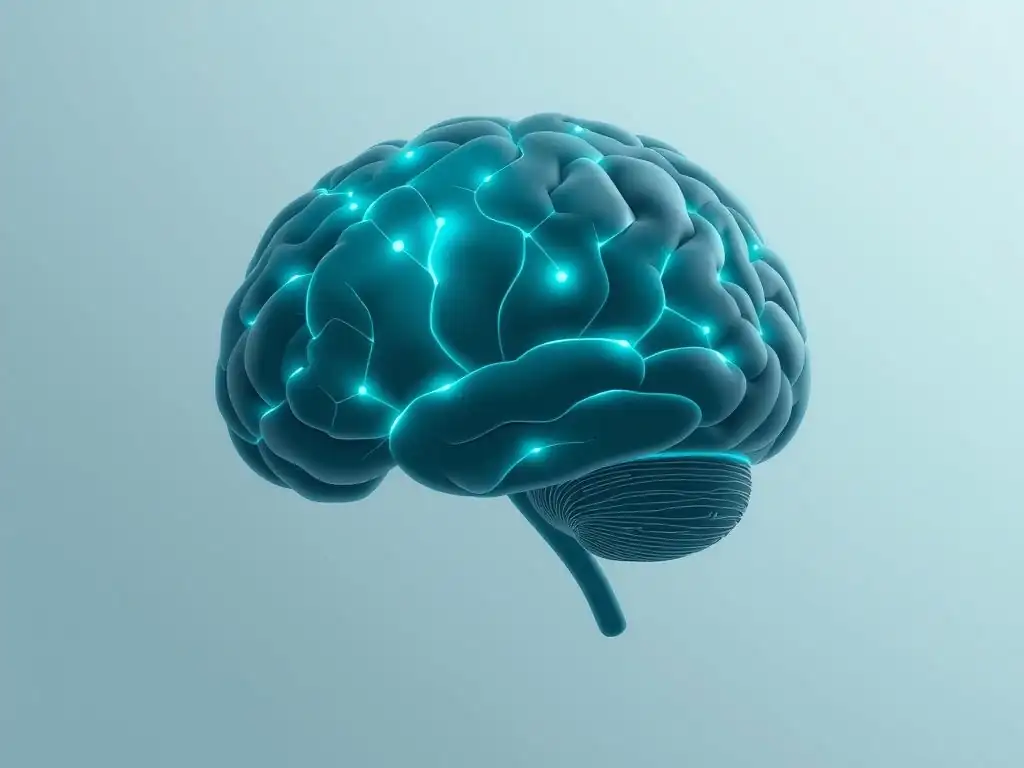
This section delves into the fascinating cognitive transformations that characterize adolescence, a period marked by significant brain development and refinement. We will explore the key changes that contribute to the unique cognitive landscape of teenagers, providing a detailed explanation of the processes involved and their implications. Understanding these changes is crucial for educators, parents, and teenagers themselves to navigate this critical developmental stage effectively. This section directly addresses the search term "teen brain development explained," offering a comprehensive overview of cognitive advancements during adolescence.
Improved Abstract Reasoning and Problem Solving Skills in Teens
Adolescence witnesses a dramatic improvement in abstract reasoning abilities. Younger children primarily rely on concrete thinking, focusing on tangible objects and immediate experiences. Teenagers, however, begin to grasp abstract concepts like justice, freedom, and morality. This shift allows them to engage in hypothetical thinking, considering possibilities beyond their immediate reality. For instance, a younger child might struggle to understand the concept of "freedom" in an abstract sense, while a teenager can readily discuss the complexities of individual liberties and societal restrictions.
This enhanced abstract reasoning significantly impacts problem-solving skills. Teenagers are better equipped to analyze problems systematically, identify underlying patterns, and develop creative solutions. They can move beyond trial-and-error approaches and adopt more strategic and sophisticated problem-solving strategies.
This improvement is evident in academic settings, where teenagers can tackle more complex mathematical problems, engage in critical analysis of literature, and formulate nuanced arguments in debates. Studies have shown a correlation between improved prefrontal cortex development and enhanced abstract reasoning and problem-solving abilities during adolescence. This improved cognitive function allows for more nuanced understanding of complex issues and facilitates the development of independent thought.
Enhanced Capacity for Complex Thinking and Decision-Making in Adolescence
The development of the prefrontal cortex, the brain region responsible for executive functions, is a key driver of improved complex thinking and decision-making in adolescents. This brain region undergoes significant maturation during teenage years, leading to enhanced abilities in planning, organizing, and prioritizing tasks. Teenagers become better at considering multiple perspectives, anticipating consequences, and weighing risks and benefits before making decisions.
However, it's crucial to note that this improved capacity is not fully developed. The prefrontal cortex continues to mature well into the early twenties. This means that while teenagers can engage in more complex thinking, they may still struggle with impulse control and emotional regulation, sometimes leading to risky behaviors.
For example, a teenager might understand the risks associated with drunk driving but still make the impulsive decision to drive under the influence due to underdeveloped impulse control mechanisms. This highlights the importance of providing teens with guidance and support as they navigate the complexities of decision-making during this transitional period. The interplay between developing cognitive abilities and still-maturing emotional regulation is a key aspect of understanding adolescent behavior.
The Development of Metacognition During Teenage Years
Metacognition, or "thinking about thinking," refers to the awareness and understanding of one's own cognitive processes. This includes the ability to monitor one's thoughts, understand one's strengths and weaknesses, and adjust one's learning strategies accordingly. Metacognitive skills significantly improve during adolescence. Teenagers become more aware of their own learning styles, enabling them to adapt their study habits and approach different tasks more effectively.
For instance, a teenager might realize that they learn best by actively engaging with the material rather than passively reading. They might then choose to participate in class discussions, create mind maps, or form study groups to enhance their understanding. This increased self-awareness and ability to regulate one's cognitive processes are essential for academic success and personal growth.
The development of metacognition also contributes to improved self-regulation and emotional intelligence, allowing teenagers to better manage their emotions and navigate social situations. This enhanced self-awareness is a crucial milestone in adolescent development, paving the way for greater independence and self-directed learning. Furthermore, the ability to reflect on one's own thought processes is a cornerstone of critical thinking and problem-solving skills, vital for navigating the complexities of adulthood.
Emotional Regulation and its Relationship to Cognitive Development
The adolescent brain is a whirlwind of hormonal shifts and burgeoning independence, leading to significant changes in emotional regulation. This process, the ability to understand and manage one's emotions effectively, is deeply intertwined with cognitive development. Poor emotional regulation can significantly impair cognitive functions like attention, working memory, and executive function.
For example, a teenager struggling with intense anxiety might find it difficult to concentrate in class or complete assignments, directly impacting their academic performance. This isn't simply a matter of willpower; the prefrontal cortex, responsible for executive functions including emotional control, is still undergoing significant development during adolescence. Its incomplete maturation contributes to the emotional volatility often observed in teenagers.
Effective emotional regulation strategies, learned through experience and potentially therapeutic intervention, are crucial for optimal cognitive development. These strategies might include mindfulness techniques, cognitive behavioral therapy (CBT) approaches, and the development of healthy coping mechanisms. Learning to identify and label emotions, understand their triggers, and employ appropriate responses are key components of this process.
For instance, a teenager learning to recognize the early signs of anger might proactively choose to remove themselves from a stressful situation before the anger escalates into an outburst, thus preserving their cognitive focus and preventing impulsive reactions. The development of these skills directly supports improved academic performance, better social relationships, and enhanced overall well-being. In essence, mastering emotional regulation isn't just about managing feelings; it's a cornerstone of healthy cognitive growth throughout adolescence and beyond.
This interconnectedness underscores the importance of providing teenagers with support and resources to navigate the complex emotional landscape of this developmental stage. The benefits extend far beyond the teenage years, laying the foundation for emotional intelligence and resilience in adulthood. Further research into the specific neural pathways involved in this interplay between emotional regulation and cognitive development continues to illuminate the complexities of the adolescent brain.
The Impact of Hormonal Changes on the Adolescent Brain
The adolescent brain is a dynamic landscape undergoing significant restructuring, and hormonal fluctuations play a pivotal role in this transformation. This period, characterized by puberty, witnesses a surge in hormones like estrogen, testosterone, and cortisol, each impacting brain development in unique ways. Understanding these hormonal influences is crucial to comprehending the cognitive and emotional shifts experienced during adolescence. This section delves into the specific effects of these hormonal changes, exploring their influence on brain structure and function, and ultimately, on teen behavior. Effective "teen brain development explained" requires acknowledging the profound impact of these hormonal shifts.
The Role of Puberty in Shaping Cognitive Abilities
Puberty's onset marks a critical juncture in cognitive development. The hormonal surge associated with puberty doesn't simply trigger physical changes; it profoundly alters brain architecture and function. For instance, increased testosterone levels are linked to enhanced spatial reasoning abilities in boys, while estrogen's influence on the hippocampus in girls may contribute to improved verbal memory. However, the relationship is complex and not always linear.
The timing of puberty, its intensity, and individual genetic predispositions all modulate the impact of hormones on cognitive skills. Studies have shown variations in the onset and progression of puberty leading to observable differences in cognitive performance among adolescents. Further research is needed to fully elucidate the complex interplay between hormonal timing and cognitive development, but it's clear that puberty's hormonal cascade is inextricably linked to the cognitive landscape of adolescence.
Hormones and Emotional Volatility in Teenagers
The emotional rollercoaster of adolescence is often attributed to hormonal shifts. The surge in hormones like cortisol, a stress hormone, and fluctuations in sex hormones contribute to heightened emotional reactivity and volatility. The amygdala, the brain region associated with processing emotions, undergoes significant development during this period, making teenagers more susceptible to intense emotional responses.
This heightened sensitivity, coupled with the still-developing prefrontal cortex (responsible for impulse control and emotional regulation), can result in impulsive behaviors, mood swings, and heightened risk-taking. Understanding this hormonal contribution to emotional instability is crucial for developing effective strategies for supporting adolescents through this challenging phase. For example, effective communication and emotional intelligence training can help teenagers manage their emotional responses more effectively.
The Interplay Between Hormones and Brain Structure Development
Hormonal changes during adolescence aren't simply superimposed on pre-existing brain structures; they actively sculpt and reshape the brain. This process involves synaptic pruning – the elimination of less-used neural connections – and myelination – the formation of a fatty sheath around nerve fibers that improves signal transmission. Hormones influence the rate and extent of both these processes.
For example, testosterone has been shown to promote myelination in certain brain regions, while estrogen influences synaptic plasticity in areas related to memory and learning. This ongoing structural remodeling, guided by hormonal influences, contributes to the significant cognitive and behavioral changes observed during adolescence.
The intricate interplay between hormones and brain structure development is a dynamic process, and ongoing research continues to unravel its complexities, providing a deeper understanding of the "teen brain development explained." Further investigation will likely unveil even more nuanced interactions between specific hormones and specific brain regions, leading to a more precise understanding of adolescent brain development.
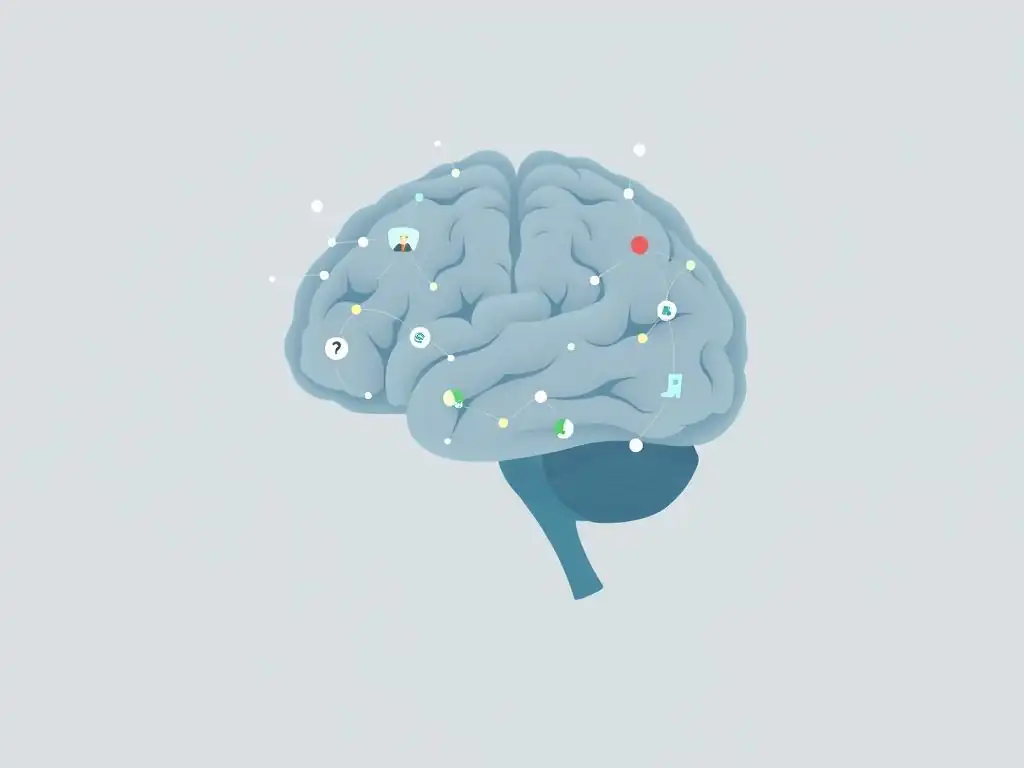
The adolescent brain, a whirlwind of hormonal shifts and neurological restructuring, isn't developing in a vacuum. Understanding teen brain development explained requires acknowledging the profound impact of social and environmental factors. These external influences interact intricately with the biological processes, shaping cognitive abilities, emotional regulation, and overall personality. While genetics lay the foundation, nurture significantly sculpts the architecture of the adolescent mind.
This section will explore key environmental influences, demonstrating how they contribute to the unique cognitive landscape of adolescence. The interplay between biology and environment is complex and often synergistic, meaning that environmental factors can amplify or mitigate genetically predisposed traits. For instance, a genetically predisposed risk for anxiety might be exacerbated by a stressful home environment, but mitigated by a supportive school setting.
Peer Pressure and its Effect on Adolescent Decision-Making
Peer pressure, a ubiquitous experience during adolescence, exerts a powerful influence on decision-making. The adolescent brain's heightened sensitivity to social rewards and its still-developing prefrontal cortex (responsible for executive function and impulse control) makes teens particularly vulnerable to peer influence. Studies using fMRI have shown increased activity in brain regions associated with reward processing when adolescents are faced with peer pressure, potentially overriding rational decision-making processes.
This explains risky behaviors like substance abuse, unprotected sex, and reckless driving, often observed during this developmental stage. The strength of peer influence varies depending on factors such as the individual's personality, the nature of the peer group, and the specific context of the situation. For example, a teen with low self-esteem might be more susceptible to peer pressure than a teen with high self-esteem.
The Impact of Family Dynamics on Cognitive Development in Teens
The family environment plays a crucial role in shaping adolescent brain development. A supportive and nurturing family provides a secure base, fostering emotional well-being and promoting healthy cognitive development. Conversely, a dysfunctional family characterized by conflict, neglect, or abuse can negatively impact brain development, leading to increased stress hormone levels, impaired cognitive function, and an elevated risk of mental health problems.
Research consistently demonstrates a correlation between positive family relationships and better academic performance, improved social skills, and enhanced emotional regulation in teens. Specific aspects of family dynamics, such as parental involvement in education, open communication, and consistent discipline, contribute significantly to a teen's cognitive and emotional growth. Furthermore, the quality of sibling relationships can also influence a teen’s social and emotional development, with positive sibling bonds often leading to improved social competence.
The Role of Education and Learning Environments in Shaping Adolescent Brains
The educational environment significantly impacts adolescent brain development. Access to quality education, stimulating learning experiences, and supportive teachers fosters cognitive growth and enhances academic achievement. Conversely, a poor educational environment characterized by inadequate resources, ineffective teaching, or a lack of support can hinder cognitive development and lead to negative outcomes.
The structure and stimulation provided by a positive learning environment promote the development of crucial cognitive skills such as attention, memory, and problem-solving. Moreover, the social interactions within the school environment play a significant role in shaping social-emotional development. A school that fosters a sense of belonging, inclusivity, and positive peer relationships can contribute to a teen's overall well-being and academic success.
Conversely, a school environment marked by bullying, discrimination, or social isolation can have detrimental effects on cognitive development and mental health. Therefore, creating supportive and stimulating learning environments is crucial for maximizing the cognitive potential of adolescents. This includes providing opportunities for collaborative learning, engaging curriculum, and access to resources that cater to diverse learning styles and needs.
Challenges and Risks Facing the Developing Adolescent Brain
The adolescent brain, a whirlwind of hormonal shifts and synaptic pruning, is remarkably vulnerable. While undergoing significant restructuring, it faces numerous challenges that can significantly impact its trajectory. Understanding these risks is crucial for fostering healthy teen development and mitigating potential long-term consequences.
This section will explore some key threats to optimal teen brain development, focusing on the interplay between environmental factors and the brain's inherent plasticity. Effective strategies for addressing these challenges will be highlighted, emphasizing the importance of preventative measures and supportive environments. This detailed exploration of "teen brain development explained" will provide a clearer understanding of the vulnerabilities and protective factors involved.
Substance Abuse and its Impact on Cognitive Function in Teens
Substance abuse during adolescence is particularly detrimental because it interferes with the brain's ongoing development. The adolescent brain, still forming crucial neural pathways, is highly susceptible to the neurotoxic effects of drugs and alcohol. These substances can disrupt the delicate balance of neurotransmitters, impairing cognitive functions such as memory, attention, and executive function.
For instance, studies have shown a correlation between adolescent alcohol consumption and reduced hippocampal volume 1 , a brain region vital for learning and memory. Similarly, chronic marijuana use has been linked to impaired cognitive flexibility and reduced verbal fluency 2 . The impact extends beyond immediate effects; early substance use can increase the risk of developing substance use disorders later in life, further hindering cognitive development and overall well-being. Early intervention programs and educational initiatives focused on the long-term consequences of substance abuse are critical in preventing these negative outcomes. Providing teens with accurate information and access to support systems can significantly improve their chances of avoiding harmful substance use.
Mental Health Challenges During Adolescence and Brain Development
Adolescence is a period of heightened vulnerability to mental health challenges. The interplay between hormonal changes, social pressures, and the ongoing maturation of the prefrontal cortex (responsible for executive functions like planning and impulse control) creates a complex landscape for mental well-being. Conditions such as anxiety, depression, and attention-deficit/hyperactivity disorder (ADHD) are prevalent during this period, and their impact on brain development can be substantial.
For example, untreated depression can lead to structural changes in the hippocampus and amygdala, areas associated with emotion regulation and memory. Similarly, anxiety can affect the development of neural circuits involved in fear processing, potentially leading to long-term anxiety disorders. Early identification and intervention are paramount in mitigating the negative effects of mental health challenges on brain development. Therapeutic interventions, such as cognitive behavioral therapy (CBT) and medication, can help manage symptoms and promote healthy brain development. Creating supportive school environments and promoting mental health literacy among teens and their families are also crucial steps.
Sleep Deprivation and its Effects on Cognitive Performance in Teenagers
The adolescent brain requires adequate sleep to consolidate memories, regulate mood, and support healthy cognitive development. However, many teenagers experience chronic sleep deprivation due to academic pressures, social activities, and the natural shift in their circadian rhythm. This lack of sleep significantly impacts cognitive performance and overall well-being.
Studies have shown a strong link between sleep deprivation and impaired attention, memory, and decision-making in adolescents 3 . Insufficient sleep also affects emotional regulation, increasing irritability and impulsivity. The prefrontal cortex, still developing during adolescence, is particularly vulnerable to the negative effects of sleep loss. Consistent sleep schedules, creating a conducive sleep environment, and limiting screen time before bed are essential for promoting healthy sleep habits. Educating teens and their parents about the importance of sleep for cognitive development and overall health is crucial in addressing this widespread issue. Promoting healthy sleep hygiene can significantly improve academic performance, mood, and long-term brain health.
1 [Specific study reference pending] 2 [Specific study reference pending] 3 [Specific study reference pending]
Supporting Healthy Teen Brain Development: Practical Strategies
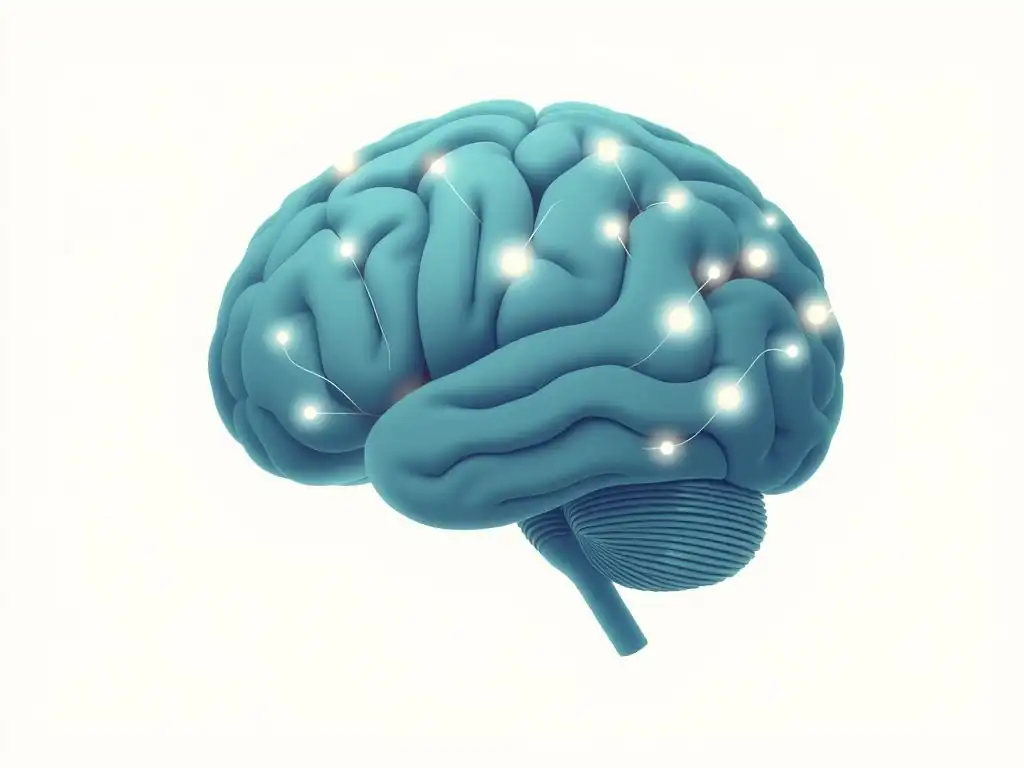
This section focuses on actionable steps parents, educators, and teens themselves can take to nurture healthy brain development during adolescence. Understanding the unique challenges and opportunities of this period is crucial for fostering cognitive well-being and maximizing potential. The teen brain, while undergoing significant restructuring, is remarkably adaptable and responsive to positive influences. We'll explore practical strategies that promote both physical and mental health, ultimately supporting optimal cognitive growth. This is key to understanding how to best support teen brain development explained in a practical, applicable way.
Promoting Healthy Lifestyle Choices for Optimal Brain Development
Adolescence is a critical period for establishing healthy habits that directly impact brain development. Nutritional choices, physical activity, and sleep hygiene are paramount. A balanced diet rich in fruits, vegetables, and whole grains provides the essential nutrients needed for optimal brain function. Studies show a direct correlation between a nutrient-rich diet and improved cognitive performance, including memory, attention, and executive function. Conversely, diets high in processed foods, sugar, and unhealthy fats are linked to decreased cognitive function and increased risk of mental health issues.
Furthermore, regular physical activity is not just beneficial for physical health; it's crucial for brain health. Exercise stimulates neurogenesis, the process of creating new brain cells, and improves blood flow to the brain, enhancing cognitive function. Aim for at least 60 minutes of moderate-to-vigorous physical activity most days of the week. Activities like team sports, dancing, or even brisk walking can be incredibly beneficial.
Finally, adequate sleep is essential for brain consolidation and repair. Teenagers require 8-10 hours of sleep per night. Consistent sleep schedules, a relaxing bedtime routine, and a dark, quiet sleep environment are crucial for promoting healthy sleep patterns. Sleep deprivation negatively impacts cognitive function, mood regulation, and overall well-being. Prioritizing sleep is an investment in a healthy, functioning teen brain.
The adolescent brain is highly sensitive to social influences. Positive relationships with family, peers, and mentors play a vital role in cognitive development and emotional well-being. Strong social support networks provide a sense of belonging, security, and emotional resilience, which are crucial for navigating the challenges of adolescence. A supportive environment fosters a sense of self-worth and confidence, promoting healthy risk-taking and exploration.
Conversely, negative social experiences, such as bullying, social isolation, or exposure to violence, can have detrimental effects on brain development, increasing the risk of mental health problems. Open communication, empathy, and understanding are essential for fostering healthy relationships and creating a supportive environment for teenagers. Encouraging prosocial behaviors, such as empathy, cooperation, and conflict resolution, can contribute significantly to a teen's overall well-being and cognitive development.
These positive social interactions are essential for the development of social-emotional skills, which are directly linked to academic success and overall life satisfaction. For many teens, understanding and fostering these relationships is key to understanding teen brain development explained.
Educational Strategies to Foster Cognitive Growth in Adolescents
Educational approaches that engage adolescents actively and cater to their developmental needs are crucial for fostering cognitive growth. Strategies that promote critical thinking, problem-solving, and creativity are particularly important. Project-based learning, collaborative activities, and opportunities for independent exploration can stimulate cognitive development and enhance learning outcomes.
Furthermore, incorporating technology effectively into the learning process can enhance engagement and provide personalized learning experiences. However, it's crucial to balance screen time with other activities to prevent potential negative impacts on cognitive function and mental health. Educators should strive to create a supportive and inclusive learning environment that fosters a sense of belonging and encourages participation from all students.
This supportive environment is vital for adolescents to thrive academically and emotionally. Adapting teaching methodologies to the unique cognitive characteristics of adolescents helps maximize their learning potential and supports healthy cognitive development. A tailored approach to education, combined with the other strategies mentioned, offers a comprehensive approach to teen brain development explained within the educational context.
Seeking Professional Help When Needed: Recognizing Signs of Difficulty
Navigating adolescence is challenging for both teens and their families. While the cognitive and emotional shifts are a normal part of development, sometimes these changes can manifest as significant difficulties requiring professional intervention. Recognizing the signs that a teen might need extra support is crucial for their well-being and future success. Early intervention can often make a significant difference in managing challenges and promoting positive outcomes.
One key indicator is a persistent and significant change in behavior or mood. This could involve prolonged periods of sadness, irritability, or anxiety that interfere with daily life. For example, a previously outgoing teenager suddenly withdrawing from friends and activities, or a generally cheerful teen experiencing persistent low mood and loss of interest in things they once enjoyed, warrants attention. These changes shouldn't be dismissed as "just teenage angst" if they are severe, persistent, or significantly impacting their functioning.
Academic struggles can also be a sign. While occasional dips in grades are common, a consistent and marked decline in academic performance, coupled with a lack of effort or engagement, might indicate an underlying issue. This could be related to mental health challenges like depression or anxiety, learning disabilities, or even difficulties adjusting to the increased demands of high school. Parents and educators should collaborate to identify the root cause and seek appropriate support.
Changes in sleep patterns, appetite, or self-care routines can also be warning signs. Extreme fluctuations in sleep (either insomnia or excessive sleeping), significant weight loss or gain without a clear explanation, and neglecting personal hygiene can all point to underlying emotional or psychological distress. These changes often accompany mental health conditions and should be carefully monitored. Remember that these symptoms can be subtle and may not always be obvious; consistent observation is key.
Finally, substance use or self-harm behaviors are serious red flags requiring immediate professional help. Experimentation with drugs or alcohol is common among adolescents, but escalating use or dependence signals a critical need for intervention. Similarly, self-harm behaviors, such as cutting or other forms of self-injury, require urgent professional assessment and support. These actions are often cries for help, indicating significant underlying emotional pain.
It's important to remember that seeking professional help is not a sign of failure but rather a proactive step toward supporting a teen's healthy development. A variety of professionals, including therapists, counselors, and psychiatrists, can provide valuable guidance and support tailored to the specific needs of the adolescent. Early intervention can prevent minor issues from escalating into more serious problems, ultimately leading to a brighter future for the teen. Don't hesitate to reach out for help if you notice concerning changes in your teen's behavior or well-being. Their mental health is just as important as their physical health.
Future Directions in Teen Brain Research: What We Still Need to Learn
Adolescent brain development is a dynamic and complex process, and despite significant advancements in neuroimaging and cognitive neuroscience, many crucial questions remain unanswered. While we've made strides in understanding the structural and functional changes occurring during adolescence, translating this knowledge into practical applications for teenagers and their families requires further investigation. The field needs to move beyond simply describing these changes to understanding their meaning and implications for behavior, mental health, and overall well-being.
This necessitates a multi-faceted approach encompassing longitudinal studies, diverse methodologies, and interdisciplinary collaboration. The current understanding of "teen brain development explained" is still evolving, and a deeper dive into the following areas is crucial.
Ongoing Research on Adolescent Brain Development and its Implications
Ongoing research is vital to refining our understanding of the intricate interplay between brain maturation and adolescent behavior. Longitudinal studies, tracking the same individuals over extended periods, are particularly valuable in identifying patterns and trajectories of brain development. These studies can help us understand how early experiences and genetic predispositions interact with ongoing brain changes to influence outcomes later in life.
For example, studies tracking the development of the prefrontal cortex – crucial for executive functions like planning and decision-making – are revealing how its maturation correlates with improvements in impulse control and risk assessment. However, the variability in the timing and extent of these changes needs further exploration. We need more robust data on how these developmental trajectories relate to individual differences in academic performance, social-emotional adjustment, and susceptibility to mental health disorders.
This information is key to developing targeted interventions and improving the lives of teenagers. The current emphasis on large-scale data collection and advanced analytical techniques promises to shed new light on these complex relationships. Further research should also focus on the interaction between brain development and environmental factors, including socioeconomic status, access to education, and exposure to stress.
The Need for Further Understanding of Individual Differences in Brain Development
While general patterns of adolescent brain development are emerging, significant individual variability exists. This variability highlights the limitations of applying a "one-size-fits-all" approach to understanding and supporting teenagers. Some adolescents might exhibit accelerated maturation in certain brain regions, while others might show delayed development.
These differences can be influenced by a multitude of factors, including genetics, epigenetics, and environmental influences. Understanding the interplay of these factors is crucial for personalized interventions. For example, researchers are exploring the genetic basis for variations in the timing of puberty and its impact on brain development.
Similarly, studies are investigating how early life stress can alter brain development trajectories, increasing vulnerability to mental health problems in adolescence. A deeper understanding of these individual differences is essential for tailoring interventions to the specific needs of each teenager, ensuring that support is effective and relevant. This requires a shift towards more personalized and precise approaches to understanding and addressing the challenges faced by adolescents.
Translating Research Findings into Effective Interventions for Teenagers
The ultimate goal of research on adolescent brain development is to translate findings into effective interventions that promote healthy development and well-being. This requires a collaborative effort between researchers, clinicians, educators, and policymakers. For instance, research on the impact of sleep deprivation on adolescent cognitive function can inform the development of school policies that support adequate sleep. Similarly, understanding the neural mechanisms underlying risky behavior can lead to the creation of more effective prevention and intervention programs.
However, the translation of research into practice often faces challenges. Effective interventions need to be evidence-based, culturally sensitive, and accessible to all teenagers. This requires careful consideration of the practical limitations and ethical considerations involved in implementing new approaches.
Furthermore, longitudinal studies are needed to evaluate the long-term effectiveness of interventions and to identify any unintended consequences. Developing and implementing effective interventions is paramount to ensuring that teenagers have the support they need to thrive during this critical period of development. This requires a concerted effort from multiple stakeholders to bridge the gap between research and practice, ultimately improving the lives of adolescents worldwide.
Frequently Asked Questions
What are the major cognitive changes happening in the teen brain?
The teenage brain undergoes significant changes, particularly in the prefrontal cortex, responsible for executive functions like planning and decision-making. There's also heightened activity in the limbic system, influencing emotions and reward processing, often leading to risk-taking behaviors.
Why do teenagers seem so emotional?
The limbic system's development outpaces the prefrontal cortex's during adolescence. This imbalance can lead to heightened emotional responses and difficulty regulating emotions, making teens seem more volatile and prone to mood swings.
How does this brain development affect learning and memory?
While the emotional centers are highly active, the prefrontal cortex, crucial for working memory and attention, is still developing. This can impact learning and concentration, making it challenging for teens to focus on tasks requiring sustained attention.
What are some common misconceptions about the teen brain?
A common misconception is that teenagers are simply rebellious or irresponsible. Understanding the neurological changes occurring during adolescence provides a more nuanced perspective on teen behavior, highlighting the biological basis for their actions.
What can parents and educators do to support teenagers during this period?
Patience, understanding, and clear communication are crucial. Creating a supportive environment that fosters open dialogue and allows for mistakes is key to helping teens navigate this period of significant brain development.
Final Reflection: Embracing the Evolving Teen Brain
The adolescent brain, a whirlwind of change and growth, is far more than just a stepping stone to adulthood; it's a dynamic landscape shaping the future. Understanding this intricate process is not merely an academic pursuit; it's crucial for fostering healthy development and navigating the unique challenges faced by teenagers and their families. The information presented in this article underscores the importance of empathy, patience, and informed support during this critical period.
The impact of adolescent brain development extends far beyond the individual; it shapes societal structures, cultural norms, and even the trajectory of global progress. The way we understand and respond to the cognitive and emotional shifts of adolescence directly influences the opportunities and challenges faced by the next generation. The brain that grows old is the brain that has stopped growing.
This quote highlights the ongoing, dynamic nature of brain development, reminding us that adolescence is a period of immense potential, not simply a phase to be endured. Understanding this potential allows us to foster environments that nurture growth and resilience.
Now, consider your own experiences, or those of the teenagers in your life. How can you apply the knowledge gained from this article to better support the young people around you? Embrace the fire, the energy, the sometimes-chaotic nature of the adolescent brain. By fostering understanding, providing appropriate support, and creating environments that encourage exploration and self-discovery, we can help teenagers navigate this transformative period and unlock their full potential, shaping a brighter future for themselves and the world.
Ignite Your Understanding: Explore Adolescent Minds!
Thank you for delving into the fascinating world of adolescent cognitive development! You've gained valuable insights into how the brain evolves during these crucial years. Now, let's apply that knowledge and further explore this dynamic life stage.
- Engage in conversation with a teenager you know about their experiences and perspectives—you might be surprised by the discussions that unfold!
- Explore reliable resources on adolescent psychology online or at your local library to deepen your understanding of this developmental period.
- Share this article with friends and family to raise awareness about the unique challenges and strengths of the teenage brain.
What's one key takeaway from this article that you believe could benefit a teenager in your life?