
Anxiety Disorders in Children: Types, Causes, and Effective Coping Strategies

Unravel the complexities of the human mind with Psychology Basics. We offer a clear and accessible introduction to the fascinating world of psychology. Are you concerned about a child struggling with anxiety? Discover effective child anxiety disorder coping strategies and gain a deeper understanding of this prevalent issue within our comprehensive guide on anxiety disorders in children. Explore the types, causes, and practical solutions – your journey to understanding begins here.
- Understanding Childhood Anxiety: A Comprehensive Overview
-
Types of Anxiety Disorders in Children
- Separation Anxiety Disorder: Symptoms and Diagnosis
- Generalized Anxiety Disorder (GAD) in Children: Recognizing the Signs
- Social Anxiety Disorder (Social Phobia) in Youngsters: Impact and Manifestations
- Panic Disorder in Children: Understanding Panic Attacks
- Specific Phobias in Children: Common Fears and Their Management
- Obsessive-Compulsive Disorder (OCD) in Children: Understanding Rituals and Obsessions
- Causes of Anxiety Disorders in Children: Nature vs. Nurture
-
Effective Coping Strategies for Child Anxiety Disorders: Practical Guidance
- Cognitive Behavioral Therapy (CBT) for Children: Techniques and Applications
- Exposure Therapy: Gradually Facing Fears and Anxieties
- Relaxation Techniques for Children: Mindfulness and Breathing Exercises
- Parental Support and Education: Creating a Safe and Supportive Environment
- School-Based Interventions: Collaboration with Educators
- Medication Management for Anxiety in Children: When and How
- Long-Term Management of Child Anxiety: Maintaining Progress
- Frequently Asked Questions
- Final Reflection: Nurturing Resilience: A Future Free from Childhood Anxiety
- Empower Your Child's Journey to Calm!
Understanding Childhood Anxiety: A Comprehensive Overview
Childhood is a period of immense growth and development, filled with exciting new experiences and challenges. However, for some children, this journey is accompanied by the significant burden of anxiety disorders. These disorders, ranging from mild to severe, can profoundly impact a child's emotional well-being, academic performance, social interactions, and overall quality of life.
This article provides a comprehensive overview of childhood anxiety disorders, exploring their various types, underlying causes, and importantly, effective coping strategies. We will delve into the nuances of differentiating typical childhood fears from diagnosable anxiety, equipping parents, educators, and caregivers with the knowledge to recognize, understand, and support children struggling with anxiety. Understanding the specific challenges faced by anxious children is crucial for fostering a supportive and nurturing environment that promotes their healthy development and resilience.
The information presented here aims to empower readers to identify signs of anxiety, seek appropriate professional help when needed, and implement effective coping mechanisms to help children navigate their anxieties and thrive. This exploration is particularly important because early intervention is key to improving long-term outcomes for children experiencing anxiety.
Defining Childhood Anxiety Disorders and Their Prevalence
Anxiety disorders in children manifest differently than in adults, often presenting with age-appropriate symptoms. These disorders are not simply "growing pains" or temporary phases; they involve persistent, excessive worry, fear, or nervousness that significantly interferes with daily functioning. Several distinct types of anxiety disorders can affect children, including:
- Generalized Anxiety Disorder (GAD): Characterized by excessive worry and anxiety about various events or activities for at least six months. Children with GAD might worry excessively about school performance, family well-being, or future events.
- Separation Anxiety Disorder (SAD): Marked by excessive distress and fear related to separation from primary attachment figures (e.g., parents, caregivers). This can manifest as refusal to go to school or sleep alone.
- Social Anxiety Disorder (SAD): Involves intense fear of social situations, such as speaking in public, interacting with peers, or participating in class activities. Children with social anxiety may experience significant distress or avoidance of social interactions.
- Panic Disorder: Characterized by recurrent, unexpected panic attacks, which are sudden episodes of intense fear accompanied by physical symptoms like rapid heartbeat, sweating, and shortness of breath.
- Specific Phobias: These involve an intense, persistent fear of a specific object or situation (e.g., animals, heights, darkness). This fear is disproportionate to the actual danger and leads to avoidance behaviors.
The prevalence of anxiety disorders in children is substantial. Studies suggest that approximately 8% of children and adolescents experience an anxiety disorder at some point. However, this is likely an underestimate, as many cases go undiagnosed or untreated due to a lack of awareness or access to appropriate mental health services. Early identification and intervention are critical in mitigating the long-term impact of these disorders. The earlier a child receives support, the better their chances of developing healthy coping mechanisms and managing their anxiety effectively.
Differentiating Anxiety from Normal Childhood Fears
It’s crucial to distinguish between normal childhood fears and diagnosable anxiety disorders. All children experience some level of fear and anxiety at different developmental stages. Fears of the dark, monsters, or loud noises are common in younger children and often diminish with age and increased experience. However, these fears become problematic when they are:
- Excessive: The intensity of the fear is disproportionate to the actual threat.
- Persistent: The fear persists for an extended period (typically six months or longer).
- Interfering: The fear significantly interferes with daily life, school performance, social interactions, or overall well-being.
- Accompanied by physical symptoms: The fear is accompanied by physical symptoms such as rapid heartbeat, sweating, trembling, or stomach aches.
For example, a child who is mildly afraid of dogs might avoid walking past houses with dogs, but this might not constitute a phobia. However, a child who experiences intense, paralyzing fear at the mere sight of a dog, avoiding all parks and playgrounds, may have a specific phobia requiring professional intervention. The key lies in assessing the intensity, duration, and impact of the fear on the child's overall functioning.
Parents and caregivers should consult with mental health professionals if they have concerns about a child's fear or anxiety. Early intervention can prevent anxiety from becoming a significant obstacle to a child's development and overall well-being.
Types of Anxiety Disorders in Children
Anxiety disorders in children manifest in diverse ways, significantly impacting their emotional well-being and development. Understanding the different types is crucial for early intervention and effective management. While symptoms can overlap, each disorder presents with unique characteristics. This section explores some of the most prevalent anxiety disorders affecting children, focusing on their specific symptoms and diagnostic criteria. Effective coping strategies, tailored to each type, will be discussed in subsequent sections. The accurate identification of the specific anxiety disorder is paramount for developing a personalized treatment plan.
Separation Anxiety Disorder: Symptoms and Diagnosis
Separation anxiety disorder (SAD) is characterized by excessive fear and anxiety concerning separation from primary attachment figures, such as parents or caregivers. This anxiety is often disproportionate to the actual threat of separation and significantly interferes with the child's daily life. Symptoms can include:
- Excessive distress when anticipating or experiencing separation from home or attachment figures.
- Persistent and excessive worry about losing major attachment figures or about possible harm to them.
- Reluctance or refusal to go to school, work, or elsewhere because of fear of separation.
- Repeated nightmares involving themes of separation.
- Physical symptoms like headaches, stomachaches, or nausea related to separation anxiety.
Diagnosis typically involves observing these symptoms for at least four weeks in children and adolescents, causing significant distress or impairment in social, academic, or other important areas of functioning. The intensity and duration of symptoms are key factors in determining the severity of SAD. A thorough assessment by a mental health professional is essential to rule out other potential contributing factors and establish an accurate diagnosis. The prevalence of SAD varies across different age groups and cultural contexts, highlighting the need for culturally sensitive diagnostic approaches.
Generalized Anxiety Disorder (GAD) in Children: Recognizing the Signs
Generalized anxiety disorder (GAD) in children involves excessive and persistent worry about various events or activities, often exceeding what is developmentally appropriate. Unlike SAD, the anxiety isn't focused on specific situations or objects but is rather a pervasive feeling of unease and apprehension. Children with GAD may exhibit:
- Excessive worry about school performance, social interactions, or family matters.
- Difficulty controlling worry, often feeling restless or on edge.
- Irritability, difficulty concentrating, and sleep disturbances.
- Physical symptoms such as muscle tension, fatigue, and trembling.
- Avoidance of activities that might trigger anxiety.
The key difference between GAD and normal childhood worries lies in the intensity, duration, and pervasiveness of the anxiety. Children with GAD experience worry that is excessive for their age and significantly impacts their daily functioning. A comprehensive assessment, including interviews with the child, parents, and teachers, is necessary for a precise diagnosis. Early intervention is crucial for preventing the long-term consequences of untreated GAD, which can include academic difficulties, social isolation, and increased risk of developing other mental health conditions.
Social anxiety disorder (SAD), also known as social phobia, is characterized by intense fear and anxiety related to social situations where the child might be scrutinized or judged by others. This fear can lead to significant avoidance of social interactions and impairment in various aspects of life. Children with social anxiety may:
- Experience intense fear of humiliation or embarrassment in social situations.
- Avoid social gatherings, school events, or interactions with peers.
- Exhibit physical symptoms like blushing, sweating, trembling, or nausea in social settings.
- Have difficulty making friends or maintaining relationships.
- Experience significant distress and impairment in their daily life due to social anxiety.
The symptoms of social anxiety in children can vary depending on their age and developmental stage. Younger children may exhibit clinginess or tantrums in social situations, while older children might withdraw or show signs of avoidance. A proper diagnosis considers the child's developmental level and the severity of their symptoms.
Early identification and intervention are critical for reducing the long-term impact of social anxiety on academic performance, social relationships, and overall well-being. Treatment often involves a combination of therapy and, in some cases, medication. The successful management of child anxiety disorder coping strategies requires a multi-faceted approach, emphasizing both psychological and behavioral interventions.
Panic Disorder in Children: Understanding Panic Attacks
Panic disorder in children manifests differently than in adults. While adults might experience panic attacks as sudden surges of intense fear, children may struggle to articulate their feelings, often expressing them through physical symptoms like rapid heartbeat, shortness of breath, dizziness, or stomach aches. They might complain of feeling unwell or describe a sense of impending doom, even if they don't fully understand what's happening.
These attacks can be triggered by specific events or situations, or they can occur seemingly out of the blue. The frequency and intensity of these attacks vary greatly from child to child. It's crucial for parents and caregivers to recognize these physical manifestations as potential signs of a panic attack and seek professional help.
Early intervention is key, as untreated panic disorder can significantly impact a child's development, leading to school avoidance, social isolation, and other significant challenges. Understanding the child's individual triggers and developing coping mechanisms tailored to their age and understanding is a vital part of managing this condition. For instance, teaching a child deep breathing exercises or progressive muscle relaxation techniques can be incredibly beneficial in managing the physical symptoms of a panic attack.
Specific Phobias in Children: Common Fears and Their Management
Specific phobias in children are intense and persistent fears of specific objects or situations, such as animals (zoophobia), darkness (nyctophobia), or specific places like enclosed spaces (claustrophobia). Unlike general anxiety, the fear is focused on a particular trigger. These phobias can significantly impact a child's daily life, limiting their participation in activities and social interactions. For example, a child with a phobia of dogs might refuse to go to the park or visit friends who own pets.
Common fears vary with age and developmental stage; younger children might fear loud noises or separation from caregivers, while older children may develop phobias related to social situations or specific objects. Management strategies involve a combination of approaches. Cognitive-behavioral therapy (CBT) is often effective, helping children understand and challenge their irrational fears. Exposure therapy, gradually exposing the child to the feared object or situation in a safe and controlled environment, is another crucial technique.
Parental support and understanding are essential, as children often rely on their parents for reassurance and safety. Creating a supportive environment and avoiding avoidance behaviors are key to helping children overcome their phobias. The severity and the specific phobia will dictate the treatment approach, but a combination of therapy and parental involvement is often the most successful route.
Obsessive-Compulsive Disorder (OCD) in Children: Understanding Rituals and Obsessions
Obsessive-Compulsive Disorder (OCD) in children involves recurring, unwanted thoughts (obsessions) that cause significant distress, often leading to repetitive behaviors (compulsions) aimed at reducing that anxiety. These obsessions can range from concerns about germs and contamination to fears of harm to oneself or others, or even intrusive thoughts of a disturbing nature. Compulsions are repetitive actions performed to neutralize these obsessions, such as excessive handwashing, checking locks repeatedly, or arranging objects in a specific order. The severity of OCD in children can vary greatly.
Some children may exhibit mild symptoms that interfere minimally with their daily lives, while others may experience severe symptoms that significantly impact their academic performance, social interactions, and overall well-being. It is crucial to differentiate between normal childhood anxieties and OCD. While all children experience some level of anxiety, OCD is characterized by the intensity and persistence of obsessions and compulsions, causing significant distress and impairment. Treatment usually involves a combination of therapy, often CBT, and sometimes medication.
CBT helps children identify and challenge their obsessive thoughts and develop coping mechanisms to resist the urge to engage in compulsions. Medication can help manage the underlying anxiety and improve the child's ability to participate in therapy. Early intervention is crucial for effective management and to prevent long-term consequences. Family therapy is also frequently beneficial, as it helps educate family members about OCD and equips them with the tools to support the child effectively.
Causes of Anxiety Disorders in Children: Nature vs. Nurture

Understanding the root causes of anxiety disorders in children is crucial for developing effective treatment and coping strategies. The etiology is complex, often involving an interplay of genetic predisposition, environmental influences, and individual temperament. This section will delve into the key factors contributing to the development of child anxiety. Successfully navigating this complex interplay is essential for implementing effective interventions and supporting the child's well-being. Let's explore the contributing factors in detail.
Genetic Predisposition and Family History of Anxiety
A significant body of research points to a heritable component in anxiety disorders. Children with a family history of anxiety, particularly parents or siblings diagnosed with anxiety disorders or depression, are at a considerably increased risk. This doesn't mean that a family history guarantees the development of an anxiety disorder, but it significantly increases the probability. The exact genes involved are still being identified, but studies suggest that multiple genes interact to influence an individual's vulnerability to anxiety.
This genetic predisposition may manifest as a heightened sensitivity to stress or a predisposition towards certain neurochemical imbalances. For example, studies have shown a correlation between variations in the serotonin transporter gene (5-HTT) and increased susceptibility to anxiety disorders. Understanding this genetic component allows for early identification and proactive intervention strategies in at-risk children.
Environmental Factors and Traumatic Experiences
Beyond genetics, environmental factors play a crucial role in the development of child anxiety disorders. Traumatic experiences, such as abuse, neglect, witnessing violence, or experiencing a significant loss (e.g., death of a loved one), can profoundly impact a child's emotional development and increase their vulnerability to anxiety. Furthermore, ongoing stressors in a child's life, such as parental conflict, academic pressure, bullying, or social isolation, can also contribute significantly.
Even seemingly minor stressors, when accumulated over time, can overwhelm a child's coping mechanisms, leading to the onset of anxiety symptoms. The impact of these environmental factors is often mediated by the child's temperament and coping skills. A supportive and nurturing environment can significantly buffer against the negative effects of stressful experiences.
Temperament and Personality Traits
A child's inherent temperament, their characteristic behavioral style and emotional reactivity, also contributes to their vulnerability to anxiety. Children with a shy, inhibited, or overly cautious temperament may be more prone to developing anxiety disorders. These children may exhibit heightened sensitivity to novelty, uncertainty, and potential threats. This innate predisposition can interact with environmental factors to increase the likelihood of developing an anxiety disorder.
For example, a child with an already anxious temperament might experience heightened distress in response to a stressful school event, making them more susceptible to developing generalized anxiety disorder. Understanding a child's individual temperament is crucial in tailoring interventions to their specific needs and strengths. Early identification of these traits can help parents and professionals implement proactive strategies to build resilience and coping skills.
The development of anxiety in children is a multifaceted process, influenced by a complex interaction of genetic factors, environmental stressors, and individual temperament. Recognizing these contributing factors is a critical first step in providing effective support and interventions.
Parental Anxiety and Modeling Behavior
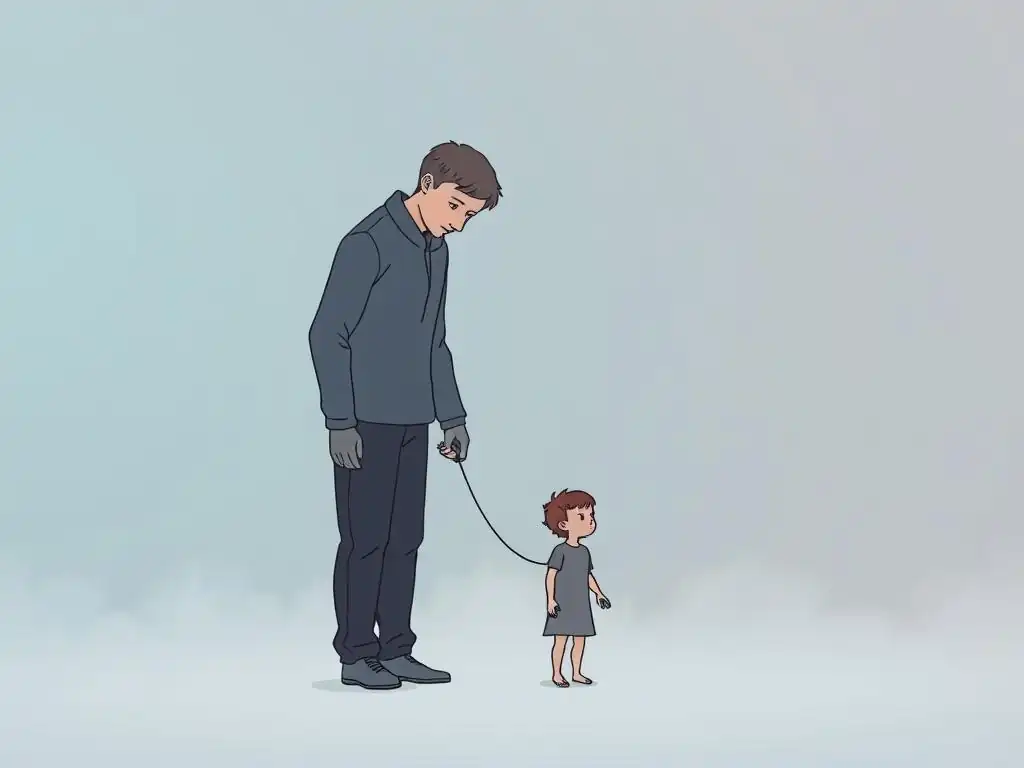
Children are highly attuned to their parents' emotions and behaviors. When parents experience significant anxiety, children often learn to emulate these anxious responses. This process, known as modeling, can be particularly impactful during the formative years. A parent constantly worrying about finances, health, or other stressors might inadvertently teach their child that anxiety is a normal, even necessary, emotional response to daily life.
For example, a parent who exhibits excessive worry about their child's safety might unintentionally instill similar fears in the child, leading to separation anxiety or generalized anxiety disorder. The child may not consciously understand the parent's anxieties, but they absorb the emotional tone and behavioral patterns, internalizing them as their own. This is further complicated by the fact that anxious parents may employ ineffective coping mechanisms, further modeling problematic behaviors for their children. The impact is not solely about observing overt anxious behaviors; it also includes the subtle cues, such as worried facial expressions, tense body language, and hesitant speech patterns.
The child learns to interpret and respond to these cues, reinforcing the learned anxious response. Effective interventions often involve parental therapy focusing on managing their own anxiety levels and adopting healthy coping strategies, which consequently benefits the child's emotional well-being. Studies have shown a strong correlation between parental anxiety levels and the development of anxiety disorders in children. Addressing parental anxiety is therefore crucial in preventing and treating child anxiety.
Beyond the immediate family, broader social and cultural factors significantly contribute to the development of anxiety disorders in children. Societal pressures, such as academic expectations, peer relationships, and exposure to violence or trauma through media, can all play a role. For instance, the competitive nature of modern schooling can create intense pressure on children to perform academically, leading to test anxiety or general performance anxiety. Similarly, social media's pervasive influence can contribute to social comparison and fear of missing out (FOMO), potentially triggering social anxiety or generalized anxiety.
Cultural norms and beliefs also shape a child's understanding of anxiety and its expression. In some cultures, open expression of emotions might be discouraged, leading children to internalize their anxieties, making it harder to identify and address the problem. Conversely, cultures that emphasize emotional resilience might equip children with better coping mechanisms. Exposure to traumatic events, such as natural disasters, accidents, or violence, significantly increases the risk of developing anxiety disorders.
These experiences can leave lasting psychological scars that manifest as PTSD or other anxiety-related conditions. The cumulative effect of these social and cultural factors can be substantial, particularly when combined with genetic predispositions or family history of anxiety. Understanding these influences is essential for developing comprehensive prevention and intervention strategies that address the complex interplay of environmental and social factors contributing to child anxiety. A holistic approach considering both individual and societal factors is crucial for effective management and treatment.
Effective Coping Strategies for Child Anxiety Disorders: Practical Guidance
This section delves into practical, evidence-based strategies parents and caregivers can utilize to help children manage and overcome anxiety. Remember, early intervention is key, and a multi-faceted approach often yields the best results. These coping mechanisms empower children to develop resilience and healthy coping mechanisms for future challenges. Effective management of child anxiety disorder requires patience, consistency, and a supportive environment. The strategies outlined below are not a replacement for professional help; they are valuable tools to complement professional guidance.
Cognitive Behavioral Therapy (CBT) for Children: Techniques and Applications
Cognitive Behavioral Therapy (CBT) is a highly effective approach for treating anxiety in children. It focuses on identifying and changing negative thought patterns and behaviors that contribute to anxiety. Unlike some therapies that focus solely on symptoms, CBT tackles the root causes. For children, CBT often employs playful and engaging techniques to make the process accessible and less daunting.
Several key techniques are used in child-focused CBT:
- Identifying and Challenging Negative Thoughts: Children are taught to recognize and question unhelpful thoughts like "Everyone will laugh at me" or "I'm going to fail." This involves replacing these thoughts with more realistic and positive alternatives. For example, a child worried about a school presentation might be guided to think, "I've practiced, and I can do this," instead of focusing on potential failure.
- Behavioral Experiments: These involve gradually exposing the child to feared situations in a safe and controlled environment. This helps them learn that their fears are often unfounded. For instance, a child afraid of dogs might start by looking at pictures of dogs, then watching videos, and finally observing dogs from a distance before eventually interacting with a friendly dog under supervision.
- Relaxation Skills Training: CBT often incorporates relaxation techniques like deep breathing and progressive muscle relaxation to help children manage anxiety symptoms in the moment. These skills provide children with tools to self-regulate their emotional responses.
- Positive Self-Talk: Children are encouraged to develop a positive internal dialogue, replacing self-criticism with self-encouragement. This builds self-esteem and resilience, which are crucial in managing anxiety.
The effectiveness of CBT for childhood anxiety has been extensively documented in numerous research studies. It's a powerful tool that equips children with long-term coping skills.
Exposure Therapy: Gradually Facing Fears and Anxieties
Exposure therapy is a type of behavioral therapy that involves gradually exposing the child to the situations, objects, or thoughts that trigger their anxiety. The goal is to help the child learn that their fears are often exaggerated and that they can manage the anxiety they experience. This method is particularly effective for specific phobias and anxiety related to specific situations.
The process is carefully structured and tailored to the child's individual needs and anxieties. It typically starts with exposure to less anxiety-provoking stimuli and gradually progresses to more challenging situations. For example, a child with a fear of public speaking might begin by practicing in front of a trusted family member, then in front of a small group of friends, and finally in front of a larger audience.
The effectiveness of exposure therapy is enhanced when combined with other techniques, such as relaxation exercises and cognitive restructuring. This integrated approach provides a comprehensive strategy for addressing both the behavioral and cognitive aspects of anxiety. Importantly, the therapist works closely with the child and their parents to create a hierarchy of feared situations, ensuring a gradual and safe approach. This prevents overwhelming the child and maximizes the chances of success.
Relaxation Techniques for Children: Mindfulness and Breathing Exercises
Relaxation techniques are invaluable tools for managing anxiety in children. They help children calm their nervous systems and reduce the physiological symptoms of anxiety, such as rapid heart rate and shortness of breath. These techniques empower children to self-regulate their emotional responses, giving them a sense of control during anxious moments.
Mindfulness practices, such as focusing on the present moment and observing thoughts and feelings without judgment, are particularly beneficial. Simple mindfulness exercises, like paying attention to the sensation of breathing or focusing on sounds around them, can help children ground themselves and reduce feelings of overwhelm.
Deep breathing exercises are another effective technique. Teaching children different breathing patterns, such as belly breathing or box breathing, can help them calm down quickly. These techniques can be incorporated into daily routines or used in moments of anxiety. Visualizations, where children imagine calming scenarios, can also be helpful in reducing stress and anxiety. The consistent practice of these techniques builds resilience and empowers children to manage their anxiety independently. The integration of these relaxation techniques within a broader therapeutic approach significantly enhances the effectiveness of treatment for child anxiety disorders.
Parental Support and Education: Creating a Safe and Supportive Environment

Parents play a crucial role in helping children manage anxiety. Providing a safe and supportive home environment is paramount. This involves creating a space where the child feels understood, validated, and empowered to express their feelings without judgment. Open communication is key; parents should actively listen to their child's anxieties, validating their fears even if they seem irrational to an adult perspective. Avoid dismissing or minimizing their concerns. Instead, use empathetic responses like, "That sounds really scary," or, "I understand why you're feeling this way."
Educating parents about anxiety is equally important. Understanding the nature of anxiety, its triggers, and its impact on a child's behavior allows parents to respond more effectively. This education might involve attending workshops, reading books, or seeking guidance from mental health professionals. Learning to identify early warning signs of anxiety, such as changes in sleep patterns, irritability, or somatic complaints, empowers parents to intervene proactively.
Parents should also learn techniques to manage their own stress levels, as children are highly sensitive to their parents' emotional states. A calm and supportive parental figure can significantly reduce a child's anxiety. Furthermore, consistent routines and predictable schedules can provide a sense of security and reduce anxiety-provoking uncertainty.
School-Based Interventions: Collaboration with Educators
Schools are vital environments for children's development, and effective collaboration between parents and educators is crucial for managing childhood anxiety. Educators can contribute significantly by creating a supportive and understanding classroom environment. This involves establishing clear routines, providing consistent positive reinforcement, and minimizing stressful situations whenever possible. Teachers can also implement strategies such as breaking down large tasks into smaller, more manageable steps, providing extra time for assignments, and offering flexible seating arrangements to accommodate a child's anxiety.
Collaboration between parents and teachers is essential. Regular communication ensures a consistent approach to managing the child's anxiety across both home and school settings. This could involve sharing strategies that work well at home and adapting them to the school environment, or vice-versa. Open communication channels allow for a swift response to any anxieties that may arise during the school day, and allow for early intervention if needed.
In some cases, educators might benefit from professional development training on recognizing and supporting students with anxiety. This training could include information on anxiety-reducing techniques, such as mindfulness exercises or deep breathing techniques, which can be integrated into the school day. Schools might also consider implementing school-wide programs focusing on stress management and social-emotional learning, benefiting all students.
Medication Management for Anxiety in Children: When and How
Medication is sometimes necessary in managing severe childhood anxiety, but it should always be considered as part of a broader treatment plan, not as a standalone solution. The decision to use medication should be made in consultation with a child psychiatrist or other qualified mental health professional.
They will assess the severity of the anxiety, consider the child's overall health and development, and weigh the potential benefits against the risks. It's crucial to understand that medication is not a quick fix; it often takes time to find the right medication and dosage, and it works best in conjunction with other therapeutic approaches like therapy and parental support.
Several types of medication can be used to treat anxiety in children, including selective serotonin reuptake inhibitors (SSRIs) and serotonin-norepinephrine reuptake inhibitors (SNRIs). The choice of medication depends on various factors, including the child's age, the specific type of anxiety disorder, and any pre-existing medical conditions. Close monitoring is essential throughout the treatment process.
Regular check-ups with the psychiatrist are necessary to assess the effectiveness of the medication, monitor for side effects, and adjust the dosage as needed. Parents should actively participate in this monitoring process and report any changes in the child's behavior or any concerning side effects.
Open communication between parents, the child, and the mental health professional is vital for successful medication management. It's also important to remember that medication is not a permanent solution, and a gradual reduction or cessation of medication may be considered once the child's anxiety is under control and other coping mechanisms are firmly established.
Long-Term Management of Child Anxiety: Maintaining Progress
Successfully treating a child's anxiety disorder is a significant achievement, but maintaining progress requires ongoing effort and a comprehensive approach. It's crucial to remember that anxiety is often a chronic condition, meaning it requires long-term management rather than a simple cure. This section details strategies for sustaining positive changes and preventing relapse. The key is proactive management and a strong support system.
Effective long-term management of child anxiety hinges on a multi-faceted approach, encompassing individual coping strategies, therapeutic interventions, and family involvement. This continuous effort builds resilience and helps children navigate future challenges with greater confidence. The ultimate goal is to equip the child with the tools and resources necessary to manage their anxiety independently and effectively throughout their life.
Relapse Prevention Strategies: Identifying Triggers and Developing Coping Mechanisms
Relapses are common in anxiety disorders. Understanding and managing triggers is paramount in preventing them. This involves careful observation and record-keeping. A journal can be incredibly helpful; parents and children can collaboratively note situations, thoughts, and feelings leading to anxiety spikes.
Common triggers might include specific social situations (like school presentations or large gatherings), academic pressures (exams, deadlines), or even specific places or objects. Once identified, coping mechanisms can be tailored to address these specific triggers. For example, if public speaking triggers anxiety, practicing relaxation techniques beforehand, such as deep breathing exercises or progressive muscle relaxation, can be highly effective.
Cognitive behavioral therapy (CBT) techniques are particularly useful here, helping children challenge negative thought patterns and replace them with more realistic and adaptive ones. Role-playing scenarios can also be beneficial, allowing children to practice their coping skills in a safe environment before facing the actual trigger. Remember, consistent practice is key to building resilience and reducing the likelihood of relapse.
Ongoing Therapy and Support: Ensuring Continued Well-being
Even after significant improvement, ongoing professional support is often beneficial. Regular therapy sessions, even if spaced further apart, help maintain progress and address any emerging challenges. This doesn't necessarily mean intensive therapy; it could involve check-in appointments to discuss progress, address any setbacks, and refine coping strategies. Therapy provides a safe space for children to process their feelings, learn new skills, and receive encouragement.
Furthermore, maintaining open communication with the child's therapist allows for early identification of potential problems and prompt intervention. This ongoing support builds a sense of security and helps children develop a positive self-image and a belief in their ability to manage their anxiety. The frequency and intensity of therapy should be adjusted based on the child's individual needs and progress. Regular follow-up appointments are crucial for long-term management and preventing relapse.
The Role of Family Therapy in Long-Term Management
Family therapy plays a crucial role in the long-term management of child anxiety. Anxiety disorders often impact the entire family, and family therapy provides a platform to address these broader dynamics. It helps parents understand the child's anxiety, learn effective communication strategies, and develop consistent support systems.
Family members can learn how to provide appropriate levels of support without inadvertently reinforcing anxious behaviors. Family therapy also addresses potential family conflicts or stressors that might contribute to the child's anxiety. By improving family communication and resolving underlying tensions, family therapy creates a more supportive and stable home environment, which is crucial for the child's overall well-being and recovery.
The collaborative approach of family therapy empowers family members to work together to support the child's long-term mental health, fostering a supportive environment conducive to sustained progress and relapse prevention. This collaborative approach is vital for providing consistent and effective support for the child's ongoing mental health journey.
Monitoring for Co-occurring Disorders
Children with anxiety disorders often experience other mental health challenges concurrently. This phenomenon, known as comorbidity, is quite common. For example, a child struggling with separation anxiety might also exhibit symptoms of depression, manifesting as persistent sadness, loss of interest in activities, or changes in appetite and sleep patterns. Similarly, a child diagnosed with generalized anxiety disorder (GAD) may also develop social anxiety, impacting their ability to interact comfortably with peers and adults in social settings.
The presence of co-occurring disorders significantly impacts treatment and prognosis. It's crucial to recognize that addressing only the primary anxiety disorder without acknowledging and treating the comorbid conditions may hinder overall progress and recovery. Early identification of co-occurring disorders is key. Parents and caregivers should be vigilant in observing their child's behavior and emotional state, looking for any signs that might suggest the presence of another mental health condition.
Regular check-ins with a mental health professional are essential for monitoring for co-occurring disorders. These professionals, such as child psychologists or psychiatrists, can utilize standardized assessments and clinical interviews to accurately diagnose any additional conditions. These assessments go beyond simply asking about anxiety symptoms and delve into a broader range of emotional, behavioral, and cognitive functioning. For instance, a comprehensive assessment might involve questionnaires completed by parents, teachers, and the child themselves, providing a more holistic view of the child's well-being.
The information gathered helps paint a clearer picture of the child's overall mental health landscape, enabling the development of a more tailored and effective treatment plan. Furthermore, failure to address co-occurring disorders can lead to a vicious cycle, where one condition exacerbates the other, making it harder to manage both effectively. Therefore, proactive monitoring and prompt intervention are crucial components of long-term anxiety management in children.
A multidisciplinary approach is often the most effective strategy for managing comorbid conditions. This might involve collaboration between psychologists, psychiatrists, therapists, and even educators, depending on the specific needs of the child. For example, a child struggling with both anxiety and ADHD might benefit from a treatment plan that includes behavioral therapy to address the anxiety, medication to manage the ADHD symptoms, and educational support to help the child succeed in school.
This collaborative approach ensures that all aspects of the child's well-being are addressed comprehensively, optimizing the chances of a positive outcome. Open communication among all parties involved—parents, therapists, teachers, and the child themselves—is critical for successful management of co-occurring disorders.
This requires a shared understanding of the child's challenges and a commitment to working together to achieve the best possible results. The ultimate goal is to equip the child with the tools and support they need to navigate their mental health challenges effectively and lead a fulfilling life.
Frequently Asked Questions
What are some common anxiety disorders in children?
Children can experience various anxiety disorders, including generalized anxiety disorder (GAD), separation anxiety disorder, social anxiety disorder, and specific phobias. Symptoms vary but often include excessive worry, fear, and avoidance behaviors.
What are the main causes of childhood anxiety?
Causes are multifaceted and can include genetic predisposition, environmental factors like stressful life events or trauma, and learned behaviors from parents or peers. Temperament also plays a significant role.
How can parents help a child cope with anxiety?
Parents can use evidence-based strategies like cognitive behavioral therapy (CBT) techniques, such as identifying and challenging negative thoughts. Creating a safe and supportive environment and teaching relaxation techniques are also crucial.
What are some effective coping strategies for children with anxiety?
Effective strategies include deep breathing exercises, mindfulness practices, regular physical activity, and healthy sleep habits. Professional help from a therapist or counselor is often beneficial.
When should I seek professional help for my child's anxiety?
Seek professional help if your child's anxiety is significantly impacting their daily life, causing significant distress, or persisting for an extended period. Don't hesitate to contact a child psychologist or psychiatrist.
Final Reflection: Nurturing Resilience: A Future Free from Childhood Anxiety
The pervasive impact of anxiety disorders in children is undeniable, demanding immediate attention and proactive solutions. We've explored the diverse landscape of childhood anxieties, from separation anxieties to generalized anxiety disorders, and examined the complex interplay of genetic predispositions, environmental factors, and traumatic experiences that contribute to their development. Understanding these complexities is the crucial first step towards effective intervention.
The journey towards fostering mental well-being in children is a continuous one, profoundly shaping not only their present but also their future trajectory. The stigma surrounding mental health continues to hinder open conversations and timely interventions, leaving many children struggling in silence. The greatest barrier to mental health care is not the lack of services, but the lack of awareness and understanding.
This quote underscores the urgent need for increased awareness, empathy, and accessible resources. We must actively challenge the societal norms that perpetuate silence and shame, creating a supportive environment where children feel empowered to seek help.
You, the reader, now hold the key to making a difference. Consider the coping strategies discussed – from mindfulness techniques and cognitive behavioral therapy to the importance of strong family support and professional guidance. Take a moment to reflect on how you can contribute to a more compassionate and understanding world for children struggling with anxiety. Whether it's educating yourself further, supporting a child in your life, or advocating for improved mental health services, your actions can ripple outwards, creating a future where every child has the opportunity to thrive.
Empower Your Child's Journey to Calm!
Thank you for taking the time to learn about childhood anxiety. Understanding its various forms, causes, and effective treatments provides invaluable tools to support your child's mental well-being. Let's put this knowledge into practice!
Here are some actionable steps you can take immediately:
- Create a Personalized Calming Kit: Work with your child to assemble a kit containing items like fidget toys, soothing scents, and encouraging notes. This personalized resource can offer comfort during anxious moments.
- Share What You've Learned: Discuss childhood anxiety with friends and family. The more people understand this issue, the better equipped we are to help children who struggle with it.
- Connect with Local Resources: Seek out local workshops or support groups focused on childhood anxiety. Connecting with others facing similar challenges can offer valuable support and shared insights.
How can you foster a supportive home environment to help your child feel safe and secure while managing their anxiety?