
Trauma and Body Image: Healing the Relationship with Your Body


Welcome to Psychology Basics, your gateway to understanding the fascinating world of the human mind. Are you curious about the intricate connections between our experiences and our sense of self? Then delve into our exploration of trauma's impact on body image, a crucial topic in abnormal psychology. Discover how past experiences can profoundly shape our relationship with our bodies and uncover pathways towards healing and self-acceptance. Let's unravel the complexities together – read on to begin your journey.
- Understanding Trauma's Impact on Body Image
- Types of Trauma and Their Influence on Body Image
- The Role of Dissociation in Body Image Distortion
- Healing from Trauma and Improving Body Image
- Building a Positive Body Image After Trauma
- Resources and Support for Trauma and Body Image Recovery
-
Frequently Asked Questions
- What is the connection between trauma and body image?
- How does trauma manifest in body image issues?
- Can therapy help heal the relationship between trauma and body image?
- What are some specific techniques used in therapy to address this issue?
- Is recovery from trauma's impact on body image possible?
- Final Reflection: Reclaiming Your Body, Reclaiming Your Power
- **Embrace Your Healing Journey Today! **
Understanding Trauma's Impact on Body Image
Trauma, broadly defined as deeply distressing or disturbing experiences, significantly impacts our perception of ourselves, particularly our body image. This article explores the intricate relationship between trauma and body image, examining how traumatic events can distort our self-perception and lead to various psychological and emotional challenges. We will delve into the mind-body connection in trauma, exploring how traumatic experiences manifest physically and emotionally, affecting self-esteem and body perception.
Understanding this connection is crucial for developing effective coping mechanisms and healing strategies. The information presented here aims to provide a foundational understanding of trauma's impact on body image, empowering readers to recognize the signs and seek appropriate support if needed.
This is particularly relevant for those seeking to understand the complex interplay between mental and physical well-being, a core concept within the field of abnormal psychology. Learning about the effects of trauma on body image is a crucial step towards fostering self-acceptance and promoting holistic healing.
The Mind-Body Connection in Trauma
The mind and body are inextricably linked; trauma affects both profoundly. The experience of trauma often leads to a disruption in this natural connection. Our bodies store trauma in various ways, manifesting as physical symptoms such as chronic pain, digestive issues, sleep disturbances, and even unexplained illnesses.
These physical symptoms are not merely psychosomatic; they represent the body's attempt to process and cope with overwhelming stress. For example, someone who experienced childhood sexual abuse might develop chronic pelvic pain or gastrointestinal problems later in life. These physical manifestations are often accompanied by emotional distress, including anxiety, depression, and feelings of shame or guilt.
Understanding this mind-body connection is paramount in addressing the complex effects of trauma on body image. The body becomes a site of both memory and pain, influencing how individuals view and interact with their physical selves. Trauma can lead to a disconnect between the mind's perception of the body and the body's actual state, creating a sense of alienation and discomfort.
How Trauma Affects Body Perception and Self-Esteem
Trauma significantly impacts how individuals perceive their bodies and, consequently, their self-esteem. Negative body image, characterized by dissatisfaction and self-criticism, is frequently observed among trauma survivors. This can manifest in various ways, including a distorted perception of body size and shape, excessive self-monitoring of physical appearance, and a preoccupation with weight or diet.
The feeling of being unsafe or violated can lead to a profound sense of body shame and disgust, making it difficult for individuals to feel comfortable in their own skin. Moreover, trauma can disrupt the development of a healthy sense of self, leading to difficulties in establishing a positive self-image and self-worth. Survivors may struggle to separate their sense of self from the traumatic experience, leading to feelings of worthlessness and inadequacy.
This negative self-perception can further exacerbate existing body image issues, creating a vicious cycle of negative thoughts and behaviors. The lack of trust in one's own body, a common consequence of trauma, contributes significantly to this distorted self-perception.
Recognizing the signs of trauma-related body image issues is crucial for effective intervention and support. These signs can vary greatly from person to person, but some common indicators include: persistent negative self-talk about one's body; avoidance of mirrors or looking at photographs; engaging in restrictive eating behaviors or compulsive exercise; experiencing intense feelings of shame or disgust related to one's body; difficulty experiencing pleasure or intimacy; and the development of eating disorders or body dysmorphic disorder. It is important to note that these signs may not always be immediately apparent, and individuals may struggle to connect their body image issues to past trauma.
A professional assessment by a therapist specializing in trauma-informed care is often necessary for accurate diagnosis and treatment planning. Early intervention is key in preventing the development of more serious mental health problems. Remember, seeking help is a sign of strength, not weakness.
Support is readily available, and recovery is possible. The journey to healing is often long and challenging, but with appropriate support and self-compassion, individuals can rebuild their relationship with their bodies and reclaim their sense of self.
Types of Trauma and Their Influence on Body Image
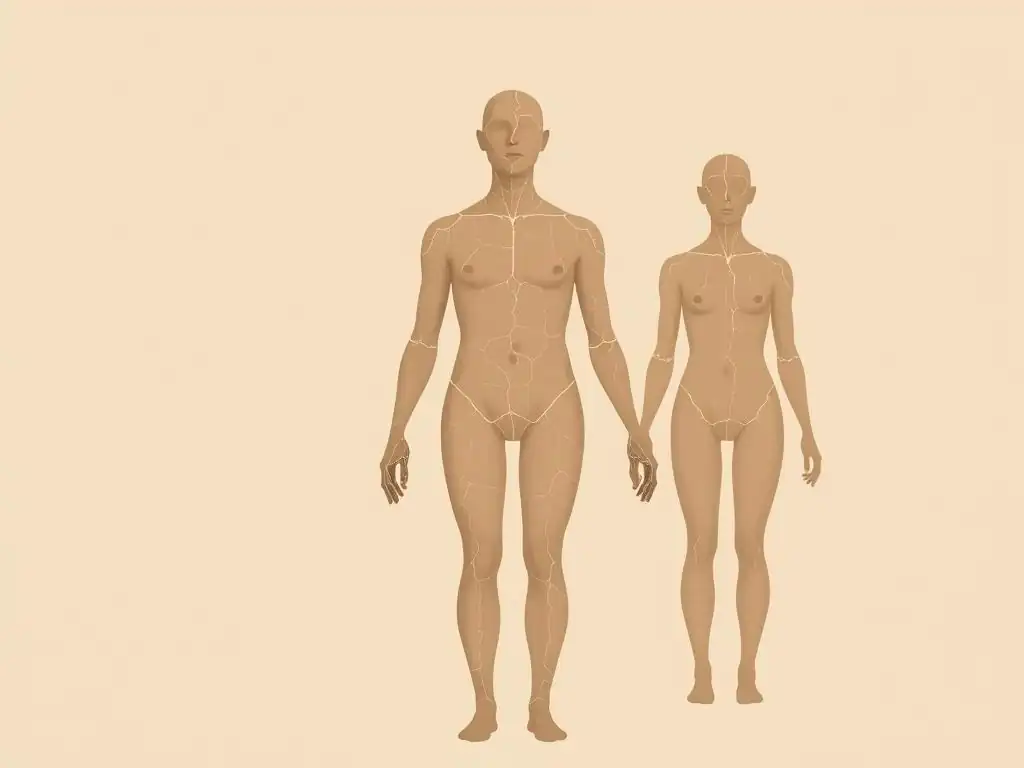
Trauma's impact on body image is profound and multifaceted, significantly shaping self-perception and body esteem. Understanding the diverse ways trauma manifests and its resulting effects on the body-self relationship is crucial for effective therapeutic interventions. Different types of trauma elicit unique responses, leading to a varied spectrum of body image disturbances. This section delves into the specific connections between various trauma types and their resulting impact on body image.
Childhood Trauma and Body Dysmorphia
Childhood trauma, encompassing neglect, abuse (physical, emotional, or sexual), and witnessing domestic violence, profoundly influences the development of a healthy body image. Early experiences of violation and lack of safety can lead to a distorted perception of one's body, often manifesting as body dysmorphia. This condition involves a preoccupation with perceived flaws in physical appearance, even when those flaws are minimal or nonexistent.
Studies show a strong correlation between childhood trauma and the later development of body dysmorphic disorder (BDD). For example, a study published in the Journal of Traumatic Stress [specific information pending] found a significantly higher rate of BDD among individuals with a history of childhood sexual abuse compared to a control group. The trauma disrupts the normal process of self-development, leading to a fragmented sense of self and a heightened focus on perceived physical imperfections as a coping mechanism or manifestation of unresolved emotional pain. This can manifest in various ways, such as excessive self-criticism, compulsive checking of one's appearance, and avoidance of social situations due to body image concerns.
The trauma may also lead to eating disorders, further complicating the body image issues. The individual may engage in extreme dieting or overeating as a way to regain a sense of control or to numb emotional pain. 💔
Complex Trauma and Chronic Body Image Disturbances
Complex trauma, resulting from prolonged or repeated exposure to trauma, often within the context of a close relationship (e.g., childhood abuse or domestic violence), has a particularly devastating impact on body image. Unlike acute trauma, which is typically a single event, complex trauma creates a chronic state of dysregulation, impacting multiple aspects of an individual's life, including their relationship with their body.
The chronic stress associated with complex trauma can lead to long-term physiological changes, such as hormonal imbalances, which can further contribute to body image issues. The individual may experience persistent feelings of shame, self-loathing, and worthlessness, leading to a negative self-perception that extends beyond physical appearance. They might perceive their body as a source of vulnerability or danger, reflecting the experiences of violation and helplessness they endured.
This can manifest as chronic feelings of discomfort in their own skin, a heightened sense of self-consciousness, and difficulties with intimacy. Furthermore, the individual may struggle with dissociation, a detachment from their body and emotions, as a coping mechanism to manage overwhelming trauma-related feelings. The resulting body image disturbance is often deeply ingrained and persistent, requiring extensive therapeutic intervention.
Acute Trauma and its Immediate Effects on Self-Perception
Acute trauma, such as a car accident, assault, or natural disaster, can also significantly impact body image, though the effects may be less enduring than those of complex trauma. The immediate aftermath of acute trauma often involves a disruption of bodily integrity and a heightened awareness of physical vulnerability. The individual may experience changes in body perception, such as a feeling of being disconnected from their body, or an altered sense of self.
For instance, someone who has experienced a serious injury might develop a negative body image as a result of the physical scars or limitations imposed by the injury. Even without physical injury, the psychological impact of acute trauma can lead to changes in self-perception. The trauma might trigger a fear of the body's vulnerability, leading to anxieties about physical appearance and a heightened awareness of potential threats. These immediate effects can be transient, diminishing over time with appropriate support and healing.
However, if the trauma is not adequately processed, it can contribute to the development of long-term body image disturbances. The immediate response to acute trauma is often characterized by shock, denial, and an attempt to regain a sense of control, which can manifest in various ways, including an obsessive focus on physical appearance. 🤕
The Role of Dissociation in Body Image Distortion
Trauma's impact on body image is often profound and complex, extending beyond simple negative self-perception. A crucial element in understanding this connection is the role of dissociation. Dissociation, a defense mechanism triggered by overwhelming trauma, involves a detachment from one's thoughts, feelings, memories, or sense of self. This detachment can significantly distort body image and contribute to a range of mental health challenges.
The severity of the impact varies greatly depending on the nature and severity of the trauma experienced, as well as individual coping mechanisms and resilience. Research consistently shows a strong correlation between trauma history and higher rates of body image disturbances, with dissociation acting as a key mediating factor. This isn't to say that everyone who experiences trauma will develop a distorted body image; however, understanding the mechanism of dissociation helps explain why this correlation exists for many.
Dissociation and Body Awareness
Dissociation can manifest in various ways impacting body awareness. Individuals may experience a sense of detachment from their physical body, feeling as though it's unreal or not truly their own. This can range from subtle feelings of disconnect to profound depersonalization and derealization.
For example, a survivor of sexual assault might report feeling numb or disconnected from their body during or after the event, a common dissociative response. This disconnect extends beyond the immediate aftermath; it can become a persistent feature, affecting daily life and contributing to difficulties with self-care and body acceptance. The body becomes a site of trauma, a constant reminder of the violation or pain experienced.
Consequently, the individual may struggle to connect with their physical sensations and needs, leading to neglect of physical health and a negative perception of their body. This lack of embodied awareness can result in difficulty identifying and expressing physical sensations like hunger, thirst, or pain, further complicating their relationship with their body. The feeling of being “outside” one’s own body can be profoundly isolating and contribute to feelings of shame and self-loathing.
The Impact of Dissociation on Self-Care and Body Acceptance
The dissociative detachment from the body significantly hinders self-care practices and the development of body acceptance. When individuals are disconnected from their physical sensations, they're less likely to attend to their physical needs. This can manifest as neglecting basic hygiene, disordered eating patterns (ranging from anorexia to overeating), and avoidance of physical activity. The lack of connection makes it difficult to engage in self-compassion and self-soothing behaviors that are crucial for healing.
Furthermore, the trauma-related negative self-perception is intensified by the dissociative experience. The body, already a source of shame and distress due to the trauma, becomes even more alien and unlovable when experienced in a dissociated state. This contributes to a vicious cycle: dissociation leads to self-neglect, which reinforces negative body image, further strengthening the dissociative response. Therefore, addressing dissociation is a critical component of therapeutic interventions aimed at improving body image and promoting healing after trauma.
Effective treatments often incorporate techniques to enhance body awareness and grounding strategies to help individuals reconnect with their physical sensations and develop a healthier relationship with their bodies. The process is often gradual, requiring patience, self-compassion, and consistent effort. Remember, healing is possible, and professional support can significantly aid in this journey.
Healing from Trauma and Improving Body Image
Trauma's impact on body image can be profound and long-lasting. Many individuals who have experienced trauma find themselves struggling with negative self-perception, distorted body image, and difficulties in connecting with their physical sensations. Healing this fractured relationship requires a multifaceted approach, acknowledging the complex interplay between mind and body. This section delves into specific therapeutic modalities and practices proven effective in addressing the interconnectedness of trauma and body image.
Understanding these methods is crucial for individuals seeking to reclaim their sense of self and foster a healthier relationship with their bodies. The journey to healing is personal and requires patience, self-compassion, and consistent effort. Remember, progress is not linear, and setbacks are a normal part of the process.
Psychotherapy for Trauma and Body Image Issues
Psychotherapy plays a vital role in addressing the psychological underpinnings of trauma's impact on body image. Different therapeutic approaches offer unique strategies for processing traumatic experiences and rebuilding a positive self-concept. For example, trauma-focused cognitive behavioral therapy (CBT) helps individuals identify and challenge negative thought patterns and beliefs related to their bodies, often stemming from traumatic experiences. This approach focuses on restructuring maladaptive thought patterns and developing coping mechanisms to manage distressing emotions and sensations.
Furthermore, techniques like Eye Movement Desensitization and Reprocessing (EMDR) can be highly effective in processing traumatic memories and reducing their emotional intensity. EMDR uses bilateral stimulation, such as eye movements or tapping, to help the brain process and integrate traumatic memories, leading to a decrease in the intensity of associated negative emotions and beliefs about the body. The combination of these techniques with other supportive therapies tailored to address specific body image concerns can significantly improve an individual's overall well-being and body image.
It's crucial to find a therapist experienced in treating both trauma and body image issues, ensuring a safe and supportive therapeutic environment. The therapist will work collaboratively with the client to develop a personalized treatment plan that addresses their unique needs and experiences.
Somatic Experiencing: A Body-Oriented Approach to Trauma
Somatic Experiencing (SE) is a body-oriented approach to trauma therapy that emphasizes the importance of addressing the physical manifestations of trauma. Unlike traditional talk therapies that primarily focus on cognitive and emotional processing, SE recognizes that trauma is stored in the body as well as the mind. It focuses on helping individuals become aware of and regulate their physical sensations, gradually releasing the tension and stored energy associated with traumatic memories. This process involves gentle movement, breathwork, and mindful awareness of bodily sensations.
SE practitioners work with clients to identify and address the physical sensations associated with trauma, such as muscle tension, breathing patterns, and heart rate. Through carefully guided exercises, clients learn to regulate their nervous system and release the physical manifestations of trauma. This body-centered approach can be particularly helpful for individuals who find it difficult to verbalize their traumatic experiences or who have experienced somatic symptoms like chronic pain, fatigue, or digestive problems.
The aim is to help the individual regain a sense of safety and control over their bodies and to reconnect with their physical sensations in a positive and empowering way. This approach often complements other therapeutic modalities, providing a powerful tool for healing the mind-body connection affected by trauma.
Mindfulness and Body Awareness Practices
Mindfulness and body awareness practices offer valuable tools for improving body image and healing from trauma. These practices cultivate a non-judgmental awareness of the present moment, including physical sensations, thoughts, and emotions. Regular mindfulness meditation can help individuals develop a greater sense of self-compassion and acceptance, counteracting the negative self-criticism often associated with trauma and body image issues. The practice allows individuals to observe their thoughts and emotions without getting carried away by them, creating emotional space and reducing reactivity.
Body scan meditations, a specific type of mindfulness practice, guide individuals to systematically focus their attention on different parts of their body, noticing sensations without judgment. This practice can help to increase body awareness, improve body acceptance, and reduce the disconnect between mind and body often experienced after trauma. Yoga, another effective approach, combines physical postures, breathing techniques, and meditation to promote both physical and mental well-being. The focus on physical movement and breathwork can help release tension and promote a sense of grounding and self-awareness.
Regular engagement with these practices can significantly contribute to improving body image and fostering a healthier relationship with the body following trauma. The consistent practice fosters a sense of self-connection and self-acceptance, crucial elements in the healing process. These practices can be incorporated into daily life, providing ongoing support for individuals working to heal from trauma's impact on their body image.
Nutrition and Exercise for Trauma Recovery and Body Positivity
Trauma's impact on body image often manifests in disordered eating patterns or avoidance of physical activity. Healing requires a holistic approach that includes nourishing the body and mind. Proper nutrition provides the essential building blocks for physical and mental well-being, supporting the body's natural healing processes. A balanced diet rich in fruits, vegetables, lean proteins, and whole grains can significantly improve mood, energy levels, and overall physical health, all crucial factors in trauma recovery.
Conversely, neglecting nutritional needs can exacerbate feelings of anxiety, depression, and low self-esteem, further hindering the healing process. Remember, fueling your body with nutritious food is an act of self-care and a crucial step towards improving your relationship with your body. It’s not about achieving a specific body type, but about providing your body with the resources it needs to heal and thrive.
The connection between trauma and physical activity is complex. Many survivors find exercise challenging, triggering feelings of vulnerability or discomfort. However, regular physical activity, tailored to individual needs and preferences, offers significant benefits for trauma recovery. Gentle exercises like yoga, tai chi, or walking can help reduce stress, improve sleep, and boost mood.
The release of endorphins during exercise acts as a natural mood elevator, combating feelings of anxiety and depression often associated with trauma. It's important to approach exercise with compassion and self-acceptance, focusing on the positive impact on mental and physical health rather than striving for unrealistic physical goals. Finding an activity you enjoy is key – whether it’s dancing, swimming, or hiking – to ensure long-term adherence and positive reinforcement. The goal is to build a positive association with physical activity, fostering self-compassion and body positivity.
Remember to listen to your body and avoid pushing yourself too hard, especially in the early stages of recovery. Start slowly and gradually increase the intensity and duration of your workouts as your body allows. A qualified therapist or healthcare professional can provide guidance on appropriate exercise regimens for trauma recovery.
Building a Positive Body Image After Trauma

Trauma's impact on body image can be profound and long-lasting. Many individuals who have experienced trauma struggle with distorted perceptions of their bodies, leading to negative self-image, body shame, and difficulties in self-care. Rebuilding a positive body image after trauma requires a multifaceted approach that addresses the emotional, psychological, and physical aspects of the experience. This section will explore practical strategies for fostering a healthier relationship with your body. The journey towards self-acceptance is often challenging, but with consistent effort and self-compassion, significant progress is achievable. Remember, healing is a process, not a destination.
Self-Compassion and Self-Acceptance Techniques
Trauma often leaves individuals feeling disconnected from their bodies and critical of their physical selves. Self-compassion, the act of treating oneself with kindness and understanding, is a crucial first step in healing this disconnect. Instead of engaging in self-criticism, practice self-soothing techniques. This might involve mindful breathing exercises, gentle stretching, or engaging in activities that bring you joy and relaxation.
Consider keeping a journal to track your thoughts and feelings about your body. Write down both positive and negative aspects, acknowledging the complexities of your experience. Gradually, challenge negative self-talk by replacing critical thoughts with compassionate and affirming statements. For example, instead of thinking "I hate my body," try "My body has carried me through so much, and I am grateful for its strength." The process of self-acceptance is not about ignoring imperfections; it’s about acknowledging them with kindness and understanding.
Here's a simple technique to incorporate self-compassion:
- Identify a negative thought: "My thighs are too big."
- Acknowledge the thought without judgment: "I'm noticing that I'm having a critical thought about my thighs."
- Offer yourself compassion: "It's understandable that I feel this way given my past experiences. Many people struggle with body image."
- Practice self-kindness: "I'm going to treat myself with kindness and understanding. My body deserves respect."
Cultivating Self-Esteem and Self-Love
Self-esteem and self-love are essential components of a positive body image. Trauma can significantly diminish these qualities, making it challenging to appreciate oneself. Rebuilding self-esteem involves actively challenging negative beliefs and celebrating personal strengths. Focus on your accomplishments, both big and small. Acknowledge your resilience, your capacity for growth, and your ability to overcome adversity.
Engage in activities that boost your confidence. This could be anything from pursuing a hobby you enjoy to setting and achieving personal goals. Surround yourself with supportive people who uplift and encourage you. Limit exposure to individuals or media that perpetuate negative body image messages. Remember, self-love is not narcissistic; it's about recognizing your inherent worth and treating yourself with the same kindness and respect you would offer a cherished friend.
Consider these actions to boost your self-esteem:
- List your accomplishments: Write down a list of things you're proud of achieving.
- Identify your strengths: What are your positive qualities and talents?
- Practice positive affirmations: Repeat positive statements about yourself daily.
- Set realistic goals: Break down large goals into smaller, manageable steps.
Setting Healthy Boundaries and Protecting Your Physical and Emotional Well-being
Setting healthy boundaries is crucial for protecting your physical and emotional well-being after trauma. This involves learning to say "no" to things that drain your energy or compromise your values. It also means prioritizing self-care activities that nourish your mind and body. This could involve regular exercise, healthy eating, sufficient sleep, and engaging in activities that promote relaxation and stress reduction.
Protecting your physical and emotional well-being might also involve seeking professional help. Therapy can provide a safe space to process trauma, develop coping mechanisms, and build a stronger sense of self. A therapist can help you identify and challenge negative thought patterns, develop strategies for managing difficult emotions, and build healthier relationships with yourself and others.
Remember, seeking professional support is a sign of strength, not weakness. Prioritizing your mental and physical health is a vital step in healing from trauma and building a positive body image. The road to recovery may be long, but with consistent effort and self-compassion, a healthier and more fulfilling relationship with your body is attainable.
Resources and Support for Trauma and Body Image Recovery
This section provides crucial information on accessing support and resources vital for healing the complex relationship between trauma and body image. Navigating this journey requires professional guidance and a supportive community. Understanding the available options empowers individuals to take proactive steps towards recovery. The impact of trauma on body image is profound and requires a multifaceted approach to healing.
Finding a Qualified Therapist Specialized in Trauma
Finding the right therapist is a cornerstone of trauma and body image recovery. Not all therapists possess the specialized training necessary to address the unique complexities of these interconnected issues. It's crucial to seek a professional with experience in trauma-informed therapy and a demonstrated understanding of the mind-body connection.
Several factors should guide your search:
- Therapeutic Modalities: Look for therapists proficient in evidence-based approaches like EMDR (Eye Movement Desensitization and Reprocessing), somatic experiencing, or trauma-focused cognitive behavioral therapy (CBT). These methods effectively address the emotional and physical manifestations of trauma. These therapies often incorporate techniques to help individuals reconnect with their bodies in a safe and supportive way, counteracting the negative impacts of trauma.
- Specialized Training: Confirm the therapist's training and experience in treating trauma and its impact on body image. Many therapists specialize in particular trauma types (e.g., PTSD, complex trauma) or populations (e.g., childhood trauma survivors, survivors of sexual assault). Finding a therapist with relevant experience is critical.
- Cultural Sensitivity: Trauma's impact can be deeply intertwined with cultural background. Seek a therapist who demonstrates cultural sensitivity and understands the nuances of your experiences within your cultural context. This is vital for creating a safe and trusting therapeutic relationship.
- Personal Connection: The therapist-client relationship is paramount. Schedule consultations with several therapists to find someone you feel comfortable and safe with. A strong therapeutic alliance is essential for successful treatment.
Support Groups and Online Communities for Body Image and Trauma Recovery
Connecting with others who share similar experiences can be incredibly validating and empowering during recovery. Support groups offer a safe space to share your story, learn coping mechanisms, and gain strength from others' journeys.
The benefits of support groups include:
- Reduced feelings of isolation: Sharing your experiences with others reduces the sense of isolation often associated with trauma and body image issues. Knowing you're not alone can be significantly helpful.
- Enhanced self-esteem: Hearing others' stories and witnessing their progress can boost self-esteem and foster hope for your own healing. This shared experience can be powerful.
- Skill-building: Support groups often provide opportunities to learn and practice coping mechanisms, communication skills, and stress management techniques. This peer-to-peer learning can be invaluable.
- Increased self-compassion: The supportive environment encourages self-compassion and acceptance, which are crucial for healing from trauma.
Online communities also provide access to support, but it’s important to approach them cautiously, prioritizing those moderated by professionals or with clear guidelines for respectful interaction. Remember to prioritize your safety and mental wellbeing in any online interaction. Finding a balance between online and in-person support often proves most beneficial.
Books and Articles on Trauma and Body Image Healing
Self-help resources can complement professional therapy, providing additional information and practical strategies. However, it's crucial to remember that these resources should not replace professional guidance. They can be valuable tools, but they shouldn't be considered a sole treatment modality.
When choosing self-help resources, consider:
- Author credibility: Look for authors with relevant expertise in trauma, body image, and related fields. Check their credentials and publications to ensure their work is grounded in research and evidence-based practices.
- Approach and tone: Choose resources with a compassionate and validating tone. Avoid materials that might trigger or reinforce negative self-perception. A supportive and empowering approach is vital.
- Practical strategies: Look for books and articles that offer practical strategies and coping mechanisms you can integrate into your daily life. Actionable steps can significantly aid in recovery.
Remember, healing from trauma and improving body image is a journey, not a destination. Be patient with yourself, celebrate small victories, and seek support when needed. The resources mentioned above offer valuable avenues for building a healthier and more positive relationship with your body and yourself.
Frequently Asked Questions
What is the connection between trauma and body image?
Trauma can significantly distort body perception and lead to negative body image. Experiences like abuse or neglect can create a disconnect from the body, fostering feelings of shame, disgust, or even a sense of lack of ownership.
How does trauma manifest in body image issues?
Trauma can manifest as disordered eating, excessive exercise, self-harm, or an inability to feel comfortable in one's own skin. It can also lead to difficulties with intimacy and self-acceptance.
Can therapy help heal the relationship between trauma and body image?
Yes, trauma-informed therapy can be extremely beneficial. Therapists can help individuals process their traumatic experiences, rebuild a healthy body image, and develop coping mechanisms for negative thoughts and feelings.
What are some specific techniques used in therapy to address this issue?
Techniques like somatic experiencing, mindfulness, and cognitive behavioral therapy (CBT) are frequently employed. These help individuals reconnect with their bodies, challenge negative thoughts, and develop healthier coping strategies.
Is recovery from trauma's impact on body image possible?
Absolutely. While the journey may be challenging, healing and recovery are possible. With professional support and self-compassion, individuals can learn to accept and appreciate their bodies, fostering a healthier relationship with themselves.
Final Reflection: Reclaiming Your Body, Reclaiming Your Power
The connection between trauma and body image is not merely a correlation; it's a profound and often debilitating reality for millions. Understanding this link is crucial, not just for therapists and healthcare professionals, but for everyone striving for a healthier relationship with themselves. Ignoring this connection perpetuates a cycle of self-criticism and prevents true healing.
The insidious nature of trauma's impact on body image is something I've witnessed firsthand, both in my own life and through the stories of countless others. It's a silent epidemic, often hidden beneath layers of shame and societal pressure. The body, meant to be a vessel of strength and joy, becomes a battlefield of internal conflict and self-loathing. The body keeps the score,
as Bessel van der Kolk so poignantly states, reminding us that trauma is not simply a mental event, but one deeply etched into our physical being. This understanding is paramount to fostering genuine healing and self-acceptance.
You are not alone in this journey. Take a moment to reflect on your own relationship with your body. What narratives are you telling yourself? Where do you hold your trauma? By acknowledging the impact of trauma on your body image, you take the first step towards reclaiming your power, your narrative, and your inherent worth. Begin to cultivate self-compassion, seek support when needed, and remember that healing is possible. Your body deserves your love, your respect, and your unwavering commitment to healing.
**Embrace Your Healing Journey Today! **
Thank you for exploring the complex connection between trauma and body image. Taking the time to read this article is a significant step toward understanding and healing. Now, let's put that knowledge into practice.
Here are some powerful steps you can take:
- **Start a Journaling Practice:** Regularly writing about your feelings towards your body can reveal patterns linked to past experiences and is a powerful tool for healing.
- **Join a Support Group:** Connecting with others who understand your experiences can create a supportive community that fosters strength and understanding.
- **Explore Body Positivity Resources:** Consider workshops or online courses designed to help you reclaim and celebrate your body.
What small step can you take today to begin changing your relationship with your body? We encourage you to share your thoughts and experiences in the comments below.