
How to Promote Mental Health Awareness in Schools and Communities

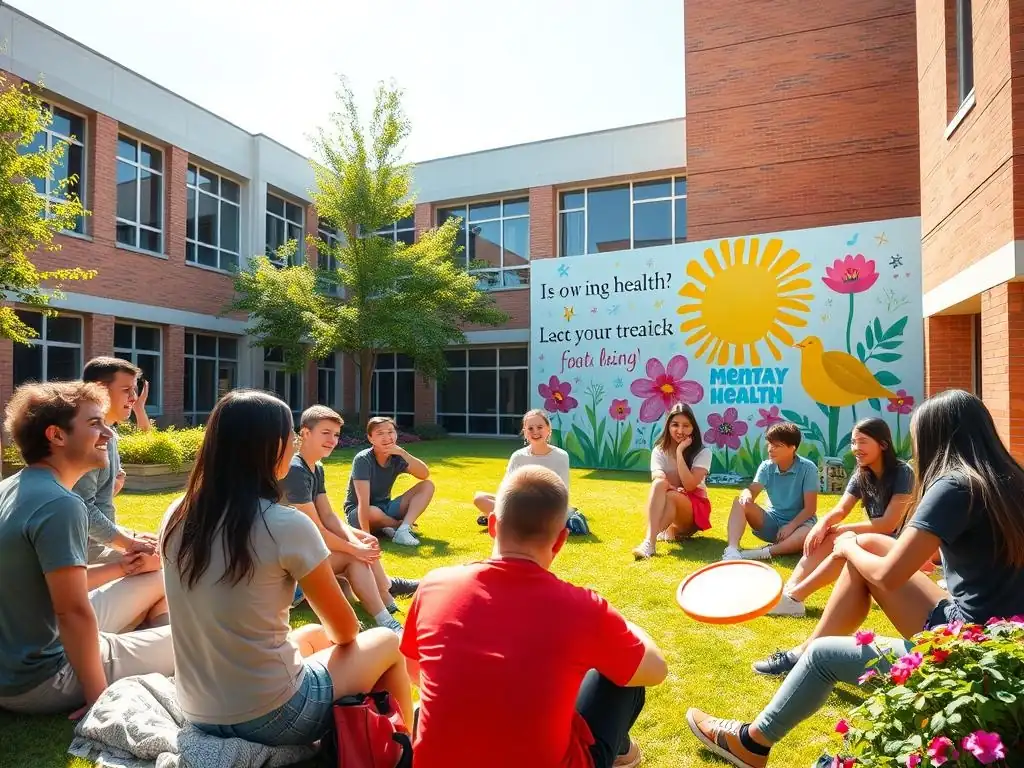
Unravel the complexities of the human mind with Psychology Basics. We're your gateway to understanding fundamental psychological concepts, and this journey begins with a critical topic: improving school mental health awareness. Are you ready to explore the vital strategies for fostering a supportive environment and promoting well-being among students? Discover how we can collectively build a healthier future – dive into our insightful article on Abnormal Psychology and learn more.
- Understanding the Importance of Improving School Mental Health Awareness
- Strategies for Improving School Mental Health Awareness
- Engaging the Community in Mental Health Awareness Initiatives
- Resources and Tools for Promoting Mental Health Awareness
- Measuring the Effectiveness of Mental Health Awareness Initiatives
-
Frequently Asked Questions
- What is the importance of mental health awareness in schools?
- How can schools effectively improve mental health awareness among students?
- What role do parents play in improving school mental health awareness?
- What are some signs that a student might be struggling with their mental health?
- How can communities contribute to improving school mental health awareness?
- Final Reflection: Cultivating a Culture of Care for Mental Wellbeing
- Ignite Change: Promote Mental Health Awareness Today!
Understanding the Importance of Improving School Mental Health Awareness
Mental health, often overlooked, is a crucial component of overall well-being, significantly impacting academic success, social development, and future prospects. This article explores the vital role of promoting mental health awareness in schools and communities, focusing on practical strategies to improve the mental health landscape for students and educators alike. Ignoring the mental health needs of young people carries substantial costs, not just for individuals but for society as a whole.
Untreated mental health issues can lead to decreased academic performance, increased behavioral problems, and long-term health consequences. By fostering a culture of understanding, support, and proactive intervention, we can create healthier, more supportive environments where young people can thrive.
This is particularly critical in addressing the increasing prevalence of childhood disorders and improving overall school mental health awareness, a vital step towards building a brighter future for our youth. We will delve into the specific challenges faced by students and educators, the impact of untreated mental health issues, and actionable steps to create positive change.
The Growing Need for Mental Health Support in Educational Settings
The demand for mental health services in educational settings is rapidly increasing. Statistics show a concerning rise in anxiety, depression, and other mental health issues among students. Several factors contribute to this trend, including increased academic pressure, social media pressures, and exposure to trauma or adverse childhood experiences. Schools are increasingly becoming the first point of contact for identifying and addressing these issues.
However, many schools lack the resources, staff, and training necessary to provide adequate support. This disparity highlights the urgent need for increased funding, comprehensive training programs for educators, and readily accessible mental health services within school environments. Furthermore, creating a supportive and inclusive school climate is paramount.
This involves fostering open communication, reducing stigma surrounding mental health, and promoting a culture of empathy and understanding. The implementation of evidence-based programs and interventions is also crucial for effectively addressing the growing mental health needs of students. The absence of sufficient support can lead to a cascade of negative consequences, impacting not only the affected student but also their families, teachers, and the entire school community.
Identifying Mental Health Challenges Faced by Students and Educators
Students face a multitude of mental health challenges, ranging from anxiety and depression to trauma and learning disabilities. These challenges can manifest differently in various age groups and can be exacerbated by factors such as bullying, academic stress, family issues, and social isolation. For example, younger students might exhibit behavioral problems or difficulty concentrating, while older students may experience increased anxiety related to college applications or future career prospects.
Educators, too, face significant mental health challenges, often experiencing burnout, stress, and compassion fatigue due to the demanding nature of their work and the emotional toll of supporting students with mental health needs. The pressure to meet academic standards, manage challenging behaviors, and deal with limited resources can significantly impact their well-being. Recognizing these challenges is the first step towards developing effective strategies for support and intervention.
It’s crucial to understand that mental health issues are not simply a matter of individual weakness but are often rooted in complex systemic and societal factors. Therefore, a multi-faceted approach is needed to address these challenges effectively.
Untreated mental health issues significantly impact both academic performance and social well-being. Students struggling with anxiety or depression may experience difficulty concentrating, decreased motivation, and absenteeism, leading to lower grades and academic setbacks. Social isolation and withdrawal are common consequences, impacting their ability to build and maintain healthy relationships.
Furthermore, untreated mental health issues can increase the risk of self-harm, substance abuse, and other risky behaviors. The long-term consequences can be far-reaching, affecting future educational opportunities, career prospects, and overall life satisfaction. For educators, untreated stress and burnout can lead to decreased job satisfaction, increased absenteeism, and even turnover, ultimately impacting the quality of education provided to students.
Therefore, addressing mental health issues promptly and effectively is not only crucial for the well-being of individuals but also essential for creating a healthy and productive learning environment for everyone. Early intervention and access to appropriate support services are critical in mitigating the negative impacts of untreated mental health issues and improving overall outcomes.
Strategies for Improving School Mental Health Awareness

This section delves into practical strategies for improving school mental health awareness, focusing on proactive measures and impactful interventions. Effective implementation requires a multi-pronged approach, encompassing comprehensive programming, educator training, and the fostering of a supportive school culture. The goal is to create a learning environment where students feel safe, understood, and empowered to seek help when needed. Improving school mental health awareness is not just about addressing existing issues; it's about building resilience and promoting overall well-being.
Implementing Comprehensive Mental Health Programs in Schools
Implementing effective mental health programs requires careful planning and execution. A successful program should be age-appropriate, culturally sensitive, and readily accessible to all students. This means considering the unique needs of diverse student populations, including those with disabilities, from marginalized communities, or those facing specific challenges such as trauma or grief.
A robust program might include:
- Mental health curriculum integration: Incorporating age-appropriate lessons on mental health into the existing curriculum, teaching students about emotions, stress management techniques, and seeking help. This could involve interactive workshops, group discussions, and role-playing exercises.
- Early intervention services: Providing timely support for students exhibiting early signs of mental health difficulties. This might involve screening tools, individual counseling, or referral to specialized services. Data suggests early intervention significantly improves long-term outcomes.
- Peer support programs: Training students to become peer supporters, providing a safe space for their classmates to share concerns and access support. Studies show that peer support can be particularly effective in reducing stigma and increasing help-seeking behavior.
- Parent and family engagement: Involving parents and families in mental health initiatives through workshops, information sessions, and open communication channels. Parental involvement is crucial for creating a cohesive support system for students.
The success of these programs hinges on adequate funding, trained personnel, and ongoing evaluation. Regular assessment of program effectiveness is crucial to ensure that it meets the evolving needs of the student population and remains impactful. Data collection on student participation, feedback, and outcomes is essential for continuous improvement.
Training Educators to Recognize and Respond to Mental Health Concerns
Educators are often the first point of contact for students struggling with mental health issues. Providing them with the necessary training to identify, understand, and respond appropriately to these concerns is paramount. This training should go beyond basic awareness and equip educators with practical skills to support students effectively.
Effective training should include:
- Recognizing the signs and symptoms: Educators need to be able to recognize the subtle and overt signs of various mental health conditions in children and adolescents. This involves understanding the diverse presentation of these conditions and recognizing the potential impact on academic performance and social interactions.
- Responding appropriately: Training should cover appropriate responses to students expressing mental health concerns, including active listening, providing reassurance, and connecting students with appropriate support services. This includes understanding the limits of their role and when to refer students to professionals.
- Managing challenging behaviors: Many mental health conditions can manifest as challenging behaviors in the classroom. Training should provide educators with strategies to manage these behaviors while ensuring the student's safety and well-being. This might include de-escalation techniques and crisis intervention strategies.
- Reducing stigma: Educators play a crucial role in reducing stigma surrounding mental health. Training should emphasize the importance of creating a supportive and understanding environment where students feel comfortable seeking help without fear of judgment.
Creating a Supportive and Inclusive School Environment for Students
A supportive and inclusive school environment is crucial for promoting student well-being and improving school mental health awareness. This involves creating a culture where students feel safe, respected, and valued. Specific strategies might include:
- Promoting positive mental health: Implementing school-wide initiatives that promote positive mental health, such as mindfulness programs, stress reduction activities, and social-emotional learning curricula. These programs aim to build resilience and coping mechanisms in students.
- Bullying prevention and intervention: Developing and implementing effective anti-bullying programs to create a safe and inclusive environment for all students. Addressing bullying is crucial, as it can significantly impact mental health.
- Addressing trauma: Recognizing and addressing the impact of trauma on students, providing support and resources for those who have experienced adverse childhood experiences (ACEs). Trauma-informed practices are essential for creating a supportive learning environment.
- Collaboration with community resources: Partnering with local mental health organizations to provide access to specialized services and support for students and their families. This ensures that students have access to a comprehensive network of support.
By implementing these strategies, schools can create a supportive and nurturing environment that prioritizes student mental health, ultimately contributing to improved academic performance, social-emotional development, and overall well-being. Improving school mental health awareness is a continuous process requiring ongoing commitment and collaboration among educators, students, families, and the wider community.
Fostering Open Communication About Mental Health Among Students, Staff, and Parents
Open communication is the cornerstone of any successful mental health awareness initiative. To effectively improve school mental health awareness, we must create a safe and supportive environment where students, staff, and parents feel comfortable discussing mental health concerns without fear of judgment or stigma. This requires a multi-pronged approach encompassing several key strategies.
One crucial element is implementing comprehensive mental health education programs. These programs shouldn't just focus on identifying symptoms but also on promoting help-seeking behaviors and understanding the importance of self-care. Curriculum should be age-appropriate, addressing the unique challenges faced by different age groups.
For instance, elementary school programs might focus on building emotional intelligence and recognizing feelings, while high school programs could incorporate discussions about stress management, anxiety, and depression. The use of interactive workshops, peer support groups, and guest speakers can significantly enhance engagement and learning. Crucially, these programs should be integrated into the existing curriculum, not treated as an add-on, to ensure consistent reinforcement of key messages.
Furthermore, creating opportunities for open dialogue is essential. Regular school-wide assemblies, dedicated mental health awareness weeks, and parent-teacher meetings can all provide platforms for discussing mental health openly and honestly. These events should feature relatable stories, expert advice, and resources for support. The aim is to normalize conversations around mental health, making them as commonplace as discussions about physical health. This includes using accessible language, avoiding jargon, and focusing on positive messages of hope and recovery. Open forums, Q&A sessions, and anonymous feedback mechanisms can encourage participation and identify areas needing further attention.
Finally, effective communication extends beyond formal events. Schools should establish clear and accessible pathways for students, staff, and parents to seek help and support. This could involve creating easily accessible mental health resources online, establishing a dedicated mental health helpline, or designating specific staff members as points of contact for mental health concerns.
Regular communication updates, newsletters, and announcements can keep the community informed about available resources and upcoming events. Building trust and rapport between students, staff, and parents is paramount, ensuring everyone feels empowered to seek help when needed. This collaborative approach is crucial for fostering a culture of open communication and support, ultimately improving school mental health awareness and creating a more caring and inclusive school environment.
Engaging the Community in Mental Health Awareness Initiatives
Improving school mental health awareness extends beyond the classroom walls. A comprehensive strategy requires active engagement with the broader community, fostering a supportive environment where mental health is normalized and help is readily accessible. This section details effective strategies for achieving this crucial community involvement. Successful initiatives hinge on collaboration, creative outreach, and leveraging the power of modern communication tools.
Partnering with Local Mental Health Organizations and Professionals
Collaboration with local mental health organizations and professionals is paramount to creating a robust and impactful community mental health awareness program. These partnerships provide access to expertise, resources, and established networks. For example, collaborating with a local community mental health center can provide access to trained professionals who can offer workshops, presentations, and even individual or group counseling services to students and families. This collaboration can also lead to the development of tailored programs addressing specific needs within the community.
Consider establishing a formal agreement outlining roles, responsibilities, and shared goals. This ensures clear communication and accountability. Furthermore, involving professionals from diverse backgrounds – psychiatrists, psychologists, social workers, and counselors – enriches the program's scope and offers a more holistic approach to mental health support. The involvement of these professionals lends credibility to the initiative and increases public trust.
Successful partnerships often involve regular meetings, shared resource allocation, and joint evaluations to gauge the program's effectiveness and make necessary adjustments. Data-driven evaluation is key to demonstrating impact and securing continued funding or support. For instance, tracking the number of individuals who accessed resources through the partnership can provide quantifiable evidence of success.
Raising Awareness Through Community Events and Educational Campaigns
Raising awareness requires creative and engaging community events and educational campaigns. These initiatives should be designed to reach a broad audience, including students, parents, teachers, and community members. Consider organizing events such as mental health fairs, workshops, and seminars focusing on topics like stress management, anxiety reduction, and building resilience. These events can incorporate interactive activities, guest speakers, and resource booths to make the information accessible and engaging.
Educational campaigns can utilize various media, including brochures, posters, and videos, to disseminate information about mental health resources and services available in the community. The messaging should be clear, concise, and stigma-free, emphasizing the importance of seeking help and promoting self-care. For example, a campaign could focus on the tagline "It's okay to not be okay," encouraging open conversations about mental health challenges.
Effective campaigns also incorporate culturally sensitive materials to ensure inclusivity and relevance across diverse populations within the community. The use of testimonials from individuals who have successfully navigated mental health challenges can add a powerful personal touch, making the campaign more relatable and impactful. Tracking attendance at events and the distribution of educational materials can help measure the reach and impact of these initiatives.
In today's digital age, leveraging social media and digital platforms is crucial for expanding the reach of mental health awareness initiatives. These platforms offer a powerful means to disseminate information, engage with the community, and provide access to critical resources. Creating a dedicated social media page or utilizing existing platforms can help disseminate timely information, promote upcoming events, and share valuable resources.
The use of engaging visuals, short videos, and interactive content can significantly improve engagement. Sharing stories of resilience and recovery can inspire and normalize conversations about mental health. Furthermore, digital platforms can be used to create online support groups and forums, providing a safe space for individuals to connect and share their experiences.
By actively responding to comments and questions, creating polls, and using relevant hashtags, you can foster a sense of community and encourage open dialogue. Regularly posting updates, sharing relevant articles, and highlighting mental health resources can ensure that the community remains informed and connected. Monitoring social media engagement metrics, such as likes, shares, and comments, can provide valuable insights into the effectiveness of online outreach efforts.
The use of analytics tools can help track the reach and impact of online campaigns. This data-driven approach is crucial for optimizing future efforts and ensuring that the message resonates with the target audience.
Encouraging Community Dialogue and Support for Mental Health
Encouraging open conversations about mental health within communities is paramount to improving awareness and reducing stigma. This involves creating safe spaces where individuals feel comfortable sharing their experiences and seeking help without fear of judgment. Successful strategies often involve multifaceted approaches, combining educational initiatives with opportunities for direct interaction and support.
One effective method is organizing community forums or town hall meetings focused on mental health. These events can feature presentations by mental health professionals, personal testimonials from individuals who have navigated mental health challenges, and interactive Q&A sessions. The goal is to foster understanding and empathy, dispelling common misconceptions and myths surrounding mental illness.
For example, a successful community forum might invite a local psychiatrist to discuss anxiety disorders, followed by a panel discussion with individuals who have lived experience with anxiety, sharing their coping mechanisms and journeys to recovery. This combination of expert knowledge and lived experience creates a powerful and relatable message. The careful selection of speakers and moderators is crucial to ensuring a sensitive and inclusive environment.
Furthermore, establishing peer support groups within the community can provide invaluable ongoing support. These groups offer a safe and non-judgmental space for individuals to connect with others facing similar challenges, share experiences, and offer mutual encouragement. The structure of these groups can vary, from informal gatherings to more structured programs facilitated by trained professionals.
The key is to create a sense of belonging and understanding. For instance, a support group focused on parental stress could provide a vital outlet for caregivers struggling with the challenges of raising children, allowing them to share coping strategies and learn from each other's experiences. The establishment of such groups often requires collaboration with local organizations and community centers.
Another crucial aspect is utilizing existing community resources effectively. This might involve partnering with local libraries, community centers, and places of worship to disseminate information about mental health resources and services. Public awareness campaigns, utilizing posters, flyers, and social media, can also play a significant role in raising awareness and directing individuals to support networks. The success of these initiatives hinges upon their accessibility and relevance to the community's specific needs and demographics.
For example, ensuring materials are available in multiple languages and formats (e.g., large print, audio) is vital for inclusivity. Collaboration with local media outlets can also significantly amplify the reach of such campaigns. By utilizing a variety of channels, communities can ensure that information about mental health resources is accessible to all.
Resources and Tools for Promoting Mental Health Awareness

This section details the crucial resources and tools available to significantly improve school mental health awareness and foster supportive environments for students, educators, and families. Effectively addressing mental health challenges requires a multifaceted approach, leveraging readily accessible resources and implementing evidence-based strategies. Let's explore some key avenues for improvement.
Accessing Mental Health Resources for Schools and Communities
Schools and communities often lack awareness of the extensive resources available to support mental well-being. Many organizations offer valuable tools and information, crucial for implementing effective mental health initiatives. These resources can range from educational materials and training programs to direct support services for individuals struggling with mental health issues.
Several government agencies at the local, state, and national levels provide funding and resources dedicated to improving mental health services in educational settings. These agencies often publish guidelines and best practices for implementing comprehensive mental health programs within schools. For example, many offer grants for school-based mental health initiatives, providing much-needed financial support for programs aimed at improving school mental health awareness.
Furthermore, numerous non-profit organizations are dedicated to raising awareness and providing support for mental health. These organizations often offer a wealth of resources, including educational materials, training workshops for educators, and support groups for students, families, and community members. They frequently develop programs tailored to specific age groups and needs, ensuring a targeted approach to improving mental health support. Finding these resources often involves a simple online search, utilizing keywords like "school mental health resources" or "community mental health programs." Remember to carefully evaluate the credibility and reputation of any organization before utilizing its resources.
Utilizing Evidence-Based Mental Health Programs and Interventions
Implementing evidence-based programs and interventions is paramount for maximizing the impact of mental health initiatives within schools and communities. These programs are designed using rigorous research and data, ensuring effectiveness and providing measurable outcomes. Using proven methods is essential for achieving sustainable improvements in school mental health awareness and overall well-being.
Examples of evidence-based programs include Cognitive Behavioral Therapy (CBT) for anxiety and depression, mindfulness-based interventions for stress reduction, and social-emotional learning (SEL) programs to build resilience and coping skills. These programs often involve structured activities, educational materials, and trained professionals to guide students and educators. The effectiveness of these programs is often documented through rigorous research studies, providing data to support their implementation and demonstrate their impact on improving students' mental health outcomes.
The selection of appropriate programs should consider the specific needs and context of the school or community. Factors such as the age of the students, the prevalence of specific mental health challenges, and the available resources should all be considered when choosing and implementing these programs. Regular evaluation and monitoring of the program's effectiveness are also critical to ensure its continued success and make necessary adjustments. This continuous improvement process is essential to maximize the positive impact on student mental health and improve school mental health awareness.
Finding Support for Students, Educators, and Families
Comprehensive support for students, educators, and families is vital for creating a supportive and nurturing environment that fosters mental well-being. This support network should encompass various avenues, including access to mental health professionals, peer support groups, and readily available information and resources.
Schools can establish partnerships with local mental health organizations to provide access to counselors, therapists, and other mental health professionals. This ensures students and their families have access to timely and appropriate support. Furthermore, creating school-based support groups led by trained professionals can provide a safe and supportive space for students to connect with peers, share experiences, and build coping skills.
Educators also benefit from access to professional development opportunities, allowing them to enhance their understanding of mental health challenges and learn effective strategies for supporting students' well-being. This ongoing training is crucial for improving school mental health awareness among staff.
For families, access to parent support groups and educational resources can be invaluable. These platforms can provide a sense of community, share practical strategies for supporting their children, and reduce feelings of isolation. Open communication between schools, families, and mental health professionals is essential to ensure a cohesive approach to supporting the mental well-being of students. This collaborative approach is crucial for creating a supportive ecosystem that effectively addresses mental health needs and promotes positive mental health outcomes. The goal is to create a strong network of support, improving school mental health awareness throughout the entire school community.
Developing Effective Communication Strategies to Promote Mental Health Awareness
Effective communication is paramount to improving school mental health awareness. We need strategies that resonate with diverse audiences – students, teachers, parents, and community members – each possessing unique needs and communication styles. Ignoring this diversity can lead to ineffective campaigns and missed opportunities for engagement. For instance, a campaign relying solely on complex scientific jargon might alienate parents and students alike, while vibrant, visually appealing materials might not effectively convey the seriousness of mental health challenges to educators.
One key aspect is tailoring the message. Younger children require simpler, more visual aids, perhaps incorporating cartoons or relatable characters. Teenagers, on the other hand, respond better to open discussions, peer-to-peer interactions, and campaigns addressing their specific concerns like academic pressure and social media anxieties. Adults, including parents and teachers, benefit from informative workshops, evidence-based presentations, and access to credible resources. This targeted approach ensures that the core message about the importance of mental well-being is understood and acted upon across all age groups.
Furthermore, the chosen communication channels are crucial. Utilizing a multi-faceted approach is essential. This could involve school newsletters, social media campaigns (with age-appropriate content), school assemblies, parent-teacher meetings, and community events. Each channel provides a unique opportunity to reach a different segment of the audience and reinforce the message. For example, a vibrant social media campaign targeting teenagers might utilize short, impactful videos featuring relatable student testimonials and expert advice. Simultaneously, a workshop for parents might focus on practical strategies for supporting their children's mental health, including recognizing warning signs and seeking professional help.
Finally, promoting open and honest communication within the school and community is key. Creating a supportive environment where students, teachers, and parents feel comfortable discussing mental health without fear of stigma or judgment is essential. This involves training staff members to recognize the signs of mental health challenges and respond appropriately, providing access to mental health resources, and actively promoting a culture of empathy and understanding.
Encouraging open dialogues, fostering a sense of community, and removing the stigma associated with mental health issues are crucial steps in creating a supportive and understanding environment. The goal is to establish a culture of help-seeking rather than one of silence and avoidance.
Measuring the Effectiveness of Mental Health Awareness Initiatives
Improving school mental health awareness requires a robust evaluation strategy to gauge the impact of implemented initiatives. Simply running programs isn't enough; we need data to demonstrate their effectiveness and inform future improvements. This section outlines key methods for measuring the success of mental health awareness campaigns within school and community settings. Accurate measurement allows for a data-driven approach to enhance the efficacy of future interventions, ultimately leading to better outcomes for students and the wider community.
Evaluating the Impact of Mental Health Programs on Student Well-being
Assessing the impact of mental health programs on student well-being is crucial for determining their effectiveness. This requires a multi-faceted approach, utilizing both quantitative and qualitative data. Quantitative data might involve analyzing changes in reported anxiety and depression levels using standardized measures like the Generalized Anxiety Disorder 7-item scale (GAD-7) or the Patient Health Questionnaire-9 (PHQ-9) administered pre- and post-intervention.
Significant reductions in these scores would indicate a positive impact. For example, a study comparing a school with a comprehensive mental health program to a control school might show a statistically significant decrease in GAD-7 scores among students in the intervention group.
Furthermore, tracking absenteeism rates and disciplinary incidents can provide indirect indicators of improved well-being. A decrease in these metrics could suggest a reduction in stress and emotional distress among students. However, it's important to acknowledge that correlation doesn't equal causation; other factors might influence these numbers.
Qualitative data, such as student feedback gathered through focus groups or individual interviews, offers valuable insights into the lived experiences of students. These qualitative assessments can reveal the program's strengths and weaknesses from the students' perspectives, providing context for the quantitative findings. For instance, open-ended questions about students' feelings of safety, support, and overall mental health could reveal unexpected benefits or unmet needs.
Beyond measuring direct improvements in well-being, evaluating changes in attitudes and behaviors related to mental health is equally important when we aim to improve school mental health awareness. This involves assessing whether the initiatives have successfully reduced stigma, increased help-seeking behavior, and promoted a more supportive school climate.
One approach is to administer surveys measuring students' attitudes towards mental illness before and after the intervention. These surveys could include questions gauging their willingness to seek help, their perceptions of stigma associated with mental health issues, and their understanding of available resources. A positive shift in these attitudes would suggest the program’s success in normalizing mental health concerns.
Behavioral changes can be tracked through monitoring the utilization of school counseling services or mental health resources. An increase in the number of students seeking support would demonstrate the program's effectiveness in encouraging help-seeking behavior. Additionally, observing changes in peer interactions and support networks can provide valuable qualitative data about the program's impact on the school's overall climate. For example, increased instances of peer support or empathy demonstrated in classroom observations could reflect a positive shift in the school's culture.
Identifying Areas for Improvement in Mental Health Initiatives
Even successful mental health awareness initiatives can be further enhanced. Continuous evaluation helps identify areas needing improvement, ensuring the program remains effective and relevant. This iterative process involves analyzing both quantitative and qualitative data to pinpoint shortcomings and areas for refinement.
Analyzing quantitative data, such as program participation rates and student feedback scores, can help identify specific elements of the program that are not resonating with students. Low participation rates might suggest a need for more engaging activities or better communication strategies. Similarly, negative feedback on specific aspects of the program can inform targeted improvements.
Qualitative data, like student interviews and focus groups, can provide crucial insights into the program's limitations and suggest ways to tailor it to better meet the students' needs. For example, students might express a need for more diverse resources or suggest topics that the program is overlooking. By actively seeking and incorporating this feedback, programs can be adapted to be more effective and inclusive.
Regular review and refinement are crucial for maintaining the effectiveness of mental health initiatives and ensuring they remain responsive to the evolving needs of the school community. This continuous improvement cycle is key to long-term success in improving school mental health awareness.
Sustaining Long-Term Mental Health Awareness and Support in Schools and Communities
Sustaining mental health awareness and support requires a multifaceted approach that goes beyond one-off campaigns. It necessitates a commitment to integrating mental wellbeing into the very fabric of school and community life. This involves creating a culture of open communication, where seeking help is normalized and not stigmatized.
Schools can achieve this by implementing ongoing mental health education programs, not just as isolated events but as integrated parts of the curriculum across different grade levels. These programs should be age-appropriate and focus on building resilience, coping skills, and emotional literacy. For example, incorporating mindfulness exercises into daily routines or teaching students effective stress management techniques can significantly contribute to their overall mental wellbeing.
Furthermore, training staff, including teachers, administrators, and support staff, on recognizing the signs of mental health challenges and providing appropriate support is crucial. This training should be ongoing and updated to reflect the latest research and best practices.
A key element of long-term sustainability is establishing strong partnerships between schools, community organizations, and healthcare providers. Collaborative initiatives can leverage the resources and expertise of each sector to create a comprehensive support system. For instance, a school might partner with a local mental health clinic to provide on-site counseling services or collaborate with community groups to organize workshops on topics such as stress management and healthy relationships. This collaborative approach ensures that support is readily available and accessible to students and families.
The involvement of parents and community members is also essential. Schools can achieve this through regular communication, parent education programs, and community events that promote mental health awareness and understanding. Open dialogues about mental health challenges, free from stigma, are paramount for fostering a supportive environment.
Finally, regular evaluation and assessment of the implemented initiatives are vital. This involves collecting data on the effectiveness of programs and services, identifying areas for improvement, and adapting strategies based on the needs of the community. Using feedback mechanisms, such as student and staff surveys, can provide valuable insights into the effectiveness of the implemented programs and reveal areas requiring attention.
By continuously monitoring and evaluating the impact of initiatives, schools and communities can ensure that their efforts are making a tangible difference in promoting and sustaining mental health awareness and support. This continuous improvement cycle is fundamental for long-term success in addressing the mental health needs of students and the community at large. The ultimate goal is to create a sustainable ecosystem where mental health is prioritized and integrated into the everyday lives of individuals, fostering a culture of care and support that endures over time.
Frequently Asked Questions
What is the importance of mental health awareness in schools?
Promoting mental health awareness in schools is crucial because it creates a supportive environment where students feel comfortable seeking help and reduces the stigma surrounding mental health issues. Early intervention can significantly improve outcomes.
How can schools effectively improve mental health awareness among students?
Schools can implement various strategies, including mental health education programs, training staff to recognize signs of distress, and providing access to mental health resources. Creating a positive and inclusive school climate is also essential.
What role do parents play in improving school mental health awareness?
Parents play a vital role by openly discussing mental health, modeling healthy coping mechanisms, and supporting their children's mental wellbeing. They should also work collaboratively with school staff to ensure their children receive the necessary support.
What are some signs that a student might be struggling with their mental health?
Signs can vary, but common indicators include changes in behavior, academic performance, or social interactions. Students might also express feelings of sadness, anxiety, or hopelessness. Seeking professional help is crucial if concerning signs persist.
How can communities contribute to improving school mental health awareness?
Communities can support schools by raising awareness, advocating for increased funding for mental health services, and providing resources such as community mental health clinics. Collaborating with schools and parents is key to creating a supportive network.
Final Reflection: Cultivating a Culture of Care for Mental Wellbeing
The urgent need to prioritize mental health in schools and communities is no longer a matter of debate; it's a fundamental necessity for a thriving society. Ignoring the mental wellbeing of our children and adults alike is not only detrimental to individual lives but also undermines the collective strength and potential of our communities. The statistics are stark, the consequences are far-reaching, and the time for decisive action is now.
The impact of widespread mental health awareness initiatives is already being felt, albeit slowly. We are seeing a gradual shift in societal attitudes, a growing willingness to discuss mental health openly, and a greater understanding of the complexities involved. The greatest glory in living lies not in never falling, but in rising every time we fall.
This quote, often attributed to Nelson Mandela, perfectly encapsulates the resilience we must foster within ourselves and our communities to navigate the challenges of mental health. The journey towards improved mental wellbeing is ongoing, requiring continuous effort and unwavering commitment.
You, the reader, hold a powerful position in this ongoing conversation. Consider how you can contribute to this crucial movement. Perhaps it's through starting a conversation with a friend, advocating for better mental health resources in your school or workplace, or simply educating yourself further on the topic. Every act of awareness, every conversation started, every resource shared, brings us closer to a future where mental health is valued, supported, and prioritized for all. Let's work together to cultivate a culture of care, where every individual feels seen, heard, and understood.
Ignite Change: Promote Mental Health Awareness Today!
Thank you for exploring the vital topic of mental health awareness in schools and communities. Your interest is a significant step towards creating positive change! This article provides you with the knowledge to foster understanding and support among your peers and students.
Here's how you can make a difference:
- Start a conversation: Organize a mental health awareness event at your school or in your community to educate and engage others. This could be a workshop, a presentation, or even an informal discussion group.
- Share resources: Use social media to promote local mental health services and share informative articles or videos. Your posts could encourage someone to seek help or simply learn more about mental well-being.
- Get involved: Join or create a community group dedicated to mental health advocacy. Collaborating with like-minded individuals will amplify your impact and provide valuable support.
How can you personally contribute to improving mental wellness in your community? Share your ideas in the comments below!