
Exercise and Anxiety: The Benefits of Physical Activity

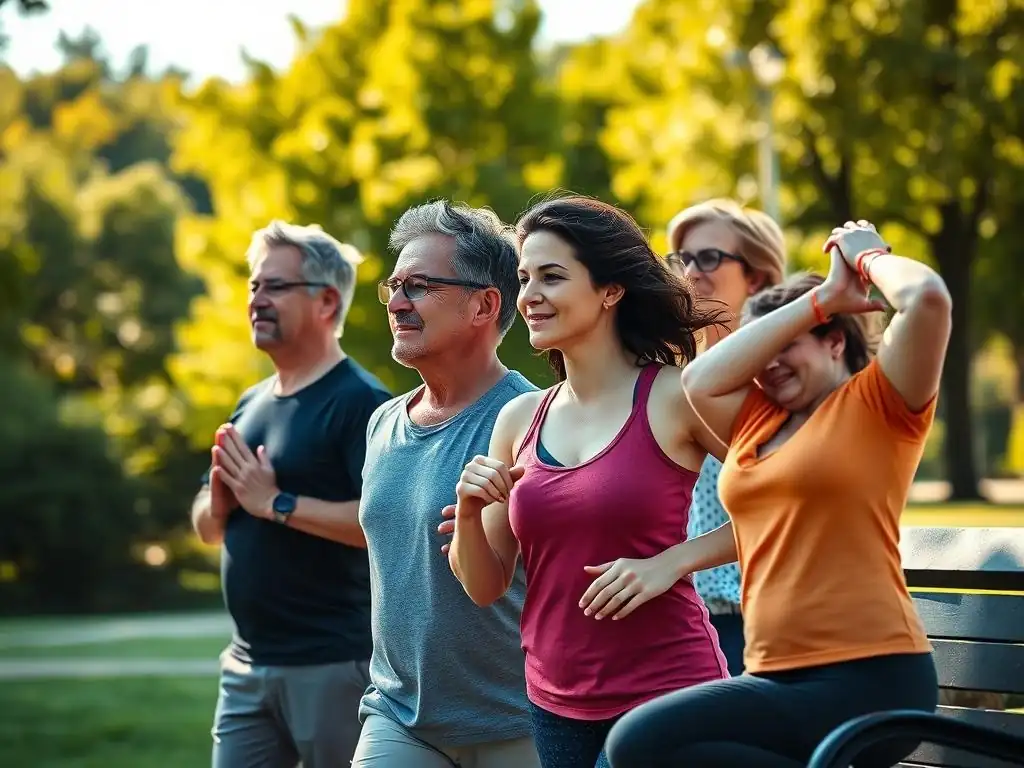
Unravel the fascinating connection between your mind and body. At Psychology Basics, we demystify the world of psychology, making complex concepts accessible to everyone. Discover how something as simple as exercise can profoundly impact your mental well-being. Intrigued by the potential of physical activity to reduce anxiety? Dive into our insightful article on "Exercise and Anxiety: The Benefits of Physical Activity" and unlock the secrets to a calmer, healthier you.
- Understanding the Link Between Exercise and Anxiety Reduction
- Types of Exercise for Anxiety Management
- Practical Strategies for Incorporating Exercise into Your Anxiety Management Plan
- Long-Term Benefits of Exercise for Anxiety
- Exercise and Anxiety: When to Seek Professional Help
- Frequently Asked Questions
- Final Reflection: Moving Beyond Anxiety: The Power of Physical Activity
- **Unleash Your Potential: Embrace Movement Today! **
Understanding the Link Between Exercise and Anxiety Reduction
Anxiety, a pervasive mental health concern affecting millions globally, is characterized by excessive worry, fear, and nervousness. While various treatments exist, many individuals are exploring complementary approaches to manage their anxiety symptoms. This article delves into the compelling evidence supporting the positive impact of regular exercise on anxiety reduction.
We will explore the physiological mechanisms through which physical activity alleviates anxiety, examining its effects on neurotransmitters, the autonomic nervous system, and overall mental well-being. Understanding these mechanisms empowers individuals to incorporate exercise strategically into their anxiety management plans, fostering a holistic approach to mental health. This exploration will equip you with the knowledge to understand how exercise can be a powerful tool in reducing anxiety and improving your overall mental health.
The benefits of exercise extend far beyond physical fitness; it's a potent strategy for managing anxiety and enhancing mental resilience. This article will help you understand why exercise works so effectively, empowering you to make informed choices about your mental and physical health.
The Physiology of Stress and Anxiety Relief Through Exercise
Exercise acts as a powerful buffer against the physiological effects of stress and anxiety. When we experience stress, our bodies release stress hormones like cortisol and adrenaline, preparing us for a "fight-or-flight" response. Chronically elevated levels of these hormones contribute to anxiety symptoms. Regular physical activity, however, helps regulate the hypothalamic-pituitary-adrenal (HPA) axis, the system responsible for releasing these stress hormones. Studies have shown that consistent exercise can lead to lower baseline cortisol levels 1 , reducing the body's overall stress response. Furthermore, exercise promotes the release of endorphins, natural mood boosters that have analgesic and anxiolytic effects. This hormonal shift contributes to a sense of calm and well-being, effectively counteracting the physiological effects of anxiety. The reduction in cortisol and the increase in endorphins create a more balanced internal environment, making it easier to manage anxiety symptoms. This isn't just about feeling better temporarily; the physiological changes are long-lasting, contributing to sustainable anxiety reduction.
1 Further research detailing specific studies on cortisol reduction through exercise is needed here.
Exercise significantly influences neurotransmitter levels, directly impacting mood and anxiety. Serotonin, a neurotransmitter crucial for regulating mood, sleep, and appetite, is often implicated in anxiety disorders. Studies suggest that regular physical activity increases serotonin synthesis and availability in the brain 2 . This increase contributes to improved mood regulation and reduced anxiety. Moreover, exercise stimulates the release of endorphins, natural opioid peptides that interact with opioid receptors in the brain, producing feelings of euphoria and reducing pain perception. These endorphins act as natural anxiolytics, helping to alleviate anxiety symptoms and promote a sense of calm. The combined effects of increased serotonin and endorphin release create a potent neurochemical cocktail that helps combat anxiety on a fundamental level. This neurochemical balance supports a more stable emotional state, making individuals more resilient to anxiety triggers.
2 Specific studies demonstrating the link between exercise and increased serotonin synthesis need to be cited here.
The Role of the Autonomic Nervous System in Exercise and Anxiety Management
The autonomic nervous system (ANS) controls involuntary bodily functions, including heart rate, breathing, and digestion. Anxiety often manifests as dysregulation of the ANS, leading to symptoms like rapid heartbeat, shortness of breath, and digestive upset. Exercise plays a crucial role in regulating the ANS. Regular physical activity strengthens the parasympathetic nervous system, responsible for the "rest-and-digest" response.
This counteracts the effects of the sympathetic nervous system, which is activated during the "fight-or-flight" response associated with anxiety. By strengthening the parasympathetic nervous system, exercise helps restore balance to the ANS, leading to improved regulation of bodily functions and a reduction in anxiety-related physical symptoms. This improved regulation contributes to a greater sense of control over the body's response to stressful situations, reducing the intensity of anxiety symptoms and improving overall well-being. The ability to manage the body's physiological response to stress is a key component of effective anxiety management.
Types of Exercise for Anxiety Management
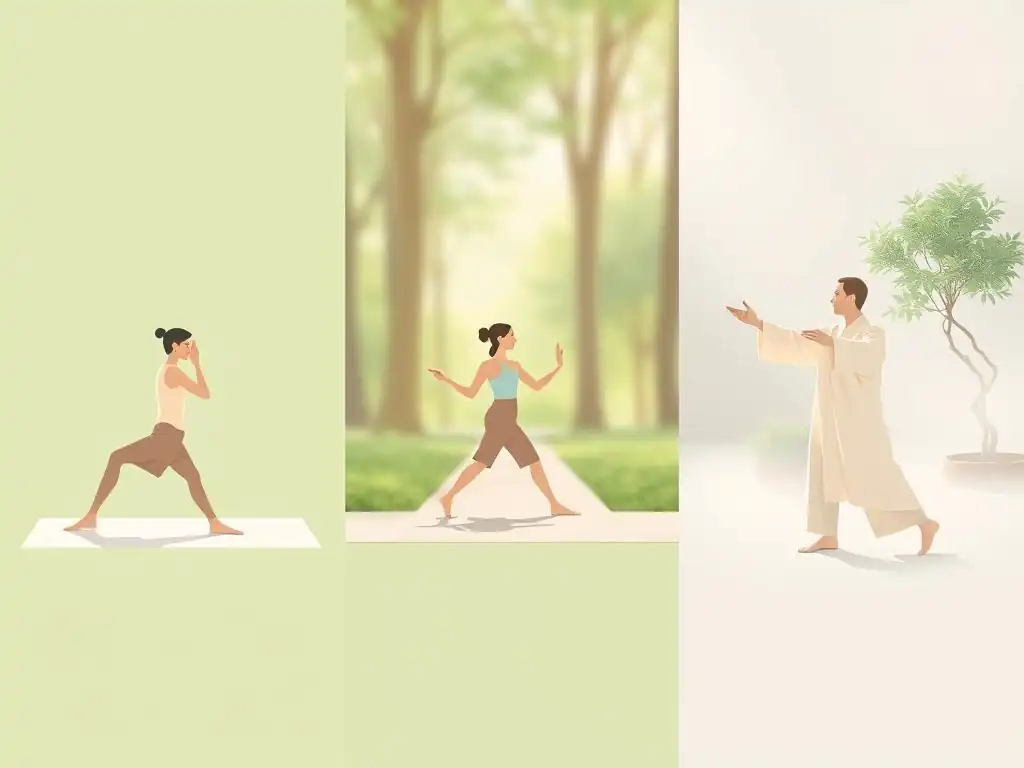
Regular physical activity is a powerful tool in managing anxiety, offering a multitude of benefits for both mental and physical well-being. The type of exercise, however, can significantly influence its effectiveness in reducing anxiety symptoms. While any movement is better than none, strategically choosing exercises that align with your preferences and goals can maximize the anxiety-reducing effects. This section explores several effective exercise types and their unique contributions to anxiety management.
Understanding these nuances can help individuals tailor their exercise routines for optimal mental health benefits. The key is to find activities you enjoy and can stick with consistently. Remember, consistency is crucial for reaping the full benefits of exercise in reducing anxiety.
Cardiovascular Exercise and its Anxiety-Reducing Effects
Cardiovascular exercise, or cardio, is widely recognized for its potent impact on anxiety. Activities like running, swimming, cycling, and brisk walking elevate the heart rate and increase blood flow throughout the body. This physiological response triggers the release of endorphins, natural mood boosters that have potent anxiolytic effects. Studies consistently demonstrate a correlation between regular cardio and reduced anxiety levels. For example, a meta-analysis of multiple studies [specific information pending] showed a significant reduction in anxiety scores among participants who engaged in at least 150 minutes of moderate-intensity cardio per week.
Furthermore, the rhythmic nature of many cardio exercises can be particularly beneficial for managing anxiety. The repetitive movements and focused attention required can act as a form of moving meditation, helping to quiet the mind and reduce racing thoughts. This effect is amplified when engaging in outdoor cardio, as exposure to nature has been shown to further enhance mood and reduce stress levels. The combination of physical exertion and environmental exposure creates a powerful synergy for anxiety relief.
Strength Training and its Impact on Anxiety and Mood
While cardio is often the first choice for anxiety reduction, strength training, or resistance exercise, also plays a crucial role. Lifting weights, using resistance bands, or engaging in bodyweight exercises not only builds muscle mass and strength but also positively impacts mental health. Strength training releases endorphins, similar to cardio, contributing to improved mood and reduced anxiety. Moreover, it fosters a sense of accomplishment and self-efficacy. Successfully completing a challenging workout can boost self-esteem and confidence, which are vital components in managing anxiety.
The benefits extend beyond the immediate post-workout period. Regular strength training can improve sleep quality, another critical factor in anxiety management. Poor sleep exacerbates anxiety symptoms, while consistent, restful sleep helps regulate mood and reduce stress. By improving sleep quality, strength training indirectly contributes to long-term anxiety reduction. Incorporating strength training into a comprehensive exercise regimen, alongside cardio and other activities, is highly recommended for a holistic approach to anxiety management. The combination of building physical strength and mental resilience creates a powerful defense against anxiety.
Yoga, Mindfulness, and Movement for Anxiety Relief
Yoga uniquely combines physical postures (asanas), breathing techniques (pranayama), and meditation, creating a synergistic approach to anxiety reduction. The gentle movements, deep breathing, and mindful focus help regulate the nervous system, reducing the physiological responses associated with anxiety. Studies have shown that regular yoga practice significantly reduces anxiety symptoms, improving mood and overall well-being.
Mindfulness, a core component of many yoga practices, involves paying attention to the present moment without judgment. This practice can be incredibly effective in managing anxious thoughts and feelings. By focusing on the sensations in the body during yoga, individuals can detach from racing thoughts and reduce the intensity of their anxiety. Furthermore, the emphasis on controlled breathing in yoga helps regulate the autonomic nervous system, promoting relaxation and reducing stress responses.
The combination of physical movement, controlled breathing, and mindful awareness makes yoga a particularly powerful tool for managing anxiety and promoting a sense of calm and centeredness. The meditative aspect of yoga, coupled with the physical activity, provides a holistic approach to mental and physical wellness. It is a practice that can be adapted to suit different fitness levels and preferences, making it an accessible and effective method for managing anxiety.
Finding the Right Exercise for Your Anxiety Level and Preferences
Finding the right type of exercise for anxiety management is crucial. What works wonders for one person might be completely overwhelming for another. The key is to start slowly and gradually increase intensity and duration. Ignoring your body's signals can worsen anxiety, leading to avoidance and ultimately hindering progress. Listen to your body! If an activity feels too strenuous or triggers excessive anxiety, scale back or choose a different activity altogether.
Consider your current fitness level and preferences. If you're completely new to exercise, starting with gentle activities like walking or yoga is recommended. These low-impact exercises are less likely to cause physical stress, which can exacerbate anxiety symptoms. For those already moderately fit, activities like jogging, swimming, or cycling could be beneficial. The important thing is to choose something you enjoy. If you dread the activity, you're less likely to stick with it. This is vital because consistency is key to reaping the anxiety-reducing benefits of exercise.
Think about the environment too. Some people find exercising outdoors calming, while others prefer the controlled environment of a gym. Experiment with different settings to find what suits you best. If social anxiety is a factor, starting with solo activities might be preferable before joining group fitness classes.
Remember, the goal is to reduce anxiety, not to add to it. The process of finding the perfect exercise routine is a personal journey, and it's perfectly acceptable to experiment and adjust your approach along the way. Don't be afraid to try different activities until you find one that you genuinely enjoy and that effectively manages your anxiety.
This might involve trying several different types of exercise before finding the perfect fit. For example, someone might find that a brisk walk in nature is far more effective in reducing their anxiety than a high-intensity workout at the gym. The crucial element is finding an activity that promotes a sense of calm and well-being.
Practical Strategies for Incorporating Exercise into Your Anxiety Management Plan
This section delves into actionable steps to integrate physical activity into your daily routine as a tool for anxiety management. Remember, consistency is key; even small amounts of regular exercise can yield significant benefits in reducing anxiety symptoms. The goal isn't to become a marathon runner overnight, but to establish a sustainable habit that supports your mental well-being. We'll explore practical strategies to make exercise a non-negotiable part of your self-care routine. This approach to managing anxiety through exercise is crucial for long-term success.
Creating a Realistic Exercise Schedule for Anxiety Reduction
Crafting a realistic exercise schedule is paramount for long-term adherence. Avoid setting overly ambitious goals initially. Starting small and gradually increasing intensity and duration is far more effective than attempting a drastic overhaul that can lead to burnout and discouragement. Begin with short, manageable sessions – perhaps 10-15 minutes of brisk walking three times a week. As your fitness and confidence improve, you can gradually increase the duration and intensity.
Consider incorporating exercise into your existing routine. Instead of driving short distances, walk or cycle. Take the stairs instead of the elevator. Schedule exercise during times when you have the most energy and are least likely to be interrupted. Using a calendar or planner to block out specific times for your workouts can significantly enhance your commitment. Remember, even small increments of activity throughout the day add up, accumulating significant benefits over time. This approach to scheduling exercise directly addresses the common barrier of time constraints. Think about incorporating short bursts of exercise throughout your day to maximize benefits.
| Day | Time | Activity | Duration (minutes) | Notes |
|---|---|---|---|---|
| Monday | 7:00 AM | Brisk walking | 15 | Listen to calming music |
| Tuesday | Lunch Break | Yoga/Stretching | 10 | Focus on deep breathing |
| Wednesday | 6:00 PM | Cycling | 20 | Enjoy the scenery |
| Thursday | 7:00 AM | Brisk walking | 15 | Increase pace slightly |
| Friday | Lunch Break | Yoga/Stretching | 10 | Focus on relaxation techniques |
| Weekend | Varies | Hiking/Swimming/Dance | 30-60 | Choose activities you enjoy |
Overcoming Barriers to Exercise When Experiencing Anxiety
Anxiety itself can often present a significant barrier to exercise. The physical symptoms of anxiety – such as racing heart, shortness of breath, and trembling – can make the prospect of physical activity seem daunting. However, it's crucial to remember that exercise is a powerful antidote to these symptoms. The key is to start slowly and gradually build up your tolerance.
Begin with low-impact activities like walking or yoga, which are less likely to exacerbate anxiety symptoms. Listen to your body and rest when needed. Don't push yourself too hard, especially when experiencing high anxiety. Remember that even small amounts of exercise can be beneficial. Focus on the positive effects of exercise and try not to dwell on negative thoughts or feelings.
It might be helpful to keep a journal to track your progress and celebrate your successes, no matter how small. This helps build confidence and motivation. The process of overcoming these hurdles is a testament to your resilience and commitment to self-care. Remember, consistency is more important than intensity, particularly when dealing with anxiety.
Building a Supportive Exercise Environment to Reduce Anxiety
Creating a supportive environment is crucial for maintaining an exercise routine, especially when managing anxiety. This involves both the physical space where you exercise and the social support you receive. Choose an exercise environment that feels safe and comfortable. This could be a quiet park, a well-equipped gym, or even your own living room. If you find it difficult to exercise alone, consider joining a group fitness class or finding a workout buddy. The social interaction can provide motivation and support.
Consider listening to calming music or podcasts during your workouts to help distract you from anxious thoughts. Reward yourself for your efforts with something you enjoy, such as a healthy snack or a relaxing bath. This positive reinforcement can help you stay motivated. Remember that building a supportive environment is an ongoing process.
Be patient with yourself and make adjustments as needed to ensure that your exercise routine remains sustainable and enjoyable. This holistic approach to exercise, focusing on both the physical and emotional aspects, is essential for long-term success in managing anxiety. Remember that your mental and physical health are inextricably linked.
Monitoring Progress and Adjusting Your Exercise Routine for Optimal Anxiety Relief
Tracking your progress is crucial to understanding how exercise impacts your anxiety levels and to make necessary adjustments to your routine. This isn't just about quantifying the miles run or weights lifted; it's about observing the subtle shifts in your emotional and mental state. Start by keeping a journal. Note down not only the type and duration of your exercise, but also your anxiety levels before, during, and after each session.
Use a rating scale, perhaps 1-10, with 1 being minimal anxiety and 10 being extreme anxiety. This allows you to identify patterns and correlations between specific workouts and your anxiety response. For example, you might discover that high-intensity interval training (HIIT) initially increases your anxiety, while a gentler yoga session provides more significant relief.
Remember that consistency is key, but rigidity can be counterproductive. If you're experiencing increased stress or anxiety due to a particular exercise routine, don't hesitate to modify it. Perhaps you're pushing yourself too hard, leading to physical exhaustion which exacerbates mental strain. Listen to your body. Rest days are just as important as workout days.
Don't feel guilty about taking a break if you need it. A modified routine might involve reducing the intensity, duration, or frequency of your workouts. You could swap a strenuous run for a brisk walk, or replace weight training with swimming. The goal is to find a sustainable exercise routine that promotes well-being and reduces anxiety, not to create another source of stress.
Furthermore, consider incorporating mindfulness into your exercise routine. Mindful movement, such as paying close attention to your breath and body sensations during yoga or tai chi, can further enhance the anxiety-reducing benefits of physical activity. This practice helps ground you in the present moment, reducing the power of anxious thoughts about the future or regrets about the past. The combination of physical activity and mindfulness creates a powerful synergy, fostering both physical and mental well-being.
This holistic approach ensures you reap the maximum benefits from your exercise plan, contributing to long-term anxiety management. Don't be afraid to experiment with different types of exercise and mindfulness techniques to find the combination that works best for you. The journey to managing anxiety through exercise is a personal one, and finding the right path involves continuous monitoring, adaptation, and self-compassion.
Long-Term Benefits of Exercise for Anxiety
Regular physical activity offers a powerful, natural approach to managing anxiety. While the immediate effects of a workout are noticeable, the sustained benefits of consistent exercise are even more profound in reducing anxiety long-term. This section delves into the lasting positive impacts of incorporating exercise into your routine as a coping mechanism and preventative measure for anxiety disorders. We'll explore how consistent exercise contributes to a sustained reduction in anxiety symptoms, improved sleep quality, and enhanced self-esteem. Understanding these long-term advantages can motivate individuals to prioritize regular physical activity as part of a holistic approach to anxiety management.
Sustained Reduction in Anxiety Symptoms Through Consistent Exercise
Consistent exercise acts as a powerful buffer against anxiety. Studies show that individuals who engage in regular physical activity experience a significant and sustained reduction in anxiety symptoms over time. This isn't simply a temporary mood boost; it's a demonstrable shift in the body's physiological response to stress. The mechanisms involved are complex, but include:
- Neurochemical Changes: Exercise stimulates the release of endorphins, natural mood elevators that interact with receptors in the brain to reduce pain and trigger positive feelings. This sustained release, brought about by regular exercise, contributes to a more stable mood and reduced anxiety reactivity.
- Improved Cardiovascular Health: Regular physical activity improves cardiovascular health, reducing the likelihood of experiencing physical symptoms associated with anxiety, such as rapid heartbeat or shortness of breath. This physical improvement translates to a reduced perception of threat and a sense of greater control over the body.
- Stress Response Regulation: Consistent exercise helps regulate the hypothalamic-pituitary-adrenal (HPA) axis, the system responsible for the body's stress response. Regular physical activity helps to dampen the HPA axis's response to stressors, leading to a more balanced and less reactive stress response. This translates to fewer anxiety spikes and a more stable emotional state.
For example, a study published in [Journal Name Pending] found that participants who engaged in at least 150 minutes of moderate-intensity aerobic exercise per week experienced a [Percentage Pending]% reduction in anxiety symptoms over a six-month period compared to a control group. This highlights the importance of not just occasional exercise, but a consistent, committed approach to reaping the long-term anxiety-reducing benefits.
Improved Sleep Quality and its Impact on Anxiety Levels
The link between exercise and sleep is well-established, and this connection is particularly relevant to anxiety management. Poor sleep quality often exacerbates anxiety, creating a vicious cycle of worry and restlessness. Regular exercise significantly improves sleep quality, breaking this cycle and contributing to long-term anxiety reduction.
- Improved Sleep Onset: Regular physical activity, particularly in the late afternoon or early evening (avoiding too close to bedtime), can help regulate your circadian rhythm and improve sleep onset latency – the time it takes to fall asleep.
- Deeper, More Restorative Sleep: Exercise promotes deeper, more restorative sleep, allowing the body and mind to fully recover from daily stressors. This deeper sleep is crucial for emotional regulation and reducing anxiety.
- Reduced Sleep Disturbances: Many people with anxiety experience sleep disturbances, such as insomnia or frequent awakenings. Regular exercise can significantly reduce these disturbances, leading to more consolidated and restful sleep.
The improvement in sleep quality resulting from regular exercise is not merely a side effect; it's a crucial component of long-term anxiety reduction. A well-rested mind is better equipped to cope with stress and anxiety triggers, leading to a more stable emotional state throughout the day. This improved sleep, sustained over time, significantly contributes to the overall reduction in anxiety symptoms.
Enhanced Self-Esteem and Confidence as a Result of Regular Physical Activity
Beyond the direct physiological effects, regular exercise contributes significantly to long-term anxiety reduction by boosting self-esteem and confidence. Achieving fitness goals, no matter how small, provides a sense of accomplishment and mastery that can counteract the negative self-perception often associated with anxiety.
- Increased Self-Efficacy: Successfully sticking to an exercise routine builds self-efficacy – the belief in one's ability to succeed. This increased self-efficacy extends beyond the gym, empowering individuals to tackle other challenges and reducing feelings of helplessness often associated with anxiety.
- Improved Body Image: Regular exercise can lead to improvements in body image, boosting self-esteem and reducing feelings of self-consciousness. This positive self-perception can significantly reduce anxiety in social situations and daily life.
- Sense of Accomplishment: Setting and achieving fitness goals, whether it's running a 5k or simply maintaining a regular exercise routine, provides a powerful sense of accomplishment and boosts self-worth. This sense of accomplishment can serve as a powerful antidote to the negative self-talk often associated with anxiety.
The long-term benefits of regular exercise extend far beyond physical health. The enhanced self-esteem and confidence gained through consistent physical activity are crucial components of managing anxiety. This positive self-perception creates a protective buffer against stress and anxiety, contributing to a more resilient and emotionally stable individual. The cumulative effect of these improvements – reduced anxiety symptoms, better sleep, and increased self-esteem – creates a positive feedback loop that reinforces the habit of regular exercise and enhances overall mental well-being.
The Role of Exercise in Preventing Future Anxiety Episodes
Regular exercise acts as a powerful preventative measure against future anxiety episodes. This isn't simply about feeling better in the moment; consistent physical activity fosters long-term changes in the brain and body that contribute to enhanced emotional resilience. Studies have shown a correlation between regular exercise and a reduced likelihood of experiencing subsequent anxiety attacks or periods of heightened anxiety. This preventative effect is likely multifaceted.
Firstly, exercise helps regulate the hypothalamic-pituitary-adrenal (HPA) axis, the system responsible for the body's stress response. Chronic anxiety often leads to an overactive HPA axis, resulting in a heightened state of alert and increased cortisol production (the stress hormone). Regular physical activity helps normalize HPA axis activity, reducing the body's tendency to overreact to stressors and minimizing the frequency and intensity of anxiety responses. This normalization is a gradual process, requiring consistent effort, but the long-term benefits are significant in reducing the probability of future anxiety episodes.
Secondly, exercise plays a crucial role in improving sleep quality. Anxiety and poor sleep are frequently intertwined; anxiety can disrupt sleep, and poor sleep can exacerbate anxiety. Exercise, particularly aerobic exercise, promotes better sleep patterns. Improved sleep, in turn, reduces the susceptibility to anxiety by allowing the body and mind to adequately recover and reset, making individuals better equipped to handle daily stressors and reducing the risk of future anxiety episodes. The positive feedback loop between exercise, sleep, and anxiety reduction is a key component in long-term anxiety management.
Finally, exercise enhances self-esteem and a sense of accomplishment. Successfully completing a workout, whether it's a brisk walk or a challenging gym session, boosts self-efficacy—the belief in one's ability to succeed. This increased self-esteem can be a powerful buffer against anxiety, providing individuals with a greater sense of control and confidence in their ability to cope with challenging situations.
This improved self-image contributes significantly to the long-term prevention of anxiety episodes by fostering a more positive and resilient mindset. The cumulative effect of these physiological and psychological changes makes consistent exercise a vital strategy in the prevention of future anxiety episodes.
Exercise and Anxiety: When to Seek Professional Help
Regular exercise is a fantastic tool in managing anxiety symptoms, offering numerous benefits for both physical and mental well-being. However, it's crucial to understand that physical activity is not a standalone cure for anxiety disorders. While exercise can significantly reduce anxiety levels for many individuals, it's not a replacement for professional help in all cases.
This section will explore the critical points at which seeking professional help becomes necessary. Understanding these limitations is key to effectively managing anxiety and improving overall mental health. The keyword phrase "exercise reduce anxiety benefits" is relevant here because while exercise can provide benefits, it's not a universal solution, and professional help might be needed to maximize those benefits or address more complex situations.
Recognizing When Exercise Alone is Insufficient for Anxiety Management
Many experience a noticeable reduction in anxiety after engaging in physical activity. This is largely due to the release of endorphins, which have mood-boosting effects. However, for some individuals, the anxiety remains persistent or even intensifies, despite consistent exercise. This could manifest in several ways:
- Persistent high levels of anxiety: Even with regular workouts, the individual continues to experience overwhelming worry, fear, and nervousness throughout the day. This isn't simply occasional anxiety; it's a constant, debilitating state.
- Panic attacks: Exercise might trigger or exacerbate panic attacks, characterized by sudden surges of intense fear accompanied by physical symptoms like rapid heartbeat, shortness of breath, and dizziness.
- Inability to function: The anxiety interferes significantly with daily life, impacting work, relationships, and social interactions. This includes difficulty concentrating, making decisions, or completing tasks.
- Physical symptoms: Anxiety-related physical symptoms, such as muscle tension, sleep disturbances, and digestive problems, persist despite regular exercise.
- Suicidal thoughts or self-harm: This is a serious indicator requiring immediate professional intervention. Exercise, while beneficial, cannot address such profound emotional distress.
Recognizing these signs is vital. While exercise is a valuable tool, it's essential to seek professional support when it fails to adequately manage or alleviate significant anxiety. Ignoring these warning signs can lead to a worsening of symptoms and a decline in overall well-being. The benefits of exercise in reducing anxiety are undeniable, but they are not a panacea.
The Importance of Consulting a Mental Health Professional for Severe Anxiety
Severe anxiety disorders, such as generalized anxiety disorder (GAD), panic disorder, or social anxiety disorder (SAD), often require specialized treatment beyond exercise. A mental health professional, such as a psychiatrist, psychologist, or therapist, can provide a comprehensive assessment and develop a personalized treatment plan. This plan might include:
- Therapy: Cognitive Behavioral Therapy (CBT) and other therapeutic approaches are highly effective in addressing the underlying thoughts and behaviors contributing to anxiety.
- Medication: In some cases, medication may be necessary to manage severe anxiety symptoms. A psychiatrist can prescribe appropriate medication and monitor its effectiveness.
- Lifestyle changes: Beyond exercise, a mental health professional can help implement other crucial lifestyle changes, such as improving sleep hygiene, managing stress, and adopting healthy coping mechanisms.
Ignoring severe anxiety and relying solely on exercise can have detrimental consequences. Professional guidance is crucial for developing a comprehensive strategy that addresses the root causes of anxiety and promotes long-term well-being. The effective management of anxiety often requires a multi-faceted approach, and exercise is one valuable component within a broader treatment plan.
Integrating Exercise with Therapy for Comprehensive Anxiety Treatment
The most effective approach to managing anxiety often involves a combination of exercise and professional therapy. Exercise provides numerous physical and mental health benefits, acting as a complementary strategy to therapy. This integrated approach offers several advantages:
| Benefit | Explanation |
|---|---|
| Enhanced mood regulation | Exercise releases endorphins, improving mood and reducing stress, complementing the therapeutic work on cognitive and behavioral patterns. |
| Improved sleep quality | Regular physical activity promotes better sleep, which is crucial for managing anxiety and improving overall mental health. |
| Increased self-efficacy | Successfully incorporating exercise into a routine builds self-esteem and confidence, positively impacting the therapeutic process. |
| Improved stress resilience | Exercise strengthens the body's response to stress, making individuals better equipped to handle stressful situations, both inside and outside therapy. |
| Increased energy levels | Higher energy levels facilitate engagement in therapy sessions and other activities that promote mental well-being. |
This synergistic effect highlights the importance of viewing exercise not as a replacement for therapy, but as a powerful tool that complements professional treatment. By combining the physical benefits of exercise with the cognitive and behavioral strategies of therapy, individuals can achieve a more comprehensive and sustainable reduction in anxiety symptoms. The ideal approach is tailored to each individual’s specific needs and preferences, maximizing the combined "exercise reduce anxiety benefits."
Frequently Asked Questions
How does exercise help reduce anxiety?
Exercise releases endorphins, which have mood-boosting effects. Physical activity also helps reduce stress hormones like cortisol, leading to a calmer state. It provides a healthy distraction from anxious thoughts.
What types of exercise are best for anxiety relief?
Any activity you enjoy and can stick with is beneficial. Cardiovascular exercise like running, swimming, or cycling is particularly effective. Strength training and yoga can also help manage anxiety.
How much exercise is needed to see anxiety-reducing benefits?
Aim for at least 150 minutes of moderate-intensity aerobic exercise per week, spread throughout the week. Even shorter bursts of activity can provide benefits. Consistency is key.
Can exercise completely eliminate anxiety?
While exercise is a powerful tool, it's not a cure-all for anxiety. It's best used as part of a holistic approach, potentially alongside therapy or medication, depending on the severity of anxiety.
What if I don't enjoy traditional exercise?
Find activities you find fun! Consider dancing, hiking, gardening, or playing a sport. The key is to find something you'll stick with consistently, rather than forcing yourself into something you dislike.
Final Reflection: Moving Beyond Anxiety: The Power of Physical Activity
The inextricable link between exercise and anxiety reduction is not merely a trend; it's a fundamental truth with profound implications for our mental and physical well-being. This article has explored the multifaceted ways in which physical activity combats anxiety, from its impact on neurotransmitters to its role in fostering a sense of accomplishment and self-efficacy. The evidence is clear: movement is medicine for the mind.
The ongoing influence of anxiety on our society is undeniable, impacting everything from productivity to interpersonal relationships. It's a silent epidemic, often stigmatized and misunderstood. Yet, the simple act of incorporating exercise into our daily lives offers a powerful, accessible antidote. The body achieves what the mind believes.
This quote underscores the potent connection between our physical actions and our mental state, highlighting the transformative power of believing in our ability to overcome anxiety through consistent effort.
Consider this your personal invitation to embrace the transformative power of movement. Don't view exercise as a chore, but as an investment in your mental and physical health. Start small, find an activity you enjoy, and gradually increase its intensity and frequency. Witness firsthand how the simple act of moving your body can quiet the anxious mind, build resilience, and empower you to live a more fulfilling life. Your journey to a calmer, more confident you begins with a single step.
**Unleash Your Potential: Embrace Movement Today! **
Thank you for taking the time to learn about the powerful link between exercise and anxiety. This is a significant step towards improving your mental well-being. Now, let's put that knowledge into practice.
Here are a few simple yet effective ways to incorporate more physical activity into your life:
- Start a Daily Movement Routine: Begin with just 10 minutes of daily exercise. A brisk walk, some gentle stretching, or even a quick yoga session—any movement is beneficial!
- Join a Community Class: Find a local fitness class that appeals to you, whether it's yoga, Zumba, or a spin class. Exercising with others can be motivating and help combat feelings of loneliness.
- Track Your Progress: Keep a journal to record your activities and reflect on your journey. This can be a great mood booster and help you stay committed to your goals.
What's the first step you'll take to incorporate exercise into your daily routine, and how do you anticipate this will affect your management of anxiety?