
SubstanceInduced Psychotic Disorder: The Role of Drugs and Alcohol


Unravel the mysteries of the mind with Psychology Basics. Are you curious about the complex interplay between substance use and mental health? Then delve into our insightful exploration of druginduced psychosis explained simply, a crucial topic within abnormal psychology. Discover how drugs and alcohol can trigger profound alterations in perception and cognition, leaving you with a deeper understanding of this fascinating and often misunderstood condition. Let's uncover the science behind substance-induced psychotic disorder together.
- Understanding Drug-Induced Psychosis Explained Simply
- Common Substances Causing Psychotic Episodes
- The Neuroscience of Substance-Induced Psychosis
- Diagnosis and Treatment of Substance-Induced Psychotic Disorder
- Prevention and Risk Factors for Drug-Induced Psychosis
- Living with Substance-Induced Psychotic Disorder: Recovery and Support
- Frequently Asked Questions
- Final Reflection: Understanding the Shadow of Substance-Induced Psychosis
- Take Control: Transform Your Understanding of Substance-Induced Psychosis!
Understanding Drug-Induced Psychosis Explained Simply
Drug-induced psychosis is a serious mental health condition where the use of certain substances triggers psychotic symptoms. This isn't about pre-existing mental illness worsening due to substance use; rather, it's the direct consequence of substance intoxication or withdrawal. This introductory article will explain the core features of substance-induced psychotic disorder (SIPD), highlighting its key symptoms and differentiating it from other psychotic conditions.
Understanding SIPD is crucial for both healthcare professionals and individuals concerned about the effects of substance abuse on mental health. We will explore how various drugs and alcohol can trigger these debilitating symptoms, emphasizing the importance of early identification and intervention for successful treatment and recovery.
This explanation will focus on providing a clear and accessible understanding of drug-induced psychosis, making the complex information readily digestible for students and the general public alike. We'll demystify the condition, aiming to empower readers with knowledge about this significant mental health concern.
What is Substance-Induced Psychotic Disorder?
Substance-induced psychotic disorder (SIPD) is a condition characterized by the appearance of psychotic symptoms—hallucinations and delusions—directly attributable to the use of a substance or withdrawal from it. These symptoms aren't present before the substance use begins, and they resolve once the substance leaves the body's system. The severity of the psychosis varies depending on factors like the type and amount of substance used, the individual's predisposition, and the duration of use.
Crucially, the symptoms are a direct result of the substance's physiological effects on the brain. This is different from other psychotic disorders where the cause isn't so directly linked to a specific substance. Many substances can induce psychosis, including but not limited to stimulants like cocaine and methamphetamine, hallucinogens like LSD and PCP, and even alcohol and cannabis, especially with heavy, long-term use.
The precise mechanisms by which these substances trigger psychosis are complex and involve disruptions to neurotransmitter systems within the brain. The key takeaway is that the substance is the causative agent of the psychotic episode, not a pre-existing condition.
Symptoms of Drug-Induced Psychosis: Hallucinations and Delusions
The hallmark symptoms of drug-induced psychosis are hallucinations and delusions. Hallucinations involve experiencing sensory perceptions that aren't actually real. These can be auditory (hearing voices), visual (seeing things), tactile (feeling things that aren't there), olfactory (smelling things that aren't there), or gustatory (tasting things that aren't there). Delusions, on the other hand, are fixed, false beliefs that are not based in reality.
These beliefs are unshakeable, even when presented with contradictory evidence. Examples include believing one is being persecuted, having special powers, or being controlled by external forces. In addition to these core symptoms, individuals experiencing drug-induced psychosis may also exhibit disorganized thinking, erratic behavior, and emotional disturbances such as paranoia and anxiety.
The severity and specific combination of symptoms can vary widely depending on the substance involved and individual factors. The experience can be incredibly frightening and disorienting for the individual. It's essential to seek professional help immediately if these symptoms appear, especially in the context of substance use.
Differentiating Substance-Induced Psychosis from Other Psychotic Disorders
It's crucial to distinguish substance-induced psychosis from other psychotic disorders, such as schizophrenia. While both involve psychotic symptoms, the underlying cause differs significantly. In schizophrenia, the psychotic symptoms are not directly caused by a substance; rather, they are believed to stem from a complex interplay of genetic, neurological, and environmental factors.
The symptoms of schizophrenia typically persist even after the individual stops using substances, unlike in SIPD, where the symptoms resolve upon cessation of substance use. Furthermore, the onset of symptoms can help differentiate the two. In SIPD, the psychotic symptoms usually appear shortly after substance use or withdrawal, while in schizophrenia, the onset is typically gradual and occurs over a longer period.
A comprehensive evaluation by a mental health professional is necessary to make an accurate diagnosis and determine the appropriate treatment plan. This differentiation is vital for effective treatment, as the approach for SIPD focuses on detoxification and managing withdrawal symptoms, while schizophrenia requires long-term management with medication and therapy.
Common Substances Causing Psychotic Episodes
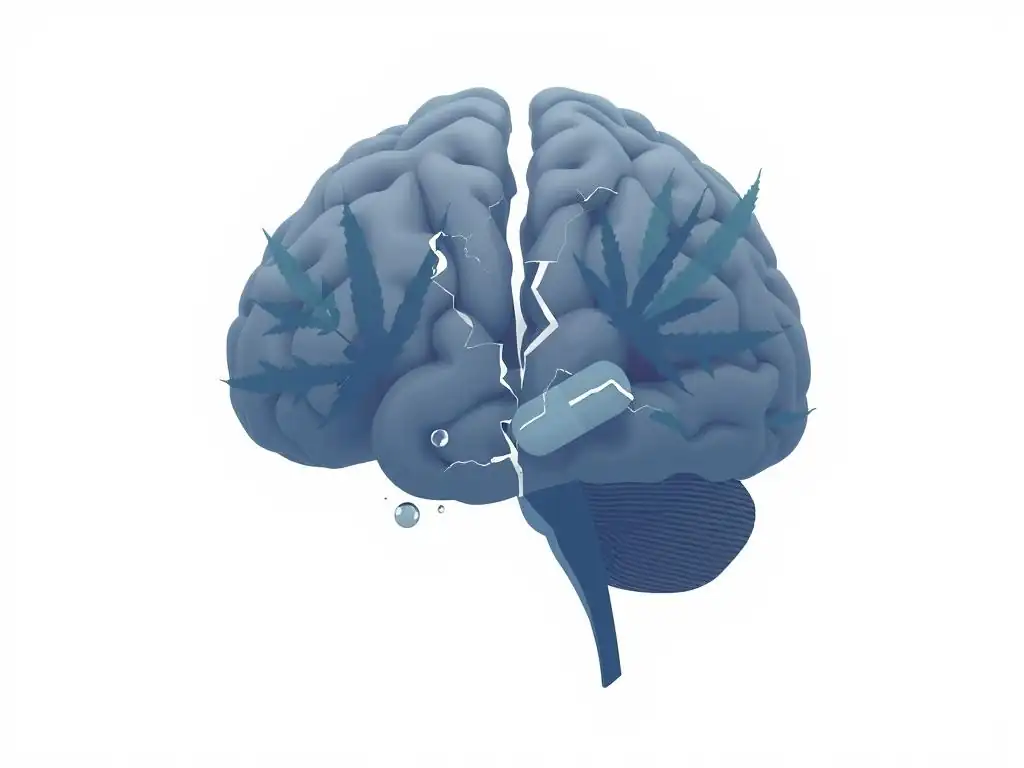
This section explores the common substances most frequently linked to the development of drug-induced psychosis. It's crucial to understand that while these substances can trigger psychotic symptoms, the underlying vulnerability to psychosis might already exist in the individual. The drug acts as a catalyst, exacerbating pre-existing predispositions or triggering a psychotic episode in a person who might not otherwise experience one. The severity and duration of the psychosis are heavily influenced by factors like the amount and frequency of substance use, the individual's genetic predisposition, and the presence of other stressors in their life.
Understanding these factors is key to effective prevention and treatment. The focus here is on the most prevalent culprits, offering a simplified explanation of their mechanisms and effects. Remember, this information is for educational purposes and should not replace professional medical advice.
Alcohol-Induced Psychotic Disorder: Understanding the Link
Alcohol, a widely consumed depressant, can paradoxically trigger psychotic symptoms. Alcohol-induced psychotic disorder (AIPD) manifests as hallucinations, delusions, and disorganized thinking, often appearing during periods of heavy drinking or alcohol withdrawal. The exact mechanisms are not fully understood, but research suggests that alcohol disrupts the delicate balance of neurotransmitters in the brain, particularly dopamine and glutamate. These neurotransmitters play crucial roles in regulating mood, cognition, and perception.
Excessive alcohol consumption can lead to significant imbalances, leading to the emergence of psychotic symptoms. The severity of AIPD can vary greatly, ranging from mild perceptual distortions to severe, debilitating psychosis. Importantly, the symptoms typically resolve once alcohol consumption ceases and the body begins to detoxify. However, repeated episodes of AIPD increase the risk of developing long-term mental health problems.
Early intervention and treatment, including alcohol detoxification and potentially medication to manage symptoms, are vital. Studies consistently show a correlation between chronic alcohol abuse and an increased likelihood of experiencing alcohol-induced psychosis. Moreover, individuals with a family history of psychotic disorders appear to be at a higher risk.
Stimulant-Induced Psychosis: Cocaine, Methamphetamine, and Others
Stimulants like cocaine and methamphetamine are notorious for their potential to induce psychosis. These substances drastically increase dopamine levels in the brain, leading to an overstimulation of dopamine receptors. This surge in dopamine activity is directly linked to the development of hallucinations, delusions, and paranoia, characteristic of stimulant-induced psychosis. The intensity and duration of these psychotic symptoms are directly proportional to the amount and frequency of stimulant use.
For example, a single high dose of methamphetamine can trigger acute psychotic symptoms that can last for several days. Chronic use, however, can lead to persistent psychosis, even after the cessation of drug use. This is because the prolonged exposure to high dopamine levels can lead to lasting changes in brain chemistry and structure.
Other stimulants, including amphetamines and even some prescription medications if misused, can trigger similar effects. Recognizing the signs of stimulant-induced psychosis is critical for early intervention and treatment. Treatment typically involves ceasing stimulant use, managing withdrawal symptoms, and possibly administering antipsychotic medication to alleviate the psychotic symptoms.
Cannabis and Psychotic Symptoms: A Complex Relationship
The relationship between cannabis use and psychosis is complex and a subject of ongoing research. While not all cannabis users develop psychosis, studies indicate a correlation between heavy cannabis use, particularly of high-potency strains, and an increased risk of experiencing psychotic symptoms or exacerbating pre-existing conditions. The psychoactive component of cannabis, THC (tetrahydrocannabinol), interacts with the brain's endocannabinoid system, influencing dopamine release and potentially disrupting neural pathways linked to perception and thought.
The risk seems particularly elevated in individuals with a genetic predisposition to psychosis. This suggests that cannabis might act as a trigger for those already vulnerable. It's important to distinguish between the acute psychotic effects that can occur during or immediately after cannabis use and the potential for long-term effects on the risk of developing a psychotic disorder.
Furthermore, the type of cannabis consumed (e.g., high-THC vs. high-CBD) and the individual's genetic makeup play a significant role in determining their susceptibility. The research continues to refine our understanding of this complex interaction, but the existing evidence strongly suggests caution, especially for individuals with a family history of psychosis or other mental health concerns. Further research is needed to fully elucidate the long-term effects of cannabis use on the brain and the development of psychotic disorders.
Hallucinogen Persisting Perception Disorder (HPPD)
Hallucinogen Persisting Perception Disorder (HPPD) is a rare but potentially debilitating condition that can develop after the use of hallucinogenic drugs. It's crucial to understand that HPPD isn't simply a lingering "high" or a delayed reaction; it's a distinct disorder characterized by the persistent recurrence of perceptual distortions even after the drug has long left the system. These distortions aren't fleeting hallucinations; instead, they're often visual disturbances that significantly impact daily life. Think of it as a malfunction in the brain's visual processing system, triggered by prior hallucinogen use.
One key characteristic of HPPD is the persistence of visual disturbances. These can manifest in various ways, including trails behind moving objects (known as "trailing"), halos around lights, intensified colors, or the perception of "snow" or static in one's visual field. These visual distortions aren't simply unpleasant; they can be intensely distressing and disruptive. Imagine trying to read a book, drive a car, or even simply watch television when the world around you is constantly shifting and distorting. This constant visual barrage can lead to significant anxiety and impairment in daily functioning.
The exact mechanisms underlying HPPD are still not fully understood. However, research suggests that the disorder may involve alterations in neurotransmitter systems, particularly those involving serotonin, which plays a crucial role in perception and mood regulation. It's hypothesized that prolonged or intense exposure to hallucinogens might disrupt these neurotransmitter systems, leading to a persistent imbalance that manifests as visual distortions. More research is needed to fully elucidate the complex neurobiological underpinnings of this condition.
Diagnosing HPPD requires a careful clinical evaluation. The diagnostic criteria emphasize the persistence of perceptual disturbances that are not attributable to other medical or neurological conditions. A thorough history of substance use is essential, as is ruling out other potential causes of similar symptoms. This often involves neuroimaging studies and consultations with other specialists to ensure an accurate diagnosis. The absence of other underlying conditions is critical to confirming HPPD.
While there's no known cure for HPPD, various treatment options are available to manage symptoms. These often include psychotherapy, particularly cognitive behavioral therapy (CBT), which can help individuals cope with the anxiety and distress associated with the visual disturbances. Medication may also be considered in some cases, although there's no specific medication specifically approved for HPPD.
The treatment approach is highly individualized and tailored to the specific needs and experiences of the patient. The primary goal is to improve the individual's quality of life and help them manage the challenges posed by this persistent condition. Support groups can also be incredibly beneficial, providing a sense of community and shared experience for those struggling with HPPD.
The Neuroscience of Substance-Induced Psychosis
Substance-induced psychotic disorder, often simplified as drug-induced psychosis, represents a significant challenge in understanding the complex interplay between the brain and psychoactive substances. This section delves into the neurological underpinnings of this condition, exploring the specific mechanisms through which drug and alcohol abuse can trigger psychotic symptoms. Understanding these mechanisms is crucial for developing effective prevention and treatment strategies. We will examine the neurotransmitter imbalances, the specific brain regions affected, and the long-term consequences of this disorder on brain function and overall mental well-being.
Neurotransmitter Imbalances: Dopamine and Serotonin's Role
A central aspect of drug-induced psychosis revolves around disruptions in neurotransmitter systems, particularly those involving dopamine and serotonin. These neurochemicals are crucial for regulating mood, cognition, and perception. Many substances of abuse, including stimulants like cocaine and methamphetamine, directly increase dopamine levels in the brain's reward pathway. This surge in dopamine activity is linked to the euphoric effects of these drugs, but it also dramatically alters the brain's normal functioning. The excessive dopamine can lead to a cascade of effects, including hallucinations, delusions, and disorganized thinking – hallmark symptoms of psychosis.
Serotonin, another key neurotransmitter, plays a crucial role in mood regulation and emotional stability. Chronic substance abuse can deplete serotonin levels, contributing to the development or exacerbation of psychotic symptoms. The imbalance between dopamine and serotonin creates a neurochemical environment that is highly conducive to the emergence of psychosis. The exact ratios and interactions between these neurotransmitters are still under investigation, but the evidence strongly suggests their crucial role in the pathophysiology of drug-induced psychosis.
Brain Regions Affected by Substance Abuse and Psychosis
The impact of substance abuse on brain structure and function is not uniform; specific brain regions are disproportionately affected. The prefrontal cortex, responsible for executive functions like planning, decision-making, and impulse control, often shows significant structural and functional abnormalities in individuals with substance-induced psychosis. This damage can impair cognitive abilities and contribute to poor judgment and risky behaviors, perpetuating the cycle of substance abuse.
Furthermore, the hippocampus, crucial for memory formation and consolidation, is also vulnerable to the neurotoxic effects of chronic substance use. Impairments in hippocampal function can lead to memory problems and difficulties integrating new information, further complicating recovery and rehabilitation. The amygdala, involved in processing emotions, particularly fear and anxiety, may also be affected, leading to heightened emotional reactivity and contributing to the overall distress experienced by individuals with this disorder. Further research is needed to fully elucidate the complex interplay between these brain regions and the development of drug-induced psychosis.
Long-Term Effects on Brain Function and Mental Health
The long-term consequences of substance-induced psychosis can be severe and far-reaching. Chronic substance abuse can lead to irreversible damage to brain structures and neurotransmitter systems, resulting in persistent cognitive deficits, emotional dysregulation, and an increased risk of relapse. Individuals may experience difficulties with attention, memory, and executive functions, impacting their ability to function independently and maintain stable relationships. The emotional toll is also substantial, with many individuals struggling with depression, anxiety, and other mental health issues.
Moreover, the risk of developing other mental health problems, such as depression and anxiety disorders, is significantly higher in individuals with a history of substance-induced psychosis. This highlights the importance of early intervention and comprehensive treatment that addresses both the substance abuse and the underlying mental health issues. The long-term prognosis depends on several factors, including the severity of the substance abuse, the duration of the psychosis, and the availability of appropriate treatment and support.
Early identification and intervention are crucial in mitigating the long-term consequences of this debilitating disorder and improving the quality of life for affected individuals. Further research is necessary to fully understand the long-term neurological and psychological effects and to develop more effective prevention and treatment strategies.
Diagnosis and Treatment of Substance-Induced Psychotic Disorder
Substance-Induced Psychotic Disorder (SIPD), also sometimes referred to as drug-induced psychosis, presents a significant challenge in diagnosis and treatment. Understanding the interplay between substance use and psychotic symptoms is crucial for effective intervention. Accurate diagnosis hinges on careful assessment, distinguishing SIPD from other psychotic disorders, and developing a tailored treatment plan that addresses both the substance use and the psychotic symptoms.
This requires a multidisciplinary approach, often involving psychiatrists, psychologists, and substance abuse specialists. The prognosis for recovery is significantly improved with early and comprehensive treatment. Delaying intervention can lead to worsening symptoms, increased risk of relapse, and a decline in overall functioning.
Assessing for Substance Use and Psychotic Symptoms
The initial step in managing SIPD involves a thorough assessment of both substance use and the presence of psychotic symptoms. This process often begins with a comprehensive clinical interview, where the patient's history of substance use, including type, frequency, and duration, is meticulously documented. Clinicians utilize standardized tools, such as the Substance Abuse Subtle Screening Inventory (SASSI) or the Alcohol Use Disorders Identification Test (AUDIT), to objectively measure the severity of substance use. The assessment also involves a detailed evaluation of psychotic symptoms, including hallucinations (auditory, visual, tactile, olfactory, gustatory), delusions (fixed false beliefs), disorganized thinking (loose associations, tangential speech), and disorganized or abnormal motor behavior (catatonia).
The clinician must carefully differentiate between symptoms directly attributable to substance intoxication or withdrawal and those that may represent a pre-existing psychotic disorder. This differentiation is crucial for accurate diagnosis and tailoring of treatment strategies. For example, a patient experiencing auditory hallucinations solely during periods of alcohol intoxication would likely receive a diagnosis of alcohol-induced psychotic disorder, while a patient exhibiting persistent hallucinations even after detoxification may have a separate primary psychotic disorder.
Detailed symptom tracking over time, alongside regular substance use monitoring, is vital for accurate clinical judgment. Furthermore, collateral information from family members or close friends can provide valuable insights into the patient's behavior and symptom presentation. The use of standardized rating scales, such as the Positive and Negative Syndrome Scale (PANSS) or the Brief Psychiatric Rating Scale (BPRS), helps quantify the severity of psychotic symptoms, allowing for objective monitoring of treatment response.
Detoxification and Substance Abuse Treatment Programs
Once a diagnosis of SIPD is established, the treatment plan typically begins with detoxification. This process aims to safely manage the withdrawal symptoms associated with the cessation of substance use. The severity of withdrawal symptoms varies depending on the type and duration of substance abuse. For instance, alcohol withdrawal can be life-threatening and requires medical supervision in a hospital or specialized detoxification facility.
Opioid withdrawal, while not typically life-threatening, can be extremely uncomfortable and requires careful management with medications such as methadone or buprenorphine. Following detoxification, the individual is typically enrolled in a comprehensive substance abuse treatment program. These programs vary in intensity and approach, ranging from outpatient counseling to residential rehabilitation. The choice of program depends on the individual's specific needs and the severity of their substance use disorder.
Evidence-based treatment approaches, such as cognitive-behavioral therapy (CBT) and motivational interviewing (MI), are commonly employed to address the underlying psychological factors contributing to substance abuse. CBT helps individuals identify and modify maladaptive thoughts and behaviors related to substance use, while MI assists them in developing intrinsic motivation for change. Support groups such as Alcoholics Anonymous (AA) or Narcotics Anonymous (NA) can also play a crucial role in recovery, providing a supportive community and promoting long-term abstinence. The duration of substance abuse treatment is highly individualized and depends on several factors, including the severity of the addiction, the individual's motivation for change, and the presence of co-occurring mental health disorders.
Medication Management for Psychotic Symptoms
While addressing the underlying substance use disorder is paramount in treating SIPD, medication is often necessary to manage the persistent psychotic symptoms. Antipsychotic medications, such as risperidone, olanzapine, or quetiapine, are commonly prescribed to reduce the severity of hallucinations, delusions, and disorganized thinking. The choice of medication and dosage depends on several factors, including the individual's specific symptoms, medical history, and potential side effects. Careful monitoring for side effects is crucial, as antipsychotic medications can cause a range of adverse effects, such as weight gain, drowsiness, and extrapyramidal symptoms (EPS).
Regular blood tests may be necessary to monitor liver function and other potential side effects. In some cases, other medications, such as antidepressants or mood stabilizers, may be added to the treatment regimen to address co-occurring mood disorders or anxiety. The effectiveness of medication management is closely monitored through regular clinical assessments and symptom rating scales. The goal of medication management is to reduce the severity of psychotic symptoms to a manageable level, allowing the individual to participate more fully in substance abuse treatment and improve their overall functioning.
It's important to note that medication alone is typically insufficient for long-term recovery; it is most effective when combined with comprehensive psychosocial interventions. The duration of medication treatment is determined on a case-by-case basis, with ongoing evaluation needed to determine the need for continued medication. A gradual tapering of medication may be considered once the individual is stable and demonstrates sustained recovery from both substance use and psychotic symptoms.
Psychotherapy and Cognitive Behavioral Therapy (CBT)
Psychotherapy, particularly Cognitive Behavioral Therapy (CBT), plays a crucial role in managing substance-induced psychotic disorder. While medication addresses the immediate symptoms, therapy helps individuals understand and cope with the underlying issues that may contribute to substance abuse and the development of psychosis. CBT is particularly effective because it targets both the psychological and behavioral aspects of the disorder.
One key aspect of CBT in this context is identifying and challenging distorted thinking patterns. Individuals experiencing drug-induced psychosis often have delusional beliefs or hallucinations that significantly impact their daily lives. CBT helps individuals recognize these distortions, analyze their origins (often linked to substance use and its effects on the brain), and develop more adaptive coping mechanisms.
This might involve techniques like reality testing, where the therapist helps the patient evaluate the validity of their perceptions and beliefs against objective evidence. For example, if a patient believes they are being followed, the therapist might collaboratively explore the evidence for and against this belief, helping them to distinguish between their internal experience and external reality.
Furthermore, CBT addresses the behavioral components of the disorder. It helps patients develop strategies to avoid relapse and manage cravings. This might include techniques like relapse prevention planning, which involves identifying high-risk situations and developing coping strategies to navigate them. For instance, a patient might identify that being around certain friends triggers their urge to use substances. CBT would then help them develop alternative coping mechanisms, like assertive communication to set boundaries or finding new social outlets. The goal is to equip the patient with tools and techniques to maintain sobriety and prevent the recurrence of psychotic symptoms.
Beyond individual CBT, family therapy can also be beneficial. Substance-induced psychosis often impacts family dynamics, and therapy can help family members understand the disorder, learn effective communication strategies, and provide support to the affected individual. This can significantly improve the patient's overall well-being and chances of successful recovery.
The collaborative approach of family therapy reduces feelings of isolation and promotes a supportive environment crucial for long-term recovery from both substance abuse and psychosis. Effective family therapy also helps educate family members about potential triggers and relapse warning signs, enabling them to provide timely support and intervene appropriately. In essence, a multifaceted approach combining individual CBT and family therapy offers a comprehensive strategy to tackle this complex disorder.
Prevention and Risk Factors for Drug-Induced Psychosis
Drug-induced psychosis, a frightening manifestation of altered mental state, is thankfully often reversible with cessation of substance use. However, understanding the risk factors and implementing preventative measures is crucial. This section delves into the complexities of identifying those at risk and strategies for prevention. Effective prevention hinges on a multi-pronged approach encompassing individual, community, and societal levels. The earlier intervention occurs, the better the prognosis.
Identifying Individuals at Risk: Genetic Predisposition and Environmental Factors
Genetic predisposition plays a significant, albeit not deterministic, role in vulnerability to drug-induced psychosis. Individuals with a family history of schizophrenia or other psychotic disorders may exhibit heightened sensitivity to the psychotomimetic effects of certain substances. This increased vulnerability isn't a guarantee of developing psychosis, but it does represent a significantly elevated risk. Studies consistently demonstrate a correlation between a positive family history of psychosis and a greater likelihood of experiencing drug-induced psychosis following substance use. The precise genetic mechanisms remain an area of ongoing research, but identifying such a family history is a key element in risk assessment.
Beyond genetics, environmental factors contribute substantially. Exposure to stressful life events, such as trauma, abuse, or significant social stressors, can act as potent triggers. These stressors can interact with a pre-existing vulnerability, potentially lowering the threshold for psychosis to manifest after drug use. Furthermore, the socio-economic environment plays a considerable role.
Individuals from disadvantaged backgrounds, facing limited access to resources and support systems, often face increased risk. These individuals may be more likely to engage in substance abuse as a coping mechanism, further exacerbating the risk. Understanding this interplay of genetic and environmental factors is paramount for targeted preventative efforts.
For instance, a study published in [Journal Name Pending] found that individuals with a family history of schizophrenia who also experienced childhood trauma were [Specific percentage pending] more likely to develop drug-induced psychosis compared to individuals without either risk factor. This highlights the complex interaction between genetic predisposition and environmental stressors.
Educating about Substance Abuse and Mental Health
Comprehensive education is pivotal in preventing drug-induced psychosis. This involves disseminating accurate information about the risks associated with substance use, particularly regarding the potential for psychosis. Educational campaigns targeting adolescents and young adults are crucial, as this demographic is particularly vulnerable. The messaging should be clear, concise, and free of stigmatizing language. It's essential to emphasize that while substance use can trigger psychosis in vulnerable individuals, it's not an inevitable outcome for everyone. The focus should be on informed decision-making and responsible substance use, or abstinence altogether.
Furthermore, education should address the interconnectedness of substance abuse and mental health. Early identification and treatment of underlying mental health conditions, such as anxiety and depression, can significantly reduce the likelihood of self-medicating with substances. Promoting help-seeking behavior is crucial; individuals should feel comfortable seeking professional support without fear of judgment or stigma. This requires a broader societal shift towards destigmatizing mental health issues and substance abuse. Educational initiatives should incorporate diverse communication strategies, leveraging various media platforms to reach a wider audience. This includes utilizing social media, interactive workshops, and community outreach programs.
Promoting Healthy Coping Mechanisms and Lifestyle Choices
Beyond education, promoting healthy coping mechanisms and lifestyle choices is essential in preventing drug-induced psychosis. This involves fostering resilience and providing individuals with the tools to navigate stress and adversity without resorting to substance use. Stress management techniques such as mindfulness, yoga, and meditation can equip individuals with healthier coping strategies. Encouraging regular physical activity, a balanced diet, and sufficient sleep promotes overall well-being and reduces vulnerability to mental health challenges.
Furthermore, fostering strong social support networks is crucial. Connecting individuals with supportive friends, family, and community resources provides a buffer against stress and reduces feelings of isolation. This can be achieved through community-based initiatives, support groups, and peer mentoring programs.
These programs can offer a safe space for individuals to share their experiences, receive encouragement, and build resilience. A holistic approach that addresses both mental and physical health, coupled with strong social support, significantly contributes to reducing the risk of drug-induced psychosis and promoting overall well-being. The emphasis should always be on building strength and resilience, rather than solely focusing on avoidance of substances.
Living with Substance-Induced Psychotic Disorder: Recovery and Support
Substance-Induced Psychotic Disorder (SIPD), while often triggered by drug or alcohol use, is not a lifelong sentence. Recovery is possible, and a supportive environment is crucial for navigating the challenges and achieving long-term well-being. Understanding the journey towards recovery, including both individual strategies and community support, is key to managing this condition effectively. The path to recovery is unique for each individual, influenced by factors like the severity of the psychosis, the individual's support system, and their commitment to treatment. But with the right help, a fulfilling life free from the debilitating effects of SIPD is attainable.
Long-Term Management Strategies for Psychosis
Long-term management of SIPD requires a multifaceted approach that addresses both the underlying substance use and the psychotic symptoms. This often involves a combination of strategies tailored to the individual's specific needs. Crucially, complete abstinence from the substance(s) that triggered the psychosis is paramount. This is often the cornerstone of recovery, as continued use can exacerbate symptoms and hinder progress. This abstinence is often supported by therapies such as:
- Cognitive Behavioral Therapy (CBT): CBT helps individuals identify and challenge negative thought patterns and behaviors that contribute to substance use and psychotic symptoms. It equips them with coping mechanisms for managing cravings and stress.
- Motivational Interviewing (MI): This approach focuses on enhancing the individual's intrinsic motivation to change their substance use behaviors. It's a collaborative process that empowers the individual to make their own decisions about treatment.
- Medication: While medication doesn't cure SIPD, antipsychotic medications can effectively manage psychotic symptoms like hallucinations and delusions, significantly improving quality of life. The specific medication and dosage are determined by a psychiatrist based on individual needs and responses.
Regular monitoring of symptoms and medication adjustments are essential for long-term success. Relapse prevention planning, which involves identifying potential triggers and developing strategies to cope with them, is also a crucial component of long-term management. This might involve creating a strong support network, developing healthy coping mechanisms (like exercise or mindfulness), and having a plan in place for dealing with stressful situations. The goal is to build resilience and prevent future episodes of psychosis.
Support Groups and Peer Networks
Connecting with others who understand the challenges of living with SIPD is invaluable. Support groups and peer networks offer a safe and non-judgmental space to share experiences, learn coping strategies, and build a sense of community. These groups can provide emotional support, reduce feelings of isolation, and increase motivation for recovery. The shared experiences within these groups can be incredibly validating and empowering.
Furthermore, peer support can be particularly helpful. Connecting with someone who has successfully navigated similar challenges can offer hope and practical advice. Hearing from others about their successful coping mechanisms and relapse prevention strategies can be incredibly motivating and inspiring. These peer connections can often provide a level of understanding that even professional support cannot fully replicate. Finding a group that aligns with personal preferences and needs is key to maximizing the benefits of this type of support.
Importance of Ongoing Mental Health Care
Ongoing mental health care is crucial for managing SIPD and preventing relapse. Regular check-ups with a psychiatrist or other mental health professional allow for monitoring of symptoms, medication adjustments, and early intervention if needed. This proactive approach helps to maintain stability and prevent the escalation of symptoms. Regular therapy sessions can also provide ongoing support, help manage stress, and address any underlying mental health conditions that might contribute to substance use.
The importance of consistent engagement with mental health services cannot be overstated. It's a commitment to long-term well-being, significantly impacting the individual's ability to maintain recovery and lead a fulfilling life. This ongoing care is not just about managing symptoms; it's about fostering personal growth, building resilience, and creating a sustainable path towards recovery from drug-induced psychosis. Regular contact allows for a collaborative approach, ensuring that the treatment plan remains relevant and effective over time. Early intervention can prevent a worsening of symptoms and significantly improve the chances of a successful outcome.
Frequently Asked Questions
What is substance-induced psychotic disorder?
Substance-induced psychotic disorder is a temporary condition where psychosis (hallucinations, delusions, disorganized thinking) is caused by the use of drugs or alcohol. It typically resolves when the substance is stopped.
How long do symptoms of substance-induced psychosis last?
The duration varies depending on the substance, the amount used, and the individual's health. Symptoms usually improve within days to weeks after stopping substance use, but sometimes may persist longer.
What are some common drugs that can cause psychosis?
Many substances can trigger psychosis, including stimulants like cocaine and methamphetamine, hallucinogens like LSD, and cannabis at high doses. Alcohol withdrawal can also cause psychosis.
Is substance-induced psychosis the same as schizophrenia?
No, they are distinct. While both involve psychosis, schizophrenia is a chronic brain disorder, whereas substance-induced psychosis is caused by substance use and typically resolves with abstinence.
What is the treatment for substance-induced psychotic disorder?
Treatment focuses on stopping substance use, often involving detoxification and rehabilitation. Medication may be used to manage symptoms while the body clears the substance.
Final Reflection: Understanding the Shadow of Substance-Induced Psychosis
The devastating impact of substance-induced psychosis is a stark reality for countless individuals and families, a crisis often hidden in plain sight. This condition, far from being a niche concern, represents a significant public health challenge demanding increased awareness and readily available support systems. The consequences – shattered lives, fractured families, and a profound strain on healthcare resources – underscore the urgent need for improved prevention and intervention strategies.
The insidious nature of substance-induced psychosis, its ability to mask itself within the complexities of addiction, makes it particularly challenging to address. It's a condition that silently chips away at the individual's sense of self and reality, leaving a trail of emotional and cognitive wreckage in its wake. The stigma surrounding both substance abuse and mental illness further complicates matters, often preventing individuals from seeking help when they need it most. The greatest barrier to recovery is often the silence surrounding the problem.
This quote highlights the crucial role of open communication and destigmatization in fostering a supportive environment for those struggling with substance-induced psychosis.
You, the reader, now possess a deeper understanding of this complex issue. Consider the information presented here – not just as facts and figures, but as a call to action. Take a moment to reflect on the individuals affected by substance-induced psychosis, and consider how you can contribute to a more compassionate and informed society.
Whether it's through raising awareness, supporting local organizations, or simply extending empathy and understanding, your actions can make a tangible difference in the lives of others. Let's work together to shed light on this often-overlooked condition and build a future where help is readily available and recovery is possible.
Take Control: Transform Your Understanding of Substance-Induced Psychosis!
Thank you for exploring the crucial topic of substance-induced psychotic disorder. Your interest demonstrates a commitment to learning and making informed decisions. Let's put that knowledge into action!
Here are some ways you can deepen your understanding and support yourself or others:
- Expand Your Knowledge: Explore reliable resources on mental health and substance use, such as reputable websites, podcasts, articles, and books.
- Share Your Knowledge: Spread awareness by sharing this information with friends, family, or on social media. You could significantly help someone in need.
- Connect with a Supportive Community: Consider joining a local or online support group focused on substance use and mental health. Connecting with others facing similar challenges can be incredibly beneficial.
What's one small step you can take today to improve your mental well-being or that of someone you care about? Let's start a conversation!