
Challenging Negative Thinking Patterns in Mood Disorders


Welcome to Psychology Basics, your gateway to understanding the fascinating world of the human mind. Are you ready to unravel the complexities of mental health and learn practical strategies for navigating life's challenges? This website is designed to provide clear and accessible explanations of core psychological concepts. We'll begin by exploring how to Overcome negative thoughts and mood disorders, a crucial step towards achieving emotional well-being. Discover the science behind your thoughts and feelings, and embark on a journey towards a more positive and fulfilling life. Let's delve into the intricacies of abnormal psychology together!
- Understanding the Link Between Negative Thoughts and Mood Disorders
- Common Negative Thinking Patterns in Mood Disorders
- Strategies to Overcome Negative Thoughts in Mood Disorders
- Developing Positive Thinking Habits
- Maintaining Progress and Preventing Relapse
-
Frequently Asked Questions
- What are negative thinking patterns associated with mood disorders?
- How can I challenge my negative thoughts effectively?
- What role does Cognitive Behavioral Therapy (CBT) play in overcoming negative thoughts?
- Are there other techniques besides CBT to help manage negative thoughts related to mood disorders?
- When should I seek professional help for persistent negative thoughts?
- Final Reflection: Reclaiming Your Narrative from the Grip of Negative Thoughts
- Transform Your Mindset Today!
Understanding the Link Between Negative Thoughts and Mood Disorders
Negative thinking patterns are significantly implicated in the development and maintenance of various mood disorders, such as depression and anxiety. This isn't to say negative thoughts cause these disorders – a complex interplay of biological, psychological, and social factors are at play. However, the way we think profoundly impacts how we feel and behave, creating a vicious cycle that can exacerbate symptoms.
This article will explore the specific cognitive patterns associated with mood disorders, providing practical strategies to challenge and overcome these negative thought processes. Understanding these patterns is a crucial first step towards managing and improving mental well-being. Learning to identify and reframe negative thoughts is a powerful tool in the arsenal of coping mechanisms for individuals struggling with mood disorders.
This empowers individuals to take an active role in their recovery and improve their overall quality of life. The journey to overcome negative thoughts in mood disorders is often challenging, but with consistent effort and the right strategies, significant progress is achievable.
Identifying Cognitive Distortions in Depression and Anxiety
Depression and anxiety are often characterized by specific cognitive distortions – systematic errors in thinking that magnify negative experiences and minimize positive ones. These distortions aren't simply pessimistic thoughts; they are predictable patterns of thinking that maintain and intensify negative emotions. Let's examine some common examples:
- All-or-nothing thinking: This involves seeing things in black and white terms. For example, instead of acknowledging a partially successful presentation, someone might focus solely on the minor flaws and conclude "It was a complete failure."
- Overgeneralization: Drawing sweeping conclusions based on a single negative event. A single rejection might lead to the belief "I'm always going to be alone."
- Mental filter: Focusing solely on negative details while ignoring positive aspects. Someone might receive positive feedback on a project but fixate on a single critical comment.
- Disqualifying the positive: Dismissing positive experiences as insignificant or accidental. A compliment might be brushed off with "They're just saying that to be nice."
- Jumping to conclusions: Making negative interpretations without sufficient evidence. For instance, assuming someone dislikes them based on a perceived slight.
- Magnification (catastrophizing) and minimization: Exaggerating the importance of negative events while downplaying positive ones. A minor setback might be seen as a catastrophic disaster, while a significant achievement is minimized.
- Emotional reasoning: Assuming that feelings reflect reality. Feeling anxious might lead to the belief that a situation is truly dangerous.
- Should statements: Imposing rigid rules and expectations on oneself and others, leading to self-criticism and guilt. For example, "I should be more successful by now."
- Labeling: Assigning negative labels to oneself or others rather than focusing on specific behaviors. Instead of saying "I made a mistake," someone might label themselves as "a failure."
These distortions create a skewed perception of reality, leading to feelings of hopelessness, worthlessness, and overwhelming anxiety. Learning to recognize these patterns is the first step towards challenging and changing them.
The Role of Rumination in Maintaining Negative Mood States
Rumination is a repetitive and passive focus on negative thoughts and feelings. Unlike problem-solving, which involves actively seeking solutions, rumination involves repeatedly dwelling on negative aspects of a situation without taking any action. This cyclical process reinforces negative emotions and prevents individuals from moving forward. Rumination can manifest in different ways, such as repeatedly replaying negative events in one's mind, focusing on what went wrong, and endlessly analyzing potential causes and consequences.
This constant mental replay prevents emotional processing and healing, perpetuating the cycle of negative mood states. The act of rumination itself becomes a significant contributor to the maintenance of depression and anxiety, as it strengthens negative thought patterns and prevents the individual from engaging in more adaptive coping strategies. Breaking the cycle of rumination is a critical component of overcoming negative thoughts in mood disorders.
Recognizing Automatic Negative Thoughts (ANTs)
Automatic negative thoughts (ANTs) are spontaneous, often unconscious, negative thoughts that pop into our minds. These thoughts are typically brief and can be difficult to identify initially, but they significantly contribute to the experience of negative emotions. ANTs often operate below the level of conscious awareness, influencing our feelings and behaviors without our full understanding. Examples of ANTs include: "I'm going to fail," "Nobody likes me," or "I'm worthless."
These thoughts, while seemingly insignificant individually, accumulate over time, impacting overall mood and well-being. Becoming aware of these ANTs and learning to challenge their validity is crucial in managing mood disorders. Techniques such as cognitive restructuring can help to identify, evaluate, and replace these ANTs with more balanced and realistic thoughts. By actively monitoring and challenging ANTs, individuals can begin to break the cycle of negative thinking and improve their mental health.
Common Negative Thinking Patterns in Mood Disorders
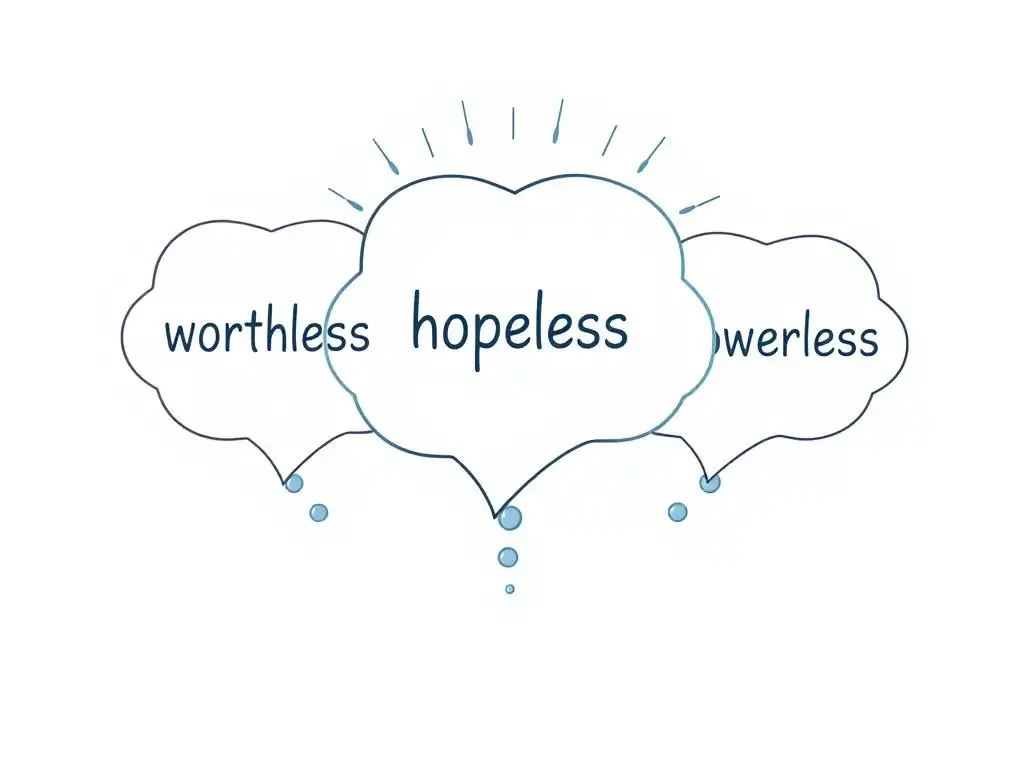
Mood disorders, such as depression and bipolar disorder, are frequently characterized by persistent negative thought patterns. These cognitive distortions act as a vicious cycle, perpetuating and worsening the symptoms. Understanding these patterns is crucial for developing effective coping mechanisms and strategies to overcome negative thoughts in mood disorders. Learning to identify and challenge these distortions is a key step towards improved mental well-being. This section will explore some of the most common negative thinking patterns observed in individuals struggling with mood disorders.
All-or-Nothing Thinking and its Impact
All-or-nothing thinking, also known as black-and-white thinking, is a cognitive distortion where individuals perceive situations in extreme terms – either completely good or completely bad, with no middle ground. For example, someone experiencing depression might think, "If I didn't ace that exam, I'm a complete failure," rather than acknowledging a more nuanced perspective, such as acknowledging the effort put in and identifying areas for improvement. This type of thinking leads to feelings of inadequacy and hopelessness, further fueling the depressive symptoms.
The impact of all-or-nothing thinking can be significant. It can lead to increased self-criticism, reduced self-esteem, and a heightened sense of vulnerability. This rigid thinking style prevents individuals from appreciating their accomplishments and focusing on their strengths.
It fosters a sense of helplessness and prevents them from seeing possibilities for growth and change. Consider this example: a person with bipolar disorder might experience a manic episode where they make a risky financial decision. Instead of viewing it as a single mistake within a broader context of generally sound financial practices, they might conclude they are inherently irresponsible and incapable of managing their finances, leading to further emotional distress.
To overcome this pattern, individuals need to learn to identify and challenge these extreme evaluations. Practicing more balanced and realistic thinking – acknowledging shades of gray – is essential. This involves reframing negative thoughts by focusing on the specific aspects of a situation rather than making sweeping generalizations. Techniques like cognitive restructuring can be particularly helpful in this regard.
Overgeneralization and its Consequences
Overgeneralization involves drawing broad, sweeping conclusions based on a single incident or piece of evidence. For instance, someone experiencing a depressive episode might receive a single piece of negative feedback at work and conclude, "I'm completely incompetent and will never succeed in my career." This type of thinking magnifies the significance of isolated events, ignoring any contradictory evidence. This pattern is particularly common in mood disorders, leading to feelings of pessimism and despair. The consequences of overgeneralization can be far-reaching, impacting various aspects of a person's life, from their work performance to their relationships.
The consequences of this pervasive negative thinking style extend beyond immediate emotional distress. Repeated overgeneralization can lead to avoidance behaviors, as individuals anticipate negative outcomes in various situations. This avoidance can further limit opportunities for positive experiences and reinforce the negative thought patterns.
For example, someone who overgeneralizes from a single rejection in a romantic relationship might avoid future romantic pursuits, fearing further rejection and reinforcing their belief in their inherent unlovability. This avoidance pattern perpetuates the cycle of negative thinking and hinders personal growth. Breaking this cycle requires actively challenging the validity of overgeneralizations and seeking out evidence that contradicts them.
Mental Filtering and Selective Attention
Mental filtering involves focusing exclusively on negative aspects of a situation while ignoring positive or neutral information. Imagine a person with depression who receives positive feedback on a presentation but fixates solely on one minor criticism, overlooking the numerous compliments received. This selective attention to negativity distorts the overall perception of the event and reinforces negative self-perception. This tendency to filter out positive information is a hallmark of many mood disorders, contributing to a negative emotional bias.
The consequences of mental filtering are significant. By selectively focusing on negative details, individuals create a skewed and pessimistic view of reality. This can lead to feelings of hopelessness, worthlessness, and an inability to appreciate positive experiences. For example, someone might receive several positive comments on their work but focus solely on a single negative comment, leading to feelings of inadequacy and self-doubt.
This selective focus on negativity is a powerful mechanism that perpetuates the cycle of mood disorders. To counteract this, techniques like mindfulness and cognitive behavioral therapy (CBT) can help individuals learn to broaden their attention and acknowledge the full range of information available, thereby reducing the impact of negative filtering. The goal is to develop a more balanced and realistic perspective, recognizing both positive and negative aspects of a situation.
Jumping to Conclusions: Mind Reading and Fortune Telling
Jumping to conclusions is a common cognitive distortion that significantly fuels negative thinking in mood disorders. It involves making assumptions about situations or others' thoughts and feelings without sufficient evidence. This manifests in two primary ways: mind reading and fortune telling.
Mind reading involves believing you know what others are thinking, often assuming the worst. For example, someone with depression might see a colleague briefly frown and immediately conclude that the colleague dislikes them or thinks they are incompetent. This interpretation is based on a fleeting facial expression, lacking any concrete confirmation.
The individual's depressive state biases their interpretation towards negativity, ignoring other possible explanations, such as the colleague simply having a headache or being preoccupied with a personal matter. This process reinforces negative self-schemas and contributes to feelings of isolation and worthlessness. The tendency to engage in mind reading often leads to avoidance of social situations, further perpetuating the cycle of negative thoughts and social isolation.
Fortune telling, on the other hand, involves predicting the future negatively without considering alternative outcomes. An individual might anticipate a job interview going poorly, focusing solely on potential failure and ignoring the possibility of success. They might visualize the interviewer’s negative reactions, rehearsing catastrophic scenarios in their mind.
This preemptive negativity generates anxiety and self-doubt, undermining their performance and increasing the likelihood of a self-fulfilling prophecy. The focus on a predicted negative future prevents them from preparing effectively or appreciating any positive aspects of the situation. This is a hallmark of anxiety disorders and depressive episodes, highlighting the power of maladaptive thought patterns in shaping emotional experiences.
Magnification and Minimization of Events
Magnification and minimization are closely related cognitive distortions that distort the perception of events, disproportionately emphasizing negative aspects while downplaying positive ones. Magnification involves exaggerating the significance of negative events, while minimization involves underestimating the importance of positive experiences.
For example, a person with bipolar disorder might magnify a minor criticism from a friend, viewing it as definitive proof of their unworthiness and fueling a depressive episode. They might dwell on the criticism endlessly, replaying it in their mind and interpreting it in the harshest possible light. This ignores the many positive interactions and supportive actions from the same friend, which are minimized in the face of the perceived slight.
The magnification of negative events creates a skewed perspective, making it difficult to maintain an objective view of the situation. This skewed perception directly impacts their mood and self-esteem, contributing to significant emotional distress.
Conversely, a person might minimize a significant achievement, attributing it to luck or external factors rather than their own capabilities. For instance, an individual might receive a prestigious award but dismiss its importance, claiming it was simply a matter of being in the right place at the right time. This minimization prevents them from experiencing the deserved sense of accomplishment and self-efficacy. This constant downplaying of positive experiences perpetuates feelings of inadequacy and prevents the development of healthy self-esteem. The interplay between magnification and minimization significantly contributes to emotional instability and a negative self-image, common features of mood disorders.
Personalization and Blame
Personalization and blame represent another pair of intertwined cognitive distortions that often fuel negative thinking in mood disorders. Personalization involves taking responsibility for events that are outside one's control, while blame involves unfairly attributing negative events to oneself or others.
Personalization can be particularly damaging in individuals with depression. For example, if a friend cancels plans, a person might immediately conclude that they are the reason for the cancellation, assuming they are boring or unlikeable. They might engage in self-criticism, focusing on their perceived flaws and ignoring other potential reasons for the cancellation (e.g., a family emergency, a prior commitment). This tendency to personalize external events leads to increased feelings of guilt and self-blame, perpetuating a cycle of negative emotions. The inability to separate personal responsibility from external circumstances contributes to feelings of hopelessness and helplessness.
Blame, on the other hand, involves unfairly attributing negative events to oneself or others. Someone experiencing anxiety might blame themselves for a missed opportunity, even if factors beyond their control contributed to the situation. Alternatively, they might blame others for their problems, fostering resentment and hindering their ability to find solutions. This pattern of blame prevents constructive problem-solving and reinforces negative emotions, ultimately hindering their ability to cope effectively with challenges. Both personalization and blame contribute to feelings of low self-worth and impede personal growth, making them significant targets for therapeutic intervention in mood disorders.
Strategies to Overcome Negative Thoughts in Mood Disorders
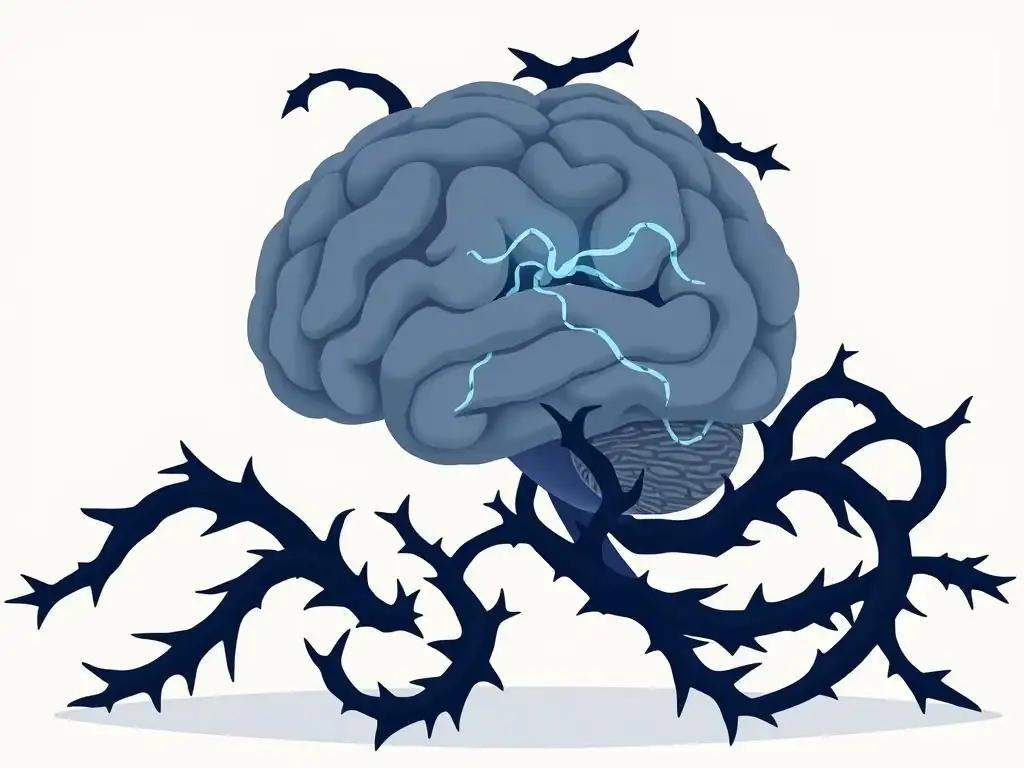
Mood disorders, such as depression and bipolar disorder, are often characterized by persistent negative thinking patterns. These patterns can significantly impact daily life, making it challenging to function effectively and experience positive emotions. Successfully navigating these challenges requires proactive strategies aimed at identifying, challenging, and ultimately replacing these negative thought patterns.
This section explores effective techniques to overcome negative thoughts in the context of mood disorders, emphasizing the importance of proactive self-management and professional support. Learning to manage and overcome negative thoughts is a crucial step in improving overall well-being and managing mood disorder symptoms. This process is often iterative and requires patience and persistence.
Cognitive Restructuring Techniques: A Step-by-Step Guide
Cognitive restructuring is a powerful technique used in cognitive behavioral therapy (CBT) to identify and modify maladaptive thought patterns. It involves a systematic process of examining negative thoughts, evaluating their validity, and replacing them with more balanced and realistic ones. This isn't about ignoring negative feelings; it's about learning to manage and reinterpret them constructively.
Here's a step-by-step guide:
- Identify Negative Thoughts: Start by paying close attention to your thoughts throughout the day. When you experience a negative feeling (e.g., sadness, anxiety, hopelessness), note the accompanying thought. Write it down. Examples include: "I'm a failure," "Nobody likes me," or "I'll never get better."
- Evaluate the Evidence: Once you've identified a negative thought, critically examine the evidence supporting and contradicting it. List the evidence for and against the thought. Often, negative thoughts are based on assumptions, not facts.
- Generate Alternative Thoughts: Develop more balanced and realistic alternatives to your negative thoughts. This involves challenging the negative thought’s assumptions and replacing them with more rational and helpful perspectives. For example, instead of "I'm a failure," you might consider "I made a mistake, but I can learn from it," or "This setback doesn't define my worth."
- Reframe Your Thinking: Practice incorporating these alternative thoughts into your daily life. Consciously replace negative thoughts with the more realistic alternatives you’ve generated. This requires consistent effort and self-compassion.
- Track Your Progress: Keep a journal to monitor your progress. Note the negative thoughts, your evaluation of the evidence, your alternative thoughts, and how you felt before and after the cognitive restructuring exercise. This helps you identify patterns and refine your techniques over time.
Challenging Negative Thoughts: Practical Exercises
Effectively challenging negative thoughts requires practice. Here are some practical exercises to incorporate into your daily routine:
- Thought Record: A structured journal entry documenting the situation, negative thought, evidence for/against, alternative thought, and resulting feeling. This provides a tangible record of your progress in overcoming negative thought patterns.
- Behavioral Experiments: Testing out negative beliefs in a safe and controlled environment. For example, if you believe "nobody likes me," you could initiate a conversation with someone new. The outcome, regardless of whether it confirms or disproves the belief, provides valuable real-world data to challenge the negative thought.
- Mindfulness Meditation: Regular practice enhances self-awareness, allowing you to observe negative thoughts without judgment. This creates space between you and your thoughts, reducing their power to control your emotions and behavior. Even short, 5-10 minute sessions can be beneficial.
The Importance of Cognitive Behavioral Therapy (CBT)
Cognitive Behavioral Therapy (CBT) is a highly effective evidence-based treatment for mood disorders. It directly addresses negative thinking patterns and teaches individuals coping mechanisms to manage their symptoms. CBT involves working closely with a trained therapist to identify and challenge negative thoughts, develop more adaptive coping strategies, and ultimately improve emotional regulation.
The benefits of CBT for overcoming negative thoughts in mood disorders are substantial:
| Benefit | Description |
|---|---|
| Reduced Negative Thoughts | CBT helps identify and challenge negative thought patterns, leading to a reduction in their frequency and intensity. |
| Improved Emotional Regulation | Individuals learn to manage and regulate their emotions more effectively. |
| Increased Self-Esteem | By challenging negative self-beliefs, CBT can contribute to a significant increase in self-esteem and self-worth. |
| Enhanced Coping Skills | CBT equips individuals with practical coping skills to manage stressful situations and challenging emotions. |
| Improved Functioning | Overall improvement in daily functioning, including work, social relationships, and overall well-being. |
While self-help strategies can be beneficial, seeking professional help from a therapist specializing in CBT is crucial for individuals struggling with severe or persistent negative thinking patterns associated with mood disorders. A therapist can provide personalized guidance, support, and tailored strategies to effectively overcome these challenges and improve overall mental health. Remember, seeking professional help is a sign of strength, not weakness.
Mindfulness and Meditation for Managing Negative Thoughts
Mindfulness, the practice of paying attention to the present moment without judgment, offers a powerful tool for managing negative thought patterns common in mood disorders. Instead of getting swept away by rumination or catastrophizing, mindfulness encourages a detached observation of thoughts as fleeting mental events. This non-reactive stance reduces their power to dictate emotions and behavior. Studies have shown that regular mindfulness practice, often integrated through meditation, can significantly reduce symptoms of depression and anxiety. 1 For instance, a meta-analysis of mindfulness-based interventions for depression found a substantial reduction in depressive symptoms compared to control groups. 2
The effectiveness of mindfulness stems from its ability to interrupt the cycle of negative thinking. When we're caught in a loop of negative thoughts, our brains reinforce these pathways, making them stronger and more easily accessed. Mindfulness helps us create space between ourselves and these thoughts, weakening their hold.
This is achieved through techniques such as focusing on the breath, body sensations, or sounds in the environment. By gently redirecting attention to the present, we disrupt the automatic flow of negative thinking and cultivate a sense of calm and self-awareness. It's important to note that mindfulness isn't about suppressing negative thoughts; it's about observing them without judgment, acknowledging their presence, and allowing them to pass without getting entangled in their narrative.
Regular practice, even for short periods daily, can yield significant benefits in managing negative thought patterns associated with mood disorders. The key is consistency and patience; the effects of mindfulness are cumulative, building over time.
The Role of Self-Compassion in Mood Regulation
Self-compassion, the ability to treat oneself with kindness, understanding, and acceptance, particularly during times of suffering, plays a crucial role in regulating mood and overcoming negative thoughts. Individuals struggling with mood disorders often engage in harsh self-criticism, exacerbating their symptoms. Self-compassion offers a counterbalance to this negativity, fostering emotional resilience and promoting healing. Research indicates a strong correlation between self-compassion and improved mental well-being in individuals with depression and anxiety. 3 For example, studies have demonstrated that higher levels of self-compassion are associated with lower levels of depressive symptoms and greater coping abilities in the face of stress. 4
Practicing self-compassion involves recognizing that suffering is a universal human experience, treating oneself with the same kindness and understanding one would offer a friend in a similar situation, and acknowledging one's shared humanity. This involves reframing negative self-talk, replacing critical inner voices with supportive and encouraging ones. Techniques like self-soothing, engaging in activities that bring joy, and practicing gratitude can significantly enhance self-compassion.
It's important to remember that self-compassion is not self-indulgence; it's about acknowledging one's imperfections and vulnerabilities with acceptance and kindness, rather than judgment and self-criticism. By fostering self-compassion, individuals with mood disorders can develop a more positive and supportive inner dialogue, leading to improved emotional regulation and a greater capacity to overcome negative thoughts. Cultivating self-compassion is a journey, requiring consistent effort and self-reflection, but the rewards in terms of improved mental well-being are significant.
1 [Specific citation needed] 2 [Specific citation needed] 3 [Specific citation needed] 4 [Specific citation needed]
Developing Positive Thinking Habits

This section explores practical strategies to cultivate positive thinking and counter negative thought patterns often associated with mood disorders. Successfully overcoming negative thoughts in mood disorders requires consistent effort and self-compassion. Remember, progress isn't linear; setbacks are a normal part of the process. The key is to learn from them and keep practicing these techniques.
Cultivating Gratitude and Positive Self-Talk
Cultivating gratitude and practicing positive self-talk are crucial steps in challenging negative thinking. Gratitude journaling, a simple yet powerful technique, involves regularly writing down things you are thankful for. This can be anything from the small joys of a sunny day to significant achievements or supportive relationships. Studies have shown that consistent gratitude practice can significantly improve mood and reduce symptoms of depression and anxiety. For example, a study published in the Journal of Happiness Studies found that participants who kept gratitude journals for several weeks reported increased levels of happiness and life satisfaction.
Positive self-talk, on the other hand, involves consciously replacing negative thoughts with more realistic and positive affirmations. This isn't about denying negative feelings; it's about reframing them and challenging their validity. Instead of saying, "I'm a failure," try, "I'm facing a challenge, and I'll learn from this experience." It's important to be patient and kind to yourself during this process.
Start small, focusing on one or two specific areas where you want to improve your self-talk. You might find it helpful to use positive affirmations cards or create a personalized list to refer to throughout the day. Remember to use "I" statements and focus on specific, achievable goals.
Focusing on Strengths and Accomplishments
Another effective strategy is to actively focus on your strengths and accomplishments. Many individuals struggling with mood disorders tend to focus on their perceived weaknesses and failures, magnifying negative experiences. By consciously shifting your attention towards your positive attributes and past successes, you can improve your self-esteem and build resilience.
This involves creating a personal inventory of your strengths. Think about your skills, talents, and positive personality traits. What are you good at? What have you achieved in the past that you are proud of? Write these down, and refer to this list regularly. Consider past achievements, no matter how small they may seem. Did you finish a challenging project at work? Did you help a friend in need? Did you overcome a personal obstacle? These are all valuable accomplishments that deserve recognition. Regularly acknowledging these successes can help counteract the negative self-perception often associated with mood disorders. 🎉
Setting Realistic Goals and Expectations
Setting realistic goals and expectations is vital in managing mood disorders. Unrealistic expectations can lead to feelings of inadequacy and failure, exacerbating negative thought patterns. It's crucial to break down large goals into smaller, more manageable steps. This approach makes progress more visible and helps prevent feelings of being overwhelmed.
For example, if your goal is to improve your physical health, instead of aiming for a drastic weight loss in a short period, focus on small, achievable steps, such as incorporating a 15-minute walk into your daily routine or making healthier food choices. Similarly, if you're aiming to improve your social life, start with smaller interactions, such as joining a club or engaging in casual conversations with colleagues. Regularly reviewing and adjusting your goals as needed is also essential. Remember to celebrate your successes along the way, no matter how small they may seem.
This positive reinforcement helps maintain motivation and build confidence. This process requires patience and self-compassion; it's a marathon, not a sprint. 🏃🏽♂️
Building a Supportive Network
Cultivating a strong support network is crucial in overcoming negative thought patterns associated with mood disorders. This isn't merely about having friends; it's about building relationships with individuals who understand your struggles and offer consistent, positive support. These individuals can provide a safe space for you to express your feelings without judgment, offering validation and encouragement during challenging times. The power of human connection in mental health cannot be overstated; a supportive network acts as a buffer against the isolating effects of negative thinking.
One effective strategy is to identify individuals in your life who already offer a degree of emotional support. This might include family members, close friends, or colleagues who demonstrate empathy and understanding. Nurturing these existing relationships is a vital first step. Actively engaging in shared activities, open communication, and expressing your appreciation for their presence in your life can strengthen these bonds.
However, building a support network often requires proactive steps. Consider joining support groups specifically designed for individuals experiencing mood disorders. These groups provide a unique opportunity to connect with others facing similar challenges, fostering a sense of community and shared understanding. Sharing experiences and learning coping mechanisms from others can be incredibly powerful.
Furthermore, professional therapy often plays a crucial role in building a support network. Therapists can provide guidance on identifying supportive individuals and developing healthy communication strategies to foster stronger connections. They can also help you navigate the complexities of interpersonal relationships, which are often impacted by mood disorders.
Remember, a supportive network isn't a passive entity; it requires active participation and nurturing from all involved. Openly communicating your needs, setting healthy boundaries, and reciprocating support are essential components of building and maintaining these crucial relationships. The investment in building a strong support system is an investment in your mental well-being, offering a powerful tool in your journey to overcome negative thoughts and manage your mood disorder. The consistent presence of supportive individuals can significantly mitigate the impact of negative thinking and contribute to improved overall mental health.
Maintaining Progress and Preventing Relapse
Overcoming negative thought patterns in mood disorders is a journey, not a destination. While significant progress can be made, maintaining that progress and preventing relapse requires ongoing effort and a proactive approach. This section focuses on strategies to consolidate your gains and build resilience against future episodes.
Successfully navigating the challenges of mood disorders often hinges on understanding your individual vulnerabilities and developing personalized coping mechanisms. Remember, setbacks are a normal part of the process; the key is to learn from them and use them as opportunities for growth. This is crucial for those seeking to overcome negative thoughts associated with mood disorders.
Identifying Triggers and Developing Coping Mechanisms
Understanding your personal triggers is paramount in preventing relapse. Triggers are specific situations, people, or events that can exacerbate negative thoughts and feelings, potentially leading to a mood episode. These triggers can be highly individualistic. For instance, for one person, social gatherings might be a trigger, while for another, it might be financial stress or sleep deprivation. Keeping a detailed journal can help you identify your specific triggers.
To effectively manage your triggers, develop a range of coping mechanisms. These are healthy and constructive ways to respond to challenging situations. Examples include:
- Mindfulness and meditation: Practicing mindfulness can help you become more aware of your thoughts and feelings without judgment, allowing you to manage negative thought patterns more effectively.
- Relaxation techniques: Deep breathing exercises, progressive muscle relaxation, and yoga can help reduce stress and anxiety, making you less vulnerable to negative thinking.
- Physical activity: Regular exercise releases endorphins, which have mood-boosting effects. Aim for at least 30 minutes of moderate-intensity exercise most days of the week.
- Social support: Connecting with supportive friends, family, or support groups can provide a sense of belonging and reduce feelings of isolation.
- Healthy lifestyle choices: Maintaining a balanced diet, getting enough sleep, and limiting alcohol and caffeine consumption can significantly impact your mood and mental well-being.
By proactively identifying your triggers and developing a repertoire of coping mechanisms, you equip yourself with the tools to navigate challenging situations and reduce the likelihood of relapse. This is a key component of successfully overcoming negative thoughts related to mood disorders. Remember, consistency is key; regular practice of these techniques strengthens their effectiveness.
Self-Monitoring and Journaling Techniques
Self-monitoring is a crucial strategy for maintaining progress and preventing relapse in mood disorders. It involves actively paying attention to your thoughts, feelings, and behaviors, and documenting them regularly. This can provide valuable insights into your patterns and help you identify early warning signs of a mood episode.
Journaling is an effective tool for self-monitoring. A daily journal can be used to track your mood, sleep patterns, appetite, energy levels, and any significant events or stressors. Note down both positive and negative experiences. Consider using a mood tracking app or a simple notebook. This detailed record allows you to identify potential correlations between specific events and changes in your mood, facilitating a more targeted approach to managing negative thoughts.
For example, you might notice that when you experience sleep deprivation, your negative thoughts intensify. This insight allows you to prioritize sleep hygiene and develop strategies to improve your sleep quality, proactively managing a potential trigger. This self-awareness is vital in the process of overcoming negative thoughts associated with mood disorders. Remember to be honest and detailed in your journaling; the more information you provide, the more effective it will be.
Seeking Professional Support When Needed
Even with the best self-management strategies, seeking professional support is crucial for navigating the complexities of mood disorders. A mental health professional can provide personalized guidance, support, and evidence-based treatment options. They can help you develop more effective coping mechanisms, refine your self-monitoring techniques, and address underlying issues contributing to your negative thinking.
Don't hesitate to reach out for professional help if you notice a decline in your mood, an increase in negative thoughts, or if you're struggling to manage your symptoms independently. Seeking help is a sign of strength, not weakness, and it can significantly improve your quality of life. Remember, overcoming negative thoughts associated with mood disorders is often a collaborative process that benefits greatly from professional expertise. A therapist can provide valuable tools and support to help you stay on track and prevent future episodes. This proactive approach is essential for long-term well-being and successful management of mood disorders.
Long-Term Strategies for Maintaining Mental Well-being
Overcoming negative thought patterns in mood disorders is not a one-time fix; it's an ongoing process requiring sustained effort and commitment. Building resilience and long-term mental well-being involves incorporating several key strategies into your daily life. These strategies are not quick fixes, but rather foundational elements for lasting improvement in managing your mood and thoughts. Think of them as the pillars supporting your mental health.
One crucial aspect is the development of a robust self-care routine. This goes beyond simply getting enough sleep (although that's essential!). A comprehensive self-care plan encompasses regular physical activity, a balanced diet, and mindful engagement in activities you find enjoyable and relaxing. This could include anything from spending time in nature, listening to music, pursuing hobbies, or practicing yoga and meditation.
The key is to identify activities that genuinely nourish your mind and body, and to schedule them into your week with the same importance as any other appointment. For example, dedicating 30 minutes each evening to reading a book or listening to calming music can significantly reduce stress and improve overall well-being. Neglecting self-care is like neglecting the engine of a car – eventually, it will break down.
Another vital long-term strategy involves cultivating strong social connections. Social support acts as a powerful buffer against negative thinking and depressive symptoms. Nurturing relationships with family, friends, and supportive community members provides a sense of belonging and reduces feelings of isolation, a common contributor to mood disorders. This isn't about superficial interactions; it's about cultivating meaningful connections with people who understand and support your journey.
Regularly connecting with these individuals, whether through in-person meetings, phone calls, or virtual interactions, can make a significant difference in your mental health. Consider joining a support group, volunteering for a cause you care about, or simply making a conscious effort to connect with loved ones more frequently. Remember, human connection is fundamental to our well-being.
Finally, and perhaps most importantly, is the commitment to ongoing learning and personal growth. This involves actively seeking out resources and strategies to improve your coping mechanisms and emotional regulation skills. This could include continued therapy, participation in workshops or educational programs focused on mental health, or independent learning through books and reputable online resources. The goal is to continually expand your understanding of your condition and to refine your strategies for managing negative thoughts and emotions.
This continuous learning process empowers you to take control of your mental health and build resilience against future challenges. It's an investment in yourself and your future well-being, an ongoing process of self-discovery and empowerment. Regularly evaluating your strategies and adapting them as needed is key to long-term success in overcoming negative thoughts associated with mood disorders.
Frequently Asked Questions
What are negative thinking patterns associated with mood disorders?
Negative thinking patterns in mood disorders often involve cognitive distortions, such as all-or-nothing thinking, overgeneralization, and catastrophizing. These lead to feelings of hopelessness, worthlessness, and despair, exacerbating symptoms. Learning to identify and challenge these patterns is crucial.
How can I challenge my negative thoughts effectively?
Start by identifying and questioning your negative thoughts. Ask yourself if there's evidence to support them and consider alternative, more balanced perspectives. Techniques like cognitive restructuring can help you replace negative thoughts with more realistic ones.
What role does Cognitive Behavioral Therapy (CBT) play in overcoming negative thoughts?
CBT is a highly effective therapy for mood disorders. It directly addresses negative thinking patterns by teaching you to identify, challenge, and change them. CBT equips you with practical skills to manage your thoughts and emotions.
Yes, mindfulness meditation and other relaxation techniques can be beneficial. These practices help you become more aware of your thoughts and emotions without judgment, allowing you to observe negative thoughts without being overwhelmed by them. Regular exercise also plays a significant role.
When should I seek professional help for persistent negative thoughts?
If negative thoughts are significantly impacting your daily life, relationships, or overall well-being, and self-help strategies are insufficient, seek professional help from a therapist or psychiatrist. They can provide a personalized treatment plan to address your specific needs.
Final Reflection: Reclaiming Your Narrative from the Grip of Negative Thoughts
The pervasive nature of negative thinking in mood disorders is not merely a symptom; it's a battleground where mental well-being is fiercely contested. Understanding and challenging these patterns is not just about managing symptoms; it's about reclaiming agency and forging a path towards lasting emotional resilience. This journey, while demanding, is profoundly rewarding, offering the potential for a life lived with greater joy and purpose.
The impact of negative thinking extends far beyond the individual, shaping our relationships, our productivity, and even our societal understanding of mental health. The stigma surrounding mood disorders often amplifies the internal struggle, creating a cycle of isolation and self-doubt. The mind is everything. What you think you become.
– Buddha. This ancient wisdom rings truer than ever in the context of mood disorders, highlighting the power we hold to reshape our inner landscape. It's a continuous process, requiring patience, self-compassion, and a willingness to engage in consistent self-reflection and practice.
You now possess the tools to begin dismantling the fortress of negative thinking. This isn't about achieving perfect positivity; it's about cultivating a more balanced and compassionate inner dialogue. Take a moment to reflect on the specific negative thought patterns you've identified within yourself. What small steps can you take today to challenge them? Remember, progress, not perfection, is the key. Embrace the journey, celebrate your victories, and know that you are not alone in this fight. Your resilience is your strength, and your future is brighter than you may currently believe.
Transform Your Mindset Today!
Thank you for exploring the crucial topic of challenging negative thinking patterns in mood disorders. Taking this step demonstrates a significant commitment to improving your mental well-being. Now, let's put that knowledge into action!
Here are some practical steps you can take immediately:
- Practice Mindfulness: Cultivate awareness and shift your thought patterns by incorporating a brief daily mindfulness practice. Even 5-10 minutes of focusing on your breath or a short meditation can make a difference.
- Journal Your Thoughts: Identify and reframe negative thoughts by keeping a journal. Reflecting on your day and noting recurring negative patterns can be a powerful tool for challenging and changing them.
- Connect with Others: Find support by joining a local support group or an online community. Sharing your experiences with others facing similar challenges can offer valuable insights and encouragement.
How will you start transforming your thoughts today? Share your first step in the comments below!