
Operant Conditioning: The Importance of Consistency in Behavior Modification


Unravel the mysteries of the human mind with Psychology Basics. Are you curious about how behaviors are learned and modified? Then delve into the fascinating world of operant conditioning. Discover why consistent operant conditioning techniques are crucial for effective behavior modification – and unlock the secrets to shaping behavior in this insightful exploration of behavioral theories. Prepare to be amazed by what you learn!
- Understanding Operant Conditioning and its Principles
- The Crucial Role of Consistency in Operant Conditioning Techniques
- Implementing Consistent Operant Conditioning Strategies
- Consistent Operant Conditioning Techniques in Real-World Scenarios
- Measuring the Effectiveness of Consistent Operant Conditioning
- Potential Pitfalls and Ethical Considerations of Consistent Operant Conditioning
-
Frequently Asked Questions
- What is operant conditioning?
- Why is consistency crucial in operant conditioning techniques?
- What are some examples of consistent operant conditioning techniques?
- How does inconsistent application of operant conditioning affect learning?
- Can you provide examples of inconsistent operant conditioning?
- Final Reflection: Shaping Behavior, Shaping Futures
- **Unlock Your Potential: Embrace Consistent Change! **
Understanding Operant Conditioning and its Principles
Operant conditioning, a cornerstone of behavioral psychology, explains how we learn through consequences. Unlike classical conditioning, which focuses on associating stimuli, operant conditioning centers on the relationship between our actions and their outcomes. This article delves into the crucial role of consistency in applying operant conditioning techniques, exploring how consistent reinforcement and punishment strategies lead to more effective and lasting behavior modification.
We will examine the different types of reinforcement and punishment, providing real-world examples to illustrate their application and highlighting the ethical considerations involved. Understanding the principles of consistent operant conditioning is vital for anyone interested in behavior change, whether in educational settings, therapeutic interventions, or personal self-improvement. Mastering these techniques requires a nuanced approach, recognizing the power of consistency in shaping behavior effectively and responsibly.
This understanding is crucial for achieving sustainable positive change and avoiding unintended negative consequences. This exploration of consistent operant conditioning techniques will equip you with the knowledge to apply these principles effectively and ethically.
The Basics of Reinforcement and Punishment
Operant conditioning hinges on two fundamental processes: reinforcement and punishment. Reinforcement increases the likelihood of a behavior being repeated, while punishment decreases it. These processes can be further categorized into positive and negative forms. Positive reinforcement involves adding a desirable stimulus to increase a behavior, such as giving a child a candy for completing their homework.
Negative reinforcement involves removing an undesirable stimulus to increase a behavior, such as stopping a nagging sound when a child cleans their room. Conversely, positive punishment involves adding an undesirable stimulus to decrease a behavior, for instance, giving a child extra chores for misbehaving. Negative punishment involves removing a desirable stimulus to decrease a behavior, such as taking away a child's video game privileges for poor grades.
The effectiveness of both reinforcement and punishment is significantly impacted by their consistency. Inconsistent application can lead to confusion and ultimately hinder the learning process. Think of it like this: if a dog is sometimes rewarded for sitting and sometimes ignored, it will be less likely to learn the command reliably compared to a dog consistently rewarded for the same behavior.
Positive and Negative Reinforcement: Examples and Applications
Let's delve into specific examples of positive and negative reinforcement and how consistency enhances their effectiveness. Positive reinforcement, arguably the most widely used technique, is highly effective when applied consistently. For instance, a consistent reward system in a classroom, where students receive praise or small prizes for completing assignments on time, cultivates positive learning habits. Similarly, in employee training, consistent positive feedback and rewards for achieving targets improve performance and motivation.
The key is to provide reinforcement immediately following the desired behavior to maximize its impact. Negative reinforcement, while often misunderstood, can also be highly effective when implemented consistently. For example, consider a person learning to manage their anxiety.
Through consistent practice of relaxation techniques, they learn to reduce their anxiety (removing the unpleasant stimulus), thereby reinforcing the use of these techniques. Inconsistent application of both positive and negative reinforcement can lead to learned helplessness or erratic behavior, highlighting the importance of a structured and reliable approach. The consistent application of these techniques is key to developing strong habits and modifying behavior effectively.
Positive and Negative Punishment: Effective and Ethical Use
Positive and negative punishment, while less desirable than reinforcement, can be used effectively and ethically with consistent application. Positive punishment, such as adding extra chores for breaking a rule, should always be used judiciously and in conjunction with positive reinforcement to avoid creating resentment or fear. Consistency is crucial here; if the punishment is applied inconsistently, the child may not understand the consequence of their actions. Negative punishment, such as removing screen time for misbehavior, can be an effective strategy if implemented fairly and consistently.
The key is to ensure that the punishment is directly related to the misbehavior and that the child understands the reason behind it. Moreover, the ethical considerations regarding punishment should always be prioritized. Excessive or harsh punishment can be detrimental to a child's well-being and should be avoided at all costs.
The focus should always be on teaching appropriate behavior through positive reinforcement and providing clear, consistent consequences for undesirable actions. The goal is behavior modification, not retribution. Therefore, consistent application of punishment, when used, must be paired with clear communication and positive reinforcement strategies to ensure ethical and effective results.
The Crucial Role of Consistency in Operant Conditioning Techniques

Consistent application of operant conditioning techniques is paramount for effective behavior modification. The principles of reinforcement and punishment, while seemingly simple, rely heavily on predictability to shape behavior. Without consistency, the learning process becomes muddled, leading to unpredictable outcomes and potentially hindering progress. This section will explore the critical role of consistency in achieving desired behavioral changes using operant conditioning. We will examine how consistent reinforcement strengthens desired behaviors and how inconsistent application weakens them, ultimately impacting the overall effectiveness of the intervention. Understanding this crucial aspect is key to successfully applying consistent operant conditioning techniques.
Why Consistency Matters: Building Reliable Associations
Consistency in operant conditioning fosters reliable associations between behaviors and their consequences. When a desired behavior is consistently followed by a reinforcer (positive or negative), the individual learns to associate the behavior with the positive outcome. This creates a strong, predictable link, making the behavior more likely to be repeated. For example, a child who consistently receives praise for completing their homework (positive reinforcement) will be more likely to complete their homework in the future.
Conversely, consistently removing an aversive stimulus after a desired behavior (negative reinforcement), such as allowing a child to leave an unpleasant task after completing their chores, also strengthens the desired behavior. The predictability of the consequences is what drives the learning process. Inconsistent reinforcement, on the other hand, weakens this association, making it harder for the individual to learn the desired behavior.
Inconsistent Reinforcement: Weakening Desired Behaviors
Inconsistent reinforcement undermines the learning process. Imagine a dog being rewarded with a treat for sitting only sometimes. The dog will quickly learn that sitting doesn't always lead to a treat, making the behavior less reliable.
This is known as partial reinforcement, and while it can initially be effective in maintaining a behavior, inconsistent schedules of reinforcement often lead to slower learning and less robust behavior change. The dog may exhibit the behavior less frequently or even stop exhibiting it altogether. This is because the lack of predictable consequences reduces the strength of the association between the behavior and the reward.
Data from numerous studies on animal learning clearly demonstrates this effect. The unpredictability creates ambiguity, making it difficult for the subject to reliably connect the action with the outcome. This applies equally to humans; inconsistent praise for good behavior, for instance, can lead to decreased motivation and a weakening of the desired behavior.
The Impact of Inconsistent Punishment: Creating Confusion and Anxiety
Inconsistent punishment is even more problematic than inconsistent reinforcement. While punishment aims to decrease the likelihood of a behavior, inconsistent application can lead to confusion and anxiety. If a child is sometimes punished for misbehaving and sometimes not, they will struggle to understand which behaviors are truly unacceptable. This inconsistency can cause distress, as the child is unable to predict the consequences of their actions.
Furthermore, inconsistent punishment can actually lead to an increase in undesired behaviors. The child might become more defiant, testing the limits of the inconsistent discipline. This is because the unpredictable nature of the punishment creates an environment of uncertainty and fear, rather than clear expectations and consequences.
Effective punishment, like reinforcement, requires consistency to be truly effective in modifying behavior. Studies have shown a direct correlation between inconsistent disciplinary measures and increased behavioral problems in children. This highlights the importance of establishing clear, consistent rules and consequences for any behavior modification strategy.
Implementing Consistent Operant Conditioning Strategies
This section delves into the practical application of consistent operant conditioning techniques, emphasizing the crucial role of regularity and predictability in achieving behavioral modification. Effective operant conditioning hinges on the consistent delivery of reinforcement and punishment, creating a clear and predictable relationship between behavior and consequences. Inconsistent application weakens the learning process, leading to unpredictable and unreliable behavioral changes. Therefore, understanding and implementing consistent strategies is paramount for success. We'll explore key aspects of maintaining consistency below.
Creating a Consistent Reinforcement Schedule: Frequency and Timing
The cornerstone of successful operant conditioning lies in the reinforcement schedule. This refers to the pattern and frequency with which reinforcement is delivered following a desired behavior. Inconsistency in this schedule significantly reduces the effectiveness of the conditioning process. For example, intermittently rewarding a child for completing homework assignments (e.g., sometimes giving praise, sometimes a small treat, sometimes nothing) will likely result in weaker learning than consistently rewarding the same behavior with the same type of reinforcement each time.
Several established reinforcement schedules exist, each with its own advantages and disadvantages concerning maintaining consistency. A continuous reinforcement schedule, where every instance of the target behavior is rewarded, is ideal for initial learning, establishing a strong association between behavior and consequence. However, it's less practical long-term. Intermittent reinforcement schedules, such as fixed-ratio, fixed-interval, variable-ratio, and variable-interval, are more sustainable and often lead to greater resistance to extinction. However, careful planning is needed to avoid inconsistencies within the chosen schedule.
Consider this example: A dog training program aiming to teach a "sit" command. A consistent approach would involve rewarding the dog with a treat every time it sits correctly initially (continuous reinforcement). Later, the trainer might switch to an intermittent schedule, such as rewarding the dog every third successful "sit" (fixed-ratio). The key is predictability within the chosen schedule. The dog needs to understand the pattern, even if it's not rewarded every time. Inconsistent application, where sometimes the dog is rewarded, and sometimes not, for the same behavior, will hinder learning and potentially confuse the animal.
Maintaining Consistency Across Environments: Generalization of Behavior
A critical aspect of consistent operant conditioning techniques is ensuring the learned behavior generalizes across different environments. If a behavior is only reinforced in a specific setting, it's unlikely to be performed consistently elsewhere. For example, a child who learns to be quiet and attentive in a classroom setting using positive reinforcement might continue to be disruptive at home if the same techniques aren't applied consistently in the home environment.
To foster generalization, it's crucial to implement consistent operant conditioning strategies across various contexts. This might involve collaborating with other caregivers, teachers, or relevant individuals to maintain a unified approach. The more consistent the environment in terms of reinforcement and consequences, the more likely the behavior will be performed reliably in various settings.
This concept is crucial in many applications, such as clinical settings where the goal is to help patients transfer learned skills from therapy sessions to their everyday lives. The more consistent the application of the principles across environments, the greater the likelihood of successful generalization. This often requires careful planning and coordination between different individuals involved in the individual's life.
Addressing Challenges in Maintaining Consistency: Dealing with Slip-Ups
Even with the most meticulous planning, inconsistencies can occur in the implementation of operant conditioning strategies. Life throws curveballs; unexpected events, fatigue, or lapses in attention can lead to inconsistent reinforcement or punishment. Acknowledging this possibility is crucial for success. It’s not about perfection, but about minimizing inconsistency and correcting errors promptly.
Dealing with slip-ups involves several strategies. First, self-monitoring is key. Keeping detailed records of reinforcement and punishment delivery can help identify patterns of inconsistency. Second, developing contingency plans for unexpected situations can help maintain a consistent approach.
For example, if a teacher anticipates a disruption in their classroom routine, they can have a backup plan in place to maintain the reinforcement schedule. Third, seeking support from colleagues, supervisors, or mentors can provide guidance and accountability. Finally, it's crucial to avoid punitive self-criticism after inconsistencies; instead, focus on learning from mistakes and adjusting the strategy accordingly. Consistent effort, coupled with a flexible approach to unexpected challenges, is essential for the long-term success of consistent operant conditioning techniques.
Consistent Operant Conditioning Techniques in Real-World Scenarios

Consistent application of operant conditioning principles is crucial for effective behavior modification across various contexts. Inconsistency undermines the learning process, leading to confusion and ultimately, failure to achieve desired behavioral changes. This section explores the practical application of consistent operant conditioning techniques in different real-world scenarios, highlighting the importance of maintaining a steadfast approach. Understanding and implementing these techniques effectively requires patience, dedication, and a clear understanding of reinforcement and punishment schedules. The core principle remains the same: consistent delivery of consequences following specific behaviors.
Consistent Operant Conditioning Techniques for Children's Behavior
Parenting often presents challenges in behavior management. A consistent approach using operant conditioning can significantly improve outcomes. For example, consider a child who consistently leaves their toys scattered around the house. Instead of sporadically scolding them, a consistent approach involves immediately and consistently removing privileges (a form of negative punishment) every time the toys are left scattered. This could involve limiting screen time or postponing a planned activity. Conversely, consistently praising and rewarding (positive reinforcement) the child when they tidy up their toys reinforces the desired behavior.
It's vital to avoid intermittent reinforcement, where rewards or punishments are given inconsistently. This can actually strengthen the undesirable behavior, as the child learns to persist despite occasional negative consequences. For instance, if a parent sometimes ignores the scattered toys and sometimes punishes the child, the child may continue the behavior, hoping for the times when it’s ignored.
Creating a clear system of rewards and consequences, communicated clearly to the child, is key. A reward chart with tangible rewards (stickers, small toys) can visually reinforce progress and motivate the child. Remember, consistency is paramount. Even small, consistent rewards are far more effective than occasional large ones. The goal is to establish a clear association between behavior and consequence.
Furthermore, focusing on positive reinforcement is generally more effective than punishment. Catch the child being good, praising desired behaviors like sharing or helping with chores. This strengthens positive behaviors and reduces the need for punitive measures. Remember to tailor the rewards and consequences to the child’s age and developmental stage.
Applying Consistent Operant Conditioning in Pet Training
Consistent operant conditioning is also highly effective in pet training. Consider house training a puppy. Inconsistency in rewarding appropriate bathroom behavior (positive reinforcement) outside and punishing accidents inside (negative punishment – cleaning up the mess without giving attention) will lead to confusion and prolonged house training. A consistent approach involves immediately rewarding the puppy with treats and praise every time they eliminate outside, while consistently cleaning up accidents without giving attention inside.
Another example is teaching a dog to sit. Using a consistent command ("sit") paired with a hand signal and immediately rewarding the dog with a treat when they perform the action correctly reinforces the desired behavior. Ignoring attempts at sitting that are not perfect, and only rewarding perfect sits, strengthens the correct response. Avoid giving treats for partially correct behaviors, as this can confuse the pet. The key is to be consistent in your cues, rewards, and timing. Delayed rewards are less effective than immediate ones.
The type of reinforcement also matters. For some pets, food rewards are highly motivating; for others, praise and petting might be more effective. Observe your pet and adjust your reinforcement strategy accordingly. Remember that punishment should be used sparingly and only as a last resort. Focus on positive reinforcement to create a positive learning experience and strengthen the bond between you and your pet.
Using Consistent Operant Conditioning in the Workplace
Consistent operant conditioning principles can significantly improve workplace performance and productivity. Implementing a consistent reward system for exceeding targets (positive reinforcement) can significantly motivate employees. This could involve bonus payments, public recognition, or additional responsibilities that are seen as desirable. Conversely, consistently addressing underperformance (negative punishment) – such as through performance improvement plans – can improve productivity, although the focus should always be on constructive feedback and support, not simply punishment.
However, remember that the application of operant conditioning in the workplace needs to be ethical and transparent. An inconsistent or unfair system will lead to resentment and decreased morale. Clear expectations, consistent feedback, and a fair reward system are crucial. For example, if an employee consistently meets deadlines, they should consistently receive positive feedback and recognition. Conversely, if an employee consistently misses deadlines, consistent and constructive feedback is needed to address the issue.
Furthermore, consider using a combination of positive and negative reinforcement. For instance, praising employees who collaborate effectively (positive reinforcement) while addressing conflicts or unproductive behaviors (negative reinforcement) fosters a positive and productive work environment. Ultimately, a consistent approach to operant conditioning in the workplace cultivates a culture of accountability, reward, and continuous improvement. The success lies in the consistent application of the principles, ensuring fairness and transparency.
Measuring the Effectiveness of Consistent Operant Conditioning
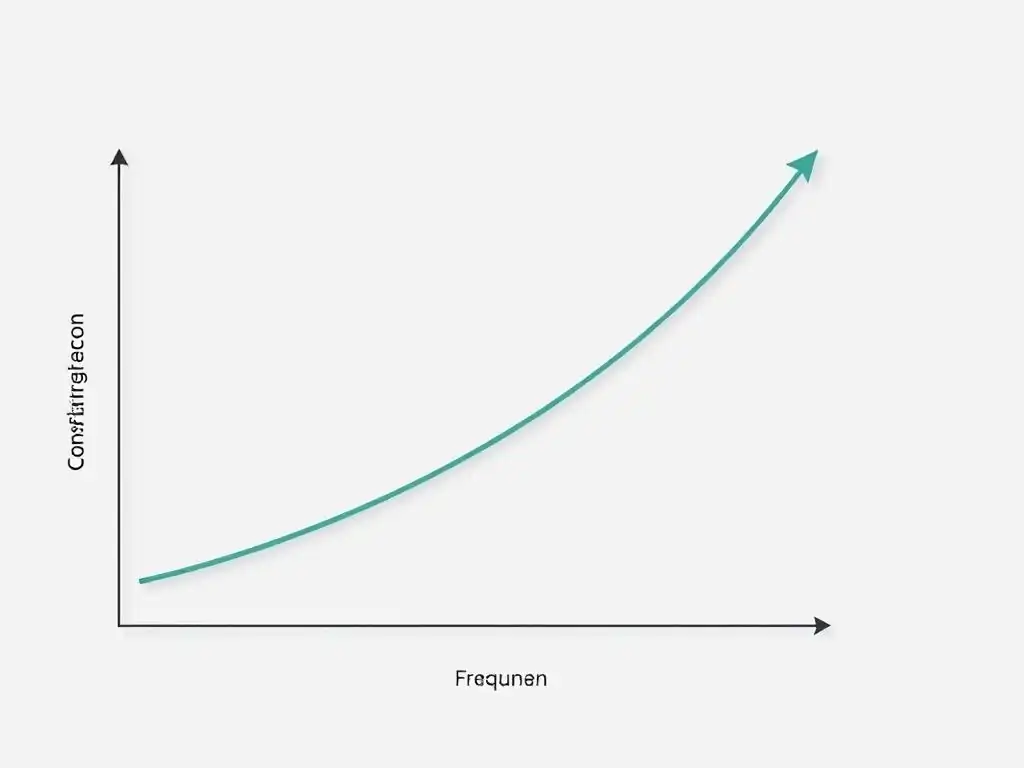
Consistent application of operant conditioning techniques is crucial for achieving lasting behavioral changes. However, simply implementing reinforcement and punishment isn't enough; measuring the effectiveness of your approach is vital. This involves careful observation, data collection, and a willingness to adapt your strategies based on the results.
Without a robust measurement system, you risk wasting time and effort on ineffective techniques, potentially hindering progress rather than facilitating it. Effective measurement allows for a data-driven approach, ensuring that your interventions are truly effective and leading to the desired behavioral modifications. This section will delve into methods for assessing the success of your consistent operant conditioning strategies.
Assessing Behavioral Changes: Tracking Progress and Outcomes
Tracking progress is the cornerstone of effective operant conditioning. This requires a systematic approach to monitoring the target behavior. For example, if you're working with a child to improve their classroom behavior, you might track instances of disruptive actions (e.g., talking out of turn, leaving their seat without permission) daily.
A simple tally chart can be effective, or you might use a more sophisticated data sheet with columns for date, time, behavior, and the type of consequence applied. The key is consistency. Data should be collected at regular intervals, preferably daily or multiple times per day for optimal accuracy and to identify trends.
Consider the following example: A therapist using consistent operant conditioning to help a patient manage their anxiety might track the frequency and intensity of anxiety symptoms before, during, and after therapy sessions. This data can be presented graphically, allowing for a clear visualization of progress and identifying potential plateaus or setbacks. Remember, the aim is to objectively quantify the change in behavior, providing concrete evidence of the intervention's effectiveness. This data is not just for the therapist; sharing progress with the patient (or parent/guardian in the case of a child) promotes buy-in and motivation.
Modifying Strategies for Optimal Results: Data-Driven Adjustments
Consistent operant conditioning isn't about rigidly adhering to a single plan. The beauty of a data-driven approach lies in its adaptability. Regularly reviewing the collected data is crucial for identifying what's working and what isn't. If the desired behavioral change isn't occurring, the first step is to re-evaluate the chosen reinforcers and punishers. Are they truly motivating or aversive to the individual?
Perhaps the schedule of reinforcement needs adjustment. A continuous reinforcement schedule (rewarding every instance of the desired behavior) may be initially effective, but shifting to an intermittent schedule (rewarding some instances) can help maintain the behavior long-term. Conversely, if the chosen punishment isn't effective, it might need to be modified or replaced altogether. Remember to focus on positive reinforcement whenever possible. Negative reinforcement, while sometimes necessary, should be used cautiously and ethically.
For instance, if a teacher is using a token economy system (a type of operant conditioning where students earn tokens for good behavior that can be exchanged for rewards) and notices that the number of tokens earned is consistently low, they might need to adjust the criteria for earning tokens, make the rewards more appealing, or provide more frequent positive feedback. The data provides the evidence needed to refine the intervention and maximize its effectiveness. This iterative process of data collection, analysis, and adjustment is what separates truly effective consistent operant conditioning from a less-successful, more haphazard approach.
Long-Term Maintenance of Behavior Changes: Sustaining Success
The ultimate goal of consistent operant conditioning is not just immediate behavioral change but lasting modification. Simply stopping the intervention once the desired behavior is achieved is a recipe for relapse. A crucial element in maintaining long-term success is a gradual fading of the reinforcement schedule. As the desired behavior becomes habitual, the frequency of reinforcement can be gradually reduced.
This prevents the behavior from becoming dependent on continuous reinforcement, making it more resistant to extinction. Moreover, teaching self-monitoring and self-reinforcement skills empowers the individual to maintain the behavior independently. This might involve helping the individual track their progress and rewarding themselves for achieving goals.
For example, a patient learning to manage their anxiety through consistent operant conditioning might initially receive frequent praise and support from their therapist. As their anxiety levels decrease, the therapist might gradually reduce the frequency of their praise, encouraging the patient to monitor their own progress and celebrate their successes. This approach fosters self-efficacy and helps ensure the long-term maintenance of positive behavioral changes.
Furthermore, incorporating strategies for relapse prevention, such as identifying high-risk situations and developing coping mechanisms, is essential for sustained success. The focus shifts from external control to internal self-regulation, ensuring the enduring power of consistent operant conditioning techniques.
Potential Pitfalls and Ethical Considerations of Consistent Operant Conditioning
Consistent application of operant conditioning techniques, while highly effective in behavior modification, presents potential pitfalls if not implemented carefully and ethically. Ignoring these considerations can lead to unintended negative consequences, undermining the very goals of the intervention. The key lies in understanding the nuances of reinforcement and punishment, and adapting strategies to individual needs. This section will explore some crucial ethical and practical challenges.
Avoiding Overuse and Harsh Punishment: Ethical Guidelines
Over-reliance on punishment, particularly harsh or aversive punishment, is ethically problematic and often counterproductive. While punishment can suppress undesirable behaviors temporarily, it rarely teaches what to do instead. Furthermore, harsh punishment can create fear, anxiety, and aggression, damaging the therapeutic relationship and potentially leading to long-term psychological harm. Consider the following:
- The severity of punishment: A mild reprimand might be effective for a minor infraction, whereas severe punishment for a minor offense is disproportionate and damaging. The intensity of the punishment should always be carefully considered in relation to the severity of the behavior.
- The immediacy of punishment: Punishment is most effective when it immediately follows the undesirable behavior. Delayed punishment reduces its effectiveness and can lead to confusion in the individual being conditioned.
- The consistency of punishment: Inconsistency undermines the effectiveness of punishment. If a behavior is sometimes punished and sometimes ignored, the individual will not learn to consistently avoid it. This inconsistency can also breed frustration and unpredictability.
Instead of focusing solely on punishment, a balanced approach that prioritizes positive reinforcement is significantly more ethical and effective. Positive reinforcement strengthens desired behaviors by providing rewards, making it a far more constructive and humane approach to behavior modification. A strong emphasis on positive reinforcement minimizes the need for punishment altogether. The ethical practitioner strives for a positive and supportive environment, fostering trust and promoting well-being.
Recognizing Individual Differences: Tailoring Techniques to Specific Needs
Effective operant conditioning requires acknowledging that individuals respond differently to various reinforcement and punishment strategies. What works for one person might be ineffective or even harmful for another. A crucial aspect of consistent operant conditioning techniques involves careful assessment and personalization of the intervention. For example:
- Developmental stage: Children, adolescents, and adults respond differently to reinforcement and punishment. Techniques appropriate for a young child might be inappropriate for an adult. Consider age-appropriate rewards and punishments.
- Individual preferences: People have different preferences for rewards. What one person finds motivating, another might find uninteresting. Tailor the rewards to the individual's specific interests and preferences.
- Pre-existing conditions: Individuals with certain psychological conditions, such as anxiety disorders or trauma histories, might be more sensitive to punishment. A careful and sensitive approach is essential in these cases.
Ignoring individual differences can lead to ineffective interventions and even exacerbate existing problems. Therefore, a thorough assessment of the individual's unique characteristics and needs is paramount before implementing any operant conditioning strategy. This personalized approach maximizes the chances of success while minimizing the risk of harm.
The Importance of Positive Reinforcement: Promoting Well-being
Consistent operant conditioning techniques should prioritize positive reinforcement as the primary method for behavior modification. Positive reinforcement strengthens desired behaviors by providing rewards, creating a positive association with the desired actions. This approach fosters a more supportive and encouraging learning environment. Several factors enhance the effectiveness of positive reinforcement:
- Frequency of reinforcement: Consistent and frequent reinforcement is crucial, especially during the initial stages of learning. As the desired behavior becomes more established, the frequency of reinforcement can gradually be reduced. This process is known as shaping.
- Type of reinforcement: Reinforcement can be tangible (e.g., treats, toys) or intangible (e.g., praise, attention). A variety of reinforcers should be used to maintain motivation and prevent satiation.
- Immediate reinforcement: Immediate reinforcement is more effective than delayed reinforcement. The closer the reward is to the desired behavior, the stronger the association will be.
By emphasizing positive reinforcement, practitioners can promote a positive learning experience and foster a sense of accomplishment and self-efficacy in the individual. This approach not only modifies behavior but also contributes to the individual's overall well-being and self-esteem, making it a much more humane and sustainable method compared to relying heavily on punishment. The use of consistent positive reinforcement is a cornerstone of ethical and effective operant conditioning.
Frequently Asked Questions
What is operant conditioning?
Operant conditioning is a learning process where behaviors are strengthened or weakened by their consequences. It involves reinforcement (increasing behavior) and punishment (decreasing behavior). Understanding this is key to effective behavior modification.
Why is consistency crucial in operant conditioning techniques?
Consistency is vital because it creates a clear and predictable relationship between behavior and consequences. Inconsistent application leads to confusion and ineffective learning. Reliable patterns are essential for successful behavior modification.
What are some examples of consistent operant conditioning techniques?
Using a consistent reward system for desired behaviors (e.g., praising a child for completing chores) or consistently removing privileges after misbehavior are examples. Regular and predictable consequences are key to success.
How does inconsistent application of operant conditioning affect learning?
Inconsistent application weakens the association between behavior and consequence, hindering learning. It can lead to frustration and unpredictable behavior in the learner. Reliable feedback is crucial for establishing new habits.
Can you provide examples of inconsistent operant conditioning?
Sometimes praising a child for sharing but ignoring it at other times is an example. Similarly, inconsistently enforcing bedtime rules creates confusion and undermines learning. Clear and predictable consequences are needed for effective behavior modification.
Final Reflection: Shaping Behavior, Shaping Futures
The principles of consistent operant conditioning, once relegated to the realm of psychological theory, are now more relevant than ever in understanding and shaping human behavior. From parenting styles to workplace productivity, the impact of consistent reinforcement and punishment is undeniable, shaping not only individual actions but also the broader social fabric. Understanding these principles empowers us to create more positive and effective environments for ourselves and those around us.
The enduring legacy of operant conditioning lies in its ability to illuminate the power of consistent action. It's not just about achieving immediate behavioral changes; it's about fostering long-term habits and shaping character. The subtle yet profound influence of consistent reinforcement, whether positive or negative, underscores the importance of mindful engagement with our actions and their consequences. As B.F. Skinner himself noted, Behavior is shaped by its consequences.
This simple statement holds immense power, reminding us that consistent effort, whether in self-improvement or in guiding others, yields significant and lasting results.
Consider the implications of consistent operant conditioning in your own life. Are you reinforcing positive habits with consistent rewards? Are you addressing negative behaviors with consistent, yet compassionate, consequences? Take this opportunity to reflect on your own approach to behavior modification, both for yourself and for those you influence. By embracing the principles of consistent operant conditioning, you can cultivate a more fulfilling life, build stronger relationships, and contribute to a more positive world. The power to shape behavior, and ultimately, shape futures, lies within your consistent actions.
**Unlock Your Potential: Embrace Consistent Change! **
Thank you for exploring the fascinating world of operant conditioning with us! You've gained valuable insights into how consistency shapes behavior and can lead to significant life improvements. Now, let's put that knowledge into practice!
Here are a few steps to help you build consistency into your behavioral change efforts:
- Start with a manageable goal: Choose one specific behavior you'd like to change, and commit to working on it daily. Set realistic, achievable milestones along the way.
- Monitor your progress: Use a journal or app to track your consistency. Celebrate your successes—no matter how small—to maintain momentum.
- Share your experience: Connect with friends, family, or join online support groups to exchange advice and encourage one another. The shared journey can be incredibly motivating.
What specific behavior will you focus on improving today, and how will you reward yourself for your progress?