
The Connection Between Classical Conditioning and Memory

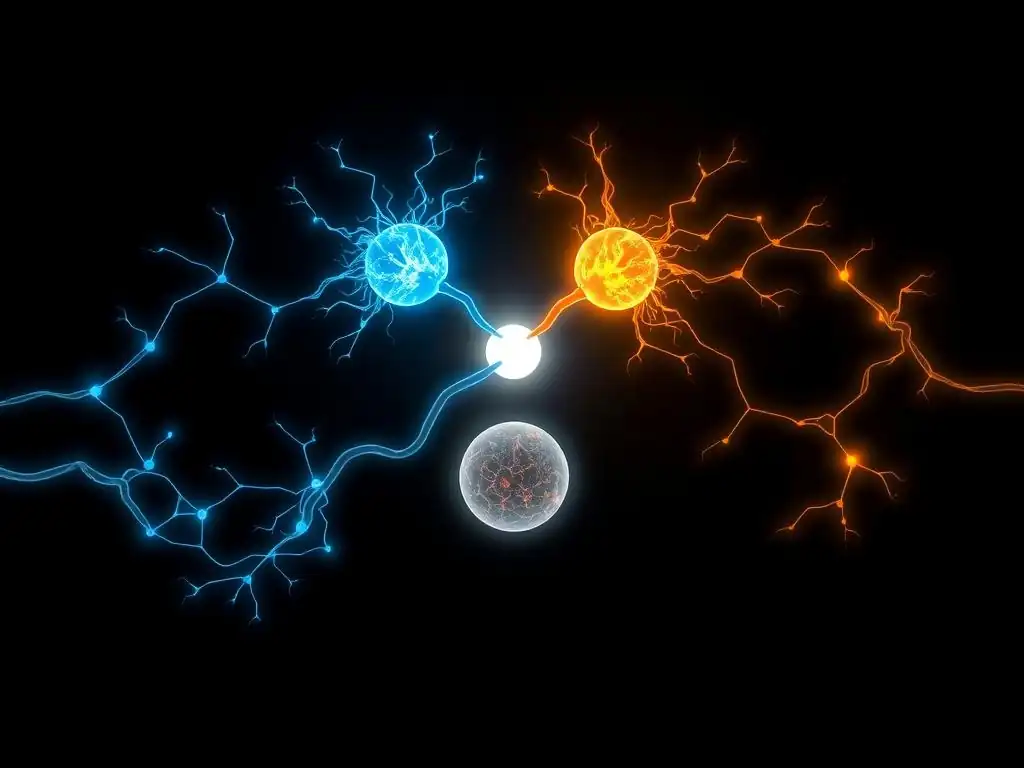
Uncover the fascinating link between how we learn and what we remember! Dive into the world of Behavioral Theories and explore the surprising ways Classical Conditioning shapes our memories. This isn't your typical textbook; prepare to be intrigued by the powerful connection between Classical Conditioning memory connection – a relationship far deeper than you might imagine. Ready to unlock the secrets? Let's begin!
Understanding Classical Conditioning and its Mechanisms
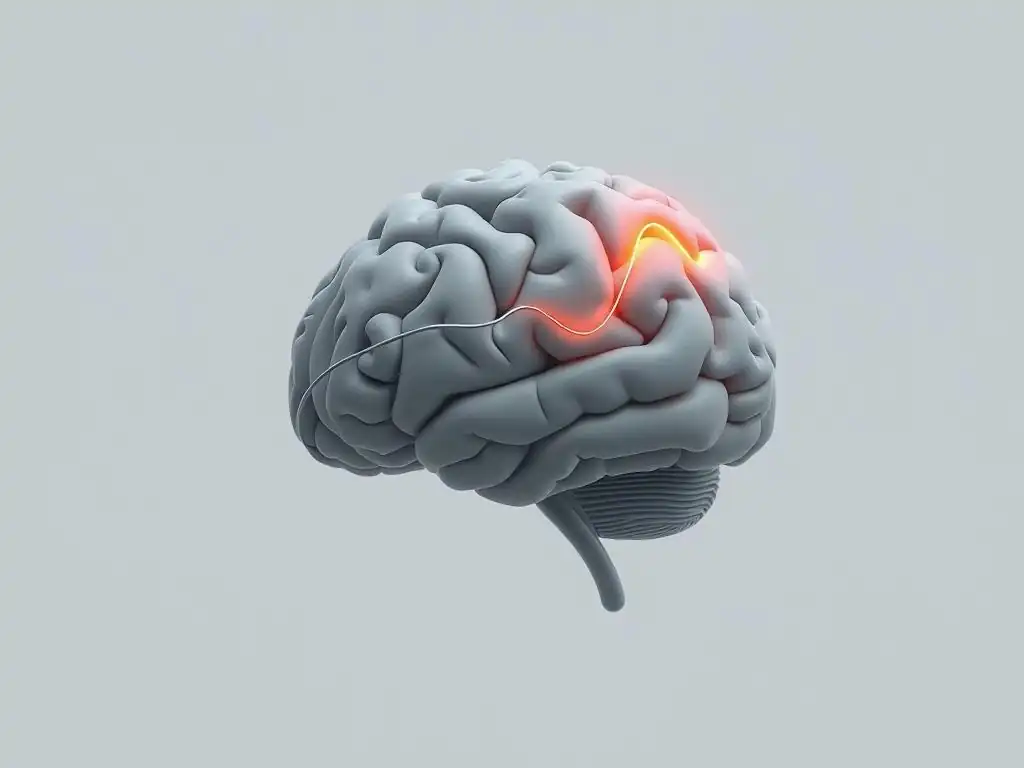
Classical conditioning, a fundamental concept in behavioral psychology, profoundly impacts how we learn and retain information, thereby establishing a significant connection with memory. This article delves into the intricate relationship between classical conditioning and memory, exploring how conditioned responses become ingrained in our cognitive architecture and influence our subsequent behavior. We will examine the mechanisms through which this conditioning process shapes our memories, highlighting the critical role of association and repetition in solidifying these learned responses.
Understanding this connection provides valuable insight into learning processes, memory formation, and even the development of phobias and other psychological phenomena. This exploration will be crucial for students and enthusiasts alike seeking a deeper understanding of the fascinating interplay between learning and memory.
The Pavlovian Paradigm and its Relevance to Memory
Ivan Pavlov's seminal experiments on dogs laid the groundwork for our understanding of classical conditioning. Pavlov demonstrated that by repeatedly pairing a neutral stimulus (e.g., a bell) with an unconditioned stimulus (e.g., food, which naturally elicits salivation), the neutral stimulus eventually acquires the capacity to elicit a conditioned response (salivation) on its own. This process, however, is not merely about associating stimuli; it fundamentally alters the neural pathways involved in memory encoding and retrieval.
The repeated pairing strengthens the synaptic connections between neurons representing the conditioned stimulus and the unconditioned stimulus, leading to a more robust and enduring memory trace. Consider the example of a child developing a fear of dogs after a single negative encounter. This fear, a conditioned response, is a direct result of associating the dog (conditioned stimulus) with a painful or frightening experience (unconditioned stimulus).
This association is then stored as a memory, shaping future behavior and potentially leading to a phobia. The strength of this memory trace is directly proportional to the intensity and frequency of the pairing.
Neural Mechanisms Underlying the Conditioning-Memory Link
The connection between classical conditioning and memory is not merely behavioral; it has a strong neurobiological basis. Studies have shown that specific brain regions, including the amygdala (crucial for emotional learning) and the hippocampus (essential for spatial and episodic memory), are actively involved in the formation and consolidation of conditioned responses. The amygdala processes the emotional significance of the stimuli, while the hippocampus encodes the contextual details of the learning experience.
The interplay between these regions ensures that the learned association is not only remembered but also imbued with emotional valence, making it more resistant to forgetting. This neural circuitry explains why some conditioned responses, particularly those associated with strong emotional experiences, are remarkably persistent.
For instance, a traumatic event can lead to the development of a long-lasting phobia, reflecting the deep neural encoding of the conditioned fear response. Further research is needed to fully elucidate the precise molecular mechanisms involved, but the involvement of long-term potentiation (LTP), a process of strengthening synaptic connections, is well-established.
Applications and Implications of the Conditioning-Memory Connection
The understanding of the classical conditioning-memory link has far-reaching implications across various fields. In therapeutic settings, techniques like exposure therapy leverage this connection to help individuals overcome phobias and anxieties. By gradually exposing patients to the conditioned stimulus (e.g., a spider) in a safe environment, the association between the stimulus and the fear response is weakened, effectively modifying the memory trace.
Furthermore, this knowledge informs educational strategies, emphasizing the importance of repeated exposure and positive reinforcement in facilitating learning and memory retention. Marketing and advertising also cleverly utilize classical conditioning principles to create positive associations between products and desirable emotions, thereby influencing consumer behavior and creating lasting brand memories.
The implications of this connection are vast and continue to be explored as we unravel the complexities of human learning and memory. Future research will likely refine our understanding of the specific neural pathways and molecular mechanisms involved, leading to more effective interventions in various domains.
Frequently Asked Questions
What is classical conditioning?
Classical conditioning is a learning process where an association is made between a neutral stimulus and a stimulus that naturally triggers a response. This eventually leads the neutral stimulus to elicit the same response.
How does classical conditioning relate to memory?
Classical conditioning forms the basis of many implicit memories, which are memories we don't consciously recall. The learned associations are stored and retrieved automatically, influencing our behavior.
Can classical conditioning explain all types of memory?
No, classical conditioning primarily explains implicit, associative memories. It doesn't fully account for explicit memories like facts and events, which involve different brain processes.
What are some real-world examples of classical conditioning and memory?
Think of fear responses (e.g., a fear of dogs after a negative experience) or taste aversions. These are learned associations formed through classical conditioning and stored as implicit memories.
How is classical conditioning used in therapy?
Techniques like exposure therapy use classical conditioning principles to help people overcome phobias and anxieties by gradually associating the feared stimulus with a relaxing response, effectively retraining the memory association.
Final Reflection: Unlocking the Power of Association: Classical Conditioning and Memory
The intricate dance between classical conditioning and memory formation is not merely an academic curiosity; it's the very foundation of how we learn, adapt, and navigate the world around us. Understanding this connection unlocks a deeper appreciation for the power of association and its profound impact on our daily lives, shaping everything from our emotional responses to our most cherished memories.
The enduring influence of classical conditioning on our cultural and social landscape is undeniable. From the subtle power of branding and advertising to the formation of deeply ingrained phobias and anxieties, the principles discussed throughout this article are constantly at play. Give me a child until he is seven, and I will show you the man.
This quote, often attributed to Jesuit priest and educator, St. Francis Xavier, highlights the formative power of early experiences, a testament to the lasting impact of associative learning during our most impressionable years. The implications of this are vast, urging us to consider the environment in which learning takes place and the lasting effects of both positive and negative associations.
Consider the power you hold to shape your own experiences and memories. You can consciously cultivate positive associations, strengthening beneficial habits and fostering a more fulfilling life. By understanding how classical conditioning works, you can actively reframe negative associations, mitigating their impact and creating space for growth and positive change. Take the time to reflect on your own experiences: what associations have shaped your life, and how can you leverage this knowledge to create a more enriching future?
**Unlock the Power of Your Memories Today! **
Thank you for exploring the fascinating world of memory and classical conditioning with us! You've gained valuable insights into how our experiences shape what we remember. Now, let's put that knowledge to work with practical steps to enhance your memory and understanding.
Here's how you can take control:
- **Start a Memory Journal:** Regularly record your daily experiences and emotions. Reflecting on events strengthens memory connections.
- **Practice Associative Learning:** Connect new information with something you already enjoy. This creates stronger associations, making recall easier.
- **Share Your Knowledge:** Discuss what you've learned with friends or family. Conversation reinforces understanding and creates shared memories.
What new memory technique will you try this week?