
Beyond Pavlov's Dog: Unearthing the Limitations of Classical Conditioning

Welcome to Psychology Basics, your gateway to understanding the fascinating world of human behavior. Are you ready to delve beyond the simplified explanations? This site is designed to equip you with the foundational knowledge you need. Our exploration of Classical Conditioning limitations psychology in the article, "Beyond Pavlov's Dog: Unearthing the Limitations of Classical Conditioning," challenges the commonly held assumptions surrounding this influential behavioral theory. Prepare to uncover the surprising complexities and limitations of this seemingly straightforward concept – your journey into the intricacies of psychology begins here!
- Understanding Classical Conditioning: A Brief Overview
-
The Limitations of Classical Conditioning in Psychology
- Biological Predispositions and Preparedness: Challenging Classical Conditioning
- The Role of Cognition in Learning: Beyond Simple Stimulus-Response
- Extinction and Spontaneous Recovery: The Unpredictability of Conditioned Responses
- The Limits of Generalization and Discrimination: Specificity in Learning
- Classical Conditioning and Complex Behaviors: A Critical Analysis
- Overcoming the Limitations: Expanding the Scope of Learning Theories
- Conclusion: Re-evaluating Classical Conditioning's Role in Understanding Behavior
-
Frequently Asked Questions
- What are some limitations of classical conditioning?
- How does biological preparedness affect classical conditioning?
- Does classical conditioning explain all types of learning?
- What is the role of higher-order conditioning in the limitations of classical conditioning?
- How does extinction relate to the limitations of classical conditioning?
- Final Reflection: Rethinking Conditioning: Beyond Stimulus and Response
- **Unlock the Full Potential of Your Learning! **
Understanding Classical Conditioning: A Brief Overview
Classical conditioning, a fundamental concept in behavioral psychology, explains how we learn through association. It posits that learning occurs when a neutral stimulus becomes associated with a naturally occurring stimulus, eventually eliciting a similar response. This seemingly simple process has profound implications for understanding a wide range of behaviors, from phobias and anxieties to preferences and habits.
However, while incredibly influential, classical conditioning is not a complete explanation of learning, and possesses several significant limitations. This article delves into these limitations, exploring the nuances and complexities beyond the iconic image of Pavlov's salivating dog, ultimately enriching your understanding of the broader landscape of learning and behavior within the field of psychology.
We will examine the core principles of classical conditioning before exploring its inherent shortcomings and the ways in which more comprehensive models of learning have emerged to address these limitations. Understanding these limitations is crucial for a complete grasp of "classical conditioning limitations psychology," allowing for a more nuanced and accurate perspective on the subject.
Pavlov's Experiments and the Principles of Classical Conditioning
Ivan Pavlov's groundbreaking experiments with dogs in the late 19th and early 20th centuries laid the foundation for our understanding of classical conditioning. Pavlov observed that dogs naturally salivate (unconditioned response) at the sight or smell of food (unconditioned stimulus). He then paired a neutral stimulus, such as a bell, with the presentation of food. After repeated pairings, the dogs began to salivate (conditioned response) at the sound of the bell alone (conditioned stimulus), even without the presence of food.
This demonstrated the formation of a learned association between the previously neutral stimulus and the unconditioned stimulus. Pavlov's meticulous research provided a robust experimental model for investigating learning, highlighting the power of association in shaping behavior. The elegance and simplicity of his findings initially led to the belief that classical conditioning could explain a vast array of learning phenomena. However, subsequent research revealed a more complex reality.
Key Components: Unconditioned Stimulus, Unconditioned Response, Conditioned Stimulus, Conditioned Response
To fully understand the limitations of classical conditioning, it's vital to grasp its core components. Let's define each precisely:
- Unconditioned Stimulus (UCS): A stimulus that naturally and automatically triggers a response without prior learning. In Pavlov's experiment, the food was the UCS.
- Unconditioned Response (UCR): The natural, automatic response to the unconditioned stimulus. The dog's salivation in response to food was the UCR.
- Conditioned Stimulus (CS): A previously neutral stimulus that, after repeated pairings with the UCS, comes to elicit a response. The bell became the CS.
- Conditioned Response (CR): The learned response to the conditioned stimulus. The dog's salivation in response to the bell alone was the CR.
Understanding these four elements is fundamental to analyzing the situations where classical conditioning proves insufficient to explain observed learning patterns. The following sections will explore these limitations in detail, showcasing the complexities of learning that extend beyond the simple UCS-UCR-CS-CR model. We will examine situations where the learned association is weak, easily extinguished, or fails to generalize to similar stimuli.
The Limitations of Classical Conditioning in Psychology

Classical conditioning, while a cornerstone of behavioral psychology, isn't a universally applicable explanation for all learning processes. Its explanatory power is significantly constrained by several factors, highlighting the need for more nuanced models of learning and behavior. This section delves into some key limitations of classical conditioning, revealing its incomplete picture of the complexities of the human mind. Understanding these limitations is crucial for a comprehensive grasp of learning and behavior in psychology.
Biological Predispositions and Preparedness: Challenging Classical Conditioning
Classical conditioning suggests that any neutral stimulus can be paired with an unconditioned stimulus to produce a conditioned response. However, research demonstrates that certain associations are more readily learned than others. This phenomenon is explained by the concept of biological preparedness.
Some species are genetically predisposed to learn certain associations more easily than others due to their evolutionary history and survival needs. For example, rats readily learn to associate nausea with taste but not with light or sound, reflecting an adaptive mechanism to avoid poisonous food. This inherent bias contradicts the purely environmental emphasis of classical conditioning, showcasing the significant role of biology in shaping learning.
The concept of preparedness explains why certain phobias, like those of snakes or spiders, are more common than others. These fears likely stem from our evolutionary past, where encountering such creatures posed a significant threat to survival. Conversely, it's comparatively harder to develop a phobia of toasters or electrical outlets, even with traumatic experiences.
This highlights the limitations of classical conditioning's assertion of equal learning potential for all stimulus-response pairings. The biological predispositions of an organism profoundly influence what it can and cannot readily learn through classical conditioning. Further research into the genetic and neurobiological underpinnings of learning is crucial to fully understand these limitations.
The Role of Cognition in Learning: Beyond Simple Stimulus-Response
Classical conditioning portrays learning as a simple, mechanistic process of stimulus-response association. However, cognitive psychology emphasizes the role of mental processes in learning. Organisms don't passively react to stimuli; they actively process information, make predictions, and form expectations.
This cognitive element significantly impacts the effectiveness of classical conditioning. For instance, if a rat understands that a light is predictive of a shock, it will exhibit a stronger conditioned fear response than if the light's appearance is unpredictable or random. This demonstrates that the mere pairing of stimuli isn't sufficient; the organism's interpretation and understanding of the relationship between stimuli play a vital role.
The concept of latent inhibition further supports this cognitive perspective. Latent inhibition refers to the slower learning that occurs when a neutral stimulus is repeatedly presented before it's paired with an unconditioned stimulus. This suggests that prior exposure to a stimulus influences its subsequent association with another stimulus, indicating a cognitive filtering process at play. Ignoring the cognitive aspects of learning, as classical conditioning largely does, provides an incomplete and potentially misleading understanding of the learning process. The limitations become more apparent when we consider higher-order cognitive functions and complex learning scenarios beyond simple stimulus-response pairings.
Extinction and Spontaneous Recovery: The Unpredictability of Conditioned Responses
Extinction, the gradual weakening of a conditioned response when the conditioned stimulus is repeatedly presented without the unconditioned stimulus, seems to indicate a complete erasure of the learned association. However, spontaneous recovery, the reappearance of the conditioned response after a period of extinction, challenges this notion. This unpredictable return of the conditioned response demonstrates the incomplete nature of extinction and highlights the persistence of underlying learning, even after apparent erasure. The conditioned response isn't simply "unlearned"; rather, it's suppressed or inhibited.
The phenomenon of spontaneous recovery underscores the limitations of classical conditioning in predicting the stability and permanence of learned behaviors. The seemingly unpredictable nature of spontaneous recovery complicates the application of classical conditioning principles in therapeutic settings, such as behavior modification. While extinction can be a valuable tool, the potential for spontaneous recovery necessitates careful consideration and ongoing monitoring.
Further research is needed to fully elucidate the mechanisms underlying spontaneous recovery and to develop more reliable methods for predicting and managing its occurrence. This unpredictability further emphasizes the need to incorporate cognitive and biological factors into a more comprehensive understanding of learning beyond the simple stimulus-response model of classical conditioning.
The Limits of Generalization and Discrimination: Specificity in Learning
Classical conditioning, while powerful in demonstrating learning through association, isn't a blanket approach to understanding all behavior. One significant limitation lies in its inherent specificity. The conditioned response (CR) isn't always readily generalized to similar stimuli. Pavlov's dogs, famously conditioned to salivate at the sound of a bell, didn't automatically salivate at the sound of every bell.
The intensity and frequency of the CR were directly related to how similar the new bell's sound was to the original conditioned stimulus (CS). This highlights the principle of stimulus discrimination: the ability to differentiate between the original CS and other similar stimuli. A dog might salivate strongly to a high-pitched bell, but show a much weaker response, or no response at all, to a low-pitched one. This specificity is crucial; otherwise, the learning process would be incredibly inefficient, leading to constant inappropriate responses.
The flip side of discrimination is stimulus generalization. This refers to the extent to which a learned response transfers to similar, but not identical, stimuli. While not a complete generalization, some degree of transfer is often observed. For example, a child who fears a large, barking dog might also exhibit fear towards smaller dogs or even other furry animals.
This generalization, however, is not automatic and depends on the similarity between the original CS and the new stimulus. The more similar the stimuli, the greater the likelihood of generalization. Understanding the balance between generalization and discrimination is vital for comprehending the limitations of classical conditioning in explaining the complexity of real-world learning. Factors like the intensity of the original conditioning experience and the individual's prior experiences significantly influence the degree of generalization or discrimination observed.
A strongly conditioned response is more likely to generalize to similar stimuli, whereas a weakly conditioned response may exhibit greater discrimination. This nuanced interplay underscores the limitations of a purely simplistic view of classical conditioning. Real-world learning is far more complex and context-dependent than a simple stimulus-response model would suggest. The ability to discriminate between relevant and irrelevant stimuli is crucial for adaptive behavior, and this capacity goes beyond the simple framework of classical conditioning.
Classical Conditioning and Complex Behaviors: A Critical Analysis
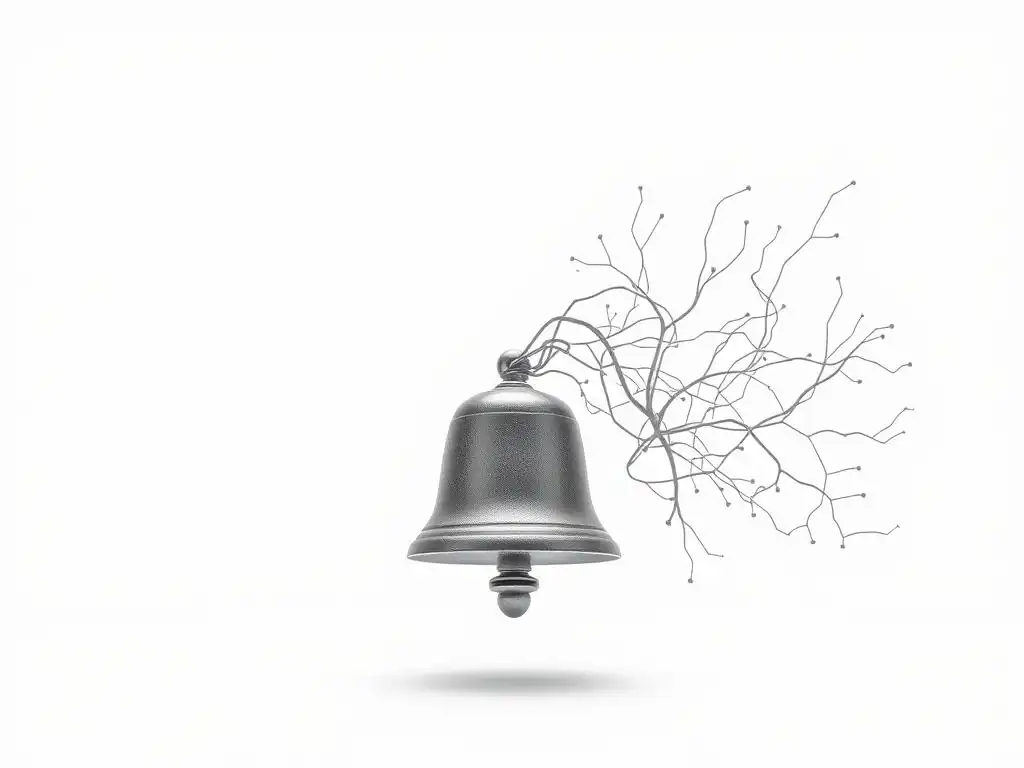
Classical conditioning, while a powerful tool for understanding basic learning processes, falls short when applied to the complexities of human and animal behavior. Pavlov's elegant experiments with salivating dogs demonstrated the formation of associations between stimuli, but this model struggles to account for the nuanced and multifaceted nature of real-world learning. This section will explore key limitations of classical conditioning, highlighting its inability to fully explain complex behaviors, its neglect of internal factors, and the emergence of alternative learning paradigms.
Understanding these limitations is crucial for a comprehensive understanding of learning and behavior in psychology. The keyword "Classical conditioning limitations psychology" is central to this analysis.
The Failure to Explain Complex Behaviors: Beyond Simple Associations
Classical conditioning primarily focuses on the formation of simple stimulus-response associations. A bell (conditioned stimulus) becomes associated with food (unconditioned stimulus), leading to salivation (conditioned response). However, many behaviors are far more intricate, involving multiple stimuli, cognitive processes, and motivational factors that classical conditioning cannot easily accommodate.
For example, consider learning a complex motor skill like playing the piano. While some aspects might involve classical conditioning (e.g., associating a particular chord progression with a feeling of accomplishment), the overall skill acquisition involves far more than simple stimulus-response pairings. It necessitates planning, problem-solving, and feedback mechanisms that extend beyond the scope of classical conditioning.
The limitations become even more apparent when considering language acquisition, social interactions, and creative problem-solving. These processes are far too multifaceted to be explained solely by the formation of simple associations between stimuli. The sheer complexity of human behavior necessitates a broader theoretical framework than classical conditioning alone can provide.
The Neglect of Internal Factors: Motivation, Emotion, and Cognition
A significant limitation of classical conditioning lies in its relative neglect of internal factors such as motivation, emotion, and cognition. The model primarily focuses on observable stimuli and responses, overlooking the crucial role of internal mental states in shaping behavior. For instance, an animal's hunger level significantly influences its response to a conditioned stimulus associated with food. A highly motivated, hungry animal will likely exhibit a stronger conditioned response than a satiated one.
Similarly, emotional states, such as fear or anxiety, can profoundly impact the acquisition and expression of conditioned responses. Classical conditioning provides little insight into these mediating influences. Furthermore, cognitive processes, such as attention, expectation, and memory, play a critical role in learning.
The ability to anticipate, interpret, and remember stimuli significantly affects the strength and persistence of conditioned responses – aspects largely ignored in the basic classical conditioning model. Ignoring these internal factors leads to an incomplete picture of the learning process. A more holistic approach requires incorporating cognitive and emotional perspectives.
Alternative Learning Paradigms: Instrumental Conditioning and Cognitive Learning Theories
The limitations of classical conditioning have led to the development of alternative learning paradigms, most notably instrumental conditioning (operant conditioning) and cognitive learning theories. Instrumental conditioning emphasizes the role of consequences in shaping behavior, demonstrating that behaviors followed by positive reinforcement are more likely to be repeated, while those followed by punishment are less likely. This paradigm effectively explains behaviors that are actively emitted by the organism, rather than passively elicited by stimuli, as in classical conditioning.
Cognitive learning theories further broaden the scope by focusing on mental processes such as information processing, memory, and problem-solving. These theories highlight the active role of the learner in constructing knowledge and understanding their environment, a perspective absent in the more mechanistic framework of classical conditioning. These alternative perspectives offer a richer and more comprehensive understanding of learning, addressing many of the limitations inherent in classical conditioning alone.
They provide a more nuanced explanation of complex behaviors and the role of internal factors. The integration of these paradigms offers a more complete understanding of the "Classical conditioning limitations psychology" field.
Overcoming the Limitations: Expanding the Scope of Learning Theories

Classical conditioning, while a groundbreaking discovery explaining associative learning, doesn't fully encompass the complexity of human behavior. Its limitations highlight the need for more comprehensive learning theories. While Pavlov's experiments elegantly demonstrated the formation of conditioned responses in dogs, applying this model directly to human learning often proves insufficient. The rigid stimulus-response framework fails to account for the crucial role of cognitive processes and individual differences in learning.
For example, a child's fear of dogs might not solely stem from a single pairing of a dog with a negative experience. Cognitive factors, such as the child's interpretation of the event and their pre-existing beliefs about dogs, significantly influence the development and persistence of this phobia. Similarly, biological predispositions, such as genetic factors affecting temperament and anxiety levels, play a significant role that classical conditioning alone cannot explain.
Integrating Cognitive and Biological Perspectives: A Holistic Approach to Understanding Learning
To truly understand learning, we must move beyond the simplistic stimulus-response model and incorporate cognitive and biological factors. Cognitive psychology emphasizes the role of mental processes such as attention, memory, and expectation in learning. For instance, the effectiveness of classical conditioning depends on the learner's ability to perceive and process the stimuli. A person who is distracted or has impaired cognitive function may not form a conditioned response even with repeated pairings.
Furthermore, biological factors, including genetics and neurochemistry, significantly influence an individual's susceptibility to classical conditioning. Studies have shown that variations in genes related to neurotransmitter systems can affect the strength and durability of conditioned responses. A holistic approach integrates these perspectives, acknowledging that learning is a complex interplay of environmental stimuli, cognitive processing, and biological predispositions. This integrated perspective offers a more nuanced and accurate understanding of learning processes, moving beyond the limitations of classical conditioning alone.
Applications of Classical Conditioning in Therapy: Exposure Therapy and Systematic Desensitization
Despite its limitations, classical conditioning remains a valuable tool in therapeutic settings. Exposure therapy and systematic desensitization, for example, are effective treatments for phobias and anxieties that leverage the principles of classical conditioning. In exposure therapy, patients are gradually exposed to the feared stimulus, aiming to extinguish the conditioned fear response.
Systematic desensitization combines exposure with relaxation techniques, helping patients to replace the fear response with a more relaxed state. Consider a patient with a fear of spiders (arachnophobia). Through gradual exposure to images, then models, and finally real spiders, paired with relaxation exercises, the patient learns to associate spiders with calmness rather than fear.
The success of these therapies demonstrates the practical application of classical conditioning principles, even while acknowledging the need for a broader theoretical framework that incorporates cognitive and biological factors for a more comprehensive understanding of the therapeutic process. The effectiveness, however, varies depending on the individual and the specific phobia, underscoring the influence of factors beyond simple stimulus-response pairings.
Future Directions in Learning Research: Exploring the Interplay of Nature and Nurture
Future research in learning should focus on further investigating the interplay of nature and nurture. This involves exploring the intricate interactions between genetic predispositions, environmental influences, and cognitive processes in shaping learning outcomes. Advanced neuroimaging techniques can help to unravel the neural mechanisms underlying classical conditioning and identify individual differences in brain activity that might predict susceptibility to conditioning.
Furthermore, longitudinal studies tracking learning across lifespan are crucial to understanding how early experiences and genetic factors interact to shape learning trajectories. By integrating findings from genetics, neuroscience, and cognitive psychology, researchers can develop more precise and effective interventions for various learning-related challenges, including phobias, addictions, and other behavioral disorders.
The future of learning research lies in a more holistic and integrated approach, moving beyond the limitations of any single theory and embracing the complexity of the human learning process. This integrated perspective will provide a richer understanding of "Classical conditioning limitations psychology" and pave the way for more effective interventions.
Conclusion: Re-evaluating Classical Conditioning's Role in Understanding Behavior

Classical conditioning, while undeniably impactful in shaping our understanding of learning, isn't a complete picture of behavioral complexities. Its limitations highlight the need for a more nuanced approach to psychological inquiry. This section explores the enduring legacy of Pavlov's work, emphasizes the critical importance of acknowledging these limitations, and proposes future research avenues to enrich our comprehension of behavioral processes.
The enduring legacy of Pavlov's work
Despite its limitations, Pavlov's pioneering work on classical conditioning remains a cornerstone of behavioral psychology. His meticulous experiments, demonstrating the formation of associations between stimuli and responses, provided a foundational framework for understanding learning mechanisms. The concept of conditioned reflexes, the identification of unconditioned and conditioned stimuli and responses—these remain vital components of many psychological models.
Pavlov's legacy isn't just about the specifics of his findings; it's about the paradigm shift he initiated, emphasizing the importance of observable behaviors and measurable responses in understanding the mind. His work paved the way for subsequent research into various aspects of learning, including operant conditioning, social learning theory, and cognitive behavioral therapy (CBT).
Even today, principles of classical conditioning are applied in diverse fields such as advertising, education, and treatment of phobias and anxieties. The enduring value of Pavlov's contribution lies in its ability to provide a basic, yet powerful, model of associative learning.
The importance of considering limitations for a comprehensive understanding of learning
A truly comprehensive understanding of learning necessitates acknowledging the limitations of classical conditioning. The oversimplification inherent in focusing solely on stimulus-response associations neglects the crucial role of cognitive processes, individual differences, and the influence of biological predispositions. For instance, classical conditioning struggles to adequately explain complex behaviors that involve decision-making, problem-solving, and creative thinking. Furthermore, the strength and persistence of conditioned responses can vary significantly across individuals, highlighting the influence of factors beyond simple stimulus pairings.
Consider the differences in how individuals respond to advertising campaigns—while some may develop strong conditioned associations linking a product with positive emotions, others remain largely unaffected. This variability underscores the limitations of a purely mechanistic view of learning. Ignoring these limitations risks creating an incomplete and potentially misleading model of human behavior. A broader perspective, incorporating cognitive, biological, and social factors, is vital for accurate and useful psychological explanations.
Future research directions in behavioral psychology
Future research in behavioral psychology should focus on integrating classical conditioning with other learning theories to create a more holistic model. This involves exploring the interplay between classical and operant conditioning, investigating the role of cognitive processes in shaping conditioned responses, and studying the impact of genetic and environmental factors on learning outcomes. Specifically, research should delve deeper into individual differences in learning styles and responses to conditioning paradigms.
Understanding the neural mechanisms underlying classical conditioning, using techniques such as neuroimaging, is also crucial. This would provide insights into the brain regions and neurotransmitters involved in the formation and maintenance of conditioned responses. Moreover, exploring the ethical implications of applying classical conditioning principles, particularly in areas such as advertising and social engineering, is essential.
A more nuanced and ethical approach to behavioral psychology requires a deep consideration of all these factors. By acknowledging and addressing these limitations and incorporating advancements in neuroscience and cognitive psychology, we can build a richer and more accurate understanding of human behavior and learning.
Frequently Asked Questions
What are some limitations of classical conditioning?
Classical conditioning, while powerful, isn't a complete explanation of learning. It struggles to explain complex behaviors and learning that doesn't involve direct pairings of stimuli and responses. It also overlooks the role of cognitive processes.
How does biological preparedness affect classical conditioning?
Biological preparedness significantly limits what can be learned through classical conditioning. Animals are naturally predisposed to learn certain associations more easily than others, based on their evolutionary history and survival needs. This innate predisposition can override the principles of classical conditioning.
Does classical conditioning explain all types of learning?
No, classical conditioning is only one type of learning. It primarily explains associative learning involving involuntary responses, but it doesn't account for operant conditioning, which involves voluntary behaviors and consequences, or cognitive learning, which focuses on mental processes.
What is the role of higher-order conditioning in the limitations of classical conditioning?
Higher-order conditioning, while demonstrating the power of association, also reveals limitations. The strength of the conditioned response weakens with each added level of association, showing that the process isn't infinitely scalable and can be easily disrupted.
How does extinction relate to the limitations of classical conditioning?
Extinction, the weakening of a conditioned response, highlights a key limitation: learned associations aren't necessarily permanent. The conditioned response can reappear (spontaneous recovery) under certain circumstances, suggesting that the original learning wasn't fully erased, presenting a challenge to the simple model of classical conditioning.
Final Reflection: Rethinking Conditioning: Beyond Stimulus and Response
The limitations of classical conditioning, once considered a cornerstone of behavioral psychology, are increasingly relevant in our complex, information-saturated world. Understanding these limitations isn't just an academic exercise; it's crucial for developing more nuanced and effective approaches to learning, behavior modification, and even personal growth. We've moved beyond simplistic stimulus-response models, and recognizing this shift is paramount for progress.
The enduring power of classical conditioning is undeniable, shaping everything from our phobias to our brand preferences. Yet, its inability to fully account for the complexities of human cognition and the role of internal factors like motivation and expectation is a significant oversight. Give me a dozen healthy infants, well-formed, and my own specified world to bring them up in and I'll guarantee to take any one at random and train him to become any type of specialist I might select—doctor, lawyer, artist, merchant-chief and, yes, even beggar-man and thief, regardless of his talents, penchants, tendencies, abilities, vocations, and race of his ancestors.
- John B. Watson. While Watson's radical behaviorism is now largely superseded, the quote highlights the initial overestimation of conditioning's power, a perspective we've critically examined throughout this article.
Consider the implications of this for your own life. How have you personally experienced the limitations of simple conditioning? Perhaps you've tried to change a habit through repetition alone, only to find that deeper, cognitive factors are at play.
I encourage you to reflect on this, to move beyond passively accepting conditioned responses and to actively engage with the complexities of your own learning and behavior. Embrace the power of conscious choice, critical thinking, and the understanding that you are far more than the sum of your conditioned responses. The future of understanding human behavior lies in integrating the insights of classical conditioning with a more holistic perspective that accounts for the richness of the human experience.
**Unlock the Full Potential of Your Learning! **
Thank you for exploring the fascinating world of classical conditioning with us! You've gained valuable insights into its limitations and are ready to explore more effective learning strategies. Let's take your knowledge to the next level!
Here are some actionable steps to consider:
- **Embrace diverse learning approaches:** Experiment with different techniques, such as incorporating active recall, spaced repetition, or project-based learning to enhance your understanding and retention. Consider how various teaching methods suit your learning style best.
- **Join a learning community:** Engage with others by sharing your insights and thoughts on learning in a forum or study group. Collaborating with peers can offer new perspectives and deepen your understanding.
- **Explore additional resources:** We recommend exploring further readings and online courses that delve deeper into effective learning strategies and cognitive psychology.
What new learning techniques will you try? We'd love to hear your plans and thoughts!