
The Role of Practice and Repetition in Learning: A Psychological View

Welcome to Psychology Basics, your gateway to understanding the fascinating world of human behavior. Are you curious about how we learn and retain information? This website is designed to provide clear and concise explanations of core psychological principles. Our featured article, exploring the crucial role of psychology learning practice repetition in effective learning, delves into the science behind memory and knowledge acquisition. Dive in and uncover the secrets to mastering any subject—the answers might surprise you!
- The Power of Deliberate Practice in Skill Acquisition
- Repetition and Memory: Encoding, Storage, and Retrieval
- The Relationship Between Practice, Repetition, and Cognitive Load
- Practical Applications: Improving Learning Through Practice and Repetition
- Future Directions in Research: The Psychology of Practice and Learning
-
Frequently Asked Questions
- How important is repetition in learning psychological concepts?
- What are some effective techniques for practicing psychology concepts?
- Does the type of repetition matter in psychology learning?
- How does practice testing improve learning outcomes in psychology?
- What is the relationship between psychology learning practice repetition and long-term memory?
- Final Reflection: Mastering the Mind Through Deliberate Practice
- **Embrace the Power of Practice! **
The Power of Deliberate Practice in Skill Acquisition
Understanding how we learn is a cornerstone of effective teaching and, indeed, of self-improvement. This article delves into the crucial role of practice and repetition in learning, exploring the psychological mechanisms that underpin skill acquisition. We will move beyond simply repeating information and instead examine the principles of deliberate practice, feedback mechanisms, and the cognitive processes involved in transforming knowledge into ingrained skills.
This exploration is vital for educators seeking to optimize learning outcomes and for students aiming to maximize their learning potential. The principles discussed here are applicable across a wide range of subjects and skill sets, highlighting the universal importance of thoughtful, targeted practice in achieving mastery.
This article will specifically address the interplay between psychology, learning, practice, and repetition, offering valuable insights for anyone interested in improving their understanding and application of knowledge. We will unpack the science behind effective learning strategies, ultimately demonstrating how conscious practice, informed by psychological principles, leads to significantly better results than rote memorization or haphazard study habits.
Defining Deliberate Practice and its Impact on Learning Psychology
Deliberate practice is far more than simply repeated attempts at a task. It involves focused, intentional efforts to improve specific aspects of performance. Unlike casual practice, deliberate practice is characterized by several key features: a clearly defined goal, focused attention on areas needing improvement, immediate feedback, and a willingness to step outside of one's comfort zone. Anders Ericsson's research extensively demonstrates that deliberate practice, not innate talent, is the primary driver of expertise in many fields. 1 This means that consistent, structured practice, tailored to address specific weaknesses, leads to significantly greater skill development than simply accumulating hours of experience. The impact on learning psychology is profound, shifting the focus from inherent ability to the power of strategic training and consistent effort. This approach fosters a growth mindset, emphasizing the malleability of skills and the potential for improvement through dedicated practice. For example, a student aiming to master a particular mathematical concept wouldn't simply solve numerous problems indiscriminately; instead, they would focus on problem types they struggle with, seeking feedback on their approach and consistently refining their techniques.
1 Ericsson, K. A., Krampe, R. T., & Tesch-Römer, C. (1993). The role of deliberate practice in the acquisition of expert performance. Psychological review, 100(3), 363.
The Role of Feedback in Effective Practice and Repetition
Feedback is the cornerstone of effective practice. Without regular, constructive feedback, learners are essentially practicing in a vacuum, potentially reinforcing incorrect techniques or strategies. Effective feedback should be timely, specific, and actionable. It needs to pinpoint areas for improvement and suggest concrete steps to address those weaknesses.
Furthermore, the type of feedback matters. While knowledge of results (simply knowing whether an answer was correct or incorrect) is helpful, knowledge of performance (understanding why an answer was correct or incorrect and how to improve the process) is far more impactful for skill acquisition. This highlights the importance of incorporating formative assessment strategies into the learning process, providing learners with opportunities for ongoing feedback and adjustment.
For instance, in a music lesson, feedback might not only focus on the correctness of the notes played but also on posture, finger placement, and overall musicality. This multi-faceted approach ensures comprehensive skill development. The psychological impact of this kind of feedback is significant, as it fosters a sense of agency and control over one's learning trajectory.
Cognitive Processes Involved: Memory Consolidation and Skill Automaticity
The process of transforming knowledge into ingrained skills involves several key cognitive processes. Memory consolidation, the process of stabilizing memory traces, is crucial for retaining newly learned information. Repeated practice strengthens neural pathways, making retrieval of information faster and more efficient.
Furthermore, with sufficient practice, skills move from controlled processing (requiring conscious effort and attention) to automatic processing (requiring minimal conscious effort). This transition to automaticity is a hallmark of expertise, freeing up cognitive resources for higher-order tasks. For example, a novice driver requires significant conscious effort to control the car, while an experienced driver can perform many driving tasks automatically, allowing them to focus on other things like navigation or conversation.
This shift reflects the efficiency gains that come from repeated, deliberate practice. The psychological underpinnings of this process involve changes in brain structure and function, reinforcing the profound impact of practice on learning and skill development. Understanding these cognitive mechanisms allows educators to design learning experiences that optimally support memory consolidation and the development of automaticity.
Repetition and Memory: Encoding, Storage, and Retrieval
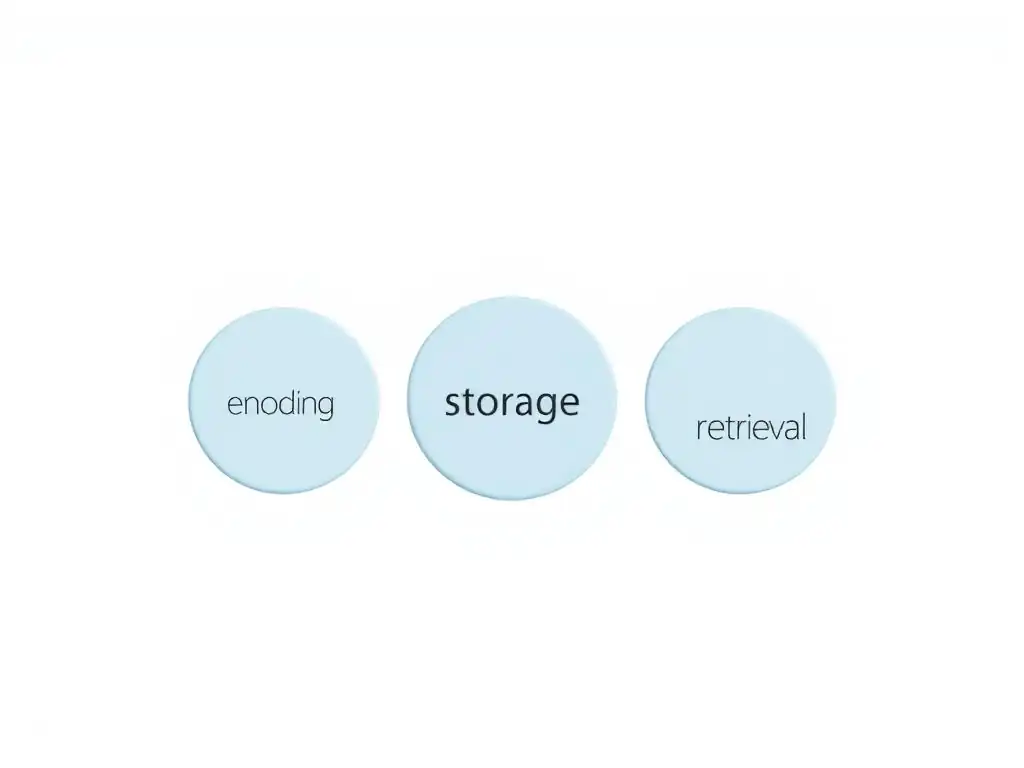
Repetition, a cornerstone of effective learning, significantly impacts how information is processed and retained within the brain. This process isn't simply about rote memorization; it's a multifaceted interaction between encoding, storage, and retrieval. Psychology learning practice repetition relies heavily on understanding this interplay. Encoding refers to the initial processing of information, transforming sensory input into a format the brain can store.
Effective encoding involves paying attention, actively engaging with the material, and connecting new information to pre-existing knowledge. Think of it like creating a detailed filing system for your memories. The more organized and well-connected the "files," the easier they are to locate later.
Storage involves consolidating the encoded information into long-term memory. This process is not passive; it requires active processing and strengthening of neural connections. Repeated exposure to the information strengthens these connections, making the memory trace more resistant to decay. The hippocampus, a crucial brain region, plays a vital role in this consolidation process, transferring memories from short-term to long-term storage.
Retrieval, the final stage, is the process of accessing stored information when needed. The ease of retrieval is directly influenced by the quality of encoding and storage. Stronger memory traces, formed through repetition and active engagement, are more readily retrieved. This is why repeated practice, especially spaced repetition, is so crucial for effective learning.
The Importance of Spaced Repetition in Long-Term Retention
Spaced repetition, a learning technique that involves reviewing material at increasing intervals, is far more effective than massed repetition (cramming). Numerous studies have demonstrated the superiority of spaced repetition for long-term retention. Instead of reviewing information repeatedly in a short period, spaced repetition strategically delays review sessions, capitalizing on the psychological principle of the spacing effect.
This effect suggests that distributing learning over time leads to better long-term retention than cramming the same amount of information into a single session. The reason behind this is likely due to the brain's ability to consolidate memories more effectively when given time to rest and process the information. This allows for more robust memory traces to be formed, making the information more resistant to forgetting.
For example, reviewing flashcards once a day for a week will result in significantly better long-term retention than reviewing them ten times in a single day. This principle is fundamental to many effective learning strategies, from language acquisition to mastering complex subjects. The spacing effect highlights the importance of planning and scheduling your study sessions strategically, rather than relying on last-minute cramming.
The Forgetting Curve and Strategies to Combat It
Hermann Ebbinghaus' forgetting curve vividly illustrates how rapidly we forget information if we don't actively review it. This curve demonstrates an exponential decay of memory over time – the steepest decline occurs immediately after learning, followed by a gradual decrease. Understanding this curve is crucial for effective learning because it emphasizes the importance of timely review. To combat the forgetting curve, several strategies can be employed.
Spaced repetition, as discussed earlier, is highly effective. Active recall, which involves actively retrieving information from memory without looking at the material, is another powerful tool. Interleaving, which involves mixing up different subjects or topics during study sessions, also enhances retention.
Furthermore, elaborative rehearsal – connecting new information to existing knowledge and creating meaningful associations – strengthens memory traces and reduces the rate of forgetting. By actively engaging with the material and using these strategies, learners can significantly improve their long-term retention and minimize the impact of the forgetting curve. The psychology of learning underscores the need for proactive strategies to combat this natural decline in memory.
The Role of Active Recall in Enhancing Memory and Learning
Active recall, a powerful learning technique, involves retrieving information from memory without looking at the material. This contrasts with passive rereading or highlighting, which are less effective for long-term retention. Active recall forces the brain to actively search for the information, strengthening neural connections and improving memory consolidation.
This process is far more effective than simply passively reviewing the material because it engages the brain in a more active and meaningful way. Examples of active recall include using flashcards, practicing questions without looking at the answers, or teaching the material to someone else. The act of retrieving the information strengthens the memory trace, making it more resistant to forgetting and easier to access later.
The "testing effect" demonstrates the significant benefits of active recall, showing that retrieving information through testing leads to better long-term retention than simply restudying the material. Active recall is a key component of effective learning and should be incorporated into any study plan aiming for long-term retention and deep understanding. This process directly addresses the core principles of psychology learning practice repetition.
The Relationship Between Practice, Repetition, and Cognitive Load
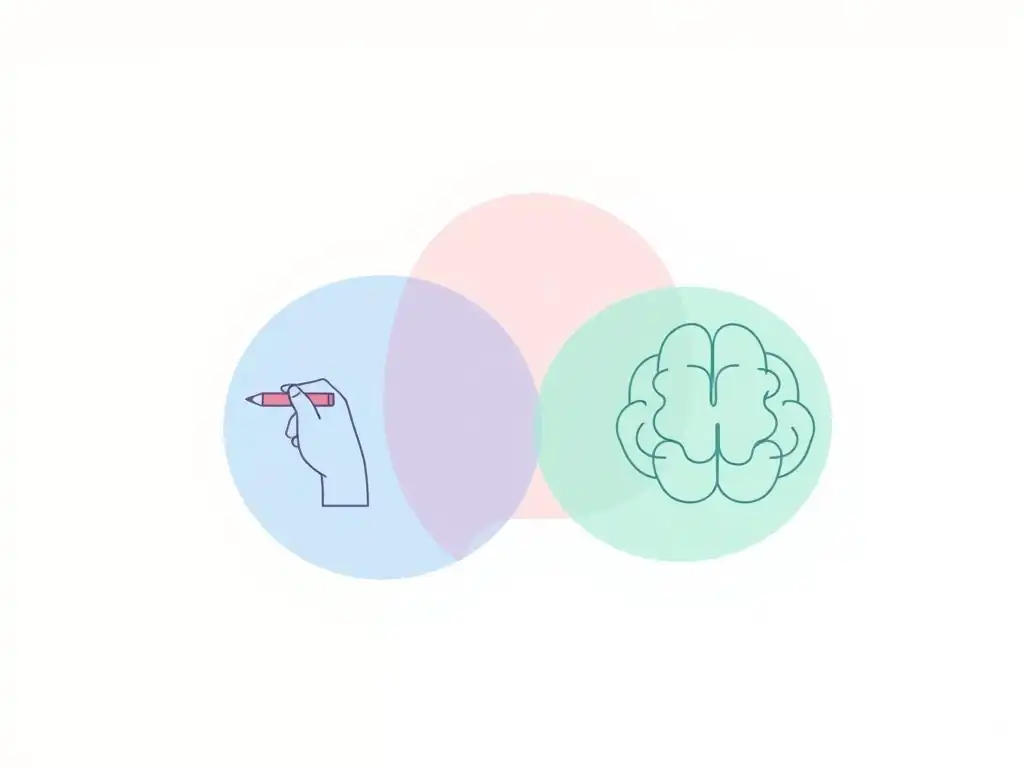
The effectiveness of learning hinges significantly on the interplay between practice, repetition, and cognitive load. Cognitive load refers to the amount of mental effort required to process information. When cognitive load is too high, learning suffers; when it's too low, learning becomes inefficient. The key lies in finding the optimal balance. Effective practice and repetition strategies aim to manage cognitive load, ensuring information is processed deeply and efficiently, leading to long-term retention.
This isn't simply about rote memorization; it's about actively engaging with the material, making connections, and building a robust understanding. Consider the difference between passively rereading notes versus actively recalling information from memory and then comparing it to the notes. The latter engages more cognitive resources, leading to more significant learning gains. The strategic use of practice and repetition helps to offload information from working memory into long-term memory, freeing up cognitive resources for deeper processing.
This process is crucial for mastering complex psychological concepts. This principle applies across various learning modalities, including visual, auditory, and kinesthetic learning styles. The goal is not just to repeat, but to practice meaningfully, connecting new knowledge to existing schemas, and reinforcing neural pathways. This process significantly impacts the effectiveness of psychology learning practice and repetition.
Optimizing Practice Sessions for Effective Learning
Optimizing practice sessions is crucial for maximizing learning outcomes. This involves employing techniques that minimize cognitive overload while maximizing engagement. One effective method is spaced repetition, where learning is distributed over time rather than crammed into short bursts. Studies consistently demonstrate the superiority of spaced repetition over massed practice.
For instance, reviewing material at increasing intervals (e.g., 1 day, 3 days, 7 days, 14 days) leads to significantly better long-term retention. Furthermore, incorporating interleaving, or mixing different concepts during practice sessions, improves learning compared to blocking (practicing one concept at a time). Interleaving forces the learner to actively discriminate between concepts, enhancing memory retrieval and reducing the risk of oversimplification. Another key strategy is the use of active recall, which involves actively retrieving information from memory without looking at notes or other aids.
This forces the brain to work harder, strengthening memory traces and promoting deeper processing. Finally, incorporating feedback is essential. Regular self-testing and receiving feedback on performance helps identify knowledge gaps and refine learning strategies. The effectiveness of these techniques is supported by numerous studies in cognitive psychology, highlighting the importance of thoughtful practice and repetition for long-term knowledge retention in psychology.
Avoiding Overlearning and the Principle of Diminishing Returns
While practice and repetition are essential, there's a point of diminishing returns. Overlearning, or continuing to practice beyond the point of mastery, can lead to wasted effort and decreased efficiency. It's important to recognize when you've reached a level of proficiency and to strategically allocate your practice time to other areas needing improvement. The principle of diminishing returns suggests that the incremental benefit of additional practice decreases as proficiency increases.
This doesn't imply that further practice is entirely useless; it simply means that the return on investment (in terms of learning gains) decreases. For example, after achieving a high level of accuracy on practice questions, spending additional time on the same material may yield minimal improvements. Instead, it might be more beneficial to shift focus to more challenging or less-mastered concepts.
Effective learners recognize this principle and adapt their study habits accordingly, ensuring they allocate their time efficiently. Determining the optimal point for stopping practice requires self-assessment and awareness of one's learning progress. Regular self-testing and performance monitoring are crucial tools for identifying when overlearning is occurring.
Individual Differences in Learning Styles and Practice Strategies
Learning is a deeply personal process, and individuals differ significantly in their learning styles, preferences, and optimal practice strategies. What works for one person may not work for another. Some learners thrive on visual aids and diagrams, while others prefer auditory learning or hands-on activities. Similarly, some learners benefit from structured practice schedules, while others prefer a more flexible approach.
Acknowledging these individual differences is crucial for tailoring practice strategies to maximize learning effectiveness. Consider the application of different mnemonic devices: some individuals find visual imagery highly effective, while others prefer acronyms or rhymes. The key is to experiment with various techniques to discover what best suits one's learning style and cognitive preferences. Furthermore, metacognition – the awareness and understanding of one's own thought processes – plays a vital role in optimizing practice.
Effective learners actively monitor their learning progress, identify areas needing improvement, and adjust their strategies accordingly. This self-regulated learning approach is critical for maximizing learning outcomes and achieving long-term retention of psychological concepts. Understanding and embracing individual learning differences is paramount for optimizing the efficacy of psychology learning practice and repetition.
Practical Applications: Improving Learning Through Practice and Repetition
This section delves into the practical applications of the principles discussed earlier, focusing on how to leverage practice and repetition to optimize learning outcomes. We'll explore effective study strategies rooted in psychological research and examine how to adapt repetition techniques for diverse learning goals. Understanding and applying these strategies can significantly enhance your learning experience and lead to long-term retention of information. The keyword "Psychology learning practice repetition" is central to this discussion, highlighting the interplay between psychological principles and effective learning strategies.
Strategies for Effective Study Habits Based on Psychological Principles
Effective study habits aren't about simply rereading material; they're about actively engaging with it. Psychological research strongly supports the use of spaced repetition, interleaving, and active recall as key components of successful learning.
Spaced repetition involves reviewing material at increasing intervals. Instead of cramming, schedule reviews for the same material at progressively longer intervals – a day later, then a week, then a month. This combats the forgetting curve and significantly improves long-term retention. For example, reviewing vocabulary words daily for a week, then three times a week for the next month, and finally once a week for the following month is far more effective than just memorizing them once.
Interleaving, on the other hand, involves mixing up different subjects or topics during study sessions. Instead of studying one subject exclusively for an hour, alternate between different subjects every 20-30 minutes. This forces your brain to actively discriminate between concepts, strengthening memory and reducing interference. Studies show that interleaving leads to better performance on tests compared to studying subjects in blocks.
Active recall, also known as the testing effect, involves actively retrieving information from memory without looking at your notes. Techniques like flashcards, self-testing, and practice questions are excellent examples. This process strengthens memory traces and identifies knowledge gaps. Instead of passively rereading your textbook, try to answer questions related to the material from memory first, then consult your notes to check your answers.
Applying Repetition Techniques to Different Learning Objectives
The optimal approach to practice and repetition varies depending on the learning objective. Memorization tasks, such as learning vocabulary or historical dates, benefit from spaced repetition and techniques like flashcards. These methods allow for focused practice and retrieval of specific information.
For more complex skills, such as playing a musical instrument or mastering a new programming language, deliberate practice is crucial. This involves focused attention on specific aspects of the skill, identifying areas for improvement, and repeatedly practicing those areas with feedback. Deliberate practice emphasizes quality over quantity, ensuring that each repetition is productive and contributes to skill development.
Consider this table outlining different learning objectives and suitable repetition strategies:
| Learning Objective | Repetition Strategy | Example |
|---|---|---|
| Memorizing vocabulary | Spaced repetition using flashcards | Reviewing vocabulary words at increasing intervals |
| Mastering a musical piece | Deliberate practice focusing on challenging passages | Repeatedly practicing difficult sections with a focus on accuracy and technique |
| Understanding complex concepts | Active recall through self-testing and problem-solving | Answering practice questions and explaining concepts in your own words |
| Solving mathematical problems | Practice with varied problem types | Working through a diverse range of problems to identify patterns and strategies |
The Importance of Consistent Practice for Long-Term Success in Learning
Consistency is paramount. The benefits of practice and repetition are cumulative; regular, even if brief, study sessions are more effective than infrequent, marathon study sessions. Consistent practice reinforces learning, prevents forgetting, and promotes long-term retention. Think of it like building a muscle; consistent exercise leads to strength and endurance, while sporadic bursts of activity yield limited results.
Similarly, consistent engagement with learning material leads to stronger and more durable memory traces. Furthermore, consistent practice fosters a positive feedback loop, boosting motivation and confidence, which are essential for long-term learning success. This reinforces the importance of integrating "Psychology learning practice repetition" into a sustainable study routine.
Future Directions in Research: The Psychology of Practice and Learning
The burgeoning field of learning science continues to unravel the complexities of how we acquire and retain knowledge and skills. While much progress has been made in understanding the role of practice and repetition in learning, numerous avenues remain ripe for exploration. This section delves into key future research directions, focusing on the interplay between neuroscience, personalized learning, and educational technology. These areas offer exciting prospects for enhancing our understanding of "Psychology learning practice repetition" and optimizing learning outcomes.
Exploring the Neurobiological Mechanisms Underlying Skill Acquisition
Understanding the neurological underpinnings of skill acquisition through practice and repetition is crucial for developing effective learning strategies. Future research should focus on:
- Identifying specific brain regions and neural pathways: More research is needed to pinpoint the precise brain areas involved in different stages of skill learning, from initial encoding to long-term consolidation. Functional magnetic resonance imaging (fMRI) and electroencephalography (EEG) studies can help map these neural processes with greater precision. This includes investigating the roles of different neurotransmitters and neuromodulators in learning and memory consolidation.
- Investigating the impact of different practice schedules: The timing and spacing of practice sessions significantly influence learning outcomes. Future research should explore the optimal scheduling strategies for various types of skills and learning styles. For example, are massed practice sessions (concentrated practice) better for procedural skills, while spaced repetition is more effective for declarative knowledge? This requires controlled experiments comparing different practice schedules and measuring their effects on both performance and retention.
- Understanding the role of sleep in skill consolidation: Sleep plays a vital role in memory consolidation. Further research is needed to elucidate the specific mechanisms through which sleep contributes to the strengthening of neural connections formed during practice. This includes investigating the impact of different sleep stages on skill retention and the potential benefits of targeted sleep interventions to enhance learning.
Investigating Personalized Practice Strategies for Optimal Learning Outcomes
The "one-size-fits-all" approach to learning is outdated. Future research should prioritize personalized learning strategies tailored to individual differences in learning styles, cognitive abilities, and motivational factors. This involves:
- Developing adaptive learning platforms: Technology offers the potential to create adaptive learning systems that adjust the difficulty and pacing of practice exercises based on individual learner performance. These systems could provide real-time feedback, identify areas of weakness, and dynamically adjust the learning path to optimize learning outcomes.
- Identifying individual learning preferences: Research should explore how individual learning preferences (visual, auditory, kinesthetic) influence the effectiveness of different practice methods. This could lead to the development of personalized practice strategies that cater to individual learning styles, potentially improving engagement and learning efficiency.
- Measuring the impact of motivational factors: Motivation plays a crucial role in learning persistence and success. Research should investigate how motivational factors, such as goal setting, feedback, and self-efficacy, influence the effectiveness of practice and repetition. This includes exploring the use of gamification and other motivational techniques to enhance engagement and promote sustained effort during practice.
The Future of Educational Technology and its Impact on Practice and Repetition
Educational technology is rapidly evolving, offering exciting opportunities to enhance the effectiveness of practice and repetition in learning. Future research should explore:
- The potential of virtual and augmented reality: VR and AR technologies offer immersive learning environments that can provide realistic and engaging practice opportunities, particularly for complex skills. Research should investigate the effectiveness of these technologies in promoting skill acquisition and retention across various domains.
- The use of AI-powered tutoring systems: AI-powered systems can provide personalized feedback, adaptive practice exercises, and targeted support to learners. Further research is needed to evaluate the effectiveness of these systems and to address ethical considerations related to their use.
- The development of effective assessment tools: Accurate and efficient assessment of learning progress is crucial for optimizing practice strategies. Future research should focus on developing innovative assessment tools that capture a broad range of learning outcomes, including problem-solving skills and critical thinking abilities. This includes exploring the use of automated essay scoring and other advanced assessment techniques.
The future of "Psychology learning practice repetition" research promises to deliver significant advancements in our understanding of how we learn and how we can optimize the learning process. By integrating insights from neuroscience, personalized learning, and educational technology, we can create more effective and engaging learning experiences for all.
Frequently Asked Questions
How important is repetition in learning psychological concepts?
Repetition is absolutely crucial for effective learning in psychology. It strengthens neural pathways, making information easier to recall and apply. Consistent review is key to long-term retention.
What are some effective techniques for practicing psychology concepts?
Effective techniques include active recall, such as self-testing and flashcards; spaced repetition, reviewing material at increasing intervals; and elaborative rehearsal, connecting new information to existing knowledge.
Does the type of repetition matter in psychology learning?
Yes, passive repetition, like rereading notes, is less effective than active repetition. Active methods, engaging with the material actively, lead to better understanding and retention.
How does practice testing improve learning outcomes in psychology?
Practice testing forces active recall, strengthening memory traces. It also helps identify knowledge gaps, allowing for focused study and improvement. This leads to better performance on assessments.
What is the relationship between psychology learning practice repetition and long-term memory?
Consistent practice and repetition are essential for transferring information from short-term to long-term memory. The more you engage with the material, the stronger the memory trace becomes, making it easier to retrieve information later.
Final Reflection: Mastering the Mind Through Deliberate Practice
The power of consistent practice and repetition isn't just a cliché; it's the bedrock of lasting learning and skill acquisition. This principle, deeply rooted in psychological research, holds profound implications for how we approach education, skill development, and even personal growth in the modern world, impacting everything from academic achievement to professional success. The sheer volume of information available today only underscores the critical need for effective learning strategies, and deliberate practice stands out as a vital tool in navigating this information overload.
The impact of consistent, focused practice on shaping our cognitive abilities and influencing our cultural landscape is undeniable. We see it reflected in the mastery of musicians, athletes, and artists alike. The dedication to refining skills through repetition transcends individual achievement; it shapes societal progress. Practice doesn't make perfect, it makes permanent.
This quote, while often misattributed, highlights the crucial role of repetition in solidifying neural pathways and creating lasting change. The more we understand the psychological mechanisms behind this process, the more effectively we can design learning experiences that foster genuine understanding and expertise.
Consider the implications of this for your own life. How can you apply the principles of deliberate practice to your own learning goals? What areas of your life could benefit from a more focused and intentional approach to skill development? Don't just passively consume information; actively engage with it through consistent practice and targeted repetition. Embrace the challenge, celebrate the small victories, and watch as your understanding deepens and your abilities flourish. The journey of learning is a marathon, not a sprint, and deliberate practice is your key to crossing the finish line.
**Embrace the Power of Practice! **
Thank you for exploring the world of psychology with us! This article highlighted the crucial role of consistent practice and repetition in effective learning. Now, let's put that knowledge into action.
Here's how you can enhance your learning:
- **Establish a consistent practice schedule:** Dedicate a specific time each day to reinforce what you've learned. This could involve studying, practicing a new skill, or pursuing a hobby.
- **Monitor your progress:** Maintain a journal to reflect on your learning and celebrate your achievements, no matter how small.
- **Connect with others:** Share your experiences and challenges with friends or a community focused on your interests. Collaborative learning can significantly boost your understanding.
How will you incorporate these strategies into your daily routine to maximize your learning? Let's share our experiences and inspire each other in the comments below!