
IEPs and 504 Plans: Essential Support for Students with Learning Disabilities


Welcome to Psychology Basics, your gateway to understanding the fascinating world of human behavior. We're dedicated to making complex psychological concepts accessible to everyone. This site is designed for students and curious minds alike, eager to explore the intricacies of the human mind. Intrigued by the challenges and triumphs of learning? Dive into our latest article on IEP 504 plan learning disabilities, where we unravel the essential support systems in place to help students thrive. Discover how these plans empower students and unlock their full potential – read on to learn more!
- Understanding Learning Disabilities and the Need for Support
- IEPs: Individualized Education Programs
- 504 Plans: Section 504 of the Rehabilitation Act
- IEPs vs. 504 Plans: A Side-by-Side Comparison
- Supporting Students with IEPs and 504 Plans in the Classroom
- Resources and Further Information for Parents and Educators
- Frequently Asked Questions
- Final Reflection: Empowering Students Through Understanding IEPs and 504 Plans
- **Empower Students Today: Take Action for Learning Support! **
Understanding Learning Disabilities and the Need for Support
Navigating the educational landscape for students with learning disabilities can be complex. This article delves into two crucial support systems—Individualized Education Programs (IEPs) and 504 Plans—designed to help students overcome challenges and reach their full potential. Understanding the distinctions between IEPs and 504 Plans, and the processes involved in obtaining them, is vital for educators, parents, and students alike.
We will explore the defining characteristics of learning disabilities, the identification process for students who may benefit from these plans, and the essential role educational psychologists play in assessment and intervention. This guide aims to clarify the nuances of IEP 504 plan learning disabilities support, empowering readers with a comprehensive understanding of these critical educational tools. The information provided will equip you to advocate effectively for students requiring specialized assistance to thrive academically and socially.
Defining Learning Disabilities: Types and Characteristics
Learning disabilities represent a heterogeneous group of neurodevelopmental disorders impacting the acquisition and use of listening, speaking, reading, writing, reasoning, or mathematical abilities. These difficulties are not due to intellectual disabilities, sensory impairments, or environmental factors, but rather to inherent neurological differences in processing information.
Several types of learning disabilities exist, each with unique characteristics:
- Dyslexia: Primarily affects reading, impacting phonological awareness, decoding, and fluency. Students with dyslexia may struggle with spelling and reading comprehension.
- Dysgraphia: Impacts writing abilities, affecting handwriting, spelling, and organization of written thoughts. Students may experience difficulties with fine motor skills and spatial reasoning.
- Dyscalculia: Affects mathematical abilities, impacting number sense, calculation, and problem-solving. Students may struggle with understanding mathematical concepts and applying them.
- Auditory Processing Disorder: Affects the ability to process auditory information, leading to difficulties with listening comprehension, following directions, and distinguishing sounds.
- Visual Processing Disorder: Affects the ability to process visual information, leading to difficulties with reading, writing, and spatial reasoning.
It's crucial to remember that learning disabilities often co-occur, meaning a student may present with characteristics of multiple learning disabilities simultaneously. Early identification and intervention are key to maximizing a student's academic and personal success. A comprehensive assessment is essential to determine the specific type and severity of the learning disability, informing the development of appropriate support strategies.
Identifying Students Who May Benefit from IEPs and 504 Plans
Identifying students who might benefit from an IEP or 504 plan requires a multi-faceted approach involving educators, parents, and sometimes specialists like educational psychologists. Early signs of a learning disability can manifest in various ways:
- Academic struggles: Consistent underperformance in specific subjects despite adequate instruction and effort.
- Behavioral issues: Frustration, inattention, or disruptive behaviors stemming from academic difficulties.
- Social-emotional challenges: Low self-esteem, anxiety, or social isolation due to academic struggles.
While both IEPs and 504 plans offer support, they differ significantly:
| Feature | IEP | 504 Plan |
|---|---|---|
| Legal Basis | Individuals with Disabilities Education Act (IDEA) | Section 504 of the Rehabilitation Act of 1973 |
| Eligibility | Significant learning disability impacting educational performance | Disability that substantially limits one or more major life activities |
| Process | Formal evaluation, individualized plan developed by a team | Less formal process, plan developed by a team |
| Services | Specialized instruction, accommodations, related services (e.g., therapy) | Accommodations and modifications to the learning environment |
A student may qualify for both an IEP and a 504 plan, although this is less common. The decision depends on the severity of the disability and the extent of support needed.
The Role of Educational Psychologists in Assessment and Intervention
Educational psychologists play a vital role in the identification and support of students with learning disabilities. Their expertise is crucial in:
- Conducting comprehensive assessments: Using standardized tests, observations, and interviews to identify the presence and nature of learning disabilities.
- Developing individualized interventions: Designing and implementing tailored strategies to address specific learning needs.
- Collaborating with educators and parents: Providing guidance and support to educators and parents on strategies for effective instruction and classroom management.
- Monitoring student progress: Tracking student progress and making adjustments to interventions as needed.
Their involvement ensures that students receive appropriate and effective support, maximizing their potential for academic success. Educational psychologists contribute significantly to the development and implementation of both IEPs and 504 plans, ensuring that these plans are comprehensive, individualized, and effective in meeting the unique needs of each student. Their expertise is instrumental in creating inclusive and supportive learning environments for all students, regardless of their learning differences.
IEPs: Individualized Education Programs

This section delves into the specifics of Individualized Education Programs (IEPs), a crucial support system for students with learning disabilities. We will explore what constitutes an IEP, the process involved in obtaining one, and the key components that make an IEP effective. Understanding IEPs is vital for parents, educators, and students alike in navigating the challenges associated with learning disabilities. The term "IEP 504 plan learning disabilities" highlights the key support systems available.
What is an IEP? Eligibility Criteria and the IEP Process
An IEP is a legally binding document outlining specialized instruction and support services tailored to a student's unique learning needs. It's not a one-size-fits-all solution; rather, it's a personalized roadmap designed to help students with disabilities succeed academically and socially. Eligibility for an IEP hinges on a student demonstrating a significant discrepancy between their academic performance and their potential, often indicated through standardized testing, classroom observations, and teacher evaluations. This discrepancy must be related to one or more specific learning disabilities, such as dyslexia, dysgraphia, or ADHD.
The IEP process typically begins with a referral from a teacher, parent, or other concerned professional. This referral triggers a comprehensive evaluation, which might include psychological testing, educational assessments, and observations in the classroom. If the evaluation reveals a significant learning disability impacting the student's educational progress, an IEP team is convened. This team typically includes the student's parents, educators, specialists (such as school psychologists or special education teachers), and, ideally, the student themselves (depending on their age and maturity).
The team collaboratively develops the IEP, outlining specific, measurable, achievable, relevant, and time-bound (SMART) goals. Regular reviews and updates are integral to ensuring the IEP remains relevant and effective throughout the student's education. The entire process emphasizes collaboration and parental involvement, ensuring that the plan meets the individual needs of the child.
Components of an Effective IEP: Goals, Accommodations, and Modifications
A well-crafted IEP comprises several crucial components working in concert to address the student's learning challenges. Central to this are clearly defined goals, which detail specific academic or behavioral targets the student aims to achieve within a set timeframe. These goals might focus on improving reading comprehension, enhancing writing skills, or managing attention in the classroom. For example, a goal might be: "By June, [Student Name] will improve their reading fluency from 50 words per minute to 80 words per minute, with 90% accuracy, as measured by weekly timed readings."
Beyond goals, accommodations and modifications are essential elements. Accommodations adjust how a student learns without altering the content or expectations of the curriculum. Examples include providing extra time on tests, allowing the use of assistive technology (like text-to-speech software), or offering preferential seating. In contrast, modifications alter the what of the curriculum, adjusting the content or expectations to better match the student's capabilities.
This might involve simplifying assignments, providing alternative assessments, or reducing the amount of work assigned. The careful distinction between accommodations and modifications is crucial for ensuring the IEP appropriately supports the student's learning while maintaining appropriate academic rigor. The IEP should clearly distinguish between these two types of support, specifying which strategies are being implemented and why. This detailed approach ensures the plan's effectiveness and transparency.
IEP Meetings: Collaboration Between Parents, Educators, and Specialists
IEP meetings are not simply bureaucratic exercises; they are collaborative forums where parents, educators, and specialists work together to create and monitor the student's IEP. These meetings are crucial for open communication and shared decision-making. Effective IEP meetings involve active participation from all members, ensuring that everyone's perspectives and concerns are heard and addressed.
Parents play a vital role in providing insights into their child's strengths, challenges, and learning styles outside the school environment. Educators share their observations of the student's progress in the classroom, while specialists offer their professional expertise in diagnosing and addressing learning disabilities. The student's voice, whenever possible, should also be incorporated into the discussion, fostering a sense of ownership and autonomy.
The frequency of IEP meetings varies, but they typically occur at least annually to review the student's progress and make necessary adjustments to the IEP. Progress monitoring between meetings is also essential, allowing for timely interventions if the student is not meeting their goals. Documentation of these meetings, including the decisions made and the rationale behind them, is crucial for maintaining a clear and accessible record of the student's educational journey.
The collaborative spirit of these meetings is essential for creating an effective and supportive learning environment that caters to the unique needs of students with learning disabilities. Open communication and a shared commitment to the student's success are the hallmarks of a productive IEP meeting. The collaborative nature of these meetings highlights the importance of teamwork in addressing the complexities of "IEP 504 plan learning disabilities".
Measuring Progress and Revising IEPs: A Continuous Process
An IEP isn't a static document; it's a living, breathing plan designed to adapt to a student's evolving needs. Regular monitoring and evaluation are crucial to ensure the IEP remains effective. This involves consistent data collection to track the student's progress toward their goals.
Methods for measuring progress are diverse and depend on the specific goals outlined in the IEP. For instance, a student working on improving reading comprehension might be assessed through standardized reading tests, informal reading inventories, classroom observations, and teacher-made assessments. A student aiming to enhance their social skills might be evaluated through teacher checklists, peer feedback, and observations of their interactions in various settings.
The frequency of progress monitoring varies, but it typically occurs at least once a term, or even more frequently for students who are struggling or making slow progress. The data gathered isn't simply for record-keeping; it's the foundation for informed decision-making. If a student isn't making sufficient progress toward a goal, the IEP team—including parents, educators, specialists, and the student themselves (when appropriate)—must meet to analyze the situation.
This might involve reviewing the current strategies, considering alternative approaches, or adjusting the goals themselves. Perhaps the initial goals were too ambitious, or the chosen interventions weren't effective. The team might decide to intensify support, introduce new teaching methods, or modify the learning environment to better suit the student’s needs.
Revising an IEP is a collaborative process, emphasizing open communication and shared responsibility. It requires careful consideration of the student's strengths, weaknesses, and learning style. The data collected provides concrete evidence to inform these revisions, ensuring the plan remains relevant and effective.
The goal is not simply to change the IEP for the sake of change, but to optimize the student's learning experience and maximize their potential. Regular reviews and adjustments are vital components of ensuring the IEP effectively addresses the student's unique learning challenges and supports their academic and personal growth. This continuous cycle of monitoring, evaluation, and revision is what truly makes an IEP a powerful tool for students with learning disabilities.
The iterative nature of the process allows for flexibility and responsiveness, making it possible to adapt the plan as the student’s needs change over time. This adaptability is essential for ensuring the IEP's continued effectiveness in supporting the student's educational journey.
504 Plans: Section 504 of the Rehabilitation Act
This section delves into Section 504 of the Rehabilitation Act of 1973, a crucial piece of legislation ensuring equal opportunities for individuals with disabilities. While often discussed alongside IEPs (Individualized Education Programs), 504 plans serve a distinct purpose, focusing on removing barriers to learning and participation for students with disabilities who don't require the specialized instruction provided by an IEP. Understanding the nuances of Section 504 is key to effectively supporting students with learning disabilities and other impairments.
The act prohibits discrimination based on disability in programs and activities receiving federal financial assistance. This includes schools, which must provide reasonable accommodations to ensure students with disabilities have equal access to education. A 504 plan is a formal document outlining these accommodations.
Understanding Section 504 and its Applicability to Students
Section 504 applies to students with a wide range of disabilities that substantially limit one or more major life activities. This is a broader definition than that used for IEPs. While learning disabilities are frequently addressed under Section 504, the definition also encompasses conditions like ADHD, chronic illnesses (e.g., asthma, diabetes), and physical impairments that impact a student's ability to participate fully in the educational environment. The key is that the disability must significantly affect the student's ability to learn or participate in school activities.
A student might qualify for a 504 plan if their learning disability, for example dyslexia, impacts their reading comprehension to the point where it interferes with their ability to access classroom materials and succeed academically. This impact needs to be documented through evaluations and observations. The process emphasizes providing reasonable accommodations rather than modifying the curriculum itself. This is a critical difference from IEPs.
Differences Between IEPs and 504 Plans: Key Distinctions
The distinction between IEPs and 504 plans is often a source of confusion. Here's a table summarizing the key differences:
| Feature | IEP | 504 Plan |
|---|---|---|
| Legal Basis | Individuals with Disabilities Education Act (IDEA) | Section 504 of the Rehabilitation Act of 1973 |
| Disability Severity | Significant learning needs requiring specialized instruction | Disability that substantially limits one or more major life activities |
| Eligibility | Requires formal evaluation and determination of eligibility | Requires documentation of a disability impacting learning |
| Curriculum | May involve modified curriculum and specialized instruction | Primarily focuses on accommodations within the general education curriculum |
| Team Involvement | Requires a multidisciplinary team (parents, teachers, specialists) | Typically involves a smaller team (often a teacher and school administrator) |
| Funding | Federally funded | Not directly federally funded; schools must provide accommodations |
The core difference lies in the level of educational support needed. IEPs are for students needing significant modifications to their curriculum and specialized instruction, while 504 plans address students who can succeed in the general education classroom with reasonable accommodations. For example, a student with dysgraphia (difficulty with writing) might receive accommodations under a 504 plan such as using a computer for writing assignments, while a student with a more severe learning disability might require a more intensive IEP with specialized instruction in writing. 💻
The 504 Plan Process: Assessment, Development, and Implementation
The 504 plan process begins with a referral, often initiated by parents, teachers, or the student themselves. A team, typically including a school administrator and a teacher, reviews the student's records and may conduct evaluations to determine if a disability substantially limits a major life activity. This assessment process is less formal than the IEP evaluation. Once eligibility is determined, the team develops a 504 plan outlining specific accommodations. These accommodations can address various aspects of the student's learning environment, including:
- Instructional Accommodations: Extended time on tests, alternative assessment methods, use of assistive technology (e.g., text-to-speech software), preferential seating.
- Environmental Accommodations: Reduced distractions in the classroom, adjusted lighting, modified workload.
- Testing Accommodations: Extra time, use of a computer, alternative formats for test materials.
The plan is then implemented, with regular progress monitoring to ensure its effectiveness. The 504 plan is a living document; it can be reviewed and revised as needed to meet the evolving needs of the student. Regular meetings are often scheduled to track progress and make necessary adjustments. Successful implementation requires collaboration between parents, educators, and the student to ensure the accommodations are effective and meet the student's specific requirements. This collaborative approach is key to the success of the 504 plan and the student's overall academic progress. 💯
Accommodations and Modifications in a 504 Plan: Examples and Strategies
Accommodations and modifications are crucial components of a 504 plan, designed to help students with disabilities succeed in the educational environment. The key difference lies in their impact on the curriculum itself. Accommodations change how a student learns the material, without altering the material's content or expectations. Modifications, on the other hand, change what a student is expected to learn, adjusting the curriculum's demands to better suit their individual needs. Both are essential tools for creating an inclusive and effective learning experience, and the specific choices will depend on a comprehensive evaluation of the student's strengths and weaknesses.
Let's explore some examples. A student with ADHD might receive accommodations like preferential seating (away from distractions), frequent breaks, or use of a noise-canceling headset. These adjustments don't change what they need to learn—the curriculum remains the same—but they improve their ability to access and process the information. In contrast, a student struggling significantly with reading comprehension might receive modifications such as shortened assignments, alternative assessment methods (oral exams instead of written ones), or access to audiobooks. Here, the content of their learning experience is altered to make it manageable.
Effective implementation requires careful planning and collaboration. Teachers, parents, specialists, and the student themselves should actively participate in developing and reviewing the 504 plan. Regular monitoring of the plan's effectiveness is crucial, ensuring that the accommodations and modifications remain appropriate and beneficial.
For instance, a student's needs might change over time, requiring adjustments to their 504 plan. This iterative process ensures the plan remains a dynamic tool, adapting to the student's evolving needs and maximizing their learning potential. The ultimate goal is to create a supportive learning environment where students with learning disabilities can thrive and reach their full potential.
This often involves a combination of both accommodations and modifications, tailored to the individual student's unique profile. For example, a student with dysgraphia (difficulty with writing) might receive accommodations like using a computer for writing assignments and modifications like reduced writing length on assessments. This holistic approach underscores the importance of individualized support in addressing learning disabilities effectively.
IEPs vs. 504 Plans: A Side-by-Side Comparison
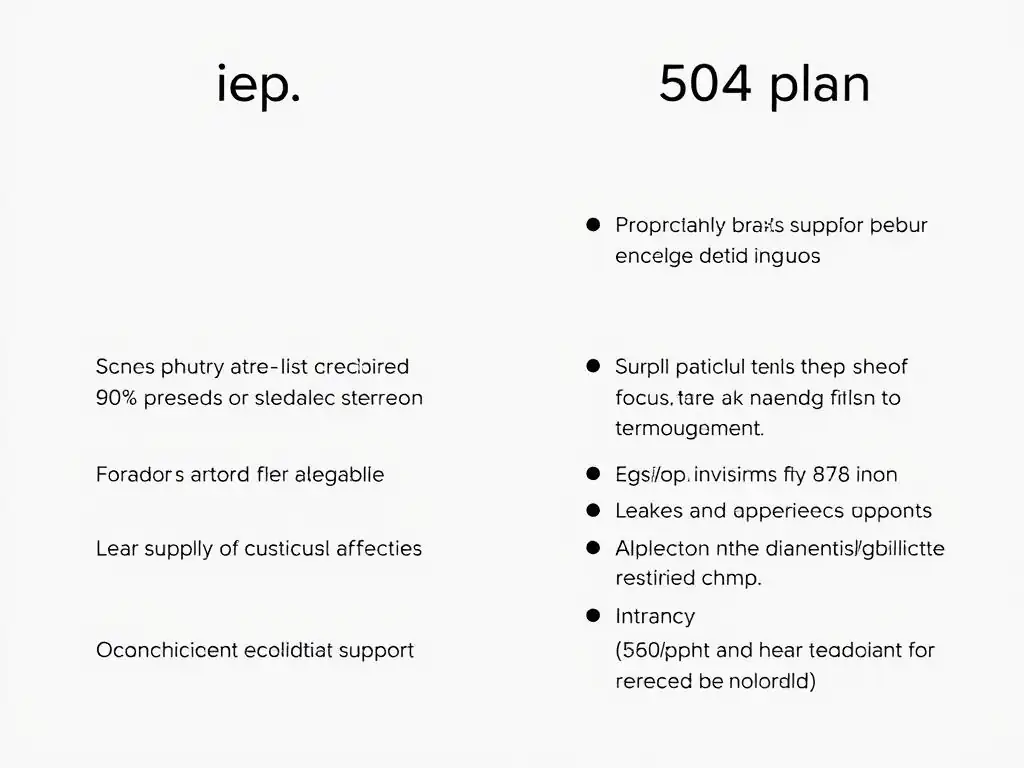
This section clarifies the key differences between Individualized Education Programs (IEPs) and Section 504 Plans, two crucial support systems for students with learning disabilities. Understanding these distinctions is vital for parents, educators, and students themselves to access appropriate and effective interventions. The choice between an IEP and a 504 plan hinges on the severity and nature of the learning disability and its impact on the student's educational performance. Both aim to ensure students with disabilities have equal access to education, but they differ significantly in their implementation and scope.
Eligibility Requirements: A Comparative Analysis
Eligibility for an IEP and a 504 plan involves distinct processes and criteria. An IEP is designed for students with disabilities who require specialized instruction and related services to access their education. To qualify for an IEP, a student must be identified as having one or more disabilities listed in the Individuals with Disabilities Education Act (IDEA). This typically involves a comprehensive evaluation conducted by a multidisciplinary team, including educators, psychologists, and other relevant professionals.
The evaluation assesses the student's academic performance, cognitive abilities, and social-emotional development to determine the need for special education services. The process often includes standardized testing, observations in the classroom, and interviews with parents and teachers. The presence of a significant learning disability, such as dyslexia, dysgraphia, or ADHD, often triggers this evaluation.
Conversely, a 504 plan is broader in scope. It's designed for students with disabilities that substantially limit one or more major life activities. This includes learning disabilities, but also physical disabilities, chronic illnesses, and mental health conditions. The evaluation process for a 504 plan is less formal than for an IEP.
A determination of eligibility is often made by a school team, sometimes without the need for extensive testing. The focus is on whether the disability significantly impacts the student's ability to access and benefit from the general education curriculum. A student might qualify for a 504 plan even if their learning disability doesn't meet the stringent criteria for an IEP.
Types of Support Provided: IEP vs. 504 Plan
The support provided under an IEP and a 504 plan differs substantially in its intensity and scope. IEPs offer a highly individualized and comprehensive approach. They outline specific, measurable, achievable, relevant, and time-bound (SMART) goals tailored to the student's unique needs.
These goals might include specialized instruction in reading, writing, or math; assistive technology; modifications to classroom assignments; and related services such as speech therapy or occupational therapy. The IEP team regularly monitors the student's progress and makes adjustments to the plan as needed. The level of support is often significantly more intensive than that provided under a 504 plan.
A 504 plan, while also individualized, typically focuses on providing accommodations and modifications to the general education setting. These might include extended time on tests, preferential seating, access to assistive technology, or adjustments to assignments. The goal is to remove barriers to learning and create a supportive environment for the student's success. The support provided is generally less intensive and doesn't involve specialized instruction in the same way as an IEP. Think of it as providing reasonable adjustments to help a student thrive within the general education classroom, rather than providing a completely separate educational program.
Legal Frameworks and Protections: Understanding the Differences
Both IEPs and 504 plans are legally mandated under federal law to protect the rights of students with disabilities. However, the specific legal frameworks differ. IEPs are governed by the Individuals with Disabilities Education Act (IDEA), which provides significant legal protections and procedural safeguards for students with disabilities and their families. IDEA mandates parental involvement in the IEP development process, provides for due process hearings if disagreements arise, and ensures access to a free and appropriate public education (FAPE).
Section 504 plans, on the other hand, are implemented under Section 504 of the Rehabilitation Act of 1973. While this also ensures equal access to education, the procedural safeguards are less stringent than those under IDEA. While parental involvement is encouraged, the process may be less formal. The focus is on ensuring that students with disabilities have equal access to the benefits, services, and activities available to other students. The legal protections under Section 504 are designed to prevent discrimination based on disability, ensuring students with disabilities are not excluded from any educational program or activity.
The key takeaway is that both IEPs and 504 plans are valuable tools for supporting students with learning disabilities, but they serve different purposes and operate under different legal frameworks. Understanding these differences is crucial for ensuring that students receive the appropriate level of support to succeed academically. The choice between an IEP and a 504 plan depends on the individual student's needs and the severity of their disability.
Choosing the Right Support Plan for Individual Needs
Choosing between an IEP and a 504 plan is not a simple yes or no decision. The best plan depends entirely on the student's individual needs and the severity of their learning disabilities. A thorough evaluation by educational professionals is crucial to determine the most appropriate support. This evaluation considers various factors, including the student's academic performance, social-emotional well-being, and specific learning challenges.
For instance, a student struggling with mild attention difficulties might benefit from a 504 plan's accommodations, while a student facing significant cognitive impairments might require the more intensive support offered by an IEP. The process involves collaboration between parents, teachers, specialists, and the student themselves (when appropriate), ensuring a personalized approach that addresses the unique learning profile of each child. It’s important to remember that neither plan is inherently “better”; their effectiveness hinges on their accurate application to the individual's specific requirements. The decision isn't just about the diagnosis but also about the practical implications and the best pathway for academic success and overall well-being.
Regular review and adjustments are essential to ensure the plan remains effective and responsive to the student's evolving needs. This collaborative and dynamic approach underscores the importance of ongoing assessment and communication among all stakeholders involved in the student's educational journey. Ultimately, the goal is to create an environment that fosters learning and allows the student to reach their full potential.
Supporting Students with IEPs and 504 Plans in the Classroom
This section delves into practical strategies for educators to effectively support students with Individualized Education Programs (IEPs) and Section 504 plans within the classroom setting. Understanding the nuances of both IEP and 504 plans is crucial for providing appropriate and individualized learning experiences. Remember, the goal is to foster a supportive and inclusive learning environment where every student can thrive. Effective implementation hinges on a multi-faceted approach, encompassing classroom management, collaboration, and inclusive teaching practices. This section will explore these key areas in detail.
Strategies for Effective Classroom Management and Instruction
Effective classroom management is paramount when working with students who have IEPs or 504 plans. These students may require specific accommodations and modifications to succeed academically and socially. A structured and predictable classroom environment can significantly reduce anxiety and improve focus. Here are some key strategies:
- Clear Expectations and Routines: Establish clear rules and routines from the beginning of the school year. Consistency is key; students with learning disabilities thrive in predictable environments. Visually represent rules using charts or pictures, especially beneficial for students with visual learning preferences. This visual support can be a crucial element of their 504 plan or IEP.
- Positive Reinforcement: Focus on positive reinforcement rather than punishment. Celebrate successes, no matter how small. Use reward systems that align with individual student needs and preferences, as outlined in their IEP or 504 plan. A simple sticker chart or a verbal praise can be highly effective.
- Differentiated Instruction: Tailor instruction to meet the diverse needs of all learners. This is crucial for students with IEPs or 504 plans. Differentiate instruction by adjusting the content, process, or product, ensuring that all students can access and master the material. This might involve providing additional support, modifying assignments, or offering alternative assessment methods.
- Accommodations and Modifications: Understand and implement the specific accommodations and modifications outlined in each student's IEP or 504 plan. These plans are legally binding documents that detail the individualized support each student requires. Examples include extended time on tests, preferential seating, use of assistive technology, or modified assignments. Failure to implement these can negatively impact a student's learning and well-being.
- Frequent Check-ins: Regularly monitor student progress and provide feedback. Regular check-ins allow for early identification of potential challenges and enable timely adjustments to instruction and support. This proactive approach is crucial for students with learning disabilities, ensuring they stay on track.
Collaboration with Specialists and Support Staff
Effective support for students with IEPs and 504 plans requires strong collaboration among various stakeholders. Regular communication with specialists, such as special education teachers, school psychologists, and occupational therapists, is essential. This collaborative approach ensures that all support strategies are aligned and maximize student success.
| Stakeholder | Role | Frequency of Communication | Method of Communication |
|---|---|---|---|
| Special Education Teacher | Develops and implements IEP goals, provides specialized instruction | Weekly or as needed | Meetings, email, phone calls |
| School Psychologist | Conducts assessments, provides recommendations for accommodations | As needed | Meetings, written reports |
| Occupational Therapist | Addresses fine motor skills, sensory processing needs | As needed | Meetings, observations |
| Parents/Guardians | Active participants in the IEP/504 process, provide valuable insights | Regularly | Meetings, email, phone calls |
This collaborative model ensures that everyone is working together towards a common goal: the student's academic and social-emotional success. Consistent communication and shared understanding are vital for the effective implementation of IEPs and 504 plans. Regular meetings, perhaps monthly or bi-monthly, should be scheduled to review progress, address challenges, and make necessary adjustments.
Creating an Inclusive Learning Environment for All Students
Creating an inclusive learning environment benefits all students, not just those with IEPs or 504 plans. An inclusive classroom fosters a sense of belonging and acceptance, where every student feels valued and respected. This positive and supportive atmosphere is particularly important for students with learning disabilities, who may experience feelings of isolation or frustration.
- Positive Classroom Culture: Foster a classroom culture that celebrates diversity and embraces individual differences. Emphasize empathy, respect, and understanding among all students. This inclusive environment can significantly improve the learning experience for students with IEPs or 504 plans, reducing feelings of stigma or inadequacy.
- Universal Design for Learning (UDL): Implement UDL principles to create flexible learning environments that cater to diverse learning styles and needs. UDL provides multiple means of representation, action and expression, and engagement, ensuring that all students can access and succeed in the curriculum. This approach proactively addresses the needs of students with learning disabilities, preventing potential challenges before they arise.
- Peer Support and Mentoring: Encourage peer support and mentoring programs to foster positive relationships and provide additional academic and social-emotional support. Pairing students with learning disabilities with peers who can offer assistance and encouragement can enhance their self-confidence and academic performance. This approach also promotes a sense of community and inclusivity within the classroom.
By implementing these strategies, educators can create a supportive and inclusive classroom where all students, including those with IEPs and 504 plans, can thrive academically and socially. Remember, providing appropriate support and fostering a positive learning environment is crucial for the success of all students. The successful implementation of IEPs and 504 plans hinges on a collaborative and inclusive approach, ensuring every student receives the individualized attention they need to reach their full potential.
Students with learning disabilities often face unique social and emotional challenges alongside their academic struggles. These challenges can significantly impact their overall well-being and academic success. Understanding and addressing these needs is crucial for effective support. Many students with learning disabilities experience frustration and low self-esteem stemming from academic difficulties.
They might struggle to keep up with their peers, leading to feelings of inadequacy and isolation. This can manifest as withdrawn behavior, anxiety, or even acting out in class. The constant effort required to compensate for their learning differences can be emotionally draining, resulting in decreased motivation and a reluctance to participate in classroom activities.
Furthermore, the social dynamics of the classroom can present additional hurdles. Students may experience teasing or bullying from classmates who don't understand their learning differences. They might also struggle with social skills, making it difficult to form friendships and build positive relationships. This can lead to feelings of loneliness and social isolation, further exacerbating their emotional distress. It's important to remember that these social and emotional challenges are not inherent to the learning disability itself but are often a consequence of the difficulties they face in the educational environment.
Effective strategies to address these needs include creating a supportive and inclusive classroom environment. This involves fostering empathy and understanding among classmates through education about learning disabilities. Teachers can implement classroom management techniques that minimize distractions and promote a sense of calm and security.
Individualized attention and positive reinforcement can significantly boost a student's self-esteem and confidence. Collaborating with school counselors or psychologists can provide additional support for students struggling with anxiety, depression, or other emotional issues. Regular check-ins and open communication with the student and their parents are also essential to monitor their social and emotional well-being and adjust support strategies as needed.
The goal is to create a classroom where students feel safe, accepted, and empowered to succeed, both academically and socially. Early intervention and proactive support are key to mitigating the negative social and emotional impacts of learning disabilities. Providing access to social skills training and peer support groups can also significantly benefit these students.
Resources and Further Information for Parents and Educators
This section provides valuable resources for parents and educators seeking to deepen their understanding of IEPs and 504 plans and how they support students with learning disabilities. Navigating the complexities of these plans can be challenging, but access to reliable information is crucial for effective implementation and advocacy. We've compiled a selection of resources to aid in this process.
Relevant Organizations and Websites
Finding the right support network is key when dealing with learning disabilities. Several organizations offer comprehensive information, resources, and advocacy for students with IEPs and 504 plans. These organizations often provide materials tailored for parents, educators, and students themselves. Their websites are usually treasure troves of information, offering practical guidance and up-to-date information on relevant legislation and best practices.
Here's a glimpse of the types of information you might find:
- Information on specific learning disabilities: Many organizations provide detailed descriptions of various learning disabilities, such as dyslexia, dysgraphia, and ADHD, helping parents and educators better understand the challenges faced by students.
- Legal rights and responsibilities: Understanding the legal framework surrounding IEPs and 504 plans is crucial. These organizations offer resources explaining students' rights, parents' roles, and educators' responsibilities.
- Strategies and techniques: Websites often feature practical strategies and techniques for educators to implement in the classroom, catering to the diverse learning needs of students with IEPs and 504 plans.
- Support groups and communities: Connecting with other parents and educators facing similar challenges can be incredibly beneficial. Many organizations facilitate support groups and online communities where individuals can share experiences, advice, and encouragement.
Remember to always verify the credibility and accuracy of information found online. Look for established organizations with a proven track record of providing reliable resources in the field of special education and learning disabilities. The trustworthiness of the source is paramount when making decisions impacting a child's education. Look for information that is evidence-based and aligned with current best practices.
Books and Articles on IEPs and 504 Plans
Beyond online resources, a wealth of literature exists to help parents and educators navigate the world of IEPs and 504 plans for students with learning disabilities. These resources offer in-depth explanations, practical strategies, and case studies that illustrate real-world applications.
Below are some potential areas of focus for your research:
- Understanding the legal framework: Books and articles often provide detailed explanations of the legal requirements surrounding IEPs and 504 plans, including eligibility criteria, procedural safeguards, and parental rights.
- Developing effective IEPs and 504 plans: Many resources focus on the practical aspects of developing effective plans, including goal setting, intervention strategies, and progress monitoring. This includes understanding the nuances of writing measurable and achievable goals.
- Strategies for classroom implementation: Educators can benefit from resources that offer evidence-based strategies for adapting curriculum and instruction to meet the needs of students with learning disabilities. These may include differentiated instruction techniques and assistive technology solutions.
- Advocating for students: Books and articles often provide guidance on effective advocacy techniques for parents and educators, empowering them to effectively communicate with school officials and ensure their students receive appropriate support.
When selecting books and articles, consider the author's credentials and the publication's reputation. Look for resources that are current, evidence-based, and written by experts in the field of special education. The quality of the information you find will directly influence the effectiveness of your efforts in supporting students with learning disabilities. Remember, a well-informed approach leads to better outcomes for all involved.
Frequently Asked Questions
What is the difference between an IEP and a 504 plan?
An IEP, or Individualized Education Program, provides specialized instruction and related services for students with disabilities that significantly impact their learning. A 504 plan offers reasonable accommodations and modifications to help students with disabilities succeed in a general education setting. IEPs are more intensive and require more formal processes.
Who is eligible for an IEP or a 504 plan?
Students are eligible for an IEP if they have a disability that affects their educational performance and requires specialized instruction. Students qualify for a 504 plan if they have a disability that substantially limits one or more major life activities, even if they don't require specialized instruction.
What types of learning disabilities might necessitate an IEP or 504 plan?
Many learning disabilities can warrant an IEP or 504 plan, including dyslexia, dysgraphia, dyscalculia, ADHD, and auditory processing disorder. The specific needs of the student will determine which plan is most appropriate.
What is the role of parents/guardians in the IEP/504 plan process?
Parents/guardians are key participants in both IEP and 504 plan development and implementation. They have the right to participate in meetings, review their child's progress, and contribute to decision-making regarding their child's educational needs.
How can I learn more about IEPs and 504 plans for my child?
Contact your child's school psychologist or special education coordinator for information and support. You can also find valuable resources online through organizations dedicated to learning disabilities and special education. Many websites offer detailed guides and explanations.
Final Reflection: Empowering Students Through Understanding IEPs and 504 Plans
The fight for equitable education continues, and understanding the nuances of IEPs and 504 plans remains a crucial battleground. These vital tools are not just paperwork; they represent a commitment to personalized learning and the unlocking of each student's unique potential. Their effective implementation directly impacts a child's academic success, self-esteem, and future opportunities.
The impact of IEPs and 504 plans extends far beyond the classroom, shaping a student's self-perception and their place within the broader social fabric. These plans foster a sense of belonging and validation, allowing students to thrive in an environment tailored to their specific needs. As educator and advocate, Jonathan Mooney, eloquently stated: Disability is not a deficit; it is a difference. And differences should be celebrated, not erased.
This sentiment underscores the importance of embracing the diverse learning styles and needs within our educational system. The ongoing conversation surrounding inclusive education is vital to ensuring that all students receive the support they deserve.
Now, consider your own role in this ongoing conversation. Are you an educator, a parent, a student, or a community member? Regardless of your position, you have the power to advocate for equitable access to education. Learn more about IEPs and 504 plans, engage in open dialogue with educators and families, and champion the creation of inclusive learning environments where every student can flourish. Let's work together to ensure that every child has the opportunity to reach their full potential.
**Empower Students Today: Take Action for Learning Support! **
Thank you for exploring the vital role Individualized Education Programs (IEPs) and Section 504 Plans play in supporting students with learning disabilities. Your interest shows you're already making a difference! Let's turn that knowledge into action.
Here are some powerful ways you can support students in your community:
- **Advocate for Awareness:** Share this information with teachers, parents, and school administrators to promote a better understanding of IEPs and 504 Plans. This increased awareness can significantly improve the support available to students.
- **Connect with Local Support Groups:** Join or volunteer with organizations that help families access educational resources for students with learning disabilities. Your involvement can provide invaluable assistance and guidance.
- **Expand Your Knowledge:** Explore additional resources to deepen your understanding and discover tools to help those who need it. Our website offers a wealth of information and practical strategies.
How will you contribute to a more supportive learning environment for students with learning disabilities? Share your thoughts and ideas below!