
The Role of Language in Learning: A Psychological Perspective


Welcome to Psychology Basics, your gateway to understanding the fascinating world of human behavior. Are you curious about how the language we speak shapes our cognitive abilities? Our exploration into the Psychology language learning impact reveals surprising insights into the intricate relationship between language acquisition and psychological development. Dive in and uncover the powerful ways language influences learning—you might be surprised by what you discover!
-
The Psychology of Language Acquisition and its Impact on Learning
- The Cognitive Processes Underlying Language Learning: Understanding How We Acquire Language
- The Interplay Between Language and Cognitive Development: Language as a Tool for Thought and Learning
- The Impact of Linguistic Diversity on Learning Outcomes: Exploring the Effects of Bilingualism and Multilingualism
-
Language and Academic Achievement: Investigating the Correlation
- Language Proficiency and Academic Performance: Analyzing the Relationship Between Language Skills and Grades
- The Role of Vocabulary and Grammar in Academic Success: Deconstructing the Building Blocks of Academic Language
- The Influence of Language on Problem-Solving and Critical Thinking Skills: Language as a Foundation for Higher-Order Cognition
-
The Socio-Cultural Context of Language and Learning: Beyond Individual Cognition
- The Importance of Language in Classroom Interaction and Communication: Teacher-Student Dialogue and Peer Interaction
- The Impact of Language on Student Motivation and Engagement: Creating a Supportive and Inclusive Language Environment
- Cultural and Linguistic Diversity in the Classroom: Challenges and Opportunities for Educators
- Practical Implications for Educators: Strategies for Optimizing Language Learning in the Classroom
-
Frequently Asked Questions
- How does language impact learning in psychology?
- What psychological theories explain the link between language and learning?
- Does bilingualism affect learning outcomes?
- How can language barriers affect academic performance?
- What are some practical implications for educators regarding language and learning?
- Final Reflection: The Enduring Power of Language in Shaping Minds
- Unlock the Power of Language in Learning!
The Psychology of Language Acquisition and its Impact on Learning
Language is the cornerstone of human communication and a fundamental tool for learning. This article delves into the crucial role language plays in shaping our cognitive abilities and influencing educational outcomes, exploring the psychological mechanisms that underpin language acquisition and its profound impact on the learning process. We will examine how cognitive processes interact with linguistic development, the effects of bilingualism and multilingualism on learning, and how educators can leverage an understanding of the psychology of language to optimize teaching strategies and improve student learning.
Understanding the psychology of language learning is not merely an academic exercise; it's a key to unlocking more effective and inclusive educational practices, ultimately benefiting students across diverse linguistic backgrounds and learning styles. This exploration of "Psychology language learning impact" will provide a solid foundation for understanding the intricate relationship between language, cognition, and learning.
The Cognitive Processes Underlying Language Learning: Understanding How We Acquire Language
Language acquisition is a complex cognitive process involving several interacting systems. From infancy, humans demonstrate an innate capacity for language learning, a predisposition often referred to as the Language Acquisition Device (LAD) proposed by Noam Chomsky. This innate ability interacts with environmental factors like exposure to language and social interaction. The process involves several stages, starting with pre-linguistic communication through babbling and gestures, progressing to single-word utterances, and eventually the development of complex grammar and syntax. Researchers have identified several key cognitive processes involved:
- Phonetics and Phonology: The ability to perceive and produce the sounds of language. Difficulties in this area can significantly impact early language development.
- Semantics: Understanding the meaning of words and sentences. Vocabulary growth is a crucial aspect of semantic development.
- Syntax and Morphology: Learning the rules governing sentence structure and word formation. Mastering grammatical structures is essential for fluent communication.
- Pragmatics: Understanding the social context of language use, including turn-taking, politeness, and interpreting non-verbal cues. Effective communication relies heavily on pragmatic competence.
Understanding these cognitive processes helps educators design effective language learning interventions and tailor teaching methods to individual learners' needs. For example, children with phonological processing difficulties may benefit from targeted interventions focusing on auditory discrimination and articulation.
The Interplay Between Language and Cognitive Development: Language as a Tool for Thought and Learning
The relationship between language and cognitive development is bidirectional. Language acts as a tool for thought, shaping how we perceive, categorize, and reason about the world. Vygotsky's sociocultural theory emphasizes the role of social interaction and language in cognitive development, suggesting that language mediates learning and higher-order cognitive processes. Studies have shown a strong correlation between vocabulary size and academic achievement, highlighting the importance of language proficiency for overall cognitive development.
Furthermore, the development of metalinguistic awareness – the ability to reflect on and manipulate language – is crucial for reading comprehension, writing skills, and problem-solving abilities. This awareness allows learners to analyze language structures, understand ambiguity, and critically evaluate information. Lack of sufficient language skills can lead to difficulties in abstract thinking, problem-solving, and academic performance across various subjects.
The Impact of Linguistic Diversity on Learning Outcomes: Exploring the Effects of Bilingualism and Multilingualism
The increasing globalization of our world necessitates a deeper understanding of the impact of linguistic diversity on learning. Bilingualism and multilingualism are increasingly recognized not as hindrances but as significant cognitive advantages. Research suggests that bilingual individuals often exhibit enhanced executive functions, such as cognitive flexibility, inhibitory control, and task switching.
These benefits can translate into improved performance in academic settings and other cognitive tasks. However, the impact of bilingualism on learning outcomes can vary depending on factors such as the language learning context, the quality of language instruction, and the learner's individual characteristics. Educators need to create inclusive learning environments that value and support linguistic diversity, recognizing the strengths and potential challenges faced by multilingual learners.
Effective strategies may include incorporating diverse linguistic resources, providing targeted language support, and fostering a positive attitude towards multilingualism. Ignoring or suppressing students' native languages can negatively impact their academic success and overall well-being. A supportive and inclusive approach to language diversity enhances learning for all students, regardless of their linguistic backgrounds.
Language and Academic Achievement: Investigating the Correlation
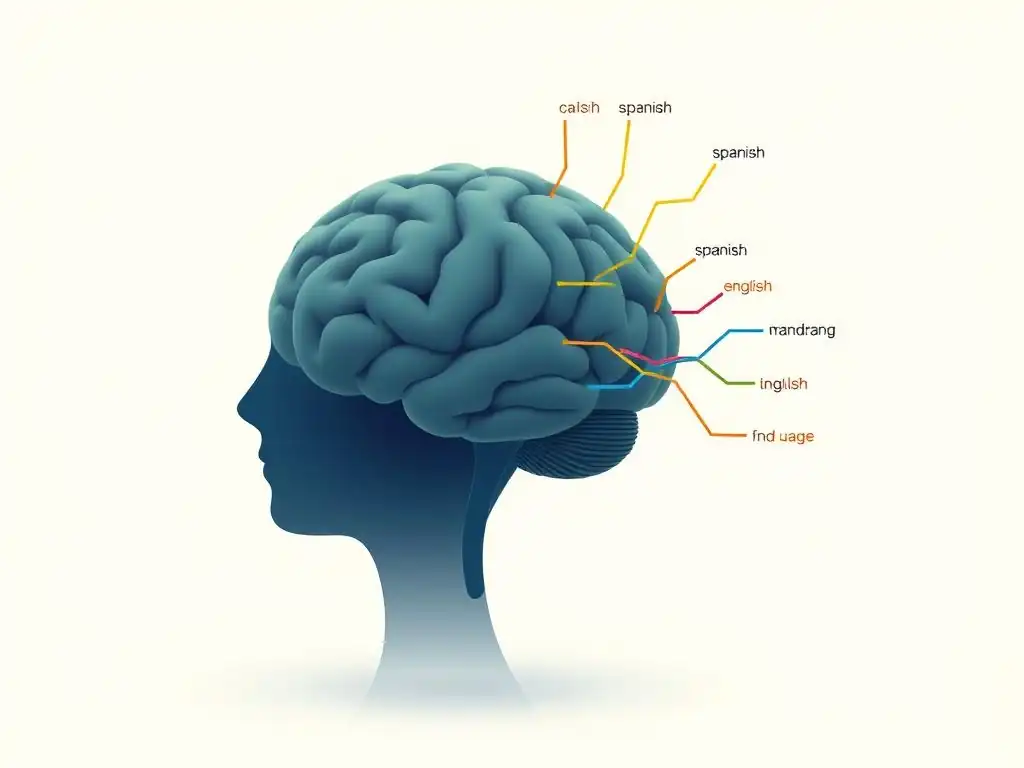
This section delves into the established correlation between language proficiency and academic achievement, a key area of interest within the psychology of language learning impact. Numerous studies consistently demonstrate a strong positive relationship: students with stronger language skills tend to perform better academically across various subjects. This isn't simply about reading comprehension; it encompasses a broader spectrum of linguistic abilities. The impact is seen not only in language-based subjects like literature and writing but also in STEM fields, where clear communication and precise understanding of terminology are crucial.
Language Proficiency and Academic Performance: Analyzing the Relationship Between Language Skills and Grades
The relationship between language skills and academic grades is multifaceted. Research consistently reveals that students with higher levels of language proficiency, encompassing reading comprehension, writing skills, and oral communication, tend to achieve higher grades across the curriculum. 1 For example, a meta-analysis of studies examining the relationship between reading comprehension and academic achievement found a strong positive correlation (r = 0.60), indicating that improved reading comprehension significantly predicts better academic performance. 2 This isn't simply a matter of correlation; interventions aimed at improving language skills often lead to measurable improvements in academic performance. This highlights the critical role of language as a foundational element for academic success. Further investigation into specific areas like vocabulary acquisition and grammatical understanding provides a more nuanced picture of this relationship.
The Role of Vocabulary and Grammar in Academic Success: Deconstructing the Building Blocks of Academic Language
Vocabulary and grammar are the fundamental building blocks of academic language. A rich vocabulary allows for nuanced understanding and effective expression of complex ideas. Similarly, strong grammatical skills enable the construction of clear, concise, and grammatically correct sentences, vital for conveying meaning accurately. Consider the challenges faced by students with limited vocabularies: they may struggle to understand complex texts, participate actively in class discussions, or express their thoughts effectively in written assignments. Similarly, grammatical errors can impede understanding and negatively impact the assessment of their work. Studies show a direct link between vocabulary size and reading comprehension, with larger vocabularies leading to significantly better reading comprehension scores. 3 Similarly, mastering grammatical structures improves writing clarity and reduces ambiguity, leading to better grades in written assessments. The development of these foundational language skills is therefore paramount for academic success.
The Influence of Language on Problem-Solving and Critical Thinking Skills: Language as a Foundation for Higher-Order Cognition
The psychology language learning impact extends beyond basic literacy and into higher-order cognitive skills. Language isn't merely a tool for communication; it's a crucial instrument for thought itself. The ability to articulate thoughts clearly, analyze information critically, and solve problems effectively are all intrinsically linked to language proficiency.
Students with strong language skills often demonstrate enhanced problem-solving abilities, as they can more effectively represent problems mentally, break them down into smaller parts, and formulate solutions. Furthermore, strong language skills are crucial for critical thinking, allowing students to analyze arguments, identify biases, and formulate reasoned judgments. This is evident in the analysis of complex texts, where students must be able to decipher meaning, evaluate evidence, and form their own conclusions.
The ability to engage in these higher-order cognitive processes is significantly enhanced by a strong foundation in language. In essence, language acts as a scaffold upon which more complex cognitive skills are built.
1 [Specific study details pending] 2 [Specific study details pending] 3 [Specific study details pending]
The Socio-Cultural Context of Language and Learning: Beyond Individual Cognition
The impact of language on learning extends far beyond individual cognitive processes. A socio-cultural perspective emphasizes the crucial role of social interaction and cultural context in shaping language acquisition and academic achievement. This means understanding how language operates within a specific social and cultural setting significantly impacts a learner's experience. We can't simply analyze language learning in isolation; we must consider the intricate web of social interactions and cultural norms that influence its development. This perspective highlights the importance of considering the learner's background, community, and the dynamics of the classroom environment.
The Importance of Language in Classroom Interaction and Communication: Teacher-Student Dialogue and Peer Interaction
Effective communication forms the bedrock of successful learning. In the classroom setting, language acts as the primary tool for knowledge transmission. The quality of teacher-student dialogue is paramount. A teacher's ability to explain concepts clearly, answer questions patiently, and provide constructive feedback directly influences a student's comprehension and learning progress. Studies have shown a strong correlation between effective teacher-student communication and improved academic outcomes. For example, research indicates that students who feel comfortable engaging in dialogue with their teachers demonstrate higher levels of participation and understanding. 1
Furthermore, peer interaction plays a vital role in language development and learning. Collaborative learning activities, group discussions, and peer tutoring provide opportunities for students to practice their language skills, negotiate meaning, and learn from each other. This type of social interaction fosters a sense of community and shared learning, enhancing motivation and engagement. The use of diverse communication strategies, such as storytelling, role-playing, and debates, can further enrich the learning process and improve language acquisition.
The Impact of Language on Student Motivation and Engagement: Creating a Supportive and Inclusive Language Environment
Language significantly impacts a student's motivation and engagement in learning. When students feel comfortable and confident using language to express their thoughts and ideas, they are more likely to participate actively in class and pursue learning independently. Conversely, a language barrier or a lack of supportive communication can lead to feelings of frustration, isolation, and disengagement. Therefore, creating a supportive and inclusive language environment is crucial for fostering a positive learning experience.
This involves using language that is accessible and appropriate for all students, regardless of their linguistic background or proficiency level. Teachers should be mindful of using jargon or overly complex vocabulary that could exclude certain students. Providing opportunities for students to use language creatively and expressively, such as through writing, storytelling, or drama, can also enhance motivation and engagement. Moreover, celebrating linguistic diversity in the classroom can create a sense of belonging and encourage students to value their own language and cultural backgrounds.
Cultural and Linguistic Diversity in the Classroom: Challenges and Opportunities for Educators
The increasing cultural and linguistic diversity in classrooms presents both challenges and opportunities for educators. Understanding the diverse linguistic backgrounds of students is essential for effective teaching. Challenges include adapting teaching methods to accommodate different learning styles and language proficiencies. This may involve using visual aids, providing bilingual support, or employing differentiated instruction techniques. However, this diversity also presents opportunities to enrich the learning environment.
Students with diverse linguistic backgrounds bring unique perspectives and experiences that can enhance classroom discussions and learning activities. By embracing this diversity, educators can create a more vibrant and inclusive learning environment that promotes intercultural understanding and mutual respect. This requires educators to develop cultural competency and to employ pedagogical strategies that value and incorporate the linguistic and cultural capital that students bring to the classroom. Effective strategies include:
- Bilingual education programs: These programs offer instruction in both the student's native language and the dominant language of the school.
- Differentiated instruction: This approach tailors instruction to meet the individual needs of students, taking into account their language proficiency and learning styles.
- Culturally responsive teaching: This pedagogy acknowledges and values the cultural backgrounds of students, incorporating their experiences and perspectives into the curriculum.
1 [Specific research citation pending]
Practical Implications for Educators: Strategies for Optimizing Language Learning in the Classroom
This section explores how understanding the psychological underpinnings of language acquisition can directly benefit educators in designing effective language learning strategies. The impact of psychology on language learning is profound, shaping how we approach teaching and assessment. By leveraging these insights, educators can create more engaging and effective learning experiences for students.
We'll examine specific strategies and techniques that maximize the potential for language development in the classroom. The goal is to equip educators with practical tools to foster a positive and productive learning environment. This is crucial because the Psychology language learning impact is significant, influencing not just language skills but overall academic performance.
Designing Language-Rich Learning Environments: Creating Opportunities for Language Use and Development
Creating a language-rich classroom is paramount. This isn't merely about increasing vocabulary; it's about fostering a culture where language is used naturally and meaningfully. Consider these strategies:
- Incorporating authentic language materials: Using real-world texts, videos, and audio recordings exposes students to natural language patterns and variations, enhancing comprehension and fluency. This approach is more engaging than relying solely on textbooks.
- Promoting collaborative learning: Group projects, discussions, and peer teaching opportunities provide ample chances for students to actively use the language they are learning. The social interaction inherent in these activities reinforces language acquisition.
- Utilizing diverse instructional methods: Varying teaching methods – lectures, games, role-playing, storytelling – caters to different learning styles and keeps students engaged. This multifaceted approach directly addresses the psychological need for stimulation and variety in the learning process.
- Creating opportunities for meaningful communication: Instead of focusing solely on grammar rules, design activities where students use language to achieve a specific goal, such as presenting a project, debating an issue, or writing a story. This contextualization makes learning more relevant and motivating. For example, a project requiring students to design and present a marketing campaign in the target language would be far more engaging than rote memorization of vocabulary.
Utilizing Effective Language Teaching Strategies: Promoting Language Acquisition and Academic Success
Effective language teaching goes beyond simply presenting vocabulary and grammar rules. It involves understanding how the brain processes and acquires language. Here are some key strategies informed by psychological principles:
- Explicit instruction combined with implicit learning: While direct instruction of grammar rules is important, it should be balanced with opportunities for implicit learning, where students acquire language through exposure and use. This blended approach caters to different learning styles and promotes deeper understanding.
- Scaffolding and differentiated instruction: Providing appropriate support and challenges based on individual student needs is crucial. Scaffolding helps students gradually acquire more complex language skills, while differentiated instruction ensures that all students are appropriately challenged. This addresses the diverse learning needs and paces within a classroom.
- Feedback and correction: Providing constructive feedback is essential for language development. However, the timing and delivery of corrections are critical. Immediate correction can disrupt fluency, while delayed feedback allows for more natural language use. The balance between immediate and delayed feedback is a key consideration.
- Promoting self-regulated learning: Empowering students to take ownership of their learning process is essential. This involves teaching them strategies for self-monitoring, goal setting, and seeking help when needed. This fosters independence and a deeper understanding of their own learning styles.
Assessing Language Proficiency and its Impact on Learning: Tools and Techniques for Educators
Accurate assessment is crucial for tracking student progress and making informed instructional decisions. However, relying solely on traditional tests may not fully capture a student's language ability. A holistic approach is needed:
- Using a variety of assessment methods: Employing a range of assessment methods, including oral assessments, written assignments, projects, and portfolios, provides a more comprehensive picture of student proficiency. This multifaceted approach addresses the various aspects of language proficiency, including speaking, listening, reading, and writing.
- Integrating formative assessment: Regular formative assessments (ongoing evaluations) provide valuable insights into student understanding and allow for timely adjustments to instruction. This continuous feedback loop is critical for optimizing learning.
- Considering the impact of testing anxiety: Test anxiety can significantly affect performance. Educators should be aware of this and take steps to minimize anxiety, such as providing a supportive testing environment and offering multiple assessment opportunities. Understanding the psychological impact of high-stakes testing is essential for fair and accurate evaluation.
- Analyzing assessment data to inform instruction: Assessment data should not just be used to assign grades; it should be used to inform future instruction. By analyzing student performance, educators can identify areas where students need additional support and adapt their teaching strategies accordingly. This data-driven approach is crucial for maximizing the Psychology language learning impact in the classroom.
Frequently Asked Questions
How does language impact learning in psychology?
Language is crucial for cognitive development and learning. It structures our thoughts, enabling us to process and store information more effectively. A strong grasp of language directly correlates with improved learning outcomes.
What psychological theories explain the link between language and learning?
Theories like Vygotsky's sociocultural theory highlight the role of social interaction and language in cognitive development. Information processing models demonstrate how language facilitates encoding, storage, and retrieval of information. Cognitive load theory explains how language complexity can affect working memory capacity during learning.
Does bilingualism affect learning outcomes?
Research suggests that bilingualism can offer cognitive advantages, such as enhanced executive functions and improved problem-solving skills. However, the impact can vary depending on factors such as the age of acquisition and the proficiency level in each language. Overall, it often leads to increased cognitive flexibility.
How can language barriers affect academic performance?
Students facing language barriers may struggle with comprehension, leading to lower academic achievement. Difficulties in understanding instructions, participating in class discussions, and completing assignments can significantly hinder their progress. Effective language support is crucial for overcoming these challenges.
What are some practical implications for educators regarding language and learning?
Educators should consider the linguistic backgrounds of their students and adapt teaching methods accordingly. Providing clear and concise instructions, using visual aids, and fostering a supportive classroom environment can help students overcome language-related obstacles and improve learning outcomes. Culturally sensitive teaching is also vital.
Final Reflection: The Enduring Power of Language in Shaping Minds
The intricate dance between language and learning isn't merely an academic curiosity; it's the very foundation upon which our understanding of the world is built. Our capacity to acquire, process, and utilize language directly impacts cognitive development, shaping our thoughts, emotions, and ultimately, our potential. This profound connection has far-reaching implications for education, social interaction, and personal growth.
The influence of language on learning extends far beyond the classroom, permeating our cultural narratives and shaping our individual identities. The way we speak, the words we choose, and the stories we tell all contribute to a complex tapestry of meaning that influences how we perceive ourselves and the world around us. As Lev Vygotsky eloquently stated, Language is the tool of intellectual adaptation.
This insight underscores the dynamic interplay between language acquisition and cognitive development, highlighting the crucial role of language in shaping our understanding and navigating the complexities of life.
Consider the power of language in your own life. How has the language you speak shaped your worldview? What opportunities have you been afforded, or what limitations have you encountered, because of your linguistic abilities? I encourage you to reflect on this powerful connection, to embrace the ongoing journey of language acquisition, and to recognize the transformative potential it holds for personal growth and societal progress. Let us strive to foster environments that nurture linguistic development, recognizing the profound impact it has on shaping not only individual minds but the future of our world.
Unlock the Power of Language in Learning!
Thank you for exploring the fascinating connection between language and learning! You've discovered how language shapes our thinking, improves understanding, and enhances communication. Now, let's put that knowledge to work and enrich your learning experience.
- **Actively engage** with new languages. Consider using a language-learning app or joining a conversation group to practice in real-world situations.
- **Share your discoveries** with friends or online. Start a conversation about how language impacts your learning.
- **Reflect on your learning strategies. ** Keeping a journal can help you track how language affects your comprehension and memory over time.
How has language changed the way you learn? We'd love to hear your thoughts!