
Collaborative Teaching in Special Education: Working with Professionals and Families

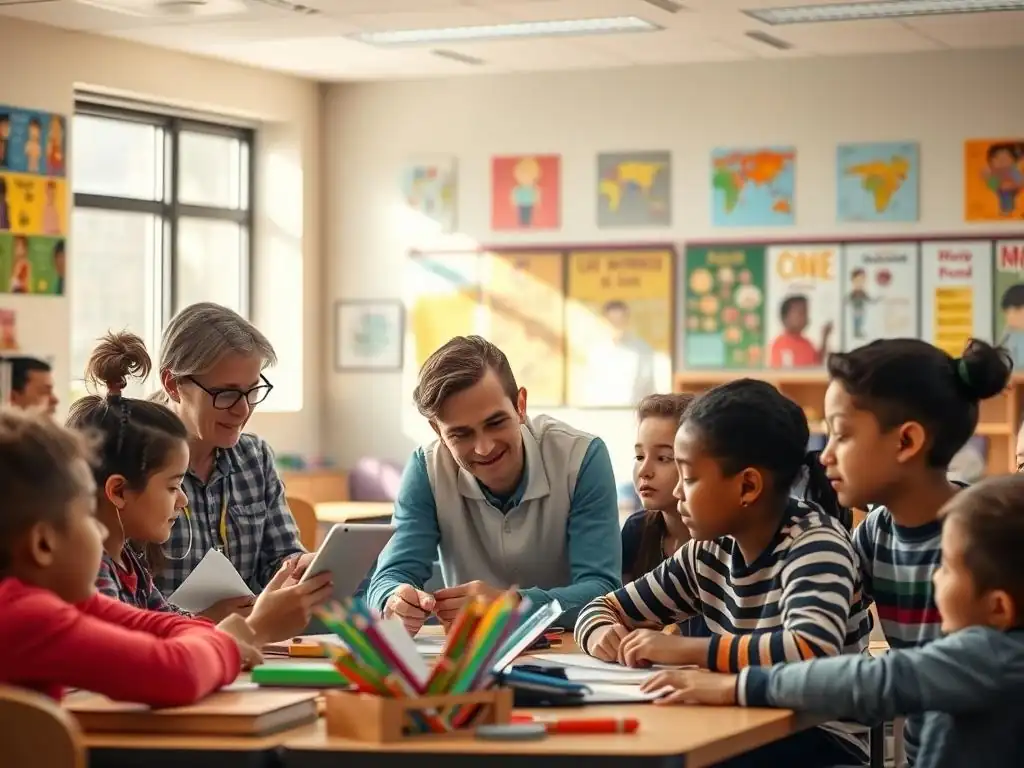
Welcome to Psychology Basics, your gateway to understanding the fascinating world of human behavior. Are you curious about the intricate dynamics of learning and development? Then delve into our exploration of special education collaborative teaching. This crucial approach, detailed in our latest article on Educational Psychology, reveals how professionals and families can work together to create supportive and effective learning environments for students with unique needs. Discover the secrets to successful collaboration and unlock a deeper understanding of this vital area – read on to learn more!
- Understanding Collaborative Teaching Models in Special Education
- The Role of Professionals in Collaborative Teaching
- Partnering with Families in Special Education
- Challenges and Strategies in Collaborative Teaching
- Best Practices for Successful Collaborative Teaching in Special Education
- Frequently Asked Questions
- Final Reflection: Weaving a Tapestry of Support in Special Education
- **Empower Change: Take Action in Collaborative Teaching! **
Understanding Collaborative Teaching Models in Special Education
Collaborative teaching in special education represents a significant shift from traditional models, emphasizing teamwork and shared responsibility among professionals and families to best support students with diverse learning needs. This approach recognizes that students with disabilities often require a multifaceted approach to learning, incorporating the expertise of various professionals and the invaluable contributions of their families. This article will explore different collaborative teaching models, highlighting their benefits and providing practical strategies for effective implementation within the special education setting.
We will delve into the definition of collaborative teaching, examine various models used in practice, and analyze the substantial benefits it offers students with special needs. Understanding and implementing these models is crucial for creating inclusive and effective learning environments that cater to the unique requirements of each student, ultimately leading to improved academic and social-emotional outcomes. The effective use of "special education collaborative teaching" strategies is vital for success.
Defining Collaborative Teaching and its Importance in Special Education
Collaborative teaching, in the context of special education, goes beyond simple co-teaching. It signifies a genuine partnership between general education teachers, special education teachers, related service providers (such as speech-language pathologists, occupational therapists, and counselors), and families. This partnership involves shared planning, instruction, assessment, and decision-making.
The importance of this collaborative approach stems from the multifaceted needs of students with disabilities. A single professional rarely possesses all the necessary expertise to address these needs effectively. For example, a student with autism spectrum disorder might require the expertise of a special education teacher for academic support, a speech-language pathologist to address communication challenges, and an occupational therapist to improve fine motor skills.
A collaborative approach ensures that all these professionals work together, coordinating their efforts to create a cohesive and comprehensive educational program. This integrated approach maximizes the student's potential for learning and development, fostering a more inclusive and supportive educational environment. Furthermore, involving families as active participants strengthens the collaborative effort, providing valuable insights into the student's strengths, challenges, and preferences.
Types of Collaborative Teaching Models
Several collaborative teaching models exist, each with its own strengths and best-suited applications. The choice of model depends on factors such as the student's needs, the expertise of the teachers, and the available resources. Some common models include:
- One Teach, One Observe: One teacher leads the instruction while the other observes, providing feedback and collecting data.
- One Teach, One Assist: One teacher leads the instruction while the other circulates, providing individual support to students.
- Parallel Teaching: Both teachers divide the class into two groups and teach the same content simultaneously.
- Station Teaching: Teachers divide the content into different stations, with each teacher leading instruction at a specific station.
- Team Teaching: Both teachers share the responsibility of planning and delivering instruction, working together seamlessly in front of the whole class.
- Alternative Teaching: One teacher works with a small group of students while the other teaches the larger group.
The selection of the most appropriate model requires careful consideration and ongoing evaluation to ensure its effectiveness in meeting individual student needs. The flexibility to adapt and modify these models based on ongoing assessments is key to successful collaborative teaching. For instance, a team might begin with "One Teach, One Assist" and transition to "Team Teaching" as student needs and teacher comfort levels evolve.
Benefits of Collaborative Teaching for Students with Special Needs
The benefits of collaborative teaching for students with special needs are numerous and far-reaching. These benefits extend beyond academic achievement to encompass social-emotional development and overall well-being.
- Improved Academic Outcomes: Collaborative teaching provides students with more individualized attention, leading to improved academic performance. The combined expertise of multiple professionals ensures that students receive targeted support in areas where they struggle.
- Increased Engagement and Motivation: The varied instructional approaches and the supportive learning environment fostered by collaborative teaching often lead to increased student engagement and motivation.
- Enhanced Social-Emotional Development: Collaborative teaching often promotes a more inclusive classroom environment, fostering positive peer relationships and enhancing students' social-emotional skills.
- Greater Family Involvement: Collaborative teaching emphasizes communication and collaboration with families, leading to greater family involvement in the student's education and improved outcomes.
- Reduced Teacher Burnout: By sharing responsibilities and leveraging each other's strengths, collaborative teaching can reduce teacher workload and burnout.
Effective collaborative teaching requires ongoing communication, planning, and reflection. Regular meetings, shared documentation, and a commitment to mutual respect are essential for success. The ultimate goal is to create a supportive and inclusive learning environment where all students, including those with special needs, can thrive. The positive impact of "special education collaborative teaching" on student outcomes is undeniable, making it a crucial approach in modern special education.
The Role of Professionals in Collaborative Teaching
Effective collaborative teaching in special education hinges on the seamless interaction and cooperation of a diverse team of professionals. This section delves into the crucial roles played by various professionals, emphasizing the importance of clear communication and shared responsibility in achieving optimal student outcomes. Understanding these dynamics is paramount for successful implementation of special education collaborative teaching strategies. The success of inclusive educational practices depends heavily on the coordinated efforts of these professionals, fostering a supportive and enriching learning environment for students with diverse needs.
Effective Communication and Collaboration among Professionals
Effective communication is the bedrock of any successful collaborative teaching model. In special education, this is especially critical due to the multifaceted needs of students and the involvement of multiple professionals. Regular meetings, utilizing various communication methods such as email, instant messaging, and dedicated collaborative platforms, are essential. These meetings should have clearly defined agendas, aiming to:
- Share student progress data: This includes assessment results, anecdotal observations, and progress towards Individualized Education Program (IEP) goals. Quantitative data, such as standardized test scores, should be presented alongside qualitative data, such as teacher observations on student engagement and social-emotional development.
- Discuss instructional strategies: Teams should collaboratively plan lessons, modify existing curriculum, and adapt teaching methods to meet individual student needs. This might involve brainstorming creative solutions for specific learning challenges and sharing successful strategies used with similar students.
- Address challenges and problem-solve: Openly discussing challenges encountered in the classroom, whether related to student behavior, academic performance, or social dynamics, is crucial. A collaborative problem-solving approach, leveraging the expertise of all team members, is more effective than individual attempts.
- Establish clear roles and responsibilities: Defining each professional's role in the collaborative teaching process is essential to prevent overlap or gaps in support. This should be documented and regularly reviewed to ensure clarity and efficiency.
Failure to establish and maintain clear communication channels can lead to misunderstandings, duplicated efforts, and ultimately, hinder student progress. For example, if a special education teacher develops an intervention strategy without consulting the general education teacher, the implementation might be inconsistent, reducing its effectiveness. Regular, structured communication ensures a cohesive approach to student support.
Successful special education collaborative teaching necessitates effective collaboration between several key professionals. This includes:
- Special Education Teachers: These professionals possess specialized knowledge and skills in adapting curriculum and instruction to meet the unique needs of students with disabilities. Their expertise is vital in developing and implementing IEPs. They often take the lead in assessing student needs and designing individualized interventions.
- General Education Teachers: General education teachers play a critical role in creating inclusive classrooms where students with disabilities can participate fully. Their expertise in the general curriculum is crucial in adapting materials and activities to meet diverse learning styles. Effective collaboration ensures that students with disabilities receive appropriate support within the general education setting.
- Related Service Providers: This diverse group includes speech-language pathologists, occupational therapists, physical therapists, and counselors. They provide specialized services to address specific student needs, such as communication difficulties, fine motor skills, gross motor skills, or social-emotional challenges. Their input is invaluable in creating a holistic support system for the student.
The collaborative efforts of these professionals create a comprehensive support network. For instance, a student with a speech impediment might benefit from a collaborative approach where the special education teacher adapts classroom activities, the general education teacher provides modified assignments, and the speech-language pathologist provides direct therapy and strategies for the classroom. This integrated approach maximizes the student's potential for success.
Navigating the diverse roles and responsibilities within a collaborative teaching model requires careful planning and clear communication. Each professional brings unique expertise and perspectives, and understanding these differences is vital for effective teamwork. Potential challenges include:
- Differing professional opinions: Disagreements on instructional approaches or student needs are possible. A respectful and collaborative approach to resolving these differences, focusing on student outcomes, is crucial. Mediation by a school administrator or experienced collaborative team member may be necessary in some cases.
- Time constraints: Balancing individual responsibilities with collaborative efforts can be challenging, particularly given the often-heavy workloads of educators. Effective time management strategies and efficient meeting structures are essential to maximize productivity.
- Varying levels of experience: Team members may have different levels of experience with collaborative teaching or working with students with disabilities. Mentorship and professional development opportunities can help bridge these gaps and enhance the overall effectiveness of the team.
Successfully navigating these challenges requires open communication, mutual respect, and a shared commitment to the student's success. Regular team meetings, clearly defined roles, and a focus on shared goals are essential components of a functional and productive collaborative teaching model in special education. The ultimate aim is to create a supportive and effective learning environment that caters to the unique needs of each student.
Partnering with Families in Special Education
Effective special education collaborative teaching hinges on robust partnerships with families. Parents and guardians are invaluable sources of information about the student's strengths, challenges, and learning styles. Their insights, combined with the expertise of educators, create a holistic understanding crucial for developing and implementing effective interventions. Ignoring family input significantly reduces the chances of success. This section focuses on building and maintaining strong family-school partnerships to optimize student outcomes.
Building Strong Family-School Partnerships
Building trust and rapport is paramount. Regular, open communication, utilizing a variety of methods tailored to family preferences, is key. Some families may prefer email updates, others might benefit from phone calls, and some may thrive in face-to-face meetings. Establishing a clear and consistent communication plan from the outset helps to avoid misunderstandings and fosters a sense of collaboration. This proactive approach is essential for building trust and mutual respect.
Furthermore, actively soliciting feedback from families demonstrates a commitment to their involvement and strengthens the partnership. For example, a simple survey asking about preferred communication methods and preferred times for meetings can significantly improve communication effectiveness. Remember, the goal is to create a partnership where families feel heard, valued, and empowered to actively participate in their child's educational journey. This collaborative approach significantly improves the effectiveness of special education collaborative teaching.
Consider the following strategies for building strong family-school partnerships:
- Regular meetings: Schedule consistent meetings, perhaps monthly or bi-monthly, to discuss student progress and any emerging concerns.
- Open-door policy: Encourage families to contact teachers and other professionals at any time with questions or concerns.
- Home-school communication: Implement a system for regular communication between home and school, such as daily or weekly progress reports.
- Parent training workshops: Offer workshops to educate parents on strategies for supporting their child's learning at home.
- Translation services: Provide translation services for families who speak a language other than English, ensuring equitable access to information and participation.
Effective Communication Strategies with Families
Effective communication is the cornerstone of successful family-school partnerships in special education. This involves not just what is communicated, but how it is communicated. Using clear, concise, and jargon-free language is vital. Avoid overly technical terms or educational jargon that might be confusing to families. Instead, focus on using plain language, complemented by visual aids or examples where appropriate.
Active listening is equally important. Truly hearing and understanding the family's perspective, concerns, and aspirations is crucial. This necessitates creating a safe and welcoming space for open dialogue. Remember, effective communication is a two-way street. It involves actively listening to families and responding thoughtfully and respectfully to their contributions.
This reciprocal communication style builds trust and fosters a collaborative spirit. It also helps to improve the effectiveness of special education collaborative teaching. Misunderstandings can be minimized by using multiple communication channels and confirming understanding. For instance, sending a follow-up email summarizing key discussion points after a meeting can ensure everyone is on the same page.
Consider utilizing these techniques:
- Visual aids: Use charts, graphs, or other visuals to illustrate student progress.
- Positive language: Focus on strengths and progress, rather than solely on deficits.
- Frequent check-ins: Maintain regular contact with families to provide updates and address concerns promptly.
- Parent-teacher conferences: Utilize parent-teacher conferences as opportunities for open dialogue and collaboration.
- Interpreters/Translators: Ensure access to interpreters or translators for families who need them.
Involving Families in Individualized Education Program (IEP) Development and Implementation
The Individualized Education Program (IEP) is a cornerstone of special education. Meaningful family involvement in the IEP process is not merely recommended; it is legally mandated in many jurisdictions. Parents should be active participants in all stages of IEP development, from assessment and goal setting to monitoring progress and reviewing the IEP annually. This active participation ensures the IEP accurately reflects the student's needs and preferences, and that the goals are realistic and achievable.
The family's knowledge of the student's strengths, challenges, and preferences is invaluable in this process. Their contributions ensure the IEP is truly individualized and tailored to the student's unique circumstances. Furthermore, involving families in the implementation of the IEP fosters a sense of shared responsibility and increases the likelihood of success.
This collaborative approach is crucial for the effectiveness of special education collaborative teaching, leading to better outcomes for students. Families can contribute by monitoring progress at home, providing feedback on interventions, and collaborating with school staff to ensure consistency between home and school environments. This shared responsibility creates a supportive and consistent learning environment for the student.
To ensure effective family involvement in IEP development:
| Stage of IEP Process | Family Involvement Strategies |
|---|---|
| Assessment | Provide information about the student's strengths, challenges, and learning styles. Attend assessment meetings. |
| Goal Setting | Collaborate with the IEP team to establish meaningful and achievable goals. |
| Intervention Selection | Participate in discussions about appropriate interventions and strategies. |
| Progress Monitoring | Monitor progress at home and provide feedback to the IEP team. |
| IEP Review | Attend annual IEP review meetings and participate in discussions about progress and future goals. |
Remember, a successful IEP is a collaborative effort. By actively involving families, the IEP team can create a plan that is truly individualized, effective, and sustainable. This strengthens the collaborative teaching dynamic and optimizes outcomes for students with special needs. 🤝
Addressing Family Concerns and Providing Support
Families of children with special needs often grapple with a wide range of emotions, from anxiety and uncertainty to frustration and even grief. Open communication and a proactive approach are crucial to addressing these concerns effectively. Parents may worry about their child's future prospects, their ability to integrate socially, and the overall impact of their disability on the family dynamic. These anxieties are completely valid and require sensitive handling. A collaborative teaching model offers a unique opportunity to alleviate these concerns by providing consistent, reliable support.
One effective strategy is to establish regular communication channels with families. This might involve scheduled meetings, phone calls, or even informal check-ins. The key is to maintain consistent contact and to actively solicit feedback from parents. This demonstrates a genuine interest in their perspectives and fosters a sense of partnership. Regular updates on the child's progress, both academic and social-emotional, can significantly reduce parental anxiety and build trust. Furthermore, providing parents with resources and information about relevant support groups or organizations can empower them to navigate the challenges they face.
Beyond formal communication, creating a welcoming and inclusive environment for families is paramount. This means making parents feel comfortable asking questions, sharing their concerns, and actively participating in their child's educational journey. Simple gestures, like offering childcare during meetings or providing translated materials, can demonstrate a commitment to inclusivity and accessibility.
Remember, parents are the child's primary advocates, and their involvement is essential for successful outcomes. By actively listening to their concerns, acknowledging their emotions, and providing practical support, educators can foster strong, collaborative relationships that benefit both the child and the family. This collaborative approach transforms the relationship from a hierarchical one to a true partnership, where families are valued partners in their child's education and development.
This partnership is crucial for successful implementation of special education collaborative teaching strategies. Ignoring parental concerns can create barriers to effective intervention and can undermine the entire collaborative effort. Therefore, proactively addressing family concerns is not merely a nice-to-have; it's a fundamental requirement for effective special education.
Challenges and Strategies in Collaborative Teaching
This section delves into the practical challenges inherent in special education collaborative teaching and offers evidence-based strategies to overcome them. Effective collaborative teaching requires careful planning, open communication, and a commitment from all involved parties. The success of this approach hinges on proactively addressing potential obstacles. The following subsections explore some key challenges and provide practical solutions.
Overcoming Communication Barriers and Conflicts
Effective communication is the cornerstone of successful special education collaborative teaching. However, communication breakdowns are common, arising from differing perspectives, busy schedules, and varying communication styles. These can manifest as misunderstandings, conflicts, and ultimately, hinder the student's progress.
One significant barrier is the lack of a shared understanding of roles and responsibilities. For instance, a general education teacher might not fully grasp the specific needs of a student with a learning disability, while a special education teacher might underestimate the general education curriculum's demands. This ambiguity can lead to duplicated efforts or, conversely, critical gaps in support.
To mitigate this, a clearly defined co-teaching model should be established at the outset, outlining each professional's specific roles and responsibilities in lesson planning, instruction, assessment, and communication with parents. This could involve a collaborative document outlining tasks, timelines, and communication protocols.
Furthermore, differing communication styles can also create friction. Some professionals prefer formal written communication, while others favor informal verbal exchanges. This disparity can lead to missed information or misinterpreted messages. To address this, teams should agree upon preferred methods of communication and establish regular meeting schedules to discuss student progress, challenges, and upcoming plans. Consider using a shared digital calendar or platform to facilitate scheduling and information sharing. This structured approach promotes transparency and ensures everyone is on the same page.
Finally, conflicts are inevitable in any collaborative setting. However, these should be addressed constructively. Teams should establish a process for resolving disagreements, perhaps by employing conflict resolution strategies such as active listening, compromise, and mediation. Regular team meetings provide a forum for addressing conflicts proactively before they escalate and negatively impact the learning environment. A positive and supportive team dynamic is crucial for overcoming communication barriers and fostering a collaborative atmosphere.
Managing Time Constraints and Workload
Special education collaborative teaching often demands a significant time commitment from all involved. The increased planning, preparation, co-teaching sessions, and communication can significantly increase workloads, leading to teacher burnout and potentially compromising the quality of instruction.
One effective strategy is to prioritize efficient planning and preparation. This includes collaborative lesson planning sessions, where teachers can leverage each other’s expertise and share resources. Utilizing shared digital platforms for lesson planning and resource sharing can streamline this process and save valuable time. Furthermore, teachers should identify and delegate tasks strategically, ensuring a fair distribution of workload.
Another crucial aspect is the implementation of time-saving strategies in the classroom. This could involve using pre-made materials, differentiated instruction to cater to diverse needs efficiently, and utilizing technology effectively. For example, leveraging educational apps or online platforms can reduce the time spent on creating and distributing materials.
Finally, seeking administrative support is crucial. School administrators should recognize the increased workload associated with collaborative teaching and provide adequate resources, such as release time for collaborative planning or access to paraprofessionals. This administrative support is essential for the long-term sustainability of collaborative teaching models in special education.
Ensuring Equitable Access to Resources and Support
Equitable access to resources and support is paramount for successful special education collaborative teaching. This includes access to appropriate materials, technology, professional development, and administrative support. Inequitable access can lead to disparities in student outcomes and exacerbate existing inequalities.
To ensure equitable access, schools should conduct regular needs assessments to identify and address resource gaps. This involves gathering data on student needs, teacher preferences, and available resources. This data-driven approach allows for targeted resource allocation based on actual needs rather than assumptions.
Furthermore, advocating for equitable resource allocation is crucial. This involves actively engaging with school administrators and decision-makers to secure the necessary funding and resources to support collaborative teaching effectively. This could involve presenting data demonstrating the positive impact of collaborative teaching on student outcomes and the need for increased investment in this approach.
Finally, providing ongoing professional development is essential to support teachers in implementing collaborative teaching effectively. This should include training on co-teaching models, differentiated instruction, inclusive practices, and effective communication strategies. Regular opportunities for professional learning communities (PLCs) can foster collaboration and knowledge sharing among teachers. The continuous improvement of teacher skills and knowledge directly impacts the quality of collaborative teaching and, consequently, student success. This commitment to ongoing professional development is a vital component of ensuring equitable access to support and resources.
Addressing Power Dynamics and Professional Boundaries
Collaborative teaching in special education, while beneficial, can present challenges related to power dynamics and professional boundaries. Different professionals bring unique expertise and experience, potentially leading to conflicts if roles and responsibilities aren't clearly defined from the outset. For instance, a special education teacher might feel their expertise is undervalued by a general education teacher, leading to resentment and ineffective collaboration.
Conversely, a general education teacher might feel overwhelmed by the specialized knowledge required for inclusive practices. This imbalance can manifest in passive-aggressive behaviors, a lack of open communication, or even outright disagreements about teaching methodologies and student support strategies.
Establishing clear professional boundaries is crucial to mitigate these issues. A well-defined collaborative plan, agreed upon by all team members, should outline each individual's roles, responsibilities, and decision-making authority. This plan should be regularly reviewed and revised as needed to accommodate evolving student needs and team dynamics. For example, the plan might specify who leads specific instructional activities, who is responsible for data collection and analysis, and how decisions about student interventions will be made. This proactive approach helps prevent misunderstandings and ensures that everyone feels valued and respected within the collaborative process.
Furthermore, fostering a culture of mutual respect and open communication is essential. Regular team meetings, where everyone has equal opportunity to contribute and voice concerns, can help address power imbalances before they escalate into larger conflicts. Active listening and constructive feedback are crucial components of these meetings. Team members should feel comfortable expressing their perspectives without fear of judgment or criticism. Implementing strategies such as reflective practice, where team members critically examine their own contributions and identify areas for improvement, can further enhance collaboration and reduce the potential for power struggles.
Finally, addressing potential power imbalances requires proactive leadership. The team leader, whether a special education teacher, general education teacher, or administrator, must actively cultivate an inclusive environment where everyone's contributions are valued. This involves facilitating open dialogue, mediating conflicts fairly, and ensuring that all team members feel empowered to participate fully in the collaborative process. Ignoring or downplaying power dynamics can lead to resentment, decreased morale, and ultimately, a less effective learning environment for students. Addressing these issues directly and proactively is vital for successful collaborative teaching in special education.
Best Practices for Successful Collaborative Teaching in Special Education
This section delves into the practical strategies that underpin effective collaborative teaching in special education settings. Successful collaboration isn't just about meetings; it's about a fundamental shift in mindset and a commitment to shared goals. We'll explore key practices that maximize the impact of collaborative efforts, leading to improved outcomes for students with diverse learning needs. This involves understanding roles, responsibilities, and communication styles, all crucial components of successful special education collaborative teaching.
Building a strong collaborative culture requires a proactive and intentional approach. It's not enough to simply bring professionals together; a shared vision and mutual respect are paramount. This involves establishing clear communication channels and protocols from the outset. Regular meetings, perhaps weekly or bi-weekly, should be scheduled, with agendas distributed in advance to ensure efficient use of time. These meetings should not be dominated by one individual but encourage active participation from all stakeholders.
Consider using a structured approach to meetings, such as the "problem-solving model," which involves identifying the problem, brainstorming solutions, selecting the best option, implementing the plan, and evaluating the outcome. This systematic approach ensures that all voices are heard and that decisions are data-driven. Furthermore, fostering a culture of trust and open communication is vital. Team members should feel comfortable expressing their opinions and concerns without fear of judgment.
This can be achieved through active listening, respectful dialogue, and a commitment to valuing diverse perspectives. The use of collaborative tools, such as shared online documents and project management software, can further streamline communication and enhance transparency. Regular informal check-ins, perhaps via brief emails or instant messaging, can also maintain momentum between formal meetings. Remember, building a strong collaborative culture is an ongoing process, requiring consistent effort and a commitment to ongoing improvement.
Utilizing Data-Driven Decision Making
Effective special education collaborative teaching hinges on using data to inform instructional decisions. This goes beyond simply collecting data; it involves analyzing it to identify trends, patterns, and areas for improvement. Data can include student performance on assessments, observations of student behavior, and feedback from parents and other professionals.
The data should be used to inform the creation of individualized education programs (IEPs) and to track student progress over time. Regular data analysis meetings should be held to review student progress and make adjustments to instructional strategies as needed. These meetings should involve all stakeholders, including teachers, specialists, parents, and the student (when appropriate).
A useful tool is a data wall or dashboard – a visual representation of student progress that can be easily accessed and monitored by all team members. This facilitates quick identification of students who are struggling and allows for timely intervention. Different types of data should be considered, including quantitative data (e.g., test scores, assignment grades) and qualitative data (e.g., anecdotal notes, observations of student engagement). Triangulating data from multiple sources provides a more holistic view of student needs and ensures that decisions are well-informed and evidence-based.
It is also crucial to utilize data to evaluate the effectiveness of collaborative teaching strategies themselves. This cyclical process of data collection, analysis, and adjustment is key to ongoing improvement and ultimately, better outcomes for students. Remember, data-driven decision making is not a one-time event but a continuous process that informs and refines the collaborative teaching process.
Continuous Professional Development and Reflective Practice
Ongoing professional development is crucial for maintaining the effectiveness of collaborative teaching. Team members should participate in regular professional learning opportunities focused on collaborative practices, special education strategies, and effective communication techniques. This might involve attending workshops, conferences, or online courses. Moreover, regular reflection on the collaborative teaching process is essential. Team members should regularly engage in reflective practice, analyzing their successes and challenges, and identifying areas for improvement. This can be achieved through journaling, peer observation, and collaborative reflection sessions.
Consider using a structured reflection framework, such as Gibbs’ Reflective Cycle, which involves describing the experience, reflecting on feelings, evaluating the experience, analyzing the experience, concluding what was learned, and outlining an action plan for future practice. This systematic approach ensures that reflection is thorough and leads to concrete changes in practice. Furthermore, creating a culture of mentorship and peer support within the collaborative team can foster continuous learning and improvement.
Experienced team members can mentor newer members, providing guidance and support. Peer observation can provide opportunities for learning from each other and sharing best practices. Regular opportunities for feedback and constructive criticism are essential for continuous growth.
Remember, continuous professional development and reflective practice are not optional extras; they are integral components of successful and sustainable collaborative teaching in special education. The commitment to ongoing learning is essential for ensuring the best possible outcomes for students with diverse learning needs.
Measuring the Effectiveness of Collaborative Teaching Interventions
Measuring the effectiveness of collaborative teaching interventions in special education requires a multifaceted approach, going beyond simple anecdotal observations. A robust evaluation strategy should incorporate both quantitative and qualitative data to provide a comprehensive understanding of the impact on student outcomes and teacher collaboration. This ensures that the collaborative model is truly benefiting students and fostering a positive professional learning environment.
One crucial aspect is the selection of appropriate assessment tools. Standardized achievement tests can track progress in core academic areas like reading, math, and writing. These tests provide quantifiable data, allowing for comparisons against benchmarks and identifying areas where students might need additional support. However, standardized tests alone offer an incomplete picture. They may not fully capture the nuances of a student's learning experience within a collaborative teaching model.
Therefore, incorporating qualitative data is equally vital. This can involve methods such as observations of classroom interactions, focusing on the quality of collaboration between teachers, the engagement of students, and the implementation of evidence-based practices. Structured observation protocols, using checklists or rating scales, can enhance the objectivity and reliability of these observations. Furthermore, teacher reflections, student feedback (age-appropriate methods must be used), and parent interviews can provide rich insights into the effectiveness of the collaborative model from multiple perspectives. These diverse data sources contribute to a more holistic understanding of the program's impact.
Analyzing the collected data requires careful consideration. Statistical analysis of quantitative data can reveal trends and patterns in student achievement. For instance, comparing pre- and post-intervention test scores can demonstrate the impact of collaborative teaching on student learning. Qualitative data analysis, on the other hand, may involve thematic analysis of interview transcripts or coding of observational data to identify recurring themes and patterns related to teacher collaboration and student engagement.
By combining both quantitative and qualitative findings, a more complete and nuanced picture of the intervention's success emerges. This integrated approach is crucial for refining the collaborative teaching model and ensuring its ongoing effectiveness in meeting the diverse learning needs of students with disabilities. The ultimate goal is to demonstrate a positive impact on student outcomes, teacher collaboration, and the overall learning environment.
Frequently Asked Questions
What is collaborative teaching in special education?
Collaborative teaching in special education involves two or more professionals working together to co-teach students with disabilities. This approach aims to maximize student learning by leveraging the expertise of various educators.
Why is collaborative teaching beneficial for students with disabilities?
Collaborative teaching offers differentiated instruction, catering to diverse learning styles and needs. It also provides students with increased access to support and a richer learning environment.
What are some common collaborative teaching models?
Several models exist, including parallel teaching, where teachers split the class and teach the same content, and station teaching, where students rotate through different learning stations. Team teaching involves both instructors presenting material together.
How does collaborative teaching involve families?
Effective collaborative teaching includes regular communication with families, sharing progress updates and seeking input on student needs. This shared responsibility fosters a supportive learning environment at home and school.
What are the challenges of collaborative teaching in special education?
Challenges include finding sufficient time for planning and coordination, managing different teaching styles, and ensuring consistent implementation of the collaborative model. Effective communication is key to overcoming these obstacles.
Final Reflection: Weaving a Tapestry of Support in Special Education
The collaborative model in special education isn't just a best practice; it's a necessity for ensuring equitable and effective learning for all students. The success of each child hinges on the intricate web of support woven between teachers, specialists, therapists, and families, a reality increasingly vital in our diverse and complex educational landscape. This interconnectedness is no longer a luxury, but a fundamental requirement for fostering inclusive and thriving learning environments.
The impact of collaborative teaching extends far beyond the classroom walls, shaping not only the academic trajectory of students with special needs but also influencing the broader cultural understanding of disability. It challenges traditional silos and fosters a sense of shared responsibility, creating a more holistic and supportive ecosystem. The best teachers are those who show their students how to learn, not just what to learn.
This quote resonates deeply, as collaborative teaching empowers educators to model effective communication, shared decision-making, and a commitment to individualized learning plans, ultimately benefiting all students.
Consider the power you hold to shape this collaborative future. You are a vital thread in this tapestry of support. Reflect on how you can actively participate in building stronger partnerships with colleagues, families, and support staff. Seek out opportunities for professional development focused on collaborative practices, and champion inclusive strategies within your own teaching. Let's collectively work towards a future where every student, regardless of their unique needs, has the opportunity to reach their full potential.
**Empower Change: Take Action in Collaborative Teaching! **
Thank you for exploring the vital role of collaborative teaching in special education. Your interest is a crucial step toward creating a supportive and inclusive learning environment for all students. Now let's put that knowledge into action!
Here are some concrete steps you can take to enhance collaboration with colleagues and families:
- **Engage with local educators:** Network with special education professionals in your area by attending workshops or arranging meetings. Sharing best practices can foster stronger relationships and lead to more effective strategies for supporting students.
- **Join or form a support group:** Connect with other parents or teachers who share your passion for collaborative teaching. Sharing experiences and resources can be incredibly valuable and spark innovative ideas.
- **Advocate for resources:** Work with school administrators to emphasize the importance of involving families in educational planning and decision-making. Your advocacy can help create more inclusive policies that benefit everyone.
What collaborative teaching strategies or resources have you found most effective? Share your insights below!