
How to Improve Your Study Habits: Effective Learning Techniques


Unravel the mysteries of the mind and unlock your academic potential! Welcome to Psychology Basics, your gateway to understanding the fascinating world of human behavior. Are you a psychology student struggling to master the material? Discover the secrets to effective study habits psychology students need to thrive, and learn proven techniques for boosting your learning and memory retention. Dive in and explore the strategies that will transform your study experience – you might be surprised at what you uncover.
- Understanding Effective Study Habits for Psychology Students
-
Implementing Effective Learning Strategies for Psychology Students
- Active Recall Techniques: Testing Yourself for Better Retention
- Spaced Repetition: Optimizing Learning Intervals for Long-Term Memory
- Interleaving: Mixing Different Subjects for Enhanced Learning
- Elaboration: Connecting New Information to Existing Knowledge
- Dual Coding: Combining Visual and Verbal Learning
- Optimizing Your Study Environment for Maximum Productivity
- Developing a Personalized Study Plan
- Maintaining Motivation and Overcoming Procrastination
- Assessing and Refining Your Study Habits Over Time
- Frequently Asked Questions
- Final Reflection: Mastering the Mind: The Enduring Power of Effective Study Habits
- Transform Your Study Habits Today!
Understanding Effective Study Habits for Psychology Students
Effective study habits are crucial for success in psychology, a field demanding strong memory retention, critical thinking, and analytical skills. This article explores the psychological principles underlying effective learning and provides practical strategies to improve your study techniques.
We'll delve into the science of memory, identify common pitfalls in study habits, and offer evidence-based techniques to optimize your learning experience, ultimately helping you master the complexities of psychology and achieve academic excellence. This guide is specifically designed to help psychology students develop effective study habits tailored to the unique demands of the subject, addressing the challenges of memorizing complex theories, applying concepts to real-world scenarios, and mastering critical analysis skills.
By understanding the psychology behind learning and implementing the strategies outlined here, you can transform your study approach and significantly improve your academic performance. This is especially important for psychology students who often grapple with a large volume of information and complex theoretical frameworks.
The Psychology of Learning and Memory Retention
Understanding how the brain learns and retains information is fundamental to developing effective study habits. Memory, a crucial aspect of learning, involves three key stages: encoding, storage, and retrieval. Encoding is the process of transforming sensory information into a format that can be stored in the brain. Effective encoding involves active processing of information, rather than passive rereading.
Storage refers to the retention of encoded information over time, which is influenced by factors such as the strength of the memory trace and the presence of interfering information. Retrieval is the process of accessing and bringing stored information back into conscious awareness. Effective retrieval strategies include using mnemonic devices, practicing recall, and testing yourself regularly. Furthermore, the principles of spaced repetition and interleaving demonstrate that distributing study sessions over time and mixing different topics enhances long-term retention significantly more than cramming.
The use of active recall, where you actively try to retrieve information from memory without looking at your notes, has proven to be vastly superior to passive review methods. This active engagement strengthens memory traces and improves long-term retention. Understanding these psychological principles allows you to tailor your study strategies to optimize your learning and memory. For example, instead of simply reading a textbook chapter multiple times, you can actively test yourself on the material using flashcards or practice questions.
Identifying Your Current Study Habits: Strengths and Weaknesses
Before implementing new study strategies, it's essential to assess your current study habits. This self-assessment helps identify your strengths and weaknesses, allowing you to focus on areas needing improvement. Consider factors such as your study environment, preferred learning styles, time management skills, and note-taking techniques. Are you a visual, auditory, or kinesthetic learner?
Do you study in a quiet, distraction-free environment, or are you easily distracted? Do you effectively manage your time, or do you often procrastinate? Do you use effective note-taking techniques that facilitate later review and recall? Honest self-reflection is crucial.
You might find it helpful to keep a study journal for a week, documenting your study sessions, including the time spent, the material covered, the methods used, and a self-evaluation of your focus and effectiveness. Analyzing this journal will reveal patterns and highlight areas for improvement. For instance, if you consistently find yourself distracted during study sessions, you might need to find a quieter study environment or experiment with different time management techniques like the Pomodoro Technique. Identifying these weaknesses allows for targeted interventions to enhance your study efficacy.
Common Mistakes in Study Habits to Avoid
Many students unknowingly employ ineffective study habits that hinder their learning. One common mistake is passive rereading, where students repeatedly read material without actively engaging with it. This method often leads to superficial understanding and poor retention. Another frequent error is cramming, a last-minute attempt to memorize large amounts of information. While it might seem effective in the short term, cramming is not conducive to long-term retention and understanding.
Procrastination, delaying study tasks until the last minute, increases stress and reduces the quality of learning. Ineffective note-taking, such as simply copying down lecture notes without processing the information, also hampers learning. Finally, a lack of self-testing and regular review prevents students from identifying knowledge gaps and reinforcing their learning. Avoiding these pitfalls is crucial for effective learning. Instead of passive rereading, try active recall techniques.
Instead of cramming, adopt a spaced repetition schedule. Combat procrastination by breaking down large tasks into smaller, manageable ones, and using time management techniques. Develop effective note-taking strategies that facilitate understanding and recall, such as using mind maps or Cornell notes. Finally, incorporate regular self-testing and review into your study routine to identify weaknesses and consolidate your knowledge. By consciously avoiding these common mistakes, you can significantly improve your study habits and academic performance.
Implementing Effective Learning Strategies for Psychology Students
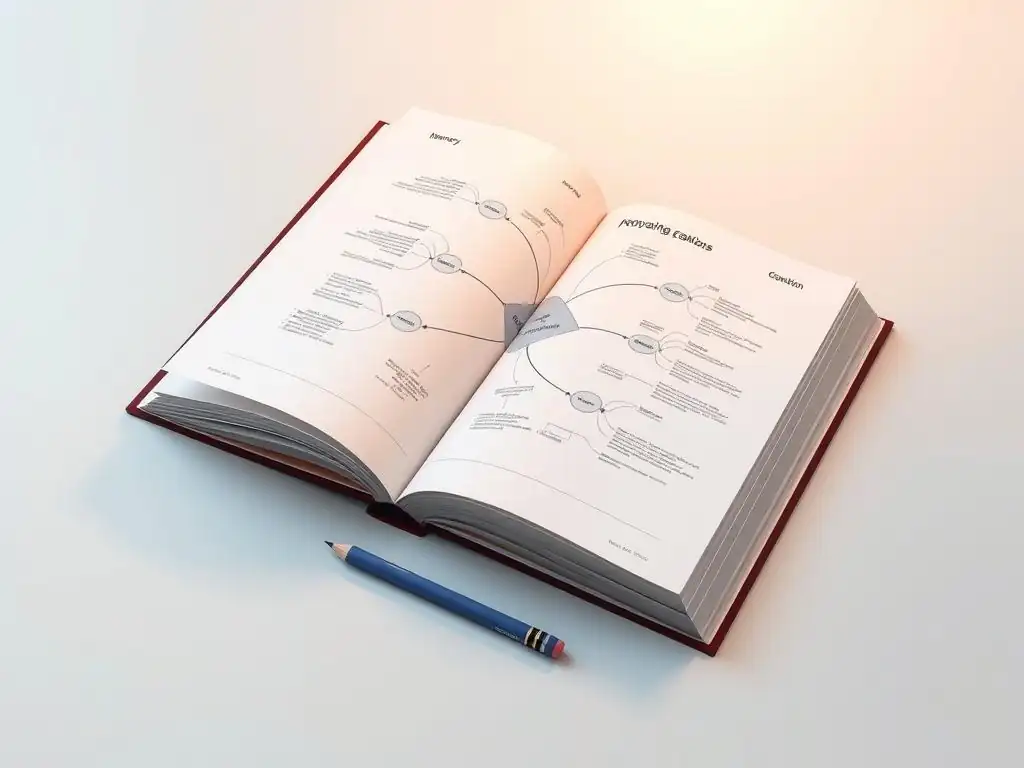
This section delves into practical learning strategies proven to enhance memory retention and comprehension, particularly relevant for psychology students navigating complex theoretical frameworks and intricate case studies. We'll explore techniques backed by cognitive psychology research, helping you optimize your study time and achieve better academic results. The strategies discussed are designed to improve your memory and understanding, ultimately leading to improved performance in your psychology courses. Effective study habits are crucial for success in this demanding field.
Active Recall Techniques: Testing Yourself for Better Retention
Active recall, a cornerstone of effective learning, involves retrieving information from memory without looking at your notes or textbook. This process strengthens memory pathways and improves long-term retention far more effectively than passive rereading. Instead of simply reviewing material, actively test yourself. This could involve using flashcards, creating practice quizzes, or even teaching the concepts to someone else. The effort of retrieval itself is key to consolidating the information in your memory.
Consider this example: instead of passively rereading your notes on classical conditioning, create flashcards with terms like "unconditioned stimulus," "conditioned stimulus," and "conditioned response." Then, test yourself on the definitions and examples. This active engagement with the material significantly boosts your understanding and retention compared to simply rereading the textbook chapter. Moreover, identifying areas where you struggle during self-testing allows you to focus your study efforts more effectively.
The benefits of active recall are substantial. Studies consistently show that students who engage in active recall demonstrate significantly higher levels of retention compared to those who rely solely on passive review methods. This difference is particularly pronounced when dealing with complex information, as often encountered in psychology courses. By actively retrieving information, you are essentially exercising your memory muscles, making them stronger and more efficient over time. Incorporating regular self-testing is a powerful tool for effective study habits.
Spaced Repetition: Optimizing Learning Intervals for Long-Term Memory
Spaced repetition leverages the principles of forgetting curves to optimize learning. The forgetting curve, a well-established phenomenon in cognitive psychology, demonstrates that we tend to forget newly learned information rapidly unless we revisit it at increasing intervals. Spaced repetition systems capitalize on this by scheduling reviews of information at progressively longer intervals.
This technique is particularly valuable for retaining complex psychological concepts and theories over the long term. Instead of cramming information right before an exam, spaced repetition allows for gradual, distributed learning, leading to more robust and enduring knowledge. Several apps and software programs employ sophisticated algorithms to optimize spaced repetition schedules, tailoring the review intervals to your individual learning patterns.
For instance, if you are learning about different therapeutic approaches in psychology, you might initially review the material daily, then every other day, then every three days, and so on. This gradual spacing reinforces memory and prevents the rapid decay associated with massed practice. By strategically scheduling your reviews, you'll significantly improve your ability to recall information weeks or even months later. This strategy is an essential component of building effective study habits for psychology students.
Interleaving: Mixing Different Subjects for Enhanced Learning
Interleaving involves switching between different subjects or topics during a study session, rather than focusing on one subject at a time (blocking). While counterintuitive, research suggests that interleaving enhances learning and promotes deeper understanding by forcing your brain to actively discriminate between concepts.
Imagine you're studying cognitive psychology, social psychology, and developmental psychology. Instead of dedicating a block of time to each subject separately, you could interleave your study by alternating between topics. For example, you might spend 15 minutes on a cognitive psychology concept, then 15 minutes on a social psychology concept, and then 15 minutes on a developmental psychology concept. This approach makes you actively engage in distinguishing between different concepts, leading to improved understanding and retention.
The benefits of interleaving are particularly noticeable when dealing with similar concepts across different subjects. By interleaving your study, you are actively training your brain to differentiate between closely related ideas, strengthening your ability to retrieve the correct information when needed. This active discrimination process strengthens memory traces and improves long-term retention. Incorporating interleaving into your study schedule is another vital aspect of developing effective study habits for psychology students. It's a powerful technique to enhance your learning efficiency.
Elaboration: Connecting New Information to Existing Knowledge
Elaboration is a powerful learning strategy that involves actively connecting new information to what you already know. Instead of passively absorbing facts, elaboration encourages you to make meaningful connections, creating a richer and more enduring understanding. For psychology students, this means actively relating new concepts to previous learning experiences, personal anecdotes, or real-world examples. For instance, when learning about classical conditioning, instead of simply memorizing Pavlov's dog experiment, consider how similar principles might apply to your own experiences with learning, such as associating a particular smell with a specific memory or feeling.
This process of actively linking new information to existing mental frameworks strengthens memory and enhances comprehension. The more elaborate your connections, the more robust your understanding becomes. Think of your knowledge as a web; elaboration helps you weave new threads into the existing structure, making the whole network stronger and more resilient. Effective elaboration goes beyond simple surface-level connections.
It involves deep processing, analyzing the nuances of information, and identifying underlying principles. For example, when studying the different theoretical perspectives in psychology, actively comparing and contrasting their core tenets, identifying their strengths and weaknesses, and relating them to real-world case studies will significantly improve your understanding and retention. This active engagement with the material fosters a deeper, more meaningful understanding than simple rote memorization.
Dual Coding: Combining Visual and Verbal Learning
Dual coding leverages the power of combining visual and verbal learning techniques to enhance memory and comprehension. Psychology, with its diverse range of concepts and theories, benefits immensely from this approach. Instead of relying solely on reading textbooks or listening to lectures, actively incorporate visual aids such as diagrams, mind maps, and flowcharts to represent complex information. For example, when studying the different stages of memory (sensory, short-term, and long-term), creating a visual representation of the process, perhaps a flowchart showing the flow of information, can significantly enhance your understanding and recall. The key to effective dual coding lies in the interaction between the visual and verbal elements.
Don't just create a diagram; actively explain the elements within the diagram verbally, connecting the visual representation to the textual descriptions you've read. This synergistic approach reinforces learning from multiple angles, making it more resistant to forgetting. Furthermore, consider using mnemonics, which are memory aids that combine visual imagery with verbal cues. For example, creating vivid mental images associated with key terms or concepts can improve recall significantly.
Remember, the more senses you engage during the learning process, the stronger the memory trace will be. For psychology students, this means actively seeking opportunities to visualize complex processes, create diagrams of theoretical models, and use other visual aids to enhance learning. This multi-sensory approach can significantly improve your ability to retain and apply the vast amount of information encountered in your studies. The human brain is remarkably adept at processing both visual and verbal information; by leveraging both, you optimize learning efficiency and retention.
Optimizing Your Study Environment for Maximum Productivity

Effective study habits are crucial for psychology students, and a significant component of effective studying involves optimizing your study environment. This isn't just about finding a quiet place; it's about creating a space conducive to focused learning and minimizing distractions that hinder cognitive function. The right environment can significantly boost concentration and retention, leading to better academic performance. This section will explore key aspects of creating an ideal study space.
Minimizing Distractions: Creating a Focused Study Space
Distractions are the enemy of effective studying. They fragment attention, reducing the depth of processing and leading to poorer comprehension. To minimize distractions, consider the following:
- Identify your biggest distractions: Are they notifications on your phone? Noisy roommates? A cluttered desk? Identifying the sources is the first step to eliminating them. Keep a study journal for a week, noting down every time you're interrupted and what caused the interruption. This self-monitoring will provide valuable insights into your personal distraction patterns.
- Create a dedicated study space: This doesn't have to be a whole room; even a corner of a quiet room can suffice. The key is consistency. Always study in the same place to help your brain associate that location with learning. This helps trigger a focused mindset.
- Declutter your workspace: A tidy space promotes a tidy mind. A cluttered desk can lead to a cluttered mind, making it harder to concentrate. Before each study session, take a few minutes to clear your desk of unnecessary items.
- Control external noises: Use earplugs or noise-canceling headphones to block out unwanted sounds. Consider using ambient noise apps that provide calming soundscapes, such as white noise or nature sounds, which can actually improve focus for some individuals. These can be far more effective than complete silence for certain learners.
Utilizing Technology Effectively: Apps and Tools for Studying
Technology can be a powerful tool for enhancing study habits, but it's crucial to use it strategically. Uncontrolled technology use can easily become a significant distraction. Here's how to harness technology for effective learning:
- Utilize productivity apps: Numerous apps are designed to help manage time, track progress, and block distracting websites. Examples include [Specific app names pending], which offer features like Pomodoro timers and website blockers. Experiment with different apps to find what works best for your individual needs and learning style.
- Embrace digital flashcards: Digital flashcards offer advantages over paper flashcards, allowing for more customization and easier review. Apps like Anki use spaced repetition algorithms to optimize memorization. Using such tools can help you effectively learn complex psychological concepts and terminology.
- Mindfully use social media: Social media can be a major distraction. Schedule specific times for checking social media, and stick to those times. Consider using website blockers during study sessions to prevent impulsive checks. For many psychology students, this conscious management of technology is a key to success.
The Importance of Breaks and Rest: Preventing Burnout
Effective study habits aren't just about intense study sessions; they also involve incorporating regular breaks and adequate rest. Ignoring this aspect can lead to burnout, diminishing your ability to learn and retain information effectively.
- The Pomodoro Technique: This popular time management method involves working in focused bursts (e.g., 25 minutes) followed by short breaks (e.g., 5 minutes). This structured approach helps maintain concentration and prevent mental fatigue. The cyclical nature of the Pomodoro Technique allows for consistent, productive study sessions without the mental exhaustion associated with prolonged, uninterrupted study.
- Adequate Sleep: Sleep is crucial for memory consolidation. Aim for 7-9 hours of quality sleep each night. Consistent sleep schedules are also important for regulating your body's natural sleep-wake cycle. Lack of sleep can significantly impair cognitive functions necessary for effective learning and retention.
- Regular Exercise: Physical activity improves blood flow to the brain, enhancing cognitive function. Even short bursts of exercise can make a difference. Incorporating regular exercise into your routine can help reduce stress and improve overall well-being, indirectly boosting your capacity for effective studying. Remember that a healthy body supports a healthy mind, crucial for successful learning in any field, including psychology. 😴💪
Developing a Personalized Study Plan
Effective study habits are crucial for psychology students, and developing a personalized study plan is the first step towards academic success. This isn't about following a rigid schedule; it's about creating a system that works for you, considering your individual learning style, strengths, and weaknesses. A well-structured plan enhances focus, reduces stress, and ultimately improves comprehension and retention. This section delves into the key components of crafting such a plan, moving beyond generic advice to offer practical strategies.
Setting Realistic Goals and Time Management Strategies
Effective time management is the bedrock of any successful study plan. Many students make the mistake of setting overly ambitious goals, leading to burnout and decreased productivity. Instead, focus on setting SMART goals: Specific, Measurable, Achievable, Relevant, and Time-bound.
For example, instead of aiming vaguely to "study for the exam," a SMART goal would be: "Complete chapters 3 and 4 of the textbook by Friday at 5 pm, and practice 20 multiple-choice questions from the study guide." This provides clarity, allows for progress tracking, and prevents overwhelming feelings of inadequacy.
Time management techniques like the Pomodoro Technique (working in focused bursts with short breaks) can significantly boost concentration. Experiment with different methods to find what best suits your rhythm. Consider allocating specific time slots for different subjects, factoring in your peak concentration periods. Remember to schedule in breaks, social time, and physical activity – neglecting self-care can negatively impact your overall performance.
Scheduling these activities is just as important as scheduling your study time. A balanced approach is key to sustainable study habits. Don't forget to build in buffer time for unexpected delays or challenges. Flexibility is essential for adapting to unforeseen circumstances.
Prioritizing Tasks and Breaking Down Large Assignments
Psychology students often face large assignments, lengthy readings, and multiple exams. Effective study habits involve prioritizing these tasks strategically. Use tools like to-do lists, calendars, or even simple notepads to organize your workload. Employ methods such as the Eisenhower Matrix (urgent/important) to distinguish between high-priority and low-priority tasks.
Breaking down large assignments into smaller, more manageable chunks makes the overall task seem less daunting. For instance, instead of tackling a 20-page research paper all at once, divide it into smaller tasks: literature review, outline creation, drafting the introduction, writing each section individually, and finally, editing and proofreading. This approach fosters a sense of accomplishment as you complete each smaller goal, boosting motivation and preventing procrastination. Remember to realistically estimate the time needed for each sub-task.
Tracking Progress and Adapting Your Plan as Needed
Regularly reviewing and adjusting your study plan is vital for its long-term effectiveness. Track your progress using a planner, a spreadsheet, or a dedicated app. Note down how long you spend on each task, your level of understanding, and any challenges encountered. This data provides valuable insights into your study habits and identifies areas for improvement.
Regular self-assessment is crucial. Are you meeting your goals? Are certain techniques proving more effective than others? Are there any recurring obstacles hindering your progress? Honest self-reflection allows you to adapt your plan accordingly.
For example, if you consistently struggle with a particular subject, you might need to dedicate more time to it, explore alternative learning strategies, or seek additional help from a tutor or professor. Continuous adaptation ensures your study plan remains relevant and effective throughout your academic journey. Remember, the key to effective study habits is not rigidity but flexibility and a willingness to adjust your approach as needed. The process of refining your study plan is ongoing; embrace it as an opportunity for growth and improvement.
Maintaining Motivation and Overcoming Procrastination

Effective study habits are crucial for psychology students, and a key component of that is maintaining motivation and combating procrastination. Many students find the sheer volume of material daunting, leading to feelings of overwhelm and ultimately, procrastination. This section will explore strategies to combat this common challenge. Successfully navigating the demands of a psychology degree requires not only effective learning techniques but also a proactive approach to managing your mental well-being and study motivation. Remember, psychology itself offers insights into these very challenges, providing a framework for understanding and overcoming them.
Strategies for Staying Focused and Engaged
Staying focused during study sessions is paramount. Several techniques can enhance concentration and engagement. One effective method is the Pomodoro Technique: working in focused bursts (e.g., 25 minutes) followed by short breaks (e.g., 5 minutes). This structured approach prevents burnout and helps maintain attention. Another powerful strategy is active recall. Instead of passively rereading notes, actively test yourself. This strengthens memory consolidation and identifies knowledge gaps.
Furthermore, varying your study environment can boost engagement. Switching between a library, a coffee shop, or even a quiet corner at home can prevent monotony and keep your mind alert. Consider incorporating elements of gamification into your studies. Reward yourself for completing tasks, turning study into a more engaging and less daunting process. Finally, ensure adequate sleep, nutrition, and exercise, as these significantly impact cognitive function and overall motivation. Neglecting these fundamental aspects of well-being directly undermines effective study habits.
Identifying and Addressing Procrastination Habits
Procrastination is a common obstacle for students, often stemming from underlying anxieties or perfectionism. The first step to overcoming procrastination is to identify your personal procrastination triggers. Do you tend to procrastinate on difficult tasks? Are you easily distracted by social media or other interruptions? Keeping a study journal can help pinpoint patterns and triggers.
Once you understand why you procrastinate, you can develop targeted strategies. Breaking down large tasks into smaller, more manageable steps can make them less overwhelming. This "chunking" technique makes progress more visible and rewarding, motivating you to continue. Utilizing time management tools, such as planners or apps, can also help visualize your workload and prioritize tasks effectively.
Rewarding yourself for completing small tasks reinforces positive study behaviors and counteracts the tendency to delay. Remember, addressing procrastination is an iterative process. Experiment with different techniques and find what works best for you, adapting your approach as needed. It's about consistent effort, not instant perfection.
Building a Supportive Learning Community
Psychology, with its focus on human interaction and social dynamics, benefits greatly from collaborative learning. Building a supportive learning community can significantly enhance your study experience and motivation. Study groups can provide a platform for discussing complex concepts, clarifying doubts, and testing each other's understanding. The collective effort fosters a sense of shared responsibility and accountability, making studying more enjoyable and less isolating.
Moreover, a strong support network can provide emotional resilience during challenging times. Sharing experiences and offering mutual encouragement can help navigate the pressures of academic life, reducing feelings of stress and isolation. Connecting with upper-year students or teaching assistants can provide valuable mentorship and guidance, offering insights into effective study strategies and navigating the academic landscape.
The collaborative aspect of learning directly reflects the principles of social psychology, highlighting the importance of social interaction in achieving individual goals. Actively cultivating a supportive learning environment is an investment in your overall academic success and well-being. Consider joining relevant student organizations or online forums to expand your network and build these crucial connections.
Assessing and Refining Your Study Habits Over Time
Effective study habits aren't static; they're dynamic processes that require ongoing evaluation and adjustment. What works wonders one semester might prove ineffective the next, depending on the subject matter, your personal circumstances, and even your mental state. Continuously monitoring and refining your approach is crucial for maximizing your learning potential and achieving academic success. This process of self-assessment and refinement is a key element in understanding effective study habits for psychology students and beyond.
Regularly Evaluating Your Progress and Making Adjustments
Regular self-assessment is the cornerstone of improving your study techniques. This doesn't involve simply checking off tasks; it requires a deeper introspection into your learning process. Consider these steps:
- Track your study time: Use a planner or app to log how long you spend studying each subject. Identify patterns – are you consistently underperforming in certain areas? Are you spending too much time on easier topics and neglecting more challenging ones?
- Analyze your performance: Don't just look at your grades; examine your understanding. Did you grasp the core concepts? Could you apply the knowledge in different contexts? Honest self-evaluation is key. For example, if you consistently struggle with essay questions on exams, you might need to incorporate more practice writing and outlining.
- Identify your weaknesses: Pinpoint areas where you struggle. Is it note-taking, time management, memory recall, or something else? Understanding your weaknesses allows you to target specific areas for improvement.
- Experiment with different techniques: Psychology offers a wealth of learning strategies. Experiment with spaced repetition, active recall, the Feynman Technique, or mind mapping. Keep track of which methods are most effective for you personally.
- Regularly review and adjust: After each exam or major assignment, analyze what worked and what didn't. Did your chosen study techniques yield the desired results? If not, be willing to adapt and try new approaches.
This iterative process of evaluation and adjustment is crucial. It allows you to tailor your study habits to your unique learning style and the demands of each course. Remember, there's no one-size-fits-all solution; the key is finding what works best for you.
Seeking Feedback and Utilizing Resources for Improvement
While self-assessment is important, seeking feedback from external sources can provide valuable insights you might miss on your own. Consider these avenues:
- Professors and TAs: Don't hesitate to ask your professors or teaching assistants for feedback on your work and study strategies. They can often offer tailored advice based on their expertise and your specific performance.
- Study groups: Collaborating with peers can provide different perspectives and identify blind spots in your understanding. Explaining concepts to others can solidify your own grasp of the material.
- Tutoring services: If you're struggling with a particular subject, consider seeking help from a tutor. They can provide personalized guidance and address specific areas of difficulty.
- Academic advising: Your academic advisor can help you identify resources and strategies to improve your study habits and overall academic performance. They can also offer guidance on course selection and time management.
- Learning centers: Many universities offer learning centers or academic support services that provide workshops, tutoring, and other resources to help students improve their study skills.
By actively seeking feedback and utilizing available resources, you can gain a more comprehensive understanding of your strengths and weaknesses, leading to more targeted improvements in your study habits. This proactive approach significantly increases your chances of academic success.
The Long-Term Benefits of Effective Study Habits for Academic Success
Investing time and effort in developing effective study habits yields substantial long-term benefits extending far beyond your academic career. These benefits include:
- Improved academic performance: This is the most immediate and obvious benefit. Effective study habits lead to better grades, higher GPAs, and increased confidence in your abilities.
- Enhanced critical thinking skills: Effective study techniques, such as active recall and the Feynman Technique, actively engage you with the material, fostering deeper understanding and strengthening critical thinking abilities.
- Increased self-discipline and time management skills: Developing effective study habits requires discipline and the ability to manage your time effectively. These skills are transferable to all aspects of life, both personal and professional.
- Reduced stress and anxiety: Knowing you have a solid study plan and are prepared for exams reduces stress and anxiety significantly. This leads to a more positive and less stressful learning experience.
- Improved memory and retention: Techniques like spaced repetition and interleaving improve long-term memory and retention of information, ensuring you retain knowledge long after the course is over. This is especially valuable in the field of psychology, where a strong knowledge base is crucial.
- Better career prospects: Strong study habits translate to improved work ethic and problem-solving skills, making you a more desirable candidate in the job market. The self-discipline and time management skills you develop are highly valued by employers.
In essence, cultivating effective study habits is an investment in your future success, both academically and professionally. The positive impact extends far beyond the immediate goal of achieving good grades, shaping you into a more capable, confident, and successful individual. This is especially relevant for psychology students, who will need strong research, analytical, and time management skills throughout their academic and professional careers.
Frequently Asked Questions
How can I improve my focus while studying?
Minimize distractions by finding a quiet space, using website blockers, and practicing mindfulness techniques. Breaking study sessions into shorter, focused intervals can also help.
What are some effective note-taking strategies for psychology students?
Try the Cornell Notes method, mind mapping, or summarizing key concepts in your own words. Actively engaging with the material during note-taking is crucial.
How can I effectively memorize complex psychological theories?
Use active recall techniques like flashcards or practice testing. Spaced repetition and connecting concepts to real-life examples also improve retention.
What role does sleep play in effective studying?
Adequate sleep is essential for memory consolidation and overall cognitive function. Aim for 7-9 hours of quality sleep per night to optimize learning.
How can I overcome procrastination when studying psychology?
Break down large tasks into smaller, manageable goals. Use time management techniques like the Pomodoro method and reward yourself for completing tasks. Address underlying anxieties or fears that might contribute to procrastination.
Final Reflection: Mastering the Mind: The Enduring Power of Effective Study Habits
The pursuit of effective study habits isn't merely about acing exams; it's about cultivating a lifelong love of learning and unlocking your intellectual potential. In a world increasingly demanding adaptability and critical thinking, the skills honed through focused study translate directly into success across all aspects of life. This isn't just about memorization; it's about mastering the art of information processing and knowledge creation.
The impact of effective study habits extends far beyond the academic realm. It shapes our ability to approach challenges with resilience, to analyze information critically, and to synthesize new ideas. The mind is not a vessel to be filled, but a fire to be kindled.
– Plutarch. This quote perfectly encapsulates the transformative power of truly effective study techniques; it's not about passively absorbing information, but actively engaging with it, fostering a deeper understanding and a genuine passion for the subject matter. This active engagement is what truly distinguishes effective learners from those who simply memorize.
Now, consider your own learning journey. What techniques resonate most with you? Which strategies have you found most effective in fostering deep understanding and retention? I encourage you to reflect on your current study habits and identify areas for improvement. Experiment with the techniques discussed in this article, tailoring them to your individual learning style. Embrace the challenge of continuous learning, for the journey of intellectual growth is a lifelong endeavor, one that will enrich not only your academic pursuits but also your entire life.
Transform Your Study Habits Today!
Thank you for exploring effective ways to improve your study habits! You've discovered valuable insights that can significantly enhance your learning and academic success. Now, let's put these strategies into practice and truly revolutionize your study routine.
Here are a few steps to get started:
- Use the Pomodoro Technique to boost focus and productivity. Try working in 25-minute intervals, followed by a 5-minute break. This structured approach can make a big difference.
- Collaborate with classmates to create a supportive learning environment. Working with others can offer new perspectives and make studying more engaging.
- Supplement your studies with diverse resources. Explore podcasts, audiobooks, or online lectures related to your subjects. These alternative methods can reinforce your understanding and keep your learning fresh and interesting.
What's one study technique you're eager to try that could positively impact your academic journey?