
Social Learning Theory and Aggression: Understanding the Roots of Violence


Unravel the mysteries of human behavior with Psychology Basics. Are you curious about the origins of aggression? We delve into the fascinating world of social learning and its impact on violent tendencies. Discover how Social Learning Aggression Causes are explored within the framework of Behavioral Theories, and uncover the surprising insights waiting to be explored. Prepare to challenge your understanding of human nature – let's begin!
- Introduction to Social Learning Theory and its Relevance to Aggression
- Social Learning Aggression Causes: Exploring Key Factors
- The Mechanisms of Social Learning in Aggression: A Deeper Dive
- Mitigating the Effects of Social Learning on Aggression: Interventions and Prevention
- Conclusion: Addressing Social Learning Aggression Causes for a More Peaceful Society
-
Frequently Asked Questions
- What is social learning theory?
- How does social learning theory explain aggression?
- What are some examples of aggressive models in social learning?
- Does social learning theory suggest that everyone who observes aggression will become aggressive?
- Besides observation, what other factors contribute to aggression according to social learning theory?
- Final Reflection: The Ripple Effect of Learned Aggression
- **Transform Your Understanding of Aggression Today! **
Social learning theory offers a compelling explanation for the development and maintenance of aggressive behaviors, moving beyond purely biological or instinctual perspectives. Instead of focusing solely on innate factors, this theory emphasizes the crucial role of observational learning, modeling, and the impact of environmental consequences in shaping an individual's propensity for aggression. Understanding social learning theory is paramount to addressing the complex issue of violence, as it highlights how societal factors, interpersonal interactions, and individual experiences intertwine to influence aggressive tendencies.
This article delves into the core tenets of social learning theory, specifically examining how observational learning, reinforcement, and punishment contribute to the acquisition and expression of aggressive behaviors. We will explore how these principles explain the development of aggression in individuals, and importantly, how this understanding can inform strategies for prevention and intervention. The exploration of "social learning aggression causes" is central to this understanding.
Albert Bandura's social cognitive theory provides the cornerstone for understanding social learning and its impact on aggression. This theory posits that learning occurs not only through direct experience (reinforcement and punishment) but also through observation and imitation of others' behaviors. Bandura's famous Bobo doll experiment demonstrated this powerfully.
Children who observed adults exhibiting aggressive behavior towards the doll were significantly more likely to replicate those actions themselves, even in the absence of direct reward. This highlights the potency of observational learning in shaping aggressive behavior, particularly in children. The theory emphasizes the role of cognitive processes, such as attention, retention, reproduction, and motivation, in determining whether observed aggressive behavior is learned and subsequently enacted.
Furthermore, Bandura's work underscores the importance of self-efficacy – an individual's belief in their ability to successfully perform aggressive actions – in predicting aggressive behavior. High self-efficacy regarding aggression increases the likelihood of engaging in aggressive acts.
Observational Learning and Modeling: How We Learn Aggressive Behaviors
Observational learning, a key component of Bandura's theory, explains how individuals acquire aggressive behaviors by observing others. This learning process involves four key steps: attention (paying attention to the aggressive model), retention (remembering the observed behavior), reproduction (being physically capable of reproducing the behavior), and motivation (having the incentive to perform the behavior). The more prestigious, admired, or powerful the model, the more likely the observer is to imitate their aggressive actions.
This explains why exposure to violent media, particularly when the perpetrator is rewarded or portrayed positively, can significantly increase the likelihood of aggressive behavior. Children, for example, may learn aggressive conflict resolution strategies by observing aggressive interactions between adults in their lives or through media portrayals of violence.
Furthermore, the social context in which the aggressive behavior is observed plays a crucial role. If aggression is shown to be effective in achieving a desired outcome, the likelihood of imitation increases significantly.
The Role of Reinforcement and Punishment in Shaping Aggressive Responses
While observational learning lays the groundwork, the consequences of aggressive behavior play a vital role in shaping its frequency and intensity. Reinforcement, whether positive (receiving rewards for aggression) or negative (avoiding an unpleasant situation through aggression), increases the likelihood of aggressive behavior repeating. Conversely, punishment, such as reprimands or physical consequences, can decrease the likelihood of aggression.
However, the effectiveness of punishment depends on various factors, including its consistency, immediacy, and severity. Inconsistent or overly harsh punishment can sometimes backfire, leading to increased aggression or other negative behavioral outcomes. The type of reinforcement and punishment also matters.
For example, a child who witnesses an adult getting away with aggression through intimidation might learn that aggression is an effective strategy, even if they've been punished for aggressive behaviors in other contexts. Understanding the interplay between observational learning and reinforcement/punishment is crucial for developing effective strategies to prevent and reduce aggression. The consistent application of positive reinforcement for prosocial behaviors, alongside the consistent use of appropriate punishment for aggressive acts, remains a key element in modifying aggressive behavior.
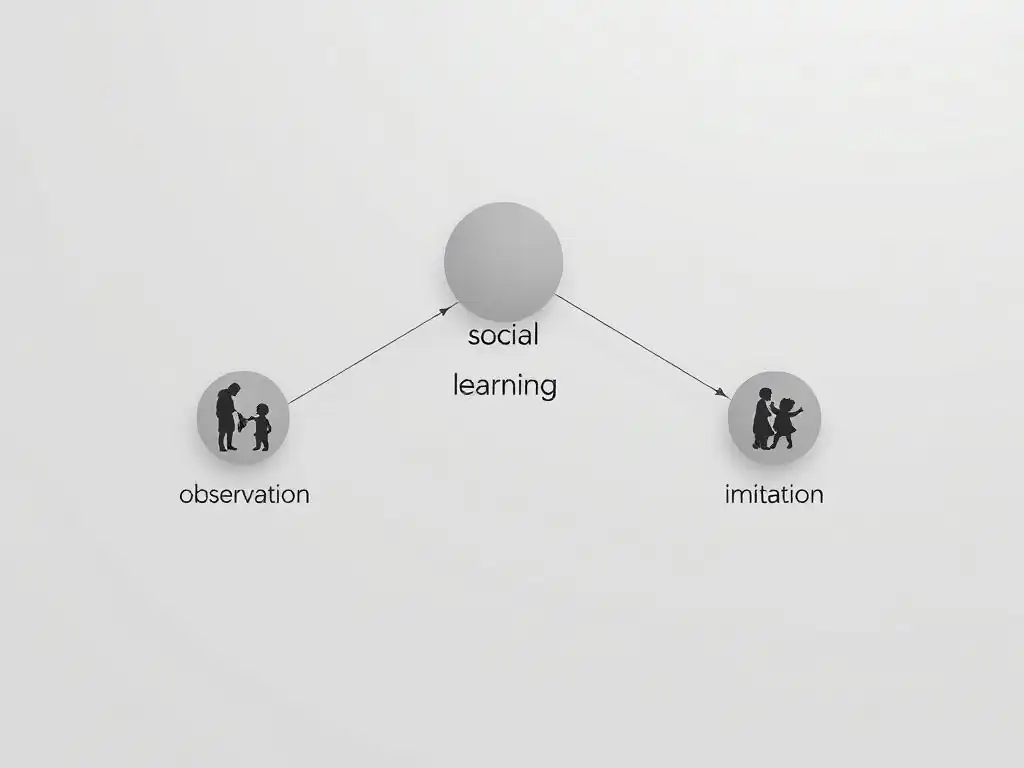
This section delves into the multifaceted nature of social learning aggression causes, examining how observational learning and environmental factors contribute significantly to the development and manifestation of aggressive behaviors. We'll explore key influences, providing concrete examples to illustrate the complex interplay of these factors. Understanding these causes is crucial for developing effective strategies for violence prevention and intervention. The impact of social learning on aggression is substantial, highlighting the importance of positive role models and supportive environments.
The Influence of Media Violence on Aggressive Behavior
The pervasive presence of violence in media—television, video games, movies—has been a subject of extensive research regarding social learning aggression causes. Studies consistently show a correlation between exposure to violent media and increased aggression, although the causal link remains a topic of ongoing debate. The concern isn't solely about mimicking specific acts of violence; rather, it's about the desensitization to violence, the normalization of aggressive solutions to conflict, and the learned association between aggression and positive outcomes (e.g., winning a video game through violence).
For example, a meta-analysis of numerous studies [specific information pending] revealed a significant positive correlation between violent video game exposure and aggressive behavior in children and adolescents. This effect was observed across various measures of aggression, including physical aggression, verbal aggression, and relational aggression (damaging social relationships). The more violent the content, and the more exposure, the stronger the correlation. Furthermore, the impact seems particularly pronounced in individuals already predisposed to aggression due to other factors, such as difficult family dynamics.
This highlights the interactive nature of social learning aggression causes; media violence acts as a potent catalyst, exacerbating existing vulnerabilities. The impact is not uniform; individual differences in personality, cognitive skills, and social environment moderate the effects of media violence. However, the overall body of evidence strongly suggests a need for critical media literacy and responsible media consumption, especially for young people.
The Impact of Family Dynamics and Parental Aggression on Children's Behavior
Family dynamics play a crucial role in shaping a child's understanding of acceptable social behavior, including the expression of aggression. Observational learning within the family is particularly potent. Children who witness parental aggression, either physical or verbal, are significantly more likely to exhibit aggressive behaviors themselves. This is a direct application of Bandura's social learning theory. They learn that aggression is an effective way to resolve conflicts, to exert control, or to express anger. The modeling effect is powerful; children internalize the behaviors they observe, and these behaviors become ingrained patterns of response.
Moreover, inconsistent or harsh discipline, characterized by frequent punishment without clear explanation or positive reinforcement, can also contribute to aggressive behavior. Such an environment fosters a sense of insecurity and resentment, potentially leading to aggression as a means of asserting oneself or retaliating against perceived injustices. Conversely, supportive and consistent parenting, characterized by clear boundaries, positive reinforcement, and effective conflict resolution strategies, significantly reduces the likelihood of aggressive behavior.
This emphasizes the importance of creating a positive and nurturing home environment as a protective factor against social learning aggression causes. A study on [specific information pending] highlighted that children from families with high levels of conflict and aggression showed significantly higher levels of aggression than those from more harmonious families, regardless of socioeconomic status.
Beyond the family, peer groups exert a strong influence on the development of aggressive behavior. Children and adolescents often emulate the behaviors of their peers, especially those they admire or want to belong to. If a peer group normalizes or even celebrates aggression, individuals may adopt these behaviors to gain acceptance or status within the group. This is particularly true during adolescence, a period marked by heightened peer pressure and a strong desire for social belonging.
Furthermore, the social context in which aggression occurs significantly influences its likelihood and intensity. For example, aggressive behaviors are more common in settings where aggression is tolerated or even rewarded, such as schools with a culture of bullying or neighborhoods with high rates of violence. Conversely, environments that promote prosocial behavior, conflict resolution skills, and empathy can significantly reduce the prevalence of aggression.
The presence of positive role models within peer groups can also act as a buffer against the negative influence of aggression. Therefore, understanding and addressing the social context of aggression is crucial in mitigating social learning aggression causes and promoting peaceful interactions. [Specific information pending] on the impact of peer groups on aggressive behavior in different school settings would provide valuable data.
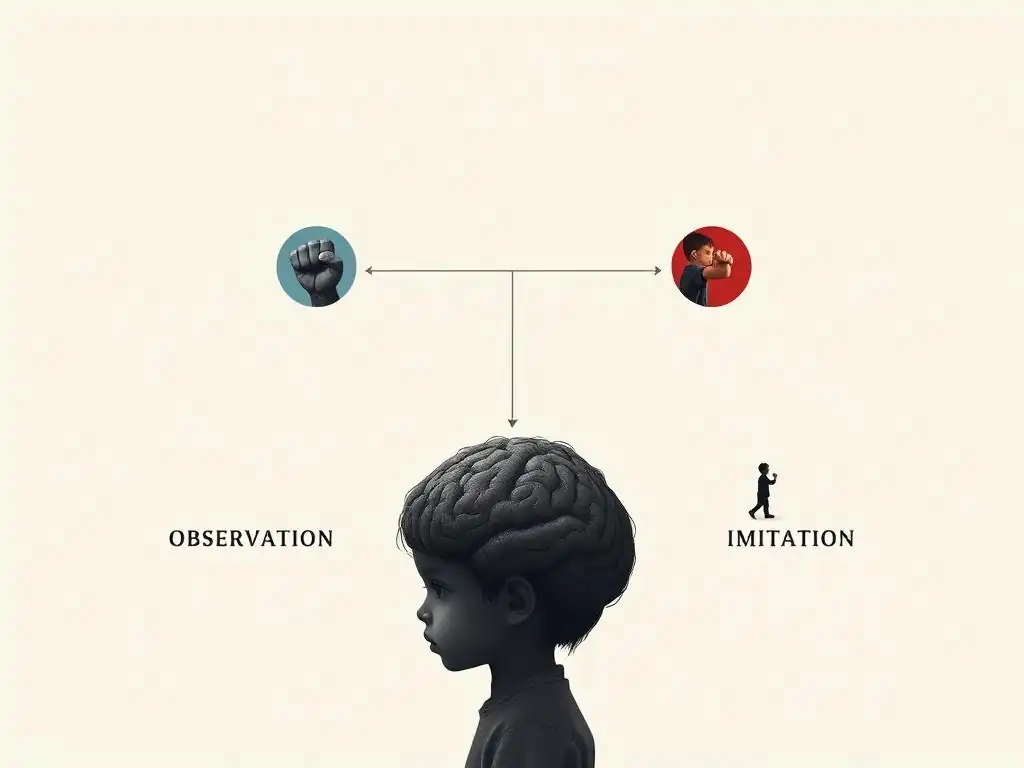
This section delves into the specific mechanisms through which social learning theory explains the acquisition and perpetuation of aggressive behaviors. Understanding these mechanisms is crucial for comprehending the complex interplay between observation, imitation, and reinforcement in shaping individuals' responses to social situations and conflict. We will explore how vicarious reinforcement, self-efficacy, and cognitive processes contribute to the development of aggression, providing a nuanced understanding of the "social learning aggression causes".
Vicarious Reinforcement and its Impact on Aggressive Acts
Vicarious reinforcement, a cornerstone of social learning theory, posits that observing others being rewarded for aggressive behavior increases the likelihood of the observer engaging in similar actions. This doesn't necessarily require direct experience; witnessing the positive consequences (e.g., gaining social status, achieving a desired outcome) of aggression in others can be sufficient to strengthen the association between aggression and reward. For instance, a child who observes a sibling getting a coveted toy after hitting another child might be more inclined to use aggression to achieve their own goals in the future.
This learning process is significantly influenced by the observer's relationship with the model, with imitation being more likely when the model is admired, respected, or perceived as powerful. The intensity of the vicarious reinforcement also plays a role; a highly rewarding outcome for the aggressive act will have a stronger impact on the observer than a less significant reward.
Studies consistently demonstrate a correlation between exposure to violent media and increased aggressive behavior, partially attributable to the vicarious reinforcement of aggression portrayed in those media. Furthermore, the absence of punishment for aggressive acts in observed scenarios can also reinforce the behavior, leading to a belief that aggression is acceptable or even advantageous.
Self-Efficacy and the Belief in One's Ability to Perform Aggressive Actions
Self-efficacy, the belief in one's own ability to successfully execute a specific behavior, plays a critical role in determining whether an individual will engage in aggression after observing it in others. Even if an individual has witnessed vicarious reinforcement of aggressive acts, they might not engage in such behavior if they lack confidence in their ability to perform the aggression effectively or without negative repercussions. For example, a child who observes bullying but believes they lack the physical strength or social skills to bully successfully might refrain from aggressive actions despite the observed reinforcement.
Conversely, a child who perceives themselves as physically strong or socially adept might be more likely to engage in bullying behavior after witnessing its success in others. Therefore, self-efficacy acts as a mediating factor between observational learning and behavioral enactment.
Building self-efficacy in prosocial behaviors is, therefore, a critical component of aggression prevention programs. Interventions focused on fostering problem-solving skills, assertiveness training, and conflict-resolution strategies can enhance self-efficacy in non-aggressive approaches, reducing the likelihood of resorting to violence.
The interpretation of social cues significantly influences how individuals respond to potentially aggressive situations. Social learning isn't simply about mimicking observed behavior; it involves cognitive processing of the observed situation, including the context, the intentions of the actors, and the consequences of their actions. This cognitive appraisal shapes how the observed information is encoded and later retrieved, impacting future behavior.
For example, a child might interpret a shove as playful roughhousing in one context but as an act of aggression in another, depending on the surrounding circumstances and their prior experiences. The child's existing cognitive schemas, or mental frameworks for understanding the world, also play a crucial role. A child with a pre-existing aggressive schema might be more likely to interpret ambiguous social cues as hostile, even when they are not, increasing the likelihood of an aggressive response.
Therefore, understanding the cognitive processes involved in interpreting social cues is essential for understanding the complexities of social learning and aggression. Therapeutic interventions often focus on modifying maladaptive cognitive schemas and improving social perception skills to help individuals interpret social situations more accurately and respond with less aggression. This process often involves cognitive restructuring techniques and training in empathy and perspective-taking.

Understanding the powerful role of social learning in shaping aggressive behaviors opens doors to effective interventions and preventative strategies. The core principle lies in disrupting the cycle of observation, imitation, and reinforcement that perpetuates violence. This involves a multifaceted approach targeting various aspects of an individual's environment and social interactions. Successfully addressing social learning aggression causes requires a comprehensive strategy.
Strategies for Reducing Exposure to Aggressive Models in Media and Society
The pervasive nature of aggression in media—video games, movies, television—presents a significant challenge. Research consistently demonstrates a correlation between exposure to violent media and increased aggression, especially in children and adolescents. 1 Therefore, reducing this exposure is a crucial preventative measure. This involves:
- Media Literacy Programs: Educating individuals, particularly young people, to critically analyze media messages and understand the potential impact of violent content. These programs should teach viewers to differentiate between fantasy and reality, and to recognize manipulative techniques used to glorify violence.
- Parental Controls and Monitoring: Parents play a vital role in regulating children's media consumption. Implementing parental controls on devices and actively monitoring their children's viewing habits can significantly limit exposure to violent content.
- Industry Self-Regulation: While voluntary, industry self-regulation, such as age ratings and content warnings, can help parents make informed choices about the media their children consume. However, stricter regulations and enforcement might be necessary to ensure effectiveness.
- Public Awareness Campaigns: Public health campaigns highlighting the link between media violence and aggression can raise awareness and encourage responsible media consumption. These campaigns should target both parents and media producers.
A comprehensive approach combining these strategies is likely to yield the most significant impact in mitigating the influence of aggressive models in media and society on the development of aggressive behaviors.
Conversely, promoting prosocial behaviors—behaviors that are beneficial to others and society—can effectively counter the effects of social learning aggression causes. This involves actively reinforcing positive behaviors and providing positive role models.
- Positive Reinforcement: Rewarding prosocial behaviors, such as empathy, cooperation, and conflict resolution, strengthens these behaviors and makes them more likely to be repeated. This can involve verbal praise, tangible rewards, or privileges. The key is consistency and immediacy of reinforcement.
- Positive Role Models: Providing access to positive role models who demonstrate prosocial behaviors is equally important. This can include teachers, coaches, community leaders, or even characters in books and movies. Observing positive role models can inspire individuals to emulate their behavior.
- Conflict Resolution Skills Training: Equipping individuals with effective conflict resolution skills enables them to manage disagreements peacefully and constructively, reducing the likelihood of resorting to aggression. These skills should be taught both at home and in school.
By actively promoting and reinforcing prosocial behaviors, we can create a more positive social environment that counteracts the influence of aggressive models.
The Importance of Parental Involvement in Shaping Children's Behavior
Parents are the primary socializing agents in a child's life, and their role in shaping their children's behavior, particularly in relation to aggression, is paramount. Parental involvement is crucial in mitigating the effects of social learning aggression causes.
- Consistent Discipline: Consistent and fair discipline is essential. This does not necessarily mean punishment, but rather clear expectations, consistent enforcement of rules, and appropriate consequences for misbehavior.
- Emotional Support and Security: Children who feel loved, supported, and secure are less likely to exhibit aggressive behaviors. Providing a nurturing and emotionally safe environment is crucial for healthy development.
- Modeling Prosocial Behaviors: Parents should model prosocial behaviors themselves, demonstrating how to resolve conflicts peacefully, manage emotions effectively, and treat others with respect. Children learn by observing their parents' actions.
- Open Communication: Encouraging open communication allows parents to understand their children's perspectives, identify potential problems early, and intervene effectively. This includes actively listening to their children's concerns and validating their feelings.
Parental involvement is not merely a suggestion, but a fundamental component of preventing and mitigating the effects of social learning on aggression. A supportive and consistent parental presence significantly influences a child's development and reduces the likelihood of engaging in aggressive behaviors.
1 [Specific research citation pending]
Understanding the intricate relationship between social learning and aggression is crucial for building a more peaceful and harmonious society. The evidence overwhelmingly suggests that observational learning, reinforcement, and modeling play significant roles in shaping aggressive behaviors. This isn't to say that everyone who witnesses aggression will become aggressive; individual differences, personal experiences, and environmental factors all contribute to the complexity of this issue.
However, recognizing the powerful influence of social learning allows us to develop targeted interventions and preventative measures. By acknowledging the role of social learning aggression causes, we can begin to design effective strategies to mitigate violence and promote prosocial behaviors.
Future Research Directions in Understanding and Preventing Aggressive Behavior
Further research is needed to fully understand the nuances of social learning and aggression. Several areas warrant particular attention:
- Longitudinal Studies: Longitudinal studies tracking individuals from childhood to adulthood are crucial to understanding the long-term effects of exposure to aggression. This would allow researchers to identify critical periods of vulnerability and potential turning points in the development of aggressive tendencies. Such studies could shed light on how early interventions might have a lasting impact. Currently, we lack sufficient longitudinal data to fully ascertain the long-term effects of various social learning factors on aggressive behaviors in diverse populations.
- The Role of Media: The impact of media violence on aggressive behavior remains a highly debated topic. Future research should employ more rigorous methodologies to investigate the causal link between media consumption and aggressive acts, differentiating between passive exposure and active engagement with violent content. This includes considering the influence of different media types (video games, movies, television) and the moderating role of individual differences in susceptibility.
- Cultural Variations: Social learning theory's application varies across cultures. Further research is needed to examine how cultural norms and values influence the transmission and expression of aggression. Understanding these cultural variations will be essential for developing culturally sensitive interventions that effectively address the social learning aggression causes within specific cultural contexts. For instance, [specific cultural examples pending] could provide valuable insights.
- Developing Effective Interventions: Research should prioritize the development and evaluation of effective interventions aimed at disrupting the cycle of aggression. This includes programs focused on promoting prosocial behaviors, improving social-emotional skills, and modifying environmental factors that contribute to aggression. A rigorous evaluation framework is needed to assess the long-term effectiveness and cost-benefit ratio of these interventions.
The Importance of a Multifaceted Approach to Combating Violence
Combating violence requires a multifaceted approach that addresses the various factors contributing to aggressive behavior. Simply focusing on one aspect, such as individual-level interventions, is insufficient. A comprehensive strategy must incorporate:
- Individual-level interventions: These target individuals at risk of engaging in aggressive behavior, focusing on improving emotional regulation, problem-solving skills, and empathy. This could involve therapy, anger management programs, or social skills training.
- Community-level interventions: These aim to create safer and more supportive communities by addressing systemic issues that contribute to violence, such as poverty, inequality, and lack of access to resources. This could involve community-based programs, neighborhood watch initiatives, and improved access to mental health services.
- Societal-level interventions: These aim to change societal norms and attitudes towards violence. This could involve media campaigns promoting non-violent conflict resolution, changes in legislation related to gun control, and educational initiatives promoting empathy and respect.
Addressing social learning aggression causes demands a collaborative effort involving researchers, policymakers, educators, and community leaders. By working together and utilizing a comprehensive strategy, we can create a society where violence is significantly reduced and peaceful coexistence is the norm. The ultimate goal is to create environments that foster prosocial behaviors and minimize the opportunities for aggressive behaviors to flourish. This requires a sustained commitment to understanding the complex interplay of factors contributing to violence and implementing evidence-based solutions.
Frequently Asked Questions
Social learning theory, proposed by Albert Bandura, suggests that learning occurs through observation and imitation of others, including their behaviors and consequences. This is crucial for understanding how aggression is learned.
According to social learning theory, aggression is learned by observing aggressive models, such as parents, peers, or characters in media. Children may then imitate these behaviors, especially if the models are rewarded for their aggression.
Examples include violent video games, witnessing physical fights between parents, or observing bullying behavior at school. These models demonstrate aggressive behavior and its potential consequences.
No, individual differences play a significant role. While observation is a key factor, factors such as personal experiences, personality traits, and cognitive processes influence whether someone will imitate aggressive behavior.
Beyond observation, reinforcement (rewards for aggression) and punishment (consequences of aggression) significantly influence whether aggressive behavior is learned and repeated. Cognitive factors, such as beliefs about aggression, also play a role.
Final Reflection: The Ripple Effect of Learned Aggression
The pervasive nature of violence in our society is not a random occurrence; it's a learned behavior, deeply rooted in the social environments we inhabit. Understanding this fundamental truth, as explored throughout this article, is crucial to dismantling the cycle of aggression and fostering a more peaceful future. The implications of social learning theory extend far beyond academic discourse; they directly impact our daily lives, shaping our interactions and influencing the very fabric of our communities.
The chilling reality is that aggression, in its many forms, is often passed down through generations, a silent inheritance perpetuated by observation and imitation. We are not born violent; we learn to be. This insidious process, highlighted by Bandura's seminal work, continues to shape our cultural landscape, influencing everything from interpersonal relationships to international conflicts. Aggression is not an inevitable consequence of human nature, but rather a learned behavior that can be unlearned.
This quote underscores the hope inherent in understanding the mechanisms of social learning and actively working to break the cycle.
You, the reader, now hold the power to disrupt this cycle. Consider your own experiences, the influences that shaped your understanding of conflict resolution, and the models of behavior you present to others. Reflect on the messages you send, both consciously and unconsciously, and commit to fostering an environment where empathy, cooperation, and peaceful conflict resolution are valued above all else. By actively choosing to learn and unlearn, we can collectively build a more compassionate and less violent world, one interaction at a time.
**Transform Your Understanding of Aggression Today! **
Thank you for exploring how social learning theory shapes our understanding of aggression. You've gained valuable insights into the roots of violence and are now empowered to use this knowledge to create positive change.
Here's how you can further your understanding and contribute to healthier communities:
- **Dive Deeper:** Expand your knowledge by reading books and articles on social learning theory to explore its complexities and real-world applications. Consider focusing on case studies that illustrate the theory's impact.
- **Share Your Insights:** Discuss these concepts with friends, family, or colleagues, or participate in online forums and discussions to broaden the conversation surrounding aggression and its origins. Sharing your newfound understanding can be incredibly impactful.
- **Engage with Your Community:** Attend or organize workshops and community events focused on non-violent communication and conflict resolution. Actively participating in these initiatives can make a tangible difference.
How will you promote a deeper understanding of aggression and its impact within your community?