
Special Education vs. Mainstream Education: Weighing the Options

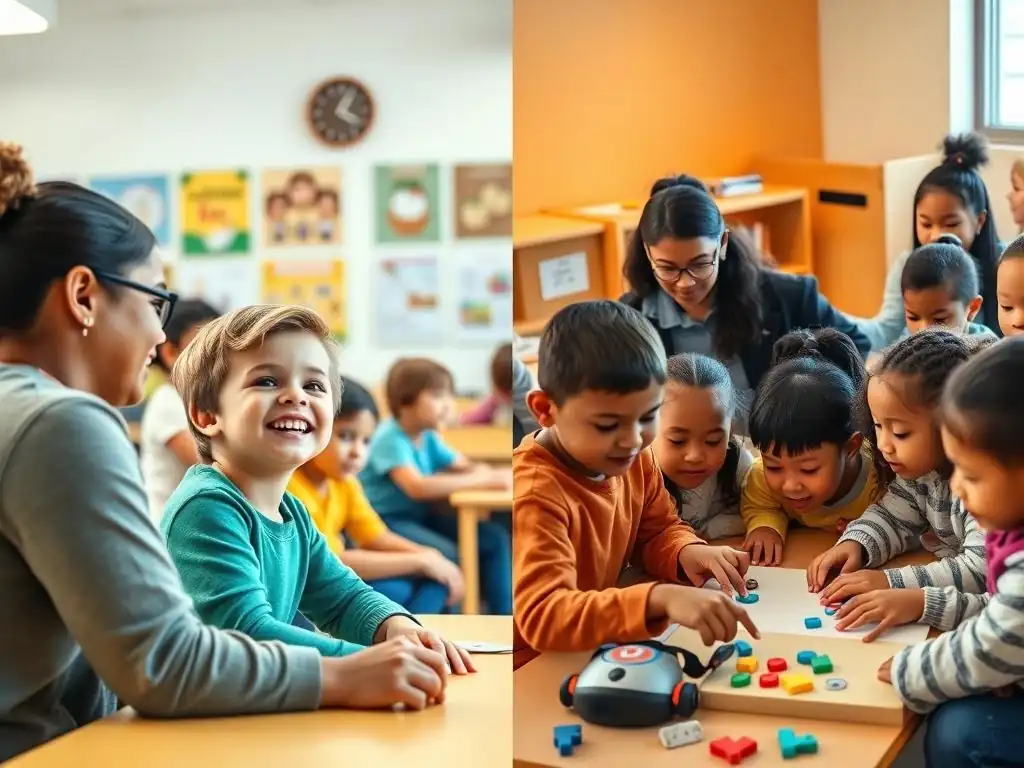
Unravel the complexities of the human mind with Psychology Basics. We're your gateway to understanding the fascinating world of psychology, and this journey begins with a crucial question: what's the best approach to special education? Dive into our exploration of "Special Education vs. Mainstream Education: Weighing the Options" within our Educational Psychology section – discover the nuances that shape learning and development, and unlock the potential within every individual. Let's explore!
- Understanding the Needs of Students with Disabilities: A Foundation for Choosing the Best Approach
- Mainstream Education: Inclusion and its Benefits
- Special Education: Tailored Support and Specialized Instruction
- Comparing Approaches: Special Education vs. Mainstream Education: Finding the Best Fit
- Determining the Optimal Educational Path for Your Child: A Practical Guide
- Special Education Best Approach: A Holistic Perspective
-
Frequently Asked Questions
- What is the main difference between special education and mainstream education?
- What factors determine if a student needs special education?
- What are some common approaches used in special education?
- Is mainstream education always better than special education?
- How can parents advocate for their child's best approach to education?
- Final Reflection: Charting a Course for Inclusive Education
- **Embrace the Best Path for Every Learner! **
Understanding the Needs of Students with Disabilities: A Foundation for Choosing the Best Approach
Choosing the best educational approach for a child, particularly one with disabilities, is a complex decision demanding careful consideration of individual needs and learning styles. This article explores the key differences between special education and mainstream education, aiming to provide a clear understanding of how to determine the most effective path for a student's educational journey.
The question of "special education best approach" isn't about a one-size-fits-all answer; rather, it's about a personalized, data-driven process that prioritizes the unique strengths and challenges of each individual learner. We will delve into the assessment process, the crucial role of Individualized Education Programs (IEPs), and the factors that contribute to successful inclusion or specialized support.
Ultimately, the goal is to equip parents, educators, and students with the knowledge necessary to make informed decisions that foster academic success and overall well-being. This nuanced understanding is essential for navigating the complexities of educational options and ensuring every child thrives in their learning environment.
Identifying Specific Learning Disabilities and Their Impact on Education
Identifying specific learning disabilities is the crucial first step in determining the most appropriate educational placement. These disabilities, such as dyslexia, dysgraphia, dyscalculia, and ADHD, significantly impact a student's ability to learn and process information in a traditional classroom setting. For example, a student with dyslexia may struggle with reading and spelling, while a student with dysgraphia may have difficulty writing legibly.
Understanding the specific challenges presented by each disability is paramount in tailoring an effective educational plan. A thorough diagnostic assessment, often involving psychologists and educators, is vital to accurately identify the presence and severity of these learning differences. This assessment needs to consider not only academic performance but also cognitive abilities, social-emotional development, and adaptive behavior.
The results of this comprehensive assessment directly inform the subsequent steps in creating a supportive and effective learning environment. Ignoring these specific learning disabilities can lead to frustration, low self-esteem, and ultimately, academic failure. Early and accurate identification is key to providing timely intervention and support.
Assessing Individual Educational Needs: A Multifaceted Approach
Assessing individual educational needs goes far beyond simply identifying a learning disability. It requires a multifaceted approach that considers various factors influencing a student's learning. This includes cognitive abilities (memory, processing speed, attention), academic skills (reading, writing, math), social-emotional development (self-regulation, social skills), and adaptive behavior (daily living skills).
A variety of assessment tools are used, including standardized tests, teacher observations, parent interviews, and portfolio assessments. The goal is to create a holistic profile of the student's strengths and weaknesses, their learning preferences, and their overall educational needs. This detailed profile informs the development of an Individualized Education Program (IEP), a crucial document outlining the specific educational goals and services tailored to the student’s unique requirements.
The assessment process should be ongoing, allowing for adjustments and modifications to the IEP as the student progresses and their needs evolve. This dynamic approach ensures that the educational plan remains relevant and effective throughout the student's schooling. The process requires collaboration between educators, parents, specialists, and the student themselves (when appropriate).
The Role of Individualized Education Programs (IEPs) in Special Education
Individualized Education Programs (IEPs) are legally mandated documents for students with disabilities who qualify for special education services. They represent the cornerstone of special education, outlining specific, measurable, achievable, relevant, and time-bound (SMART) goals for each student. An IEP is not a static document; it's a dynamic plan that is regularly reviewed and revised to reflect the student's progress and changing needs.
The IEP team, which typically includes parents, educators, specialists, and the student (when appropriate), collaboratively develops and monitors the IEP. It details the specific services and supports the student will receive, such as specialized instruction, assistive technology, and related services (e.g., speech therapy, occupational therapy). The IEP also specifies the student's placement, whether in a general education classroom with supports, a resource room, or a self-contained special education classroom.
Effective implementation of the IEP requires ongoing communication and collaboration among all team members to ensure the student receives the appropriate support and makes consistent progress towards their individualized goals. Regular progress monitoring and data analysis are essential to track the effectiveness of the IEP and make necessary adjustments. The IEP process emphasizes a collaborative and individualized approach, ensuring that each student receives the support they need to succeed.
Mainstream Education: Inclusion and its Benefits
Mainstream education, also known as inclusive education, aims to integrate students with disabilities into regular classrooms alongside their typically developing peers. This approach contrasts with the more traditional segregated model of special education, where students with disabilities receive instruction in separate settings. The core philosophy behind mainstream education centers on the belief that all students, regardless of their abilities or disabilities, benefit from a diverse learning environment.
This belief is supported by a growing body of research indicating that inclusive classrooms can foster significant academic, social, and emotional growth for all students involved. Finding the best approach to special education often involves carefully weighing the advantages and disadvantages of both mainstream and segregated settings.
Inclusive Classrooms: Fostering Collaboration and Understanding
Inclusive classrooms offer a unique opportunity for students to learn from each other's strengths and differences. Typically developing students gain valuable experience interacting with and learning alongside their peers with diverse needs. This interaction promotes empathy, tolerance, and a broader understanding of human diversity.
Furthermore, the presence of students with disabilities can enrich the classroom dynamic, fostering creativity and encouraging different approaches to problem-solving. For example, a student with a visual impairment might utilize tactile learning materials, inadvertently introducing a new learning style to the entire class, thus benefiting all students. Studies show that inclusive classrooms can lead to improved social skills and a more positive attitude towards disability among typically developing students.
The collaborative nature of inclusive classrooms also benefits students with disabilities, who learn valuable social skills and experience a sense of belonging. This aspect is crucial for their overall well-being and academic success. Effective implementation of inclusive practices, however, requires careful planning, teacher training, and appropriate support systems.
Beyond the collaborative learning environment, mainstream education offers significant advantages in terms of socialization and development. Students with disabilities in inclusive settings have more opportunities to develop social skills, build friendships, and participate in extracurricular activities. This increased social interaction can significantly impact their self-esteem and confidence, leading to improved emotional well-being. Moreover, the exposure to a wider range of social situations and peer interactions helps them to develop crucial life skills, such as communication, negotiation, and conflict resolution, which are essential for successful integration into society.
These benefits extend beyond the immediate educational context and contribute to improved long-term outcomes for students with disabilities. The development of a robust social network is a significant factor in their overall success and ability to thrive in adulthood. The key to success in finding the best approach lies in the ability to create truly inclusive environments.
Challenges of Mainstream Education for Students with Specific Needs: Addressing the Needs of Diverse Learners
While mainstream education offers numerous benefits, it also presents challenges. Meeting the diverse learning needs of all students within a single classroom requires careful planning and adequate resources. Teachers in inclusive classrooms need specialized training and support to effectively differentiate instruction and provide individualized attention to students with varying abilities and learning styles.
This might involve adapting curriculum materials, employing assistive technologies, and implementing individualized education programs (IEPs). Furthermore, the workload on teachers in inclusive settings can be significantly higher, requiring additional support staff and resources to ensure that all students receive the appropriate level of instruction. The successful implementation of mainstream education requires a commitment to providing sufficient resources and support to both teachers and students.
Addressing these challenges is crucial to ensuring that inclusive classrooms truly benefit all students and that the special education best approach is effectively implemented. A lack of resources or inadequate teacher training can negate the potential benefits of inclusive education, highlighting the importance of proactive planning and support. Careful consideration must be given to the specific needs of individual students to determine if mainstream education is the most suitable option.
Special Education: Tailored Support and Specialized Instruction
This section delves into the core principles of special education, focusing on how it differs from mainstream education and what makes it a potentially effective approach for students with diverse learning needs. The "special education best approach" isn't a one-size-fits-all solution, but rather a highly individualized process. It's built on the foundation of identifying specific learning disabilities or developmental delays and then crafting educational plans to directly address those challenges.
Unlike mainstream education, which follows a standardized curriculum and teaching methodology for all students, special education offers a flexible and adaptable system. This adaptability is key to its success, allowing educators to personalize the learning experience to maximize each student's potential. The emphasis is on fostering a supportive and inclusive learning environment that caters to individual strengths and weaknesses.
Specialized Curricula and Teaching Methods in Special Education
Special education utilizes diverse curricula and teaching methods tailored to the unique needs of each student. These methods often deviate significantly from mainstream practices. For instance, a student diagnosed with dyslexia might benefit from a multi-sensory approach, incorporating visual, auditory, and kinesthetic learning techniques.
This contrasts sharply with a standard classroom where the primary mode of instruction might be predominantly visual (reading from a textbook). Similarly, students with attention deficit hyperactivity disorder (ADHD) may require shorter lessons, frequent breaks, and highly structured learning environments to maintain focus and engagement. The curriculum itself is also adjusted.
Instead of rigidly adhering to grade-level standards, the focus shifts to individualized educational programs (IEPs). These IEPs outline specific, measurable, achievable, relevant, and time-bound (SMART) goals for each student, ensuring that the learning objectives are attainable and progress is tracked effectively. This individualized approach allows educators to modify the complexity and pace of the curriculum, ensuring that the student is challenged but not overwhelmed.
The implementation of assistive technologies is another crucial aspect of specialized teaching methods. This can range from simple tools like graphic organizers and colored overlays to sophisticated software that provides text-to-speech functionality or supports students with visual impairments. The selection of assistive technology is carefully considered based on the student's specific needs and learning style.
Moreover, the training of teachers in special education is extensive. They receive specialized training in various teaching strategies, including positive behavior support, behavior modification techniques, and strategies for managing challenging behaviors. This specialized training empowers educators to create a positive and productive learning environment for students with diverse needs.
The Benefits of Specialized Support: Addressing Unique Learning Needs
The primary benefit of special education lies in its capacity to address the unique learning needs of students who may struggle in mainstream classrooms. By providing individualized instruction, specialized curricula, and supportive services, special education can significantly improve academic outcomes and overall well-being. Students with learning disabilities, such as dyslexia or dysgraphia, often experience significant gains in literacy skills when provided with targeted interventions and adapted teaching methods.
Similarly, students with autism spectrum disorder (ASD) can benefit from structured learning environments and social skills training, which helps them develop essential communication and social interaction skills. Studies have shown that students receiving specialized support in special education often demonstrate improved self-esteem, increased confidence, and a greater sense of belonging compared to their peers who struggle in mainstream classrooms without appropriate support. This positive impact on self-esteem is a crucial factor in their overall academic success and personal development.
The tailored approach allows for a more nurturing and supportive learning environment, fostering a sense of accomplishment and reducing feelings of frustration and inadequacy. Furthermore, the early intervention provided through special education can prevent the development of more significant learning difficulties and behavioral problems later in life.
While special education offers significant benefits, it's crucial to acknowledge potential challenges. One major concern is the potential for social isolation. Students in special education classes may feel separated from their typically developing peers, leading to feelings of exclusion and decreased social interaction. This social isolation can negatively impact their social and emotional development, affecting their self-esteem and overall well-being.
To mitigate this risk, inclusive practices are increasingly emphasized, aiming to integrate students with disabilities into mainstream classrooms as much as possible. However, effective inclusion requires careful planning and collaboration between special education teachers, mainstream teachers, and support staff. Another challenge involves the emotional toll on both students and their families. Navigating the complexities of diagnosis, IEP development, and accessing appropriate services can be stressful and emotionally draining.
Furthermore, students with disabilities may experience emotional difficulties related to their challenges and the stigma sometimes associated with special education. Addressing these social and emotional considerations is crucial to ensure that special education truly supports the holistic development of the student, maximizing not just their academic achievements but also their overall well-being. Providing access to counseling services, social skills groups, and peer support can significantly alleviate these challenges and promote a more positive and inclusive experience for all.
Comparing Approaches: Special Education vs. Mainstream Education: Finding the Best Fit

This section delves into the crucial differences between special education and mainstream education, aiming to clarify the considerations involved in determining the most suitable educational placement for a child with special needs. The optimal approach isn't a one-size-fits-all solution; it hinges on a thorough assessment of individual needs and learning styles. Finding the best approach—the special education best approach—requires careful evaluation and collaboration. We'll explore key factors that influence this decision, focusing on the child's unique strengths and challenges. The ultimate goal is to foster a learning environment that maximizes the child's potential for academic, social, and emotional growth.
Factors to Consider When Choosing the Best Educational Placement
Choosing the right educational placement for a child with special needs is a multifaceted process. Several critical factors must be considered to determine whether a special education setting or mainstream education with support services is the special education best approach. These factors include:
- The Severity and Nature of the Disability: The intensity and type of support required are paramount. A child with a mild learning disability might thrive in a mainstream classroom with individualized support, while a child with more significant needs might benefit from a specialized setting. For example, a child diagnosed with autism spectrum disorder might require a highly structured environment with specialized teaching strategies, which a mainstream classroom might not readily provide. Conversely, a child with ADHD might benefit from accommodations within a mainstream setting, such as preferential seating and frequent breaks.
- The Child's Individual Learning Style and Needs: Every child learns differently. Some children flourish in collaborative environments, while others prefer individual instruction. Some might respond well to visual aids, others to auditory learning. Understanding the child's specific learning preferences is crucial in tailoring an effective educational plan. This necessitates comprehensive assessment and ongoing evaluation to adjust strategies as needed.
- The Availability of Resources and Support Services: The success of any educational placement depends heavily on available resources. This includes access to qualified special education teachers, therapists (occupational, speech, physical), assistive technology, and supportive staff. The availability of these resources varies significantly between different schools and educational settings. A school with robust special education programs might be better equipped to meet a child's needs than one with limited resources.
- The Child's Social and Emotional Well-being: A supportive and inclusive environment is vital for a child's overall development. Consider the potential impact on the child's self-esteem and social interactions. While some children might thrive in a smaller, more specialized setting, others might benefit from the social interaction and diversity offered by a mainstream classroom. The special education best approach considers the child's social and emotional development alongside their academic progress.
The Importance of Collaboration Between Parents, Educators, and Specialists
Effective collaboration is the cornerstone of successful special education. Open communication and shared decision-making among parents, educators, and specialists are crucial for creating an individualized education program (IEP) that meets the child's unique needs. This collaborative process ensures that all stakeholders are on the same page, working together to achieve common goals.
The parents' insights into their child's strengths, challenges, and preferences are invaluable. Educators bring their expertise in curriculum development and instructional strategies. Specialists, such as therapists and psychologists, offer specialized knowledge and guidance. This synergy leads to a more comprehensive and effective educational plan. Regular meetings, consistent communication, and a shared commitment to the child's success are essential for this collaborative model to thrive. The special education best approach is a team effort.
Long-Term Outcomes and the Impact of Educational Choice on Student Success
The choice between special education and mainstream education significantly impacts a child's long-term outcomes. The goal is to equip the child with the skills and knowledge necessary for success in adulthood. This includes academic achievement, social competence, and independent living skills. The special education best approach aims for long-term independence and self-sufficiency.
Studies show that children who receive appropriate and timely interventions often achieve significant progress, regardless of the educational setting. However, the right environment is crucial. A mismatch between a child's needs and the educational setting can lead to frustration, disengagement, and ultimately, lower academic achievement. Conversely, a well-matched environment fosters confidence, motivation, and a greater likelihood of achieving long-term academic and personal success.
Careful monitoring and regular evaluation are critical to ensure the chosen path remains the special education best approach for the evolving needs of the child. Data tracking academic progress, social skills development, and overall well-being helps to inform ongoing decisions and adjustments to the IEP. The ultimate measure of success is the child's ability to thrive and reach their full potential.
Determining the Optimal Educational Path for Your Child: A Practical Guide
This section focuses on the practical steps parents can take to determine the best educational approach for their child, specifically addressing the "special education best approach" question. Navigating the decision between special education and mainstream education requires careful consideration of various factors and a proactive approach. The ultimate goal is to create an environment where your child can thrive academically, socially, and emotionally.
Seeking Expert Advice: Consultations with Educational Psychologists and Specialists
Finding the right support is crucial in determining the best educational path for your child. A comprehensive assessment by qualified professionals is the cornerstone of this process. This often involves consultations with educational psychologists and specialists in areas relevant to your child's needs, such as speech-language pathologists, occupational therapists, or learning specialists. These professionals employ a variety of assessment tools, including standardized tests, observations in different settings, and interviews with parents and teachers. The resulting evaluations provide a detailed picture of your child's strengths and challenges, informing decisions about the most suitable educational placement.
The information gathered during these assessments is not just about identifying deficits; it's about understanding your child's unique learning profile. For example, a child diagnosed with dyslexia might benefit from a multi-sensory approach to reading instruction offered in a special education setting, while a child with ADHD might thrive in a mainstream classroom with specific accommodations, such as preferential seating and structured breaks.
The key is to find the educational environment that best matches the child's individual learning style and needs, moving beyond simple labels to create a personalized learning plan. This personalized approach is often the most effective way to achieve positive outcomes and is a key element of finding the special education best approach.
Advocating for Your Child's Educational Needs: Effective Communication Strategies
Effective communication is paramount throughout the process of determining and implementing your child's educational plan. Parents need to be active participants, advocating for their child's needs and ensuring their voice is heard. This requires clear and consistent communication with teachers, school administrators, and other professionals involved. Documenting your child's progress, challenges, and responses to different interventions is vital. This documentation can serve as a valuable resource during meetings and discussions, supporting your advocacy efforts.
Consider keeping a detailed journal or log, noting specific instances of challenges or successes. For example, you might record how your child responds to different teaching methods, the effectiveness of various accommodations, or the impact of social interactions in different settings. This detailed record provides concrete evidence to support your requests for specific interventions or educational placements. Remember, effective communication is a two-way street.
Actively listen to the perspectives of educators and specialists, seeking to understand their views and find common ground. Collaboration, rather than confrontation, is often the most productive approach. This collaborative approach is vital in achieving the special education best approach for your child.
Monitoring Progress and Making Adjustments: Ensuring Continuous Improvement
Once an educational plan is in place, ongoing monitoring and evaluation are essential to ensure its effectiveness. Regular meetings with teachers, specialists, and school administrators allow for a continuous assessment of your child's progress. These meetings provide opportunities to discuss challenges, celebrate successes, and make necessary adjustments to the educational plan. Flexibility is key; what works well initially may need modification as your child grows and develops.
Data-driven decision-making is crucial. Track your child's academic progress, social-emotional development, and overall well-being. This may involve reviewing report cards, assessment results, and observations from teachers and specialists. Use this data to identify areas where your child is thriving and areas that require additional support.
Don't hesitate to advocate for changes to the educational plan if necessary. This might involve requesting additional support services, modifying teaching methods, or exploring alternative educational settings. The goal is continuous improvement, ensuring that the chosen educational path remains the special education best approach for your child's specific needs. Regular review and adjustments are vital to ensure that your child receives the most effective and supportive learning environment possible.
Special Education Best Approach: A Holistic Perspective
This section delves into the core principles behind finding the best approach to special education, focusing on the multifaceted nature of individual needs and the collaborative efforts required for optimal outcomes. The "special education best approach" isn't a one-size-fits-all solution; rather, it's a dynamic process tailored to each student's unique strengths, weaknesses, and learning style.
The Importance of Individualized Plans and Ongoing Assessment
The cornerstone of effective special education is the Individualized Education Program (IEP). This legally mandated document outlines a student's specific learning goals, the services they'll receive, and the methods used to measure their progress. Creating a truly effective IEP requires a thorough understanding of the student's strengths and challenges. This involves comprehensive assessments, encompassing cognitive abilities, academic skills, social-emotional development, and adaptive behavior. For example, a student diagnosed with dyslexia might require specialized reading instruction, assistive technology, and accommodations during testing. Another student with ADHD might benefit from behavior modification techniques, organizational strategies, and a structured learning environment.
The IEP isn't a static document; it's a living, breathing plan that requires ongoing assessment and adjustments. Regular progress monitoring allows educators to track the student's response to interventions and modify the IEP as needed. This iterative process ensures that the educational approach remains relevant and effective throughout the student's educational journey.
This continuous evaluation is crucial for maximizing the benefits of special education and adapting to the student's evolving needs. Without ongoing assessment, the IEP risks becoming obsolete and failing to support the student's growth. Data-driven decision-making is paramount in this process, ensuring that every adjustment is informed by concrete evidence of progress or lack thereof.
Collaboration and Communication as Cornerstones of Success
Effective special education necessitates a strong collaborative spirit among all stakeholders. This includes parents, teachers, specialists (such as speech-language pathologists, occupational therapists, and psychologists), administrators, and the student themselves (when age-appropriate). Open communication channels are essential for sharing information, coordinating interventions, and ensuring everyone is on the same page. Regular meetings, shared online platforms, and consistent feedback mechanisms are crucial for maintaining this collaborative environment.
Consider this scenario: a student struggles with both reading comprehension and social skills. Effective collaboration requires the reading specialist, the special education teacher, and the school counselor to work together, sharing insights and coordinating interventions. The reading specialist might focus on improving decoding skills, the special education teacher might implement strategies for improving comprehension, and the counselor might address social skills deficits through group therapy or individual counseling.
Without this collaborative approach, interventions might be fragmented and less effective. The collaborative model fosters a holistic approach, recognizing that a student's learning is influenced by multiple factors. The effectiveness of the "special education best approach" is intrinsically linked to the quality of communication and collaboration among professionals and families.
Considering Future Goals and Transition Planning
A critical component of a successful special education plan involves considering the student's long-term goals and planning for a smooth transition to adulthood. This includes academic, vocational, and independent living skills. Transition planning should begin well in advance of the student's graduation from high school, ideally starting as early as middle school. The IEP should incorporate goals related to post-secondary education, employment, and community participation. For example, a student might aim to attend vocational training, secure a job in a supported employment setting, and live independently in a group home.
Transition planning demands proactive collaboration with community agencies, vocational rehabilitation services, and post-secondary institutions. This ensures that the student has access to the necessary support and resources to achieve their goals after leaving the educational system. Without careful planning, students with disabilities might face significant challenges in transitioning to adulthood, hindering their ability to lead fulfilling and independent lives.
Therefore, the "special education best approach" extends beyond the school years, focusing on preparing the student for a successful and integrated future. The ultimate aim is to empower individuals with disabilities to reach their full potential and participate fully in society.
Frequently Asked Questions
What is the main difference between special education and mainstream education?
Special education provides individualized instruction and support for students with disabilities, while mainstream education caters to a broader range of students in a general classroom setting. The key difference lies in the level of specialized support offered.
What factors determine if a student needs special education?
A student might require special education if they have significant learning difficulties or disabilities impacting their academic progress, social-emotional development, or behavior. Formal assessments and evaluations by professionals are crucial in determining eligibility.
What are some common approaches used in special education?
Special education utilizes various approaches tailored to individual needs, including Individualized Education Programs (IEPs), differentiated instruction, assistive technology, and inclusion models. The best approach varies greatly depending on the student's specific needs.
Is mainstream education always better than special education?
No, the best educational setting depends entirely on the individual student's needs and abilities. Mainstreaming can be beneficial for some students with disabilities, while others thrive in a more specialized environment.
How can parents advocate for their child's best approach to education?
Parents should actively participate in IEP meetings, communicate regularly with teachers and specialists, and research different educational options. They should advocate for their child's individualized needs and preferences.
Final Reflection: Charting a Course for Inclusive Education
The debate surrounding special education versus mainstream education remains critically relevant today, a stark reminder that we still grapple with providing equitable learning opportunities for all children. The optimal approach isn't a simple "either/or" but a nuanced understanding of individual needs and the creation of truly inclusive learning environments. Finding the right balance is crucial for fostering the potential within every student.
The ongoing influence of this discussion shapes not only educational policy but also societal perceptions of disability. We've moved beyond the outdated models of segregation, yet the fight for genuine inclusion continues. The journey towards creating truly supportive and enriching learning experiences for all students is a long one. The only disability in life is a bad attitude.
- Scott Hamilton. This quote, while seemingly simple, highlights the importance of fostering a positive and accepting environment where every child can thrive, regardless of their learning differences.
Consider the implications of this discussion in your own life. Are you an educator, a parent, a community member? How can you contribute to creating a more inclusive and supportive educational system? Let this reflection serve as a call to action: advocate for inclusive practices, challenge outdated assumptions, and champion the unique strengths and potential of every learner. The future of education depends on our collective commitment to ensuring that every child has the opportunity to reach their full potential.
**Embrace the Best Path for Every Learner! **
Thank you for exploring the complexities of educational options. Your interest in understanding the differences between special education and mainstream education empowers you to make informed decisions that significantly benefit students. Let's put this knowledge into practice!
Here are some practical steps you can take:
- **Reflect on your values:** Consider which educational setting best reflects your beliefs about inclusion and diverse learning styles. Jotting down your thoughts will clarify your vision.
- **Engage with your community:** Connect with local schools and support organizations to learn about their programs and share your perspectives. You may discover valuable resources and unexpected support.
- **Advocate for informed choices:** Share this information with friends and family facing similar decisions. This fosters a community dialogue about educational paths and your insights can inspire others.
What have you learned about choosing the right educational path for diverse learners? Let's discuss!