
The Science of Skimming: How to Read Faster Without Losing Meaning


Unlock the secrets of your mind's potential with Psychology Basics. Are you ready to transform your reading experience? We delve into the fascinating world of cognitive enhancement, exploring proven techniques to boost your comprehension and efficiency. Discover the power of speed reading psychology techniques and learn how to absorb information faster, without sacrificing understanding. Dive in and uncover the science behind skimming—the key to unlocking a world of knowledge at accelerated speeds.
Reading is a fundamental skill, yet many struggle with inefficient reading habits. This article delves into the science behind speed reading, exploring psychological techniques to significantly improve your reading speed without sacrificing comprehension. We'll uncover the cognitive processes involved in reading and how to optimize them for enhanced efficiency. Understanding the psychology of reading can unlock your potential for faster, more effective information processing, ultimately leading to improved academic performance, professional productivity, and enhanced personal enrichment.
This guide is designed for students, professionals, and anyone seeking to master the art of efficient reading, covering practical strategies grounded in the latest research on cognitive enhancement and learning. We'll explore the benefits of speed reading, common misconceptions, and effective techniques backed by psychological principles. Let's unlock the power of efficient reading and transform your relationship with the written word.
Introduction to Speed Reading Psychology Techniques
Speed reading isn't just about rapidly scanning words; it's a multifaceted skill involving cognitive strategies and conscious effort. The psychology of speed reading hinges on understanding how our brains process information. Traditional reading often involves subvocalization (silently "saying" words in your head) and fixation (focusing on individual words).
Efficient readers minimize these processes, employing techniques like wider visual spans (taking in multiple words at a glance) and reducing regressions (re-reading previously read text). Many speed-reading techniques are rooted in principles of cognitive psychology, focusing on enhancing attention, working memory, and processing speed. For example, techniques like previewing the text before reading and identifying key concepts help direct attention and improve comprehension.
Furthermore, understanding the structure of text—identifying headings, subheadings, and bolded words—allows for selective attention, focusing on crucial information while skimming less important details. This approach leverages the principles of active recall and spaced repetition, boosting retention and comprehension. By understanding these psychological mechanisms, we can strategically improve our reading efficiency.
Why Learn Speed Reading? The Benefits of Efficient Reading
In today's information-saturated world, the ability to read quickly and efficiently is a highly valuable skill. The benefits of mastering speed reading extend far beyond simply finishing books faster. Consider these advantages:
- Increased Productivity: Imagine completing assignments, reports, or research papers in a fraction of the usual time. This translates to more free time and increased productivity across all aspects of your life. This is particularly beneficial for students facing heavy reading loads and professionals dealing with a constant influx of documents.
- Improved Comprehension: Counterintuitively, many find that speed reading actually improves comprehension. By focusing on key information and actively engaging with the text, you can retain more information and understand complex concepts more effectively. This is due to the enhanced attention and cognitive engagement fostered by many speed reading techniques.
- Reduced Stress and Cognitive Overload: The sheer volume of reading material can be overwhelming. Speed reading techniques can help manage this overload, reducing stress and improving overall cognitive well-being. This reduction in stress is a significant benefit, especially for students and professionals dealing with high-pressure situations.
- Enhanced Learning and Knowledge Acquisition: Speed reading facilitates faster knowledge acquisition, allowing you to consume more information and expand your understanding across various subjects. This is crucial for continuous learning and professional development in any field.
- Greater Enjoyment of Reading: By making reading a more efficient process, you can find more time to engage with the material you truly enjoy, ultimately leading to a more satisfying reading experience. This newfound efficiency can reignite a passion for reading and open up a world of opportunities for intellectual growth and personal fulfillment. 📖
- Introduction to Speed Reading Psychology Techniques
- Why Learn Speed Reading? The Benefits of Efficient Reading
- What is speed reading, and is it really possible to read faster without losing comprehension?
- How does psychology relate to speed reading techniques?
- Are there any potential downsides to using speed reading techniques?
- What are some common speed reading techniques mentioned in the article?
- Can anyone learn to speed read, or is it only for certain people?
Understanding the Psychology Behind Speed Reading
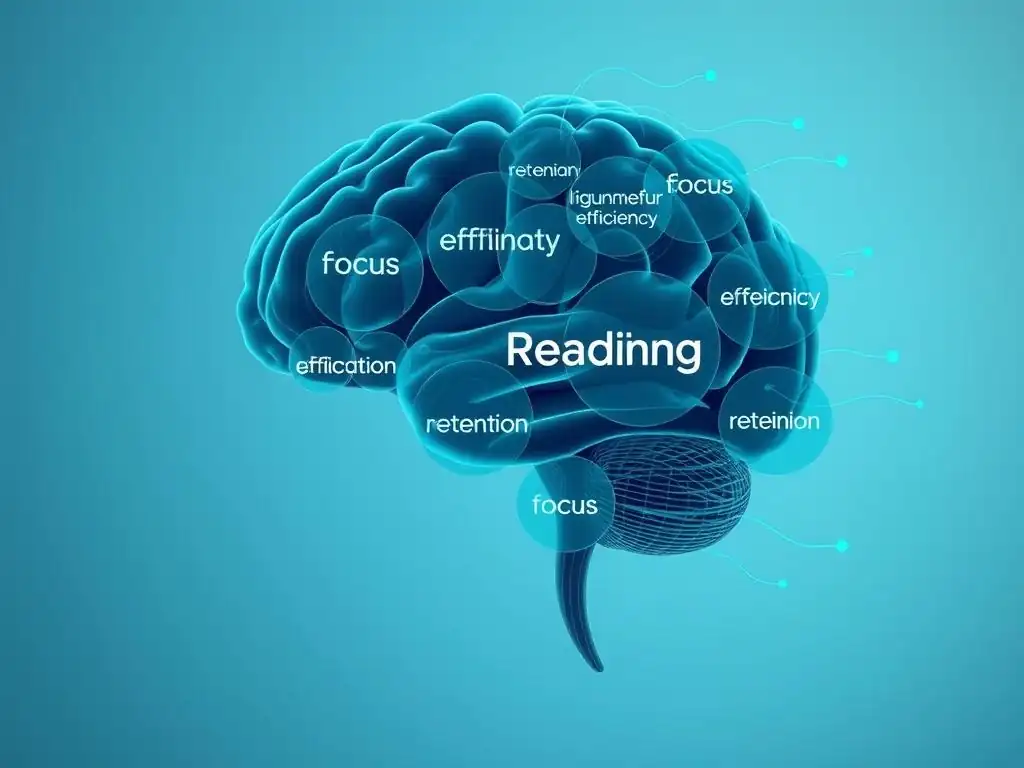
Speed reading, often perceived as a mere technique, is deeply rooted in cognitive psychology. It's not about magically absorbing information; instead, it's about optimizing the brain's natural reading processes. Understanding these processes is crucial to developing effective speed reading strategies and avoiding common pitfalls. This section delves into the cognitive mechanisms involved and dispels common misconceptions.
The Cognitive Processes Involved in Reading
Reading isn't a passive process; it's a complex interplay of several cognitive functions. Efficient speed reading hinges on mastering these processes:
- Visual Perception: This involves accurately identifying letters, words, and phrases. Poor visual perception leads to regressions (re-reading) and reduced comprehension. Speed reading techniques often aim to improve this by expanding the visual span – the number of words you can take in at a glance.
- Working Memory: This temporary storage system holds the information you're currently processing. A strong working memory allows you to connect ideas more effectively, leading to better comprehension even at faster reading speeds. Practicing speed reading exercises strengthens this capacity.
- Cognitive Flexibility: This refers to the ability to shift your attention and adjust your reading strategy based on the text's complexity. Rigid reading habits hinder speed and comprehension. Effective speed readers adapt their approach to different types of materials.
- Long-Term Memory: Information from working memory is transferred to long-term memory for later retrieval. Efficient encoding and retrieval are essential for retaining what you read. Speed reading doesn't sacrifice comprehension; it optimizes the process to maximize retention.
Consider this example: Imagine reading a complex scientific article. A slow reader might meticulously analyze each sentence, placing a heavy load on their working memory. A skilled speed reader, however, would utilize previewing techniques to anticipate the main ideas, improving cognitive flexibility and focusing their attention on key information, thus efficiently using working memory and improving long-term retention.
Debunking Common Myths About Speed Reading and Comprehension
Many myths surround speed reading, often discouraging individuals from pursuing it. Let's address some of the most common misconceptions:
- Myth 1: Speed reading sacrifices comprehension.: This is false. Effective speed reading techniques enhance comprehension by minimizing regressions and improving focus. The goal isn't to read every word, but to extract the core meaning efficiently. Studies show that trained speed readers can maintain or even improve comprehension while significantly increasing reading speed.
- Myth 2: Speed reading is only for specific types of texts.: While some texts might require more focused attention, speed reading techniques are applicable across various genres. Adapting the approach to different materials is key. For instance, scanning a news article differs from carefully analyzing a dense academic paper, but speed reading principles can be applied to both.
- Myth 3: Speed reading is a quick fix.: Like any skill, speed reading requires consistent practice and dedication. Expecting immediate results is unrealistic. Gradual improvement through regular training is the key to success. Think of it as a workout for your brain – the more you practice, the stronger your cognitive muscles become.
- Myth 4: Speed reading is only for those with high intelligence.: This is incorrect. While prior reading skills naturally influence the speed at which an individual learns speed reading techniques, the techniques themselves are designed to be accessible to individuals with a wide range of reading abilities and cognitive skills. The techniques are about optimizing existing processes, not about fundamentally changing cognitive capacity. Dedication and consistent effort are more important than innate intelligence.
The effectiveness of speed reading techniques hinges on understanding and optimizing the cognitive processes involved. By dispelling myths and embracing a strategic approach, anyone can improve their reading speed without compromising comprehension. The key is consistent practice and mindful adaptation of techniques to suit individual needs and the nature of the text.
Practical Speed Reading Techniques: A Step-by-Step Guide
This section delves into practical techniques backed by speed reading psychology techniques to significantly improve your reading speed without sacrificing comprehension. We'll explore actionable steps, emphasizing the cognitive processes involved. Remember, consistent practice is key to mastering these techniques and reaping the benefits.
Step 1: Pre-Reading and Previewing for Efficient Skimming
Before diving into the text, employ a pre-reading strategy to enhance your skimming effectiveness. This initial phase primes your brain for optimal comprehension, acting as a crucial foundation for speed reading. Think of it as setting the stage for a play – you wouldn't start the performance without knowing the characters and plot outline, would you?
This involves several key actions:
- Scanning the title and headings: Quickly glance at the title, headings, and subheadings to understand the text's overall structure and main arguments. This provides a mental framework for the information to come. For example, if the title is "The Impact of Social Media on Teenagers," you anticipate discussions about various social media platforms and their effects on adolescent behavior.
- Reading the introduction and conclusion: The introduction often summarizes the main points, and the conclusion restates them concisely, providing a clear overview. This "bookending" strategy allows you to focus on the core message while skimming the body.
- Identifying keywords and key phrases: Pay attention to bolded words, italicized terms, or any words that repeatedly appear. These are crucial elements often summarizing the central ideas. This targeted approach helps you quickly grasp the essence of the content.
- Using visual cues: Notice any images, charts, or graphs. These visual aids often convey information quickly and efficiently, supplementing the text. A well-designed infographic can sometimes summarize several paragraphs in a glance.
By implementing these previewing steps, you transform passive reading into an active, strategic process. You're not just consuming words; you're actively engaging with the text's structure and anticipating its content. This proactive approach, rooted in speed reading psychology techniques, significantly improves comprehension while boosting your reading speed.
Step 2: Eliminating Subvocalization for Faster Reading
Subvocalization, the silent pronunciation of words as you read, is a significant bottleneck hindering reading speed. It's a common habit, but one that needs to be addressed for significant improvement. Think of it like this: you wouldn't try to run a marathon while simultaneously reciting the alphabet. It's counterproductive!
Several techniques can help you eliminate or minimize subvocalization:
- Conscious Awareness: The first step is to become aware of your subvocalization. Pay attention to the inner voice as you read. Notice when it's most active.
- Using a Pointer: Employing a physical pointer, like your finger or a pen, can guide your eyes across the page, reducing the tendency to subvocalize. The physical act diverts attention away from the inner voice.
- Listen to Music: Playing instrumental music (without lyrics) can help to mask the inner voice and create a more conducive environment for faster reading. This technique helps to override the internal monologue.
- Chunking: Instead of reading each word individually, train yourself to read phrases or groups of words together. This reduces the number of "processing units" and minimizes the need for subvocalization. For example, instead of reading "The quick brown fox," try reading "The quick brown" as a single unit.
Overcoming subvocalization is a gradual process, requiring consistent effort and mindful practice. The payoff, however, is substantial, allowing you to significantly increase your reading speed and improve comprehension. This is where the power of speed reading psychology techniques truly shines, impacting your cognitive efficiency.
Step 3: Expanding Your Visual Span for Improved Reading Flow
Your visual span, the number of words you can take in with a single fixation, directly impacts your reading speed. Expanding this span is crucial for efficient skimming. Imagine reading a single word at a time versus reading an entire phrase at once – the difference in speed is significant.
Several methods can enhance your visual span:
- Peripheral Vision Exercises: Practice focusing on a central point while simultaneously trying to perceive words in your peripheral vision. This strengthens your ability to process information outside of your direct focal point.
- Metronome Technique: Use a metronome to set a consistent reading pace. This forces you to increase your fixation span to keep up with the rhythm. Start slowly and gradually increase the tempo as you improve.
- Rapid Serial Visual Presentation (RSVP): RSVP software displays words one after another in the center of the screen, forcing you to expand your visual span to keep up. This method provides intensive training for improved visual processing.
- Reading Wider: Consciously try to take in more words per glance. Don't fixate on individual words; instead, aim to capture groups of words or entire phrases.
Improving your visual span requires dedicated practice, but the results are well worth the effort. By expanding your visual span, you'll experience a significant boost in reading speed and a smoother, more fluid reading experience. This enhances comprehension and reduces eye strain, making reading a more efficient and enjoyable process. This aligns directly with the core principles of speed reading psychology techniques, emphasizing the enhancement of cognitive processes.
Step 4: Effective Skimming and Scanning Strategies
Skimming and scanning are crucial speed reading psychology techniques that, when mastered, significantly boost comprehension speed. They are not about reading every word; instead, they're about strategically extracting key information. Think of it as a treasure hunt for the most relevant details. Effective skimming and scanning require practice and a conscious shift in reading approach.
It's not a passive activity, but an active engagement with the text, focusing your cognitive resources on the most important elements. Many studies have shown that properly trained individuals can significantly increase their reading speed using these techniques without sacrificing comprehension. The key lies in understanding what to skim and what to scan.
This isn't about randomly glancing over words; it's about targeted searches for specific information. For example, if you're looking for a specific date in a historical document, you would scan the text, focusing on numbers and dates, ignoring the narrative flow. Similarly, when skimming a scientific article, you might focus on headings, subheadings, bolded words, and the first sentence of each paragraph to grasp the main ideas.
This targeted approach minimizes wasted time on irrelevant information, allowing you to quickly extract the essence of the text. The more you practice, the better you become at identifying key information at a glance.
Consider the structure of the text itself. Headings and subheadings act as signposts, guiding you to the most important information. Bold text, italics, and numbered lists highlight key concepts and facts. Learning to recognize these visual cues is a key element of effective skimming and scanning.
Think of it as training your eyes to become highly sensitive to the visual structure of the text, allowing you to rapidly process information. This is where the psychology of visual perception plays a crucial role in enhancing reading speed. Your brain becomes more efficient at filtering out unnecessary details and focusing on relevant information.
Furthermore, understanding the context of the text is paramount. Before you begin skimming or scanning, take a moment to understand the overall topic and purpose of the reading material. This contextual understanding will help you anticipate what kind of information you're looking for and guide your search. This pre-reading step, often overlooked, is a vital component of effective speed reading.
It primes your brain to process the information more efficiently, improving both speed and comprehension. By focusing your attention before you start, you drastically reduce the cognitive load required to process the text effectively. This targeted approach significantly improves the efficiency of your reading process.
Mastering Speed Reading: Practice and Resources

This section delves into practical strategies and readily available resources to help you hone your speed reading skills, specifically focusing on techniques relevant to psychology. Effective speed reading isn't just about racing through words; it's about optimizing your comprehension. The following techniques, when practiced consistently, can significantly improve your reading speed while maintaining, and even enhancing, your understanding. Remember, the goal isn't to simply read faster, but to read faster and better.
Recommended Resources for Speed Reading Psychology Techniques
Finding the right resources can dramatically impact your progress. While many speed reading programs exist, some cater more effectively to the demands of absorbing complex psychological information. Here are some approaches and resource types to consider:
- Targeted Workbooks: Look for workbooks specifically designed to improve reading comprehension alongside speed. These often incorporate exercises focused on identifying key concepts and improving information retention – vital skills for understanding psychological literature. Many include practice passages drawn from psychology texts or research articles, providing relevant practice.
- Online Courses: Several online platforms offer speed reading courses. Ideally, select a course that incorporates techniques like previewing, chunking, and minimizing subvocalization, all crucial for efficiently processing dense psychological material. Look for courses with positive reviews and a focus on practical application.
- Apps and Software: Numerous apps offer speed reading exercises and tracking tools. Choose apps that adapt to your pace and provide feedback on your progress. Some apps even incorporate features specifically designed to improve comprehension, such as vocabulary building or summarization exercises. Consider apps that offer practice with scientific texts, as this will be most relevant to your psychology studies.
- Psychology-Specific Texts: Don't underestimate the power of practicing with actual psychology textbooks and research articles. By consistently applying speed reading techniques to materials relevant to your field, you'll build both your reading speed and your subject-matter expertise simultaneously. This active learning approach reinforces comprehension.
Remember to assess your progress regularly. Track your words-per-minute (WPM) and comprehension levels to monitor your improvement and identify areas needing extra attention. Consistent effort and strategic resource selection are key to mastering speed reading for psychology.
Tips for Maintaining Reading Comprehension While Speed Reading
Increasing your reading speed shouldn't come at the cost of comprehension. The following tips will help you maintain—and even improve—your understanding while boosting your reading pace:
- Previewing: Before diving into a text, quickly scan the headings, subheadings, bolded words, and any visual aids like graphs or charts. This provides a framework for understanding the main points before you start reading in detail. This "preview" acts as a mental map, guiding your reading and improving retention.
- Chunking: Instead of reading word-by-word, train yourself to read in groups of words or phrases. This reduces the number of eye fixations needed, significantly increasing your reading speed. Practice grouping words semantically, focusing on the meaning of the phrase rather than individual words.
- Minimizing Subvocalization: Subvocalization is the silent "pronunciation" of words in your head as you read. This is a significant bottleneck to speed reading. Consciously try to reduce this habit by focusing on the meaning of the text rather than the sound of the words. Techniques like using a pointer to guide your eyes can help break this habit.
- Active Recall: After reading a section, pause and try to summarize the key points in your own words. This active recall strengthens memory and ensures you're truly understanding the material. Test yourself frequently to identify areas where your comprehension is weaker.
- Strategic Highlighting and Note-Taking: Don't highlight everything. Focus on key concepts, definitions, and arguments. Effective note-taking, whether digital or analog, will reinforce your understanding and create a concise summary for later review. Use a system that works best for you, but prioritize quality over quantity.
By incorporating these techniques and utilizing appropriate resources, you'll be well on your way to mastering speed reading for psychology, unlocking the potential to process complex information more efficiently and effectively. Remember that consistent practice is crucial for building lasting improvements in both speed and comprehension.
Conclusion: Maximizing Your Learning Potential with Speed Reading
This exploration of speed reading psychology techniques reveals that efficient reading isn't just about rushing through text; it's a cognitive skill honed through conscious effort and strategic application. By understanding how our brains process information and implementing techniques that leverage these processes, we can significantly improve our reading speed without sacrificing comprehension. The benefits extend far beyond simply finishing books quicker; enhanced reading efficiency translates to increased productivity, improved learning outcomes, and a greater capacity to engage with complex information.
Mastering speed reading empowers you to navigate the ever-growing volume of information in our modern world more effectively. The techniques discussed, from previewing and skimming to minimizing subvocalization and improving focus, are valuable tools for anyone seeking to optimize their learning potential. Remember, consistent practice is key to developing these skills and reaping their full benefits.
Final Thoughts on the Importance of Efficient Reading
In today's fast-paced world, the ability to read efficiently is more valuable than ever. Consider the sheer volume of information we encounter daily: emails, articles, research papers, books – the list is endless. Inefficient reading habits can lead to information overload, stress, and missed opportunities. By mastering speed reading psychology techniques, you equip yourself to process information more effectively, freeing up valuable time and mental energy for other tasks.
This isn't just about consuming more information; it's about absorbing and understanding it more deeply. Efficient reading fosters better comprehension, retention, and ultimately, a more fulfilling learning experience. The ability to quickly grasp the essence of a text allows for deeper engagement with the material, leading to improved understanding and critical thinking. Think of the time saved, the increased productivity, and the enhanced learning capacity—all valuable assets in both academic and professional pursuits.
The Path to Becoming a Faster and More Effective Reader
The journey to becoming a faster and more effective reader is a continuous process of learning and refinement. It requires dedicated practice and a willingness to experiment with different techniques to find what works best for you. Start by implementing the strategies outlined above, focusing on one or two techniques at a time. Regular practice, even for short periods, will yield significant results over time.
Don't be discouraged if you don't see immediate improvement; progress takes time and consistent effort. Consider tracking your reading speed and comprehension to monitor your progress and identify areas for improvement. Remember that speed reading is not about sacrificing understanding; it's about optimizing your reading process to maximize both speed and comprehension.
With patience, persistence, and the right approach, you can transform your reading habits and unlock your full learning potential. Embrace the challenge, and enjoy the journey of becoming a more efficient and effective reader! 🎉
Frequently Asked Questions
What is speed reading, and is it really possible to read faster without losing comprehension?
Speed reading involves techniques to increase your reading rate while maintaining comprehension. Yes, it's possible; these techniques focus on optimizing your reading process, not just skimming. Practice and targeted strategies are key.
How does psychology relate to speed reading techniques?
Psychology plays a crucial role because speed reading relies on cognitive skills like attention, memory, and perception. Understanding how your brain processes information is essential for effective strategy implementation. Techniques leverage these psychological principles to improve reading efficiency.
Are there any potential downsides to using speed reading techniques?
While beneficial, some find initial difficulty adjusting to new methods. Overuse might lead to superficial understanding if not balanced with careful comprehension checks. Finding the right balance between speed and understanding is crucial.
What are some common speed reading techniques mentioned in the article?
The article likely covers techniques like minimizing subvocalization, improving visual span, and using previewing and skimming strategies. It might also emphasize the importance of active reading and focused attention.
Can anyone learn to speed read, or is it only for certain people?
Speed reading is a learnable skill, accessible to most people with consistent practice and effort. While some individuals may naturally grasp certain techniques faster, anyone can improve their reading speed and comprehension with dedicated training and the right techniques.
Final Reflection: The Enduring Power of Efficient Reading
The ability to skim effectively isn't just a productivity hack; it's a crucial skill for navigating the ever-increasing deluge of information in our modern world. In an age saturated with content, mastering the science of skimming allows us to extract key information efficiently, freeing up valuable time and mental energy for deeper engagement with truly important material. This isn't about sacrificing comprehension for speed; it's about optimizing both.
The impact of efficient reading extends far beyond individual productivity. It shapes how we consume news, engage in academic pursuits, and even participate in online discussions. The ability to quickly grasp the essence of an argument, identify biases, and discern credible sources is paramount in today's information landscape. As the philosopher, Nietzsche, wisely observed: Without music, life would be a mistake.
Similarly, without the ability to efficiently process information, navigating the complexities of modern life becomes significantly more challenging. The techniques explored in this article offer a pathway to a more enriching and less overwhelming experience of the information age.
Consider how you currently approach reading. Are you spending more time sifting through unnecessary details than absorbing core concepts? I urge you to experiment with the strategies outlined in this article, to consciously cultivate your skimming skills, and to observe the positive impact on your daily life. Embrace the power of efficient reading – it's not just about reading faster; it's about reading smarter, and ultimately, living more fully.
**Boost Your Reading Skills Today! **
Thank you for exploring the fascinating world of skimming! You've discovered valuable techniques to read faster while retaining key information. Now, put these insights into practice and transform your reading experience.
Here are a few **simple steps** to take immediately:
- **Practice skimming daily:** Dedicate 10 minutes each day to skimming articles or chapters, using the techniques you've learned. Gradually increase the amount of material you skim over time.
- **Join a book club or reading group:** Connect with others who share your goal of improving reading skills. Sharing insights and experiences will deepen your understanding.
- **Share your knowledge:** Teach someone else about skimming techniques. Explaining these skills will reinforce your learning and help others improve their reading.
What strategies will you use to become a more efficient reader? Share your ideas—they might spark a great discussion!