
Overcoming Memory Blocks: Strategies for Retrieving Lost Information

Unlock the secrets of your mind! At Psychology Basics, we demystify the fascinating world of human behavior. Are you struggling to remember important details? This website is designed to provide you with a solid foundation in psychology, and we're starting with a crucial skill: improving memory recall strategies. Dive into our insightful article, "Overcoming Memory Blocks: Strategies for Retrieving Lost Information," and discover practical techniques to sharpen your cognitive abilities and unlock your full potential. Let's explore the power of your memory together!
Memory is a fundamental cognitive process that allows us to encode, store, and retrieve information. However, everyone experiences moments where information seems to vanish from our minds – a frustrating phenomenon often referred to as a "memory block." This article explores the nature of memory blocks, delves into common causes for retrieval failure, and provides practical strategies to improve memory recall and overcome these frustrating obstacles.
We'll examine how to identify the signs of a memory block and implement techniques to effectively retrieve lost information, ultimately improving your cognitive function and learning capabilities. This guide is designed to equip you with the tools and understanding necessary to enhance your memory and conquer those frustrating moments when information simply eludes you.
Learning to improve memory recall strategies is a valuable skill applicable to various aspects of life, from academic pursuits to everyday tasks. This article will provide you with a solid foundation in understanding and overcoming memory blocks.
Understanding Memory Blocks and Their Impact on Recall
Memory blocks aren't simply about forgetting; they represent a disruption in the retrieval process. Our brains store information in complex networks, and a memory block occurs when we can't effectively access the necessary pathways to retrieve a specific piece of information. This can manifest in various ways, from the tip-of-the-tongue phenomenon (knowing you know something but not being able to recall it) to a complete inability to access an entire event or piece of knowledge.
The impact of these blocks can be significant, affecting academic performance, productivity at work, and even everyday social interactions. For example, forgetting a crucial detail during a presentation can be detrimental, while struggling to remember a friend's name can lead to awkward social situations. The severity of the impact depends on the context and the importance of the forgotten information.
Understanding the underlying mechanisms of memory blocks is the first step towards developing effective strategies to overcome them. This includes recognizing that memory is a reconstructive process, not a perfect recording. Our recollections are influenced by various factors including emotions, context, and even the questions we ask ourselves.
Why Can't I Remember? Common Causes of Memory Retrieval Failure
Several factors can contribute to memory retrieval failure, and understanding these causes is crucial for developing effective coping strategies. These causes range from simple distractions and stress to more complex neurological factors.
- Stress and Anxiety: High levels of stress and anxiety can significantly impair memory recall. Stress hormones interfere with the brain's ability to consolidate and retrieve memories.
- Lack of Sleep: Sleep plays a vital role in memory consolidation. Insufficient sleep can severely hamper the ability to access stored information.
- Distraction and Interference: Competing stimuli and distractions during encoding or retrieval can lead to memory blocks. This is why studying in a quiet environment is crucial.
- Poor Encoding: If information isn't encoded properly in the first place (e.g., through superficial learning), it's less likely to be retrieved successfully.
- Aging: While memory changes with age are normal, certain age-related conditions can impact memory recall more significantly. However, regular cognitive exercises can help mitigate these effects.
- Medical Conditions: Certain medical conditions and medications can also contribute to memory problems. Consulting a healthcare professional is recommended if memory issues are persistent or severe.
The Frustration of Forgotten Details: Recognizing the Signs of Memory Blocks
Recognizing the signs of a memory block is the first step in addressing the issue. These signs can vary, but common indicators include:
- Tip-of-the-tongue phenomenon: You know you know the information, but you can't quite retrieve it.
- Feeling of mental blockage: A sense of frustration and inability to access the desired information.
- Partial recall: You can remember parts of the information, but not the whole thing.
- Increased effort to recall: You have to strain to remember, and the recall process is slow and laborious.
- Blank spaces in your memory: You have complete gaps in your memory of an event or piece of information.
Understanding these signs allows you to proactively employ memory retrieval strategies before frustration escalates. This proactive approach is key to improving your overall memory recall and reducing the negative emotional impact of memory blocks. The next section will explore practical strategies to effectively overcome these blocks and improve your memory recall.
- Understanding Memory Blocks and Their Impact on Recall
- Why Can't I Remember? Common Causes of Memory Retrieval Failure
- The Frustration of Forgotten Details: Recognizing the Signs of Memory Blocks
Practical Techniques to Improve Memory Recall Strategies

This section delves into practical techniques you can immediately implement to boost your memory recall. We'll explore methods proven effective in improving the retrieval of stored information, ultimately enhancing your cognitive abilities and learning potential. Mastering these strategies will significantly contribute to improved memory recall strategies, allowing you to access information more readily and efficiently.
Active Recall: The Power of Self-Testing for Enhanced Retention
Active recall, a cornerstone of effective learning, involves actively retrieving information from memory without looking at your notes or other resources. Instead of passively rereading material, you force your brain to work harder, strengthening the neural pathways associated with that information. This process significantly enhances long-term retention.
Think of it like this: Imagine you're trying to learn a list of vocabulary words. Instead of repeatedly reading the word and its definition, try covering the definition and attempting to recall it from memory. If you can't remember, look at the definition, then try again later. This repeated testing strengthens the memory trace.
Studies consistently demonstrate the superiority of active recall over passive review. One study [specific information pending] showed participants who used active recall methods remembered significantly more information after a week than those who simply reread the material.
The effectiveness of active recall is amplified by incorporating various techniques. For example:
- The Feynman Technique: Explain the concept in simple terms, as if you were teaching it to someone else. Identifying gaps in your understanding through this process highlights areas requiring further study and improves recall.
- Self-testing with flashcards: Flashcards are a classic, yet highly effective, tool for active recall. They allow for focused practice and immediate feedback.
- Practice questions and quizzes: Applying your knowledge through practice questions solidifies understanding and enhances retrieval.
Spaced Repetition: Optimizing Your Study Schedule for Long-Term Memory
Spaced repetition is a learning technique based on the principle that reviewing material at increasing intervals optimizes long-term retention. Instead of cramming information all at once, you review it strategically over time, capitalizing on the forgetting curve. This curve illustrates how quickly we forget newly learned information if not reviewed regularly.
By strategically spacing out your review sessions, you combat the natural tendency to forget. The key is to review the material just before you're about to forget it completely. This strengthens the memory trace and significantly improves long-term retention. This is a crucial aspect of improving memory recall strategies.
Different spaced repetition systems (SRS) exist, ranging from simple flashcards with manual spacing to sophisticated software programs that automatically schedule reviews based on your performance. Regardless of the method, the underlying principle remains the same: strategic spacing of review sessions.
Consider this example: You're learning a new language. Instead of reviewing all vocabulary words daily, you might review them every other day initially, then every three days, then every week, and so on. The intervals increase as your retention improves.
Here's a simple table illustrating a basic spaced repetition schedule:
| Day | Review Interval |
|---|---|
| 1 | Immediately after learning |
| 2 | 1 day later |
| 4 | 2 days later |
| 7 | 3 days later |
| 14 | 7 days later |
This approach significantly improves your ability to retain information over the long term, directly impacting your ability to improve memory recall strategies.
Mnemonic Devices: Using Memory Aids to Unlock Forgotten Information
Mnemonic devices are memory aids that use techniques to improve memory recall. They are particularly useful for remembering lists, sequences, or abstract concepts. These techniques transform information into memorable forms, making it easier to retrieve.
Several types of mnemonic devices exist, including:
- Acronyms: Using the first letter of each word in a list to create a pronounceable word (e.g., ROY G. BIV for the colors of the rainbow).
- Acrostics: Forming a sentence where the first letter of each word represents an item on a list.
- Rhymes and songs: Putting information into a rhyming pattern or song makes it more memorable.
- Method of loci (memory palace): Associating items with locations in a familiar place, mentally "walking" through the location to retrieve the information.
- Keyword method: Associating a word with a similar-sounding word and creating a vivid image to link them.
By employing these techniques, you can transform abstract or difficult-to-remember information into memorable forms. For example, to remember a list of grocery items (milk, eggs, bread, cheese), you could create an acrostic sentence: "My eggs break, creating cheese." This quirky sentence makes the list far more memorable than simply repeating the words. Using these methods effectively contributes to improved memory recall strategies. The more creative and engaging your mnemonic device, the more effective it will be. Experiment to find what works best for you!
Leveraging Tools and Resources for Enhanced Memory Recall
This section explores various tools and resources designed to bolster memory recall and improve cognitive function. We'll examine digital aids, supplements, and educational materials that can support your efforts to improve memory recall strategies. Remember, consistent effort and a holistic approach are key to seeing significant improvements.
Memory Improvement Apps: Lumosity and Other Digital Aids
The digital age offers a wealth of applications designed to sharpen cognitive skills, including memory. Apps like Lumosity employ gamified exercises targeting various aspects of memory, such as short-term memory, working memory, and long-term memory retrieval. These apps often track progress, providing users with a visual representation of their improvement over time. This feedback loop can be highly motivating and helps users stay engaged with their memory training.
Beyond Lumosity, numerous other apps offer similar functionalities, focusing on specific memory challenges or cognitive skills. Some apps emphasize visual memory exercises, while others concentrate on verbal recall. The effectiveness of these apps varies depending on individual needs and the app's design. It's crucial to select an app that aligns with your specific goals and learning style.
Furthermore, consider reading user reviews and comparing features before committing to a paid subscription. Many offer free trials, allowing you to assess their suitability before investing. Remember, while these apps can be valuable tools, they are most effective when integrated into a broader strategy that includes lifestyle changes and other memory improvement techniques. They shouldn't be viewed as a standalone solution for improving memory recall strategies.
Memory Enhancement Supplements: Focus Factor and Their Role in Cognitive Function
The market offers a range of supplements purported to enhance cognitive function, including memory. Products like Focus Factor often contain a blend of vitamins, minerals, and herbal extracts believed to support brain health. These ingredients may include choline, which plays a crucial role in memory formation, and various antioxidants that protect brain cells from damage.
It's crucial to approach such supplements with caution. While some studies suggest a potential benefit for certain cognitive functions, more research is needed to definitively establish their efficacy in improving memory recall strategies for all individuals. Furthermore, the quality and purity of ingredients can vary significantly across brands. Always choose reputable brands with transparent labeling and third-party testing to ensure product quality and safety.
Consult with a healthcare professional before starting any new supplement regimen, especially if you have pre-existing health conditions or are taking other medications. They can assess potential interactions and advise on appropriate dosages. Remember that supplements are not a substitute for healthy lifestyle choices and consistent memory training exercises.
Books and Courses for Memory Training: Investing in Long-Term Memory Improvement
Investing in structured learning can provide a significant boost to your memory improvement efforts. Numerous books and courses offer comprehensive memory training programs, often incorporating techniques like mnemonics, spaced repetition, and mind mapping. These resources delve deeper into the underlying principles of memory and provide practical strategies for improving various aspects of memory recall.
The benefits extend beyond simply learning techniques. Structured courses often include personalized feedback, community support, and opportunities for practice and reinforcement. This interactive learning environment can significantly enhance the effectiveness of memory training. When choosing a book or course, consider the author's credentials, the curriculum's structure, and user reviews.
Look for programs that offer a balance of theoretical understanding and practical application. Remember, consistent practice is vital for long-term memory improvement. Consider integrating the techniques you learn into your daily life to maximize their impact on your ability to improve memory recall strategies. A long-term commitment to learning and practice is key to achieving sustained improvements.
Real-Life Scenarios and Memory Recall Challenges
This section explores common memory retrieval challenges and offers practical strategies to overcome them. We'll delve into specific situations where memory recall falters and provide actionable techniques to improve your ability to access stored information. Mastering these strategies is crucial for improving memory recall and enhancing overall cognitive function. Improving memory recall strategies is a vital skill applicable across various aspects of life, from academic pursuits to social interactions.
Overcoming "Tip of the Tongue" Experiences: Techniques for Accessing Elusive Memories
That frustrating feeling – the word is right there, on the tip of your tongue, but you just can't quite grasp it. This common experience, known as the "tip-of-the-tongue" (TOT) phenomenon, highlights the complexities of memory retrieval. While the information is stored in your brain, accessing it can be surprisingly difficult.
Several techniques can help overcome TOT experiences. One effective strategy is to focus on the sound of the word. Think about the first letter, the number of syllables, or any rhyming words that come to mind. This approach leverages phonological encoding, a crucial aspect of memory consolidation. For example, if you're struggling to remember a specific type of bird, try thinking of words that sound similar, such as "robin," "sparrow," or "bluebird." Actively searching for related sounds often unlocks the elusive memory.
Another helpful technique is to consider the context in which you encountered the word. Where were you? Who were you with? Recalling the surrounding details can trigger associated memories and facilitate retrieval. This emphasizes the importance of contextual cues in memory recall.
Finally, don't force it. Sometimes, the best approach is to simply let it go and return to the task later. Often, the word will spontaneously pop into your mind when your conscious focus shifts. This reflects the brain's ability to process information unconsciously. The more relaxed you are, the more likely you are to have a successful memory recall.
Remembering names and faces is a social skill that improves with practice and the application of specific memory strategies. Many people struggle with this, leading to awkward social interactions. However, with deliberate practice, you can significantly improve your ability to remember names and faces.
One effective technique is to actively engage with the person when you're introduced. Repeat their name immediately after hearing it ("It's nice to meet you, Sarah"). Then, try to associate their name with a distinctive feature – perhaps a striking piece of jewelry, a particular hairstyle, or a unique characteristic. This creates a memorable association that strengthens the memory trace.
Another helpful approach is to use visual imagery. Create a mental picture linking the person's name and face. For example, if you meet someone named "David" who has bright red hair, you might imagine David with a giant red apple on his head. The more vivid and unusual the image, the better your chances of remembering.
Furthermore, repetition is key. Try to use the person's name several times during the conversation. This reinforces the memory trace and makes it easier to recall later. You might even make a mental note to use their name again when you leave the conversation.
Finally, consider using mnemonic devices. These are memory aids that use associations and imagery to make information more memorable. For example, you could create a memorable sentence using the first letters of the names of several people you've just met.
Recalling Study Material Effectively: Applying Memory Techniques for Academic Success
Effective study strategies are crucial for improving memory recall in an academic setting. Simply rereading notes is often insufficient; active recall techniques are far more effective for long-term retention. Improving memory recall strategies for academic success requires a multi-faceted approach.
One powerful technique is spaced repetition. Instead of cramming information all at once, review the material at increasing intervals. This technique leverages the spacing effect, which shows that distributed practice leads to better long-term retention than massed practice. Use flashcards or other spaced repetition software to optimize this approach.
Active recall is also vital. Instead of passively rereading notes, test yourself regularly. Try to retrieve the information from memory without looking at your notes. This active retrieval process strengthens memory traces and improves long-term retention. Practice recalling key concepts, definitions, and examples.
Furthermore, elaborative rehearsal can significantly enhance memory. Don't just memorize facts; connect them to existing knowledge, create examples, and explain the concepts in your own words. This deeper processing leads to more robust and enduring memories. Consider using mind maps or concept maps to visually represent relationships between ideas.
Finally, mnemonics and other memory aids can be highly effective for remembering complex information. Acronyms, rhymes, and visual imagery can all be used to create memorable associations and improve recall. Experiment with different techniques to find what works best for your learning style. Remember, consistency is key to successfully improving memory recall strategies in your studies.
The Importance of Sleep, Nutrition, and Exercise for Memory Enhancement
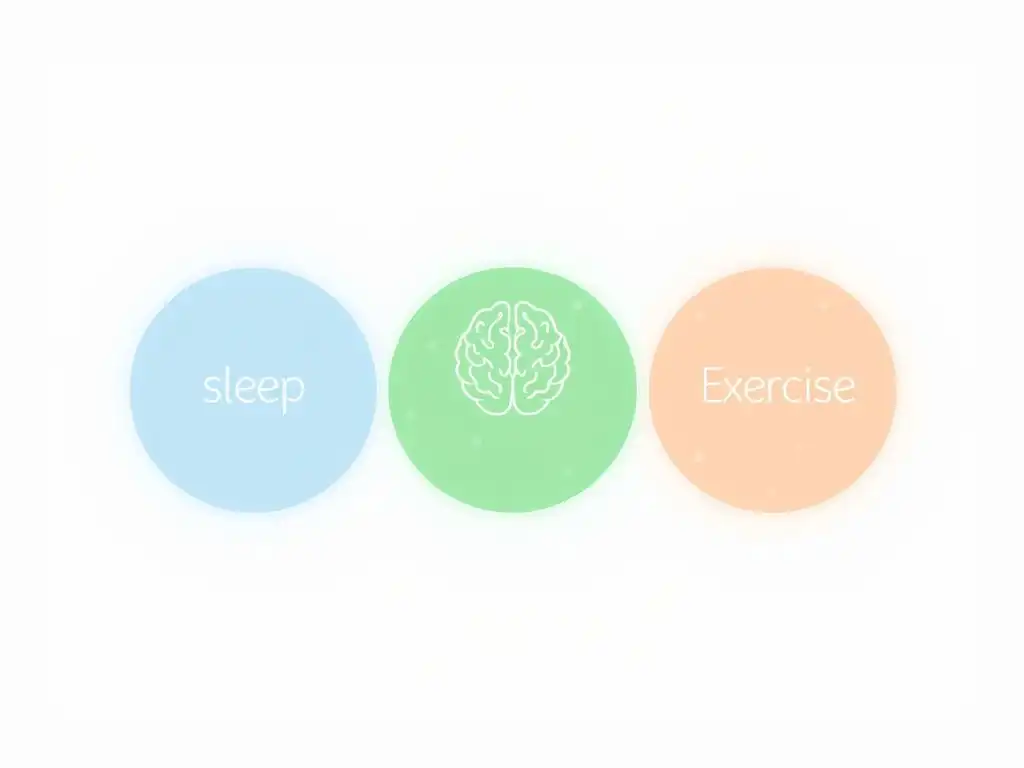
Improving memory recall strategies isn't solely about memorization techniques; it's also significantly influenced by your overall physical and mental well-being. A holistic approach, encompassing sleep, nutrition, and exercise, is crucial for optimizing cognitive function and enhancing memory. Neglecting these fundamental pillars can hinder even the most effective memory strategies. This section delves into the specific ways these lifestyle factors impact memory consolidation and retrieval.
The Link Between Sleep Quality and Memory Consolidation
Sleep isn't just a period of rest; it's a critical time for memory consolidation. During sleep, particularly during REM (Rapid Eye Movement) sleep and slow-wave sleep, the brain processes and strengthens newly acquired information. This process transfers memories from short-term to long-term storage. Studies have consistently demonstrated a strong correlation between sleep deprivation and impaired memory performance.
For example, research shows that individuals deprived of even a single night's sleep exhibit significantly reduced performance on tasks requiring memory recall, such as remembering lists of words or faces. The quality of sleep is just as important as the quantity. Fragmented sleep, characterized by frequent awakenings, can disrupt memory consolidation, leading to poorer recall.
Therefore, prioritizing consistent, high-quality sleep is a cornerstone of any effective strategy to improve memory recall. Aim for 7-9 hours of uninterrupted sleep per night to optimize your brain's ability to process and store information. Establishing a regular sleep schedule, creating a relaxing bedtime routine, and ensuring a dark, quiet sleep environment are all crucial steps in enhancing sleep quality and, consequently, memory performance.
Nutrition for Brain Health: Foods That Support Memory Recall
The brain is a metabolically active organ, and its function is directly influenced by the nutrients it receives. A diet rich in specific nutrients is essential for supporting memory recall and overall cognitive health. Several foods are particularly beneficial for brain function. For instance, foods rich in omega-3 fatty acids, such as salmon, tuna, and flaxseeds, are crucial for brain cell structure and function.
These fatty acids are vital components of brain cell membranes and play a role in neurotransmitter production, impacting memory processes. Similarly, antioxidants, abundant in berries, dark chocolate, and leafy green vegetables, protect brain cells from damage caused by free radicals, which can impair cognitive function. Antioxidants help maintain the health and integrity of brain cells, supporting optimal memory performance. Furthermore, B vitamins, found in whole grains, legumes, and eggs, are essential for neurotransmitter synthesis and energy production in the brain.
A deficiency in B vitamins can negatively impact memory and cognitive functions. A balanced diet rich in these nutrients, combined with adequate hydration, forms a crucial foundation for enhancing memory recall. Consider incorporating these brain-boosting foods into your daily diet as part of a comprehensive strategy to improve memory.
Exercise and Cognitive Function: How Physical Activity Improves Memory
Regular physical activity is not only beneficial for physical health but also plays a crucial role in cognitive enhancement, including memory improvement. Exercise stimulates blood flow to the brain, delivering oxygen and nutrients essential for optimal brain function. This increased blood flow promotes the growth of new brain cells (neurogenesis) and strengthens existing neural connections, which are fundamental processes in memory formation and retrieval.
Studies have shown that regular aerobic exercise, such as running, swimming, or cycling, can significantly improve memory performance in both young and older adults. Moreover, exercise reduces stress hormones, such as cortisol, which can negatively impact memory consolidation. By reducing stress levels, exercise creates a more conducive environment for optimal memory function.
The intensity and duration of exercise required for cognitive benefits vary depending on individual factors, but aiming for at least 30 minutes of moderate-intensity exercise most days of the week is generally recommended. Incorporating physical activity into your daily routine can be a powerful tool in your arsenal of strategies to improve memory recall, contributing to a healthier and more cognitively resilient you. 🚶♀️🧠💪
Final Thoughts: Building a Strong Foundation for Memory Improvement
This section summarizes key takeaways for improving memory recall and emphasizes the importance of consistent effort and the integration of various techniques. We've explored several strategies to overcome memory blocks and enhance information retrieval. The effectiveness of these strategies hinges on consistent practice and mindful application. Remember, improving memory isn't a one-time fix; it's an ongoing process of learning and refinement.
By understanding how memory works and strategically applying these techniques, you can significantly improve your ability to access and utilize stored information. This translates to better academic performance, enhanced professional capabilities, and a richer personal life. Don't get discouraged by occasional setbacks; view them as opportunities for refinement and further understanding of your personal memory strengths and weaknesses. The key is persistent effort and a willingness to experiment with different approaches to find what works best for you.
Combining Strategies for Maximum Memory Recall
The most effective approach to improve memory recall strategies often involves combining different techniques. For instance, you might use mnemonic devices, like the method of loci (memory palace), in conjunction with spaced repetition. Spaced repetition ensures you revisit information at increasing intervals, strengthening its retention. Combining these two methods allows for deeper encoding and more robust retrieval.
Consider this example: You're studying vocabulary words for a foreign language exam. First, you create vivid mental images associated with each word (method of loci), placing them along a familiar route. Then, you review these words using a spaced repetition system, revisiting them after short intervals initially and gradually increasing the time between reviews.
This synergistic approach leverages the strengths of both techniques, resulting in superior recall. Experiment with different combinations to discover the optimal strategies for your learning style and the specific information you need to retain. The more you practice and refine your techniques, the more adept you'll become at recalling information effectively.
The Journey to Better Memory: Consistent Effort and Effective Techniques
Improving memory recall is a marathon, not a sprint. Consistent effort is paramount. Regular practice with memory techniques, even for short periods, is far more beneficial than sporadic, intense sessions. Think of it like building muscle: consistent exercise yields better results than occasional bursts of intense activity.
Similarly, consistent application of memory techniques strengthens your neural pathways, improving your ability to encode and retrieve information. Furthermore, maintaining a healthy lifestyle plays a crucial role. Adequate sleep, a balanced diet, regular exercise, and stress management significantly impact cognitive function and memory performance. These lifestyle choices contribute to optimal brain health, creating a fertile ground for memory improvement.
Remember to be patient and persistent; celebrate small victories along the way and keep refining your techniques. The journey to better memory is a rewarding one, leading to increased confidence and improved cognitive abilities. The rewards of improved memory extend far beyond academic or professional success; they enrich your personal life, allowing you to better connect with memories, experiences, and loved ones.
Resources for Continued Learning: The Memory Palace Website
While this article provides a solid foundation for understanding and implementing memory improvement strategies, many additional resources are available to further enhance your knowledge and skills. Consider exploring websites and books dedicated to memory techniques and cognitive enhancement. These resources often provide more in-depth explanations of specific techniques, practical exercises, and community forums where you can connect with others working towards similar goals. Remember, continuous learning is key to mastering memory improvement.
Many online platforms offer courses, workshops, and interactive exercises designed to help you refine your skills and discover new strategies. By actively seeking out additional information and engaging in consistent practice, you can unlock your memory's full potential. Remember to critically evaluate the information you encounter, selecting resources that align with reputable research and evidence-based practices. The journey to improving your memory is a lifelong endeavor, and continued learning is crucial for sustained progress.
Frequently Asked Questions
What are some common causes of memory blocks?
Memory blocks can stem from various factors, including stress, anxiety, and poor encoding of information during learning. Distraction during the learning process also plays a significant role.
How can I improve my ability to recall information?
Employ effective strategies like active recall, spaced repetition, and elaborative rehearsal. Creating meaningful associations between new and existing knowledge is crucial.
Are there specific techniques to improve memory recall for exams?
Yes! Use practice tests, flashcards, and mind maps to actively retrieve information. Testing yourself regularly strengthens memory consolidation.
What role does sleep play in memory recall?
Sleep is vital for memory consolidation. During sleep, the brain processes and strengthens newly learned information, making it easier to recall later. Sufficient sleep is key.
Can I improve my memory recall at any age?
Absolutely! While memory naturally changes with age, cognitive training, lifestyle changes (like exercise and diet), and the techniques mentioned above can significantly improve memory recall at any life stage.
Final Reflection: Unlocking the Power of Memory
The ability to access and utilize our memories is not merely a cognitive function; it is the very foundation of our personal narratives and our collective understanding of the world. Our memories shape our identities, inform our decisions, and drive our progress. In a world increasingly saturated with information, the strategies outlined in this article—from mnemonic devices to mindful practice—become not just helpful tools, but essential skills for navigating the complexities of modern life.
The exploration of memory retrieval techniques has profoundly impacted my own understanding of learning and personal growth. The process of researching and writing this piece has highlighted the interconnectedness of memory, emotion, and experience. It's a journey of self-discovery, constantly revealing new layers of understanding. As the great philosopher, Aristotle, once noted, Memory is the treasure of the mind, it's the key to the past, present and future.
This quote resonates deeply, emphasizing the profound influence our memories have on shaping who we are and who we become.
You now possess the tools to unlock your own memory potential. Don't just passively accept memory lapses as inevitable; actively engage with the strategies discussed. Experiment with different techniques, find what works best for you, and cultivate a mindful approach to learning and remembering. Embrace the power of your memory—it's a journey of continuous growth and self-discovery, waiting to be explored. Start today.
Unlock Your Memory Potential Today!
Thank you for exploring ways to improve your memory. You've already gained valuable insights into retrieving lost information—now let's put that knowledge to work.
Here are some steps to boost your memory:
- Keep a Memory Journal: Regularly recording your thoughts and experiences reinforces recall and helps you identify patterns in your memory challenges.
- Practice Mindfulness: Daily mindfulness exercises reduce stress, significantly improving cognitive function.
- Join a Support Group: Connecting with others facing similar memory challenges provides a supportive community to share strategies and stay motivated.
What memory challenges have you faced, and how will you address them? Share your experiences and join the conversation!