
Brain Training Apps for Seniors: Maintaining Cognitive Health Through Play

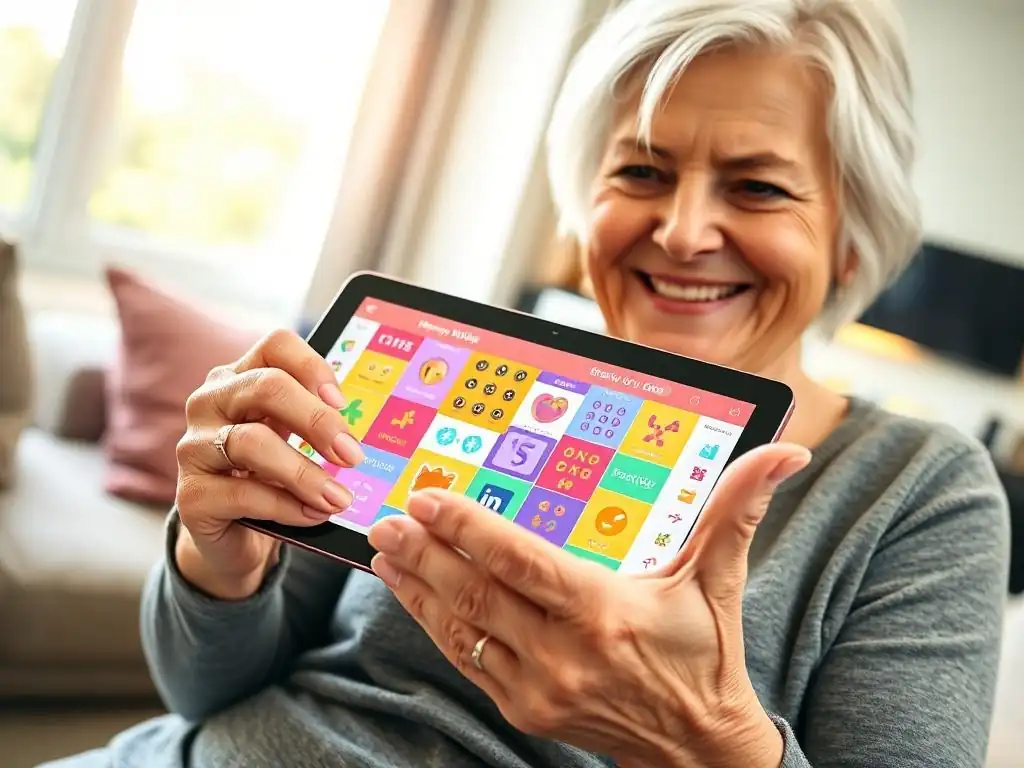
Unlock the secrets of a sharper mind! At Psychology Basics, we demystify the fascinating world of human behavior. Are you curious about how to maintain cognitive health as we age? Then discover the power of play with our in-depth exploration of the best brain games for seniors and their impact on cognitive enhancement. Dive into the world of brain training apps and learn how engaging your mind can lead to a more fulfilling life. Let's explore the exciting possibilities together!
- Best Brain Games for Seniors: Maintaining Cognitive Health Through Play
- Top Brain Training Apps for Seniors: A 2024 Review
- Choosing the Right Brain Training App for You
- The Role of Brain Training Apps in Senior Wellness
-
Frequently Asked Questions
- What are the benefits of brain training apps for seniors?
- Are all brain training apps created equal?
- How much time should seniors spend on brain training apps daily?
- What types of brain games are best for seniors' cognitive health?
- Can brain training apps replace professional medical care for cognitive decline?
- Final Reflection: The Enduring Power of Play in Cognitive Health
- Unleash Your Cognitive Power Today!
Best Brain Games for Seniors: Maintaining Cognitive Health Through Play
Maintaining cognitive health is crucial at every stage of life, but it takes on special significance as we age. This article explores the exciting world of brain training apps specifically designed for seniors, focusing on how engaging games can help preserve and even enhance cognitive abilities. We'll delve into the importance of cognitive stimulation for older adults, the benefits of using brain training apps, and ultimately, help you identify some of the best brain games seniors can use to keep their minds sharp and active.
This guide aims to equip you with the knowledge to make informed choices about brain training resources for yourself or a loved one, emphasizing the fun and engaging aspect of maintaining cognitive fitness. We will also cover how these apps can contribute to a holistic approach to healthy aging, impacting not just memory and processing speed, but overall well-being.
The goal is to highlight how play, specifically through well-designed apps, can be a powerful tool in the pursuit of vibrant cognitive health in later life. This is particularly relevant given the increasing number of seniors actively seeking ways to maintain their cognitive abilities and enjoy active, fulfilling lives.
Introduction to Cognitive Training for Older Adults
Cognitive decline is a natural part of the aging process for some individuals, but the rate and severity of this decline can vary significantly. Many factors influence cognitive health, including genetics, lifestyle choices, and overall health. However, research increasingly shows that engaging in cognitive training activities can significantly mitigate age-related cognitive decline and even improve cognitive function in healthy older adults. This training isn't about memorizing facts; it's about stimulating the brain through activities that challenge and strengthen different cognitive skills. These skills include:
- Memory: Remembering information, both short-term and long-term.
- Attention: Focusing on specific tasks and filtering out distractions.
- Processing Speed: How quickly the brain processes information.
- Executive Function: Planning, organizing, and problem-solving.
- Language: Understanding and using language effectively.
Cognitive training for seniors often involves activities like puzzles, brain teasers, and memory games. However, the rise of technology has opened up new avenues for engaging in these activities, with brain training apps offering convenient and engaging ways to stimulate cognitive function. These apps often incorporate gamified elements, making the training process enjoyable and motivating, which is crucial for long-term adherence. The ease of access and personalized features offered by many apps make them a particularly appealing option for seniors.
Why Cognitive Stimulation is Crucial for Seniors
Maintaining strong cognitive function is essential for seniors to maintain their independence, quality of life, and overall well-being. Cognitive decline can lead to a decreased ability to perform everyday tasks, potentially affecting activities like managing finances, driving, or even preparing meals. This can lead to feelings of frustration, isolation, and dependence, significantly impacting mental health. Cognitive stimulation, on the other hand, can help prevent or delay the onset of age-related cognitive decline, preserving important cognitive skills and promoting a sense of accomplishment and engagement.
Furthermore, engaging in mentally stimulating activities has been linked to a reduced risk of developing age-related neurological conditions such as Alzheimer's disease and dementia. While no app can cure these conditions, proactive cognitive stimulation is considered a valuable preventative strategy and a key component of overall brain health. The benefits extend beyond cognitive function; regular brain training can also improve mood, reduce stress, and promote a sense of purpose and fulfillment in later life.
It's a win-win situation – improving cognitive health while simultaneously enhancing overall well-being. This is especially important for seniors who may experience social isolation or reduced physical activity, as cognitive engagement provides a valuable alternative form of stimulation.
Understanding the Benefits of Brain Training Apps
Brain training apps offer a range of advantages for seniors seeking to improve their cognitive health. Unlike traditional methods, apps provide personalized training programs tailored to individual needs and preferences. Many apps track progress, providing feedback and adjusting the difficulty level accordingly.
This personalized approach ensures that the training remains challenging and engaging, maximizing its effectiveness. The gamified nature of many apps also contributes to increased motivation and adherence, making it easier for seniors to stick to a regular training schedule. The convenience of using apps on smartphones or tablets also makes them accessible to a wider range of seniors, regardless of their physical limitations or technological proficiency.
The social aspect of some apps should also be considered. Many apps allow users to compete with friends or family members, adding a social dimension to the training process and promoting engagement. This social interaction can be particularly beneficial for seniors who may experience social isolation.
Moreover, the variety of games and activities offered by many apps prevents boredom and maintains a high level of engagement. The diverse range of cognitive skills addressed by these apps ensures that seniors are receiving comprehensive cognitive training, benefiting multiple aspects of their cognitive function. The convenience, personalized approach, and gamified elements combine to make brain training apps a powerful tool in the fight against age-related cognitive decline.
Top Brain Training Apps for Seniors: A 2024 Review
This section provides a detailed overview of some of the best brain training apps specifically designed or well-suited for seniors, focusing on their features and benefits for maintaining cognitive health. We'll explore how these apps address the unique needs of older adults and contribute to the overall goal of cognitive enhancement. Remember, while these apps can be beneficial, they are not a replacement for professional medical advice. Always consult with your doctor or a healthcare professional before starting any new brain training program, especially if you have pre-existing health conditions.
Lumosity: Personalized Cognitive Workouts
Lumosity offers a diverse range of brain training games designed to challenge different cognitive skills. The app's strength lies in its personalized approach. After an initial assessment, Lumosity tailors a training program based on the user's strengths and weaknesses. This adaptive learning system ensures that seniors are consistently challenged but not overwhelmed. The games themselves are engaging and visually appealing, often incorporating vibrant colors and simple interfaces to improve accessibility for older adults.
The app's focus on personalized training is a key advantage. Many seniors may find generic brain training programs ineffective or frustrating. Lumosity's adaptive system helps to maintain motivation by providing a constantly evolving challenge. Furthermore, the app provides regular progress reports, allowing users to track their improvement over time. This feedback mechanism is crucial for maintaining engagement and demonstrating the tangible benefits of the training. While the exact games offered vary, examples include memory matching, speed-based tasks, and problem-solving challenges. The app's design prioritizes ease of use, making it accessible even for those with limited technological experience.
Elevate: Sharpening Communication and Cognitive Skills
Unlike some apps that focus solely on memory or processing speed, Elevate offers a broader approach to cognitive training. While it's beneficial for many age groups, its focus on communication skills makes it particularly valuable for seniors. Maintaining strong communication abilities is vital for social interaction and overall well-being, and Elevate directly addresses this need. The app includes games designed to improve vocabulary, reading comprehension, writing skills, and even speaking fluency.
Elevate's curriculum incorporates a variety of game mechanics to keep users engaged. These games often involve challenges like solving puzzles based on word association or completing sentences with the correct vocabulary. The app uses a points-based system to reward progress and encourages daily use through personalized challenges and streaks.
This gamified approach is effective in fostering consistent engagement, a crucial factor in the long-term benefits of cognitive training. The focus on communication skills, often neglected in other brain training apps, is a significant strength, contributing to the holistic cognitive enhancement of senior users. Data suggests that consistent use leads to measurable improvements in verbal fluency and comprehension skills.
CogniFit: Comprehensive Brain Assessment and Training
CogniFit distinguishes itself by offering a comprehensive cognitive assessment before initiating the training program. This thorough evaluation identifies specific cognitive strengths and weaknesses, allowing for a highly personalized training regimen. Unlike many apps that rely on generic exercises, CogniFit creates a tailored program based on individual needs. The app's approach is scientifically-backed, using established cognitive assessment tools to measure performance across various domains such as memory, attention, and executive functions.
The initial assessment is a crucial element of CogniFit's effectiveness. It provides a baseline measurement of cognitive abilities, allowing users to track their progress accurately. This detailed assessment is particularly valuable for seniors who may have varying levels of cognitive decline or specific areas requiring targeted training. The training games themselves are designed to be both challenging and engaging, adapting to the user's performance to maintain optimal difficulty.
The app also offers detailed reports on progress, providing valuable insights into the effectiveness of the training program. CogniFit is often cited as a leading example of the scientific approach to brain training, emphasizing data-driven personalization and rigorous methodology. This makes it a strong choice for users seeking a more clinically-oriented approach to cognitive enhancement.
Peak: Fun and Engaging Brain Games
Peak offers a diverse range of brain games designed to challenge and stimulate cognitive functions in seniors. The app's interface is intuitive and user-friendly, making it accessible even for those with limited technological experience. Unlike some apps that focus solely on rote memorization, Peak incorporates games that target various cognitive skills, including memory, attention, processing speed, and problem-solving. For example, one game might require users to remember a sequence of images, while another challenges them to identify patterns in a series of shapes.
This multifaceted approach ensures comprehensive cognitive engagement. The app also tracks user progress, providing personalized feedback and suggesting appropriate challenges based on individual strengths and weaknesses. This adaptive learning feature keeps the experience engaging and prevents users from becoming bored or discouraged. Moreover, Peak's gamified design, complete with points, badges, and leaderboards, fosters a sense of accomplishment and healthy competition, motivating users to continue their brain training journey.
The app regularly updates its game library, ensuring a consistent stream of fresh challenges and preventing cognitive stagnation. This constant evolution keeps the experience fresh and exciting, combating the potential for monotony that can hinder long-term engagement with brain training apps. The focus on fun and engaging gameplay makes Peak a particularly effective tool for maintaining cognitive health in seniors, encouraging consistent use and maximizing the benefits of regular brain training.
Fit Brains: Neuroplasticity-Based Brain Training
Fit Brains distinguishes itself by explicitly incorporating principles of neuroplasticity into its brain training program. Neuroplasticity, the brain's ability to reorganize itself by forming new neural connections throughout life, is a key factor in maintaining cognitive function as we age. Fit Brains leverages this principle by providing exercises designed to stimulate and strengthen specific brain regions associated with memory, attention, and executive functions. The app offers a wide variety of games and activities, each tailored to target particular cognitive skills.
Unlike some apps that might offer a generalized approach, Fit Brains provides detailed explanations of the cognitive mechanisms involved in each game, empowering users to understand how the exercises benefit their brains. This educational element enhances user engagement and promotes a deeper understanding of the importance of brain training. Furthermore, Fit Brains employs a personalized training regimen, adapting the difficulty and types of exercises based on the individual user's performance. This adaptive approach ensures that the challenges remain appropriately stimulating without being overwhelming, maximizing the effectiveness of the training.
The app also incorporates a progress tracking system, allowing users to monitor their improvement over time and celebrate their achievements. This feature reinforces the positive reinforcement loop, encouraging continued use and further cognitive enhancement. The integration of neuroplasticity principles into the design and implementation of Fit Brains sets it apart, offering a scientifically grounded approach to brain training that is particularly beneficial for seniors seeking to maintain and improve their cognitive abilities.
Choosing the Right Brain Training App for You
Choosing the right brain training app can significantly impact its effectiveness. A poorly designed app might be frustrating, leading to disengagement, while a well-designed one can be both engaging and beneficial for cognitive health. Therefore, careful consideration of several factors is crucial before committing to any particular app. This section will guide you through the key elements to assess when selecting the best brain games seniors cognitive enhancement.
Factors to Consider When Selecting an App
Selecting a brain training app for seniors requires a nuanced approach. It's not simply about finding an app with flashy graphics; it's about finding one that aligns with the individual's needs, abilities, and preferences. Here are some crucial factors to consider:
- Cognitive Function: The app should target specific cognitive skills relevant to the senior's needs. For example, an individual experiencing early memory loss might benefit from an app focusing on memory exercises, while someone concerned about processing speed might prefer games emphasizing reaction time and quick decision-making. Some apps offer comprehensive training across multiple cognitive domains, while others specialize in a particular area. Consider the specific cognitive skills you want to improve and choose an app that directly addresses them. This is especially important when searching for the best brain games seniors cognitive function.
- Ease of Use and Interface: The app's interface should be intuitive and easy to navigate. Seniors may have varying levels of tech proficiency, so a simple, user-friendly design is paramount. Avoid apps with complex menus, confusing instructions, or small, hard-to-read text. Look for apps with large buttons, clear visual cues, and straightforward instructions. A clear, uncluttered interface will contribute to a positive user experience and encourage continued engagement. Consider the user's dexterity and visual acuity when evaluating the interface.
- Engagement and Motivation: The app needs to be engaging and motivating to ensure consistent use. Games should be enjoyable and challenging, but not frustratingly difficult. Apps with a variety of game types, progress tracking, and reward systems can significantly improve user engagement. The best brain games seniors cognitive stimulation are often those that provide a sense of accomplishment and encourage regular participation.
- Social Features (Optional): Some apps offer social features, allowing users to connect with friends and family or compete in challenges. These features can enhance motivation and provide a sense of community, which is particularly important for seniors who may be socially isolated. However, ensure the social aspects don't overwhelm the core cognitive training elements.
- Cost and Subscription Models: Many brain training apps offer free versions with limited features, while others require a subscription for full access. Carefully compare the features and cost of different apps to find one that fits your budget and needs. Consider the long-term value of the app and whether the subscription fee justifies the benefits. Some apps offer a free trial period, allowing you to test the app before committing to a subscription. This is crucial for finding the best brain games seniors cognitive training within your budget.
- Accessibility Features: Check if the app offers accessibility features such as adjustable text size, color contrast options, voice commands, or support for assistive technologies. These features can make the app more usable for seniors with visual or hearing impairments or other disabilities. This is critical for truly providing equitable access to the best brain games seniors cognitive health benefits.
By carefully considering these factors, you can significantly increase your chances of selecting a brain training app that is both effective and enjoyable for seniors, contributing to their overall cognitive well-being and providing them with the best brain games seniors cognitive health can benefit from. Remember, the goal is to find an app that promotes consistent engagement and positive cognitive stimulation.
The Role of Brain Training Apps in Senior Wellness
Brain training apps offer a unique and accessible avenue for seniors to engage in cognitive stimulation, potentially mitigating age-related cognitive decline and enhancing overall well-being. These apps provide a structured and often gamified approach to exercises designed to target specific cognitive functions. Unlike traditional methods, brain training apps offer convenience and flexibility, allowing seniors to participate at their own pace and in the comfort of their homes.
This accessibility is crucial, particularly for seniors with mobility limitations or those living in remote areas with limited access to traditional cognitive rehabilitation programs. The gamified nature of many apps also contributes to increased engagement and motivation, a key factor in long-term adherence to any cognitive training regimen.
Studies suggest a positive correlation between consistent brain training and improved cognitive performance in older adults. While the extent of these benefits remains a subject of ongoing research, the potential for improvement in areas like memory, attention, and processing speed is significant. Furthermore, the social interaction facilitated by some apps, which involve multiplayer games or online communities, can combat social isolation—a prevalent issue among seniors that negatively impacts cognitive health.
The best brain games for seniors often incorporate elements of socialization, creating a supportive and engaging environment. This holistic approach to cognitive wellness, encompassing both mental stimulation and social interaction, contributes significantly to improved quality of life.
Integrating Brain Training into Daily Routines
Successfully incorporating brain training into a senior's daily routine requires a thoughtful and individualized approach. The key is to find a balance between consistency and avoiding burnout. Instead of imposing a rigid schedule, it's more effective to integrate short, focused sessions throughout the day.
For instance, a 10-15 minute session in the morning, followed by another in the afternoon, can be more sustainable than a single, longer session. Variety is also crucial; switching between different types of brain games helps maintain engagement and prevents boredom. Consider using apps with diverse game mechanics, targeting different cognitive skills like memory, processing speed, and problem-solving.
The timing of brain training sessions should also be considered. Some seniors may find it beneficial to engage in these activities after a period of rest, while others might prefer to incorporate them into their daily routines after a stimulating activity. Experimentation is key to finding the optimal time and frequency for each individual. Furthermore, family members or caregivers can play a vital role in supporting seniors' brain training efforts.
Encouragement, assistance with using the technology, and even participation in some games can significantly enhance engagement and adherence. The social aspect of shared gaming experiences can also provide additional cognitive and emotional benefits. The goal is to make brain training a positive and enjoyable part of the daily routine, rather than a chore.
Combining Brain Games with Other Cognitive Health Strategies
Brain training apps should not be considered a standalone solution for maintaining cognitive health. They are most effective when integrated into a broader strategy that encompasses various lifestyle choices and interventions. A holistic approach to cognitive wellness should include a balanced diet rich in brain-boosting nutrients, regular physical exercise, sufficient sleep, and engaging social interactions.
For example, a senior who uses a brain training app to improve memory could complement this with activities like reading, learning a new language, or engaging in hobbies that challenge their memory skills. Similarly, someone using apps to enhance attention could benefit from mindfulness practices, yoga, or tai chi, which improve focus and concentration. The combination of these strategies creates a synergistic effect, maximizing cognitive benefits. It's also important to consult with a healthcare professional to rule out any underlying medical conditions that may be contributing to cognitive decline.
A doctor can provide personalized advice and recommendations based on individual needs and health status. This collaborative approach ensures that brain training is implemented safely and effectively within a comprehensive care plan. The best brain games for seniors, therefore, are those that form part of a wider, holistic plan for cognitive health.
Conclusion: Investing in Your Cognitive Future with Brain Training Apps
Brain training apps represent a valuable tool for seniors seeking to maintain and enhance their cognitive health. By providing accessible, engaging, and flexible methods for cognitive stimulation, these apps can contribute to improved memory, attention, and overall cognitive function. However, it's crucial to remember that apps are most effective when integrated into a holistic approach that encompasses a healthy lifestyle, regular exercise, and social engagement.
By combining brain training with other cognitive health strategies and seeking professional guidance when necessary, seniors can make a significant investment in their cognitive future and enjoy a richer, more fulfilling life. The potential benefits are substantial, offering a proactive approach to age-related cognitive changes and promoting a sense of well-being and independence. Choosing the right app and integrating it effectively into daily life are key to maximizing the positive impact of brain training for seniors.
Frequently Asked Questions
What are the benefits of brain training apps for seniors?
Brain training apps can help improve cognitive function in seniors, including memory, attention, and processing speed. They offer a fun and engaging way to stimulate the brain and potentially delay cognitive decline. Regular use can lead to noticeable improvements in daily life.
Are all brain training apps created equal?
No, the quality and effectiveness of brain training apps vary significantly. Look for apps with evidence-based exercises, clear instructions, and personalized programs. Reading reviews and checking for reputable developers is also crucial.
How much time should seniors spend on brain training apps daily?
The ideal amount of time depends on individual preferences and cognitive abilities. Starting with short, regular sessions (e.g., 15-20 minutes) is recommended. Gradually increasing the duration as tolerated is a good approach.
What types of brain games are best for seniors' cognitive health?
Apps offering a variety of cognitive challenges are beneficial. This includes games focusing on memory (e.g., memory matching), attention (e.g., visual search), and processing speed (e.g., quick reaction tasks). Variety is key to sustained engagement and broad cognitive benefits.
Can brain training apps replace professional medical care for cognitive decline?
No, brain training apps are a supplementary tool, not a replacement for professional medical advice or treatment. If you or a loved one is experiencing significant cognitive decline, consult a doctor or other qualified healthcare professional for a proper diagnosis and treatment plan. Apps should be used in conjunction with, not instead of, professional care.
Final Reflection: The Enduring Power of Play in Cognitive Health
The pursuit of cognitive vitality in our later years is not a luxury, but a fundamental aspect of maintaining independence and quality of life. The increasing availability of brain training apps offers seniors a powerful, accessible, and engaging tool to actively participate in this crucial endeavor. This readily available technology empowers individuals to take control of their cognitive well-being, combating age-related decline and fostering a sense of accomplishment.
The impact of these apps extends beyond individual benefit; they represent a shift in how we approach aging and cognitive health. They challenge the outdated narrative of inevitable decline, replacing it with a message of empowerment and proactive engagement. This positive shift is crucial for fostering a more inclusive and supportive society for seniors. Growing old is mandatory; growing up is optional.
This quote highlights the importance of continued learning and mental stimulation throughout life, a sentiment perfectly embodied by the enthusiastic adoption of brain training apps by many seniors.
Consider the potential within your grasp. You have the power to engage your mind, sharpen your skills, and challenge yourself in a fun and accessible way. Explore the world of brain training apps, discover the games that resonate with you, and embark on a journey of cognitive enrichment. Don't just passively accept the aging process; actively participate in shaping your cognitive future. The games are waiting; your mind is ready.
Unleash Your Cognitive Power Today!
Thank you for exploring how brain training apps can enhance cognitive health for seniors. We hope you found the information valuable and inspiring. Now, let's take the next step on your mental wellness journey.
- Begin by downloading a brain training app. Many excellent apps, such as Lumosity and Elevate, offer engaging brain workouts that easily integrate into your daily routine. Experiment to find one you enjoy.
- Share the fun with friends and family! Organize a weekly game night to strengthen your bonds while boosting your cognitive skills.
- Connect with a supportive community. Join online forums or local groups focused on cognitive health to share experiences, learn from others, and expand your knowledge.
What new cognitive challenge will you embrace this week, and how will it enrich your daily life?