
Personalized Cognitive Training: Tailoring Tools to Your Specific Needs

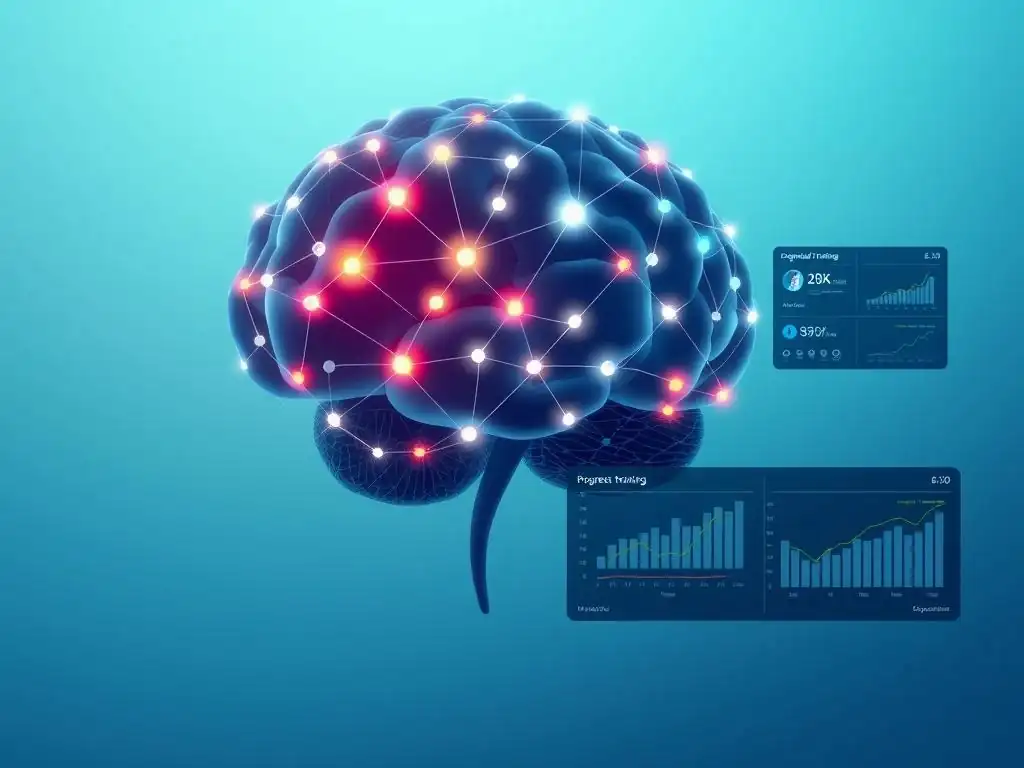
Welcome to Psychology Basics, your gateway to understanding the fascinating world of the human mind. Are you curious about how your brain works and how to optimize its potential? Then you've come to the right place.
We delve into the core principles of psychology, making complex ideas accessible to everyone. This exploration begins with a deep dive into personalized cognitive training tools, examining how these innovative approaches are tailored to your unique needs and cognitive strengths. Discover how you can harness the power of targeted training to achieve your cognitive goals—read on to unlock the secrets to a sharper, more focused mind.
The human brain, a marvel of complexity, isn't a one-size-fits-all organ. What works wonders for cognitive enhancement in one individual might prove ineffective or even detrimental for another.
This inherent variability underscores the critical need for personalized cognitive training – a revolutionary approach that moves beyond generic brain exercises and tailors interventions to the unique cognitive profile and learning style of each individual. This article explores the benefits of personalized cognitive training tools, explaining why generic approaches often fall short and highlighting the essential features to look for when selecting a program designed to optimize your cognitive performance.
We'll delve into the science behind personalized approaches and explore how these tools can empower you to achieve your cognitive enhancement goals more effectively and efficiently. Understanding the nuances of individual cognitive strengths and weaknesses is key to unlocking your brain's full potential, and personalized cognitive training provides the pathway to do just that.
Understanding the Need for Personalized Brain Training Programs
Generic cognitive training programs, while offering a broad approach to cognitive enhancement, often neglect the crucial element of individual differences. These programs typically present a standardized set of exercises designed to improve various cognitive functions like memory, attention, and processing speed. However, individuals present unique cognitive strengths and weaknesses.
Someone might excel in verbal memory but struggle with visual-spatial processing, while another might have the opposite profile. A generic program, failing to account for these variations, may not effectively target areas requiring improvement, leading to suboptimal results and potentially even frustration. Personalized cognitive training, in contrast, leverages assessments to identify specific cognitive strengths and weaknesses, creating a customized training regimen that directly addresses individual needs.
This targeted approach maximizes efficiency and ensures that training efforts are focused where they are most impactful. Think of it like a tailored suit versus off-the-rack clothing – one fits perfectly, enhancing your appearance and comfort, while the other may feel awkward and ineffective. Similarly, a personalized cognitive training program is designed to fit your unique cognitive profile, leading to significantly better outcomes.
Why Generic Cognitive Exercises Often Fall Short
The limitations of generic cognitive exercises are multifaceted. Primarily, they lack the adaptability necessary to cater to diverse learning styles and cognitive profiles. A one-size-fits-all approach fails to recognize that individuals learn and process information differently. Some might benefit from visual aids, while others might prefer auditory learning.
Generic programs rarely account for these preferences, hindering the learning process. Moreover, generic programs often lack the sophisticated feedback mechanisms that are integral to personalized programs. Personalized programs track progress, identify areas requiring additional attention, and adjust the difficulty level accordingly, ensuring continuous improvement and engagement. Without this adaptive feedback, individuals may plateau in their progress or become discouraged.
Furthermore, generic programs often lack the motivational components that are crucial for long-term adherence. Personalized programs often incorporate gamification and progress tracking to maintain engagement and motivation, leading to better long-term results. The lack of these features in generic programs often results in users losing interest and abandoning the program prematurely.
Key Features to Look for in Personalized Cognitive Training Tools
Choosing the right personalized cognitive training tool requires careful consideration of several key features. Firstly, the program should incorporate a comprehensive assessment to accurately identify your cognitive strengths and weaknesses. This assessment should be thorough and reliable, providing a detailed profile of your cognitive abilities. Secondly, the program should offer a customized training plan tailored to your specific needs, focusing on areas requiring improvement.
The exercises should be engaging, varied, and challenging, ensuring sustained motivation and progress. Thirdly, a robust feedback mechanism is crucial. The program should track your progress, provide regular feedback on your performance, and adjust the difficulty level as needed. Finally, the program should be user-friendly and accessible, with intuitive navigation and clear instructions.
Consider programs that offer different types of exercises, catering to various learning styles and preferences. A well-designed personalized cognitive training program will provide a holistic approach to cognitive enhancement, addressing individual needs and fostering long-term cognitive improvement. The investment in a high-quality, personalized program is an investment in your cognitive well-being and future success.
- Understanding the Need for Personalized Brain Training Programs
- Why Generic Cognitive Exercises Often Fall Short
- Key Features to Look for in Personalized Cognitive Training Tools
Top Personalized Cognitive Training Options in 2024
This section explores leading personalized cognitive training tools available in 2024, focusing on their unique approaches to cognitive enhancement and individual needs. We'll examine how these platforms adapt to user progress and provide tailored exercises. The goal is to help you understand the nuances of personalized cognitive training tools and choose the best fit for your specific cognitive goals.
BrainHQ by Posit Science - Adaptive Training for Real-World Skills
BrainHQ is a widely recognized platform offering a comprehensive suite of brain training exercises. Its strength lies in its adaptive nature, adjusting the difficulty of exercises based on individual performance. This dynamic approach ensures continuous engagement and challenge, maximizing the effectiveness of the training. The program focuses on improving real-world skills, such as memory, attention, and processing speed, rather than simply offering abstract cognitive tasks.
BrainHQ's Personalized Approach to Cognitive Enhancement
BrainHQ utilizes sophisticated algorithms to analyze user performance and personalize the training experience. The system tracks progress across various cognitive domains, identifying strengths and weaknesses to create a customized training plan. This adaptive methodology ensures that users are consistently challenged yet remain engaged, optimizing learning and skill improvement. For example, if a user struggles with a specific memory task, BrainHQ will adjust the difficulty and introduce supplementary exercises targeting that particular cognitive area. This iterative process of assessment and adaptation is key to BrainHQ's effectiveness in delivering personalized cognitive training.
Core Features and Benefits of BrainHQ
- Adaptive Difficulty: Exercises dynamically adjust to individual performance, ensuring optimal challenge.
- Wide Range of Exercises: Covers multiple cognitive domains, including memory, attention, processing speed, and problem-solving.
- Progress Tracking: Detailed reports monitor performance over time, allowing users to visualize their improvement.
- Real-World Application: Exercises focus on skills applicable to daily life, enhancing practical cognitive abilities.
- Scientifically Backed: The platform's effectiveness is supported by extensive research and clinical trials.
Pricing and Subscription Options for BrainHQ
BrainHQ offers various subscription options, catering to different needs and budgets. Information regarding specific pricing tiers and features included in each plan is available directly on their website. [Specific pricing information pending] They often offer trial periods, allowing users to experience the platform before committing to a longer-term subscription. Choosing a plan depends on individual needs and the desired duration of cognitive training.
CogniFit - A Comprehensive Cognitive Assessment and Training Platform
CogniFit distinguishes itself through its comprehensive approach, combining detailed cognitive assessments with personalized training programs. Unlike some platforms that solely focus on training, CogniFit begins with a thorough evaluation to pinpoint specific cognitive strengths and weaknesses. This assessment informs the creation of a customized training regimen designed to address individual needs effectively.
CogniFit's Unique Assessment-Driven Training Programs
CogniFit's assessment process is crucial to its personalized approach. This in-depth evaluation goes beyond simple tests, providing a nuanced understanding of the user's cognitive profile. The resulting data informs the creation of tailored training programs, focusing on areas needing improvement. This targeted approach maximizes the efficiency of the training, ensuring that users work on exercises directly relevant to their cognitive needs. For instance, if the assessment reveals a weakness in visual-spatial processing, the personalized program will prioritize exercises designed to strengthen this specific skill.
CogniFit's Strengths in Personalized Cognitive Development
CogniFit leverages a large database of exercises and games to create diverse and engaging training programs. This variety keeps users motivated and prevents boredom, a common issue with many cognitive training platforms. The platform's adaptive nature ensures that the difficulty level remains challenging yet achievable, promoting continuous improvement. Furthermore, CogniFit provides detailed progress reports, allowing users and professionals to monitor the effectiveness of the training. The integration of assessment and training makes CogniFit a powerful tool for personalized cognitive development.
How CogniFit Adapts to Individual Progress
CogniFit's adaptive algorithms continuously monitor user performance, adjusting the difficulty and type of exercises as needed. This dynamic approach ensures that the training remains challenging and relevant throughout the user's journey. As users improve, the platform introduces more complex tasks, preventing plateaus and fostering continuous cognitive growth. This constant adaptation is a key differentiator, ensuring that the training remains effective and engaging over time. The personalized nature of the training, driven by the initial assessment and ongoing monitoring, is a significant advantage for users seeking targeted cognitive enhancement.
Lumosity - Engaging Games for Targeted Cognitive Improvement
Lumosity offers a diverse range of engaging games designed to challenge and improve various cognitive skills. The platform uses a sophisticated algorithm to assess your baseline cognitive abilities through an initial assessment. This assessment helps personalize your training plan, focusing on areas where you need the most improvement. Unlike generic brain training apps, Lumosity tailors the difficulty and types of games presented to you based on your performance.
This adaptive learning approach ensures you're consistently challenged but not overwhelmed, maximizing your learning potential and engagement. The variety of games keeps the experience fresh and prevents boredom, a common pitfall of many cognitive training programs. Users report a significant improvement in focus and memory after consistent use, highlighting the effectiveness of its personalized approach to cognitive enhancement.
Lumosity's Gamified Approach to Personalized Cognitive Training
Lumosity's success hinges on its gamified approach. Instead of tedious exercises, users engage with fun and interactive games. This gamification significantly increases user engagement and adherence to the training program. The games are designed to be challenging yet rewarding, motivating users to continue their training.
Progress is tracked through points, badges, and leaderboards, fostering a sense of accomplishment and competition, further boosting motivation. This approach is particularly effective for individuals who might find traditional cognitive training methods dull or unengaging. The platform cleverly integrates challenges and rewards, keeping users motivated and consistently improving their cognitive skills. This blend of fun and functionality is a key differentiator for Lumosity within the personalized cognitive training tools market.
Tracking Progress and Adapting Training with Lumosity
Lumosity provides detailed progress tracking, allowing users to monitor their improvement over time. The platform displays performance data across various cognitive domains, such as memory, attention, processing speed, and flexibility. This visual representation of progress is highly motivating and helps users stay committed to their training. More importantly, Lumosity's algorithms dynamically adjust the training plan based on your performance.
If you struggle with a particular cognitive skill, the platform will increase the frequency and difficulty of games targeting that area. Conversely, if you excel, it will introduce new challenges to keep you engaged and prevent plateaus. This adaptive learning system is crucial for personalized cognitive training, ensuring that the program remains relevant and effective for each individual user.
Lumosity's Subscription Plans and Trial Options
Lumosity offers a range of subscription plans to cater to different needs and budgets. A free trial is available, allowing users to experience the platform and its features before committing to a subscription. This allows potential users to assess the effectiveness and suitability of the program for their personal needs.
The subscription plans vary in duration and features, with longer subscriptions generally offering better value. While the cost of a subscription might be a barrier for some, the long-term benefits of improved cognitive function outweigh the cost for many users. The availability of a free trial minimizes risk and allows individuals to make an informed decision about whether Lumosity aligns with their cognitive enhancement goals.
Peak - Mobile-First Personalized Brain Training
Peak is a leading mobile application specializing in personalized brain training. Its mobile-first design makes it incredibly accessible, allowing users to train their cognitive skills anytime, anywhere. The app boasts a large library of games designed to target specific cognitive functions, such as memory, focus, mental agility, and problem-solving. Peak's focus on mobile accessibility makes it a convenient option for busy individuals who may not have the time or inclination to use a desktop-based cognitive training program. The user interface is intuitive and easy to navigate, ensuring a smooth and enjoyable user experience.
Peak’s Strengths in Mobile Cognitive Exercise
Peak's strength lies in its seamless integration into the user's mobile lifestyle. The app's design prioritizes usability and ease of access, making it a user-friendly choice for individuals new to cognitive training. The short, game-like exercises fit easily into busy schedules, encouraging regular engagement. The app also offers personalized workout plans tailored to the user's individual needs and goals. This personalized approach ensures that users are consistently challenged and motivated to continue their training, contributing to long-term cognitive improvements. The portability of the app is a significant advantage, allowing for consistent cognitive training regardless of location.
Personalized Workout Plans and Cognitive Tracking in Peak
Peak utilizes a data-driven approach to personalize the user's brain training experience. After an initial assessment, the app generates a personalized workout plan designed to address the user's specific cognitive strengths and weaknesses. This plan is dynamically adjusted based on the user's progress, ensuring that the training remains challenging and effective.
The app meticulously tracks the user's progress, providing detailed insights into their performance across different cognitive domains. This data visualization helps users understand their strengths and areas for improvement, motivating them to continue their training and achieve their cognitive enhancement goals. This feedback loop is crucial for sustained engagement and optimal results.
Peak's Pricing and Accessibility
Peak offers a range of subscription options, including free and paid versions. The free version provides access to a limited number of games and features, allowing users to experience the app's functionality before committing to a paid subscription. The paid subscription unlocks the full range of games, personalized workout plans, and detailed progress tracking.
While the paid version offers a more comprehensive experience, the free version provides a valuable introduction to Peak's personalized brain training approach. The diverse pricing structure aims to make Peak accessible to a wider range of users, regardless of their budget. The availability of a free tier significantly reduces the barrier to entry for potential users.
Choosing the Right Personalized Cognitive Training Tool for You
This section focuses on helping you navigate the world of personalized cognitive training tools and select the program best suited to your individual requirements. The market offers a plethora of options, each with its own strengths and weaknesses. Making an informed decision requires careful consideration of several key factors.
Factors to Consider: Goals, Budget, and Learning Style
Before diving into specific programs, it's crucial to define your objectives. What cognitive skills do you aim to improve? Are you looking to enhance memory, boost focus, sharpen problem-solving abilities, or improve overall cognitive function? Defining your goals will significantly narrow down your choices. For example, if your primary goal is to improve memory recall for academic purposes, you'll want a program that focuses heavily on mnemonic techniques and memory exercises, rather than one primarily focused on speed processing.
Your budget is another critical factor. Personalized cognitive training tools range in price from free apps to expensive, subscription-based programs. Consider how much you're willing to invest and research options within your price range. Many free apps offer basic cognitive exercises, while more comprehensive programs often come with a price tag. Remember, the cost doesn't always equate to effectiveness; carefully examine the features and user reviews before committing to a purchase.
Finally, consider your learning style. Do you prefer interactive games, structured lessons, or a combination of both? Some programs rely heavily on gamification to keep users engaged, while others adopt a more traditional, instructional approach. Selecting a program that aligns with your preferred learning style will increase your likelihood of adherence and ultimately, success. For example, visual learners might benefit more from programs with strong visual components, while kinesthetic learners may prefer programs involving physical activities.
How to Start Your Personalized Cognitive Training Journey
Embarking on a personalized cognitive training journey requires a structured approach. Begin by setting realistic, achievable goals. Instead of aiming for dramatic improvements overnight, focus on incremental progress. Start with shorter training sessions (15-20 minutes) to avoid burnout and gradually increase the duration as your comfort level grows. Consistency is key; aim for regular training sessions, ideally several times a week. This regularity is far more effective than sporadic, intense bursts of activity.
Tracking your progress is essential for maintaining motivation and making adjustments as needed. Many programs include built-in progress tracking features; if not, consider using a journal or spreadsheet to monitor your performance. This allows you to identify areas where you're excelling and areas requiring additional attention. Remember, cognitive training is a journey, not a race. Celebrate your successes, learn from your challenges, and maintain a positive attitude. The journey of cognitive enhancement should be a rewarding and enriching experience, not a source of stress.
Maximizing the Benefits of Personalized Brain Training
To maximize the benefits of personalized cognitive training, it's important to approach it holistically. While dedicated training programs are valuable, they are most effective when combined with a healthy lifestyle. Prioritize adequate sleep, a balanced diet, and regular physical exercise. These lifestyle choices are crucial for optimal brain health and function, complementing the targeted cognitive training you're undertaking. Furthermore, consider incorporating mindfulness practices, such as meditation or yoga, into your routine. These practices have been shown to improve focus, reduce stress, and enhance cognitive function.
Remember that personalized cognitive training is not a one-size-fits-all solution. What works for one person may not work for another. Be patient, persistent, and adaptable. Don't hesitate to experiment with different programs and techniques until you find the approach that best suits your individual needs and preferences. Regular self-assessment and adjustments are key to optimizing the effectiveness of your training regime. This iterative process allows you to continuously refine your approach and ensure you're maximizing your cognitive potential. The ultimate goal is to integrate these training techniques into your daily life, fostering long-term cognitive enhancement and overall well-being.
The Future of Personalized Cognitive Enhancement and Technology
The future of personalized cognitive enhancement is bright, brimming with potential thanks to rapid advancements in technology. We are moving beyond generic brain training games towards truly individualized experiences. This means leveraging data-driven insights to create training programs that are precisely tailored to an individual's cognitive profile, learning style, and even their unique neurological responses. Imagine a future where AI algorithms analyze your brainwave patterns in real-time, adjusting the difficulty and focus of your cognitive exercises to maximize effectiveness.
This level of precision is currently under development, but early research is promising. For example, studies are exploring the use of neurofeedback techniques combined with personalized software to enhance specific cognitive functions, like attention or memory. This represents a significant leap forward from the one-size-fits-all approach of many existing cognitive training programs.
The integration of virtual and augmented reality (VR/AR) also holds immense promise. Immersive VR environments can create engaging and motivating cognitive training experiences, making the process more enjoyable and less likely to lead to boredom or disengagement – a common hurdle in traditional cognitive training. These immersive environments can simulate real-world scenarios, requiring users to apply their cognitive skills in dynamic and challenging contexts.
Think of navigating a complex virtual city to improve spatial reasoning or solving puzzles within a virtual archaeological dig to boost problem-solving skills. The potential for gamification within these VR/AR environments is also immense, leading to increased motivation and adherence to training programs.
Furthermore, the increasing accessibility of wearable technology, such as smartwatches and EEG headsets, will play a crucial role. These devices can continuously monitor various physiological parameters, including heart rate variability, sleep patterns, and even brainwave activity. This data can be used to provide real-time feedback on cognitive performance and to further personalize the training experience. For example, a smartwatch could detect signs of stress and automatically adjust the difficulty of the cognitive exercises to avoid overwhelming the user.
The convergence of these technologies promises a future where personalized cognitive enhancement is not only highly effective but also seamless and integrated into our daily lives. However, ethical considerations surrounding data privacy and algorithmic bias must be carefully addressed as we move forward. The responsible development and implementation of these technologies are crucial to ensure equitable access and prevent unintended consequences.
Frequently Asked Questions
What are personalized cognitive training tools?
Personalized cognitive training tools are computerized programs designed to improve specific cognitive skills, such as memory or attention, based on an individual's unique needs and strengths, identified through an initial assessment. They adapt and adjust the difficulty level to optimize learning.
How do these tools differ from generic brain training games?
Unlike generic brain training games, personalized tools assess your cognitive abilities first to identify your weaknesses. They then create a customized training program targeting those specific areas for improvement, offering a more effective approach.
Are these tools scientifically proven to be effective?
Many personalized cognitive training tools are based on evidence-based research, using techniques proven to enhance cognitive functions. However, the effectiveness can vary depending on the specific tool and the individual's commitment to the program.
Who can benefit from using personalized cognitive training tools?
These tools can benefit a wide range of individuals, including those seeking to enhance their cognitive performance, those experiencing mild cognitive impairment, and even those wanting to improve focus and productivity.
Where can I find reputable personalized cognitive training tools?
You can find reputable tools by searching for programs that are backed by research, have positive user reviews, and offer clear explanations of their methodology. Consulting with a healthcare professional may also be beneficial.
Final Reflection: Unlocking Your Cognitive Potential Through Personalization
The pursuit of sharper minds is no longer a one-size-fits-all endeavor; personalized cognitive training is revolutionizing how we approach brain health and cognitive enhancement. We've explored the exciting landscape of tailored tools, from adaptive learning platforms to neurofeedback systems, demonstrating the power of individual assessment and targeted interventions. This isn't just about improving memory; it's about unlocking the unique potential within each of us.
The impact of personalized cognitive training extends far beyond individual benefit; it's reshaping our understanding of learning and development. By acknowledging the diverse cognitive profiles and learning styles, we're moving away from a standardized approach that often leaves individuals behind. This shift fosters a more inclusive and effective learning environment for everyone, regardless of age or pre-existing conditions. The greatest discovery of all time is that a person can change his future by merely changing his attitude.
- Oprah Winfrey. This rings true for cognitive training, as a positive and proactive approach can significantly impact cognitive outcomes.
Consider the implications of this personalized approach. What specific cognitive skills are you hoping to improve? What tools and techniques resonate most with your learning style? Take the time to explore the options discussed in this article, and embark on a journey of self-discovery and cognitive enhancement. Don't just passively accept your current cognitive abilities; actively shape and refine them through the power of personalized training. The future of your mind is in your hands.
**Unlock Your Potential with Personalized Cognitive Training! **
Thank you for exploring the world of personalized cognitive training! You've discovered how tailoring training to your specific needs can significantly boost your mental agility, memory, and overall cognitive function. Now, let's put that knowledge into action!
Here's how to begin your journey toward a sharper mind:
- **Assess your cognitive strengths and weaknesses:** Reflect on your cognitive abilities. What areas could benefit from improvement? Setting specific, achievable goals will help you create a personalized training plan.
- **Explore diverse cognitive training resources:** Research apps, books, online courses, or workshops that target your specific needs. Experiment with a new resource this week to find what works best for you.
- **Connect with others:** Join a community or forum to connect with others interested in cognitive enhancement. Sharing experiences and learning from others can significantly enrich your understanding and motivation.
Which cognitive skills are you most eager to improve, and how will you integrate these improvements into your daily life?