
The Psychology of Learning: How We Acquire Knowledge and Skills

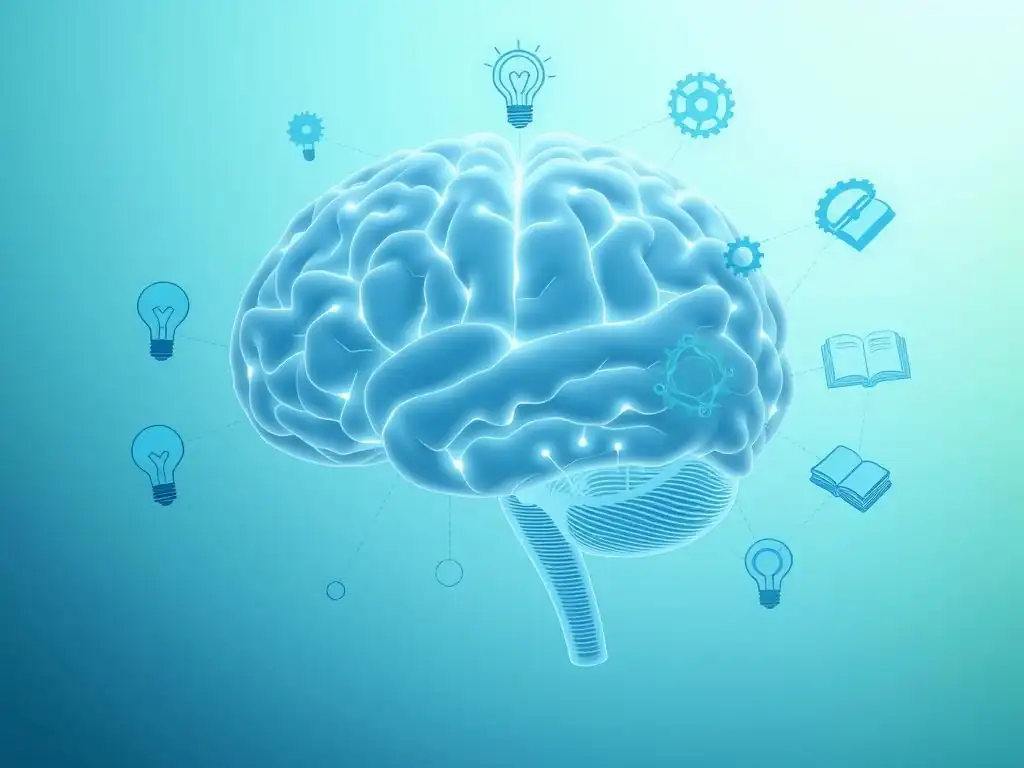
Welcome to Psychology Basics, your gateway to understanding the fascinating world of the human mind. Are you curious about how we learn and acquire new skills? Then you've come to the right place! This website is designed to demystify psychology learning key concepts, providing a clear and engaging introduction to the field. Dive in and discover the secrets behind our cognitive processes – your journey into the psychology of learning begins now!
- Understanding the Key Concepts of Psychology Learning
- Learning Theories and Their Implications for Psychology Learning
- Factors Influencing Psychology Learning and Knowledge Acquisition
- Applying Psychology Learning Principles for Enhanced Knowledge Retention
- The Future of Psychology Learning: Emerging Trends and Technologies
- Frequently Asked Questions
- Final Reflection: The Enduring Power of Understanding How We Learn
- Unleash Your Learning Potential Today!
Understanding the Key Concepts of Psychology Learning
Psychology, the scientific study of the mind and behavior, offers profound insights into how we learn. This exploration into the psychology of learning delves into the core cognitive processes that underpin our acquisition of knowledge and skills. Understanding these processes is not merely an academic exercise; it's crucial for optimizing learning strategies, improving educational practices, and even enhancing personal development.
This article will examine key psychological concepts related to learning, focusing on the intricate interplay between attention, memory, perception, and the mechanisms of memory consolidation. We'll explore how these elements interact to shape our understanding of the world and our ability to acquire new information and master new skills, ultimately contributing to a deeper understanding of the "Psychology learning key concepts." This journey will illuminate the fascinating complexities of human learning and its implications for the future of psychology and educational methodologies.
Cognitive Processes in Knowledge Acquisition: Attention and Memory
Effective learning hinges on two fundamental cognitive processes: attention and memory. Attention, the selective focusing of consciousness on a particular stimulus, acts as the gateway to learning. Without focused attention, information simply washes over us without leaving a trace. Consider trying to read a book while simultaneously watching television – the divided attention leads to poor comprehension of both. Our attentional resources are limited; therefore, effective learning strategies often involve techniques to enhance attentional focus, such as minimizing distractions, breaking down complex tasks into smaller, manageable chunks, and actively engaging with the material.
Memory, the ability to encode, store, and retrieve information, is equally critical. Our memory system is not a monolithic entity but rather a complex network of interacting components. Sensory memory briefly holds information from our senses, while short-term memory (or working memory) temporarily stores and manipulates information relevant to the task at hand.
Long-term memory, the vast repository of our accumulated knowledge and experiences, is where information is consolidated for later retrieval. The efficiency of each of these memory stages significantly impacts our learning capacity. For example, effective encoding strategies, such as elaborative rehearsal (connecting new information to existing knowledge) and mnemonic devices (memory aids), can substantially improve the transfer of information from short-term to long-term memory.
The Role of Perception in Learning and Knowledge Retention
Perception, the process of organizing and interpreting sensory information, plays a crucial role in shaping our understanding of the world and, consequently, our learning experiences. How we perceive information directly impacts how we encode and store it in memory. For instance, individuals with different perceptual styles may interpret the same information differently, leading to varied learning outcomes. Visual learners may benefit more from diagrams and illustrations, while auditory learners may prefer lectures and discussions.
Furthermore, biases in perception, such as confirmation bias (favoring information that confirms pre-existing beliefs), can hinder learning by preventing us from objectively evaluating new information. Understanding these individual differences in perception is essential for tailoring learning experiences to maximize effectiveness. Moreover, actively engaging multiple senses during the learning process can enhance encoding and retention, as multi-sensory experiences often create richer and more memorable representations in memory.
Encoding, Storage, and Retrieval: Key Mechanisms in Memory Consolidation
Memory consolidation, the process by which memories become stable and enduring, involves three key stages: encoding, storage, and retrieval. Encoding refers to the initial processing of information into a format that can be stored in memory. Effective encoding involves actively engaging with the material, relating it to prior knowledge, and using various mnemonic techniques. Storage refers to the retention of information over time, which is influenced by factors such as the strength of the memory trace and the interference from other memories.
Retrieval is the process of accessing stored information, which can be influenced by various factors such as cues, context, and emotional state. Understanding these mechanisms is critical for developing effective learning strategies. For example, spaced repetition (reviewing information at increasing intervals) can enhance long-term retention by strengthening memory traces.
Similarly, using retrieval practice (testing oneself on the material) can improve retrieval efficiency and reduce the likelihood of forgetting. The interaction of these three stages ultimately determines the success of knowledge acquisition and skill development. Understanding these intricate processes is key to unlocking the full potential of human learning.
Learning Theories and Their Implications for Psychology Learning
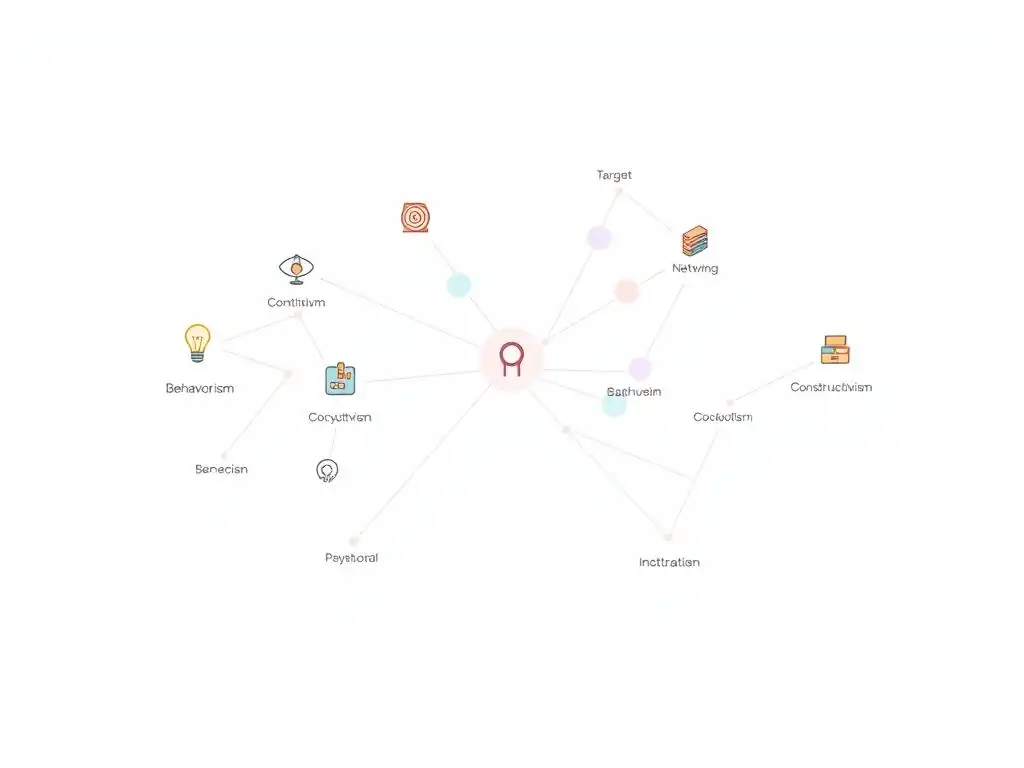
This section delves into the core learning theories that underpin our understanding of how humans acquire knowledge and skills. These theories are not mutually exclusive; rather, they offer different perspectives that contribute to a more holistic understanding of the complex process of learning. Understanding these theories is crucial for effective teaching and learning, particularly within the field of psychology itself, where mastering complex concepts is paramount. The application of these principles directly impacts how we design effective psychology curricula and teaching methodologies. This exploration will focus on the impact these theories have on psychology learning key concepts.
Behaviorism and its Contribution to Understanding Learning
Behaviorism, a dominant force in early psychology, emphasizes the role of environmental factors in shaping behavior. Learning, from a behaviorist perspective, is seen as a change in observable behavior resulting from experience. This change is often explained through principles of classical conditioning, where an association is formed between a neutral stimulus and a biologically potent stimulus (like Pavlov's dogs), and operant conditioning, where behaviors are learned through reinforcement and punishment.
For psychology learning, behaviorist principles translate into strategies like using positive reinforcement to encourage desired learning behaviors (e.g., rewarding students for correct answers), and using negative reinforcement to reduce undesired behaviors (e.g., removing a disliked task after a student completes their work). However, behaviorism's limitations are apparent in its lack of focus on internal mental processes. It struggles to fully explain complex cognitive tasks like problem-solving or language acquisition, crucial aspects of learning advanced psychology concepts.
A purely behaviorist approach to psychology education might oversimplify the richness of human cognition involved in understanding complex psychological theories. For example, simply memorizing definitions without understanding the underlying mechanisms wouldn't constitute genuine learning of psychological principles.
Cognitivism: Exploring Mental Processes in Learning and Knowledge
Cognitivism shifts the focus from observable behavior to internal mental processes. It views learning as an active process of information processing, encompassing attention, perception, memory, and problem-solving. Instead of simply reacting to stimuli, learners actively construct their understanding of the world. Cognitive load theory, for instance, emphasizes the limitations of working memory and suggests instructional strategies that minimize cognitive overload, thereby facilitating effective learning. This is particularly pertinent to psychology learning, where students grapple with abstract concepts and complex models.
Cognitive approaches to teaching psychology involve strategies such as using analogies and metaphors to make abstract concepts more concrete, providing opportunities for active recall and spaced repetition to enhance memory, and incorporating problem-solving activities to encourage deeper understanding. For instance, using case studies to illustrate psychological principles allows students to actively engage with the material and apply their knowledge, rather than passively absorbing information.
This active engagement is crucial for mastering psychology learning key concepts. Furthermore, the use of visual aids, mind maps, and other tools that cater to different learning styles, showcases the practical application of cognitive principles in educational settings.
Constructivism: The Active Role of the Learner in Knowledge Construction
Constructivism emphasizes the learner's active role in constructing knowledge. It posits that learners don't passively receive information but actively create meaning by integrating new information with their prior knowledge and experiences. This process is heavily influenced by social interaction and collaboration. Social constructivism, a prominent branch, highlights the importance of collaborative learning and scaffolding, where learners receive support from more knowledgeable others.
In the context of psychology learning, constructivist approaches emphasize active learning strategies such as group projects, debates, and simulations. These activities encourage students to engage in dialogue, share perspectives, and collaboratively construct understanding. For example, a group project requiring students to design and conduct a simple psychological experiment fosters a deep understanding of research methodology and specific psychological phenomena, significantly enhancing their grasp of psychology learning key concepts.
Furthermore, the opportunity to negotiate meaning and challenge assumptions within a group setting promotes critical thinking skills, a vital component in comprehending complex psychological theories. The inherent flexibility and adaptability of constructivist approaches make them highly suitable for addressing the diverse learning styles and needs of students in a psychology curriculum.
Social Cognitive Theory (SCT), pioneered by Albert Bandura, significantly expands upon behaviorist learning models by incorporating the crucial role of cognitive processes and social interaction in learning. Unlike purely behaviorist approaches that focus solely on stimulus-response mechanisms, SCT emphasizes observational learning, where individuals learn by observing others' behaviors and their consequences. This observational learning, also known as vicarious learning, is a powerful mechanism that allows for rapid acquisition of knowledge and skills without the need for direct experience.
One of the core tenets of SCT is the concept of modeling. Individuals, particularly children, learn by observing models – significant figures in their lives, such as parents, teachers, peers, or even characters in media. These models demonstrate behaviors, and the observer learns not only the behavior itself but also the likely consequences associated with it. For example, a child observing a sibling being rewarded for sharing a toy is more likely to exhibit sharing behavior in the future.
Conversely, witnessing a peer being punished for aggressive behavior can deter the observer from engaging in similar actions. This process is significantly influenced by the observer's perception of the model's competence, status, and similarity to themselves. A child is more likely to imitate a respected and admired parent than a stranger.
Furthermore, SCT highlights the importance of self-efficacy in the learning process. Self-efficacy refers to an individual's belief in their own ability to successfully execute a specific behavior. Observing successful models can significantly boost an individual's self-efficacy, making them more confident in their ability to learn and perform new tasks.
Conversely, observing failures can decrease self-efficacy, leading to avoidance of similar challenges. This emphasizes the critical role of positive reinforcement and supportive feedback in fostering a learner's self-belief and motivation. The implications for psychology learning are profound: educators should strategically utilize modeling techniques, showcasing successful problem-solving strategies and highlighting the accomplishments of peers, to enhance students' self-efficacy and promote active learning.
Beyond observation and modeling, SCT also incorporates cognitive factors such as attention, retention, reproduction, and motivation. The learner must first pay attention to the model's behavior, then retain information about it in memory. Subsequently, the learner must be able to reproduce the observed behavior, and possess the motivation to do so.
This highlights the complex interplay between observation, cognitive processing, and behavioral outcome, making SCT a more holistic and comprehensive explanation of learning compared to purely behaviorist perspectives. Effective teaching strategies informed by SCT would incorporate techniques that capture attention, aid memory retention (e.g., through mnemonics or spaced repetition), provide opportunities for practice and feedback, and foster intrinsic motivation.
This ensures that learners not only observe but also actively process and apply the learned information, leading to deeper and more meaningful learning experiences. The effectiveness of this approach is supported by numerous studies demonstrating the positive impact of observational learning and modeling on a wide range of behaviors and skills, including academic achievement and social competence.
Factors Influencing Psychology Learning and Knowledge Acquisition
This section delves into the multifaceted factors that significantly influence how we learn and acquire knowledge within the realm of psychology. Understanding these factors is crucial for optimizing the learning process and achieving better academic outcomes. Effective learning isn't just about absorbing information; it's about actively engaging with the material and understanding how individual differences impact the process. We'll explore key elements like motivation, metacognition, and emotional regulation, demonstrating their profound impact on knowledge acquisition within the context of psychology learning key concepts.
Motivation and its Impact on Learning Outcomes
Motivation, a key driver of behavior, plays a pivotal role in academic success. Students highly motivated to understand psychology learning key concepts tend to demonstrate greater persistence, deeper engagement, and ultimately, better learning outcomes. This intrinsic motivation, stemming from a genuine interest in the subject matter, fosters a proactive approach to learning. Conversely, extrinsic motivation, driven by external rewards like grades or praise, can be less effective in the long run.
Several studies have shown a strong correlation between intrinsic motivation and improved academic performance in psychology. For instance, a meta-analysis of studies on student motivation in higher education revealed that students with higher levels of intrinsic motivation achieved significantly higher grades compared to their less motivated peers. Furthermore, motivated students are more likely to actively seek out challenging material, engage in self-regulated learning strategies, and persevere through difficult concepts.
Understanding and fostering intrinsic motivation is therefore paramount for effective psychology learning. We can encourage this by creating engaging learning environments, connecting the material to real-world applications, and promoting a sense of autonomy and mastery in students.
The impact of motivation extends beyond simply achieving good grades. Highly motivated students are more likely to develop a deeper understanding of psychology learning key concepts, fostering a lifelong love of learning and a more robust knowledge base. This translates to better retention of information, increased critical thinking abilities, and a greater capacity for independent learning.
The Importance of Metacognition in Effective Learning Strategies
Metacognition, or "thinking about thinking," is a crucial element in effective learning. It involves actively monitoring and regulating one's own cognitive processes. In the context of psychology learning key concepts, metacognition allows students to understand their strengths and weaknesses, plan their learning strategies accordingly, and evaluate their progress. Students who are metacognitively aware are better equipped to identify areas where they need more support and adjust their learning techniques accordingly.
For example, a student might realize that they struggle with remembering complex terminology. Using metacognitive strategies, they might develop flashcards, use mnemonic devices, or engage in active recall techniques to improve their memory. They might also monitor their comprehension during lectures and actively seek clarification when they encounter confusing concepts. This proactive approach to learning contrasts sharply with passive learning, where students simply absorb information without actively reflecting on their understanding.
Effective metacognitive strategies include: planning (setting goals and outlining learning strategies), monitoring (checking for understanding and identifying difficulties), and regulating (adjusting strategies based on monitoring). These strategies are not innate; they can be taught and developed through explicit instruction and practice. Educators can facilitate metacognitive development by encouraging self-reflection, providing opportunities for self-assessment, and modeling effective metacognitive strategies. By cultivating metacognitive skills, we can empower students to become more independent and effective learners in psychology and beyond.
Emotional Regulation and its Role in Academic Performance
Emotional regulation, the ability to manage and control one's emotions, is surprisingly crucial for academic success. Psychology learning key concepts, particularly those related to complex human behavior and emotional experiences, can be emotionally challenging for some students. Anxiety, frustration, and stress can significantly impair learning and performance. Students struggling with emotional regulation may experience difficulty focusing, concentrating, and retaining information.
The ability to manage stress and anxiety is particularly important during exams and high-pressure situations. Students with strong emotional regulation skills are better equipped to handle these challenges and perform at their best under pressure. Techniques like mindfulness, deep breathing exercises, and positive self-talk can help students manage their emotions and improve their academic performance.
Furthermore, a supportive and understanding learning environment can significantly contribute to students' emotional well-being. Educators can create a classroom atmosphere that fosters a sense of belonging, reduces anxiety, and encourages open communication. By addressing emotional needs alongside academic goals, we can create a more conducive learning environment for all students, leading to improved academic outcomes and a more positive learning experience. This holistic approach recognizes the interconnectedness of emotional and cognitive processes in learning, highlighting the importance of emotional regulation in mastering psychology learning key concepts.
The Impact of Individual Differences on Learning Styles and Preferences
Understanding how individuals learn is crucial in the field of psychology learning key concepts. People don't all learn in the same way; individual differences significantly impact learning styles and preferences. These differences stem from a complex interplay of cognitive abilities, personality traits, and prior experiences. For instance, some learners thrive in visual environments, readily absorbing information presented through diagrams, charts, and videos. Others are auditory learners, preferring lectures, discussions, and audio recordings.
Still others are kinesthetic learners, needing hands-on activities and physical movement to solidify their understanding. Ignoring these diverse learning preferences can hinder effective knowledge acquisition. A lecture-heavy course might disadvantage visual or kinesthetic learners, while a purely hands-on approach might leave auditory learners struggling. Effective pedagogy acknowledges this diversity and incorporates a variety of teaching methods to cater to different learning styles.
The impact extends beyond sensory preferences. Cognitive abilities, such as working memory capacity and processing speed, significantly influence how quickly and effectively individuals learn new information. Individuals with higher working memory capacity can juggle more information simultaneously, making complex tasks easier. Similarly, those with faster processing speeds can absorb and process information more efficiently.
These cognitive differences aren't necessarily static; they can be improved through training and practice. However, understanding these individual differences allows educators to tailor their approaches, providing extra support for students who might need it and challenging those who are ready for more. For example, providing visual aids and breaking down complex tasks into smaller, manageable steps can help learners with lower working memory capacity.
Furthermore, personality traits play a surprising role. For example, individuals high in conscientiousness tend to be more organized and disciplined in their approach to learning, leading to better outcomes. Conversely, individuals high in neuroticism might experience higher levels of anxiety in learning situations, impacting their performance.
These personality characteristics interact with learning styles and cognitive abilities, creating a complex individual learning profile. Effective learning strategies, therefore, must take into account the whole person, not just their cognitive skills. Understanding personality factors allows for the development of learning environments that minimize anxiety and maximize engagement for all learners.
This might involve providing structured learning environments for less organized individuals or strategies for managing anxiety for neuroticism-prone learners. The psychology of learning, therefore, emphasizes the importance of personalized approaches to education, recognizing that a "one-size-fits-all" approach is ineffective. Tailoring teaching methods to individual learning styles and preferences is key to maximizing learning outcomes and fostering a more inclusive and effective educational experience.
Applying Psychology Learning Principles for Enhanced Knowledge Retention
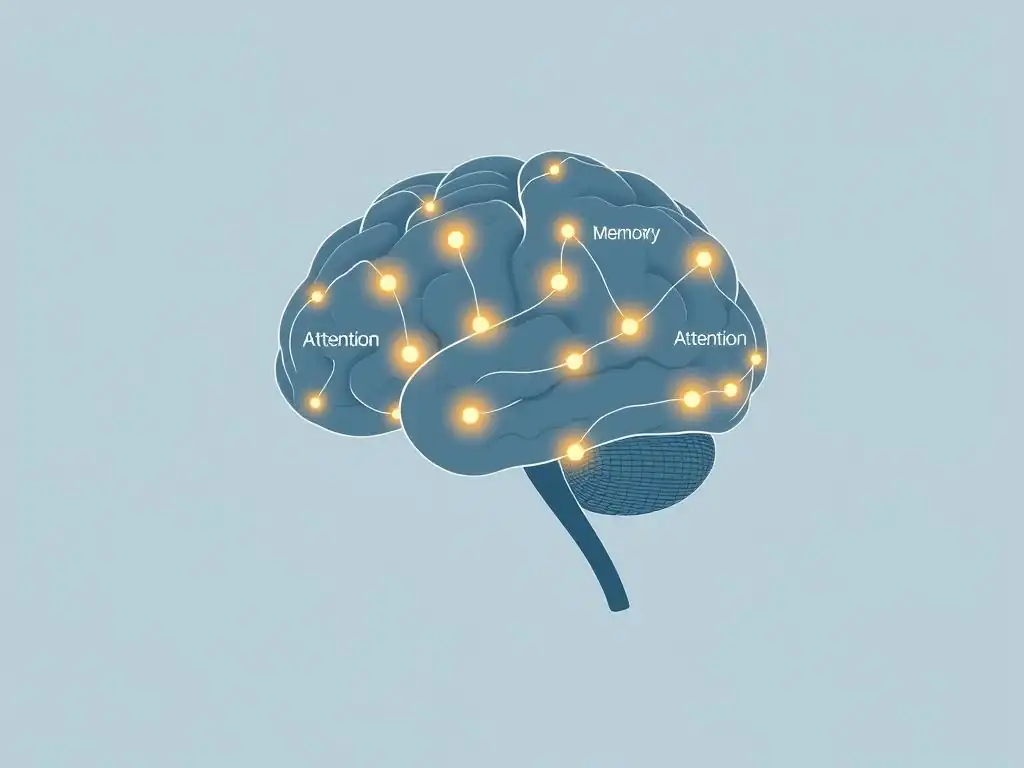
This section delves into the practical application of psychological learning principles to optimize knowledge retention and skill acquisition. Understanding how we learn is crucial to learning better. We'll explore effective study techniques and strategies grounded in established learning theories, examining their impact on memory consolidation and long-term recall. This is key to mastering the psychology learning key concepts and achieving academic success. The application of these principles extends beyond the classroom, impacting professional development and personal growth.
Effective Study Techniques and Strategies for Optimal Learning
Effective learning isn't just about passively absorbing information; it's an active process. Several evidence-based techniques significantly boost knowledge retention. Spaced repetition, for example, involves reviewing material at increasing intervals. This combats the forgetting curve, a phenomenon where memory fades over time. Instead of cramming, spread your study sessions over several days or weeks. This technique leverages the principles of long-term potentiation, strengthening neural connections associated with the learned material.
Another powerful strategy is interleaving. Instead of studying one topic exhaustively before moving on to the next, switch between different subjects. This forces your brain to actively discriminate between concepts, leading to improved understanding and recall. Studies have shown that interleaving significantly outperforms blocked practice (studying one topic at a time) in terms of long-term retention.
Active recall, a cornerstone of effective learning, involves testing yourself regularly without looking at your notes. This process forces your brain to retrieve information, strengthening memory traces. Techniques like the Feynman Technique—explaining a concept as if teaching it to someone else—are incredibly effective forms of active recall. This approach not only identifies knowledge gaps but also enhances understanding by forcing you to articulate complex ideas.
Finally, consider the importance of elaborative rehearsal. This involves connecting new information to existing knowledge. Creating mental images, using mnemonics, and relating new concepts to personal experiences all contribute to deeper processing and improved memory. The more connections you forge, the more robust your understanding becomes. This is a crucial aspect of mastering the psychology learning key concepts.
Practical Applications of Learning Theories in Educational Settings
The principles of psychology learning aren't confined to individual study habits; they have profound implications for educational settings. Educators can leverage these theories to create more effective learning environments. For instance, understanding the importance of spaced repetition allows for the design of curricula that incorporate regular review sessions and distributed practice. This approach moves away from the traditional model of cramming information before exams.
Furthermore, incorporating active learning strategies into the classroom—such as group discussions, problem-solving activities, and peer instruction—can significantly enhance student engagement and knowledge retention. These interactive methods promote active recall and elaborative rehearsal, fostering deeper understanding.
Personalized learning, tailored to individual learning styles and paces, is another crucial application. By recognizing that students learn differently, educators can employ diverse teaching methodologies, catering to visual, auditory, and kinesthetic learners. This approach maximizes the effectiveness of instruction, ensuring that all students have the opportunity to succeed. Adapting teaching methods to accommodate various learning styles directly impacts the effective transmission of psychology learning key concepts.
Developing Personalized Learning Plans Based on Individual Needs
Developing a personalized learning plan requires self-reflection and a deep understanding of your own learning preferences. Start by identifying your learning style: Are you a visual, auditory, or kinesthetic learner? Do you thrive in structured environments or prefer more flexibility? Understanding your strengths and weaknesses is paramount.
Next, assess your current study habits. Are you utilizing effective techniques, such as spaced repetition and active recall? Are you managing your time efficiently? Identifying areas for improvement is crucial.
Based on this self-assessment, create a personalized study plan that incorporates strategies tailored to your learning style and needs. This might involve using flashcards for visual learners, recording lectures for auditory learners, or engaging in hands-on activities for kinesthetic learners. The plan should also incorporate regular self-testing and feedback mechanisms to monitor progress and identify areas requiring further attention. Remember, consistency and self-discipline are key to the success of any personalized learning plan. This individualized approach ensures that the core psychology learning key concepts are internalized effectively. Regular evaluation and adjustment of your plan are essential for continuous improvement.
The Future of Psychology Learning: Emerging Trends and Technologies
The field of psychology learning is undergoing a significant transformation, driven by advancements in technology and a deeper understanding of the brain's learning mechanisms. This section explores key emerging trends that are reshaping how we acquire and apply psychological knowledge. Understanding these trends is crucial for anyone interested in the future of psychology education and practice, particularly in grasping the core concepts of psychology learning.
The effective integration of these advancements promises a more engaging, efficient, and personalized learning experience for students and professionals alike. This evolution is not just about delivering information differently; it's about fundamentally changing how we understand and improve the learning process itself, reflecting the dynamic nature of "Psychology learning key concepts."
The Role of Technology in Enhancing Learning Experiences
Technology is revolutionizing how we learn psychology. Interactive simulations, virtual reality (VR) experiences, and gamified learning platforms are creating immersive and engaging educational environments. For instance, VR can simulate real-world therapeutic scenarios, allowing students to practice their skills in a safe and controlled setting without the pressures of a live clinical environment.
Gamification, through points, badges, and leaderboards, can boost motivation and encourage active participation in learning activities. Furthermore, the accessibility offered by online learning platforms is expanding access to psychological education for a wider audience, regardless of geographical location or socioeconomic background. This is particularly vital for disseminating accurate information about crucial "Psychology learning key concepts" to a broader population.
The use of technology isn't simply about replacing traditional methods; it's about augmenting them to create a more dynamic and effective learning experience. The successful integration of technology requires careful consideration of pedagogical principles to ensure that technology enhances, rather than hinders, the learning process.
Personalized Learning and Adaptive Technologies in Education
The one-size-fits-all approach to education is increasingly outdated. Personalized learning, tailored to individual learning styles and paces, is gaining traction. Adaptive learning technologies, using artificial intelligence (AI), are at the forefront of this movement.
These platforms analyze student performance and adjust the difficulty and content of the learning materials accordingly. This ensures that students are constantly challenged, yet not overwhelmed, leading to improved learning outcomes. For example, an adaptive learning platform might identify a student's weakness in understanding classical conditioning and provide them with additional practice exercises or supplementary materials specifically targeting that concept.
This personalized approach is particularly impactful in the complex field of psychology, where understanding individual differences is paramount. The ability to adapt to individual learning needs is a key component in effectively conveying the intricacies of "Psychology learning key concepts." Furthermore, the data collected by these systems can provide valuable insights into effective teaching strategies and areas where improvements are needed.
The Potential of Neuroscience in Understanding and Improving Learning
Neuroscience is providing valuable insights into the biological mechanisms underlying learning and memory. By understanding how the brain processes information, we can design more effective learning strategies. Neuroimaging techniques, such as fMRI and EEG, allow researchers to observe brain activity during learning, revealing which brain regions are involved and how they interact.
This knowledge can inform the development of educational interventions that optimize brain function and enhance learning outcomes. For example, research on the role of sleep in memory consolidation suggests that incorporating regular breaks and sufficient sleep into learning schedules can significantly improve retention of "Psychology learning key concepts." Similarly, understanding the impact of stress on learning and memory can lead to the development of stress-reduction techniques to improve learning performance.
The integration of neuroscience findings into educational practices is still in its early stages, but its potential to revolutionize how we approach learning is immense. The future of psychology learning will undoubtedly benefit from a deeper understanding of the brain's learning mechanisms and their implications for educational design.
Frequently Asked Questions
What is the central focus of the psychology of learning?
The psychology of learning focuses on how people acquire, retain, and use knowledge and skills. It examines the cognitive processes, environmental factors, and individual differences that influence learning. It's a broad field encompassing many approaches.
What are some key theories within the psychology of learning?
Several prominent theories exist, including behaviorism, focusing on observable behaviors and conditioning; cognitivism, emphasizing mental processes; and constructivism, highlighting the active role of the learner in building knowledge. Each offers a unique perspective.
How do different learning styles affect the learning process?
Learning styles, such as visual, auditory, and kinesthetic, describe how individuals prefer to receive and process information. While their impact is debated, understanding your preferred style can help you optimize your learning strategies and environment.
What is the role of memory in learning?
Memory is crucial for learning. Encoding, storage, and retrieval of information are all essential processes. Without effective memory, learning and knowledge retention are significantly impaired.
How can I apply psychology of learning principles to improve my own learning?
By understanding principles like spaced repetition, active recall, and interleaving, you can design more effective study strategies. Seeking feedback and creating a supportive learning environment are also important for successful learning.
Final Reflection: The Enduring Power of Understanding How We Learn
The way we acquire knowledge and skills isn't just an academic pursuit; it's the very foundation of personal growth and societal progress. Understanding the psychology of learning isn't simply about memorizing facts; it's about unlocking our potential to adapt, innovate, and thrive in a constantly evolving world. This knowledge empowers us to navigate the complexities of life with greater ease and effectiveness.
The exploration of learning's psychological underpinnings has profoundly shaped my own approach to education and self-improvement. It's highlighted the crucial role of active engagement, meaningful connections, and emotional context in the learning process. This understanding has shifted my perspective from passive absorption of information to a more active, inquisitive, and ultimately more rewarding journey of discovery. The mind is not a vessel to be filled, but a fire to be kindled.
- Plutarch. This quote perfectly encapsulates the transformative power of understanding how we truly learn.
Now, consider your own learning journey. Reflect on the methods that have resonated most deeply with you, and those that have fallen short. What strategies can you implement to optimize your learning experience? How can you apply these principles not only to formal education but also to the continuous learning that is essential for personal and professional growth? Embrace the power of understanding your own learning style, and unlock the limitless potential within you.
Unleash Your Learning Potential Today!
Thank you for exploring the fascinating world of learning psychology with us! You've gained valuable insights into how we learn and acquire new skills, knowledge that can significantly improve your academic pursuits and personal growth. Now, let's put this knowledge into practice!
Here are some powerful steps you can take immediately:
- Try a new learning technique: Experiment with spaced repetition or active recall to solidify your understanding of a particular concept. Focus on mastering one key idea this week using these methods.
- Discuss your learning: Share your newfound knowledge with a friend or colleague. Explaining concepts to others reinforces your own understanding and can lead to stimulating conversations.
- Connect with a community: Join online forums or local groups focused on learning techniques and personal development. Connecting with like-minded individuals can be incredibly beneficial and supportive throughout your learning journey.
Which learning technique will you use today to boost your comprehension? Share your thoughts in the comments!